LoreArc

Western

196 items tagged with "Western"

🐉Dragons(7)
🐉Spirits(20)
oread-spirit
📸 2

Oread

Spirit King

Mountain Nymph of Greek Mythology

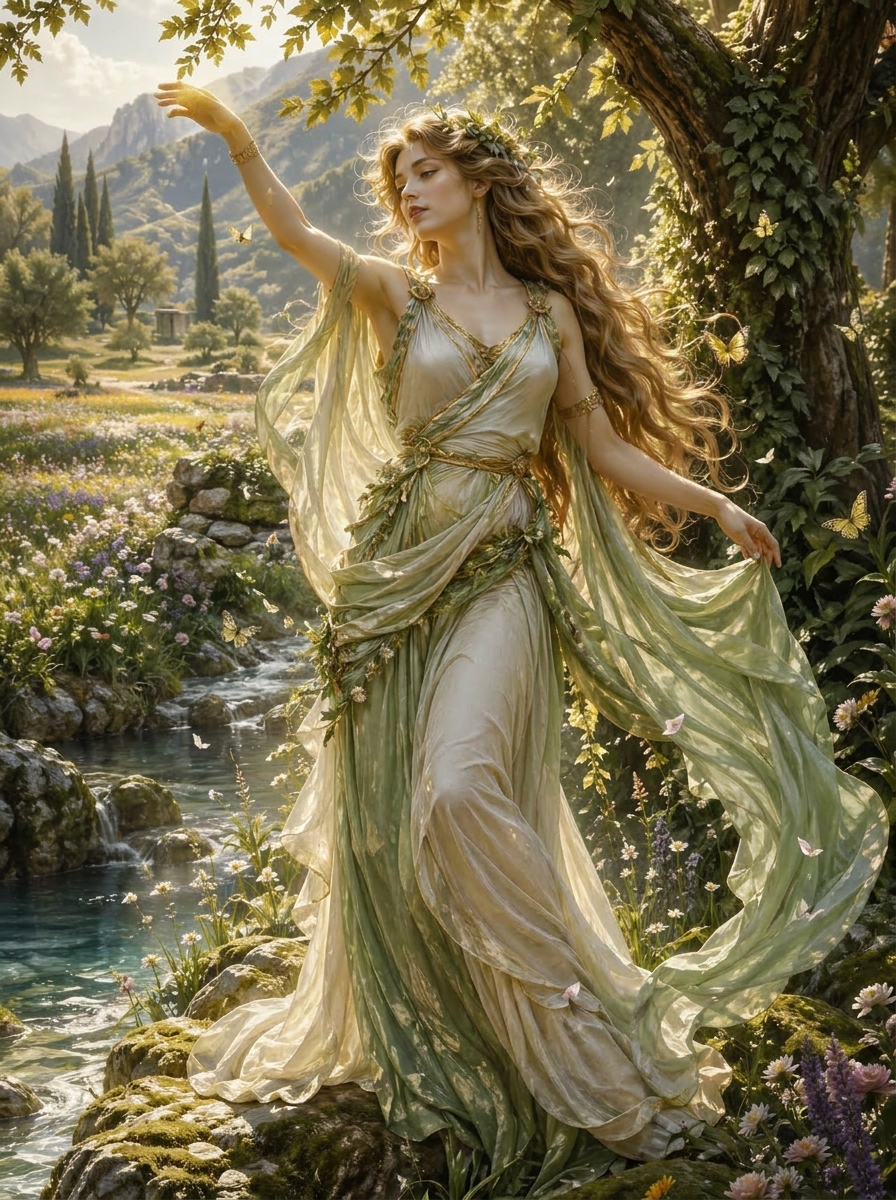
The Oread (Greek Oreias, plural Oreiades, English Oread) is the mountain nymph (Greek nymphe) of Greek mythology, who dwells in mountains and caves, frequently depicted as a companion of the hunting goddess Artemis — the decisive canonical iconographic figure of the Greek-mythological mountain spirit. The etymology derives from the Greek oros ('mountain'), and within the classification of nymphs — Naiad (freshwater), Oceanid (ocean), Nereid (salt sea), Dryad (tree), Oread (mountain) — the Oread is the decisive canon of the mountain. The decisive textual canon is the origin in line 420 of Book 6 of the Iliad of the eighth-century BCE Homer (Homeros) — that the mountain nymphs planted elm trees by the grave of Eetion, father of Andromache — and in lines 615-617 of Book 24 — that the mountain nymphs danced on Mount Sipylos after the death of the children of Niobe — the origin of the mountain-nymph iconography, and the decisive canon is the Echo and Narcissus canon in lines 339-510 of Book 3 of the Metamorphoses (Metamorphoses) of the Roman poet Ovid (Publius Ovidius Naso, 43 BCE - 17 CE) of c. 8 CE — in which the Oread mountain nymph Echo loved the beautiful youth Narcissus unrequitedly but, by the curse of Hera, could only repeat the last words of others, and ultimately became the mountain echo (meta-echo) — the decisive culminating canon of the Latin-literary Oread. The 1903 painting Echo and Narcissus by the British Pre-Raphaelite painter John William Waterhouse (1849-1917), held by the Walker Art Gallery in Liverpool, Britain, established the visual canon of the Oread in the nineteenth-century Victorian era.

will-o-wisp
📸 2

Will-o'-the-Wisp

Intermediate

English Folk Marsh Spirit

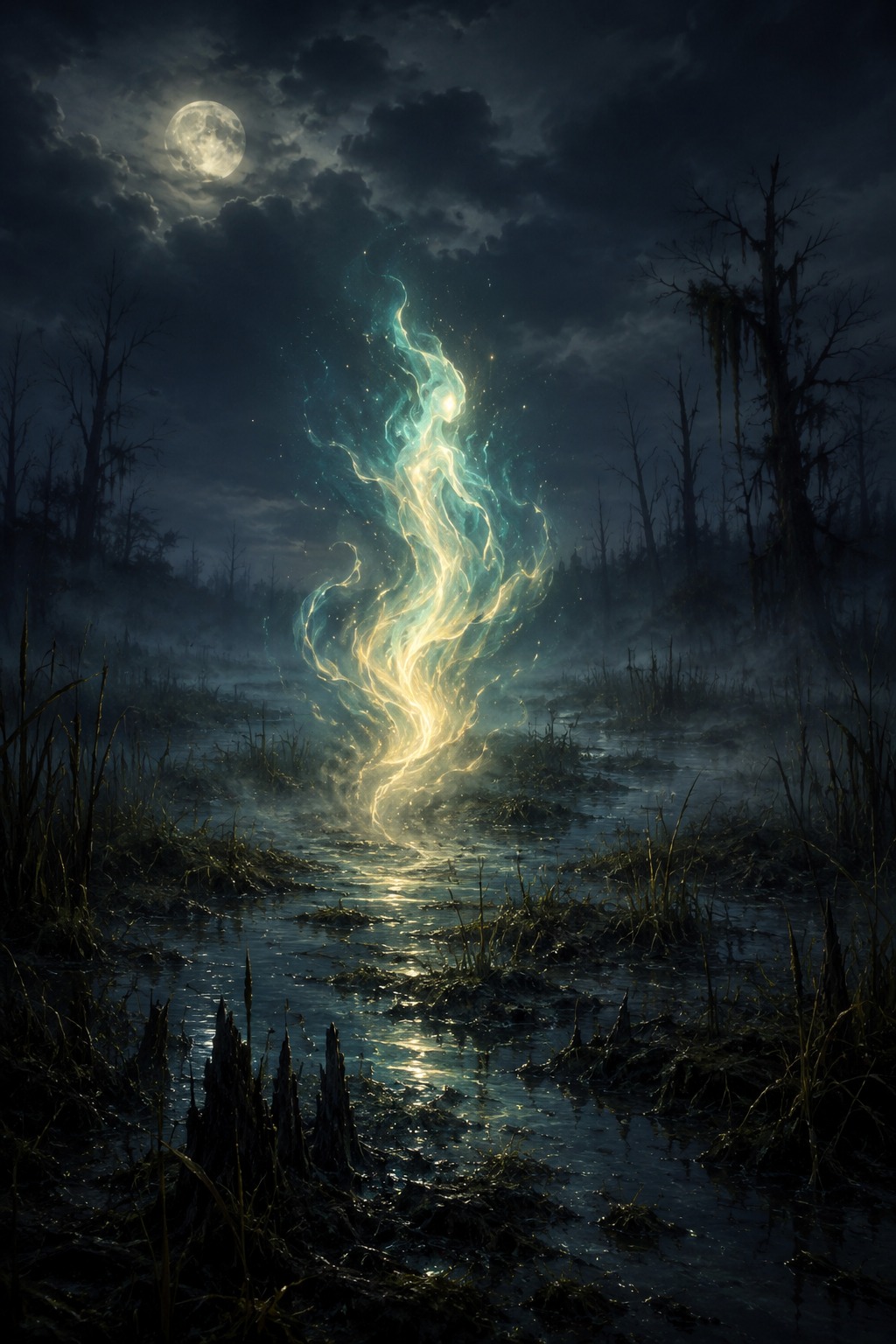
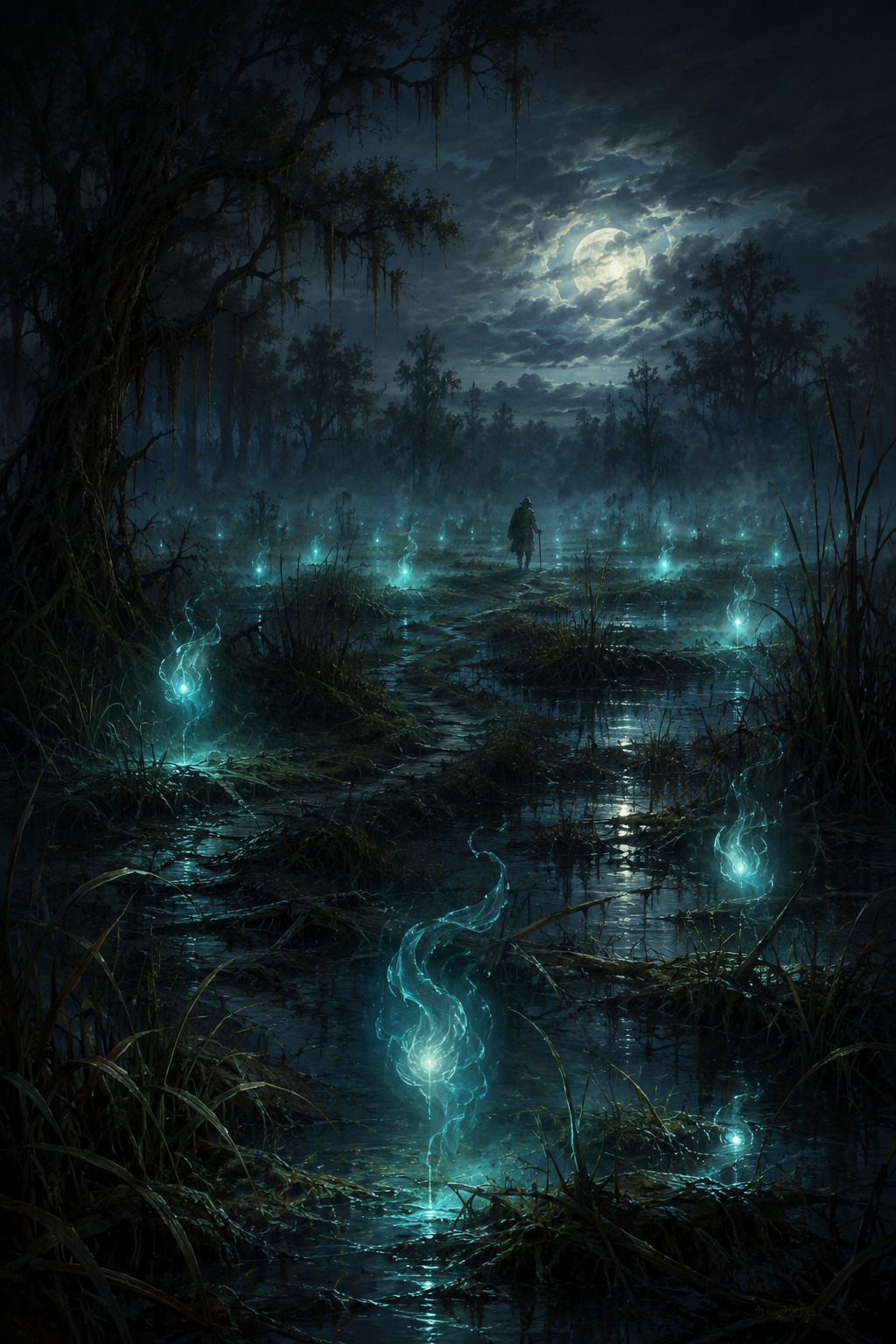
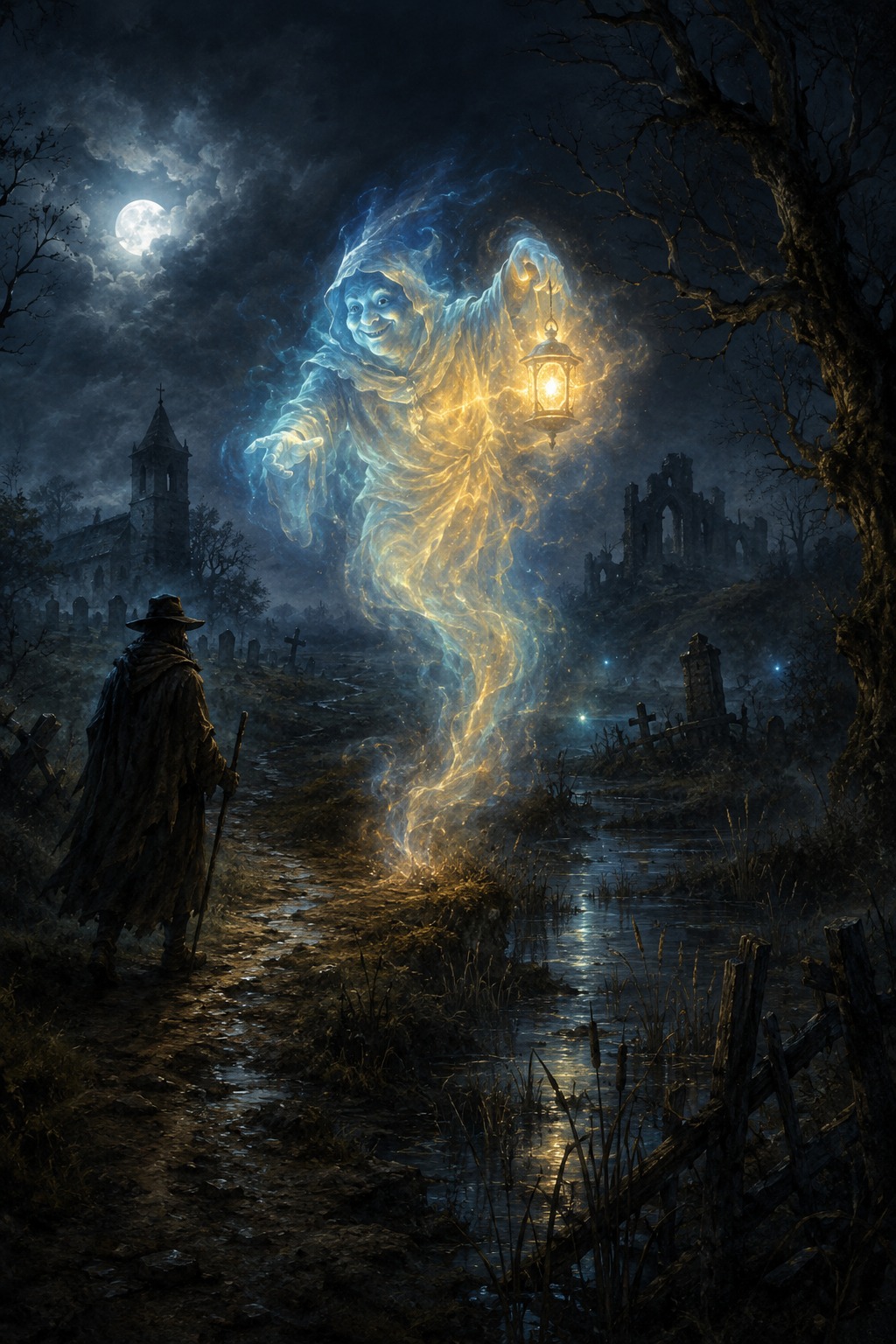
The Will-o'-the-Wisp (English Will-o'-the-Wisp) is the most decisive canonical iconographic spirit of the will-o'-the-wisp (ignis fatuus) of English folklore. The etymology is the English Will of the Wisp ('Will holding a wisp torch'), first attested in English in 1607 — the decisive canonical vocabulary. It appears in marshes, wetlands, and moors at night as a small flickering blue or yellow flame — receding when approached and approaching when receded — luring lost travellers into the marsh to their death — the decisive canonical iconography. The decisive etymological canon is the decisive legend that the evil blacksmith Will (Smith Will) of 16th-century England, rejected from both heaven and hell after death, carries a wisp torch with coal given by the devil and wanders the marshes forever, and the decisive literary canon is line 104 of the twin poem L'Allegro (L'Allegro) of the British poet John Milton (John Milton, 1608-1674) of 1631 — 'led by the Friar's Lantern' — and the fairy tale The Will-o'-the-Wisps Are in Town, Said the Marsh Woman (Lygtemaendene ere i Byen, sagde Mosekonen) of the Danish writer Hans Christian Andersen (Hans Christian Andersen, 1805-1875) published in Copenhagen, Denmark on 7 April 1845 — the decisive Andersen fairy-tale canon. The decisive 21st-century film canon is the Pixar (Pixar) animated film Brave (Brave) released in the USA on 22 June 2012 — in which blue Will-o'-the-Wisps lead the Scottish princess Merida to her fate — the decisive global film canon.

naiad-spirit
📸 2

Naiad

Spirit King

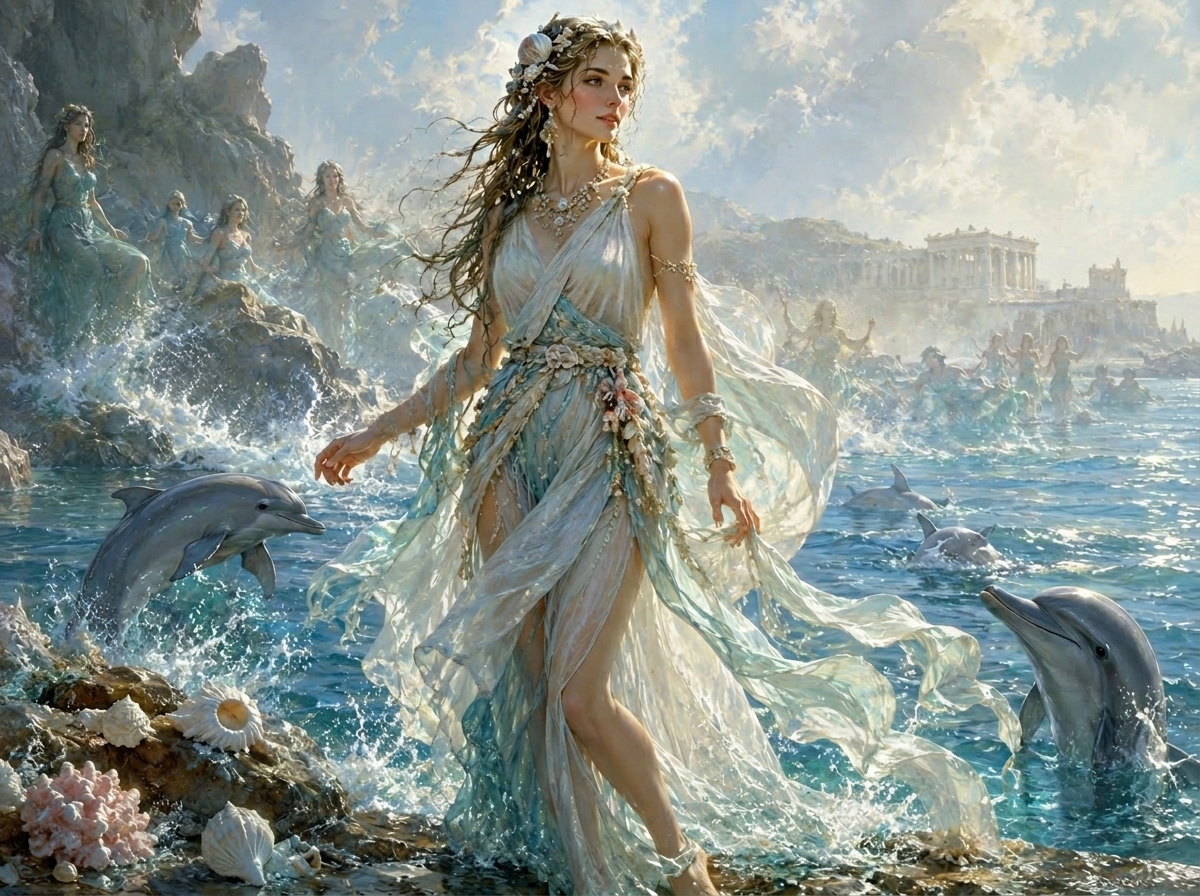
Freshwater Nymph of Greek Mythology

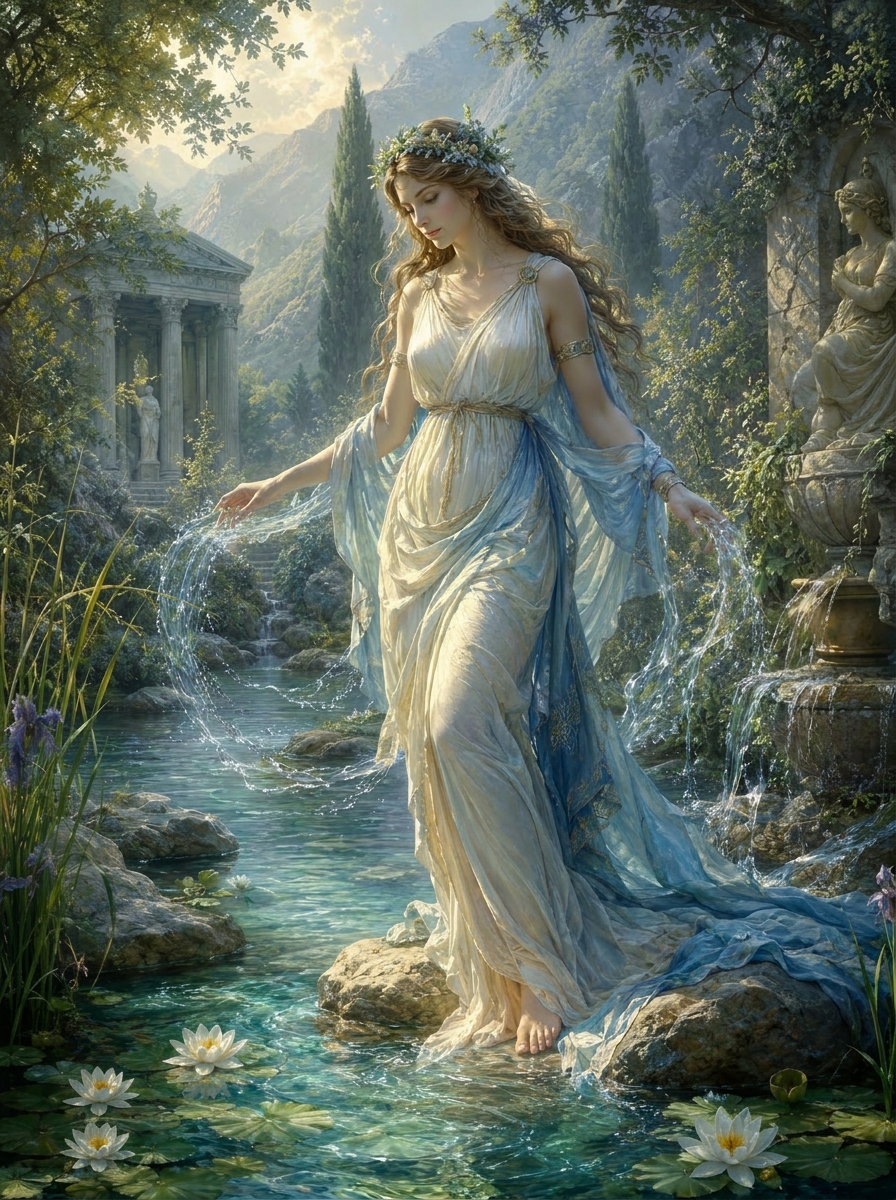
The Naiad (Greek Naias, plural Naiades, English Naiad) is the freshwater nymph (Greek nymphe) who dwells in the freshwater (springs, rivers, lakes, wells) of Greek mythology, in the form of a beautiful human female, embodying the divinity of the freshwater source — the decisive canonical iconographic figure of Greek-mythological nature spirits. The etymology derives from the Greek verb naein ('to flow'), and within the four-fold classification of nymphs — Naiad (freshwater), Oceanid (Oceanids, ocean), Nereid (Nereids, salt sea), and Dryad (Dryads, tree) — the Naiad is the decisive canon of freshwater. The decisive textual canon is in the Theogony (Theogonia) of the Greek poet Hesiod (Hesiodos), c. 700 BCE — lines 364-370, the canon of the 3,000 sisters Oceanids and 3,000 brothers River-gods (Potamoi) born to the river-god Oceanus (Okeanos) and his sister Tethys — is the decisive textual canon of the Naiad, and the river nymphs appear decisively in Books 14 and 20 of the Iliad and Books 13 and 17 of the Odyssey by Homer (Homeros) of the eighth century BCE. The Naiad Castalia of the Castalian Spring (Kastalia) by the Temple of Apollo at Delphi in Greece — the canonical inspiration of poetic prophecy — is the most decisive individual Naiad, and the 1896 painting Hylas and the Nymphs by the British Pre-Raphaelite painter John William Waterhouse (1849-1917) established the visual canon of the Naiad in the nineteenth-century Victorian era.

ignis-fatuus

Ignis Fatuus

Spirit King

Latin 'Foolish Fire,' Scientific Name for Will-o'-the-Wisp

The Ignis Fatuus (Latin ignis fatuus, English ignis fatuus/will-o'-the-wisp, German Irrlicht, French feu follet) is the canonical scientific name for the natural-phosphorescence phenomenon in marshes — Latin 'foolish fire' (ignis 'fire' + fatuus 'foolish') — and the canonical iconography of medieval European folklore and English literature, the blue light presumed to be the natural ignition of marsh methane (CH4) and phosphine (PH3) that lures travelers and causes them to lose their way. The etymology is the combination of the Latin ignis ('fire') and fatuus ('foolish'), and since appearing in the Natural History (Naturalis Historia) of the Roman naturalist Pliny the Elder (Plinius Maior, 23-79 CE) of the 1st century, it settled as the decisive scientific name in 16th-18th-century natural histories. The decisive textual canon is the canon of Act 3 Scene 3 of the historical play Henry IV, Part 1 of the British William Shakespeare (1564-1616) of 1597 — in which Sir Falstaff compares Bardolph's red nose to 'ignis fatuus or a ball of wildfire' — the decisive English-literary entry, and the decisive poetic canon is the canon of lines 634-642 of Book 9 of the epic Paradise Lost of the British poet John Milton (1608-1674) of 1667 — comparing Satan's seduction of Eve to the marsh ignis fatuus — the decisive English-literary canon. The Will-o-Wisp of the 1977 D&D Monster Manual by Gygax of TSR in the USA — consistent through to 5e (5th Edition) of 2014 — is the decisive canon of the modern fantasy RPG will-o'-the-wisp.

salamander
📸 5

Salamander

Lesser

Fire Spirit of Paracelsus

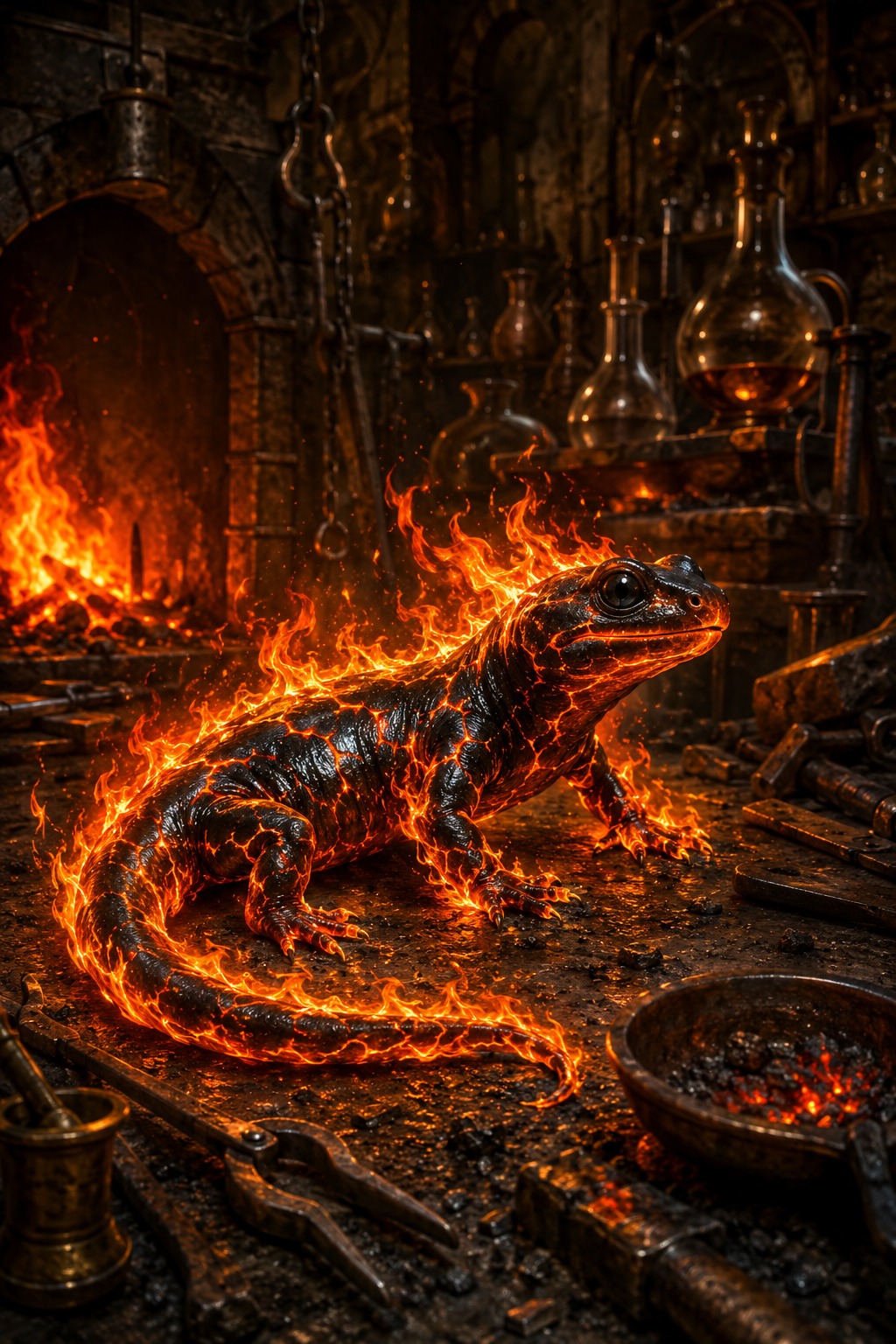
The Salamander (Latin Salamandra, Greek salamandra, English Salamander) is the decisive canonical spirit of fire (Ignis) among the four element spirits (Elemental Spirits) in the posthumous 1566 Latin treatise A Book of Nymphs, Sylphs, Pygmies, and Salamanders (Liber de Nymphis, Sylphis, Pygmaeis et Salamandris) by the Swiss physician-alchemist Paracelsus (1493-1541), a small spirit in the form of a salamander wholly enveloped in flame, dwelling in the hearth and furnace, canonised as the decisive guardian spirit of the blacksmith and the alchemist. The iconographic origin is (1) the canonical record in Book 5, Chapter 19 of the Historia Animalium of the fourth-century BCE Greek philosopher Aristotle (Aristoteles, 384-322 BCE), that the salamandra walks through fire and extinguishes it, and (2) the canonical misunderstanding in Book 10, Chapter 86 of the Natural History (Naturalis Historia) of the Roman naturalist Pliny the Elder (Gaius Plinius Secundus, 23-79 CE) of 77 CE, that the salamandra is born by fire. The decisive canon is the four-element-spirit theory of Paracelsus of 1566 — Undine (Water), Sylph (Air), Gnome (Earth), and Salamander (Fire) — by which the Salamander became the decisive canon of the European Renaissance fire spirit. The Salamander monster of the 1977 D&D Monster Manual by Gary Gygax (1938-2008) of TSR in the USA — consistent through to 5e (5th Edition) of 2014 — is the decisive canon of the modern fantasy RPG fire spirit.

ariel-spirit
📸 2

Ariel

Spirit King

Air Spirit from Shakespeare's The Tempest

Ariel (English Ariel, Hebrew Ariel ('lion of God' or 'messenger of God'), Latin Ariel) is the air spirit in the last solo play The Tempest of 1611 by the English playwright William Shakespeare (1564-1616), the faithful servant of the sorcerer Prospero who, in invisible form, freely commands tempests, illusions, and music — the decisive canonical iconographic figure of the English-literary air spirit. The etymology derives from the Hebrew Ariel ('lion of God' or 'messenger of God') — the alternative name of Jerusalem in Isaiah 29:1-2 of the Old Testament — and in the European Kabbalistic mysticism of the fourteenth to sixteenth centuries, Ariel was canonised as the angel of the air element (Air) among the seventy-two angels of the Shem HaMephorash, decisively recorded in Book 3 of the De Occulta Philosophia Libri Tres of the German mystic Heinrich Cornelius Agrippa (1486-1535) of 1533. The decisive canon is Shakespeare's play The Tempest, premiered on 1 November 1611 at Whitehall Palace in London, England (published in the First Folio Volume 1 of 1623) — the plot in which Ariel, who had been imprisoned in a pine tree by the witch Sycorax for twelve years, is rescued by Prospero and bound to serve him for twelve years in exchange for the promise of freedom (Acts 1.2 to 4) — is the decisive canon of the English-literary air spirit. The sylph Ariel in the satirical poem The Rape of the Lock of 1714 by Alexander Pope (1688-1744) extended the eighteenth-century English-literary air-spirit canon, and the Air Elemental and Sylph canon of the 1977 D&D Monster Manual by Gary Gygax of TSR in the USA is the decisive canonical iconography of the modern fantasy RPG air spirit.

gnome-spirit
📸 2

Gnome

Lesser

Earth Spirit of Paracelsus

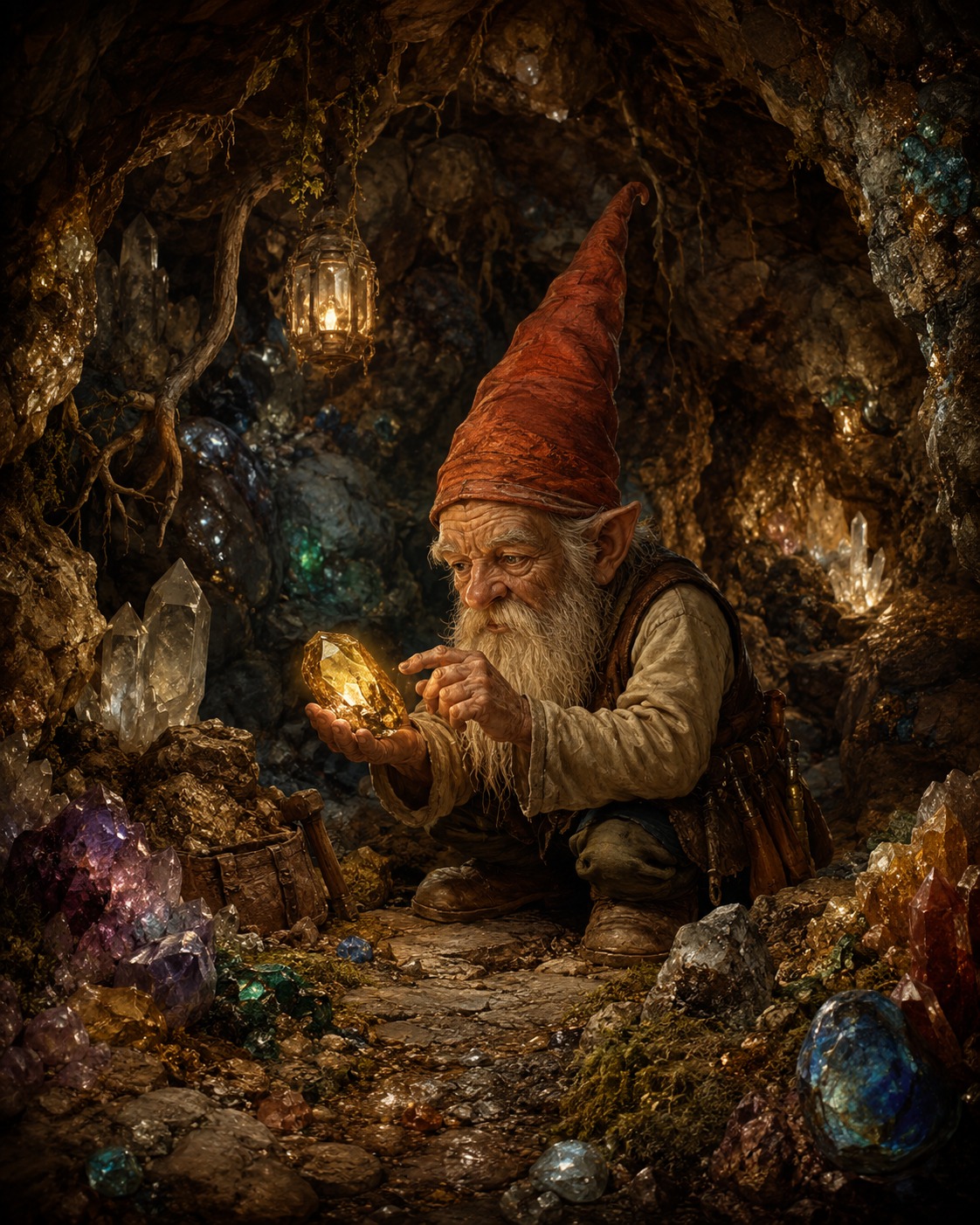
The Gnome (Latin Gnomus, English Gnome) is the decisive canonical spirit of earth (Terra) among the four element spirits (Elemental Spirits) in the posthumous 1566 Latin treatise A Book of Nymphs, Sylphs, Pygmies, and Salamanders (Liber de Nymphis, Sylphis, Pygmaeis et Salamandris) by the Swiss physician-alchemist Paracelsus (Theophrastus Bombastus von Hohenheim, 1493-1541). It has the decisive iconography of a small old-man figure (usually about 30 cm), with a white beard and a red conical cap, dwelling in the earth, caves, rocks, and mines, skilled in mining for gems, minerals, and metals — the canonical guardian of treasure, of disposition to avoid humans. The etymology is the Latin Gnomus — coined by Paracelsus, presumably from the Greek ge-nomos (ge-nomos, 'one who dwells in the earth') or gnosis (gnosis, 'knowledge') — and is decisive canonical vocabulary. The decisive canon is the four-element-spirit theory of Paracelsus of 1566, published posthumously in Basel, Switzerland — Undine (Water), Sylph (Air), Gnomus (Earth), Salamander (Fire) — by which the Gnome became the decisive canon of the European Renaissance earth spirit. The first ceramic garden gnome (Gartenzwerg) production at the Philipp Griebel workshop in Graefenroda, Thuringia, Germany, in 1872 decisively settled the nineteenth- and twentieth-century global garden-decoration Gnome canon, and the Gnome race of the 1977 D&D Monster Manual by Gary Gygax of TSR in the USA — consistent through to 5e (5th Edition) of 2014 — is the decisive canon of the modern fantasy RPG Gnome race.
jack-frost
📸 2

Jack Frost

Lesser

Personification of Frost in English/Norse Folklore

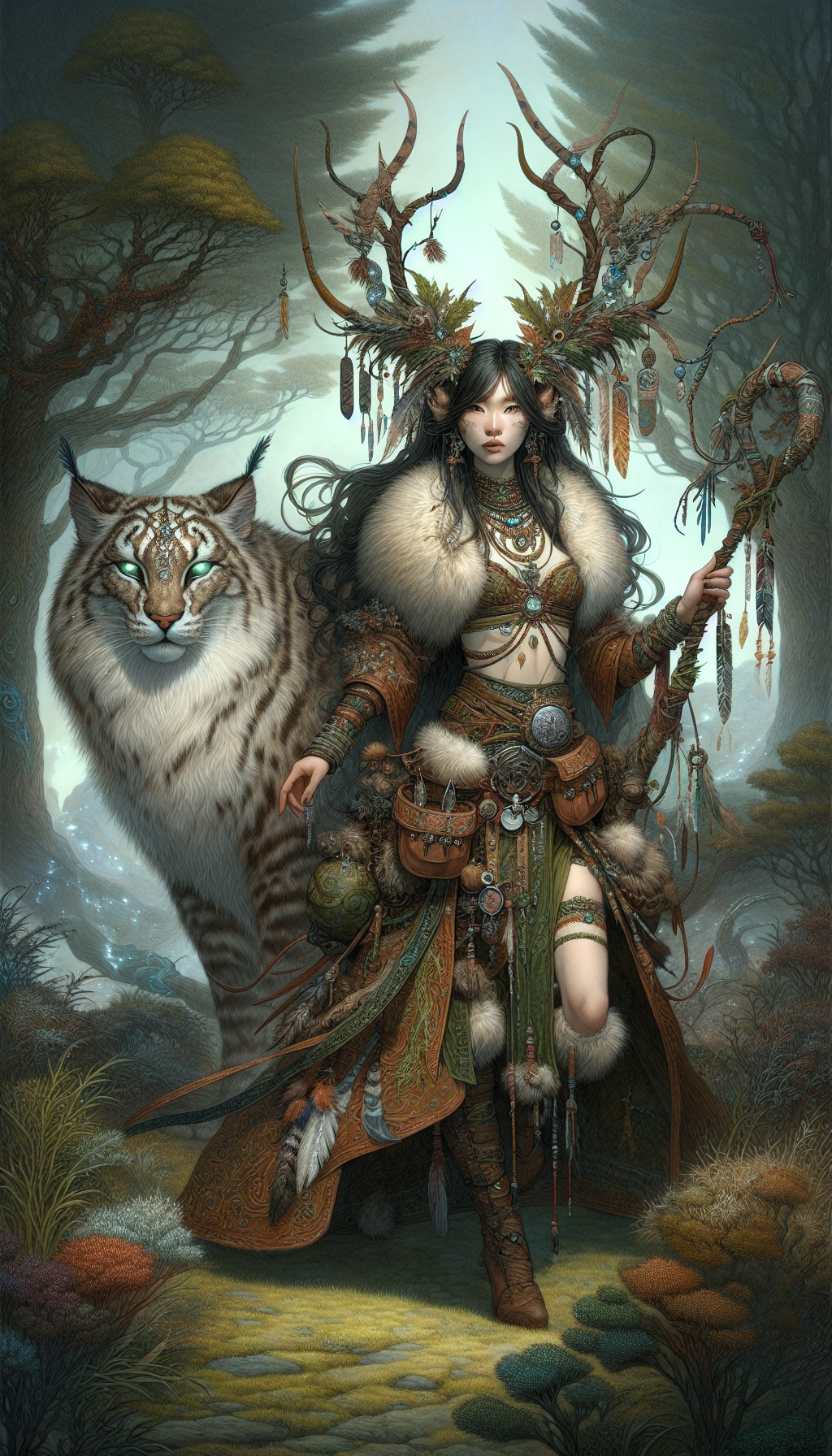
Jack Frost is the personified spirit of frost and cold in English and Scandinavian folklore, appearing as a young boy or mischievous old man, the canonical iconographic figure that draws ice-flower patterns (frost ferns) on windows on winter mornings and nips people's noses and toes. The etymology is the combination of the English Jack (a generic male name) and Frost (frost, from Old English forst), and the first decisive textual record of English Jack Frost appears in the 1734 poem A Mountain of Frost in the British London Magazine. The iconographic origin is the fusion of (1) the Norse-mythological frost-giants Jokull ('glacier') and Frosti ('frost') of Chapter 1 of the Halfdanar saga svarta of the Heimskringla of the early-thirteenth-century Icelandic poet Snorri Sturluson (1179-1241), and (2) the Morozko ('Little Frost') and Ded Moroz ('Grandfather Frost') canon in the Russian Folk Tales (Narodnye Russkie Skazki) of the Russian folklorist Alexander Afanasyev (1826-1871) of 1855-1863. The decisive modern canon is the 1944 song The Christmas Song by the American composer Mel Torme (1925-1999) and lyricist Robert Wells (1922-1998) — with the line 'Jack Frost nipping at your nose' — which decisively settled the twentieth-century global Jack Frost canon, and the Jack Frost protagonist of the DreamWorks animated film Rise of the Guardians (released 21 November 2012 in the USA, based on William Joyce) is the twenty-first-century global Jack Frost cinematic canon.


fire-drake
📸 3

Fire-drake

Greater

Fire Dragon of Beowulf and Norse Myth

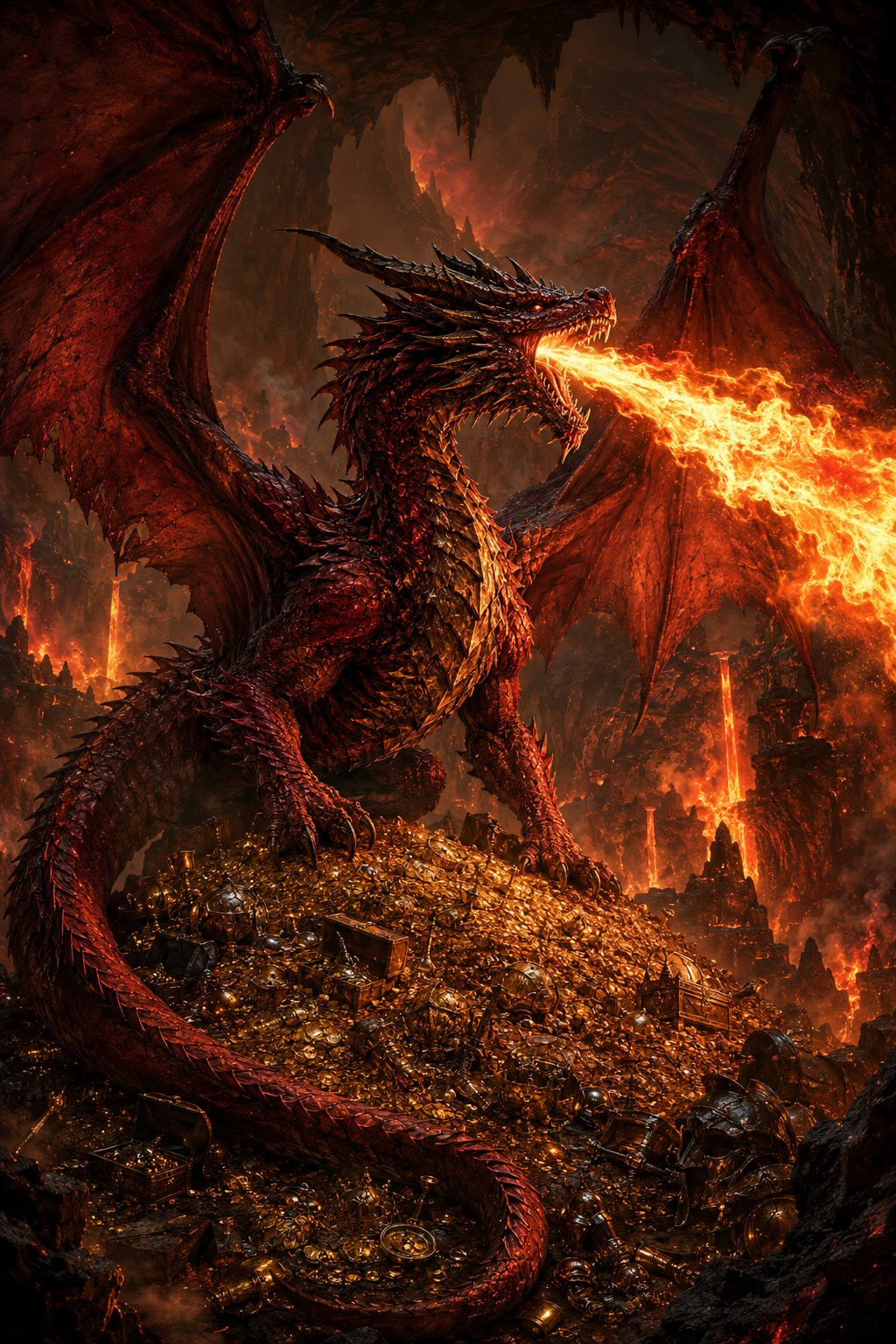
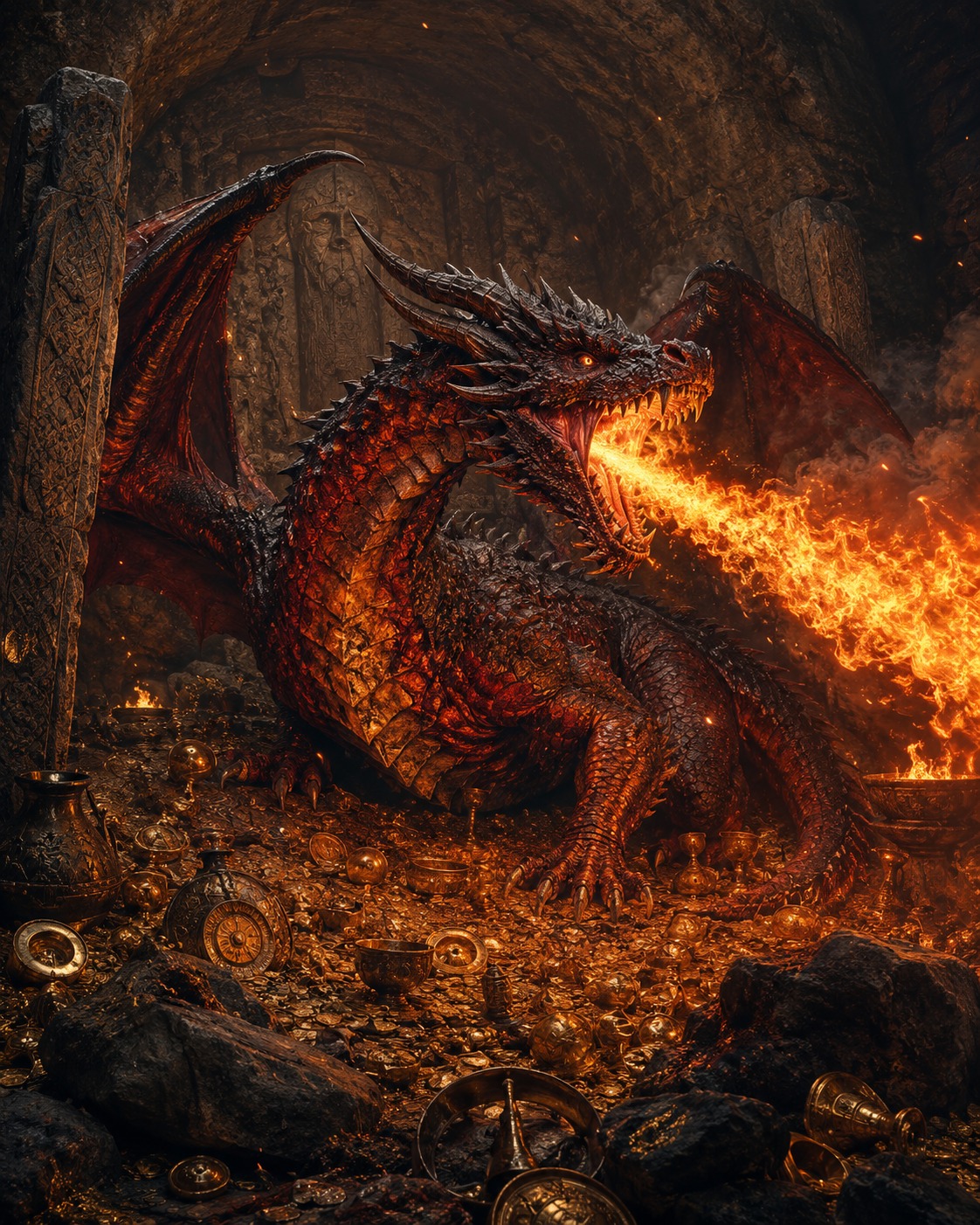
The Fire-drake (Old English fyrdraca, English fire-drake) is the decisive canonical name for the fire-breathing dragon (draca) of Old English and Norse mythology. The etymology is the combination of the Old English fyr ('fire') and draca (borrowed from the Latin draco and Greek drakon, 'dragon'), the Old form of English dragon. The decisive textual canon is the canon in lines 2200-3182 of Book 3 of the Old English epic Beowulf (3,182 lines in total) by an anonymous author of the 8th-10th centuries — in which the hero Beowulf, in his old age after ruling the Geat kingdom for fifty years, when a thief steals the treasure of a sleeping fire-drake — the dragon devastates the Geat kingdom with fire — Beowulf, with his loyal retainer Wiglaf, slays the dragon but dies from the dragon's venom. The Beowulf single manuscript — the Nowell Codex (Cotton Vitellius A.xv at the British Library) copied around the year 1000 — is the decisive textual canon, and the Smaug of The Hobbit by J. R. R. Tolkien (1892-1973), published in Britain on 21 September 1937 — the fire-drake guarding the treasure under the Lonely Mountain — is the decisive modern adaptation of the global fantasy fire-dragon canon of the twentieth century, and the Red Dragon (fire breath) of the 1977 D&D Monster Manual by Gary Gygax of TSR in the USA — consistent through to 5e (5th Edition) of 2014 — is the decisive canon of the modern fantasy RPG fire-dragon.

nix
📸 2

Nix

Lesser

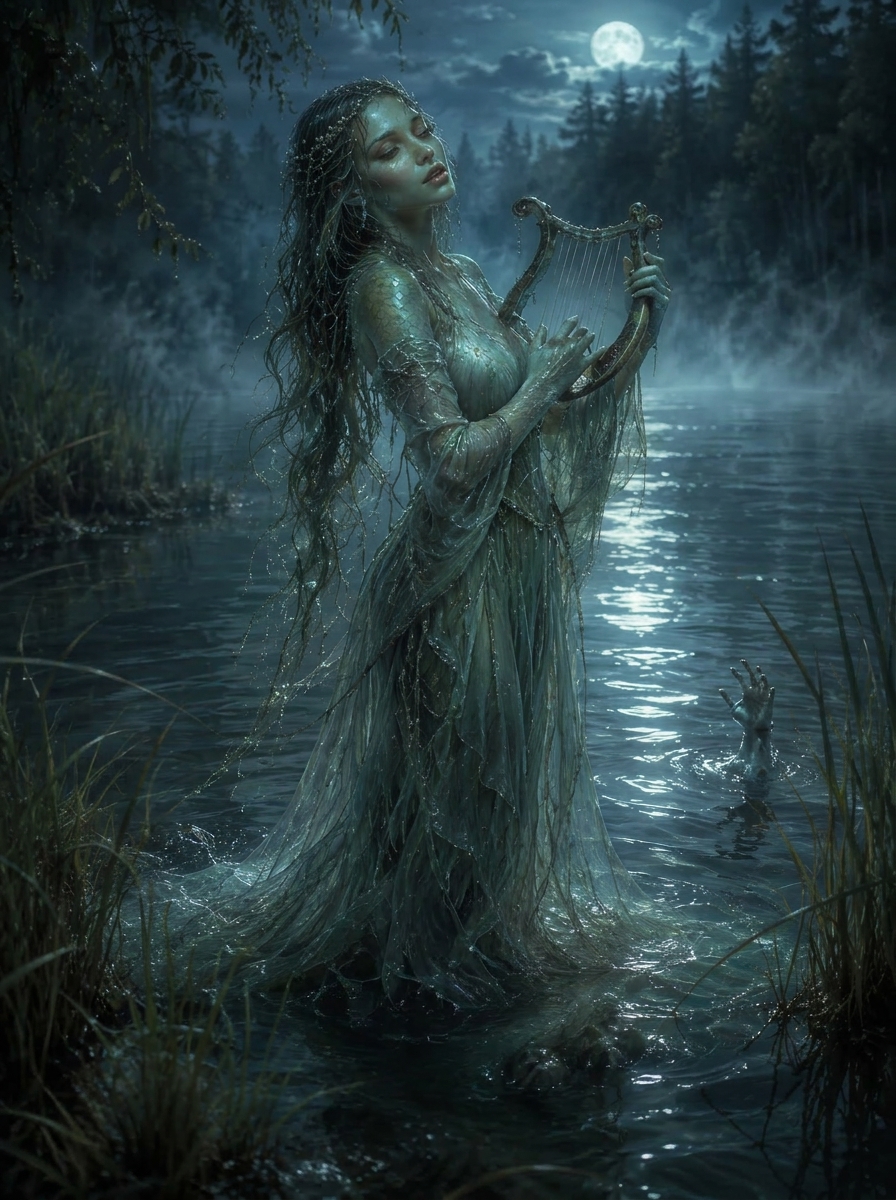
Water Spirit of Germanic/Slavic Folklore

The Nix (Old English nicor, Old Norse nykr, German Nix/Nixe, English Nix or Nixie) is the canonical iconographic figure of the water spirit of Germanic and Slavic folklore dwelling in fresh water — rivers, lakes, and wells — appearing in alluring human form (mostly as beautiful women or handsome men) and luring humans into the water through music and song, with the true form being canonical iconography of a fish-tail, fish-scales, or green skin. The etymology derives from the Proto-Indo-European *neigw- ('to wash, purify') through the Proto-Germanic *nikwiz — the canonical vocabulary of Old English nicor, Old Norse nykr, and Old High German nihhus. The decisive textual canon is line 422 of Book 1 and line 1427 of Book 2 of the Old English epic Beowulf (Beowulf) by an anonymous author of the 8th-10th centuries — the water-monsters 'nicras' in the lake where the hero Beowulf fights Grendel's mother with the sword Hrunting — the decisive origin of the Germanic canon, and the canon of tale 79 The Nixie of the Mill-Pond (Die Nixe im Teich) of the Kinder- und Hausmaerchen of the German Grimm Brothers (Jacob and Wilhelm) of 1812-1815 is the decisive canon of the 19th-century German fairy-tale Nix. The 1779 poem The Fisherman (Der Fischer) of the German poet Johann Wolfgang von Goethe (1749-1832) and the 1824 poem The Loreley (Die Loreley) of the German poet Heinrich Heine (1797-1856) established the 19th-century German Romantic Nix poetic canon, and the opera Rusalka by the Czech composer Antonin Dvorak (1841-1904), premiered on 31 March 1901 at the National Theatre in Prague, is the decisive musical canon of the Slavic Nix canon.

phoenix-spirit
📸 2

Phoenix Spirit

Spirit King

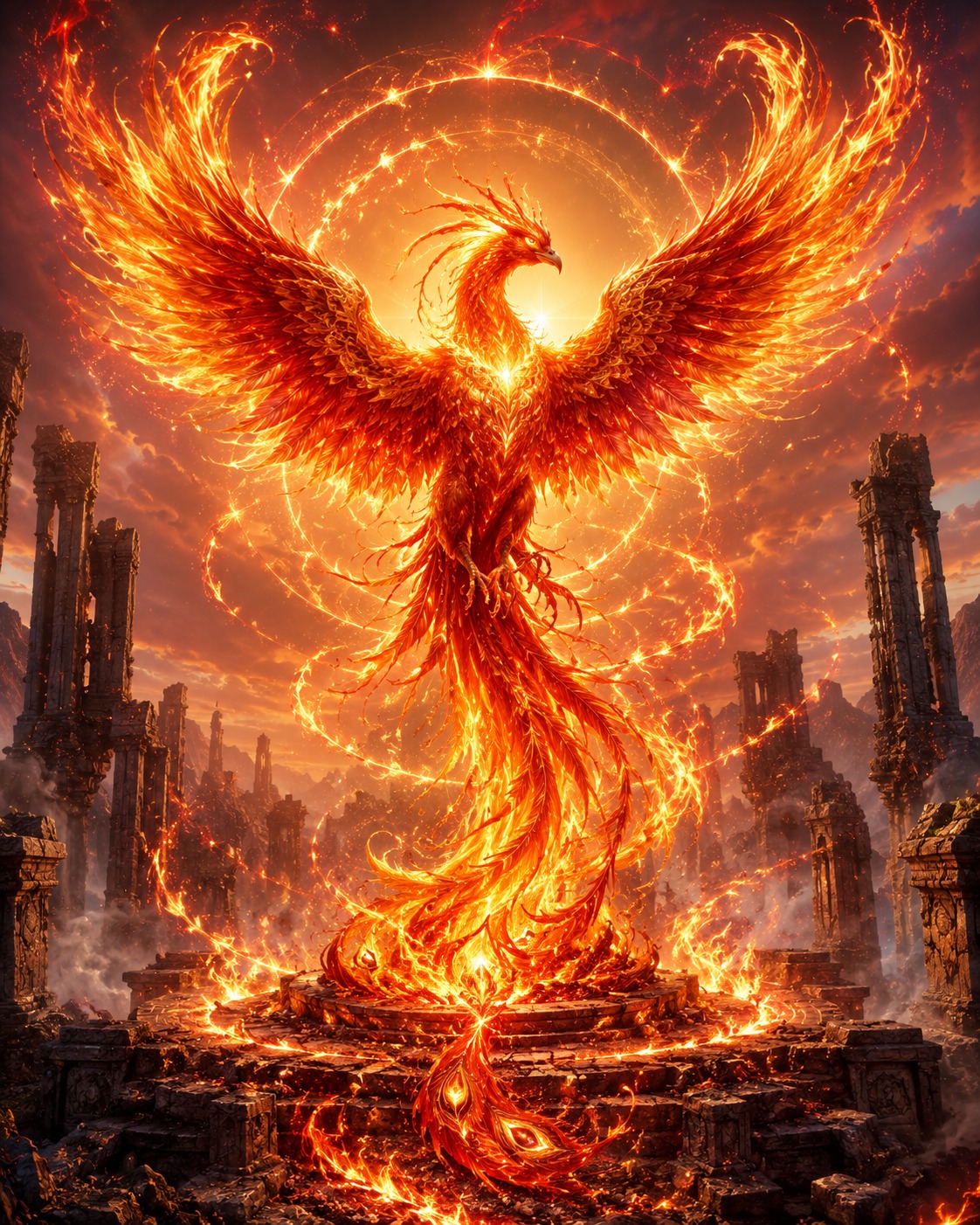
Spirit Form of the Immortal Phoenix

The Phoenix Spirit (Greek Phoinix, Latin Phoenix, English Phoenix) is the canonical iconographic figure of the immortal flame-bird — adapting the Egyptian Bennu (Bennu) and the Greek Phoenix tradition into the spirit category — that immolates itself every 500 or 1000 years and is reborn from the ashes. The etymology is presumed from the Greek Phoinix (Greek 'crimson' or 'Phoenician bird'), and the bennu ('the one that rises') of ancient Egypt — the canonical sacred bird of the resurrection of the sun god Ra and Osiris of Heliopolis — is the decisive origin of the Greek Phoenix iconography. The decisive textual canon is Chapter 73 of Book 2 of the Histories (Historiai) of the Greek historian Herodotus (Herodotus, c. 484-425 BCE) of the 5th century BCE — the testimony of Egyptian priests of seeing the Phoenix at the Sun Temple of Heliopolis and the canon that every 500 years the Phoenix comes from Arabia to Heliopolis carrying the corpse of its father Phoenix in a myrrh egg — the decisive canon, and the decisive Latin-literary canon is the canon of lines 392-407 of Book 15 of the Metamorphoses of the Roman poet Ovid (Publius Ovidius Naso, 43 BCE - 17 CE) of c. 8 CE — the 1000-year cyclic self-immolation and rebirth from the ashes — the decisive canon. The decisive modern canon is the Headmaster Dumbledore's phoenix Fawkes of the Harry Potter (Harry Potter) series of the British author J. K. Rowling (J. K. Rowling, b. 1965) of 1997-2007 — first appearing in Chapter 12 of Harry Potter and the Chamber of Secrets of 1998 — the decisive culminating work of the 21st-century global Phoenix canon.

undine
📸 2

Undine

Intermediate

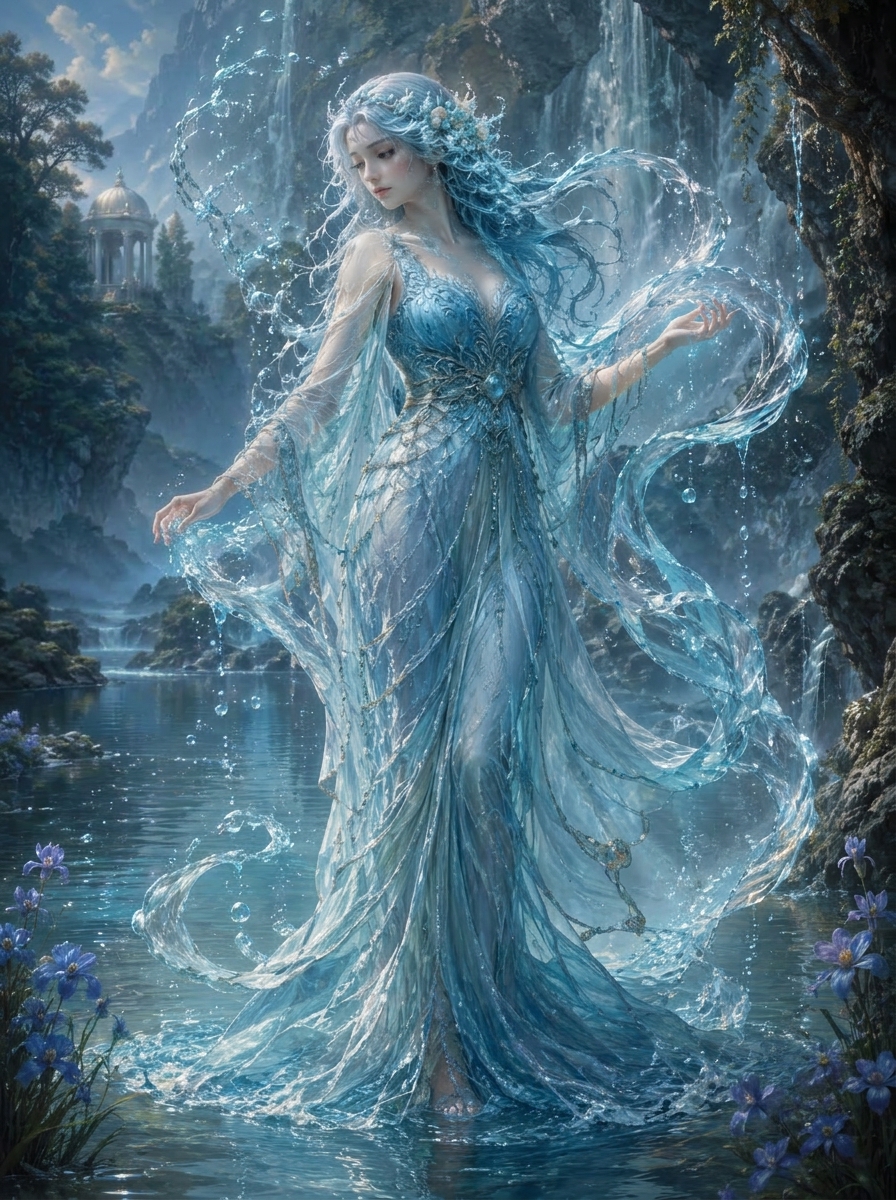
Water Spirit of Paracelsus

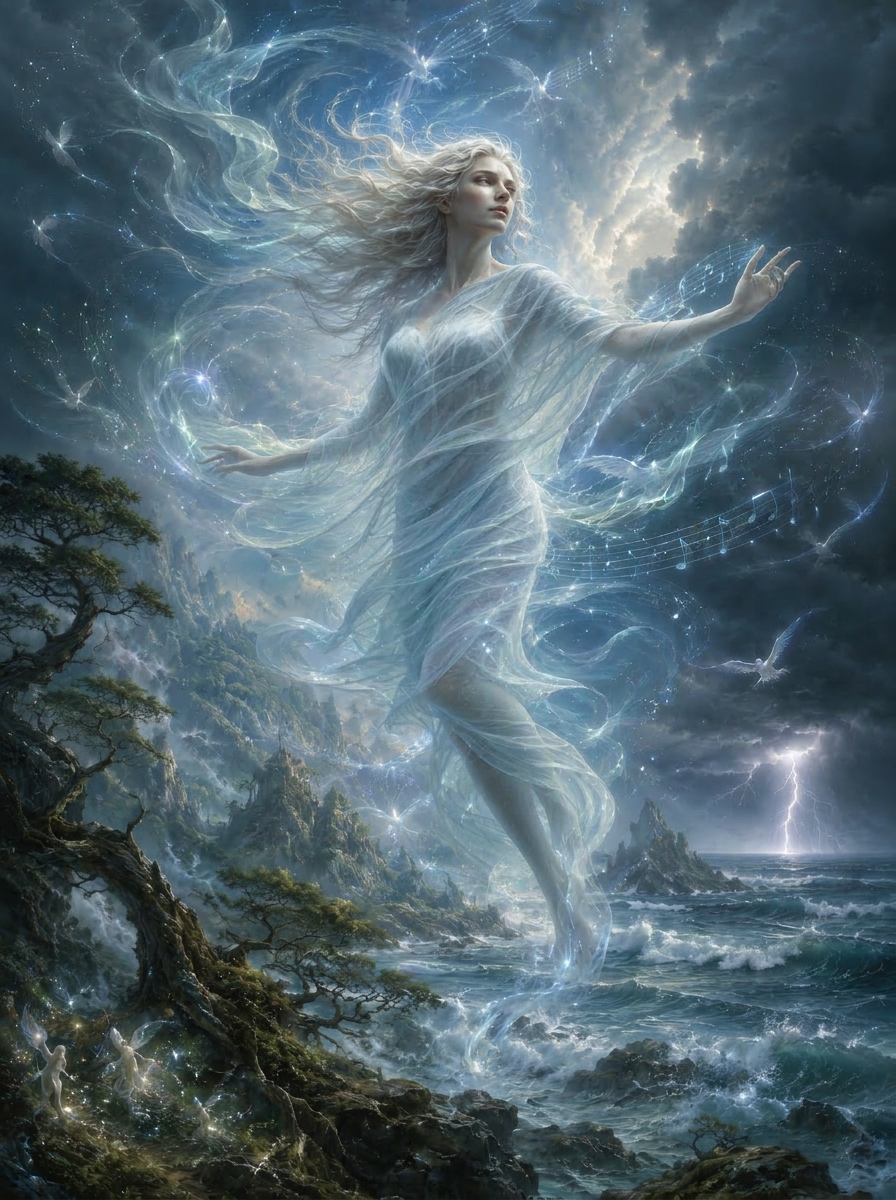
The Undine (Latin Undina, German Undine, English Undine) is the decisive canonical spirit of water (Aqua) among the four element spirits (Elemental Spirits) in the posthumous 1566 Latin treatise A Book of Nymphs, Sylphs, Pygmies, and Salamanders (Liber de Nymphis, Sylphis, Pygmaeis et Salamandris) by the Swiss physician-alchemist Paracelsus (Theophrastus Bombastus von Hohenheim, 1493-1541). The etymology is the canonical vocabulary of the Paracelsian coinage Undina derived from the Latin unda ('wave, billow'), and the decisive canonical iconography depicts her as a beautiful human female figure — dwelling in fresh water such as waterfalls, lakes, and springs — originally without a soul but acquiring one through marriage to a human. The decisive literary canon is the novella Undine (Undine) of 1811 by the German Romantic author Friedrich de la Motte Fouque (1777-1843) — the decisive Romantic tragic canon in which the Undine, who acquires a soul by marrying the human knight Huldbrand (Huldbrand), comes to death through her husband's betrayal — and the opera Undine premiered at the Royal Theatre in Berlin on 3 August 1816 by E. T. A. Hoffmann (E. T. A. Hoffmann, 1776-1822) — with libretto by Fouque himself — is the decisive canon of German Romantic opera. The ballet Undine of the German composer Hans Werner Henze (1926-2012), premiered at the Royal Opera House Covent Garden in London on 27 October 1958 (choreographed by Frederick Ashton, with Margot Fonteyn as Undine) is the decisive canon of 20th-century ballet.

thunderbird-spirit
📸 2

Thunderbird

Intermediate

Thunder Bird of Native American Mythology

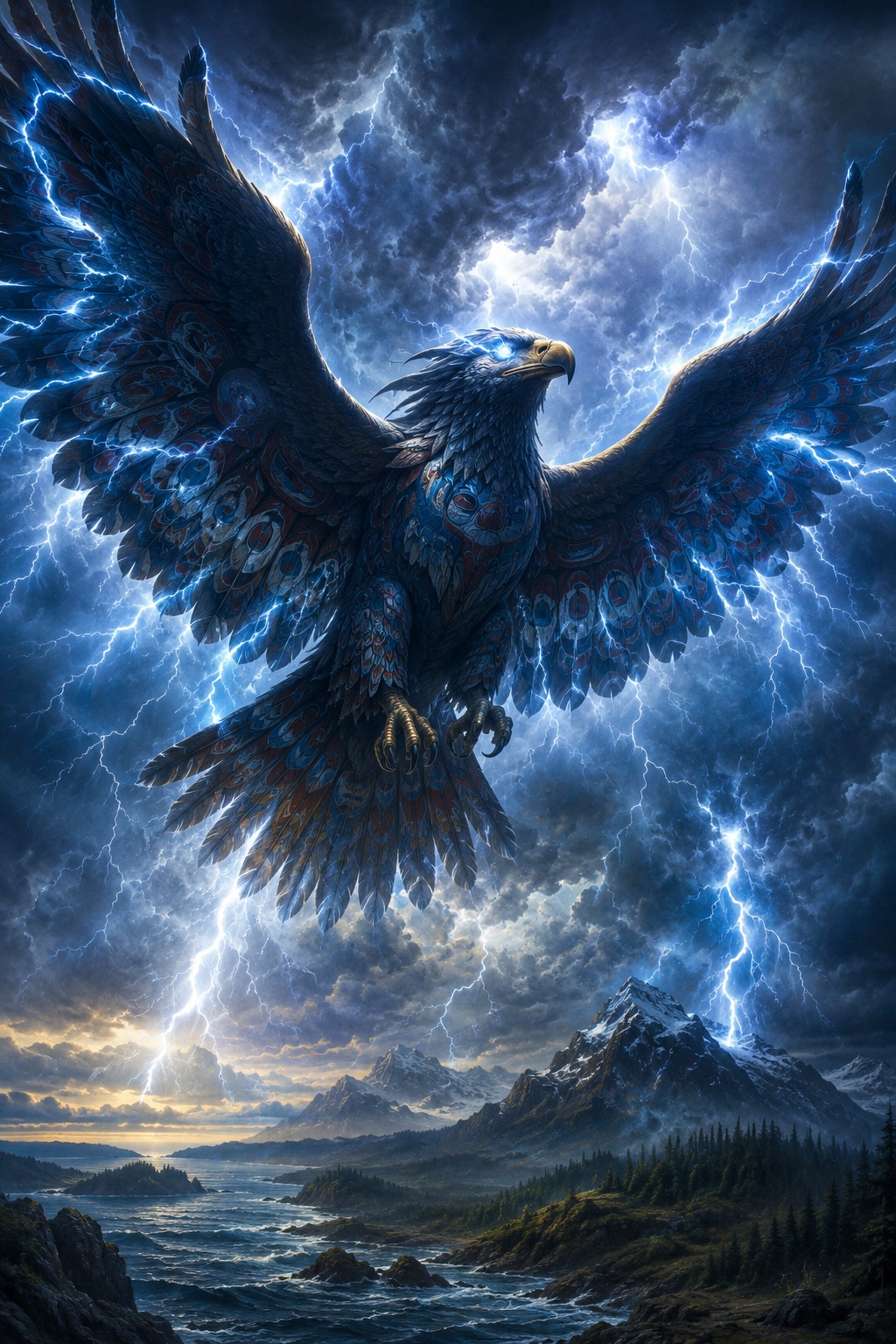
The Thunderbird (English Thunderbird, Algonquian/Ojibwe Animikii, Lakota Wakinyan) is the canonical iconographic figure of the giant bird-form spiritual being — resembling an eagle or condor — that widely appears in Native American mythology, in which the flapping of its wings creates thunder and its eyes shoot lightning — the decisive canon. The etymology is the English Thunderbird ('bird of thunder'), settled as the decisive canonical vocabulary by 1830s American naturalists and folklorists translating the Algonquian/Ojibwe Animikii ('thunderer') and Lakota Wakinyan ('flying sacred') into English. The decisive tribal traditions are (1) the Algonquian/Ojibwe — the decisive Thunderbird canon of the Lake Michigan and Great Lakes region; (2) the Lakota — the decisive Wakinyan canon of the Dakota and Black Hills region; and (3) the Pacific Northwest Coast tribes Haida and Kwakwaka'wakw — the totem-pole-top canon of the coast of British Columbia, Canada. The decisive textual record is the journal of the Lewis and Clark Expedition (Lewis and Clark Expedition) of 1804-1806 — recording the Thunderbird belief of the Indigenous people along the Columbia River — and the decisive English scholarly canonisation of the Ojibwe Animikii canon in the Algic Researches (2 volumes) of the American folklorist Henry Schoolcraft (Henry Rowe Schoolcraft, 1793-1864) of 1849, and the epic The Song of Hiawatha (22 cantos) of the American poet Henry Wadsworth Longfellow (1807-1882) published in the USA on 10 November 1855 is the decisive 19th-century American-literary Thunderbird canon.

hamadryad
📸 2

Hamadryad

Intermediate

Greek Tree Spirit Bound to a Single Tree

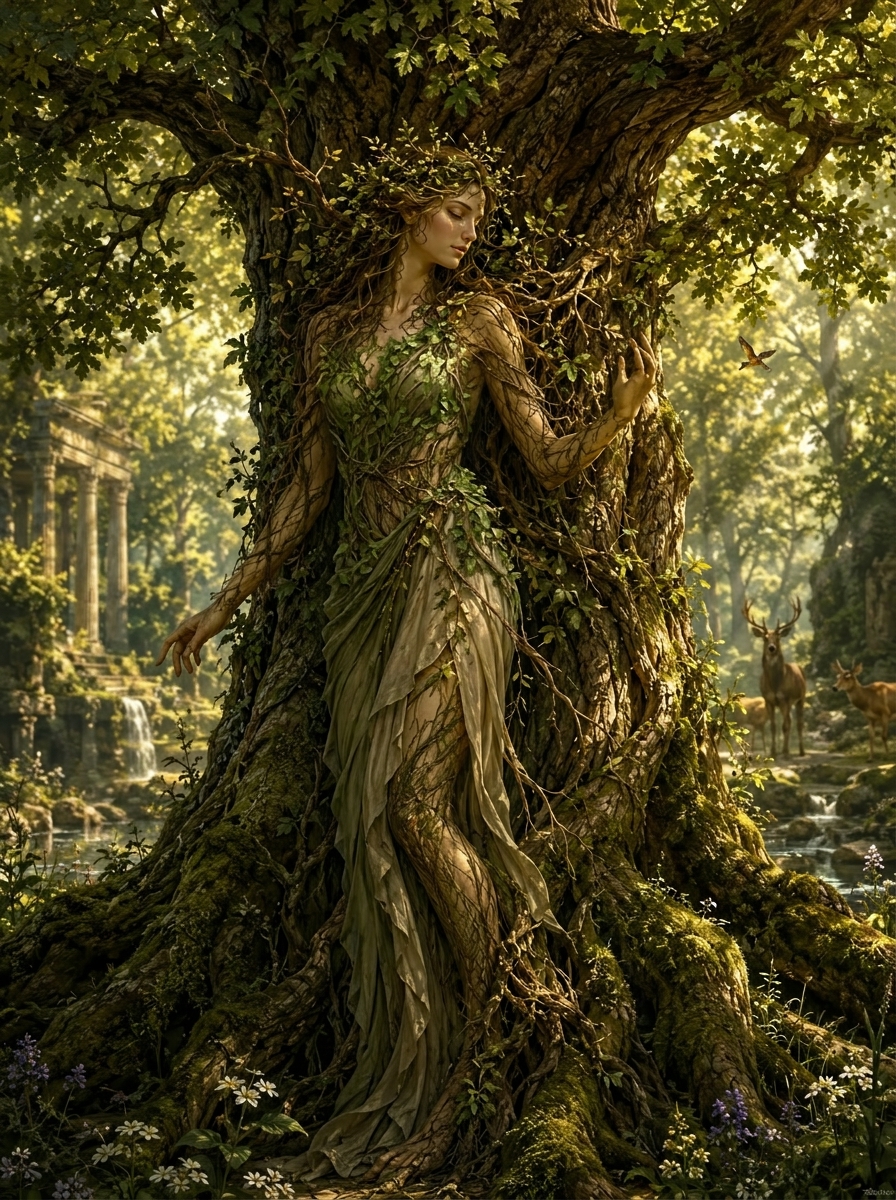
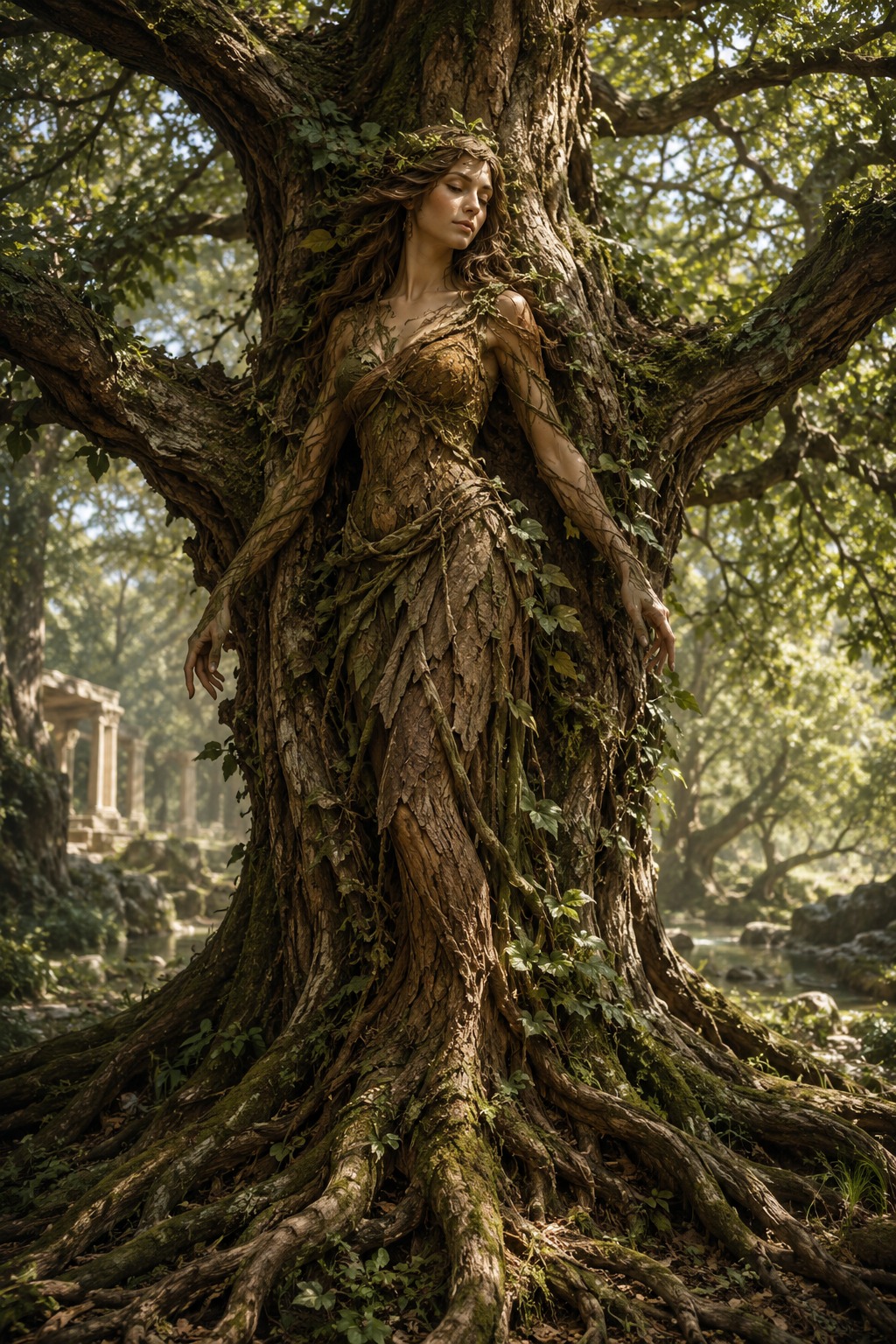
The Hamadryad (Greek Hamadryas, plural Hamadryades, English Hamadryad) is the canonical tree-spirit iconography of Greek mythology — unlike the general Dryad, permanently bound to a single specific tree — sharing the lifespan and fate of that tree as the decisive canon. The etymology is the compound of the Greek hama ('with, together') and drys ('oak, tree'), meaning 'with the tree' — the decisive canonical vocabulary — and while the general Dryad (Dryas) is a free spirit dwelling in all trees, the Hamadryad is the decisive adaptation canon permanently bound to a single tree. The decisive textual canon is the fragmentary canon of the Precepts of Chiron of the c. 700 BCE Greek poet Hesiod (Hesiodos) — quoted by the c. 1st-century Greek writer Plutarch (Ploutarchos) in Chapter 11 of On the Decay of Oracles (De Defectu Oraculorum) — that the Hamadryad's lifespan equals nine generations of crows (about 9 years times 9 equals 81 years), and the canon of lines 476-485 of Book 2 of the Argonautica (Argonautika) of the 4th-3rd-century-BCE Alexandrian poet Apollonius Rhodius (Apollonios Rhodios, 295-215 BCE) — in which the Phrygian shepherd Laelaps does not cut down the Hamadryad's oak, and the Hamadryad blesses him — is the decisive canon. The decisive Latin-literary canon is the canon of lines 738-878 of Book 8 of the Metamorphoses of the Roman poet Ovid (Publius Ovidius Naso, 43 BCE - 17 CE) of c. 8 CE — the decisive canonical tragedy in which the Thessalian king Erysichthon (Erysichthon) cuts down a great oak of Demeter's sacred grove and kills the Hamadryad, and Demeter sends the spirit of hunger Limos (Limos) to punish him with eternal hunger so that he ultimately eats himself.

cherubim

Cherubim

Cherubim · Second of the Nine Angelic Choirs — Guardians of Divine Wisdom and the Throne

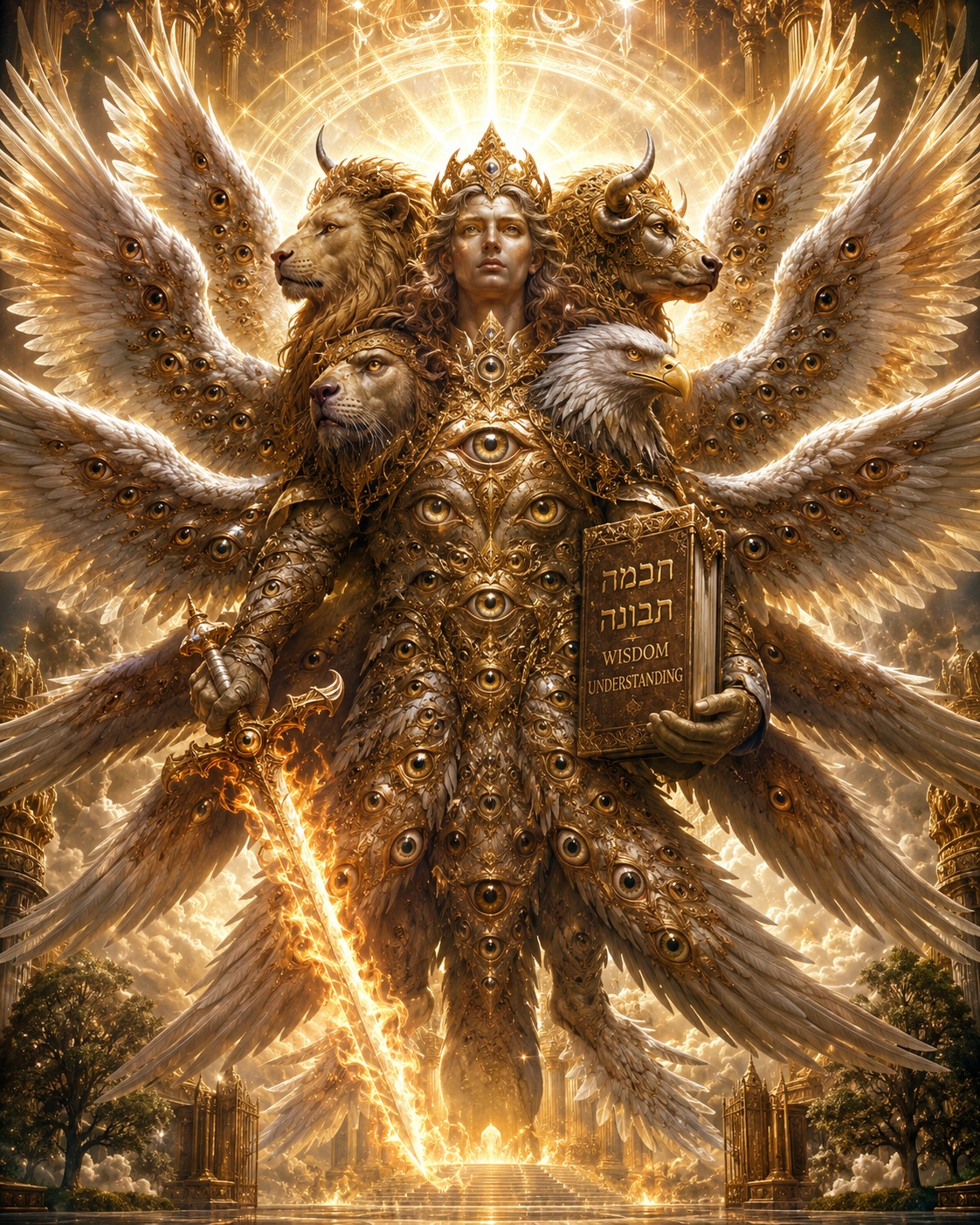
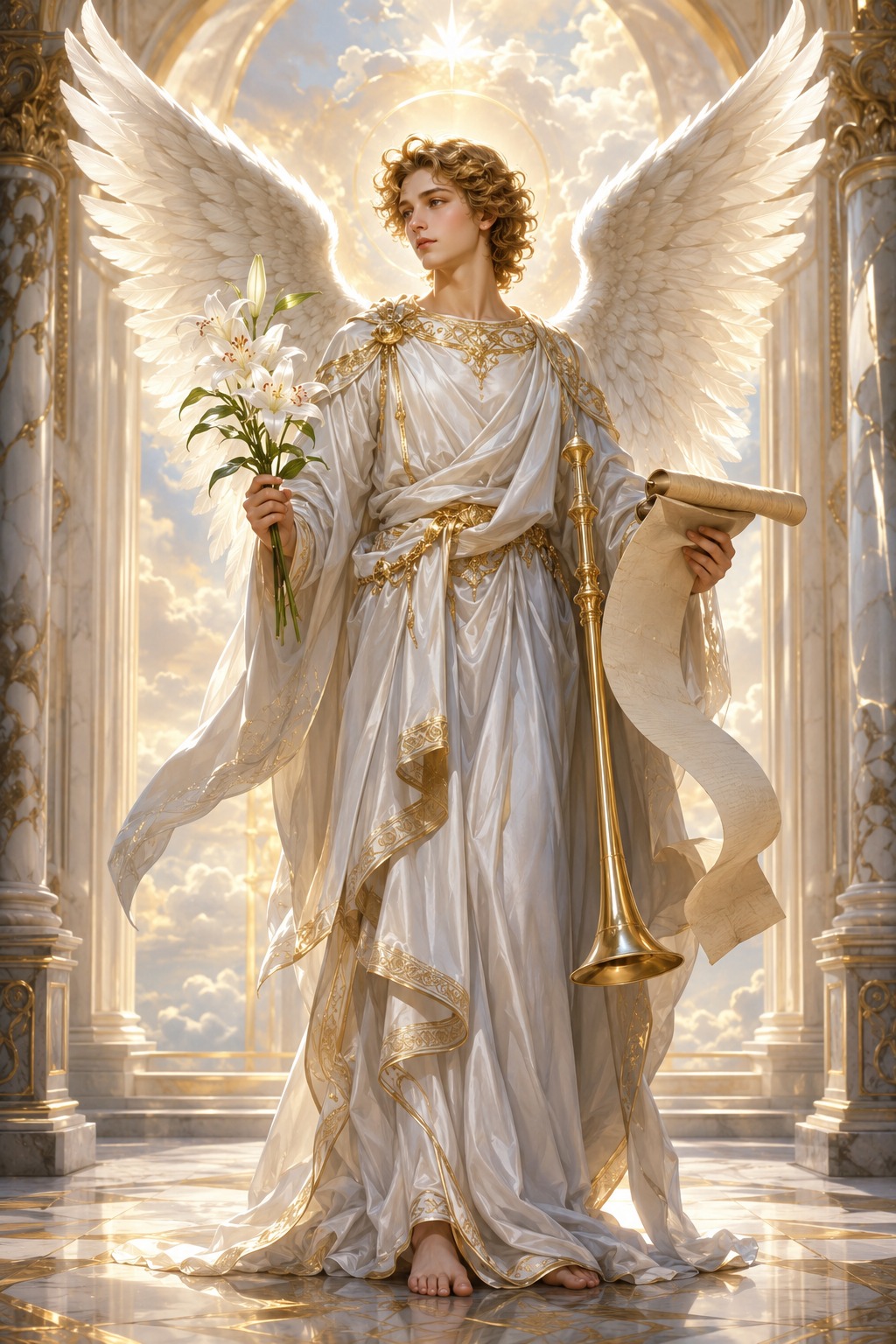
Cherubim (Hebrew kerubim, singular kerub, Greek cheroubin, Latin cherubim) is the 2nd-rank angel after Seraphim (Seraphim) of the 9 ranks of Jewish-Christian angelology — the decisive canon, the decisive canonical iconographic figure who supports the throne of God and transmits divine wisdom. The etymology is the decisive canonical vocabulary derived from the Akkadian karibu (intercessor) or Aramaic kerub (close), and the influence of the composite iconography of the Assyrian lamassu (lamassu) and shedu (shedu) of bull, human, and eagle is the decisive canon. The decisive textual canon is the Genesis (Bereshit) chapter 3 verse 24 of c. 6th century BCE — the decisive canon of 'the cherubim and the flaming sword that turned every way (lahat ha-herev ha-mithapeketh)' that guarded the way to the Garden of Eden — and Exodus (Shemot) chapter 25 verses 18-22 and chapter 26 verse 31 — the decisive canon of the two gold cherubim on the mercy seat (kapporet) of the Ark of the Covenant (Ark of the Covenant) — and 1 Kings chapter 6 verses 23-28 — the decisive canon of the 10-cubit (about 4.5 m) cherubim of Solomon's temple. The Ezekiel (Yehezkel) chapter 1 verses 5-14 of 593-571 BCE — the decisive canon of the 'four living creatures (chayot, faces of human, lion, ox, and eagle, four wings)' — and chapter 10 — the decisive canon of the cherubim and wheels (ophanim) — and the Pseudo-Dionysius the Areopagite (Pseudo-Dionysius the Areopagite)'s Celestial Hierarchy (De Coelesti Hierarchia) chapter 7 of c. 5th-6th century CE — the decisive canon as the 2nd rank of the 9 ranks.

ophanim

Ophanim

Ophanim · Third of the Nine Angelic Choirs — Wheels of God, Throne of Justice

Ophanim (Hebrew Ofannim, singular Ofan) is the third-rank angel of the 9-rank angelic hierarchy of Judeo-Christian angelology — the decisive canon — the decisive canonical iconographic figure derived from the Hebrew 'ofan' meaning 'wheel' in plural form. Aliases — Galgalim ('wheels'), Thrones (Latin Throni), wheels of God's chariot (Merkabah, Merkabah) — are the decisive canonical vocabulary. The decisive textual canon is the decisive origin canon of Ezekiel (Ezekiel) 1:15-21 and 10:9-13 of c. 6th century BCE in which beside the Cherubim are giant wheels with a wheel within a wheel (Wheel within a wheel) whose rims are full of eyes, and the decisive canon of Daniel (Daniel) 7:9 of c. 2nd century BCE — the 'wheels of burning fire' throne of the 'Ancient of Days'. The decisive theological canon of the third rank Thrones (Thrones) of the 9-rank angelic hierarchy in The Celestial Hierarchy (De Coelesti Hierarchia) chapter 7 of Pseudo-Dionysius the Areopagite of c. 5th-6th century CE, and the decisive canon of the Thrones in the Summa Theologica (Summa Theologica) Part I question 108 of Thomas Aquinas (Thomas Aquinas) of the 13th century. The decisive 14th-century canon is the decisive canon of the third rank Thrones of the 9-rank angelic hierarchy in Dante Alighieri's (Dante Alighieri) Divine Comedy (Divina Commedia) Paradiso (Paradiso) Canto 28 lines 103-105 of c. 1320.

beelzebub

Beelzebub

Beelzebub · Lord of the Flies — Prince of Gluttony

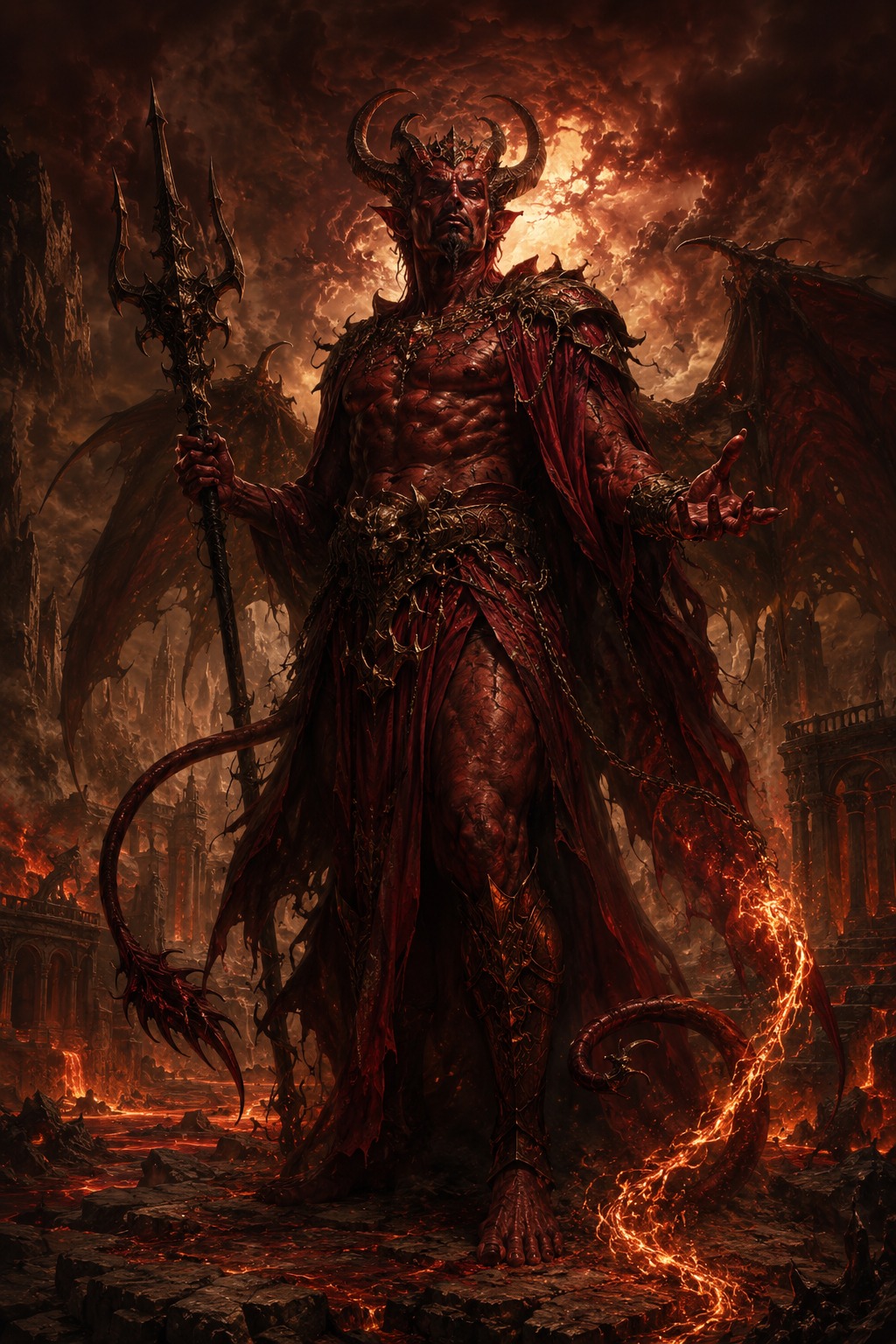
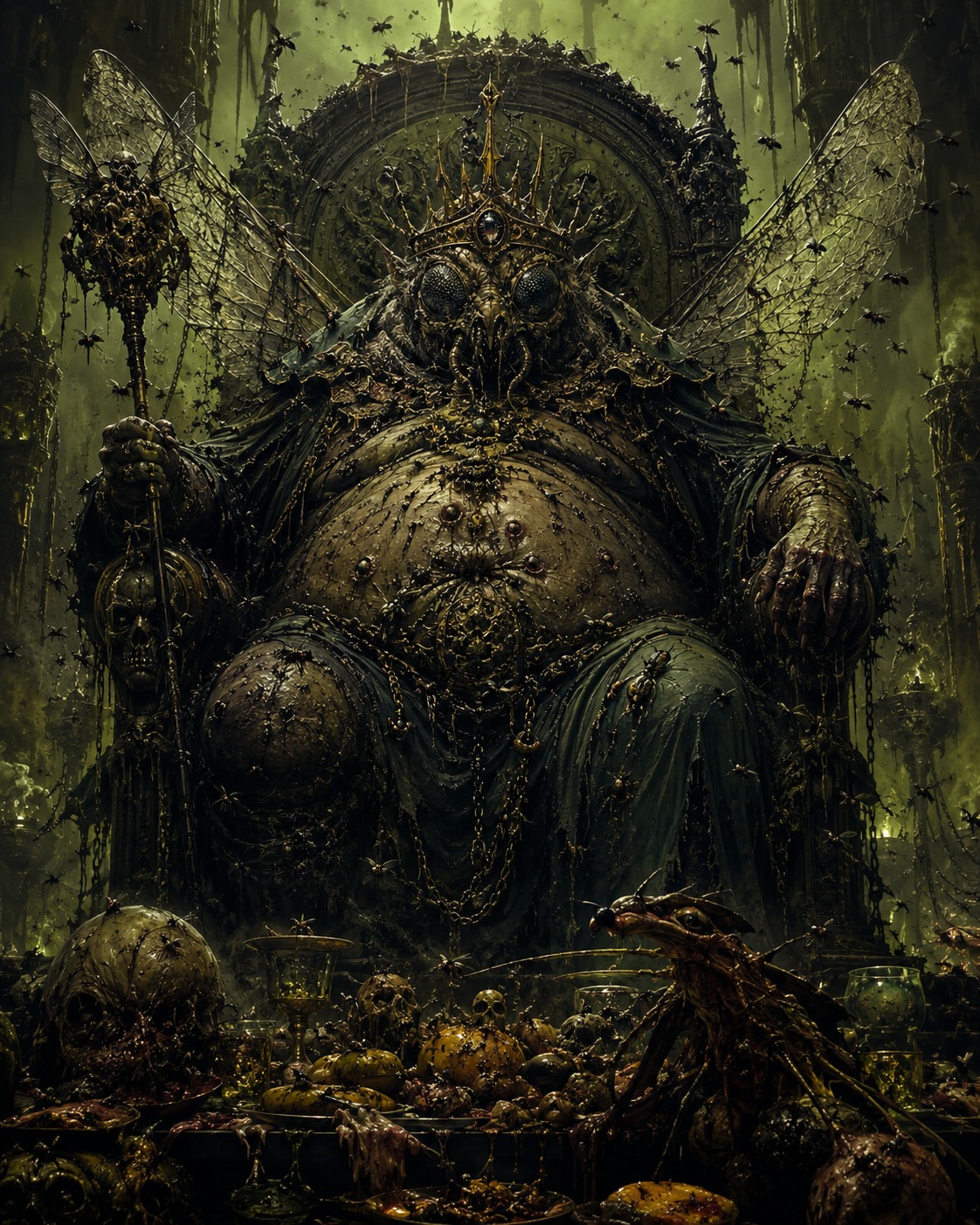
Beelzebub (Hebrew Baʿal-Zəvuv, Greek Beelzeboul, Latin Beelzebub) is the great demon of the Judeo-Christian tradition — the decisive canon — derived from the Hebrew Baal-zebub meaning 'Lord of the Flies' — the decisive canonical iconographic figure originating in the city of Ekron of Philistia where the god 'Baal-Zebul (Baal-Zebul, prince Baal)' was worshipped, with Jews scornfully changing the name to 'Lord of the Flies (zebub = fly)'. Aliases — Beelzeboul, Lord of the Flies, prince of devils, and Archduke of 'Gluttony (Gula, Gluttony)' among the Seven Deadly Sins — are the decisive canonical vocabulary. The decisive textual canon is the decisive origin canon of 2 Kings 1:2-16 of c. 6th-4th century BCE in which the king of Israel Ahaziah (Ahaziah) fell ill and sent messengers to consult Beelzebub of Ekron, only to be rebuked by Elijah (Elijah), and the decisive canon of Matthew (Matthew) 12:24-27, Luke (Luke) 11:15-19, and Mark (Mark) 3:22 of the 1st century CE in which the Pharisees slandered Christ by saying 'he casts out demons by Beelzebub, the prince of demons'. The decisive 17th-century English-literary canon of John Milton's (John Milton) Paradise Lost (Paradise Lost) Book 1 lines 78-81 of 1667 — the fallen angel next to Lucifer — and the decisive 20th-century English-literary canon of William Golding's (William Golding) novel Lord of the Flies (Lord of the Flies) of 1954.

astaroth

Astaroth

Astaroth · 29th of Solomon's 72 Spirits — Great Duke

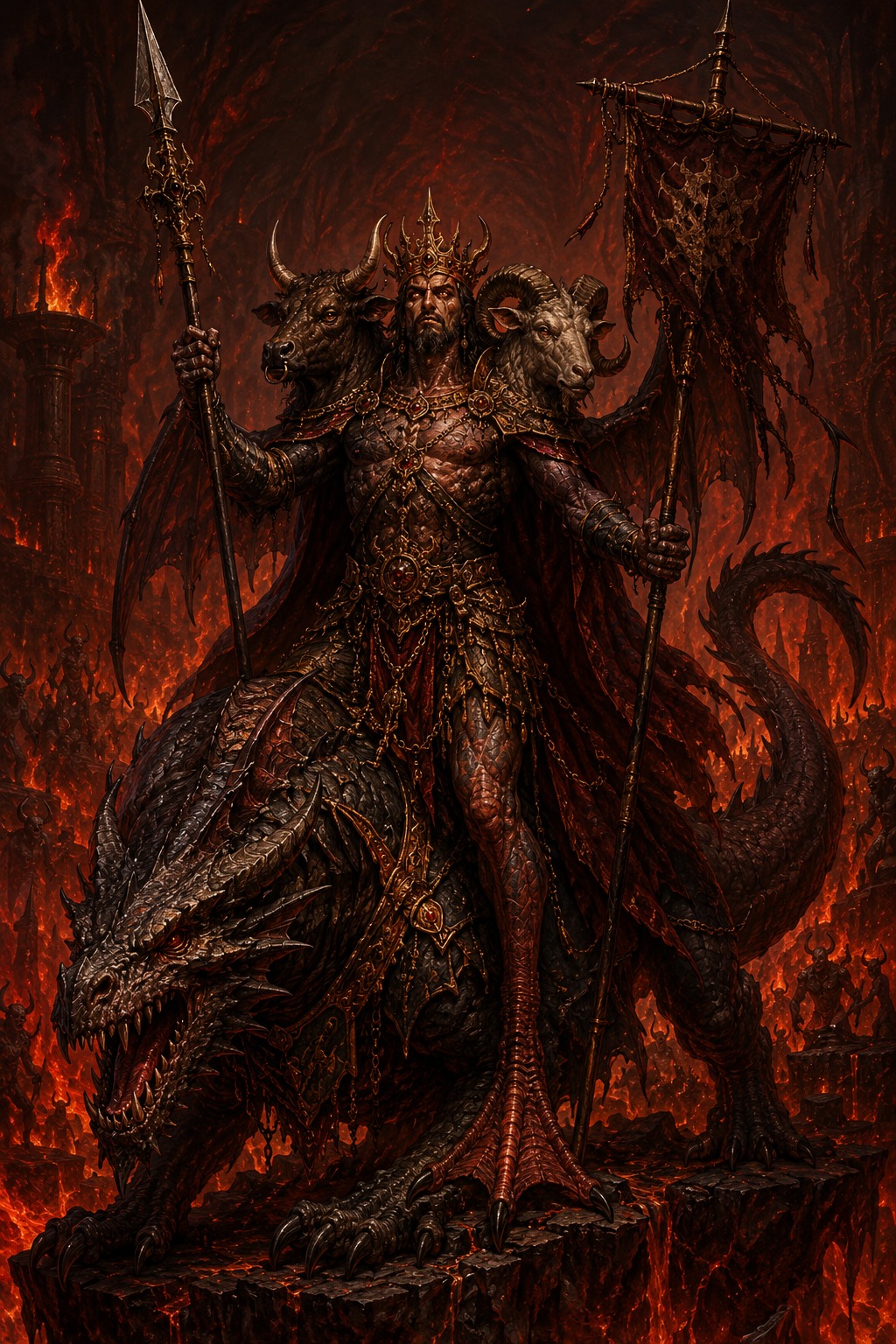
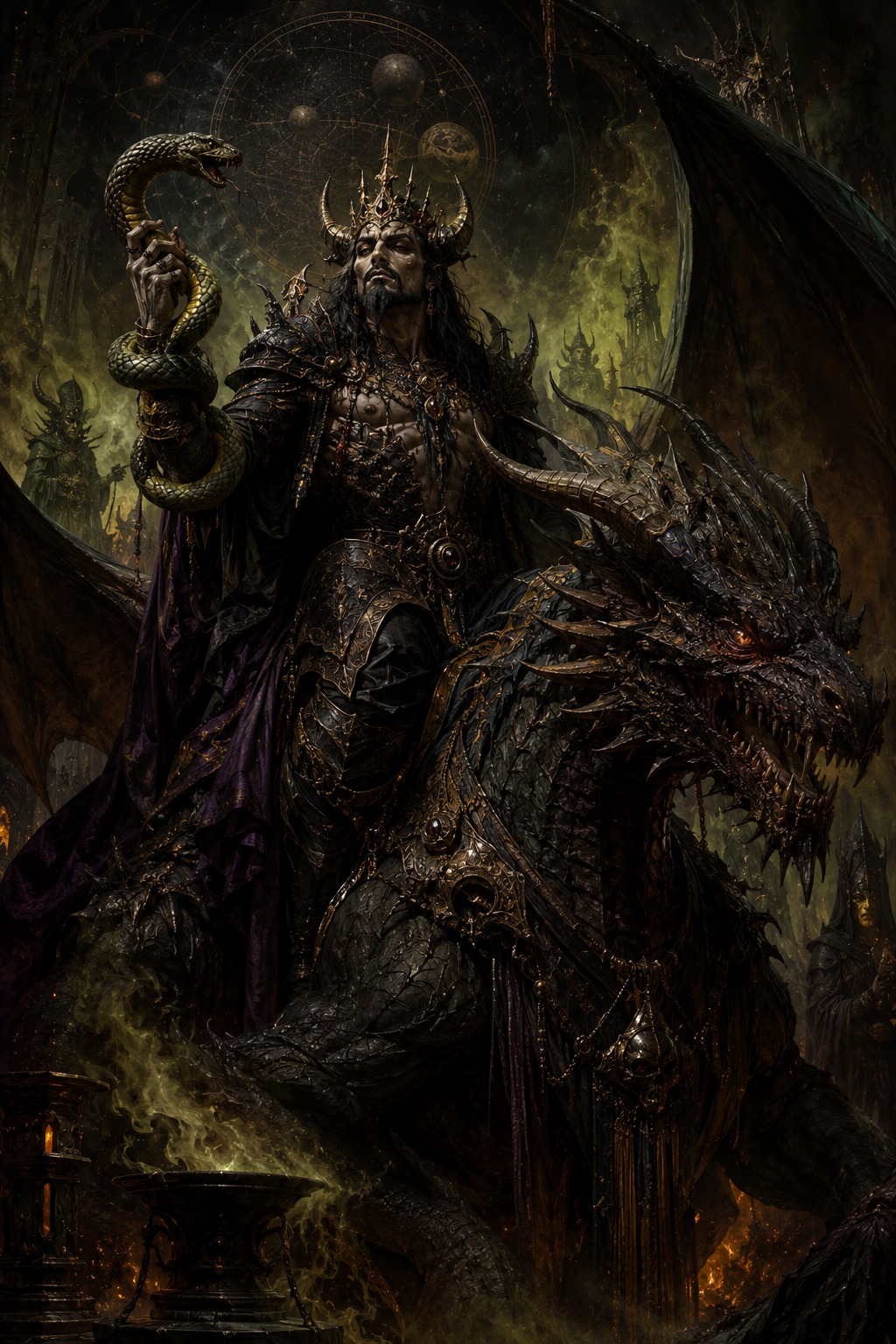
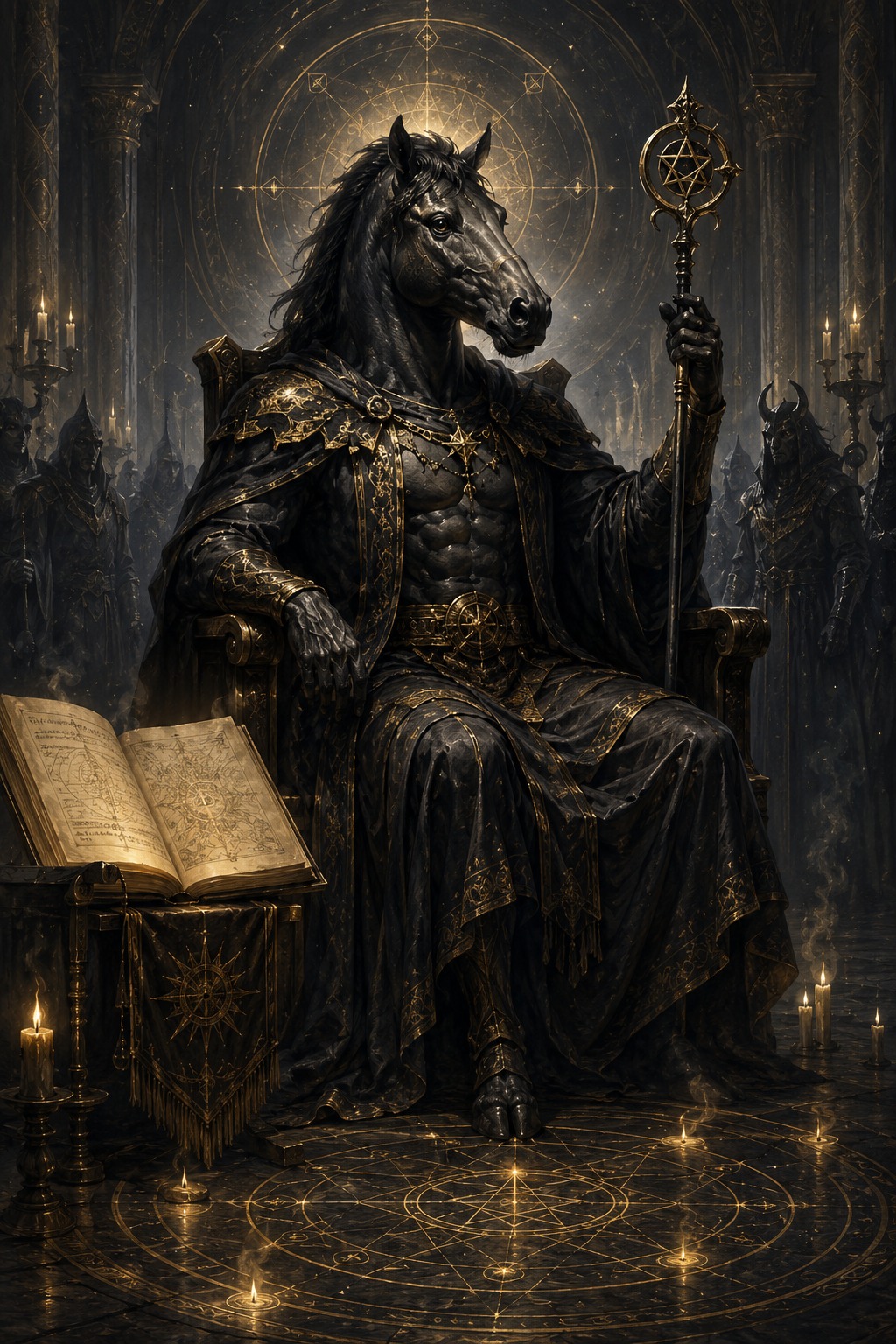
Astaroth (Latin Astaroth, English Astaroth) is the demon of the Great Duke rank, 29th of the 72 demons in Book 1 Ars Goetia (Ars Goetia) of the 17th-century grimoire — the decisive canon — The Lesser Key of Solomon (Lemegeton Clavicula Salomonis) — commanding 40 legions (legions) of demons — the decisive canonical iconographic figure. The etymological origin is the decisive canonical vocabulary of Ishtar (Ishtar, Akkadian), the Mesopotamian goddess of fertility, love, and war of c. 2000 BCE → Phoenician and Canaanite Astarte (Astarte) → the foreign goddess Ashtoreth (Ashtoreth) of the Old Testament → the male duke-demon of the 16th-17th century grimoires. Aliases — Ashtoreth (Ashtoreth), Astarte (Astarte), Ishtar (Ishtar), the Duke of liberal sciences — are the decisive canonical vocabulary. The decisive textual canon is the decisive origin canon of Astaroth in Pseudomonarchia Daemonum (Pseudomonarchia Daemonum) of Johann Weyer (Johann Weyer) of 1563, and the decisive canon of the 29th rank Great Duke of the 72 demons in Book 1 Ars Goetia of The Lesser Key of Solomon (Lemegeton Clavicula Salomonis) of the 17th century. The decisive 19th-century art canon of the Astaroth iconography on the wicked dragon in the Dictionnaire Infernal (Dictionnaire Infernal) of Collin de Plancy of 1818, and the decisive 21st-century global game canon of Astaroth (in the form of a golem wielding a giant axe) in the Soulcalibur (Soul Edge/Soulcalibur) series by Japanese Namco (Namco) from 1995.

⚔️Armor(24)
⚔️Weapons(27)
🐉Monsters(11)
vampire

Vampire

Vampire · The Bloodsucker — Night's Aristocrat Living Immortal on the Blood of the Living

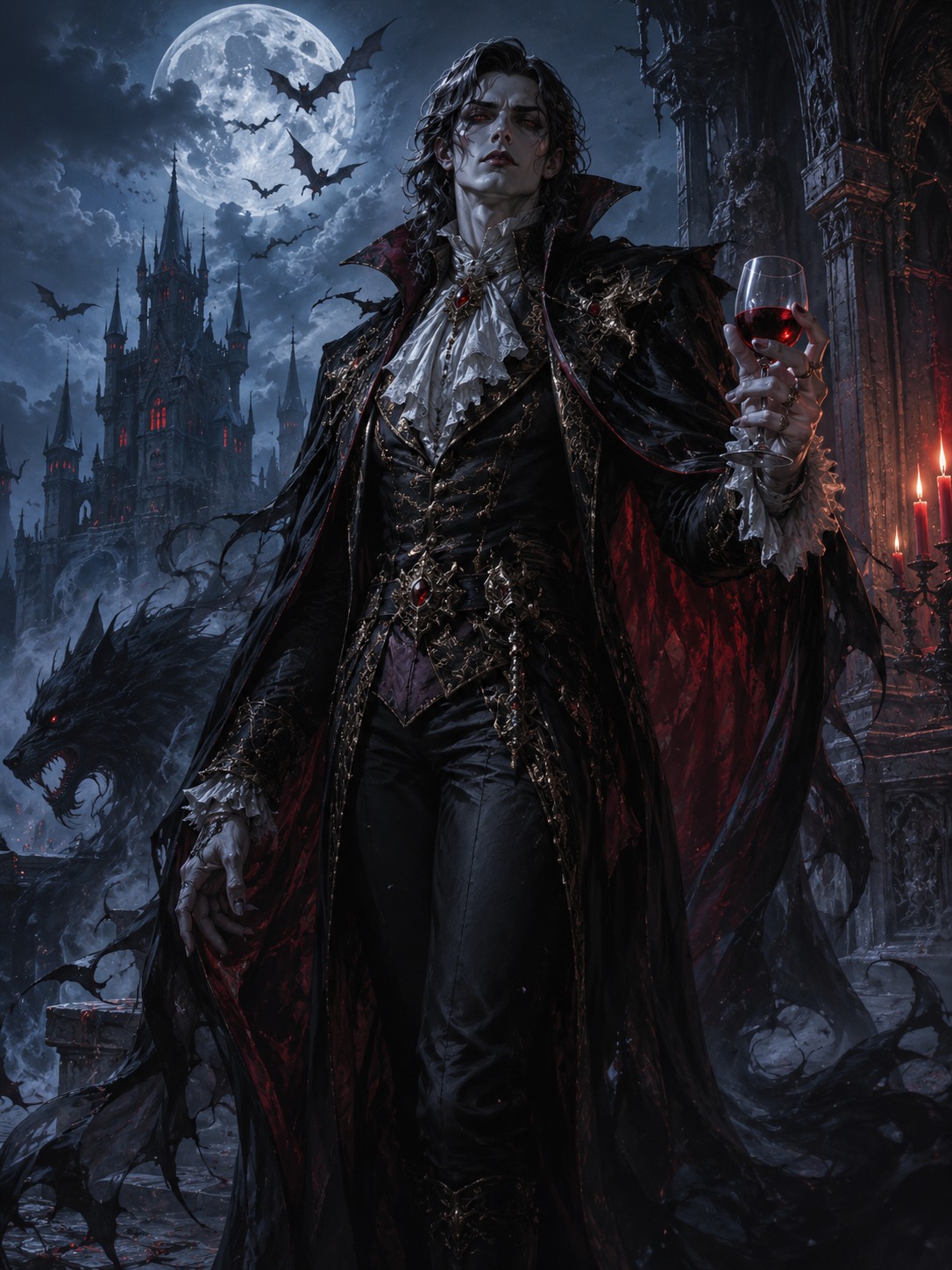
The Vampire (English Vampire, Slavic Upir or Vampir) is the undead who is dead yet has not died, sustaining immortality by drinking the blood of the living, possessed of pale skin, fangs, and a seductive charisma, transforming into bat, mist, or wolf — the canonical iconographic figure that originated in Slavic Eastern-European folklore and was completed in nineteenth-century English literature. The etymology derives from the Slavic upir (East Slavic) and vapir (South Slavic), and the first English use of vampire appears in the 1734 London Journal travel magazine. The iconographic origin is the resurrected-corpse tradition of Slavic folklore and the eighteenth-century Eastern European Vampire Panic (1725-1755 in Habsburg-occupied Serbia and Hungary), of which the decisive cases are the 1725 Petar Blagojevic affair in Kisilova, Serbia, and the 1726-1732 Arnold Paole affair in Medvegja, Serbia — the Visum et Repertum, the official 1732 Latin report by the Austrian-Habsburg military surgeon Johann Flueckinger, is the decisive textual canon that registered the vampire as an official subject in European academia. The Vampyre by John William Polidori (1795-1821), published on 1 April 1819 in the British New Monthly Magazine — written at the Villa Diodati in Switzerland in 1816 at the suggestion of Lord Byron together with Mary Shelley (Frankenstein) — is the origin of the English-literary vampire canon, and Bram Stoker's (1847-1912) Dracula, published in Britain on 26 May 1897, completed the decisive canon of the elegant, aristocratic modern vampire iconography.

skeleton-warrior
📸 2

Skeleton Warrior

Skeleton Warrior · Undead Soldier — A warrior risen from death and granted unlife

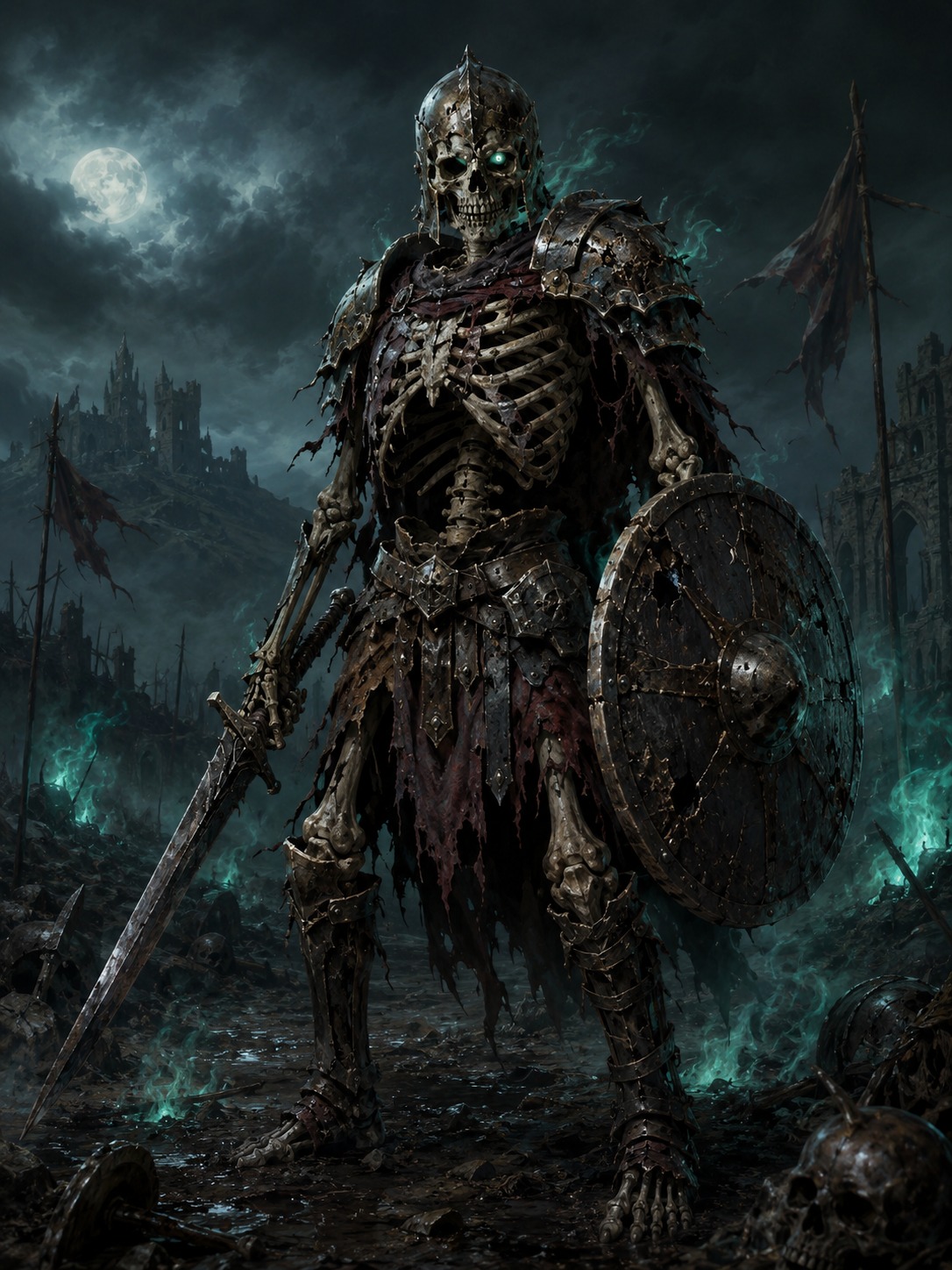
The Skeleton Warrior (English Skeleton Warrior, Latin Sceletus Bellator) is the warrior-type undead composed of the bones of the dead, summoned or resurrected by magic, curse, or black sorcery, who fights with sword, spear, shield, and armour, possessed of pure skeletal frame without flesh or soul — the decisive canonical iconographic undead figure of modern Western fantasy. The English skeleton derives from the Greek skeleton ('dried corpse'), through the Latin sceleton, settling in English in the sixteenth century, and is depicted as an instrumental being without original personality or will, faithfully obeying only the commands of the Necromancer. The mythical archetype is the Spartoi (Sparta, 'the Sown Ones') of Cadmus in ancient Greek mythology — armed warriors who grew from the ground when Cadmus, by the instruction of the goddess Athena, sowed the teeth of a dragon he had killed. The decisive modern canon is the famous scene in the 19 July 1963 British release of the film Jason and the Argonauts directed by Don Chaffey (1917-1990) — the four-and-a-half-minute scene of seven skeleton warriors in stop-motion animation by the British cinema special-effects master Ray Harryhausen (1920-2013) duelling with the Greek hero Jason — the decisive canon of modern skeleton-warrior iconography. The Skeleton monster of the 1974 tabletop RPG Dungeons & Dragons (D&D) by Gary Gygax (1938-2008), in the 1977 Monster Manual, established the canon of the modern fantasy RPG.

ghost

Ghost

Ghost · The Wandering Spirit — A Soul Bound to the World by Attachment and Unfinished Story

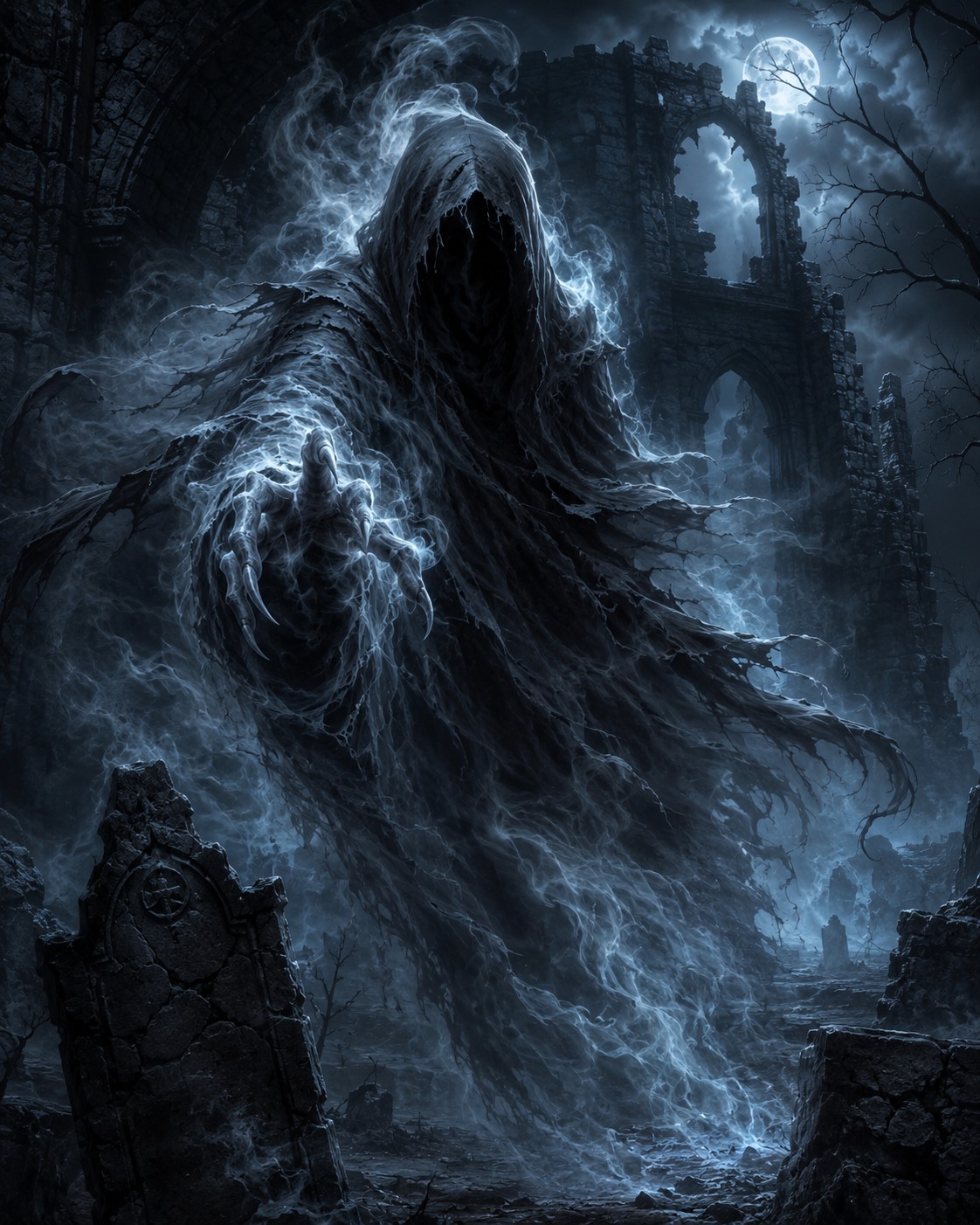
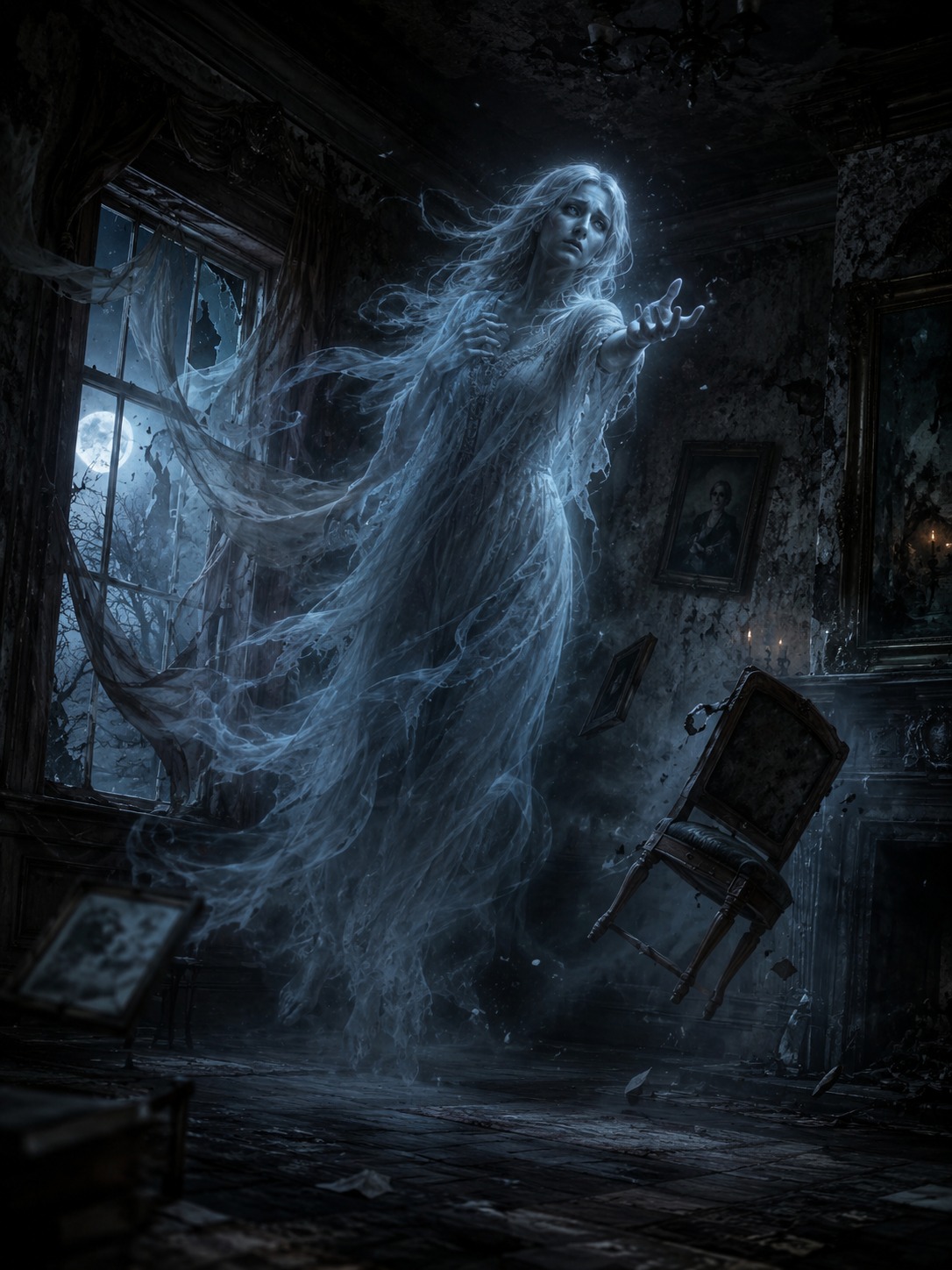
The Ghost (English Ghost, Latin Spectrum) is the soul of the dead that, due to lingering attachment, grudge, or unresolved circumstance, cannot proceed to the afterworld and remains in this world, the canonical iconographic figure of universal worldwide post-mortem belief: transparent or translucent in form, bound to a specific place (haunted houses, old houses), and manifesting through the Poltergeist (German for 'noisy spirit'), cold draught, apparition, sound, and weeping. The English ghost derives from Old English gaast (soul, spirit), and the iconographic origin spans the gidim of Mesopotamia, the akh of ancient Egypt, the psyche and eidolon of ancient Greece, the lar (guardian spirit) and lemur of ancient Rome — universally from the post-mortem soul belief of every civilisation. The decisive Western textual canon is Letter 27 of Book 7 of the Epistulae of Pliny the Younger (61-113 CE) of the late first century CE — in which the Greek philosopher Athenodorus (74 BCE - 7 CE) encounters in a haunted Athens house an old man's ghost rattling chains, and excavates his burial place to grant him post-mortem rest — the decisive Western canon of the first haunted-house ghost story. The ghost of Hamlet's father in William Shakespeare's (1564-1616) tragedy Hamlet (1599-1601) established the English-literary ghost canon, and the Marley and three Spirits of Past, Present, and Future in Charles Dickens's (1812-1870) novella A Christmas Carol (published 19 December 1843) are the decisive work of the Victorian ghost canon.

revenant

Revenant

Revenant · The Vengeful Returned — A Corpse Risen From the Grave for One Purpose

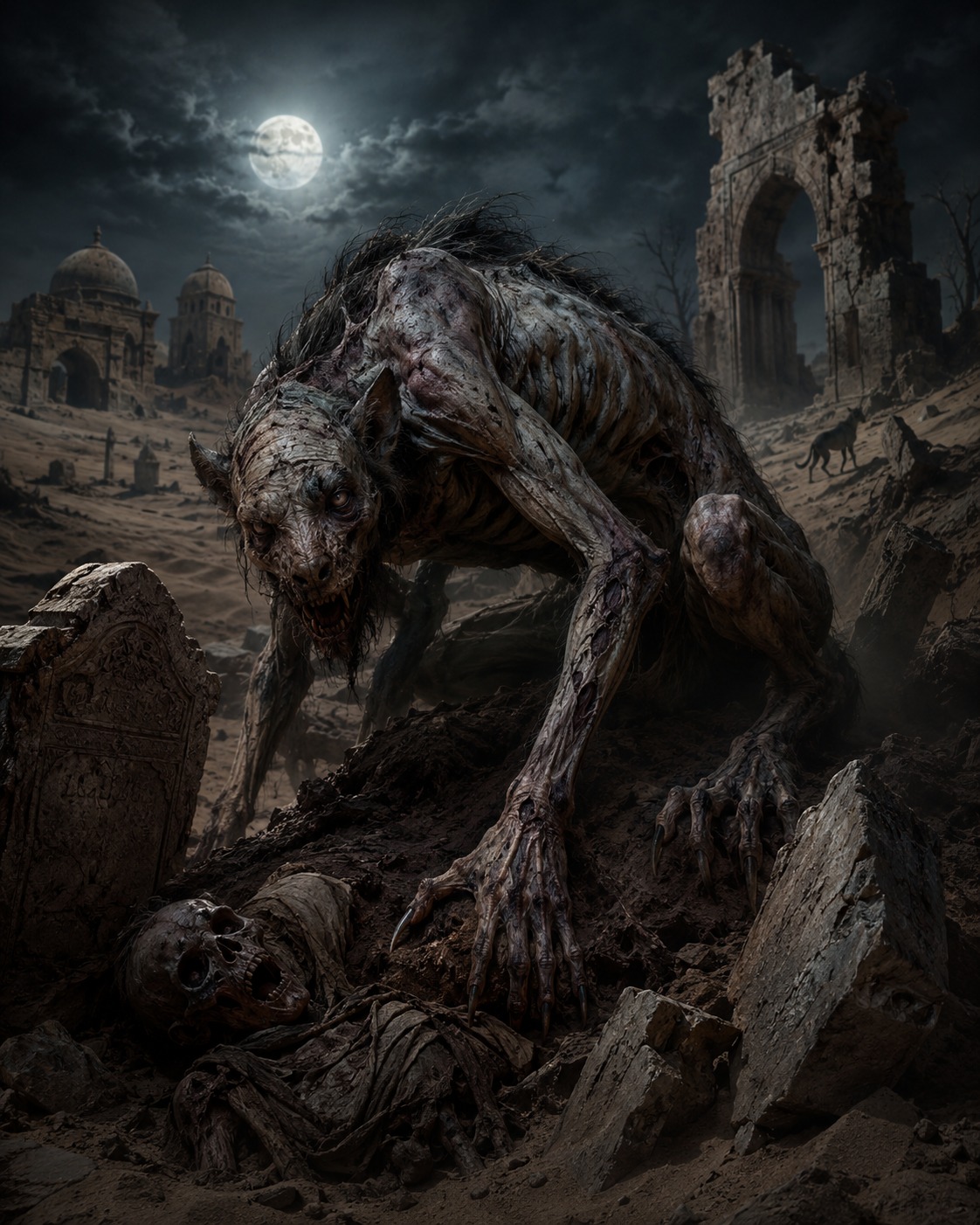
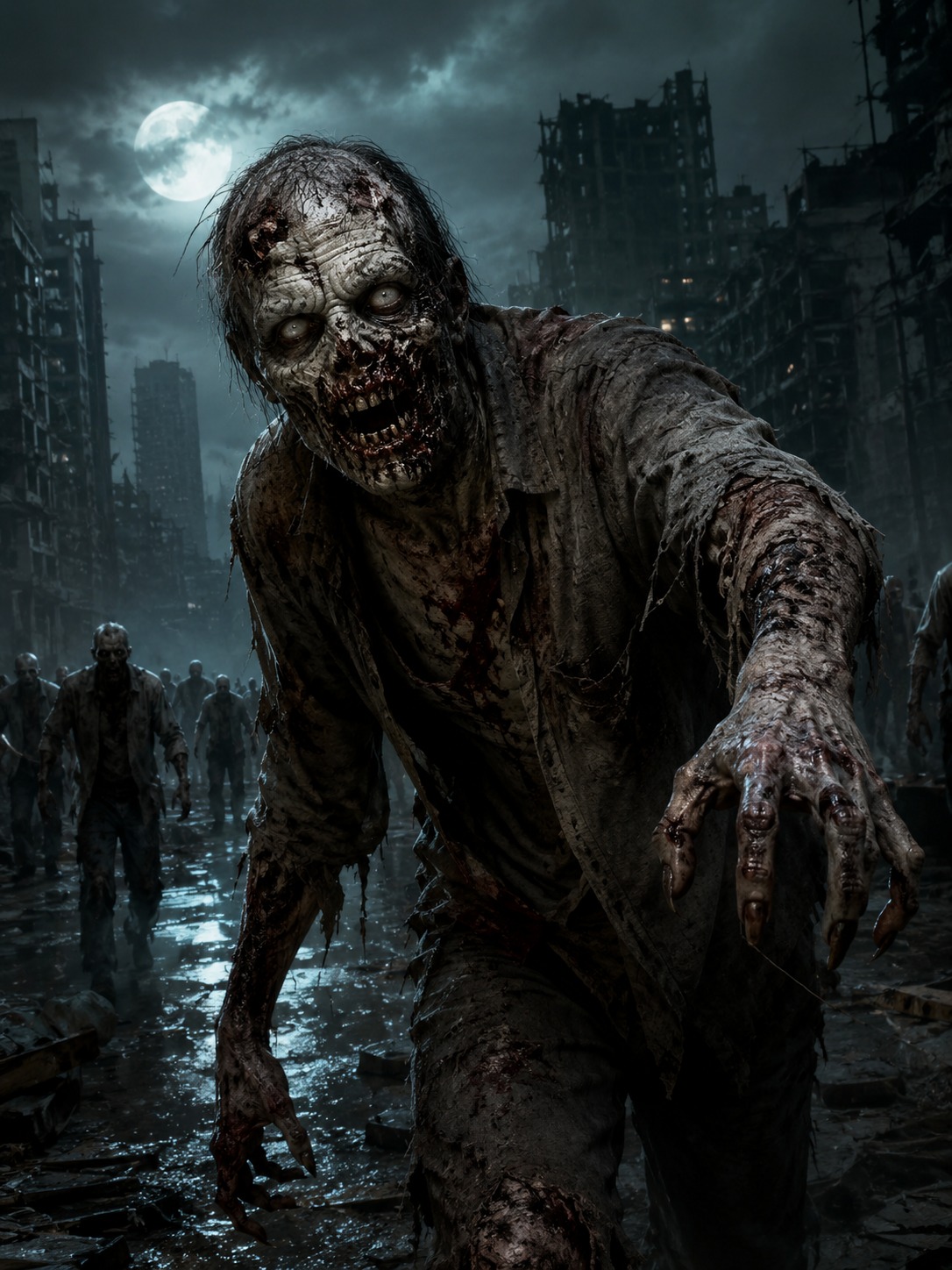
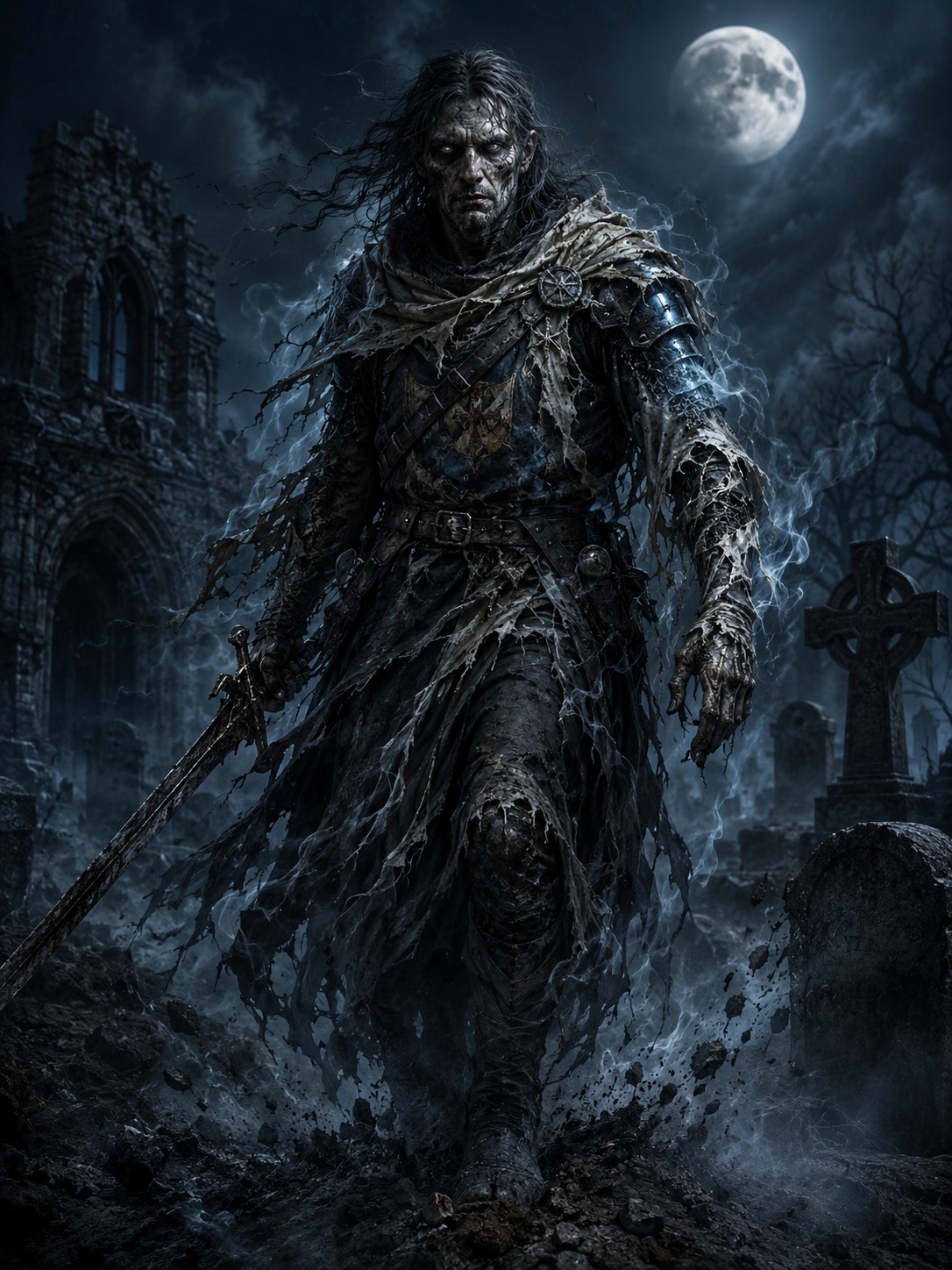
The Revenant (English revenant, from Latin revenans, 'the one returning') is a corpse that has risen from its grave on its own under the drive of intense vengeance or unresolved purpose, the medieval European iconographic figure of a self-aware undead retaining a distinct ego and a single purpose. The etymology lies in the Latin revenans, the present participle of the verb revenire ('to return'), which became the canonical term in eleventh- and twelfth-century Latin chronicles for the corpse that comes back from the grave to torment the village. The decisive textual source is the Historia Rerum Anglicarum (History of English Affairs) by the twelfth-century English chronicler William of Newburgh (c. 1136-1198), whose Book V chapters 22-24 record detailed cases of revenants in Buckinghamshire, Berwick, and Anant in northern England, establishing the decisive medieval European canon. Contemporary works such as Walter Map's De Nugis Curialium (Courtiers' Trifles, c. 1180) and the figure of Glam in the Saga of Grettir (Grettis Saga, thirteenth to fourteenth century) form the Northern-European revenant canon. Gary Gygax's first-edition Dungeons & Dragons Monster Manual (1977) systematised the revenant as a self-aware undead obsessed with a single object of vengeance, and Alejandro Gonzalez Inarritu's 2015 film The Revenant (starring Leonardo DiCaprio, winner of the Academy Award for Best Director) established the twenty-first-century cinematic canon of the figure.