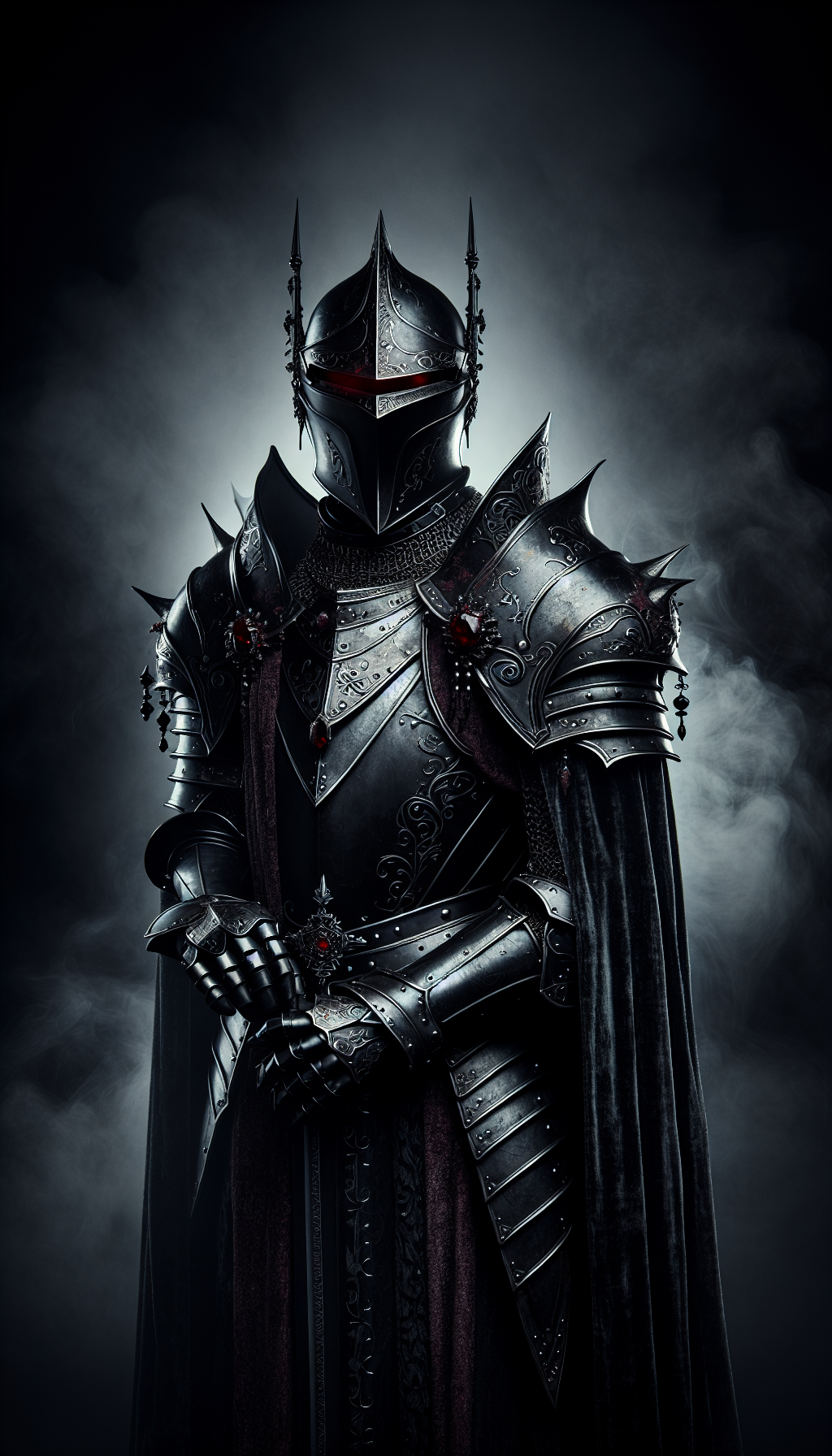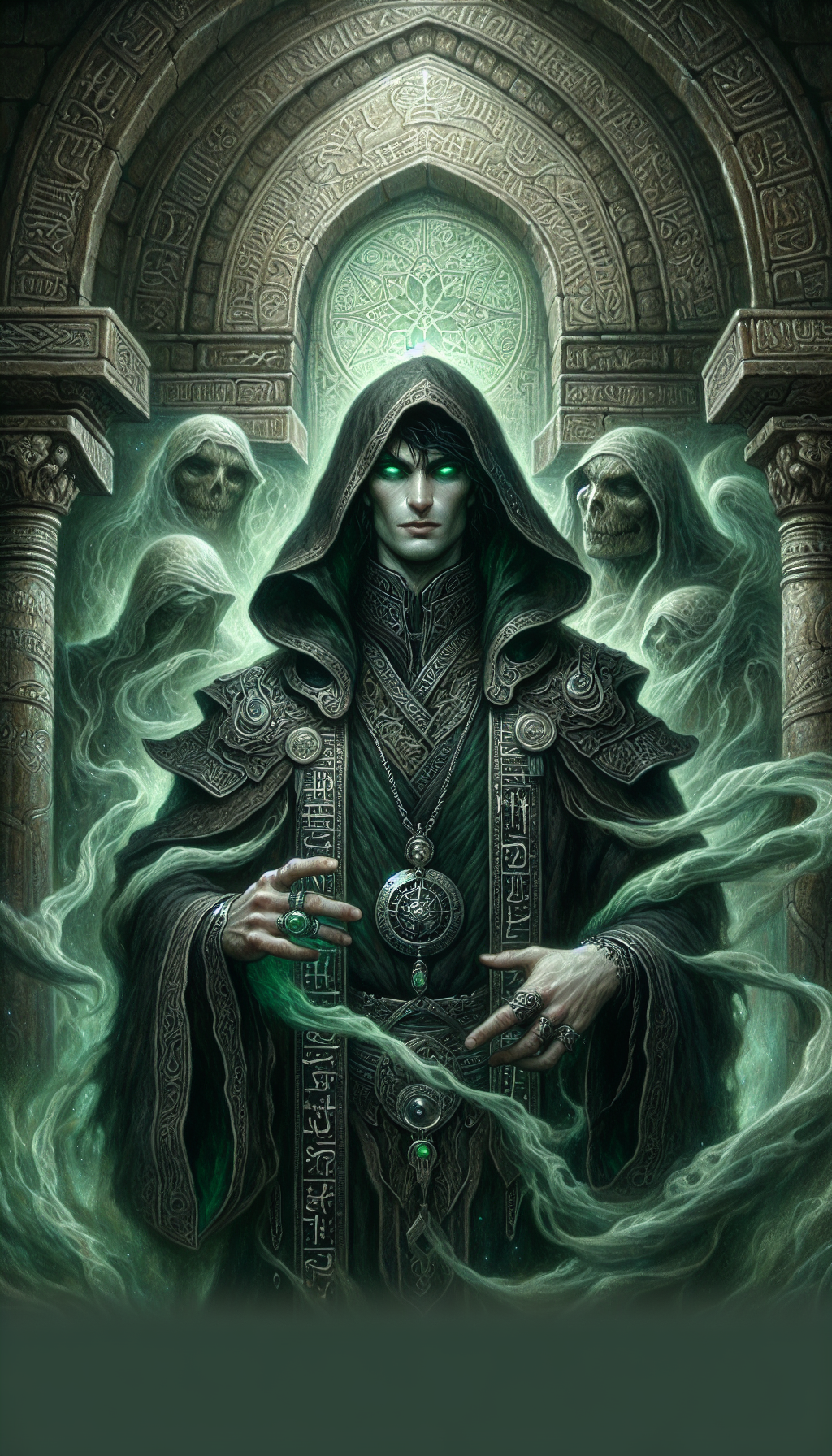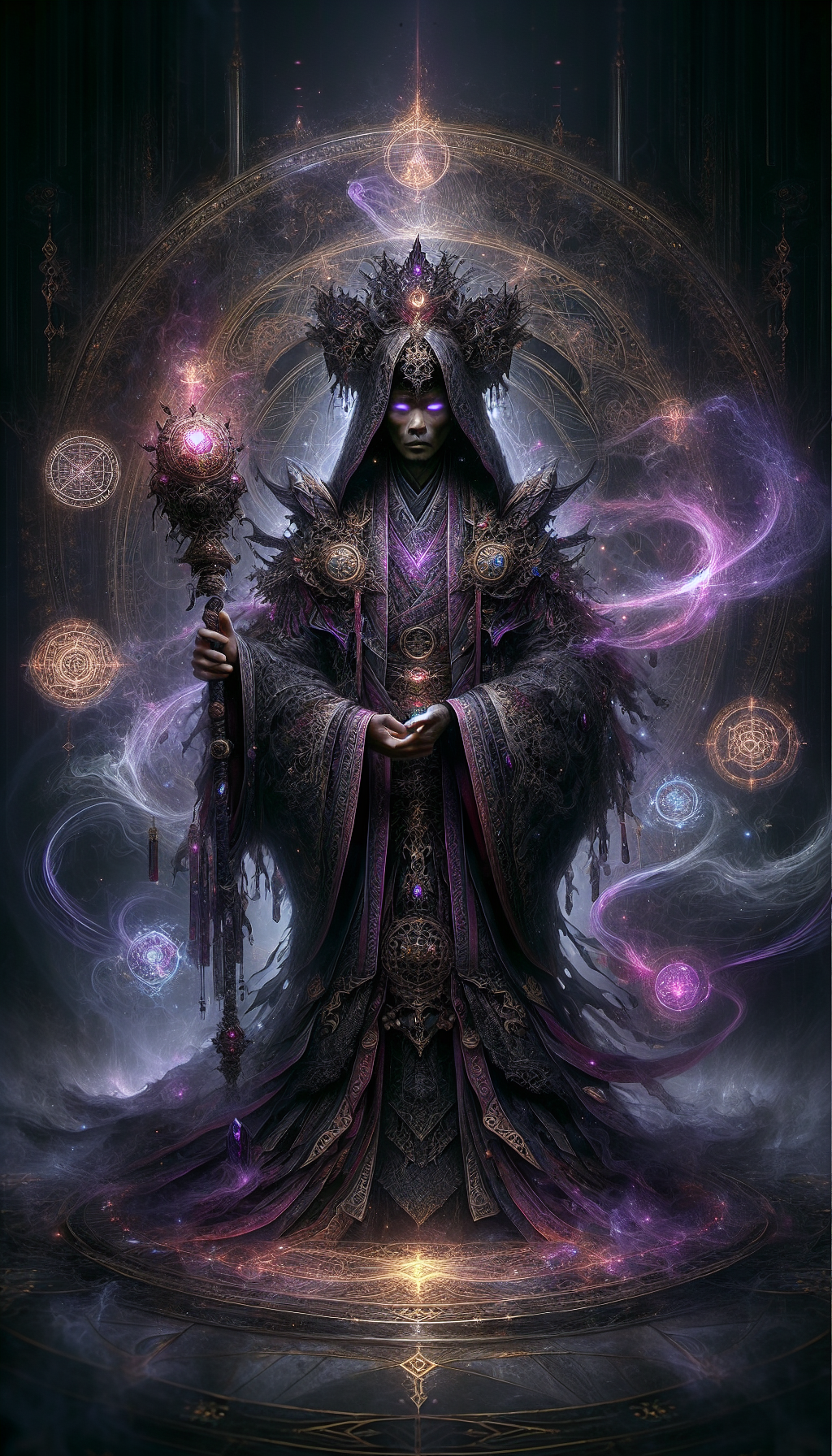
Warlock
術士 · Warlock — A cursed mage who has made a pact with a transcendent being
Names in Other Languages
 워록한국어
워록한국어術士 · Warlock — 초월 존재와 계약한 저주의 마법사
 ウォーロック日本語
術士 · Warlock — 超越的存在と契約した呪われた魔法使い
 術士繁體中文
術士 · Warlock — 與超越存在立約的詛咒魔法師
 HexenmeisterDeutsch
術士 · Warlock — Ein verfluchter Magier, der einen Pakt mit einem transzendenten Wesen geschlossen hat
 SorcierFrançais
術士 · Warlock — Un mage maudit qui a conclu un pacte avec un être transcendant
 BrujoEspañol
術士 · Warlock — Un mago maldito que ha hecho un pacto con un ser trascendente
 BruxoPortuguês
術士 · Warlock — Um mago amaldiçoado que fez um pacto com um ser transcendente
 CzarownikPolski
術士 · Warlock — Przeklęty mag, który zawarł pakt z transcendentną istotą
 ЧернокнижникРусский
術士 · Warlock — Проклятый маг, заключивший пакт с трансцендентным существом
The warlock derives magical power through pacts with transcendent beings — demons, ancient gods, fey spirits. The key difference from regular mages is they receive abilities from a Patron rather than learning theory. They grow powerful quickly but pay a price: pieces of soul, lifespan, free will, or memories must be given to the Patron, with deviation from purpose causing loss of power or terrible fates. Officially introduced as a class in D&D 5th Edition, gaining popularity through faster growth and dark appeal compared to mages. Shakespeare's Macbeth witches, Marvel's Doctor Strange, and various English folk traditions exemplify warlock variants.
Origin
Derived from medieval European legends of demonic pacts. The story of Faust is the most representative archetype, and the class was established in D&D with the independent Patron system.
Features
- Unique magic granted by the patron being
- Can use magic continuously without mana consumption (Power of the Pact)
- Specializes in curse, weakening, and fear magic
- Violating the terms of the pact leads to ability revocation or a curse being placed on them
Stories
An independent combatant capable of sustained magic use. A control dealer who disables enemies through curses and debuffs.
Weakness
Risk of becoming subordinated to the patron's will. A structural constraint where the patron's demands cannot be refused.