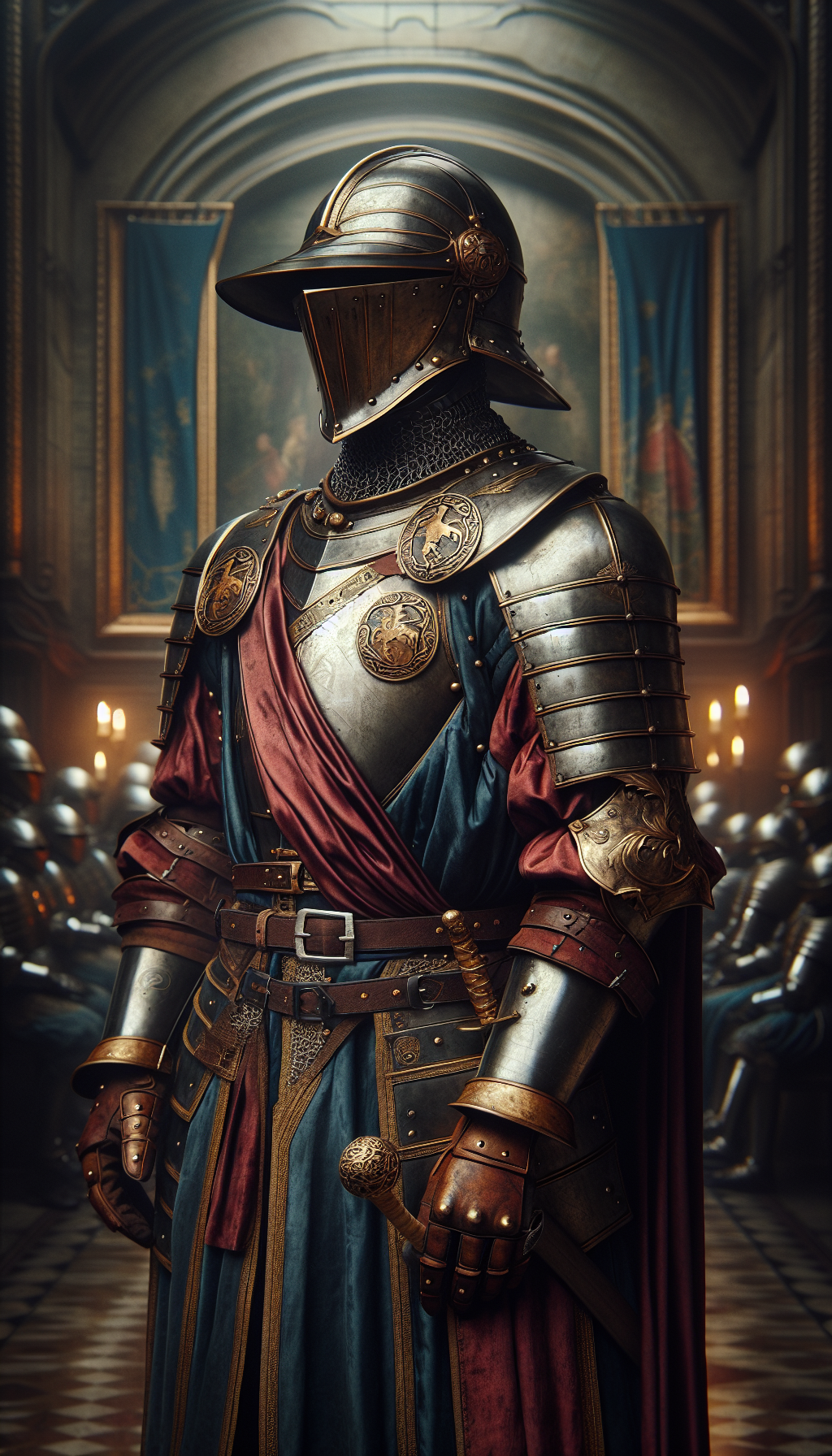
Commoner
平民 — The Free People Who Form Society's Majority
Names in Other Languages
 평민한국어
평민한국어平民 — 사회의 다수를 이루는 자유민
 平民日本語
平民日本語平民 — 社会の多数を占める自由民
 平民繁體中文
平民 — 構成社會多數的自由人
 Bürger / GemeinfreierDeutsch
平民 — Die freien Menschen, die die Mehrheit der Gesellschaft bilden
 RoturierFrançais
平民 — Le peuple libre qui forme la majorité de la société
 PlebeyoEspañol
平民 — El pueblo libre que forma la mayoría de la sociedad
 PlebeuPortuguês
平民 — O povo livre que forma a maioria da sociedade
 PospólstwoPolski
平民 — Wolni ludzie tworzący większość społeczeństwa
 ПростолюдинРусский
平民 — Свободные люди, составляющие большинство общества
The commoner is the free citizen class positioned between nobles and the lowest class (slaves) in feudal societies, the ordinary majority of each society. Including various professions — peasants, artisans, merchants, small business owners, lower-ranked soldiers — they were legally free unlike slaves but lacked the political power or wealth of nobles. In Korea's Joseon dynasty they were called 'sangmin' or 'yangin' under the four-occupations division (scholar, farmer, artisan, merchant), with peasants being the largest segment. In medieval Europe they were classified as the 'Third Estate' — commoners following clergy (First) and nobility (Second) — and the 1789 French Revolution saw this Third Estate overthrow feudalism and open modern civil society. Commoners are not merely 'the weak' but the substantive movers of society, forming the foundation of all agriculture, crafts, commerce, urban development, and cultural creation. In fantasy, they're the core class for the heroic narrative starting point — 'an ordinary rural youth becomes a hero through destiny.'
Origin
Evolved from the serf who exchanged labor and taxes for a lord's protection under feudalism. As commercial economies expanded, wealthy merchants carved out a distinct position within the commoner class.
Features
- Holds basic legal rights — the right to trial and freedom of movement (varies by era)
- Obligated to pay taxes, perform military service, and fulfill corvée duties
- May engage in commerce and join guilds
- Exceptional talent or meritorious service can lead to ennoblement
Stories
The backbone of a kingdom's economy and military strength. Most members of a fantasy adventuring party hail from this class.
Weakness
Vulnerable to crop failure, war, and noble taxation. With little political voice, commoners are always the first to suffer in times of crisis.