⚔️ Armor
Plate armor, helms, gauntlets, boots, magic armor
18 items
By Culture
By Era
Category
Element
Culture
Era
Job
Types

흉갑
1 items

가죽갑옷
2 items

판금갑옷
5 items
비늘갑옷
1 items

장갑
1 items

경갑
1 items

투구
4 items

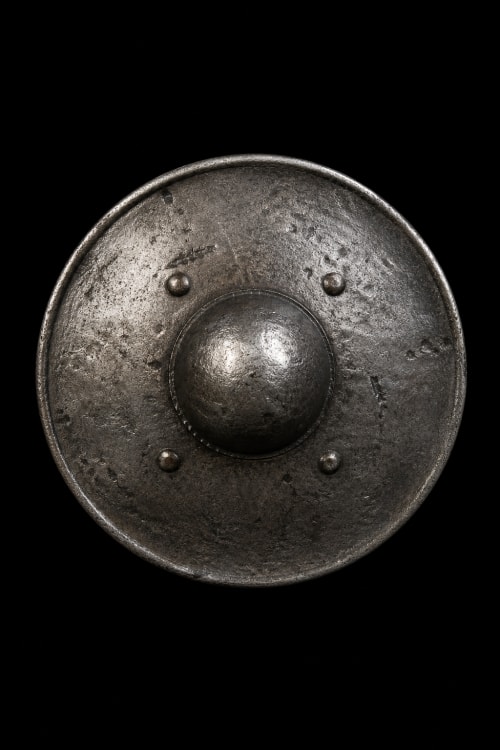
대형방패
1 items

사슬갑옷
1 items

어깨갑옷
1 items
All Items


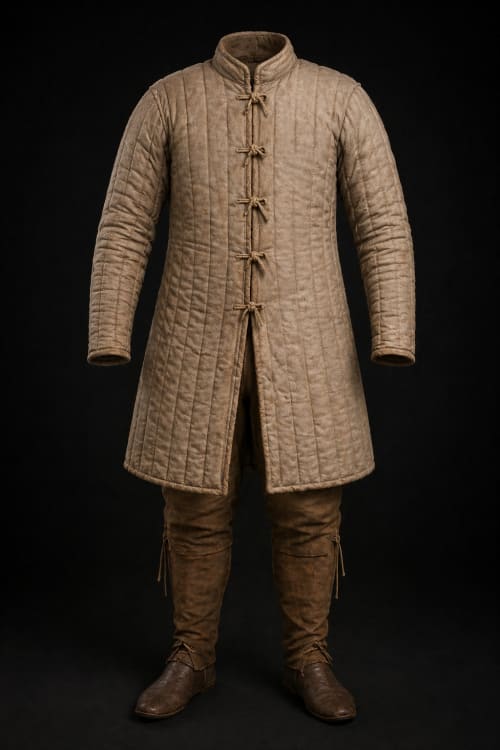
Cavalry Kazak
Cavalry Coat · Hussar Overcoat — Medieval European cavalry armor outerwear
The Cavalry Kazak was an armored overcoat worn by European cavalry during the medieval period. Constructed from thick cloth, leather, and sometimes reinforced with metal plates, it balanced protection with mobility. Designed for prolonged riding, it was used both in battle and on the march.

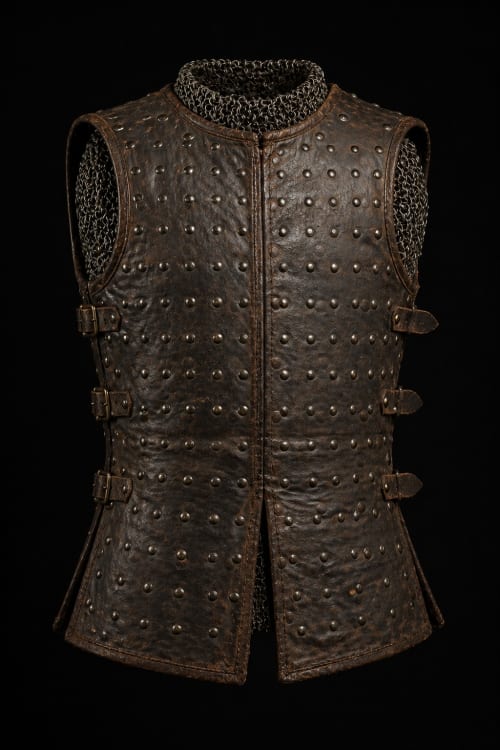
Dot Armor
Dot Armor · Plate with Circular Studs — Metal armor with round decorative studs
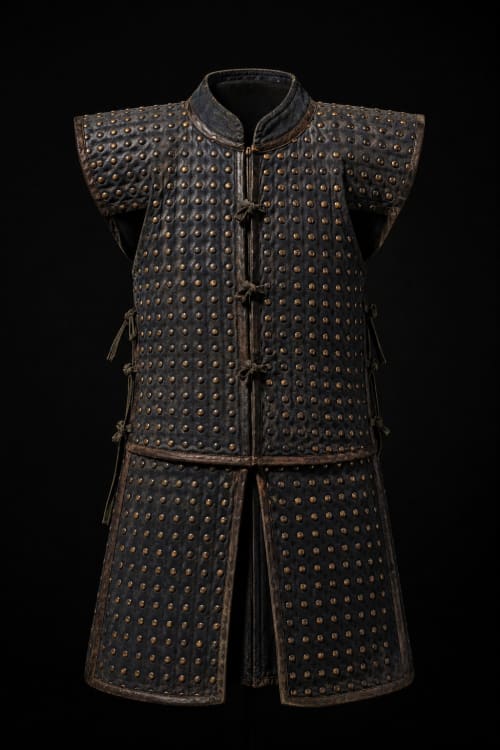
Dot Armor is a type of medieval plate armor decorated with regularly arranged circular metal studs. These dots serve both as reinforcement and as ornamentation, enhancing the armor’s strength and appearance. Knights and warriors wore this armor for protection in battle.
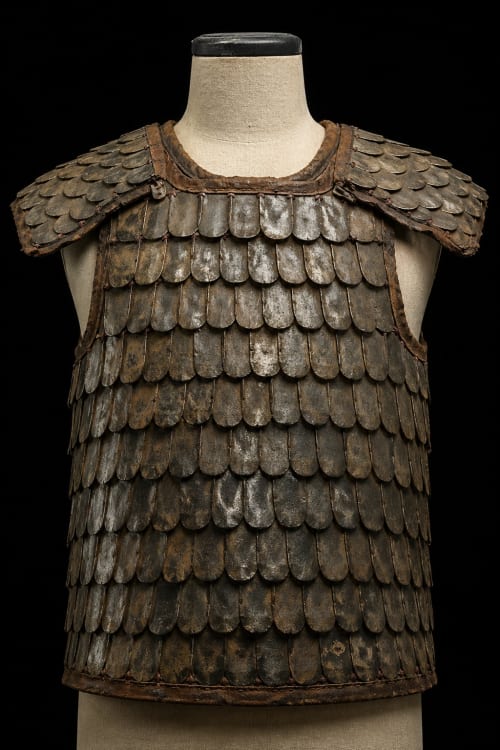
Scale Armor
Scale Armor · Lamellar — Overlapping metal scales for flexible defense
Scale armor is constructed by attaching small, overlapping metal scales to a backing of fabric or leather. The arrangement mimics fish scales, providing a balance of flexibility and protective strength. It was widely used across both Eastern and Western medieval cultures.

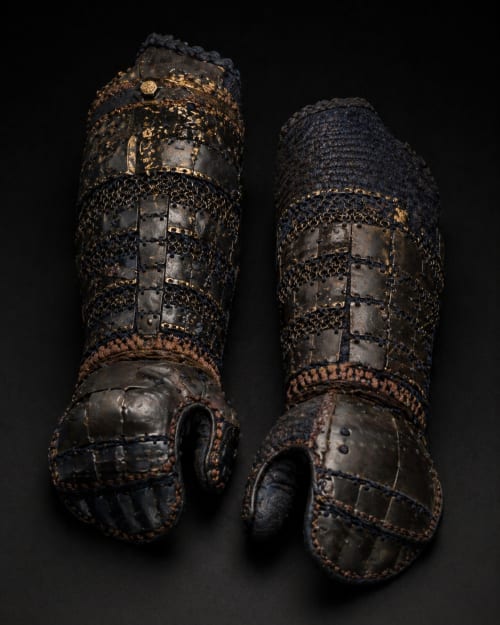
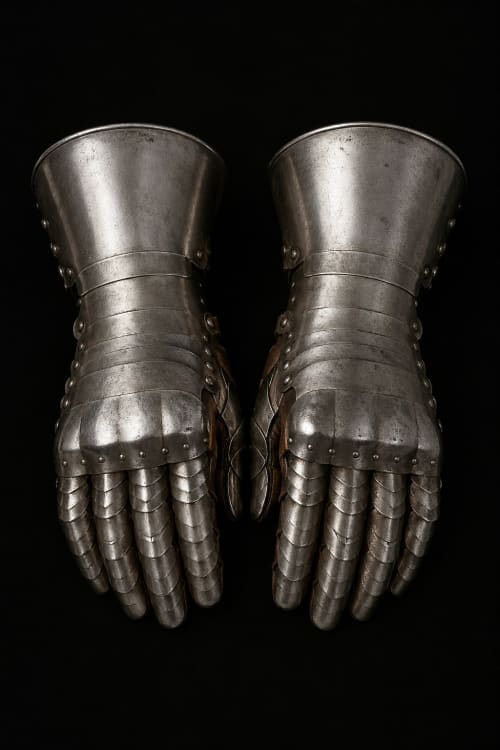
Gauntlet
Hand Armor · Protective glove — Armored glove made of metal or leather
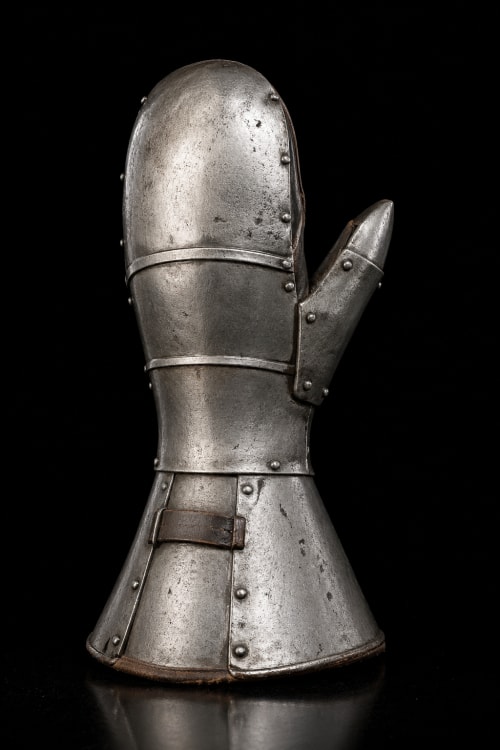
Gauntlets are protective gloves designed to safeguard the hands and wrists in combat. Popular among medieval European knights and soldiers, they were crafted from metal plates or hardened leather. Their articulated construction allows for dexterous weapon handling.

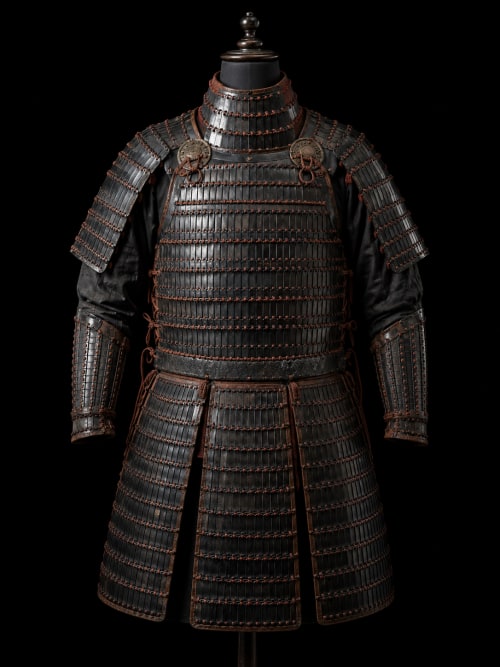
Raptaar
Lamellar Armor · Scale Armor — Armor made of interlaced plates
The Raptaar is a traditional armor constructed from small metal or leather plates laced together with cords or leather thongs. It was worn mainly by soldiers during the Goryeo and Joseon dynasties. The armor is known for its flexibility, durability, and comparatively light weight.

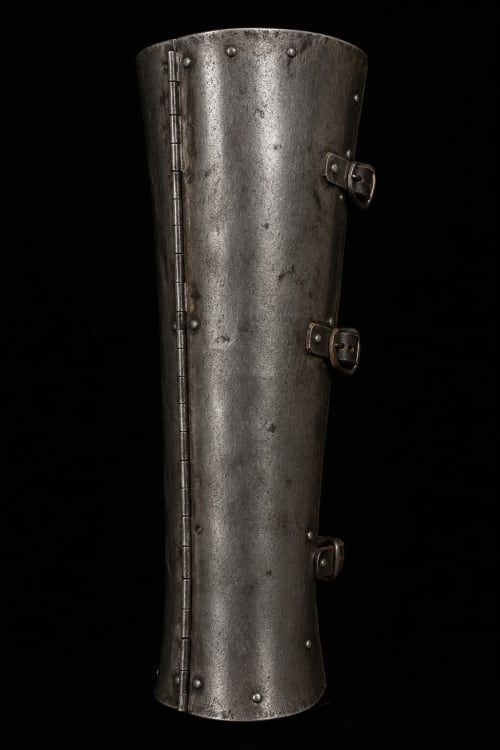
Greave
Leg Guard · Shin Armor — Protective gear for the lower leg
A greave is armor designed to protect the shin and calf areas of the leg, typically made from metal or leather. It was commonly worn to prevent leg injuries during combat. Greaves were utilized in many cultures, notably medieval Europe and East Asia.

Axe Helmet (Byzantine)
Byzantine Axe Helmet · Axe-shaped Crested Helmet — Distinctive battle helmet of the Byzantine Empire
The Axe Helmet was a unique type of helmet worn by certain soldiers in the Byzantine Empire. It featured an axe-blade shaped crest or ornament attached to the helmet, emphasizing intimidation and symbolic significance. Some examples were used both for actual combat and ceremonial purposes.

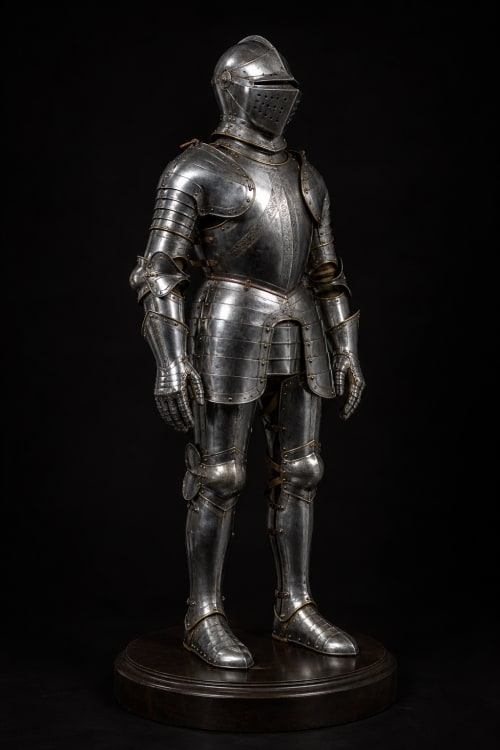
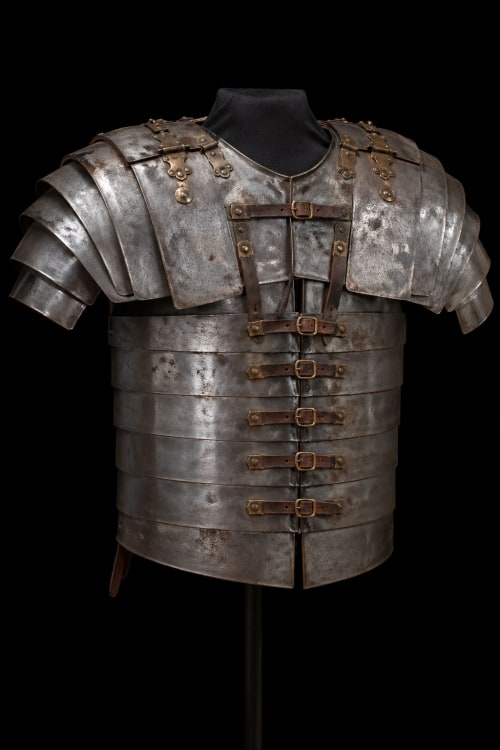
Plate Armor
Plate Armor · Full Metal Suit — Defensive gear made of metal plates
Plate armor is a type of full-body defense made from interconnected metal plates. It became emblematic of European knights, providing superior protection in battle. The design features articulated plates to allow movement while maintaining strong defense.


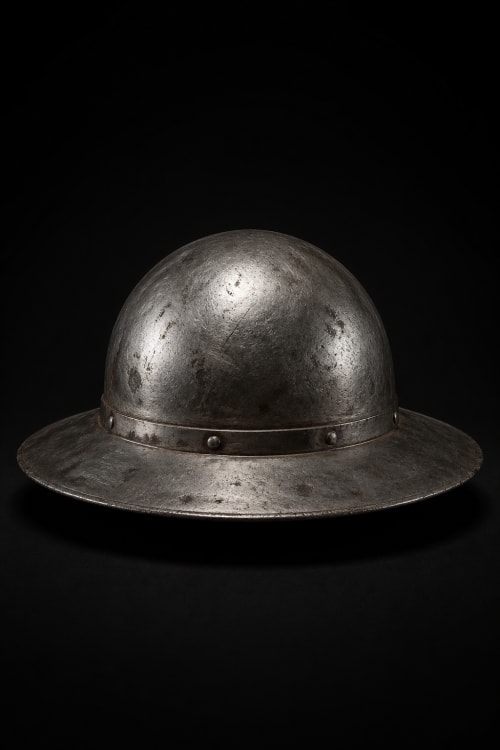
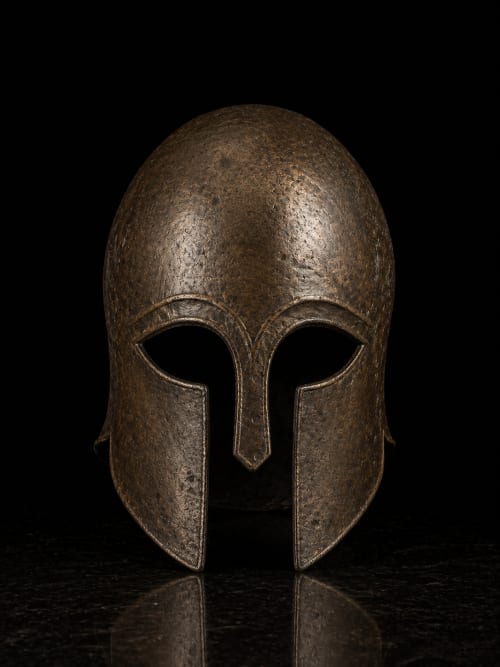
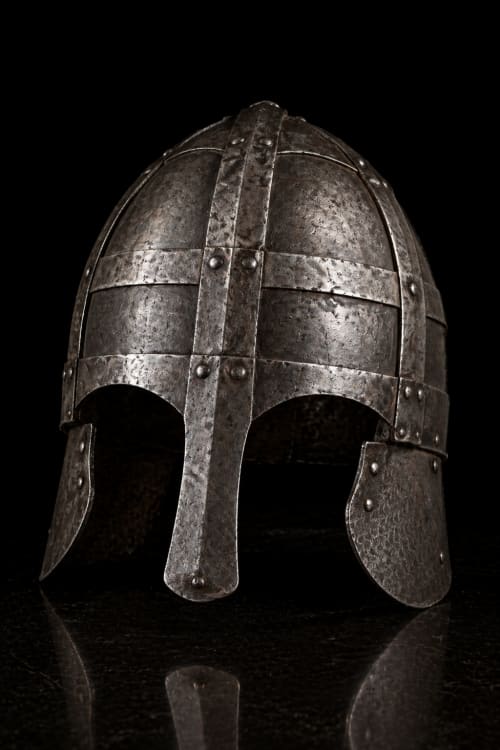
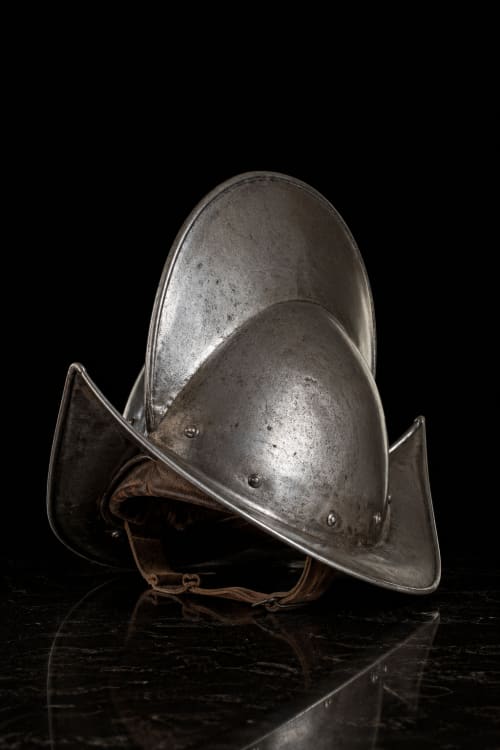
Helmet
Helmet · Head Armor — Protective gear for the head
A helmet is a piece of armor worn to protect the head during combat. Helmets have evolved in materials and design across different cultures and eras, commonly made from metal, leather, or fabric. Some helmets also served decorative or ceremonial purposes.

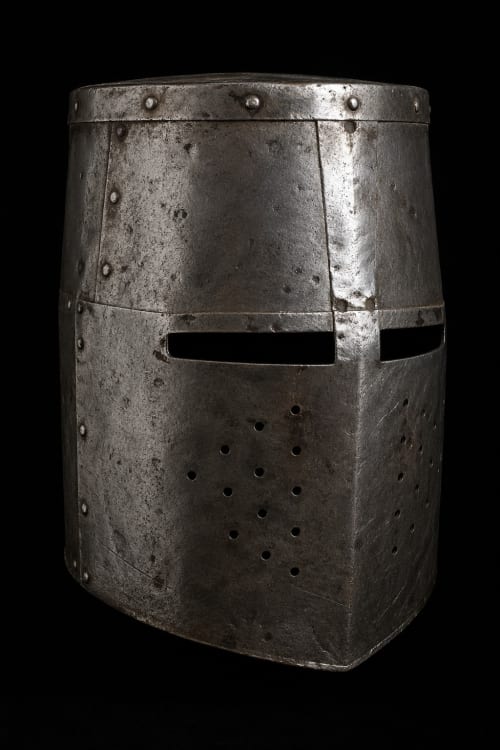
Great Helm
Great Helm · Helmet — Iconic Medieval European Helmet
The Great Helm is a combat helmet widely used by medieval European knights. Predominantly worn from the 12th to 14th centuries, it fully enclosed the head, providing substantial protection. Its simple, robust cylindrical design made it emblematic of the era's heavy armor.

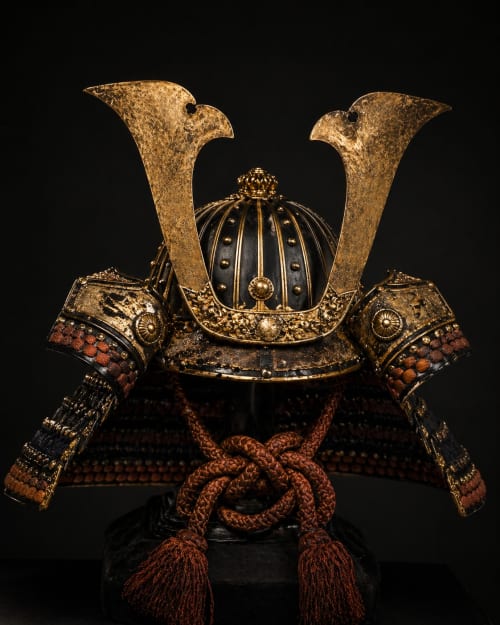
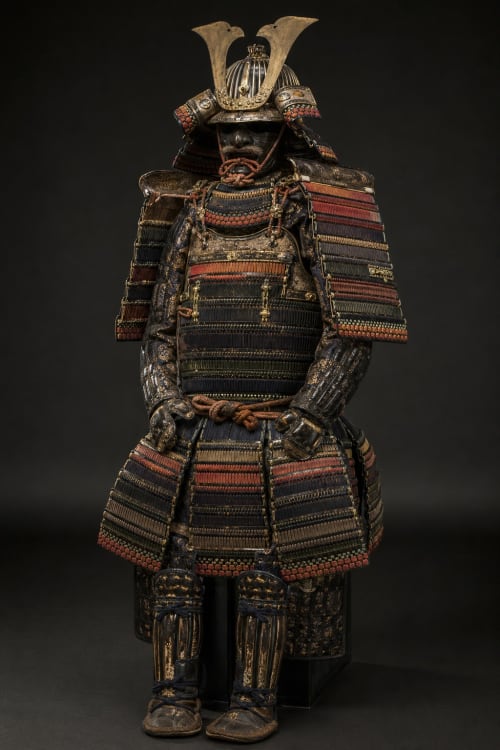
Samurai Yoroi
Samurai Armor · Full-body protection — Medieval Japanese warrior suit
Samurai Yoroi is a full-body armor worn by samurai during Japan's medieval period. Made from a combination of metal plates, leather, and cloth, it effectively protects against arrows and sword attacks. The armor features elaborate lacing and ornate decorations.

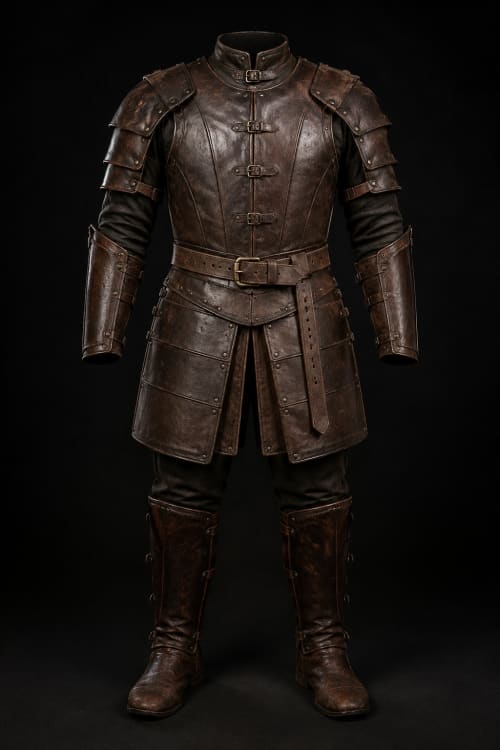
Leather Armor
Lightweight Protective Gear · Flexible Defense — Favored by Agile Warriors
Leather armor is crafted from multiple layers of animal hide, offering lightweight protection. Its flexibility and low weight make it ideal for warriors and archers who value mobility. Though it provides less defense than metal armor, it excels at reducing noise and allowing swift movement.

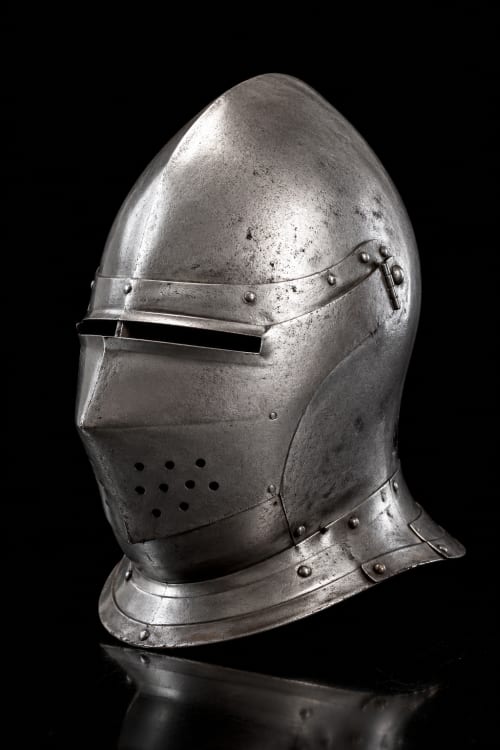
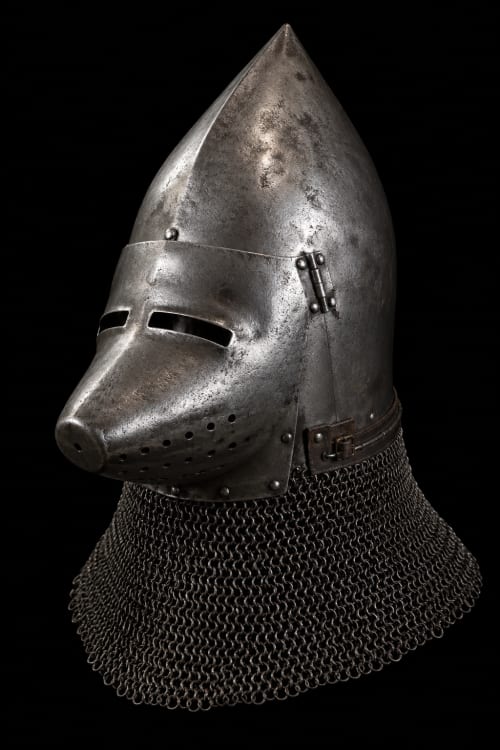
Bascinet Helmet
Bascinet · Medieval Helmet — Metal Helmet for Facial Protection
The bascinet helmet was a prominent metal helmet used in medieval Europe. It enclosed most of the head and often featured a visor to protect the face. Both knights and infantry wore it, as it offered a strong balance between protection and comfort.

Faulds
Waist Armor · Overlapping Plate Skirt — Metal protection for the hips and upper thighs
Faulds are metal armor plates attached below a breastplate to protect the waist, hips, and upper thighs. They consist of several overlapping horizontal steel lames, allowing flexibility while providing substantial protection. Faulds were a significant component of plate armor suits worn by European knights from the mid-14th century onward.

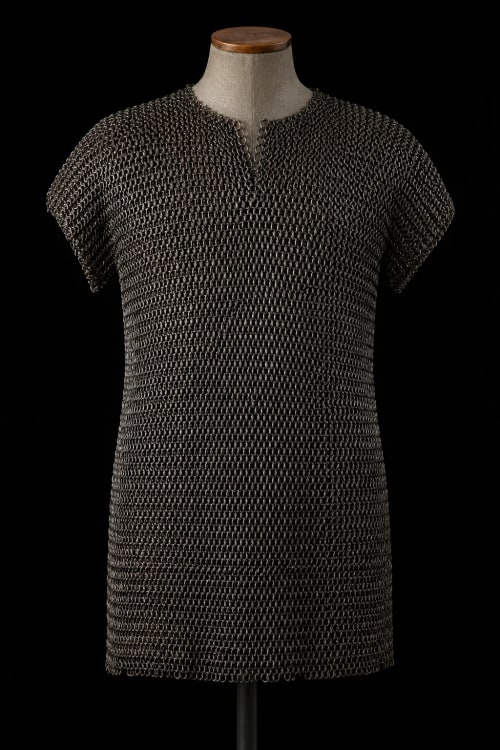
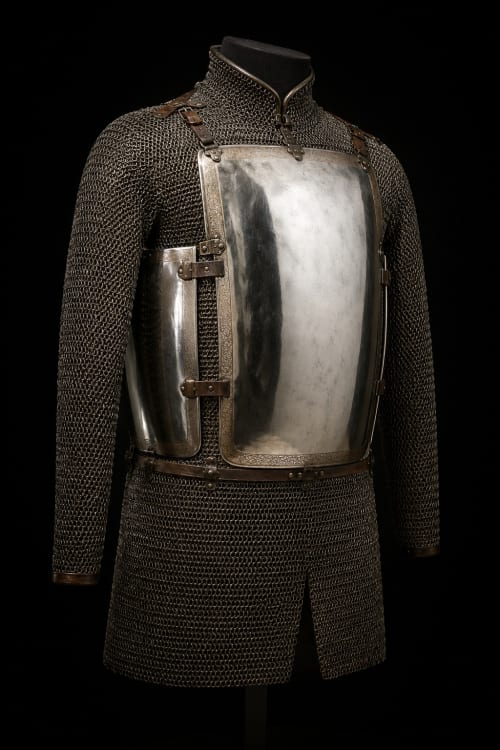
Chainmail
Chainmail · Mail Armor — Medieval armor made of interlinked metal rings
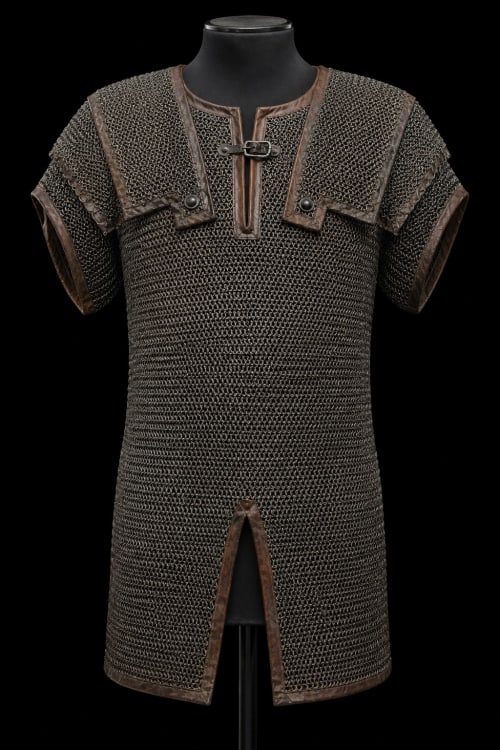
Chainmail is armor constructed from thousands of small metal rings linked together in a mesh. It was primarily used to defend against bladed and cutting weapons. Medieval warriors across Europe and Asia frequently wore chainmail.

Faustine
Faustine · Western Plate Helmet — Full-face helmet of medieval Europe
The Faustine is a fully enclosed plate helmet used in medieval Europe, designed to protect the head and face. It was primarily worn by cavalry and heavy infantry, offering superior defense. Its robust construction, however, limited visibility and breathability.