⚔️ Weapons
Swords, bows, spears, axes, magic weapons, firearms
63 items
Category
Element
Culture
Era
Job
Types

한손검
15 items

폴암
2 items

복합활
3 items

투척무기
3 items

둔기
7 items

단검
4 items

석궁
3 items

도끼
1 items

활
13 items

화기
3 items

양손검
1 items

방패
1 items

창
5 items

장창
2 items
All Items

Spatha
Spatha · Roman Longsword — Long sword used by Roman cavalry and infantry
The spatha is a straight, long sword used primarily by cavalry and later by infantry in the Roman Empire. It is significantly longer than the gladius and effective for both cutting and thrusting. From the 2nd century CE, it gradually became the standard weapon for late Roman soldiers.

Halberd
Halberd · Polearm — Medieval weapon combining axe and spear
The halberd is a polearm featuring an axe blade, a spear tip, and a rear hook. It was primarily used by infantry in medieval Europe to counter armored opponents and cavalry. Its versatile design allowed for both offensive and defensive maneuvers.

Longsword
Longsword · Greatsword — Iconic two-handed sword of medieval Europe
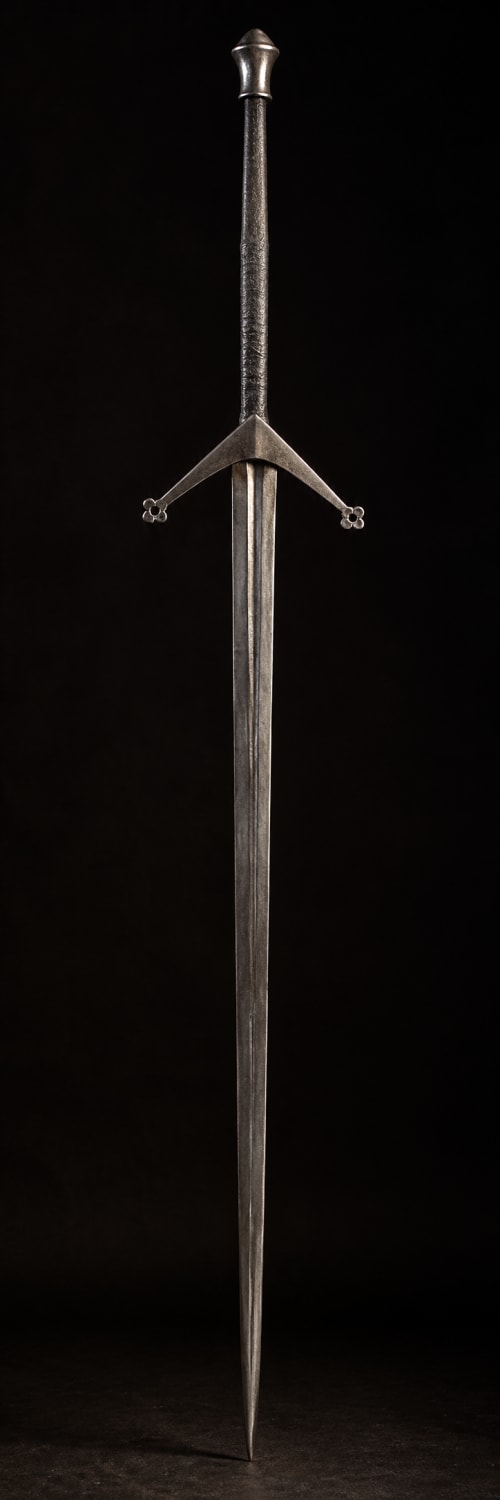
The longsword is a versatile, double-edged sword widely used in medieval Europe. It features a straight blade and a cruciform hilt, optimized for both cutting and thrusting. Favored by knights and warriors, it balanced reach and maneuverability.

Komuzit Bow
Composite Bow · Indian Medieval Weapon — Powerful Synergy of Materials
The Komuzit Bow is a traditional Indian composite bow crafted from wood, horn, and sinew. Renowned for its elasticity and power, it was favored by both cavalry and archers. Its compact design allowed for maneuverability on horseback.

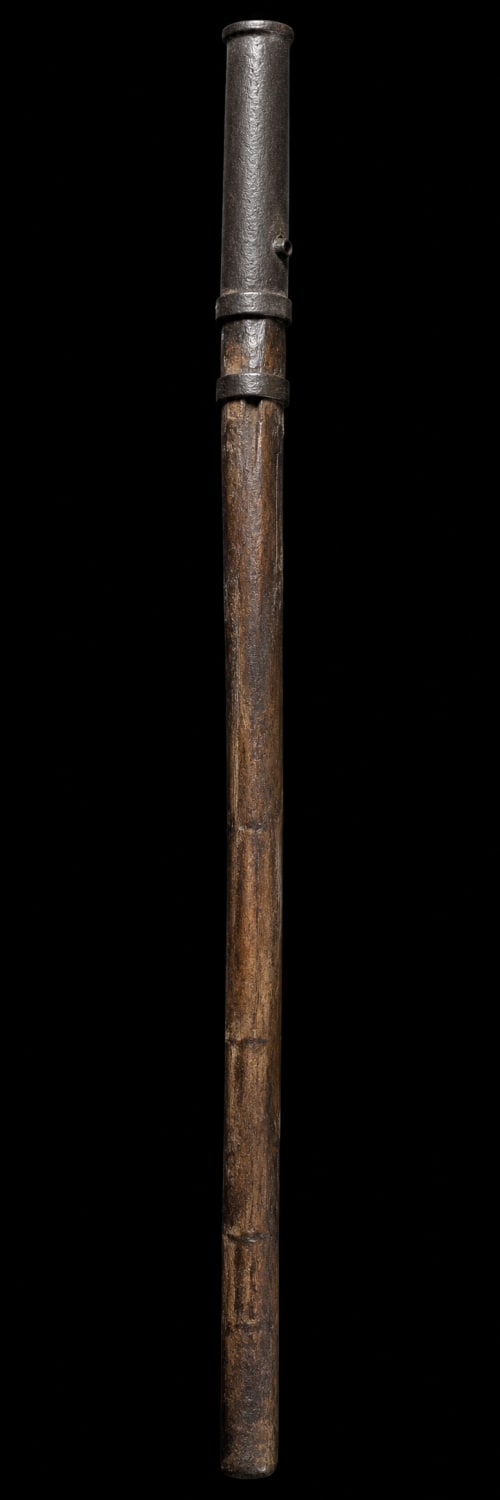
Qupola
Rotating Cupola · Turret — Small turret mounted atop armored vehicles
The cupola is a small rotating turret installed on top of tanks or armored vehicles, allowing the commander or gunner to observe the surroundings or operate secondary weapons. It was widely adopted in military vehicles during the early to mid-20th century. Usually made of steel plate, it sometimes mounts machine guns or observation devices.

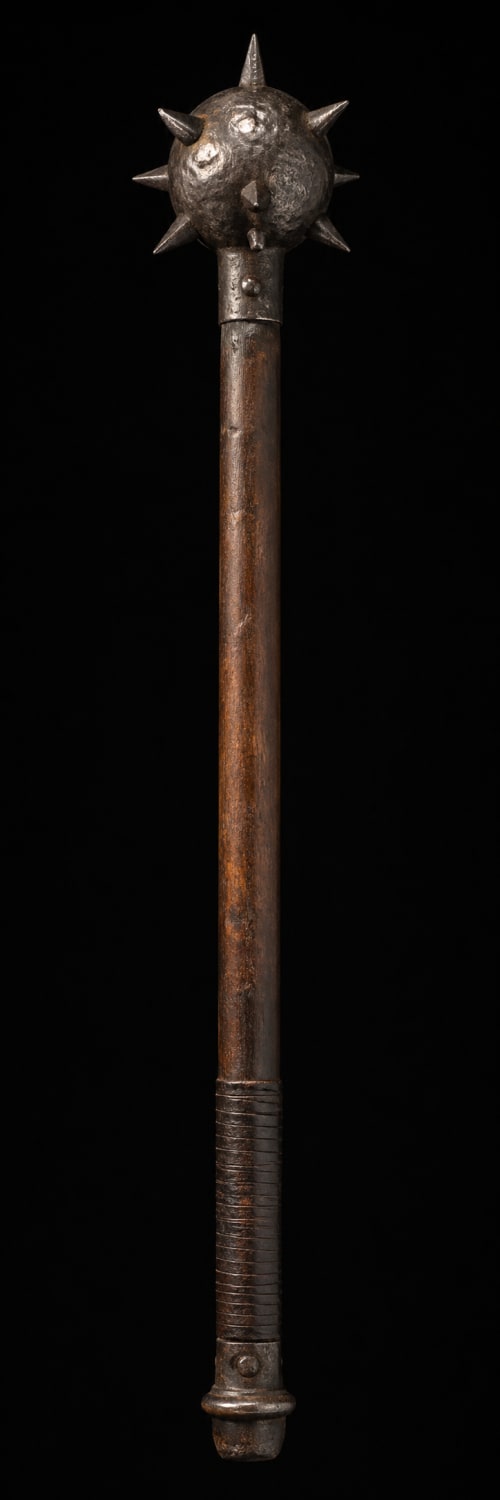
Morning Star
Spiked Mace · Flail — A blunt weapon with a spiked ball head
The morning star is a club-like weapon featuring a ball with protruding spikes. Popular in medieval Europe, it was designed to deliver powerful blows capable of damaging armored opponents. It existed in both one-handed and two-handed variants.

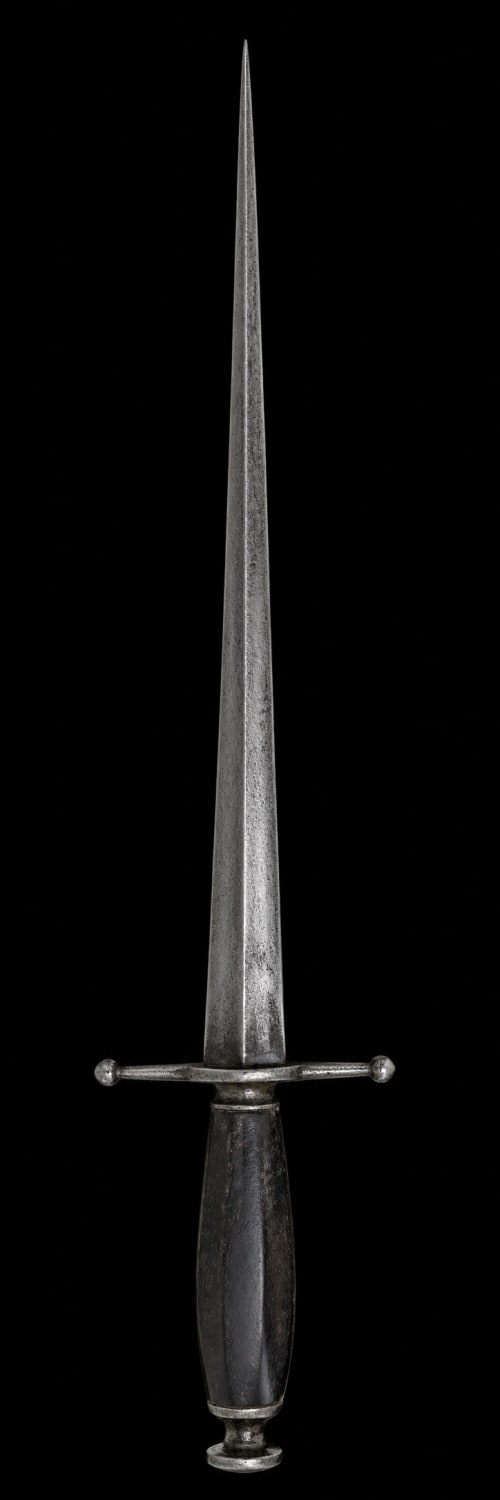
Shortsword
Shortsword · Dagger Type — Compact and versatile one-handed sword
The shortsword is a short, single-handed sword prized for its ease of handling. Its light weight and agility make it ideal for close combat and quick maneuvers. It is commonly used for both offense and defense.

Scorpion
Scorpion · Large crossbow siege weapon
The Scorpion is a large crossbow-like siege engine used from antiquity through the early medieval period. It was primarily deployed in siege warfare to attack enemy troops or fortifications, firing bolts, stones, or darts at long range. Its greater size and strength allowed for more destructive power than handheld crossbows.

Zircon
Zircon · Bronze Age Stone Sword — Distinctive Blue-Hued Primitive Weapon
Zircon refers to a type of stone sword used during Korea's Bronze Age. Crafted from bluish zircon mineral, these weapons display a subtle sheen under light. They were commonly employed in ritual contexts or as status symbols.

Sturet
Sturet · Dagger — Korean Military Sidearm
The Sturet is a short-bladed dagger used by Korean soldiers during the Joseon era. It served mainly as a secondary weapon, valued for its portability and effectiveness in close combat. Its robust steel construction granted excellent durability.

Crossbow
Crossbow · Arbalest — Mechanical Projectile Weapon
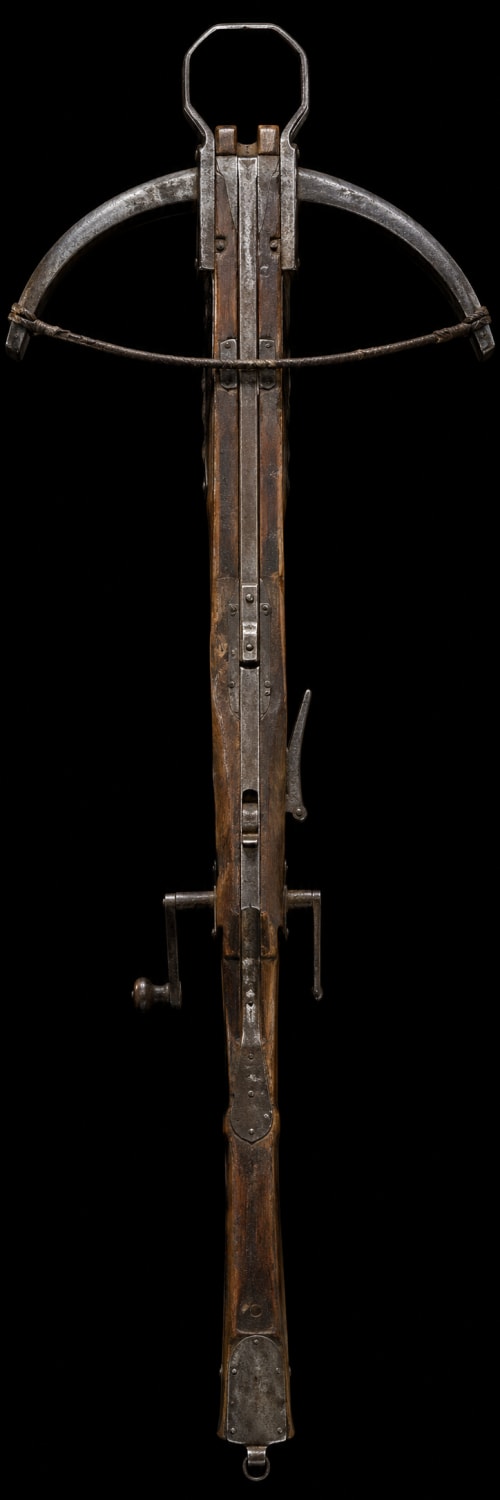
The crossbow is a ranged weapon that fires bolts using mechanical leverage. Unlike traditional bows, it employs a trigger mechanism, allowing users with less training to deliver powerful shots. It was widely used in medieval warfare and hunting.

Arbalest
Arbalest · Large Crossbow — Powerful Medieval Ranged Weapon
The arbalest is a large and powerful crossbow developed in medieval Europe. Featuring a metal prod, it delivers significant force capable of penetrating armor. It was primarily used in siege warfare for both offense and defense.

Cheotkal
Cheotkal · Peasant Weapon — Pickaxe-shaped Traditional Weapon
The Cheotkal is a traditional Korean weapon shaped like a pickaxe. Originally used as an agricultural tool, it was often repurposed by peasants as a weapon during uprisings. Its deeply curved blade is suitable for close-range combat.

Saber
Curved Single-Edged Sword · Cavalry Blade — A classic cutting weapon
The saber is a curved, single-edged sword primarily designed for one-handed use. Renowned for its cutting power, it was widely utilized in cavalry and infantry throughout both Eastern and Western cultures. Most famously, it became a symbol of European cavalry in the 18th and 19th centuries.

Baston
Arnis Stick · Escrima Stick — Traditional Filipino Martial Arts Weapon
The baston is a traditional wooden stick used in Filipino martial arts such as Arnis and Eskrima. It comes in various lengths, typically suited for one-handed use and rapid movements. The baston is a staple for both training and live combat.

Saber
Curved Cavalry Sword · Sabre — Single-edged, curved sword
The saber is a single-edged, curved sword designed primarily for use with one hand. It became prominent as a cavalry weapon, optimized for slashing attacks. Different variants appeared across Europe and Asia.

War Axe
War Axe · Battle Axe — Powerful striking weapon used in warfare
The war axe is a type of axe designed specifically for combat, differing from regular woodcutting axes by its optimized balance and blade shape for fighting. It often features a single or double blade and a forward-weighted head for devastating blows. War axes were widely used from antiquity through the medieval period across many cultures.

Apple Sword
Apple-Shaped Sword · Fruit Weapon — A unique sword with an apple motif
The Apple Sword features a blade or hilt adorned with an apple-shaped design, primarily intended for ceremonial or decorative use. It was not utilized in real combat, but held symbolic significance in royal court rituals during the Joseon dynasty.

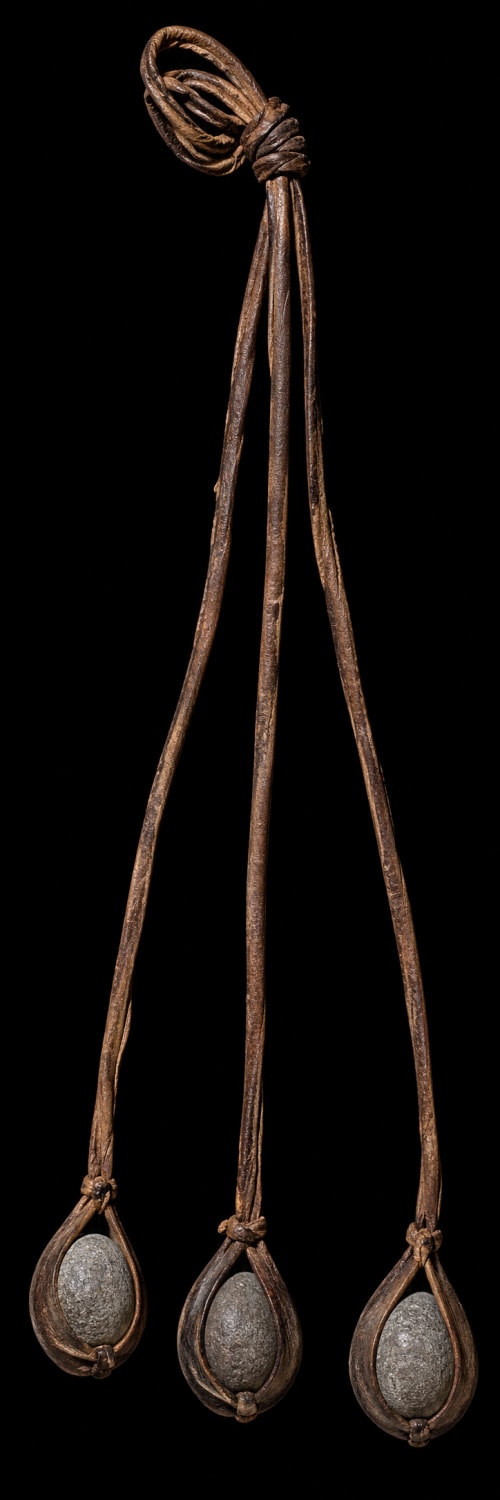
Julli
Julli · Traditional Rope Weapon — One-string bludgeoning and throwing weapon
The Julli is an ancient Korean weapon made from a single rope or cord, often used by swinging or throwing to strike opponents. Sometimes equipped with a weighted end, it was particularly effective for close-range defense and subduing foes.

Turkmen Bow
Turkmen Composite Bow · Steppe Nomad Tradition — Optimized for Horseback Archery
The Turkmen bow is a composite bow traditionally used by Turkmen nomads of the Central Asian steppes. With its short, highly recurved limbs, it is designed for effective use on horseback. Constructed from horn, wood, and sinew, the bow offers high elasticity and powerful penetration.


Jing
Jing · Large Metal Gong — Signal and Ceremonial Weapon
The Jing is a large percussion instrument made from thick metal. Traditionally struck with a mallet, it produces a deep, resonant sound used for military signals and ceremonial purposes. It played a crucial role in relaying commands and boosting morale on the battlefield.

Musket
Matchlock Firearm · Early Long Gun — Muzzle-Loaded Infantry Weapon
The musket is a muzzle-loaded firearm widely used from the late 16th to early 19th century by military forces. It fired lead projectiles using gunpowder and profoundly changed battlefield tactics. Its effective range and penetration surpassed that of most melee weapons of its era.

Wari Club
Wari Club · Ancient Andean Club — Weapon of the South American Wari Civilization
The Wari club is a type of mace used by the ancient Wari civilization of Peru. Made of sturdy wood or stone, it served as a close-combat weapon wielded by warriors. It played a prominent role in hand-to-hand battles.

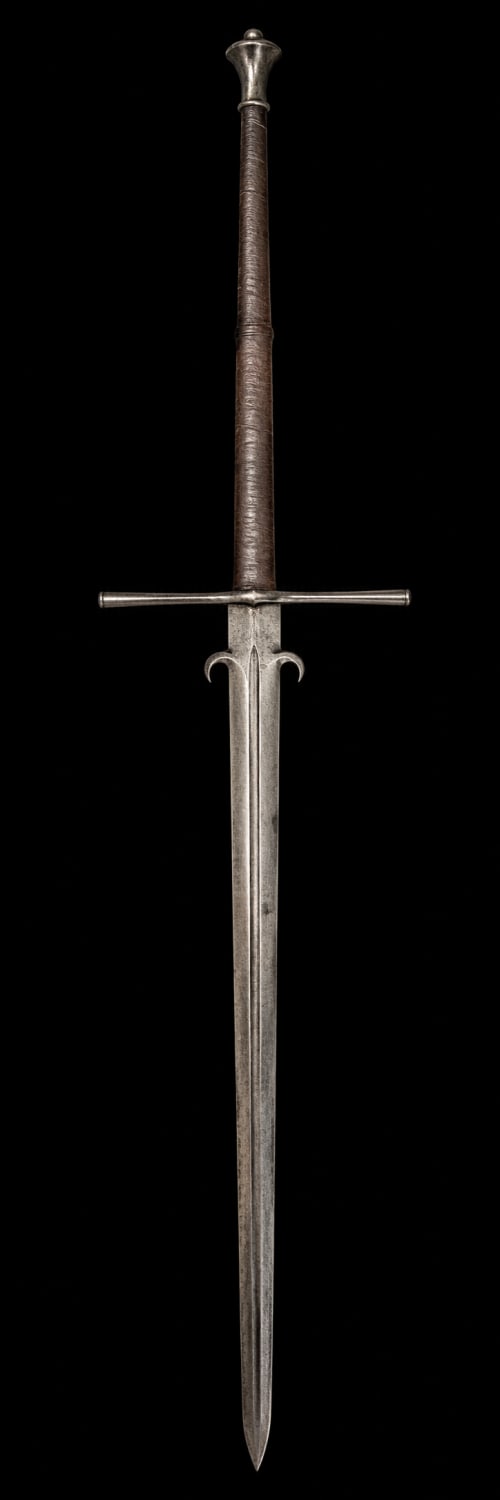
Two-Handed Sword
Greatsword · Zweihänder — A massive sword wielded with both hands
The two-handed sword is a large, heavy blade that requires both hands to wield effectively. It is notable for its reach and powerful strikes, making it formidable in battle. Its size grants great force but demands significant strength.

Katana
Katana · Japanese Sword — Iconic Curved Blade of the Samurai
The katana is the quintessential long sword used by Japanese samurai. Featuring a single-edged, curved blade, it is renowned for its cutting efficiency. It became a symbol of the samurai’s spirit and honor in medieval Japan.

Scagimsha
Central Asian Curved Dagger · Nomad Warriors’ Weapon — A sleek, curved dagger favored by steppe warriors
The Scagimsha is a traditional curved dagger originating from Central Asia. It was primarily used by nomadic warriors for close combat, distinguished by its light weight and sweeping curve. The blade is effective for both slashing and thrusting.

Bow Gun
Crossbow · Mechanical ranged weapon — Device with trigger mechanism for launching bolts
The bow gun, or crossbow, is a mechanical bow designed to make shooting projectiles easier and more powerful. Used extensively from medieval times through the Joseon era, it allowed even unskilled soldiers to deliver lethal force at a distance. Its strong draw and trigger system set it apart from traditional bows.

Pike
Long Spear · Infantry Weapon — Classic polearm
The pike is a long pole weapon with a sharp metal tip, used predominantly by infantry in formation combat. It was widely adopted in medieval and early modern Europe, serving to counter cavalry charges and assert battlefield control. Its exceptional length allowed soldiers to hold off enemies from a distance.

Bastard Sword
Versatile Hand-and-a-Half Sword · Flexible Medieval Weapon
The bastard sword is a long sword from medieval Europe, designed for use with either one or two hands. Its extended grip and balanced blade allowed adaptability to changing combat situations. It earned a reputation for versatility among knights and soldiers.

Lance
Lance · Long Spear — Cavalry pole weapon
The lance is a long spear primarily used by medieval European knights for mounted combat. Designed for charging enemies at high speed, it could pierce armor and deliver powerful impacts. Lances were also popular in jousting tournaments.

Glaive
Glaive · Polearm — European pole weapon combining a spear and sword
The glaive is a European polearm featuring a single-edged blade attached to a long shaft. It is effective for both slashing and thrusting attacks. Glaives were commonly wielded by infantry during the Middle Ages and Renaissance.


Composite Bow
Composite Bow · Multi-material Power — A powerful bow crafted from various materials
The composite bow is made by combining wood, horn, sinew, and sometimes other materials. Renowned for its superior elasticity and long range, it was particularly favored by mounted archers. Its moderate size and weight made it highly portable.

Natgeom (Sickle Sword)
Sickle Sword · Gokdo — Korean curved-blade traditional weapon
The natgeom is a weapon based on the sickle, featuring a curved blade that was primarily used during the Joseon period. Its inwardly curved edge makes it suitable for both slashing and stabbing. It occupies a unique space between agricultural tool and weapon.


Flanged Morning Star
Flanged Morning Star · Spiked Mace — Mace combining sharp flanges and spikes
The flanged morning star is a type of medieval mace distinguished by metal flanges and protruding spikes. Its heavy head, often attached to a steel shaft, was designed to maximize destructive power against armored opponents. This weapon evolved to breach armor and inflict serious blunt and penetrating damage.

Hammer
Hammer · Warhammer — Weapon of blunt force and utility
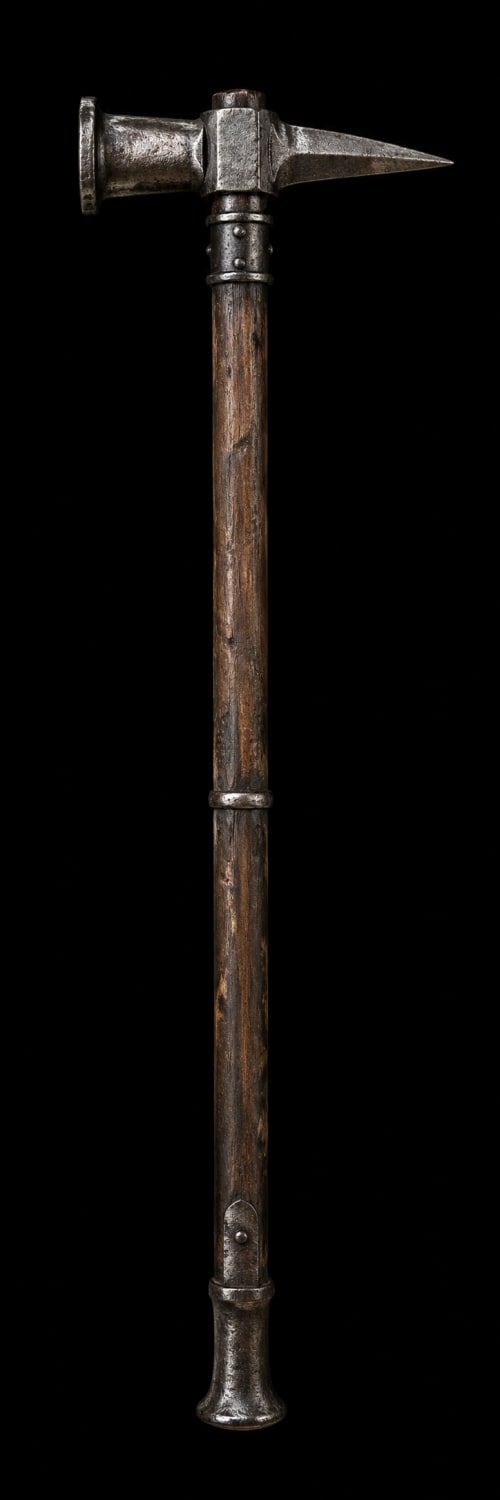
The hammer is a weapon made of metal or wood, featuring a heavy, flat striking head. It is primarily used to crush or break enemy armor and shields. Hammers were commonly used by warriors across medieval Europe and East Asia.

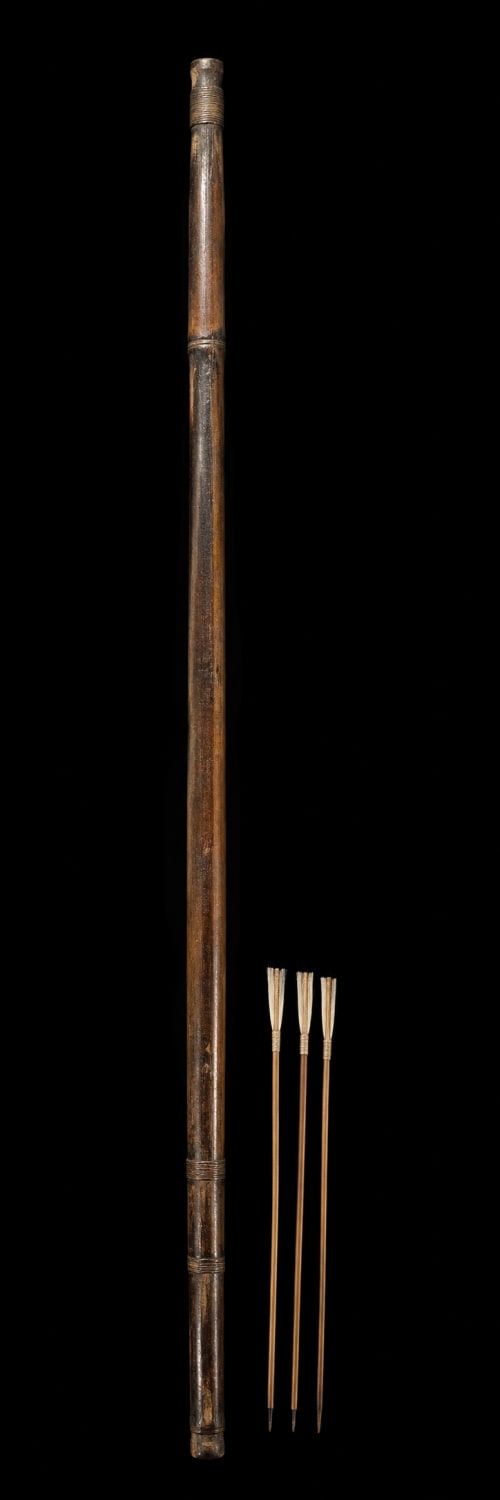
Bow
Bow · Long-range weapon — Widely used projectile weapon
A bow is a ranged weapon consisting of a flexible curved stave and a string, used to launch arrows. It has been employed for hunting and warfare since ancient times. Bows are made in various sizes and materials, traditionally wood and animal sinew.

Shamshir
Curved Persian Sword · Sabre — Iconic single-edged cavalry weapon
The Shamshir is a deeply curved, single-edged sword originating from medieval Persia. Favored by cavalry, its design maximizes cutting power and agility. This blade influenced swordsmithing across the Islamic world and beyond.


Ottoman Bow
Turkish Composite Bow · Iconic Weapon of the Ottoman Empire
The Ottoman bow is a composite bow widely used during the era of the Ottoman Empire. Constructed from wood, horn, and sinew, it features exceptional elasticity and penetrative power. Its compact, powerful shape made it effective for both cavalry and infantry.

Tuchang (Thrown Spear)
Thrown Spear · Versatile missile weapon — Effective for ranged and close combat
The tuchang is a type of spear designed for throwing at distant targets. Used in both warfare and hunting, it features a lightweight shaft and balanced point for easy throwing. Widely employed from ancient to medieval times.

Compound Bow
Compound Bow · Modern Arrow Weapon — Pulley-enhanced precision archery
The compound bow is a modern archery weapon utilizing a system of pulleys and cables to reduce draw weight and increase accuracy. Its mechanical advantage allows for greater power and consistency compared to traditional bows. It is popular for hunting, sport shooting, and sometimes military applications.


Kalashnikov
Kalashnikov · Assault Rifle — Iconic Soviet infantry firearm of the 20th century
The Kalashnikov is an automatic rifle developed in the Soviet Union in 1947, becoming one of the world’s most widely used infantry weapons. Known for its durability and reliability, it functions effectively in various climates and conditions.

Longbow
Longbow · Great Bow — Traditional long-range war bow
The longbow is a tall, powerful bow traditionally used in medieval England, renowned for its range and penetrating power. Crafted from a single piece of wood, it offered significant advantages in ranged combat. It played a pivotal role in numerous historic battles.

Asar
Asar · Joseon Vanguard Spear — Large Polearm Weapon
The Asar is a large polearm spear used by the Joseon military. Featuring a long wooden shaft and extended iron spearhead, it was primarily wielded by vanguard infantry to counter cavalry and repel enemy charges. The Asar played a pivotal role in late Joseon-era battle tactics.

Dampana
Bamboo Sword · Jukdo — Joseon-era bamboo training sword
The Dampana is a bamboo sword used during the Joseon Dynasty in Korea. Primarily intended for martial arts practice and swordsmanship training, it is not a battlefield weapon but rather a safe training tool. Its light weight and flexibility reduce the risk of serious injury.

Yaris
Yaris · Spear — Signature polearm of ancient and medieval warfare
The yaris is a spear with a long shaft and pointed tip, widely used from antiquity through the medieval period. It was effective for thrusting at enemies from a distance and played a key role in both offensive and defensive tactics. Variations in length and design made it versatile in many combat scenarios.


Xavier
Xavier · Foreign-style Sword — Western longsword in late Joseon Korea
The Xavier is a foreign-style longsword introduced to Korea through Western contact in the late Joseon period. It was mainly used by royal guards and members of the aristocracy. Its straight, elongated blade and ornate hilt distinguish it from traditional Korean swords.

Maeseoryeo
Maeseoryeo · The Fierce Sword — Late Joseon Double-Edged Longsword
The Maeseoryeo is a double-edged longsword featured in late Joseon martial arts manuals. It was primarily wielded by military officers and warriors, characterized by its long and sharp blade. The design allows for one-handed or two-handed use.

Spear
Spear · Polearm — A versatile weapon used for both melee and ranged combat
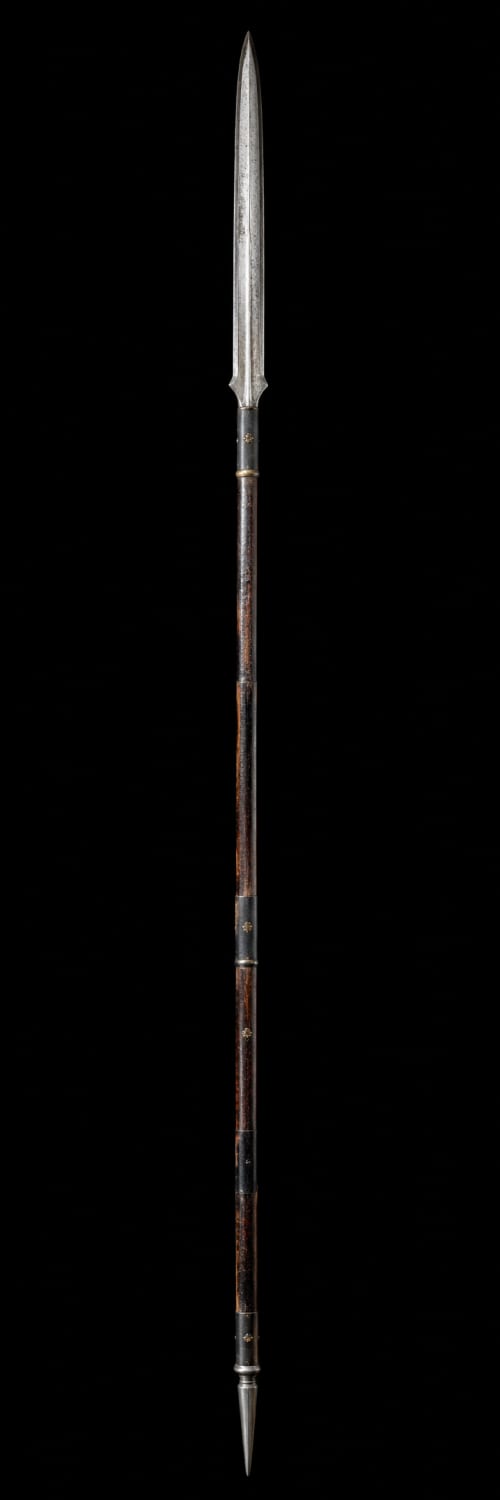
The spear is a long-shafted weapon tipped with a sharpened point or blade, used since ancient times in a variety of battlefields. Both infantry and cavalry employed the spear for thrusting and throwing. Its simplicity and reach made it tactically advantageous.

Recurve Bow
Recurve Bow · Curved Bow — Ancient bow with recurved limbs
The recurve bow features limbs that curve away from the archer when unstrung, creating increased power and energy efficiency despite its shorter length. This design enables greater portability and is well-suited for mounted archery. It has been widely used by East Asian and Central Asian cultures.

Composite Recurve Bow
Composite Recurve Bow · Powerful multi-material curved bow
The composite recurve bow is crafted by combining materials such as wood, horn, and sinew into a curved shape. Its tips curve forward, enabling efficient transfer of energy for greater power. This design allows for a compact yet highly potent weapon.

Pike Bow
Pike Bow · Long Pole Bow — Extra-long war bow
The Pike Bow is an extra-long bow used in medieval Europe. Its extended length grants superior range and penetration compared to standard bows. Both infantry and cavalry employed it for ranged support and breaking defensive lines.

Manchu Bow
Manchu Composite Bow · Qing Bow — Powerful Bow of Northern Horsemen
The Manchu bow is a composite bow developed and used by the Manchu people and the Qing dynasty. It was specifically designed for mounted archery, featuring large siyahs and high draw weight. The bow also influenced Korean archery during the later Joseon period.

Hittite Bow
Hittite Composite Bow · Chariot Archer's Weapon — Signature weapon of the Hittite Empire
The Hittite bow was a sophisticated composite bow used by the ancient Hittite Empire. Crafted from wood, horn, and animal sinew, it delivered high elasticity and significant destructive power. It was favored by chariot archers for its efficiency in mobile warfare.


Saracen Bow
Composite Bow · Curved Bow — Iconic Medieval Islamic War Bow
The Saracen bow is a composite recurve bow widely used in the medieval Islamic world. Crafted from layered materials for superior elasticity, it was optimized for mounted warfare. Its design evolved among Persians, Turks, Mamluks, and other Islamic cultures.

Mongol Bow
Composite Bow · Mongol Cavalry Weapon — Signature weapon of Mongol horse archers
The Mongol bow is a composite bow used during the Mongol Empire era. Its compact, highly curved shape gave it exceptional power and range. It was optimized for mounted archery by nomadic warriors.

Viking Bow
Longbow · Scandinavian Archery — A signature ranged weapon of the Vikings
The Viking bow was a traditional longbow used by Norse Vikings from the 8th to 11th centuries. Renowned for its practicality, it served both in hunting and warfare, offering considerable range and durability.