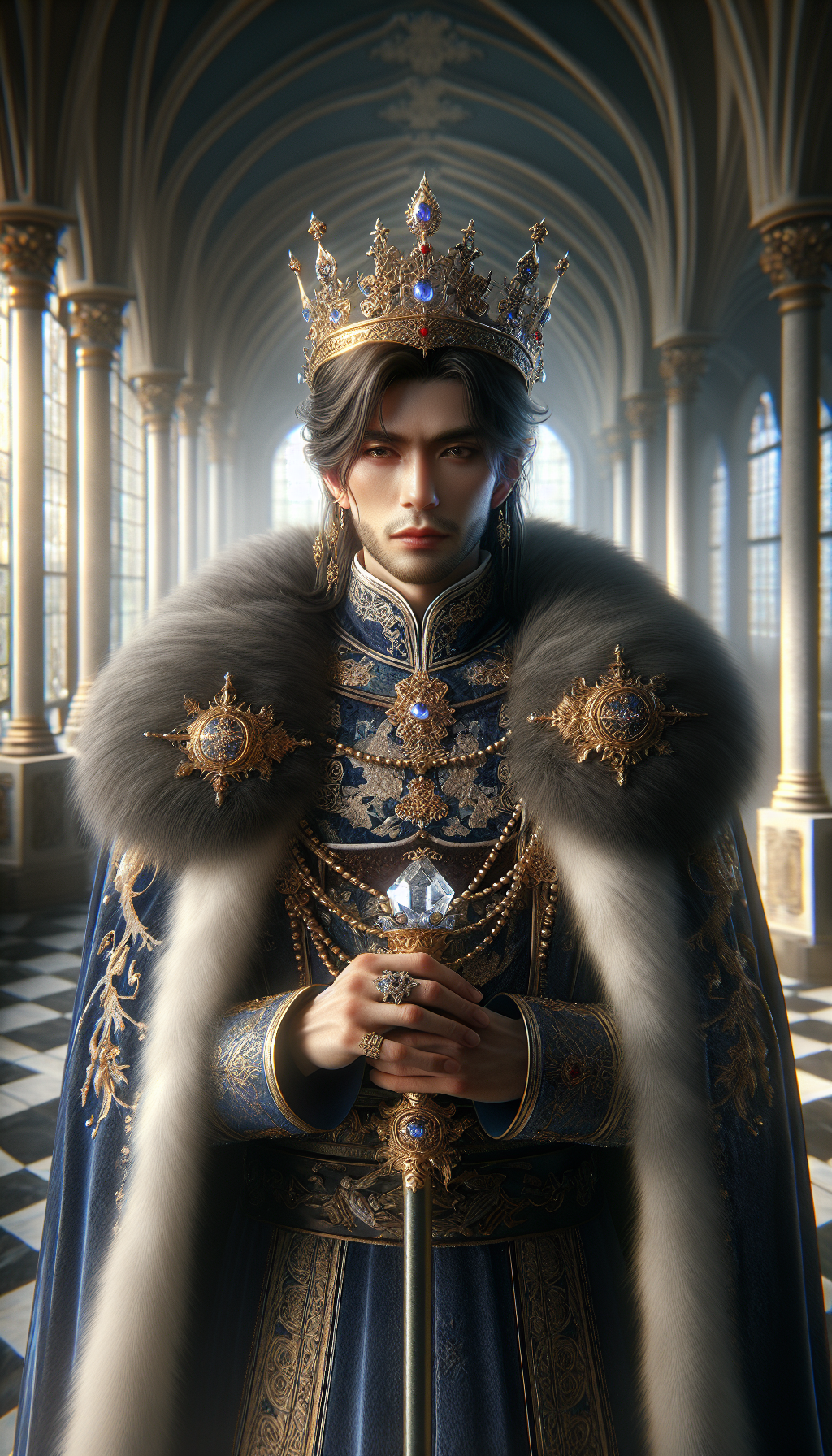
Grand Duke
大公 · Grand Duke / Archduke — The Highest Noble, Near-Royalty
Names in Other Languages
 대공한국어
대공한국어大公 · Grand Duke / Archduke — 왕족에 준하는 최상위 귀족
 大公日本語
大公日本語大公 · Grand Duke / Archduke — 王族に準ずる最高位の貴族
 大公繁體中文
大公 · Grand Duke / Archduke — 近乎王族的最高階貴族
 Großherzog / ErzherzogDeutsch
大公 · Grand Duke / Archduke — Der Höchste Adlige, Nahe der Royalität
 Grand-duc / ArchiducFrançais
大公 · Grand-duc / Archiduc — Le Noble le Plus Élevé, Proche de la Royauté
 Gran Duque / ArchiduqueEspañol
大公 · Gran Duque / Archiduque — El Noble Más Alto, Cercano a la Realeza
 Grão-duque / ArquiduquePortuguês
大公 · Grão-duque / Arquiduque — O Nobre Mais Alto, Próximo da Realeza
 Wielki Książę / ArcyksiążęPolski
大公 · Wielki Książę / Arcyksiążę — Najwyższy Szlachcic, Bliski Rodziny Królewskiej
 Великий Герцог / ЭрцгерцогРусский
大公 · Великий Герцог / Эрцгерцог — Высший Дворянин, Близкий к Королевской Семье
The Grand Duke (Archduke) is the highest noble title in the European title system, ranking above duke and equivalent to royalty, occupying a special position between royal family and regular dukes. Usually granted to monarchs of small independent states (rulers of minor kingdoms) or direct relatives of great power imperial families. The most famous example is the 'Archduke' (Erzherzog) of the Habsburg dynasty in the Holy Roman Empire — the title granted from the 14th century to the direct line ruling the Archduchy of Austria and producing Holy Roman Emperors. Franz Ferdinand, the last crown prince-rank archduke, was the victim of the 1914 Sarajevo assassination that triggered World War I. Before 19th-century German unification, several grand duchies existed as actual independent states — Luxembourg, Baden, Hesse — with Luxembourg remaining Europe's only grand duchy today. The Russian imperial house granted 'Velikiy knyaz' (Grand Prince) to the emperor's children.
Origin
Developed in late medieval Western Europe as a special title surpassing the dukedom. Powerful princes within the Holy Roman Empire adopted this title and ruled as effectively independent monarchs.
Features
- Governs territory and sovereignty equivalent to an independent state
- Nominally a vassal of the emperor or king, but capable of conducting independent diplomacy in practice
- Ranks at the very top of the succession order
- Maintains independent armies, currency, and legal systems
Stories
In fantasy, the grand duke frequently appears as the head of an independent faction within the empire and as the emperor's ultimate rival for power.
Weakness
A rift with the emperor exposes the grand duke to a combined offensive from surrounding grand dukes. The greater the independence, the greater the risk of isolation.