Raphael
Raphael · Archangel — Angel of Healing and Guide of Travelers
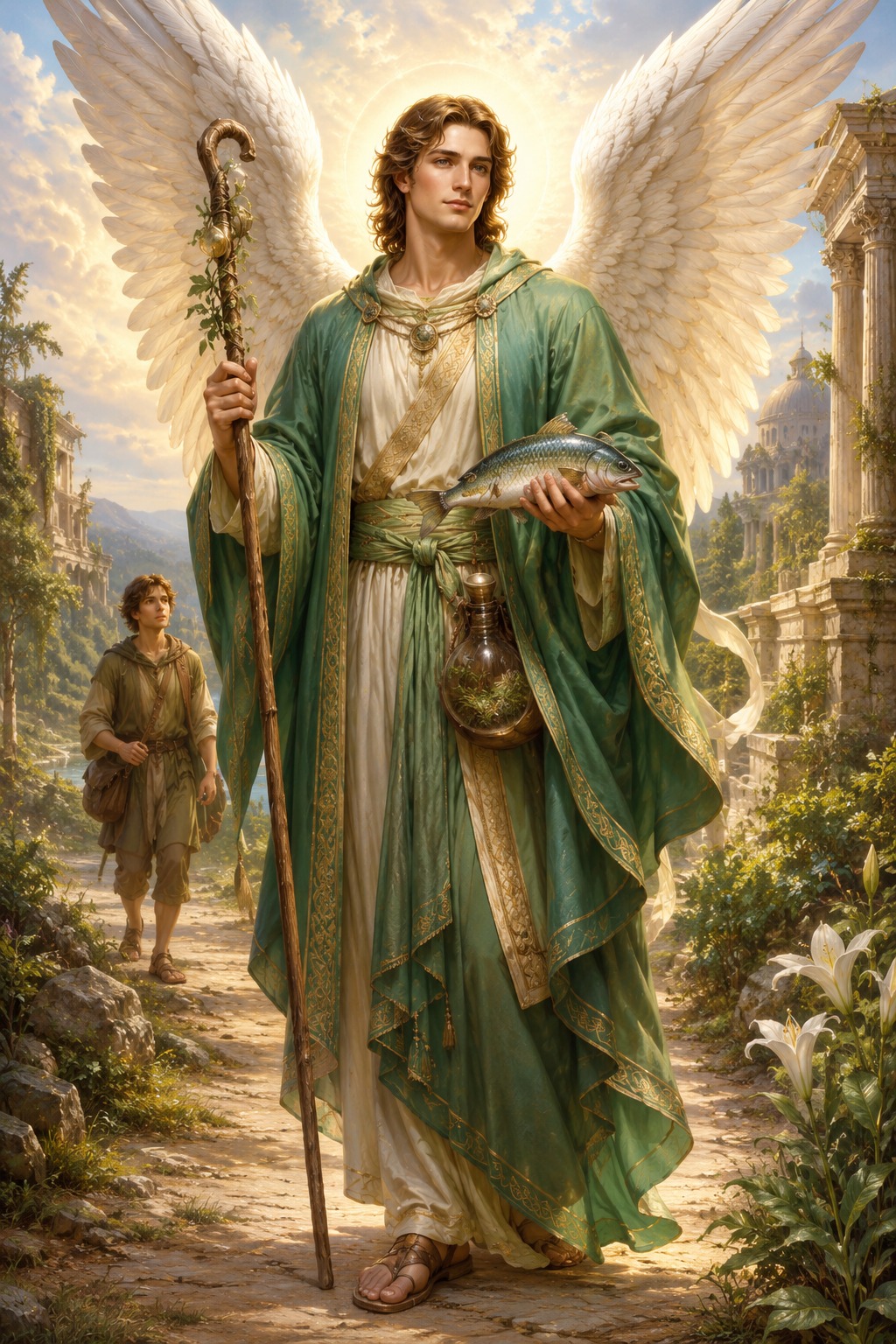
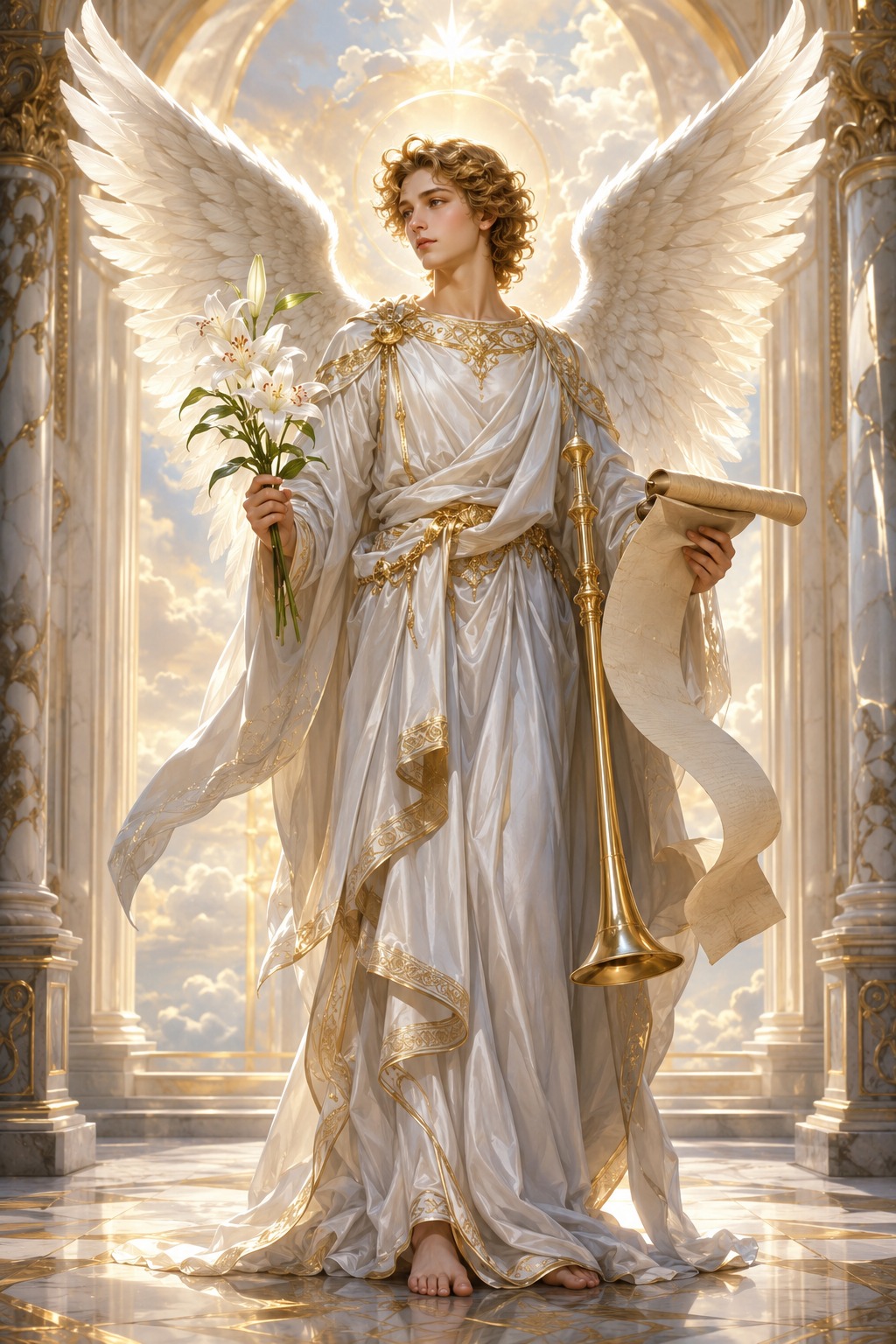
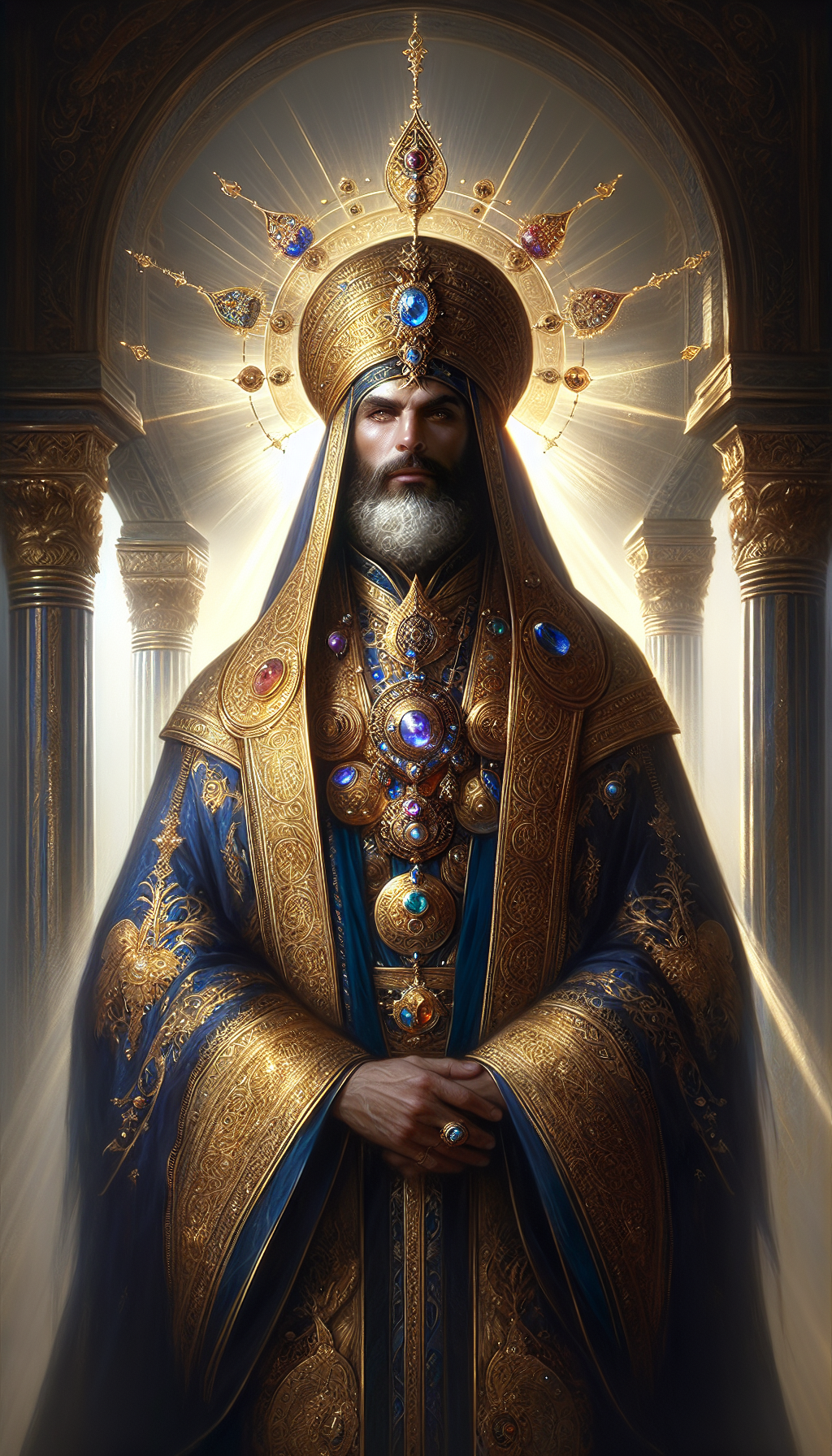
Raphael (Hebrew Rafa'el, Greek Rhaphael, Latin Raphael, 'healing of God') is the decisive canonical archangel of Judaism and Christianity — two decisive canonical religions. The etymology is the decisive canonical vocabulary of the Hebrew compound of 'rapha (healing)' and 'El (God)' — 'healing of God'. The decisive textual canon is the apocryphal Book of Tobit (Tobit) 3:17, 5:4-22, 6:1-18, 7:9-17, 8:1-9, 11:1-15, and 12:1-22 of c. 3rd-2nd century BCE — c. 225-175 BCE — the decisive canon in which Raphael, under the alias 'Azariah (Azariah)', accompanied the young Tobiah (Tobiah) on his journey, drove out the demon Asmodeus (Asmodeus), and healed Tobit's (Tobit) blindness with fish gall (gall) — and the apocryphal 1 Enoch (1 Enoch) 9:1, 10:4, 20:3, 40:9, and 71 of c. 3rd-1st century BCE — the decisive canon establishing Raphael as one of the seven archangels or four archangels (along with Michael, Gabriel, Raphael, and Uriel). The decisive canonical iconography of the angel in travel attire with a walking staff, a fish (Tobit episode) and a vial of medicinal herbs, the accompanying young Tobiah iconography, and green or teal robes.