LoreArc

Medieval

154 items tagged with "Medieval"

🐉Dragons(6)
⚔️Armor(32)
⚔️Weapons(28)
🐉Monsters(5)
vampire

Vampire

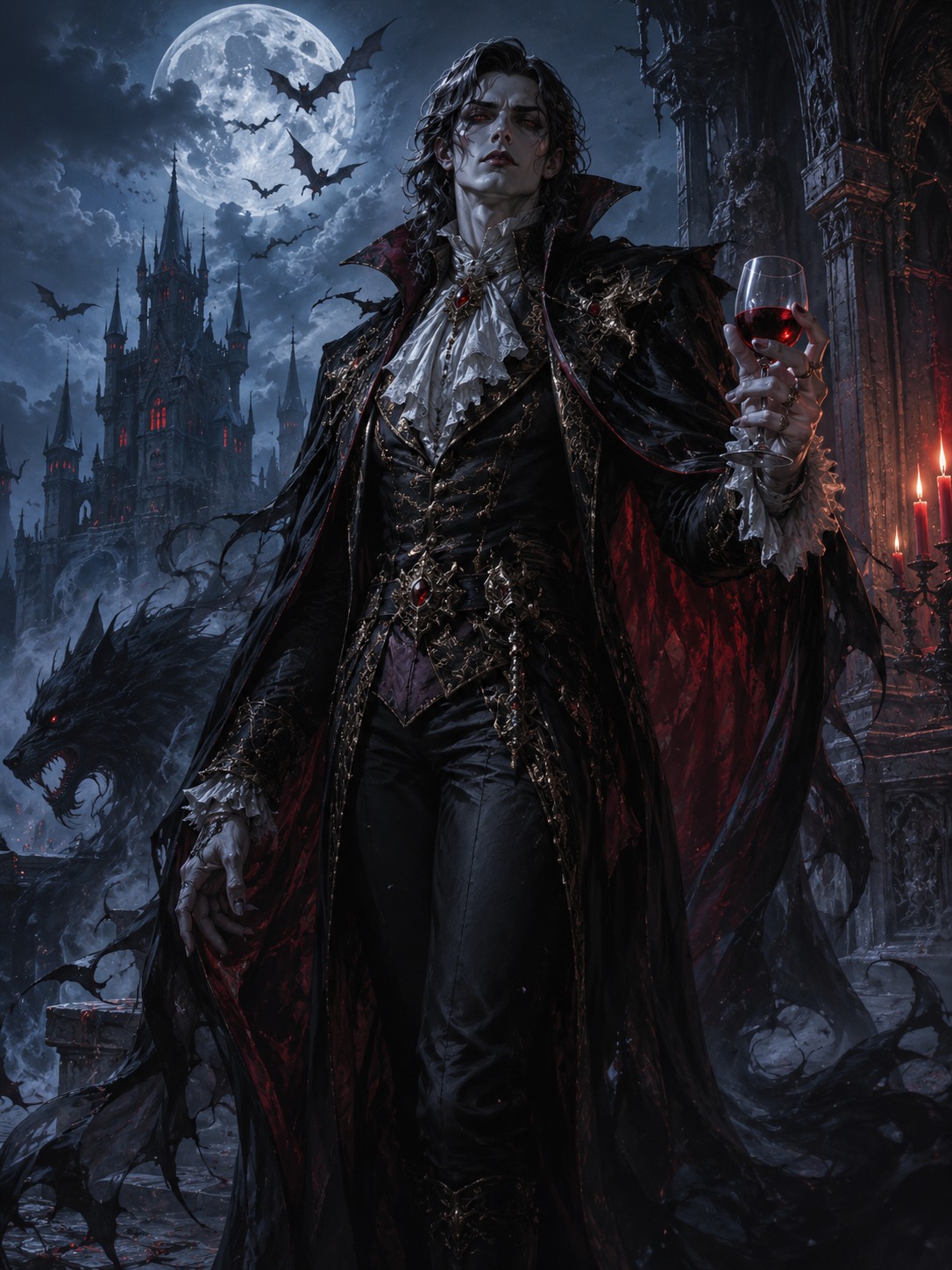
Vampire · The Bloodsucker — Night's Aristocrat Living Immortal on the Blood of the Living

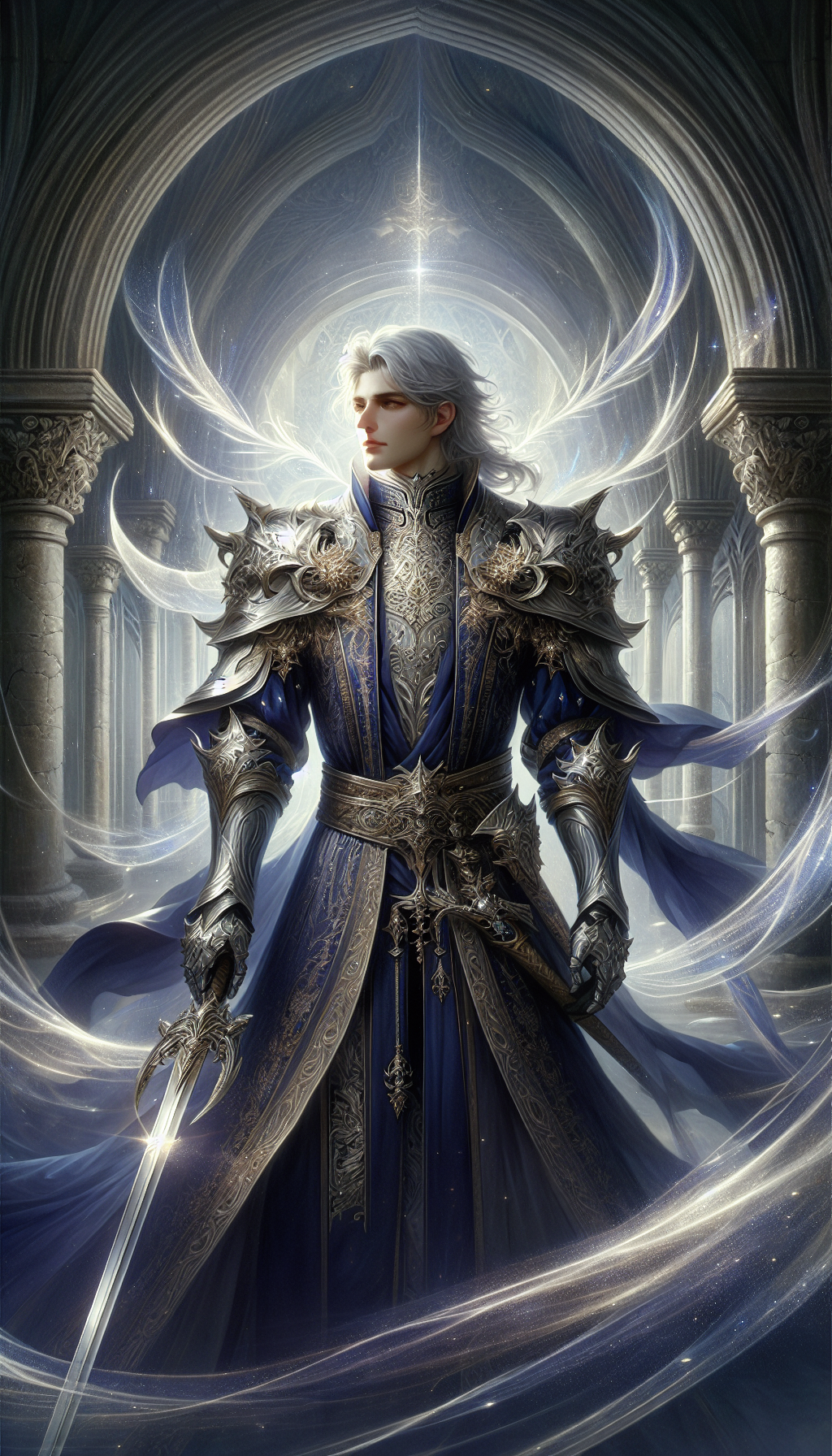
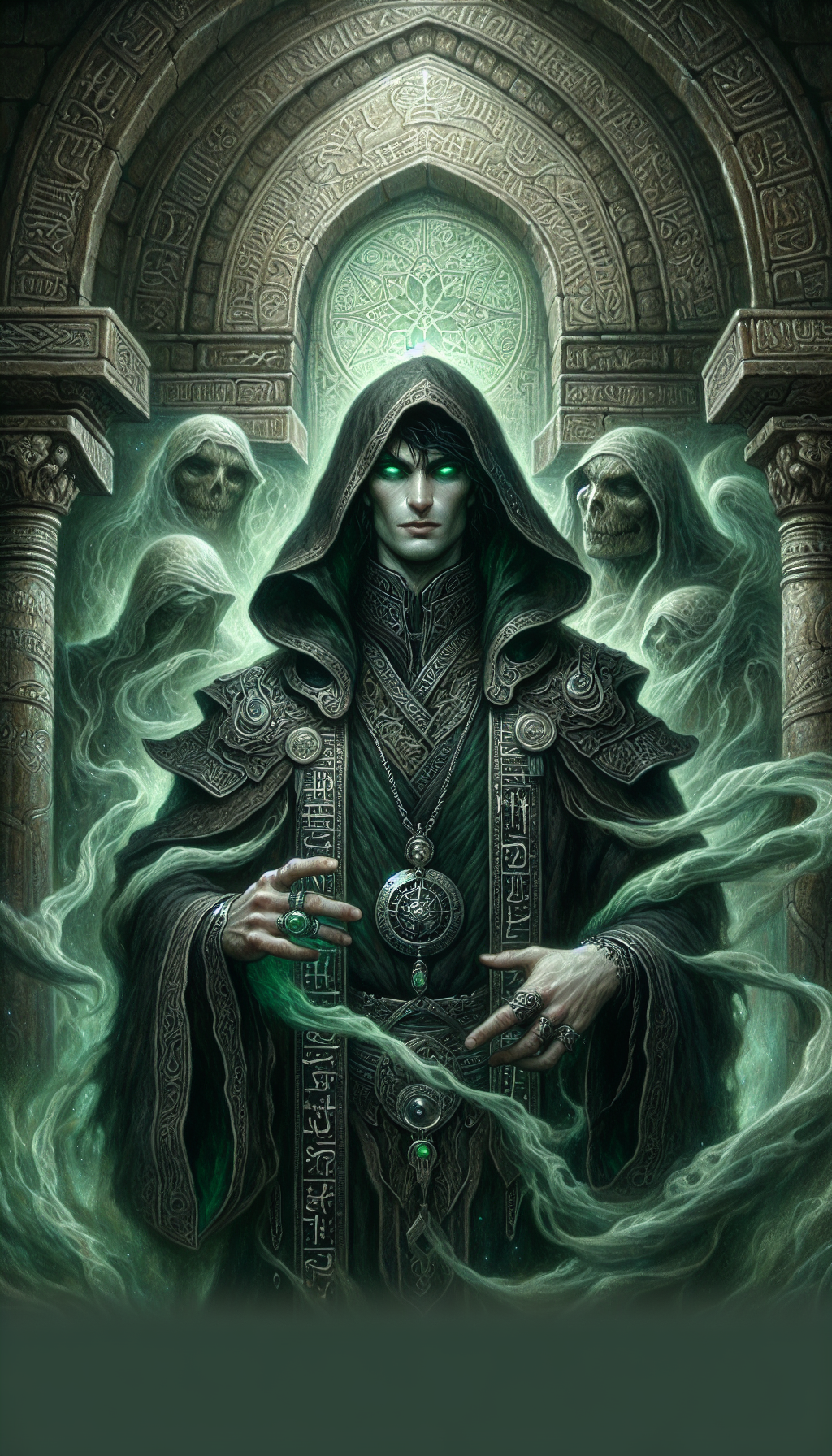
The Vampire (English Vampire, Slavic Upir or Vampir) is the undead who is dead yet has not died, sustaining immortality by drinking the blood of the living, possessed of pale skin, fangs, and a seductive charisma, transforming into bat, mist, or wolf — the canonical iconographic figure that originated in Slavic Eastern-European folklore and was completed in nineteenth-century English literature. The etymology derives from the Slavic upir (East Slavic) and vapir (South Slavic), and the first English use of vampire appears in the 1734 London Journal travel magazine. The iconographic origin is the resurrected-corpse tradition of Slavic folklore and the eighteenth-century Eastern European Vampire Panic (1725-1755 in Habsburg-occupied Serbia and Hungary), of which the decisive cases are the 1725 Petar Blagojevic affair in Kisilova, Serbia, and the 1726-1732 Arnold Paole affair in Medvegja, Serbia — the Visum et Repertum, the official 1732 Latin report by the Austrian-Habsburg military surgeon Johann Flueckinger, is the decisive textual canon that registered the vampire as an official subject in European academia. The Vampyre by John William Polidori (1795-1821), published on 1 April 1819 in the British New Monthly Magazine — written at the Villa Diodati in Switzerland in 1816 at the suggestion of Lord Byron together with Mary Shelley (Frankenstein) — is the origin of the English-literary vampire canon, and Bram Stoker's (1847-1912) Dracula, published in Britain on 26 May 1897, completed the decisive canon of the elegant, aristocratic modern vampire iconography.

skeleton-warrior
📸 2

Skeleton Warrior

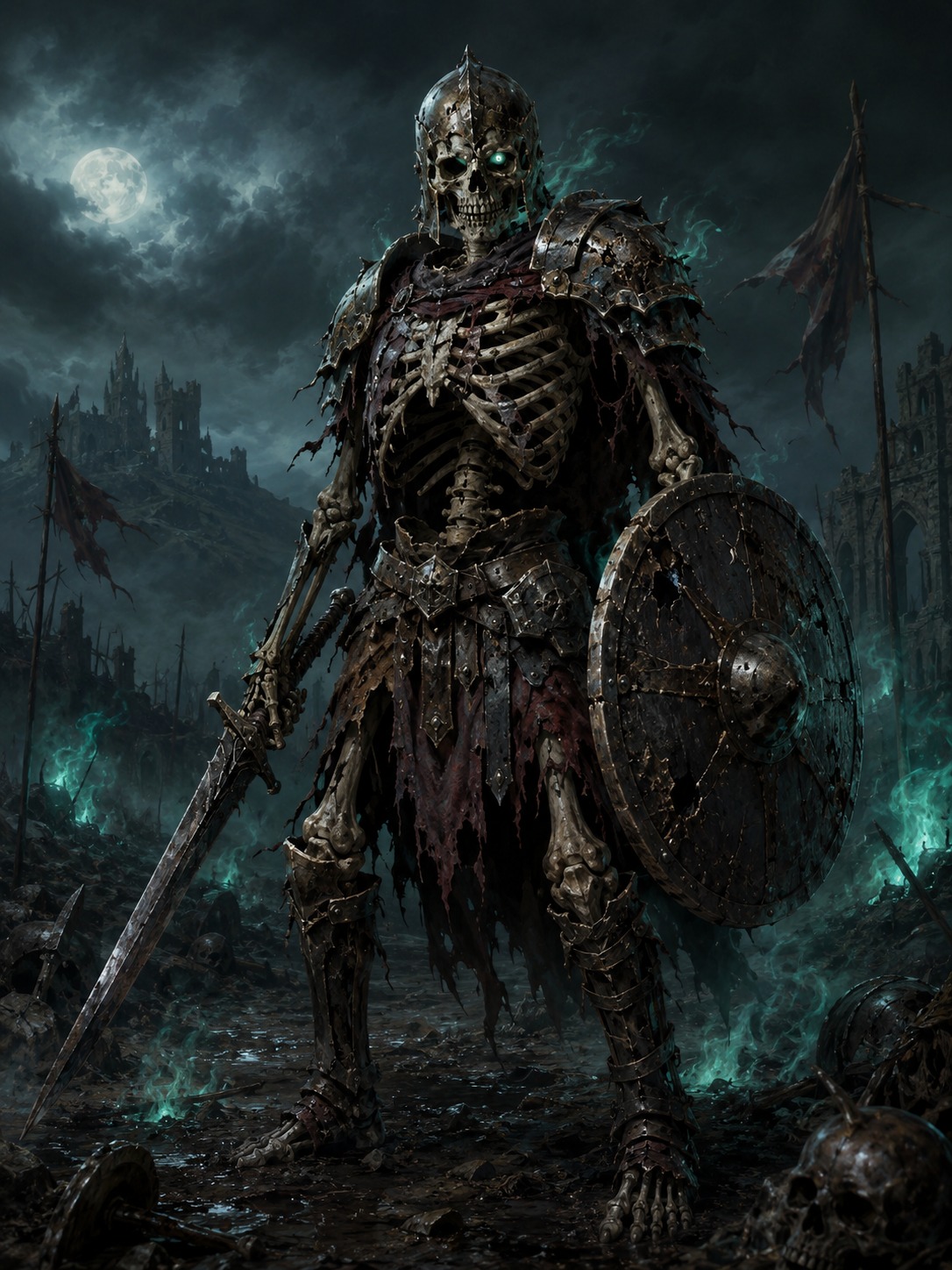
Skeleton Warrior · Undead Soldier — A warrior risen from death and granted unlife

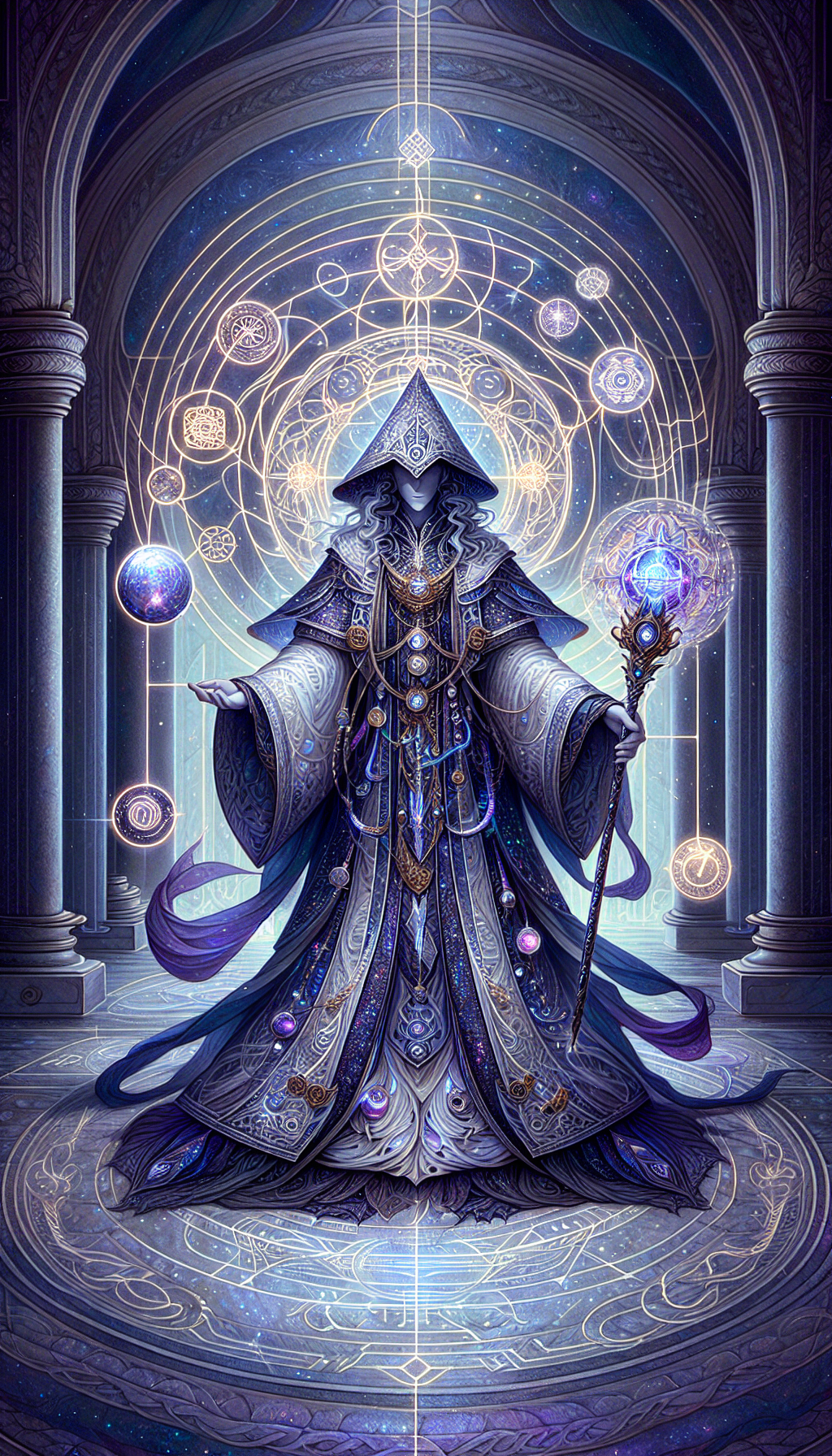
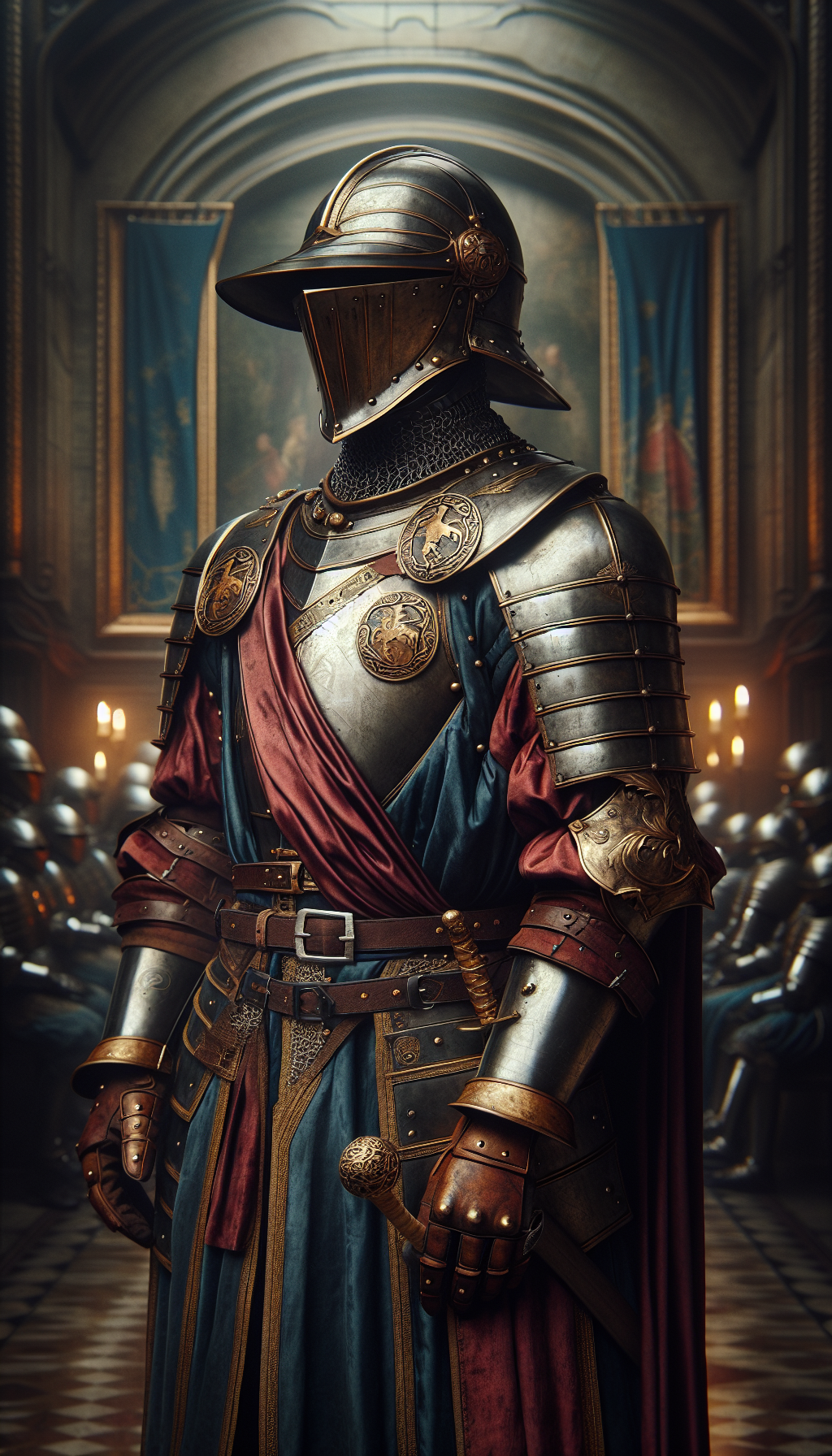
The Skeleton Warrior (English Skeleton Warrior, Latin Sceletus Bellator) is the warrior-type undead composed of the bones of the dead, summoned or resurrected by magic, curse, or black sorcery, who fights with sword, spear, shield, and armour, possessed of pure skeletal frame without flesh or soul — the decisive canonical iconographic undead figure of modern Western fantasy. The English skeleton derives from the Greek skeleton ('dried corpse'), through the Latin sceleton, settling in English in the sixteenth century, and is depicted as an instrumental being without original personality or will, faithfully obeying only the commands of the Necromancer. The mythical archetype is the Spartoi (Sparta, 'the Sown Ones') of Cadmus in ancient Greek mythology — armed warriors who grew from the ground when Cadmus, by the instruction of the goddess Athena, sowed the teeth of a dragon he had killed. The decisive modern canon is the famous scene in the 19 July 1963 British release of the film Jason and the Argonauts directed by Don Chaffey (1917-1990) — the four-and-a-half-minute scene of seven skeleton warriors in stop-motion animation by the British cinema special-effects master Ray Harryhausen (1920-2013) duelling with the Greek hero Jason — the decisive canon of modern skeleton-warrior iconography. The Skeleton monster of the 1974 tabletop RPG Dungeons & Dragons (D&D) by Gary Gygax (1938-2008), in the 1977 Monster Manual, established the canon of the modern fantasy RPG.

nue

Nue

Nue · Chimera — Legendary Japanese Monster

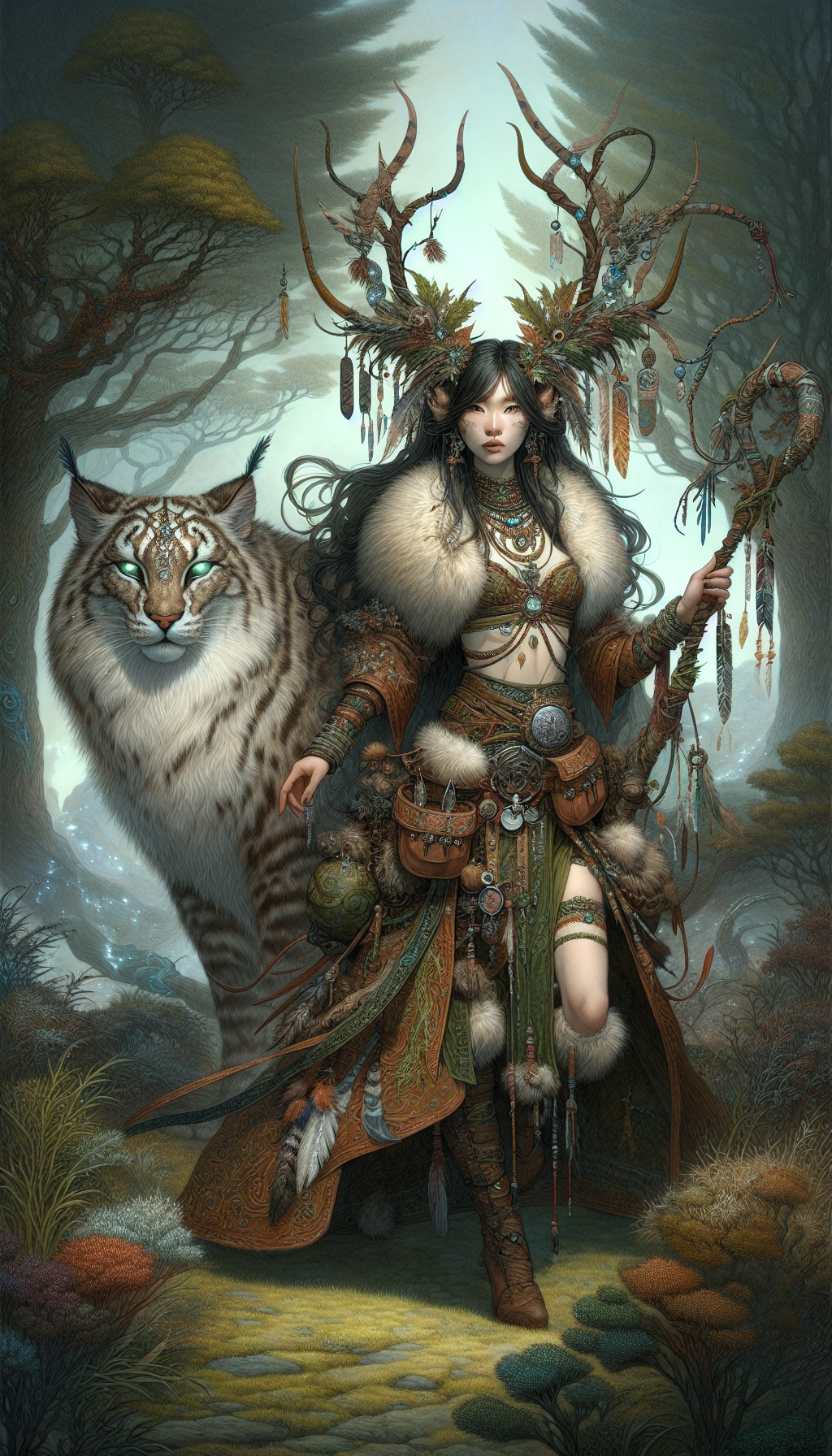
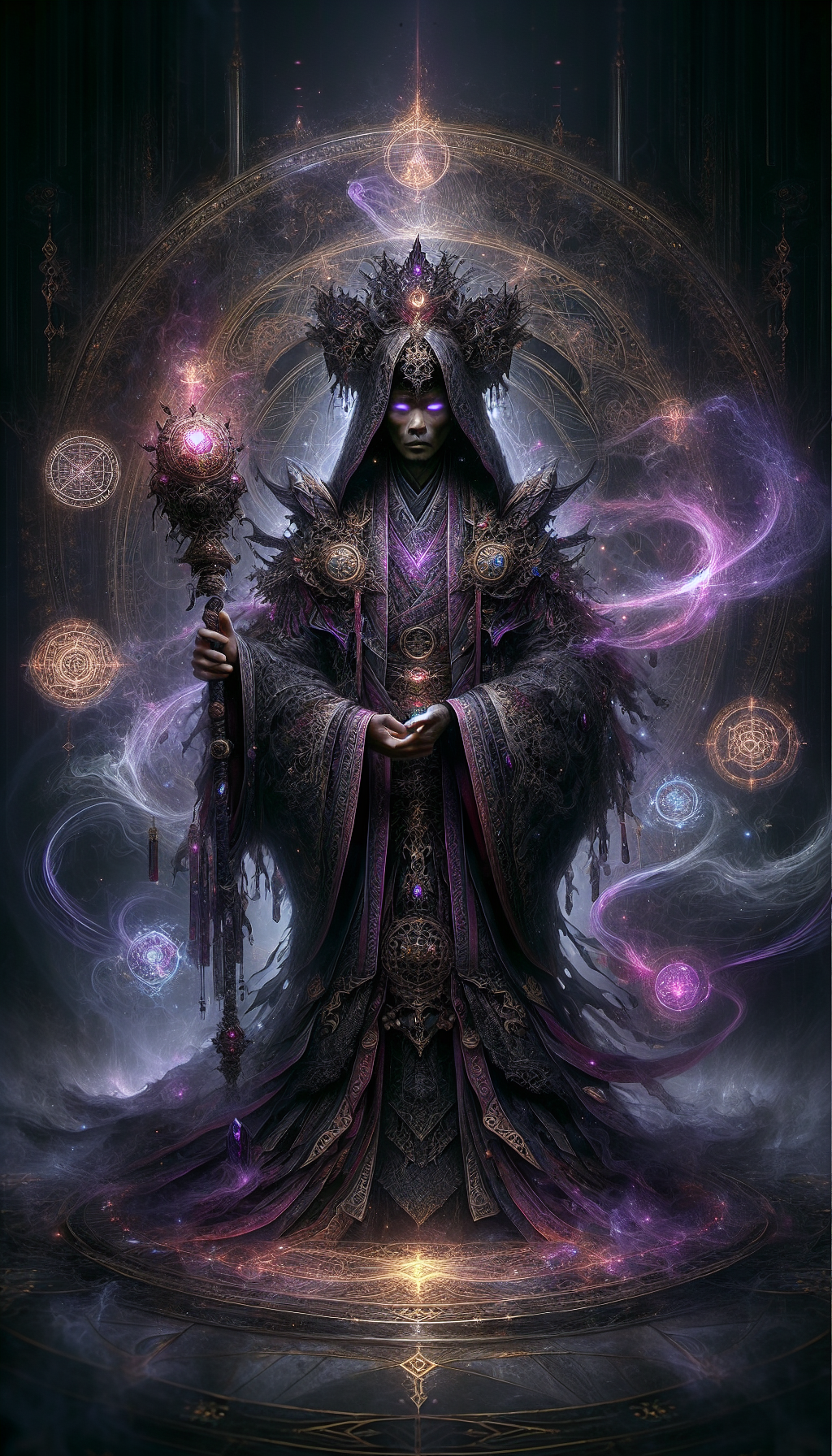
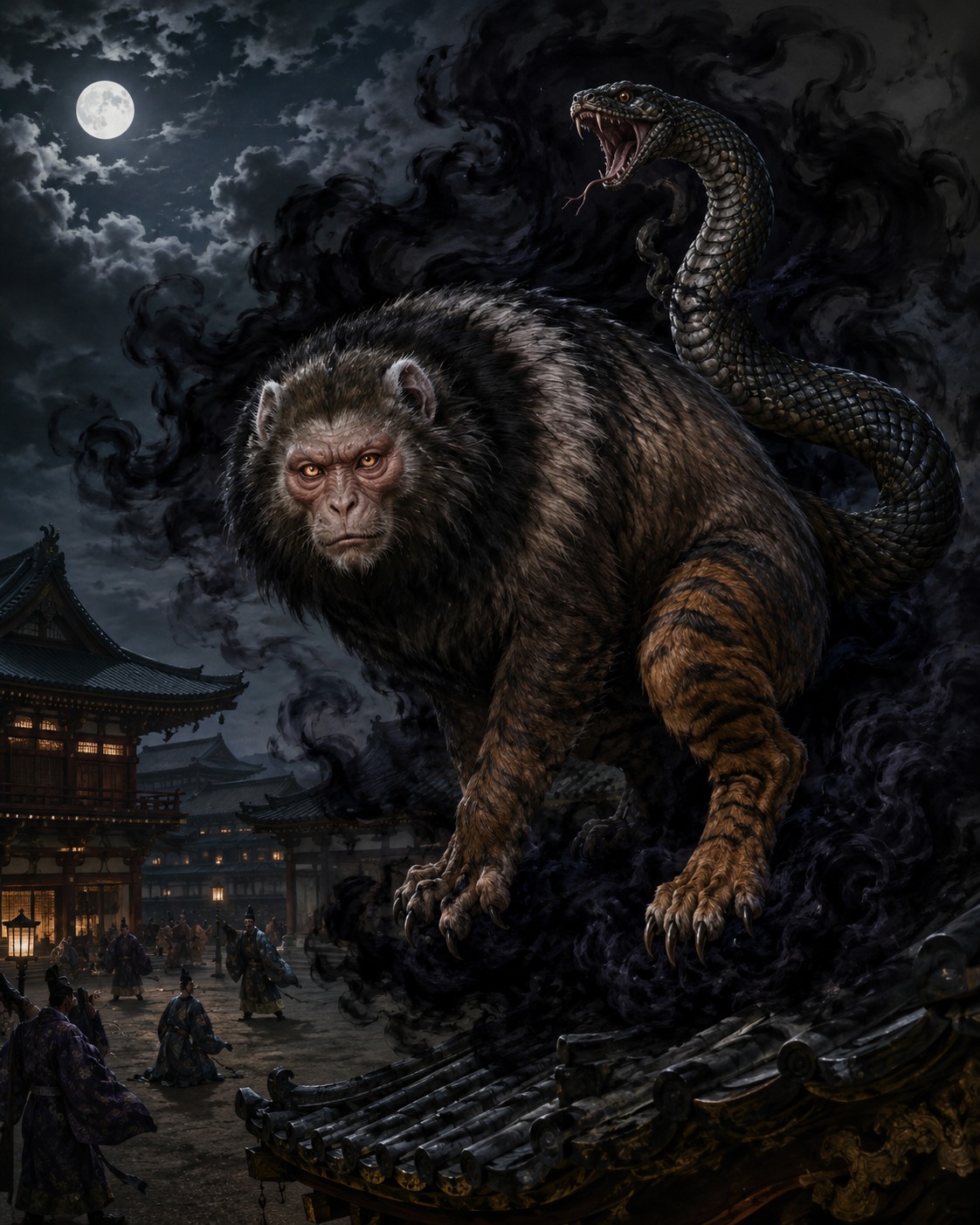
The Nue (Japanese Nue) is the canonical iconographic figure of the Heian-period Japanese chimeric yokai, possessed of the face of a monkey, the body of a raccoon dog (tanuki) or wildcat, the legs of a tiger, and the tail of a snake — one of the most mysterious composite yokai of Japanese legend. The name derives from the archaic Japanese name of the indigenous bird White's thrush (Zoothera dauma, in Japanese tora-tsugumi), whose sad and uncanny cry, when heard, is said in the canon to portend disaster — the canonical bird of the Onmyodo (Yin-Yang Way) belief of the Heian Imperial court. The iconographic origin is the Onmyodo belief of the Heian period (794-1185) and the canonised gunki-mono (military-tale) tradition of the late twelfth century. The decisive textual source is the chapter Nue in Book 4 of the early thirteenth-century Heike Monogatari (Tale of the Heike), the decisive canon of Japanese gunki-mono: in the spring of 1153 a black cloud appeared every dawn over the Heian-kyo Imperial Court from the eastern mountains and disturbed the sleep of Emperor Konoe (reigned 1139-1155), causing his illness; Minamoto no Yorimasa (1104-1180), the greatest archer of the Heian period, shot the nue down from within the black cloud — the decisive textual canon of the Nue legend. The 1779 yokai catalogue Konjaku Gazu Zoku Hyakki by Toriyama Sekien (1712-1788) established the visual canon of the Nue.

revenant

Revenant

Revenant · The Vengeful Returned — A Corpse Risen From the Grave for One Purpose

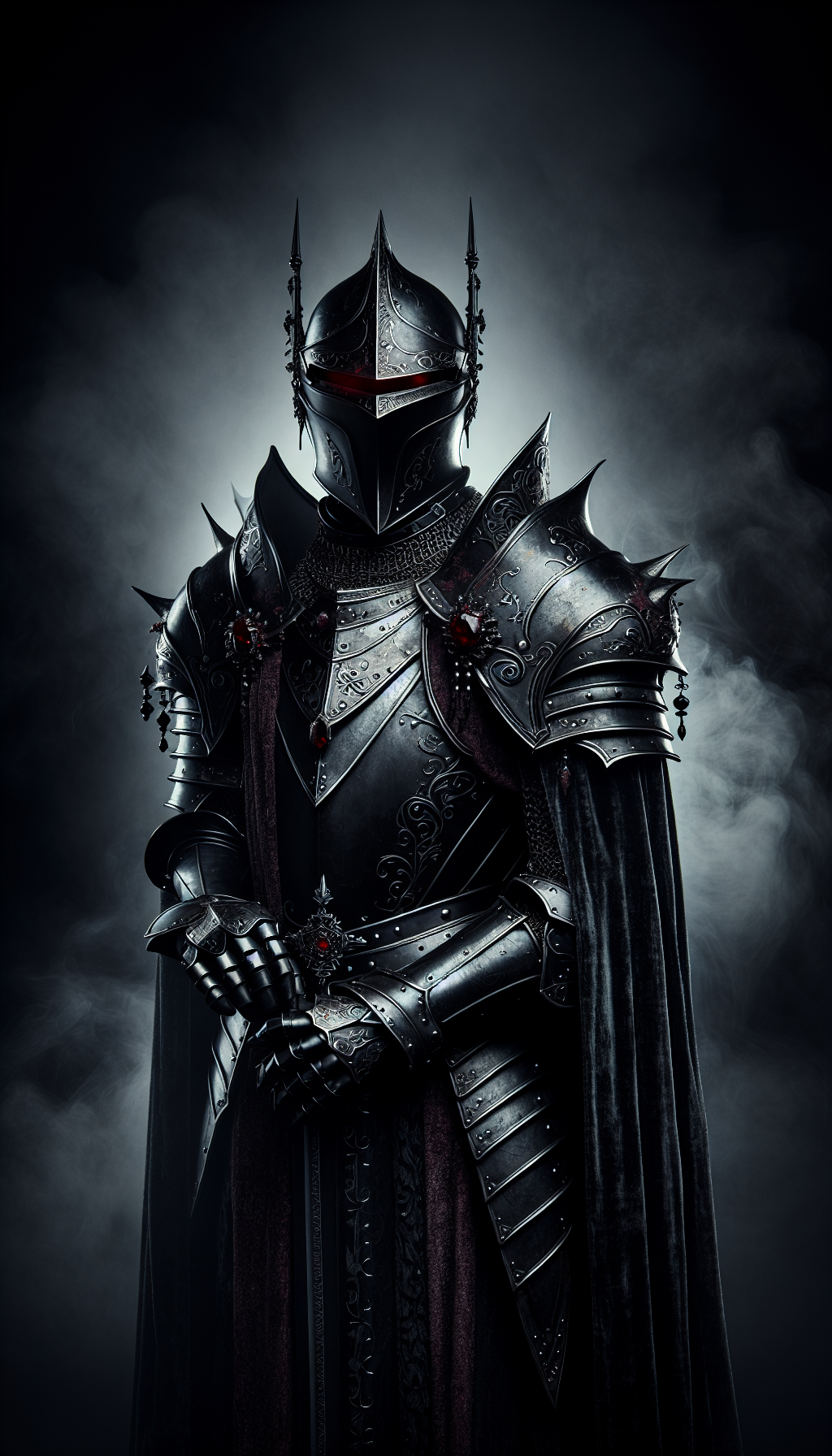
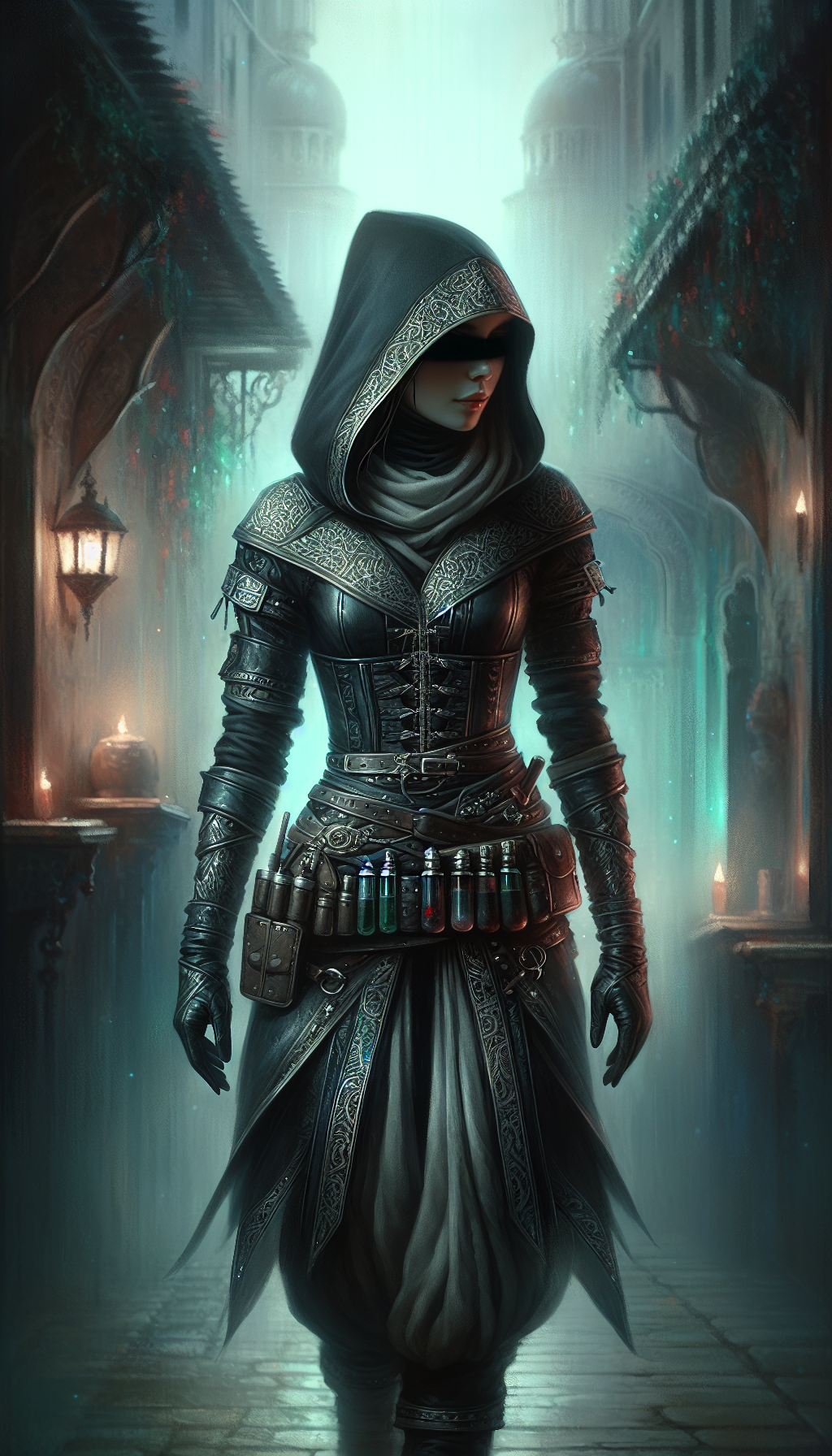
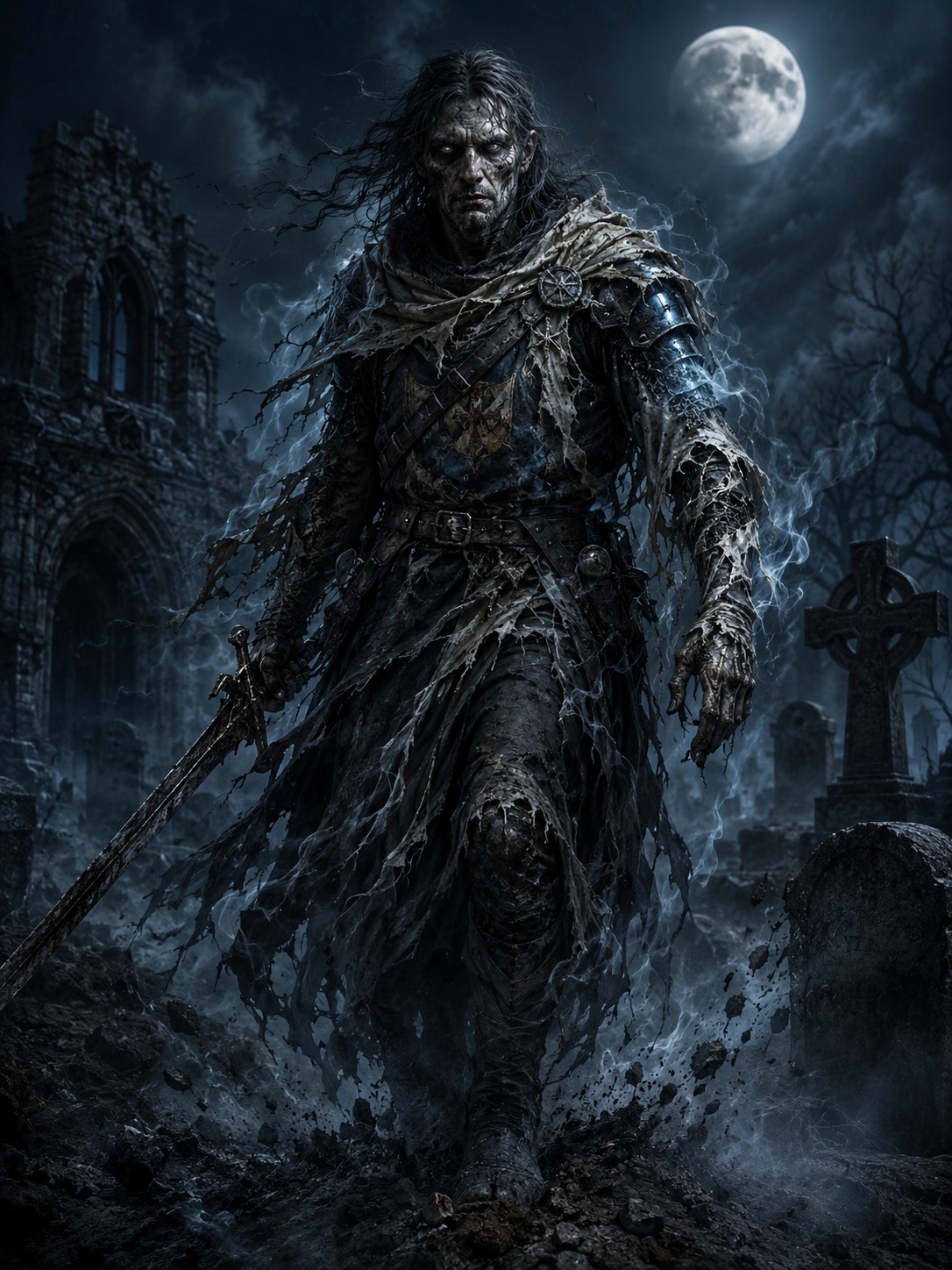
The Revenant (English revenant, from Latin revenans, 'the one returning') is a corpse that has risen from its grave on its own under the drive of intense vengeance or unresolved purpose, the medieval European iconographic figure of a self-aware undead retaining a distinct ego and a single purpose. The etymology lies in the Latin revenans, the present participle of the verb revenire ('to return'), which became the canonical term in eleventh- and twelfth-century Latin chronicles for the corpse that comes back from the grave to torment the village. The decisive textual source is the Historia Rerum Anglicarum (History of English Affairs) by the twelfth-century English chronicler William of Newburgh (c. 1136-1198), whose Book V chapters 22-24 record detailed cases of revenants in Buckinghamshire, Berwick, and Anant in northern England, establishing the decisive medieval European canon. Contemporary works such as Walter Map's De Nugis Curialium (Courtiers' Trifles, c. 1180) and the figure of Glam in the Saga of Grettir (Grettis Saga, thirteenth to fourteenth century) form the Northern-European revenant canon. Gary Gygax's first-edition Dungeons & Dragons Monster Manual (1977) systematised the revenant as a self-aware undead obsessed with a single object of vengeance, and Alejandro Gonzalez Inarritu's 2015 film The Revenant (starring Leonardo DiCaprio, winner of the Academy Award for Best Director) established the twenty-first-century cinematic canon of the figure.

중세 — LoreArc | LoreArc