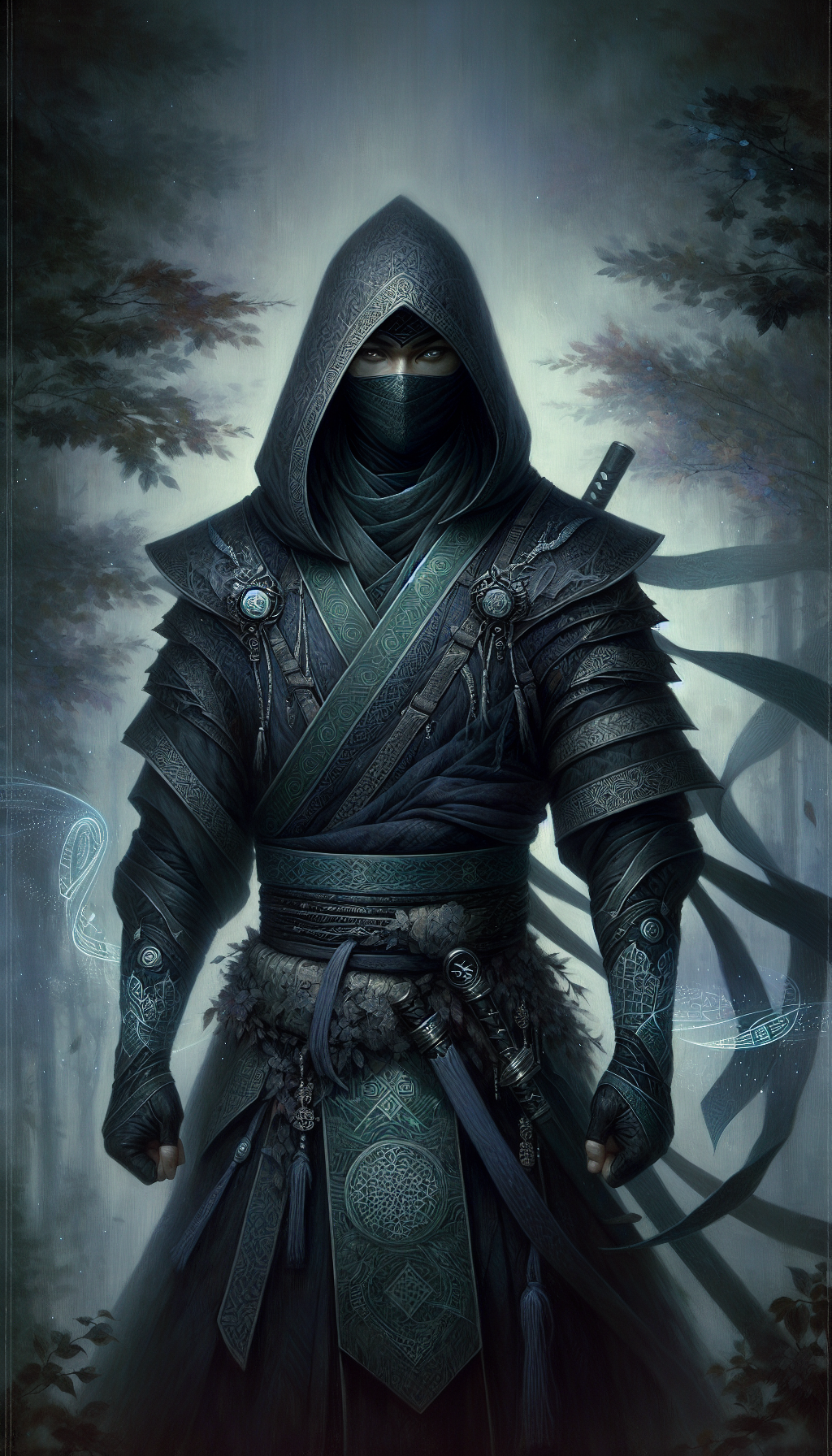
Samurai
武士 · Samurai — A Japanese warrior who unifies martial arts and the Way
Names in Other Languages
 무사한국어
무사한국어武士 · Samurai — 무(武)와 도(道)를 하나로 삼는 일본의 전사
 侍日本語
侍日本語武士 · 侍 — 武と道を一つとする日本の戦士
 武士繁體中文
武士 · 武士 — 將武與道合而為一的日本戰士
 SamuraiDeutsch
武士 · Samurai — Ein japanischer Krieger, der Kampfkunst und den Weg vereint
 SamouraïFrançais
武士 · Samouraï — Un guerrier japonais qui unifie les arts martiaux et la Voie
 SamuráiEspañol
武士 · Samurái — Un guerrero japonés que unifica las artes marciales y el Camino
 SamuraiPortuguês
武士 · Samurai — Um guerreiro japonês que unifica as artes marciais e o Caminho
 SamurajPolski
武士 · Samuraj — Japoński wojownik jednoczący sztuki walki i Drogę
 СамурайРусский
武士 · Самурай — Японский воин, объединяющий боевые искусства и Путь
The samurai (武士) was a professional warrior class that ruled Japan for about 700 years from the Kamakura shogunate of the 12th century until the Meiji Restoration of 1868. Initially a military class guarding emperors and nobles, they seized political power from the late Heian period to establish warrior governments (shogunates). More than soldiers, samurai were an honor class following the moral code of bushido, with loyalty (chū), propriety (rei), courage (yū), righteousness (gi), and benevolence (jin) as core virtues. The privilege of wearing two swords (daisho) — katana (long sword) and wakizashi (short sword) — was theirs alone, and the tradition of seppuku (ritual disembowelment) when honor was lost became symbolic of Japanese culture. Miyamoto Musashi, Takeda Shingen, and Oda Nobunaga are exemplary figures.
Origin
The archetype is the samurai class (武士階層) that began forming in the late Heian period of Japan. During the Edo period, Bushido was systematized, becoming a symbol of Japanese identity.
Features
- Iaijutsu (居合術): turning the very act of drawing the sword from its scabbard into an attack — a swift, decisive strike
- Nitoryu (二刀流): simultaneous use of the long sword and short sword
- Bushido: the mental fortitude to perform seppuku (切腹) without hesitation for the sake of honor
- The extreme of concentration — the calmer the mind, the greater the combat power
Stories
The absolute master of one-on-one combat. A samurai's duel with a live blade is the greatest sword contest in all of fantasy.
Weakness
Rigidity from being unable to refuse unfavorable conditions for the sake of honor. Susceptible to dishonorable tactics.