
Kunai
A multipurpose ninja tool and throwing weapon
Names in Other Languages
 쿠나이한국어
Kunai · 닌자의 다용도 도구 겸 무기
 クナイ日本語
忍者の多用途道具兼武器
 苦無繁體中文
忍者的多用途工具兼武器
 KunaiDeutsch
Das Mehrzweckwerkzeug der Ninja
 KunaiFrançais
L'outil polyvalent des ninja
 KunaiEspañol
La herramienta multiusos de los ninja
 KunaiPortuguês
A ferramenta multiuso dos ninja
 KunaiPolski
Wielofunkcyjne narzędzie ninja
 КунайРусский
Многоцелевой инструмент ниндзя
The kunai was originally a Japanese multipurpose tool used by masons and gardeners — a thick, leaf-shaped iron blade with a ring pommel at the end of the grip. About 20–30 cm long and 200–400 g, it was first a tool for digging into earth and walls, prying open gaps, or working plaster. It became famous when the ninja (shinobi) adapted it as an all-purpose tool and weapon: driven into a wall or the ground as a foothold, tied through the ring to a rope for use as a grapple or anchor, or wielded as a close-quarters dagger in a pinch. Popular culture shows it as a thrown weapon like a shuriken, but in reality it was heavy and unaerodynamic, so it threw poorly. It is the classic example not of a purpose-built weapon but of an everyday tool turned to military use.
Origin
The kunai was used around the time of Japan's Sengoku period, and its roots lie not in weaponry but in the tools of masonry, plastering, and gardening. Made thick from soft iron, it was less a sharp knife than a tool for digging and prying, and its ring pommel was for threading a cord — to keep the tool from being lost or to fit a handle. The ninja took up this cheap, everywhere-available implement as the all-purpose kit of infiltration and scouting missions — not as a single weapon but as a 'tool that could be anything.' It is distinct from the shuriken, the true throwing weapon, with which it is often confused.
Features
- Thick, leaf-shaped iron blade (about 20–30 cm)
- Ring pommel — multipurpose, for tying a rope and more
- Originally a mason's and gardener's working tool
- The ninja's all-purpose tool (climbing, digging, grappling, dagger)
- About 200–400 g, soft iron
- Unlike its pop-culture image, it threw poorly
Stories
The kunai's real worth lay not in combat but in the versatility of infiltration and survival. Driven into a wall, an eave, or an earthen bank, it made a foothold for hand and foot; tied to a long cord through its ring, it was thrown to hook and haul like a grapple; it pried open the bar of a locked door or window, or dug earth to make a trap or passage. In a sudden close fight, its thick blade became a stabbing dagger. But it was neither as keen nor as balanced as a purpose-made knife, so it shone in ambush and as a tool more than in a stand-up fight. The heart of it was the ninja way of making one implement do many jobs — least gear, most use.
Weakness
Not designed as a dedicated weapon, its pure combat performance was poor. Thick and rather blunt, it suited stabbing and tool work over cutting, and matched head-on against a proper dagger or blade it was outclassed. Heavy and unaerodynamic, it was hard to throw far or true, so despite its popular image it made an inefficient throwing weapon. Being soft iron, it bent or dulled if struck hard against a hard target. In the end its value lay not in being a weapon that did one thing well, but a tool that did many things well enough.
Cultural Significance
The kunai stands for the ninja's improvisation and the spirit of the tool. In turning an ordinary implement found anywhere into a weapon — rather than a showy purpose-built arm — it distills the ninja aesthetic of utility and stealth. It is the humble all-purpose tool of the spy and commoner, set against the noble katana of the samurai. Meanwhile the image the whole world now pictures — 'the knife a ninja throws' — is a product of 20th-century romanticization by film and manga; the manga Naruto above all fixed the kunai as the standard ninja weapon.
In Popular Culture
The kunai appears in nearly every work about ninja and has hardened into their signature weapon. In the manga and anime Naruto it is the basic ninja arm and the medium of the 'Flying Thunder God' teleportation, settling its popular image. In Mortal Kombat, Scorpion hurling a rope-bound kunai-like spear with the cry 'Get over here!' is a scene that has entered gaming history. From Naruto games to countless ninja action and fighting games, it is drawn as a thrown dagger — an image owed more to popular culture than to historical fact.
Trivia
- The kunai was originally a mason's and gardener's tool for digging and prying, and the image of 'a shuriken-like knife the ninja throws' was created by 20th-century film and manga — real kunai were closer to a heavy, blunt tool.
- The ring at the end of the grip was not for throwing but for threading a cord: structure for use as a tool — driving it into a wall as a foothold or anchor, or retrieving it by the cord.
- The manga Naruto fixed the kunai worldwide as 'the iconic ninja weapon,' and with conceits like the 'Flying Thunder God kunai' the popular image far outran the humble historical reality.
Related

Shuriken
The ninja's concealed throwing weapon

Katana
The iconic curved sword of the Japanese samurai
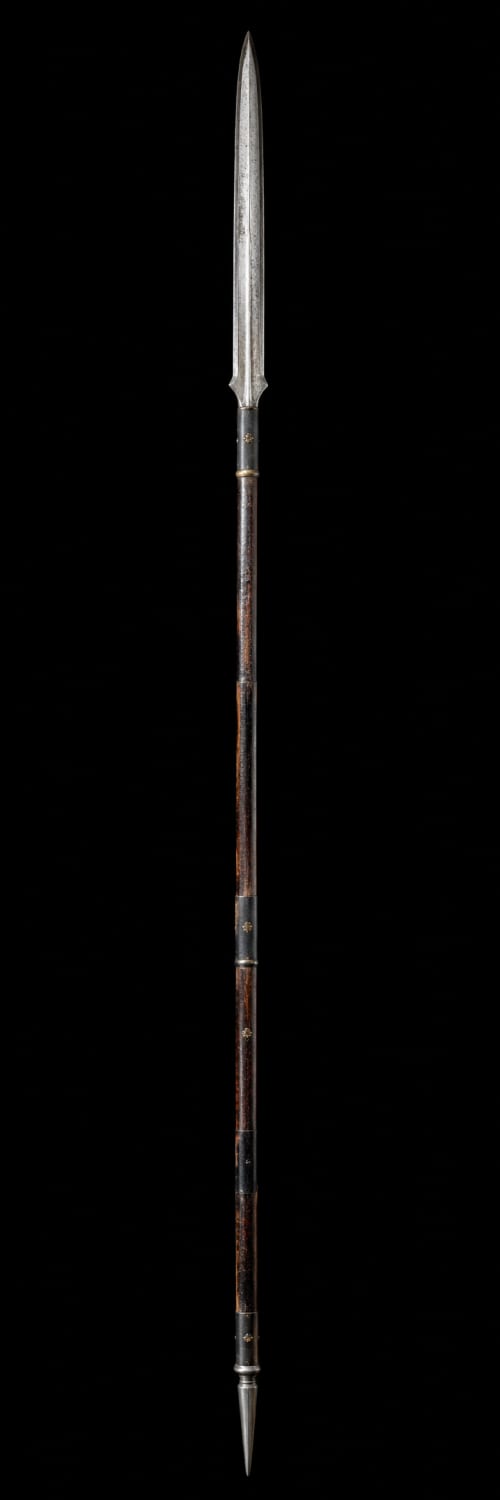
Yari
The straight-bladed Japanese spear

Halberd
The versatile polearm combining axe, spear, and hook

Longsword
The quintessential two-handed sword of medieval Europe
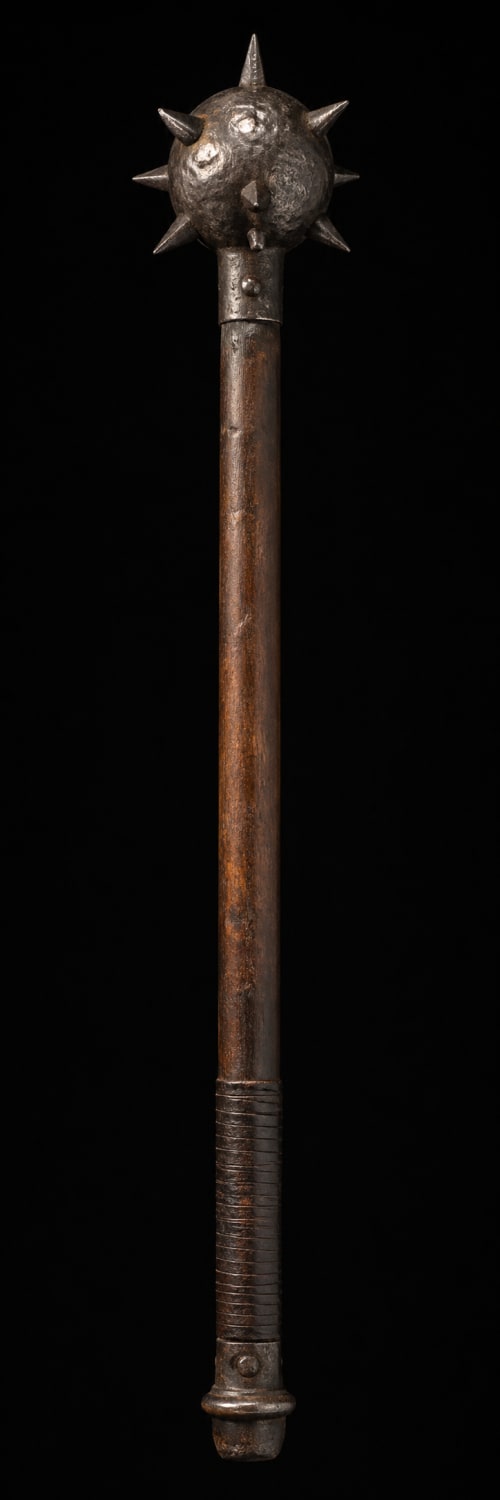
Morning Star
The spiked ball weapon of medieval warfare

Shamshir
The curved cavalry saber of Persia
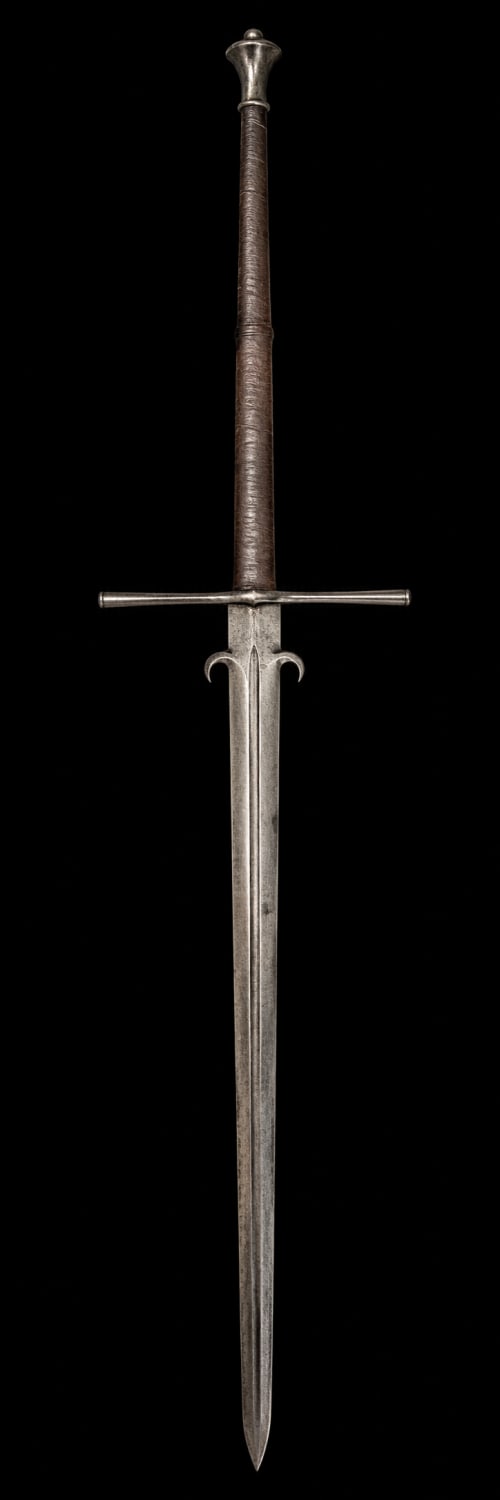
Zweihänder
The massive two-handed sword of German Landsknechts

Crossbow
The mechanized ranged weapon of the medieval era

Battle Axe
An axe designed specifically for combat

Lance
The cavalry charge weapon of the mounted knight
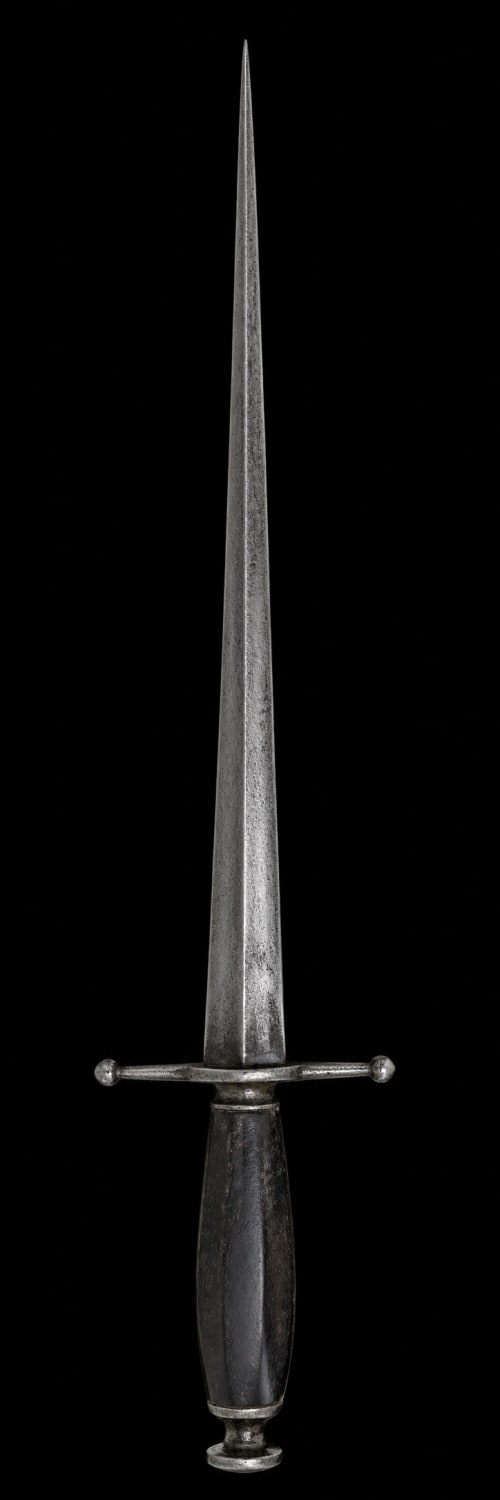
Stiletto
The Italian thrusting-only dagger