LoreArc

Light

30 items tagged with "Light"

cherubim

Cherubim

Cherubim · Second of the Nine Angelic Choirs — Guardians of Divine Wisdom and the Throne

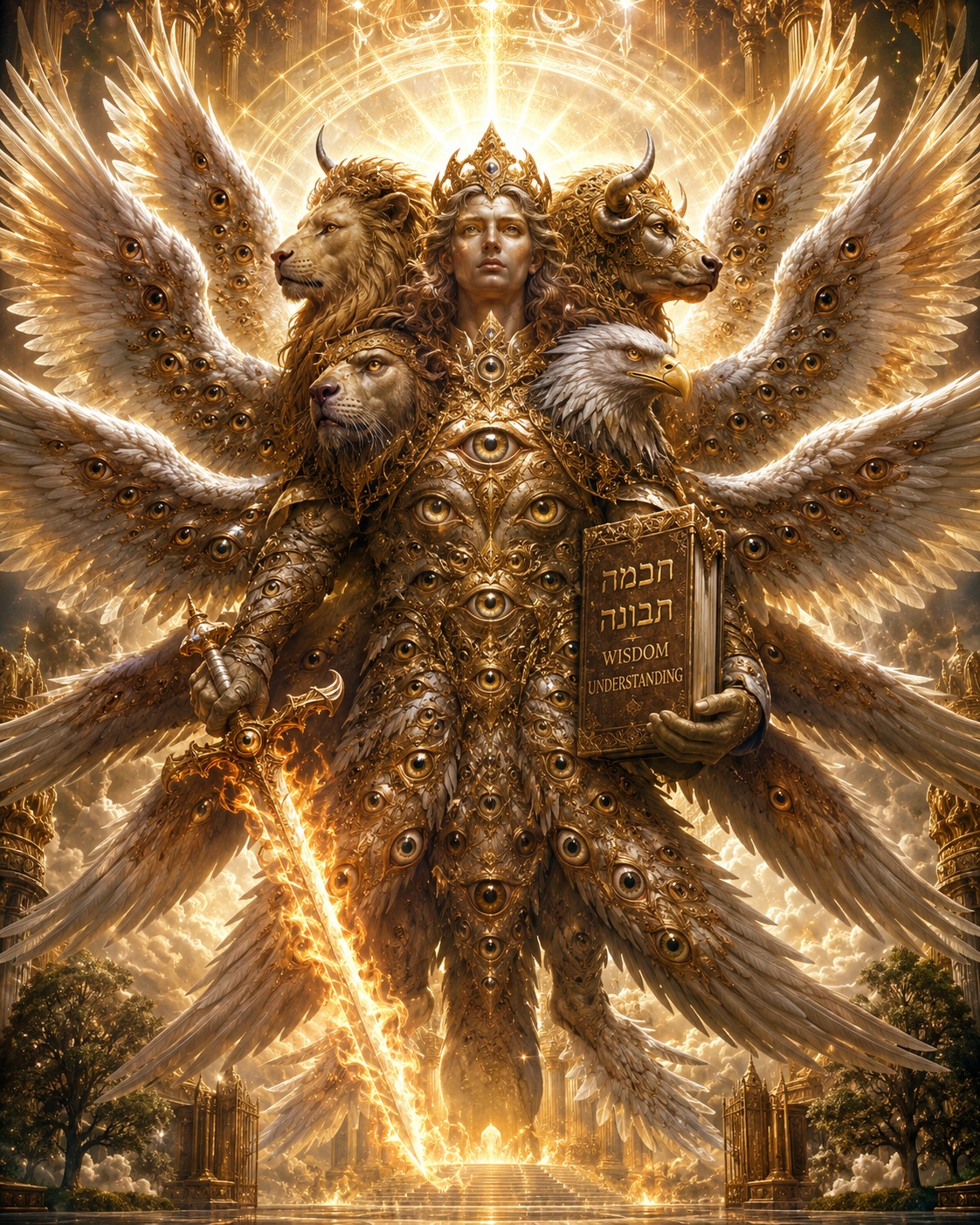
Cherubim (Hebrew kerubim, singular kerub, Greek cheroubin, Latin cherubim) is the 2nd-rank angel after Seraphim (Seraphim) of the 9 ranks of Jewish-Christian angelology — the decisive canon, the decisive canonical iconographic figure who supports the throne of God and transmits divine wisdom. The etymology is the decisive canonical vocabulary derived from the Akkadian karibu (intercessor) or Aramaic kerub (close), and the influence of the composite iconography of the Assyrian lamassu (lamassu) and shedu (shedu) of bull, human, and eagle is the decisive canon. The decisive textual canon is the Genesis (Bereshit) chapter 3 verse 24 of c. 6th century BCE — the decisive canon of 'the cherubim and the flaming sword that turned every way (lahat ha-herev ha-mithapeketh)' that guarded the way to the Garden of Eden — and Exodus (Shemot) chapter 25 verses 18-22 and chapter 26 verse 31 — the decisive canon of the two gold cherubim on the mercy seat (kapporet) of the Ark of the Covenant (Ark of the Covenant) — and 1 Kings chapter 6 verses 23-28 — the decisive canon of the 10-cubit (about 4.5 m) cherubim of Solomon's temple. The Ezekiel (Yehezkel) chapter 1 verses 5-14 of 593-571 BCE — the decisive canon of the 'four living creatures (chayot, faces of human, lion, ox, and eagle, four wings)' — and chapter 10 — the decisive canon of the cherubim and wheels (ophanim) — and the Pseudo-Dionysius the Areopagite (Pseudo-Dionysius the Areopagite)'s Celestial Hierarchy (De Coelesti Hierarchia) chapter 7 of c. 5th-6th century CE — the decisive canon as the 2nd rank of the 9 ranks.

ophanim

Ophanim

Ophanim · Third of the Nine Angelic Choirs — Wheels of God, Throne of Justice

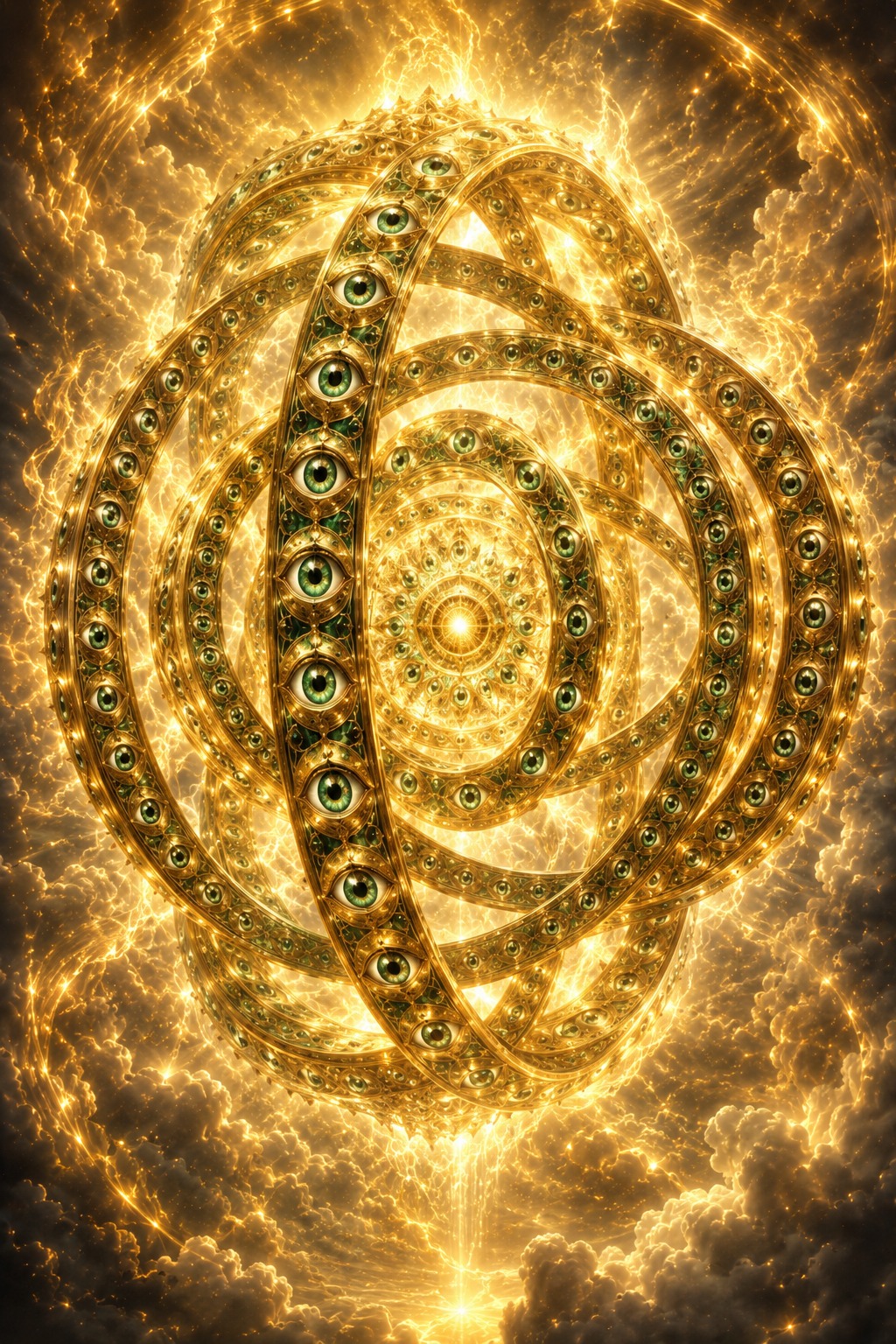
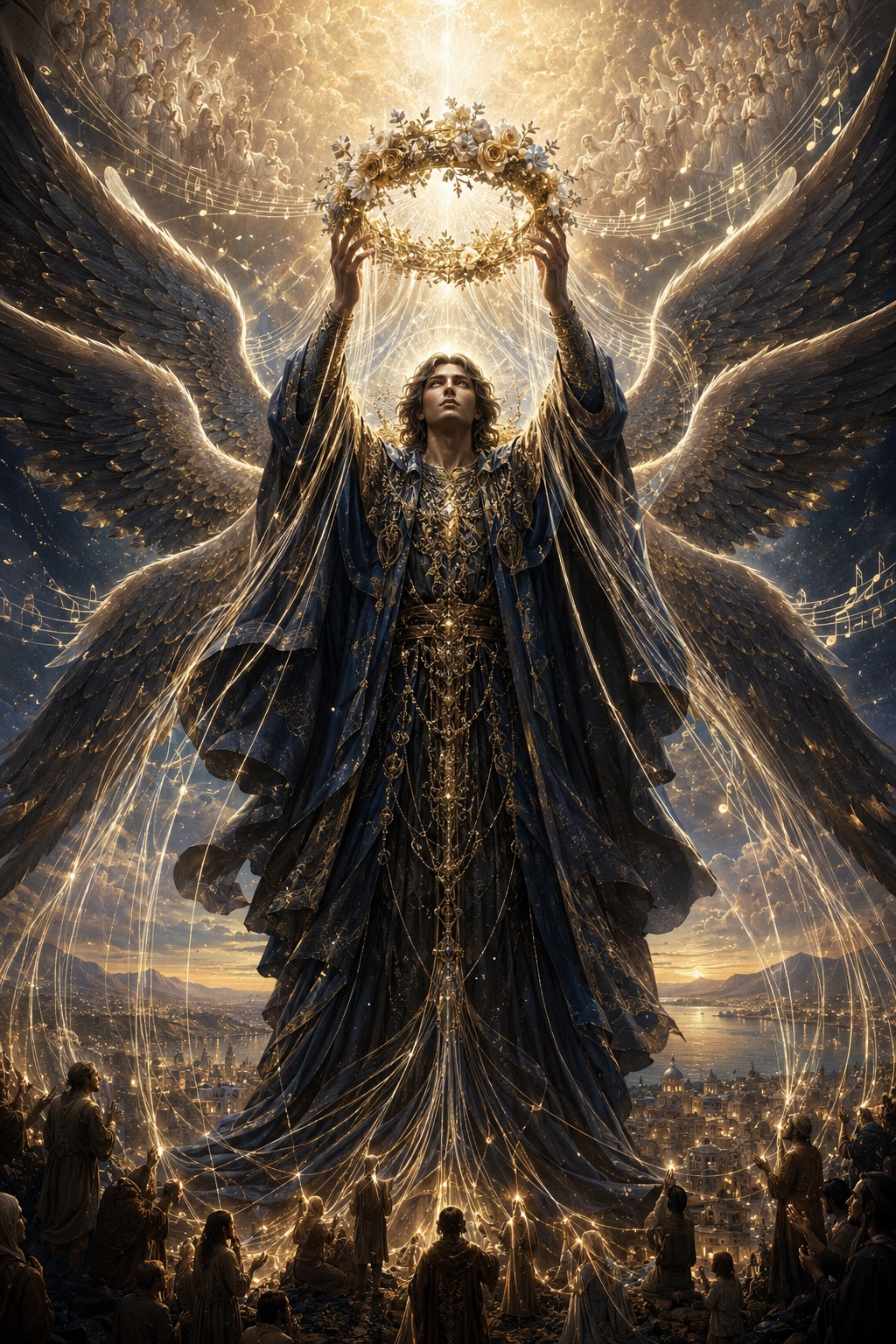
Ophanim (Hebrew Ofannim, singular Ofan) is the third-rank angel of the 9-rank angelic hierarchy of Judeo-Christian angelology — the decisive canon — the decisive canonical iconographic figure derived from the Hebrew 'ofan' meaning 'wheel' in plural form. Aliases — Galgalim ('wheels'), Thrones (Latin Throni), wheels of God's chariot (Merkabah, Merkabah) — are the decisive canonical vocabulary. The decisive textual canon is the decisive origin canon of Ezekiel (Ezekiel) 1:15-21 and 10:9-13 of c. 6th century BCE in which beside the Cherubim are giant wheels with a wheel within a wheel (Wheel within a wheel) whose rims are full of eyes, and the decisive canon of Daniel (Daniel) 7:9 of c. 2nd century BCE — the 'wheels of burning fire' throne of the 'Ancient of Days'. The decisive theological canon of the third rank Thrones (Thrones) of the 9-rank angelic hierarchy in The Celestial Hierarchy (De Coelesti Hierarchia) chapter 7 of Pseudo-Dionysius the Areopagite of c. 5th-6th century CE, and the decisive canon of the Thrones in the Summa Theologica (Summa Theologica) Part I question 108 of Thomas Aquinas (Thomas Aquinas) of the 13th century. The decisive 14th-century canon is the decisive canon of the third rank Thrones of the 9-rank angelic hierarchy in Dante Alighieri's (Dante Alighieri) Divine Comedy (Divina Commedia) Paradiso (Paradiso) Canto 28 lines 103-105 of c. 1320.

heimdall

Heimdall

Heimdall · Watchman of Bifröst — Trumpeter of Ragnarök

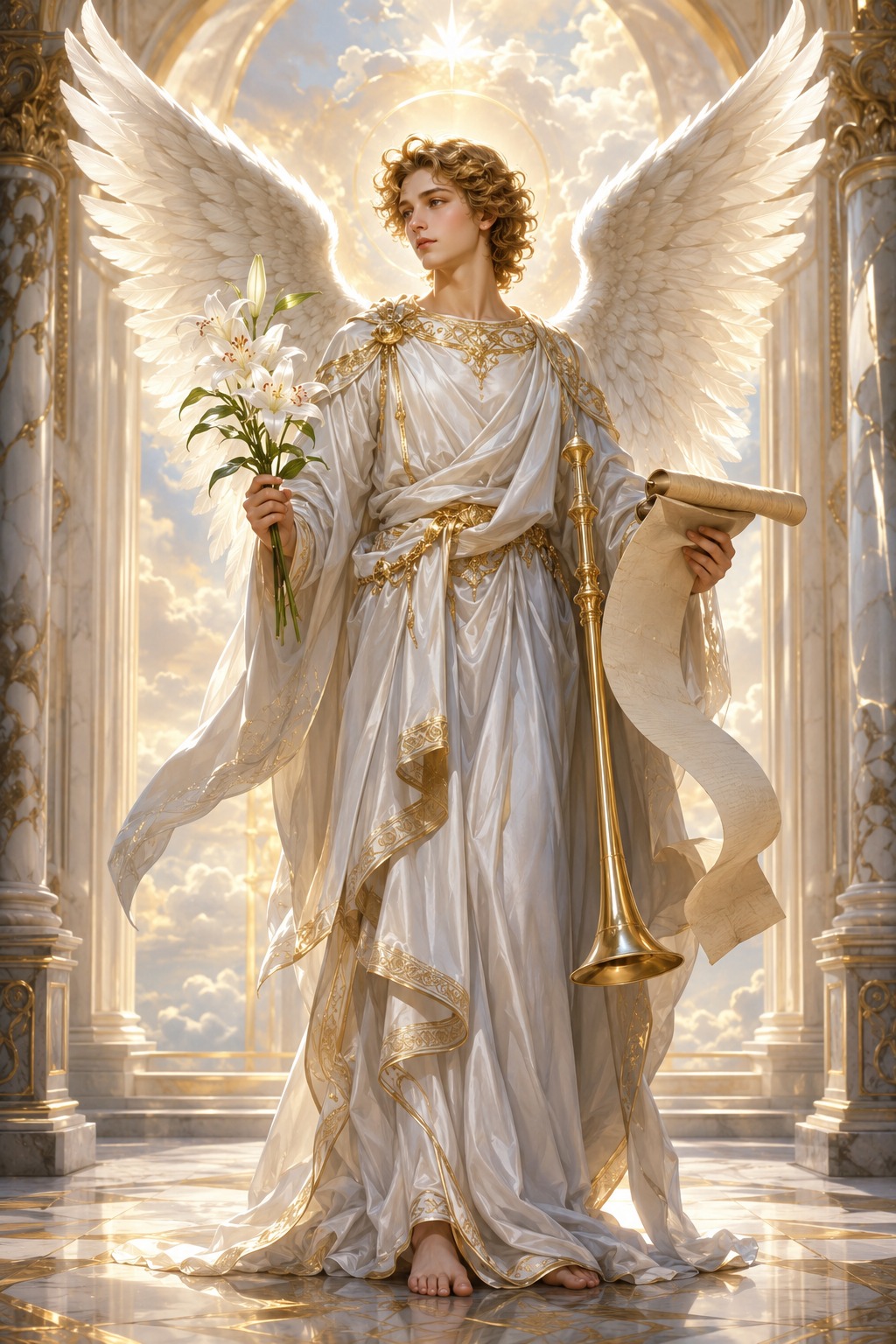
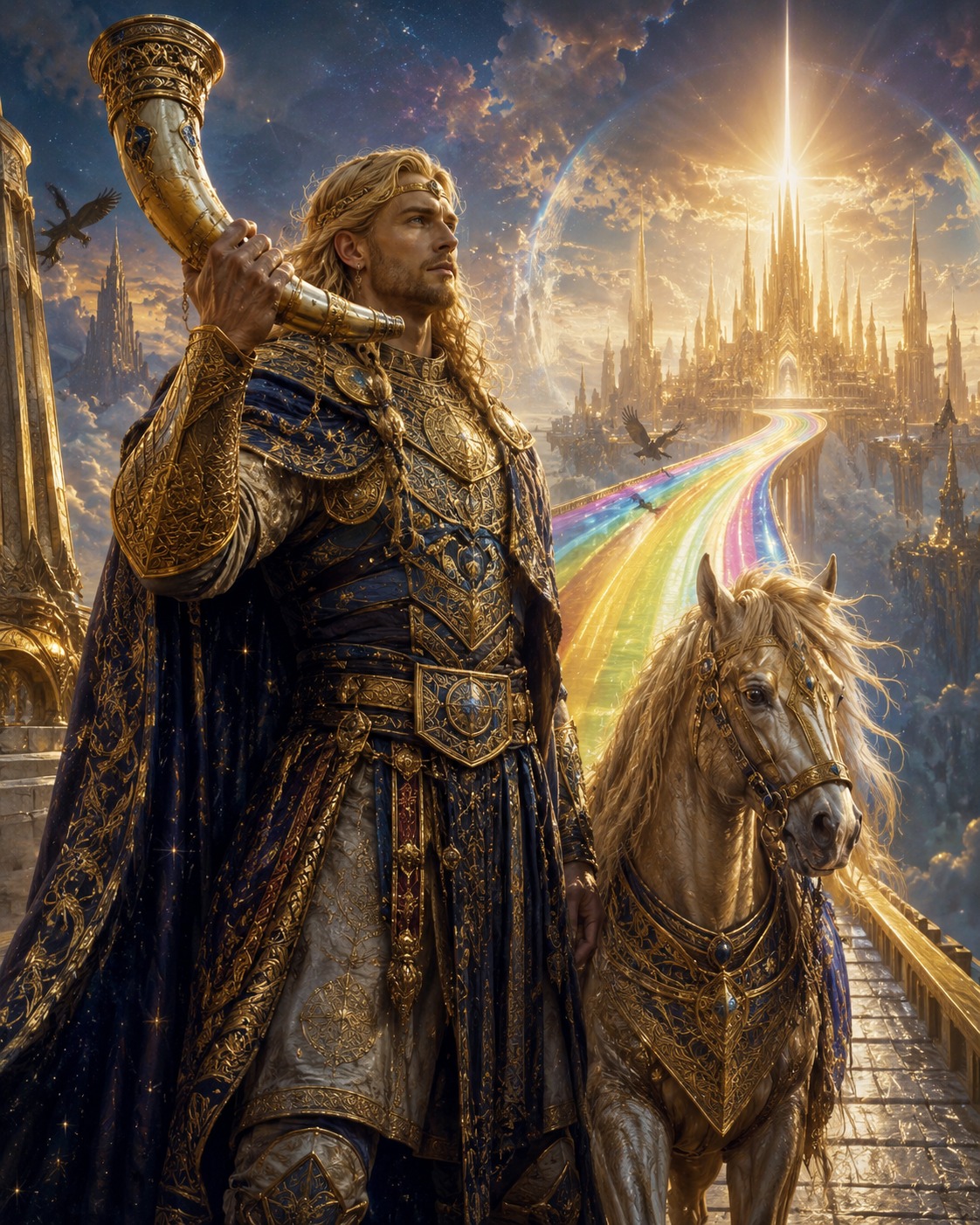
Heimdall (Old Norse Heimdallr, 'shining one of the world' or 'pillar of the world') is the decisive canonical god of light, vigilance, and watching of the Aesir (Aesir) in Norse mythology, and the decisive canonical iconographic figure of the eternal watchman of the rainbow bridge Bifrost (Bifrost). The etymology is the Old Norse compound of heim ('world, home') and dallr ('shining one' or 'pillar') — meaning 'shining one of the world' — the decisive canonical vocabulary, and the aliases Gullintanni (Gullintanni, 'the one with golden teeth') — the god with golden teeth — and Vitli (Vitli, 'the white one') and Hallinskidi (Hallinskidi) are the decisive canonical vocabulary. The decisive textual canon is the Prose Edda (Prose Edda) of c. 1220 of the early 13th-century Icelandic poet-historian Snorri Sturluson (Snorri Sturluson, 1179-1241) — chapter 27 of Gylfaginning (Gylfaginning) — the decisive Heimdall canon — and chapter 51 — the Ragnarok canon — and the Voluspa (Voluspa), Grimnismal (Grimnismal) stanza 13, Thrymskvida (Thrymskvida) stanza 15, and Rigsthula (Rigsthula, Lay of Rig) of the Poetic Edda (Poetic Edda) of the c. 1270 Codex Regius (Codex Regius) manuscript are the decisive poetic canon of Heimdall. The decisive canon of mysterious birth from nine mothers (nine waves, nine sisters), and the decisive canonical iconographic figure who at Ragnarok blows the great horn Gjallarhorn (Gjallarhorn) to wake the gods and mutually destroys with Loki (Loki).

🐉Spirits(3)
will-o-wisp
📸 2

Will-o'-the-Wisp

Intermediate

English Folk Marsh Spirit

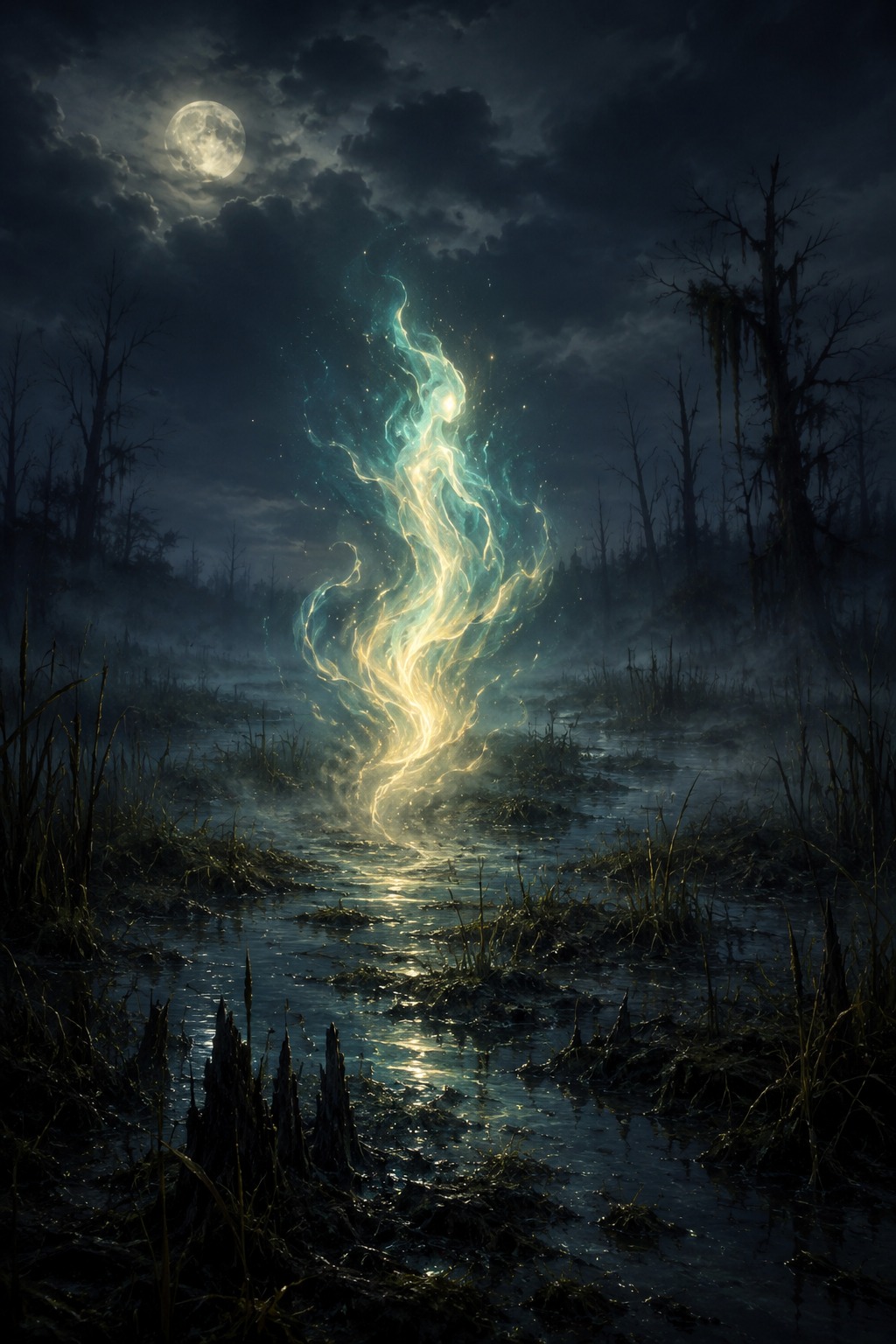
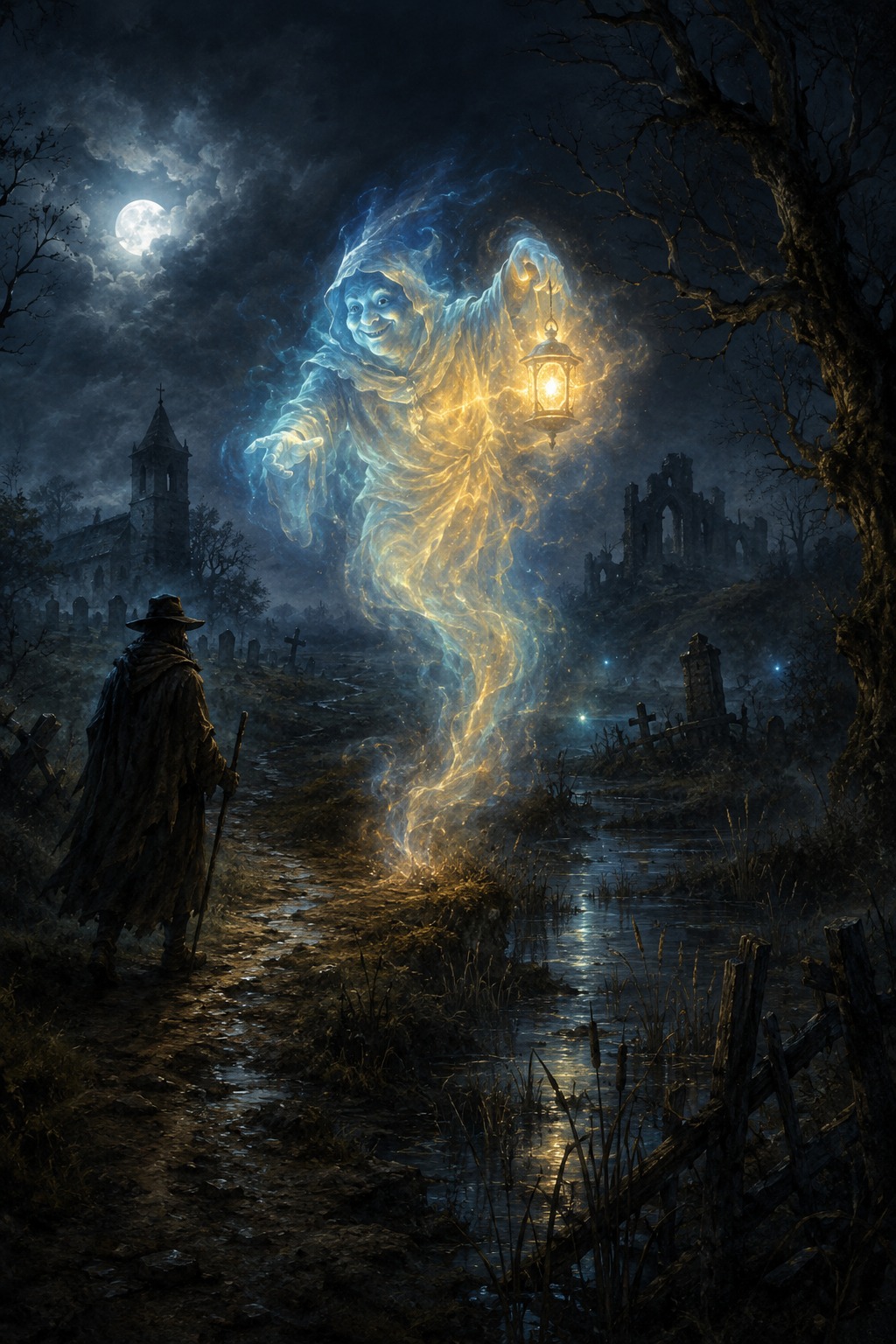
The Will-o'-the-Wisp (English Will-o'-the-Wisp) is the most decisive canonical iconographic spirit of the will-o'-the-wisp (ignis fatuus) of English folklore. The etymology is the English Will of the Wisp ('Will holding a wisp torch'), first attested in English in 1607 — the decisive canonical vocabulary. It appears in marshes, wetlands, and moors at night as a small flickering blue or yellow flame — receding when approached and approaching when receded — luring lost travellers into the marsh to their death — the decisive canonical iconography. The decisive etymological canon is the decisive legend that the evil blacksmith Will (Smith Will) of 16th-century England, rejected from both heaven and hell after death, carries a wisp torch with coal given by the devil and wanders the marshes forever, and the decisive literary canon is line 104 of the twin poem L'Allegro (L'Allegro) of the British poet John Milton (John Milton, 1608-1674) of 1631 — 'led by the Friar's Lantern' — and the fairy tale The Will-o'-the-Wisps Are in Town, Said the Marsh Woman (Lygtemaendene ere i Byen, sagde Mosekonen) of the Danish writer Hans Christian Andersen (Hans Christian Andersen, 1805-1875) published in Copenhagen, Denmark on 7 April 1845 — the decisive Andersen fairy-tale canon. The decisive 21st-century film canon is the Pixar (Pixar) animated film Brave (Brave) released in the USA on 22 June 2012 — in which blue Will-o'-the-Wisps lead the Scottish princess Merida to her fate — the decisive global film canon.

ignis-fatuus

Ignis Fatuus

Spirit King

Latin 'Foolish Fire,' Scientific Name for Will-o'-the-Wisp

The Ignis Fatuus (Latin ignis fatuus, English ignis fatuus/will-o'-the-wisp, German Irrlicht, French feu follet) is the canonical scientific name for the natural-phosphorescence phenomenon in marshes — Latin 'foolish fire' (ignis 'fire' + fatuus 'foolish') — and the canonical iconography of medieval European folklore and English literature, the blue light presumed to be the natural ignition of marsh methane (CH4) and phosphine (PH3) that lures travelers and causes them to lose their way. The etymology is the combination of the Latin ignis ('fire') and fatuus ('foolish'), and since appearing in the Natural History (Naturalis Historia) of the Roman naturalist Pliny the Elder (Plinius Maior, 23-79 CE) of the 1st century, it settled as the decisive scientific name in 16th-18th-century natural histories. The decisive textual canon is the canon of Act 3 Scene 3 of the historical play Henry IV, Part 1 of the British William Shakespeare (1564-1616) of 1597 — in which Sir Falstaff compares Bardolph's red nose to 'ignis fatuus or a ball of wildfire' — the decisive English-literary entry, and the decisive poetic canon is the canon of lines 634-642 of Book 9 of the epic Paradise Lost of the British poet John Milton (1608-1674) of 1667 — comparing Satan's seduction of Eve to the marsh ignis fatuus — the decisive English-literary canon. The Will-o-Wisp of the 1977 D&D Monster Manual by Gygax of TSR in the USA — consistent through to 5e (5th Edition) of 2014 — is the decisive canon of the modern fantasy RPG will-o'-the-wisp.

🐉Dragons(2)
🌿Materials(3)
🐉Monsters(1)
🐉Humanoids(2)