LoreArc
📚 Lore✍️ Write📖 Novels

요괴

13 items tagged with "요괴"

gumiho

Gumiho

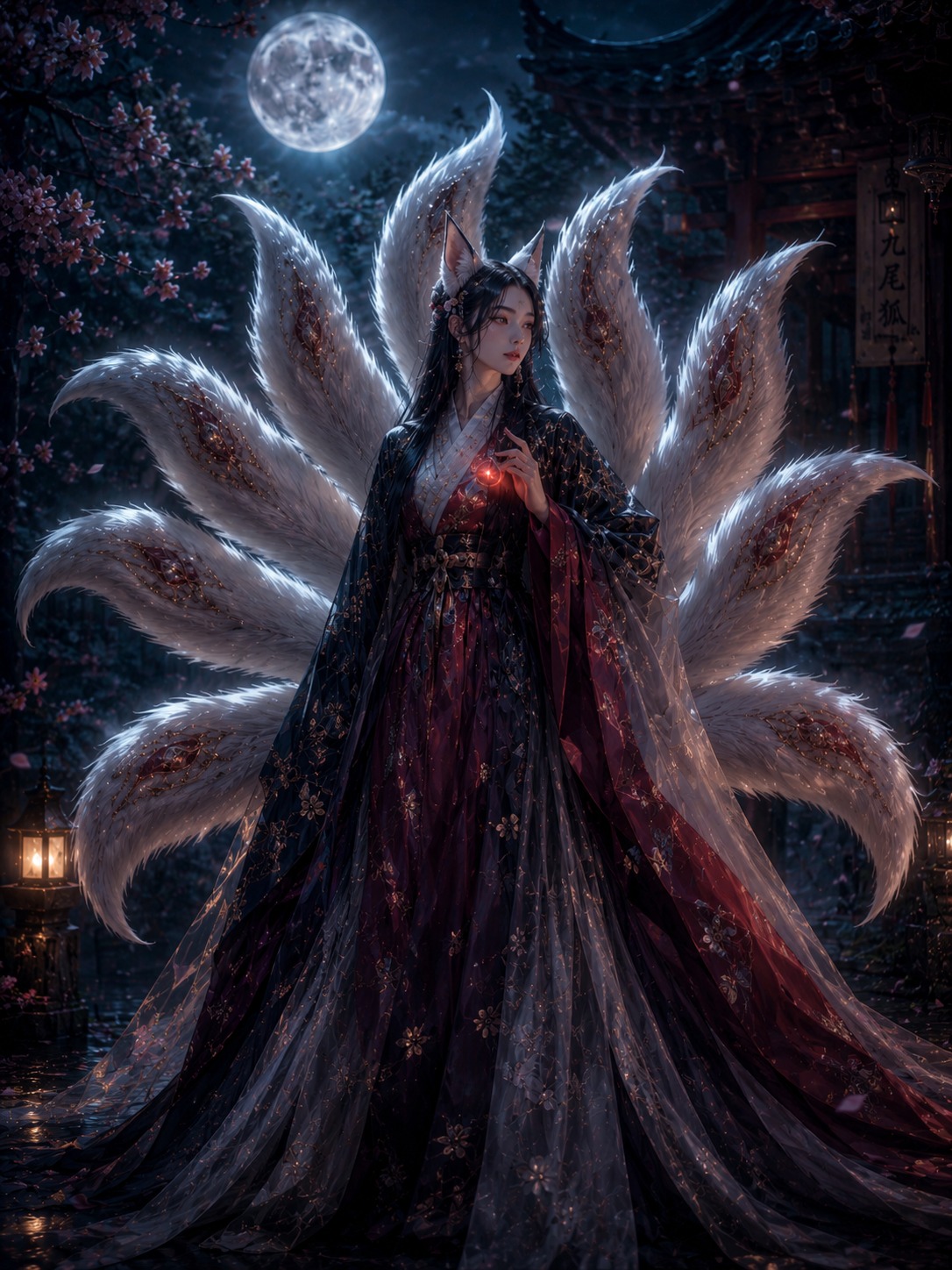
Gumiho · Nine-Tailed Fox — The Bewitching Fox-Spirit of East Asia

The Gumiho (Korean Gumiho, 'nine-tailed fox') is the canonical Korean figure of the East Asian fox-spirit (yohou) tradition, the fox-monster that gains nine tails after living for a thousand years. The earliest textual origin is the Classic of Mountains and Seas (Shan Hai Jing), compiled in the Chinese Warring States period (fifth to third century BC), in which the Cheonggu region of the Southern Mountain Sutra is inhabited by a nine-tailed fox that 'resembles a fox but has nine tails, cries like a baby, and devours men'. In Korea, the gumiho first appears in the Kim Yu-shin entry of Book One of the Memorabilia of the Three Kingdoms (Samguk Yusa) compiled by Iryeon in 1281. In Japan, it settled into the Tamamo-no-Mae legend of the era of Emperor Toba (reigned 1107-1123). The novel of gods and demons Investiture of the Gods (Fengshen Yanyi) by Xu Zhonglin of late Ming China (composed late sixteenth to early seventeenth century), in which the consort Daji of the last Shang king Zhou is revealed as an incarnation of a thousand-year-old nine-tailed fox, established the decisive synthesis of the East Asian gumiho canon. Korean-specific features are (1) the gathering of vital essence by means of the fox-bead (hoeok), (2) the taboo motif that the fox becomes human if it conceals its identity for one hundred or one thousand days, (3) the consumption of human livers and vital essence, and (4) the canonical visual iconography of the Korean gumiho in KBS's Legends of the Hometown series (broadcast 1977-2009). The 2020 tvN drama Tale of the Nine-Tailed (starring Lee Dong-wook and Jo Bo-ah) globalised the twenty-first-century Korean gumiho iconography as K-content canon.

yaksha

Yaksha

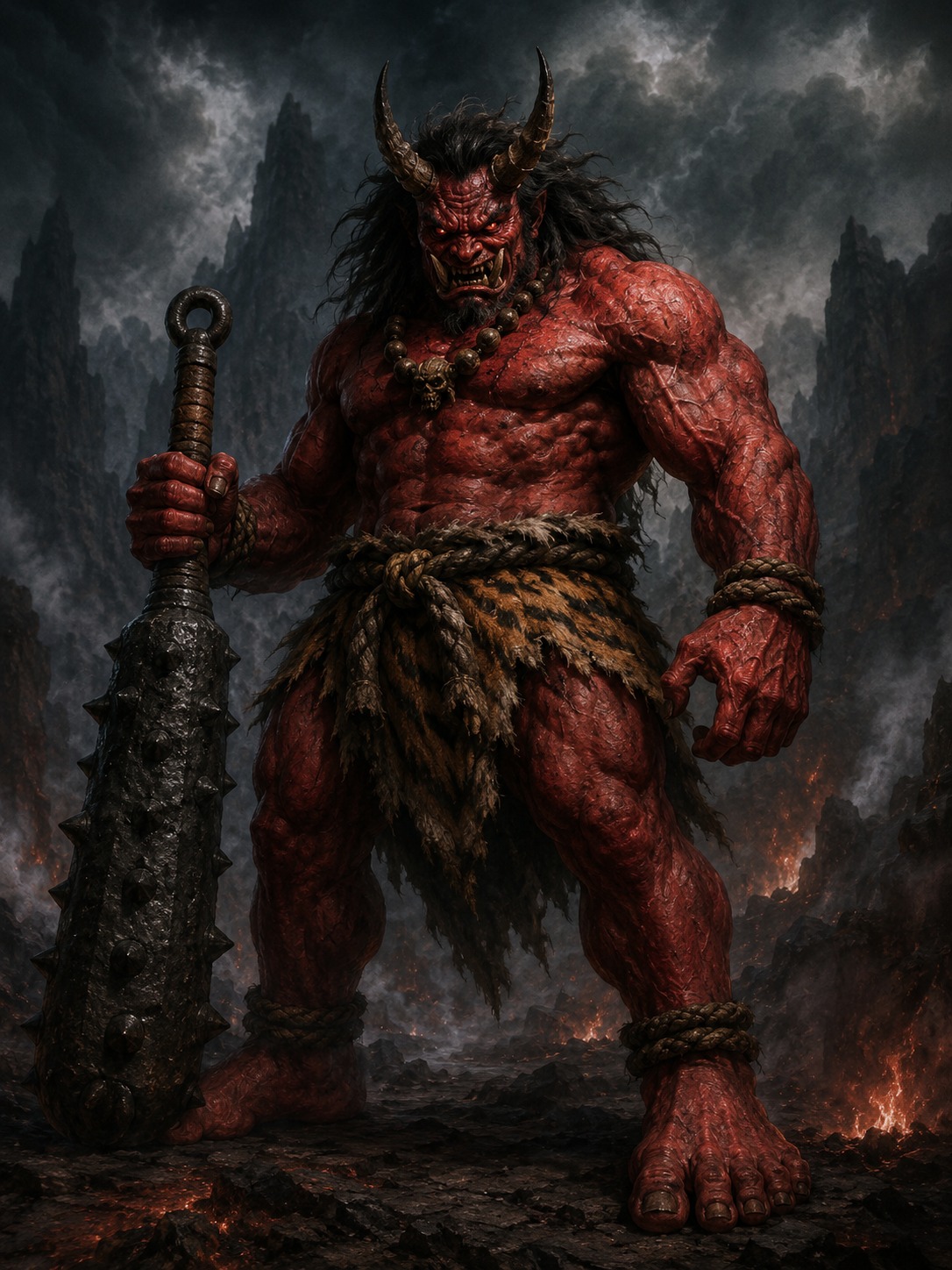
Yaksha · Nature Spirit of India and Buddhism — A Two-Faced Spirit Guarding Treasure

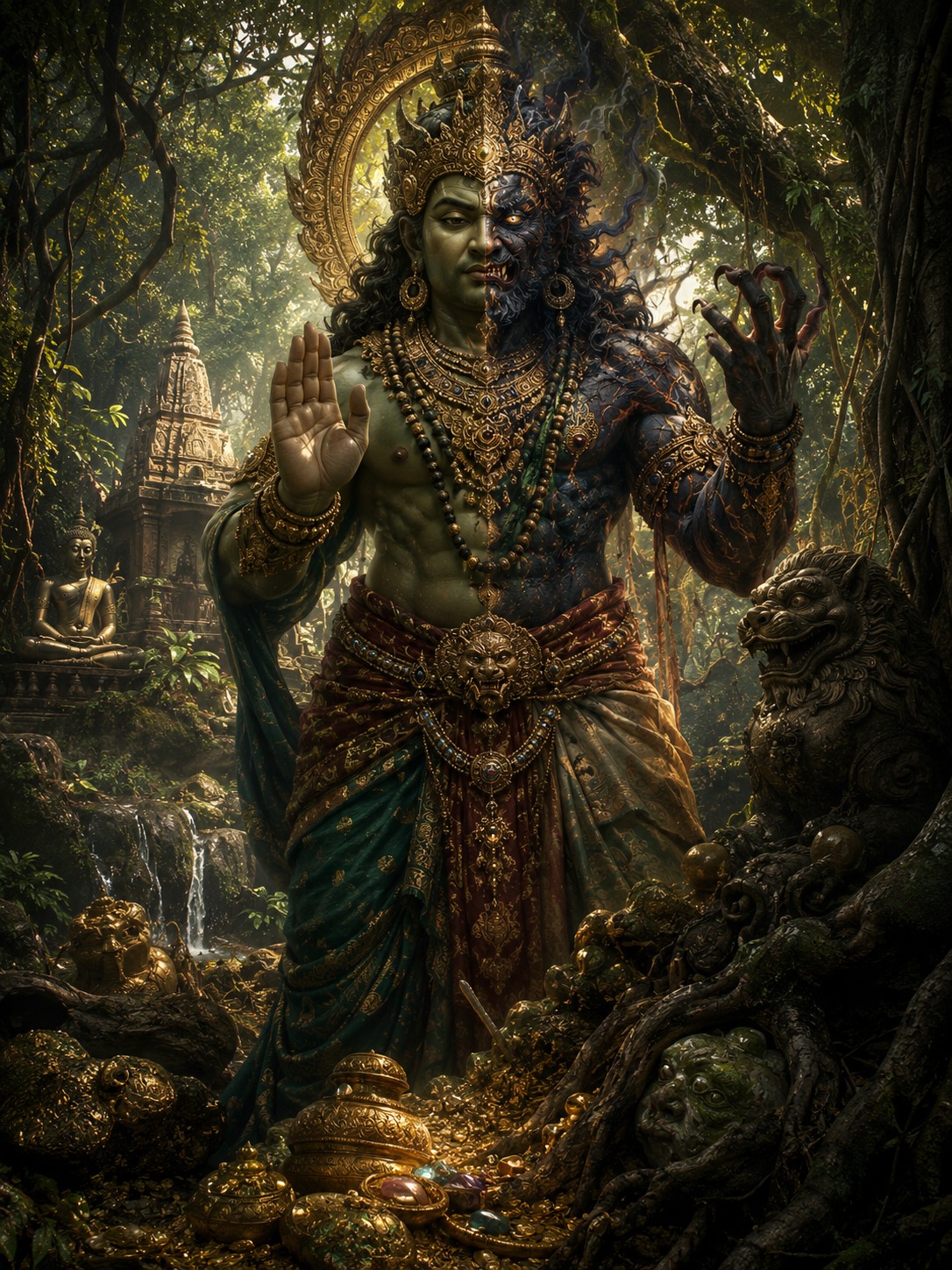
The Yaksha (Sanskrit Yakṣa; Pali Yakkha) is the canonical iconographic figure of an ambivalent spirit, originating in ancient Indian nature-and-treasure spirit belief, absorbed into both Hinduism and Buddhism, and transmitted to East Asia. The Yaksha is the guardian of forests, trees, ponds, and underground treasure, an attendant of the wealth-god Kubera (Sanskrit Kubera), both a benevolent guardian deity granting abundance and fertility, and a fierce demon that devours humans. The decisive textual canon is the Yakṣa Praśna (the Yaksha's Questions) of the Vana Parva (Book of the Forest) of the Mahabharata, compiled between the fifth and third centuries BC — in which the eldest of the Pandava brothers, Yudhishthira, answers the questions of a Yaksha (revealed to be the god of justice, Dharma, in disguise) and revives his slain brothers — establishing the decisive canon of Yaksha iconography. The Yaksha and Yakṣī reliefs of the Bharhut stupa in Madhya Pradesh, India, of the second to first century BC — the oldest extant Yaksha visual canon — are the iconographic canon. After the transmission of Buddhism, the Yaksha was canonised as one class of the Eight Legions (Aṣṭasena) attendant on Vaiśravaṇa (the Buddhist identification of Kubera), and the character Xiao of miHoYo's video game Genshin Impact, released in September 2020 — as the sole surviving Yaksha of the Seven Yakshas of Liyue — settled the twenty-first-century global gaming canon.
cheonyeo-gwisin

Cheonyeo-gwisin

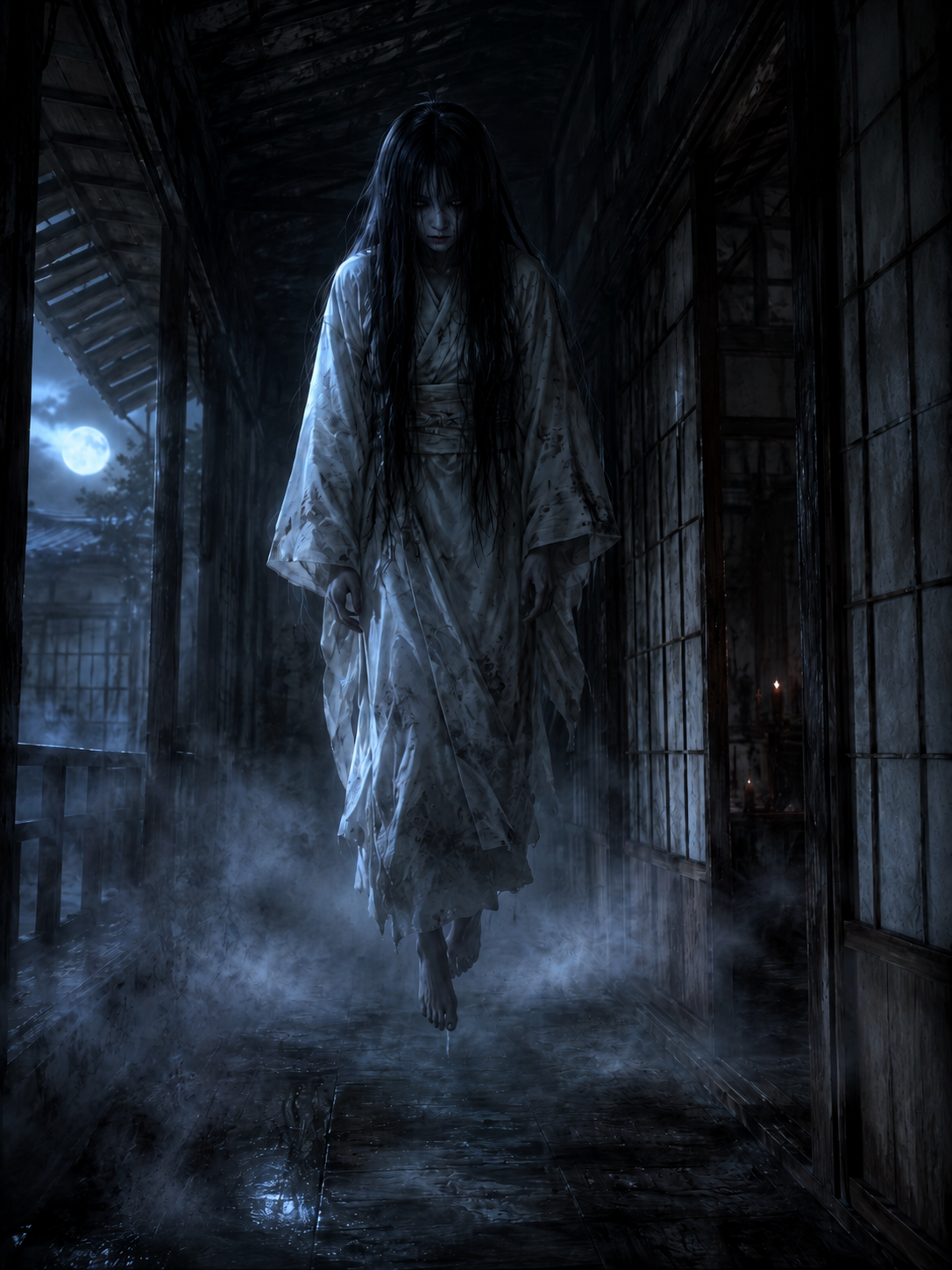
Cheonyeo-gwisin · The Grudge-Bound Maiden Ghost — A Korean Spirit Wandering With Unresolved Han

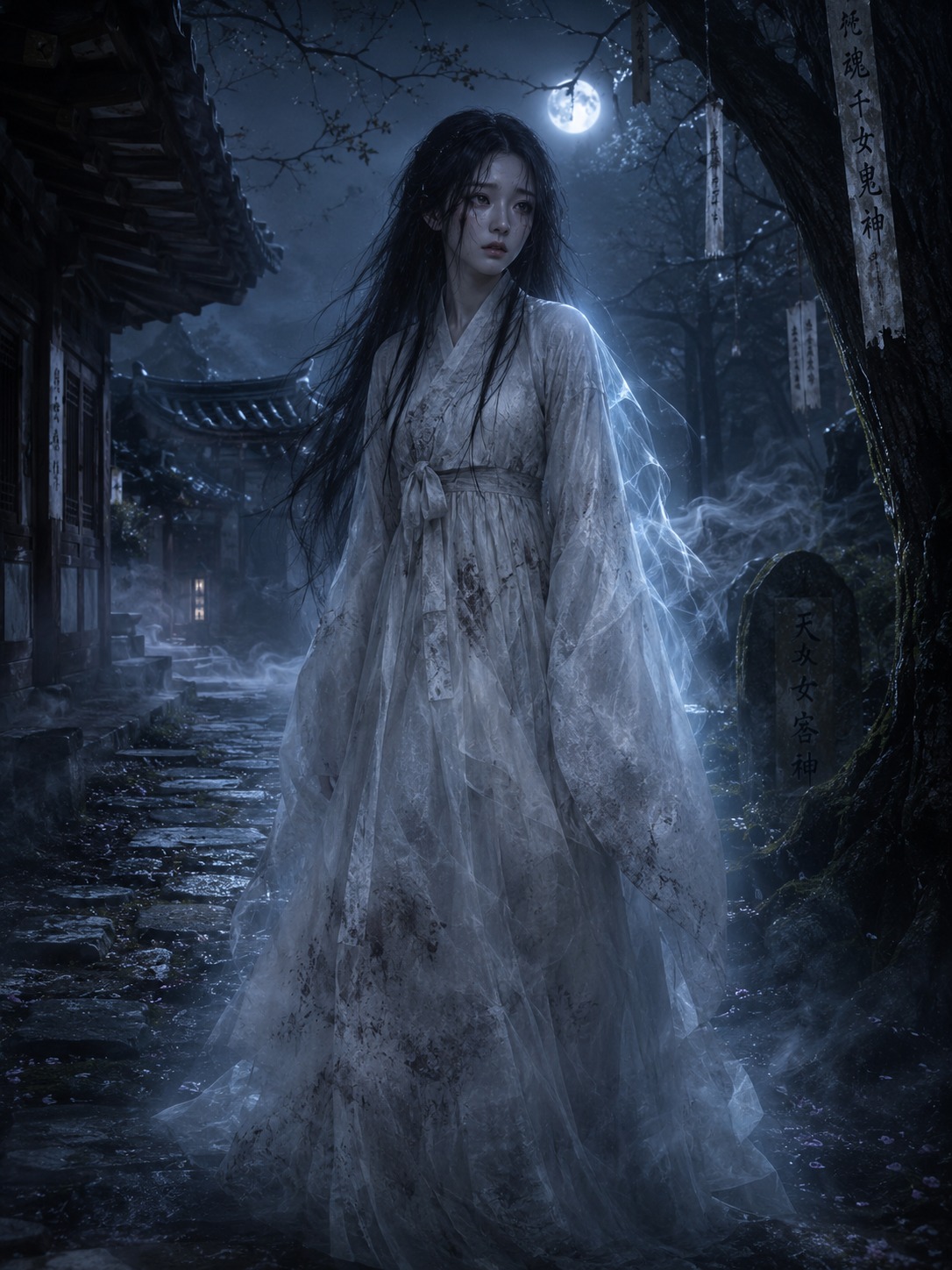
The Cheonyeo-gwisin (Korean Cheonyeo-gwisin, 'maiden ghost') is the avenging spirit of a woman who has died unmarried, harbouring han (resentful sorrow), the canonical iconographic figure of Korean horror identified by a white mourning robe (sobok), long, untied black hair, and a pale bloodless face. Also called sonkaksi (the wife who has been lost), the term is composed of the Sino-Korean characters for cheonyeo (maiden) and gwisin (ghost). The iconographic origin lies in the combination of the Confucian conjugal worldview and Korean shamanism (musok) of the Joseon period (1392-1910): the belief that the wandering soul of an unmarried woman roams the nine springs (gucheon), and the doctrine of haewon (the resolution of grievance) by which the wandering spirit attains nirvana only when its han is resolved. The decisive literary canon is the late-Joseon classical Chinese novel The Story of Janghwa and Hongnyeon (Janghwa Hongnyeon-jeon) of the seventeenth and eighteenth centuries — in which the sisters Janghwa and Hongnyeon of Cheolsan in Pyeongan Province are falsely accused by their stepmother, die unjustly, become Cheonyeo-gwisin, and appeal to the new magistrate Jeong Dong-u, who resolves their grievance — establishing the decisive canon of Cheonyeo-gwisin iconography. The 1977 KBS television anthology series Legends of the Hometown (Jeonseol-ui Gohyang) established the canonical Korean horror television, and Park Ki-hyung's 1998 film Whispering Corridors (Yeogo Goedam) and Kim Jee-woon's 2003 film A Tale of Two Sisters (Janghwa, Hongnyeon, starring Im Soo-jung and Moon Geun-young) settled the twenty-first-century global canon of Korean horror Cheonyeo-gwisin iconography.

yuki-onna

Yuki-onna

Yuki-onna · The Snow Woman — A Cold, Sorrowful Beauty Appearing in the Blizzard

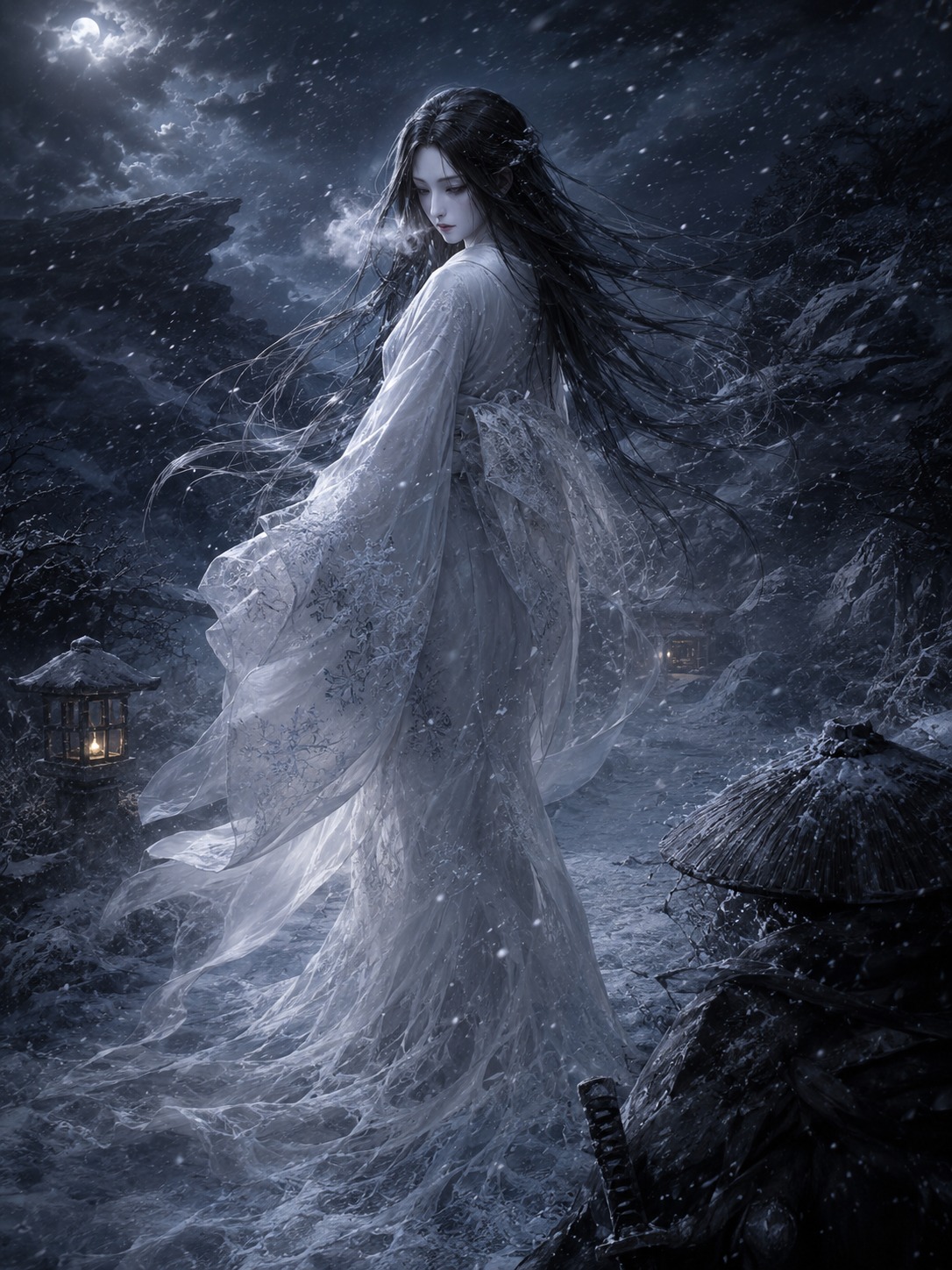
The Yuki-onna (Japanese Yuki-onna, 'snow woman') is the pale female yokai who appears suddenly in the night blizzard, the canonical iconographic figure of the Japanese winter snow-mountain yokai who in white kimono, jet-black hair, and a bloodless face approaches the lost traveller and freezes him to death with her cold breath. The iconographic origin is the fusion of the lethal-cold (toshi) folklore of Japan's heavy-snowfall regions in Tohoku, Chubu, and Hokkaido with mountain-deity (yama-no-kami) belief. The earliest textual record is the Sogi Shokoku Monogatari, a travel account by the renga poet Sogi (1421-1502) of the late Muromachi period (estimated late fifteenth century), describing a tall white-clad woman encountered in the snow mountains of Echigo Province (now Niigata Prefecture). In the Edo period, the Yuki-onna was systematised as a canonical yokai in the yokai catalogue Gazu Hyakki Yagyo (1776) of Toriyama Sekien (1712-1788). The decisive canon is the short story Yuki-Onna in Kwaidan: Stories and Studies of Strange Things, the English-language short-story collection published in April 1904 by Lafcadio Hearn (1850-1904, Japanese name Koizumi Yakumo): the woodcutters Mosaku (the elder) and Minokichi of Musashi Province are trapped in a blizzard and rest in a hut, where the Yuki-onna kills Mosaku but spares the young Minokichi on his promise never to disclose the secret; years later Minokichi marries a woman named Oyuki, who turns out to be the same Yuki-onna, and she vanishes when he breaks the secret. This established the decisive canon of modern Yuki-onna iconography. Masaki Kobayashi's 1965 film Kwaidan, with its Yuki-onna episode, won the Special Jury Prize at the Cannes Film Festival and completed the global canon.