전사
79 items tagged with "전사"

Spatha
Spatha · Roman Longsword — Long sword used by Roman cavalry and infantry
The spatha is a straight, long sword used primarily by cavalry and later by infantry in the Roman Empire. It is significantly longer than the gladius and effective for both cutting and thrusting. From the 2nd century CE, it gradually became the standard weapon for late Roman soldiers.

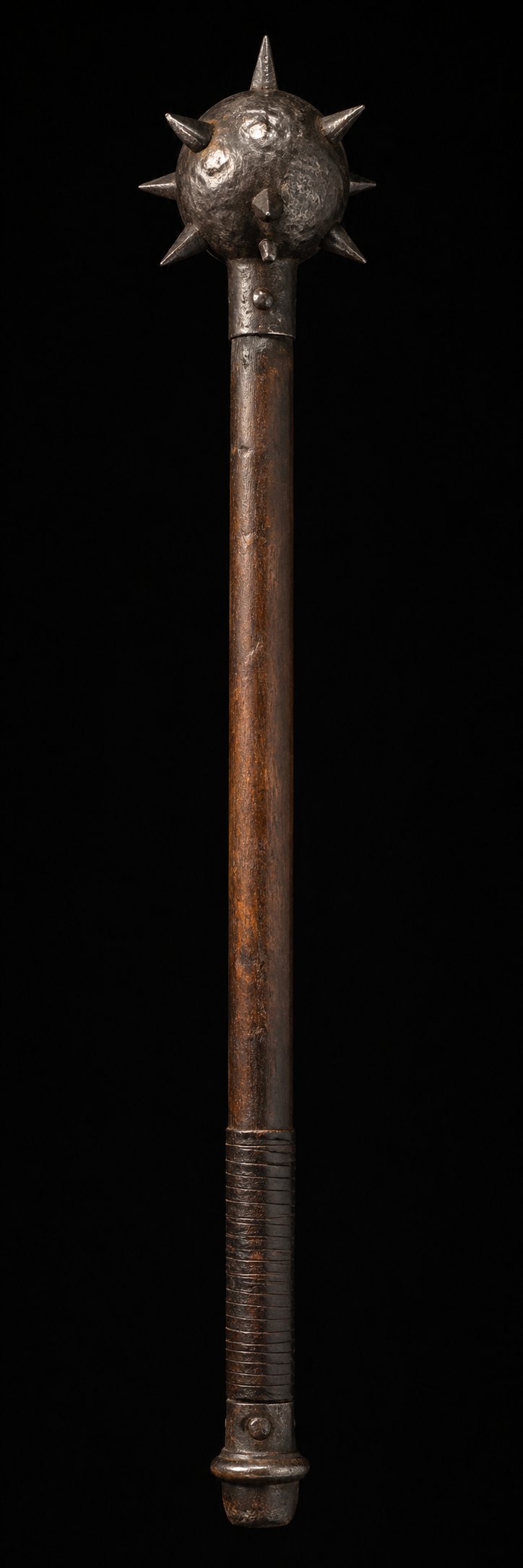
Morning Star
Spiked Mace · Flail — A blunt weapon with a spiked ball head
The morning star is a club-like weapon featuring a ball with protruding spikes. Popular in medieval Europe, it was designed to deliver powerful blows capable of damaging armored opponents. It existed in both one-handed and two-handed variants.

Shortsword
Shortsword · Dagger Type — Compact and versatile one-handed sword
The shortsword is a short, single-handed sword prized for its ease of handling. Its light weight and agility make it ideal for close combat and quick maneuvers. It is commonly used for both offense and defense.

Halberd
Halberd · Polearm — Medieval weapon combining axe and spear
The halberd is a polearm featuring an axe blade, a spear tip, and a rear hook. It was primarily used by infantry in medieval Europe to counter armored opponents and cavalry. Its versatile design allowed for both offensive and defensive maneuvers.

Sturet
Sturet · Dagger — Korean Military Sidearm
The Sturet is a short-bladed dagger used by Korean soldiers during the Joseon era. It served mainly as a secondary weapon, valued for its portability and effectiveness in close combat. Its robust steel construction granted excellent durability.

Cheotkal
Cheotkal · Peasant Weapon — Pickaxe-shaped Traditional Weapon
The Cheotkal is a traditional Korean weapon shaped like a pickaxe. Originally used as an agricultural tool, it was often repurposed by peasants as a weapon during uprisings. Its deeply curved blade is suitable for close-range combat.

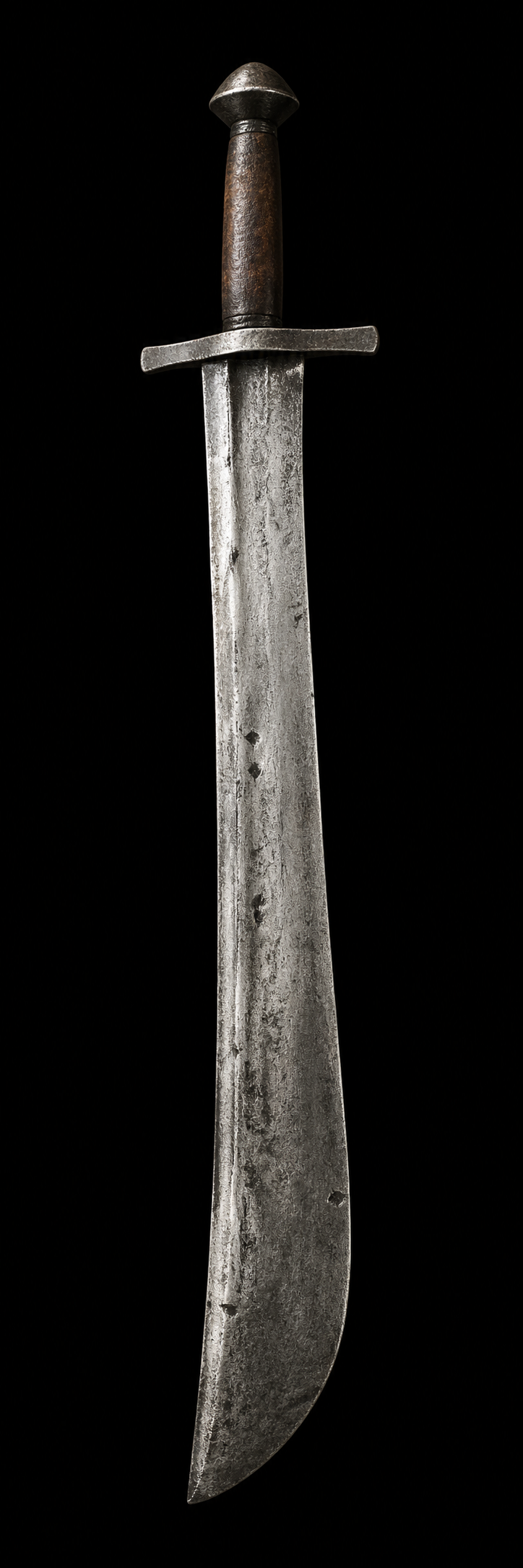
Saber
Curved Single-Edged Sword · Cavalry Blade — A classic cutting weapon
The saber is a curved, single-edged sword primarily designed for one-handed use. Renowned for its cutting power, it was widely utilized in cavalry and infantry throughout both Eastern and Western cultures. Most famously, it became a symbol of European cavalry in the 18th and 19th centuries.

Zircon
Zircon · Bronze Age Stone Sword — Distinctive Blue-Hued Primitive Weapon
Zircon refers to a type of stone sword used during Korea's Bronze Age. Crafted from bluish zircon mineral, these weapons display a subtle sheen under light. They were commonly employed in ritual contexts or as status symbols.

Saber
Curved Cavalry Sword · Sabre — Single-edged, curved sword
The saber is a single-edged, curved sword designed primarily for use with one hand. It became prominent as a cavalry weapon, optimized for slashing attacks. Different variants appeared across Europe and Asia.
War Axe
War Axe · Battle Axe — Powerful striking weapon used in warfare
The war axe is a type of axe designed specifically for combat, differing from regular woodcutting axes by its optimized balance and blade shape for fighting. It often features a single or double blade and a forward-weighted head for devastating blows. War axes were widely used from antiquity through the medieval period across many cultures.

Julli
Julli · Traditional Rope Weapon — One-string bludgeoning and throwing weapon
The Julli is an ancient Korean weapon made from a single rope or cord, often used by swinging or throwing to strike opponents. Sometimes equipped with a weighted end, it was particularly effective for close-range defense and subduing foes.

Turkmen Bow
Turkmen Composite Bow · Steppe Nomad Tradition — Optimized for Horseback Archery
The Turkmen bow is a composite bow traditionally used by Turkmen nomads of the Central Asian steppes. With its short, highly recurved limbs, it is designed for effective use on horseback. Constructed from horn, wood, and sinew, the bow offers high elasticity and powerful penetration.

Baston
Arnis Stick · Escrima Stick — Traditional Filipino Martial Arts Weapon
The baston is a traditional wooden stick used in Filipino martial arts such as Arnis and Eskrima. It comes in various lengths, typically suited for one-handed use and rapid movements. The baston is a staple for both training and live combat.

Jing
Jing · Large Metal Gong — Signal and Ceremonial Weapon
The Jing is a large percussion instrument made from thick metal. Traditionally struck with a mallet, it produces a deep, resonant sound used for military signals and ceremonial purposes. It played a crucial role in relaying commands and boosting morale on the battlefield.


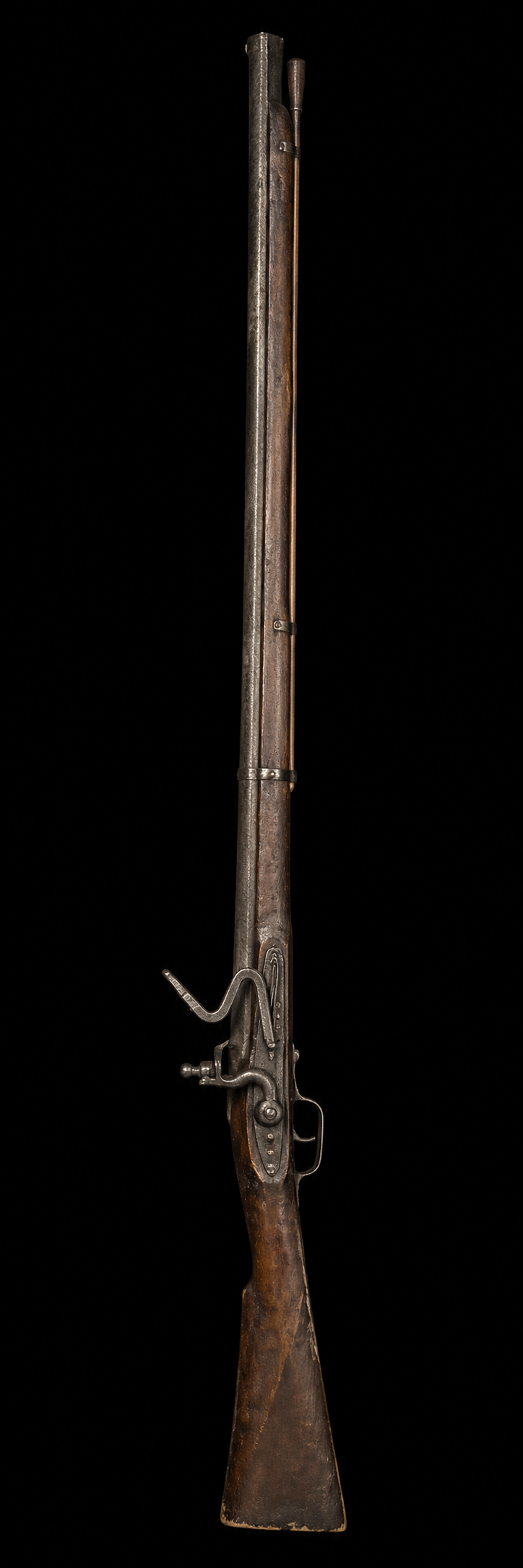
Musket
Matchlock Firearm · Early Long Gun — Muzzle-Loaded Infantry Weapon
The musket is a muzzle-loaded firearm widely used from the late 16th to early 19th century by military forces. It fired lead projectiles using gunpowder and profoundly changed battlefield tactics. Its effective range and penetration surpassed that of most melee weapons of its era.

Wari Club
Wari Club · Ancient Andean Club — Weapon of the South American Wari Civilization
The Wari club is a type of mace used by the ancient Wari civilization of Peru. Made of sturdy wood or stone, it served as a close-combat weapon wielded by warriors. It played a prominent role in hand-to-hand battles.

Two-Handed Sword
Greatsword · Zweihänder — A massive sword wielded with both hands
The two-handed sword is a large, heavy blade that requires both hands to wield effectively. It is notable for its reach and powerful strikes, making it formidable in battle. Its size grants great force but demands significant strength.

Scagimsha
Central Asian Curved Dagger · Nomad Warriors’ Weapon — A sleek, curved dagger favored by steppe warriors
The Scagimsha is a traditional curved dagger originating from Central Asia. It was primarily used by nomadic warriors for close combat, distinguished by its light weight and sweeping curve. The blade is effective for both slashing and thrusting.

Pike
Long Spear · Infantry Weapon — Classic polearm
The pike is a long pole weapon with a sharp metal tip, used predominantly by infantry in formation combat. It was widely adopted in medieval and early modern Europe, serving to counter cavalry charges and assert battlefield control. Its exceptional length allowed soldiers to hold off enemies from a distance.

Bastard Sword
Versatile Hand-and-a-Half Sword · Flexible Medieval Weapon
The bastard sword is a long sword from medieval Europe, designed for use with either one or two hands. Its extended grip and balanced blade allowed adaptability to changing combat situations. It earned a reputation for versatility among knights and soldiers.

Glaive
Glaive · Polearm — European pole weapon combining a spear and sword
The glaive is a European polearm featuring a single-edged blade attached to a long shaft. It is effective for both slashing and thrusting attacks. Glaives were commonly wielded by infantry during the Middle Ages and Renaissance.


Hammer
Hammer · Warhammer — Weapon of blunt force and utility
The hammer is a weapon made of metal or wood, featuring a heavy, flat striking head. It is primarily used to crush or break enemy armor and shields. Hammers were commonly used by warriors across medieval Europe and East Asia.

Natgeom (Sickle Sword)
Sickle Sword · Gokdo — Korean curved-blade traditional weapon
The natgeom is a weapon based on the sickle, featuring a curved blade that was primarily used during the Joseon period. Its inwardly curved edge makes it suitable for both slashing and stabbing. It occupies a unique space between agricultural tool and weapon.


Flanged Morning Star
Flanged Morning Star · Spiked Mace — Mace combining sharp flanges and spikes
The flanged morning star is a type of medieval mace distinguished by metal flanges and protruding spikes. Its heavy head, often attached to a steel shaft, was designed to maximize destructive power against armored opponents. This weapon evolved to breach armor and inflict serious blunt and penetrating damage.

Shamshir
Curved Persian Sword · Sabre — Iconic single-edged cavalry weapon
The Shamshir is a deeply curved, single-edged sword originating from medieval Persia. Favored by cavalry, its design maximizes cutting power and agility. This blade influenced swordsmithing across the Islamic world and beyond.


Tuchang (Thrown Spear)
Thrown Spear · Versatile missile weapon — Effective for ranged and close combat
The tuchang is a type of spear designed for throwing at distant targets. Used in both warfare and hunting, it features a lightweight shaft and balanced point for easy throwing. Widely employed from ancient to medieval times.

Kalashnikov
Kalashnikov · Assault Rifle — Iconic Soviet infantry firearm of the 20th century
The Kalashnikov is an automatic rifle developed in the Soviet Union in 1947, becoming one of the world’s most widely used infantry weapons. Known for its durability and reliability, it functions effectively in various climates and conditions.

Asar
Asar · Joseon Vanguard Spear — Large Polearm Weapon
The Asar is a large polearm spear used by the Joseon military. Featuring a long wooden shaft and extended iron spearhead, it was primarily wielded by vanguard infantry to counter cavalry and repel enemy charges. The Asar played a pivotal role in late Joseon-era battle tactics.

Dampana
Bamboo Sword · Jukdo — Joseon-era bamboo training sword
The Dampana is a bamboo sword used during the Joseon Dynasty in Korea. Primarily intended for martial arts practice and swordsmanship training, it is not a battlefield weapon but rather a safe training tool. Its light weight and flexibility reduce the risk of serious injury.

Yaris
Yaris · Spear — Signature polearm of ancient and medieval warfare
The yaris is a spear with a long shaft and pointed tip, widely used from antiquity through the medieval period. It was effective for thrusting at enemies from a distance and played a key role in both offensive and defensive tactics. Variations in length and design made it versatile in many combat scenarios.

Spear
Spear · Polearm — A versatile weapon used for both melee and ranged combat
The spear is a long-shafted weapon tipped with a sharpened point or blade, used since ancient times in a variety of battlefields. Both infantry and cavalry employed the spear for thrusting and throwing. Its simplicity and reach made it tactically advantageous.

Pike Bow
Pike Bow · Long Pole Bow — Extra-long war bow
The Pike Bow is an extra-long bow used in medieval Europe. Its extended length grants superior range and penetration compared to standard bows. Both infantry and cavalry employed it for ranged support and breaking defensive lines.

Viking Bow
Longbow · Scandinavian Archery — A signature ranged weapon of the Vikings
The Viking bow was a traditional longbow used by Norse Vikings from the 8th to 11th centuries. Renowned for its practicality, it served both in hunting and warfare, offering considerable range and durability.


Cavalry Kazak
Cavalry Coat · Hussar Overcoat — Medieval European cavalry armor outerwear
The Cavalry Kazak was an armored overcoat worn by European cavalry during the medieval period. Constructed from thick cloth, leather, and sometimes reinforced with metal plates, it balanced protection with mobility. Designed for prolonged riding, it was used both in battle and on the march.
Scale Armor
Scale Armor · Lamellar — Overlapping metal scales for flexible defense
Scale armor is constructed by attaching small, overlapping metal scales to a backing of fabric or leather. The arrangement mimics fish scales, providing a balance of flexibility and protective strength. It was widely used across both Eastern and Western medieval cultures.

Gauntlet
Hand Armor · Protective glove — Armored glove made of metal or leather
Gauntlets are protective gloves designed to safeguard the hands and wrists in combat. Popular among medieval European knights and soldiers, they were crafted from metal plates or hardened leather. Their articulated construction allows for dexterous weapon handling.

Raptaar
Lamellar Armor · Scale Armor — Armor made of interlaced plates
The Raptaar is a traditional armor constructed from small metal or leather plates laced together with cords or leather thongs. It was worn mainly by soldiers during the Goryeo and Joseon dynasties. The armor is known for its flexibility, durability, and comparatively light weight.

Greave
Leg Guard · Shin Armor — Protective gear for the lower leg
A greave is armor designed to protect the shin and calf areas of the leg, typically made from metal or leather. It was commonly worn to prevent leg injuries during combat. Greaves were utilized in many cultures, notably medieval Europe and East Asia.


Helmet
Helmet · Head Armor — Protective gear for the head
A helmet is a piece of armor worn to protect the head during combat. Helmets have evolved in materials and design across different cultures and eras, commonly made from metal, leather, or fabric. Some helmets also served decorative or ceremonial purposes.

Samurai Yoroi
Samurai Armor · Full-body protection — Medieval Japanese warrior suit
Samurai Yoroi is a full-body armor worn by samurai during Japan's medieval period. Made from a combination of metal plates, leather, and cloth, it effectively protects against arrows and sword attacks. The armor features elaborate lacing and ornate decorations.

Bascinet Helmet
Bascinet · Medieval Helmet — Metal Helmet for Facial Protection
The bascinet helmet was a prominent metal helmet used in medieval Europe. It enclosed most of the head and often featured a visor to protect the face. Both knights and infantry wore it, as it offered a strong balance between protection and comfort.

Chainmail
Chainmail · Mail Armor — Medieval armor made of interlinked metal rings
Chainmail is armor constructed from thousands of small metal rings linked together in a mesh. It was primarily used to defend against bladed and cutting weapons. Medieval warriors across Europe and Asia frequently wore chainmail.

Berserker
狂戰士 · Berserker — The frenzied warrior who surpasses limits through rage
A combat class that abandons reason during battle to enter an instinctive rage state (Frenzy), unleashing explosive attack power. Ignoring defense and focusing purely on offense, in the frenzied state they may lose the ability to distinguish friend from foe. Originates from the Norse mythological berserker warriors.

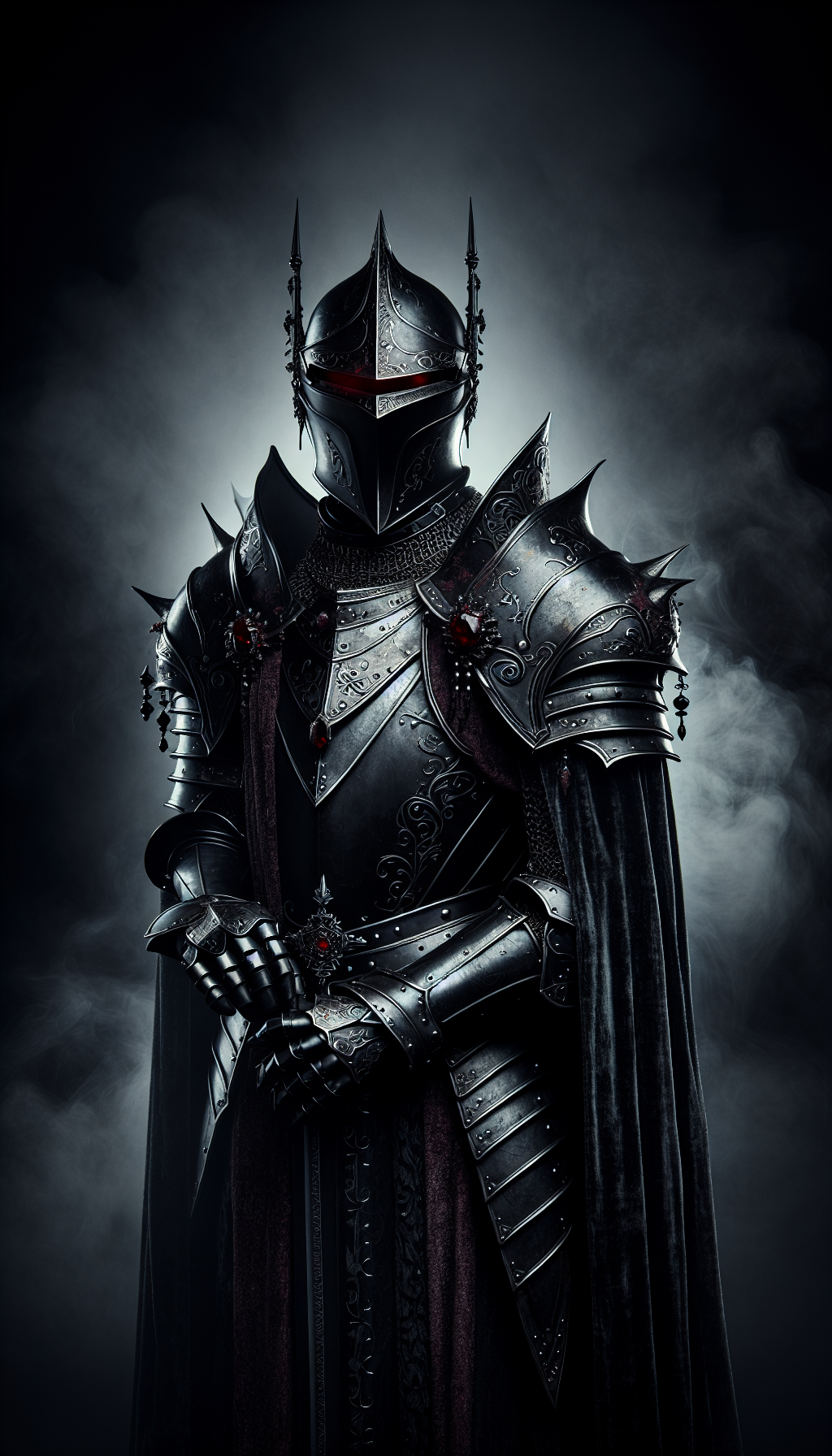
Dark Knight
暗黑騎士 · Dark Knight — A fallen warrior bound to darkness
A class combining the power of darkness with melee combat. The antithesis of the paladin, they consume their own life force to wield powerful dark magic. Known for overwhelming attack power and the ability to inflict fear, but as a price, they carry a curse that endlessly devours their own vitality.

Warrior
戰士 · Warrior — The foundational melee combat class fighting with strength and endurance
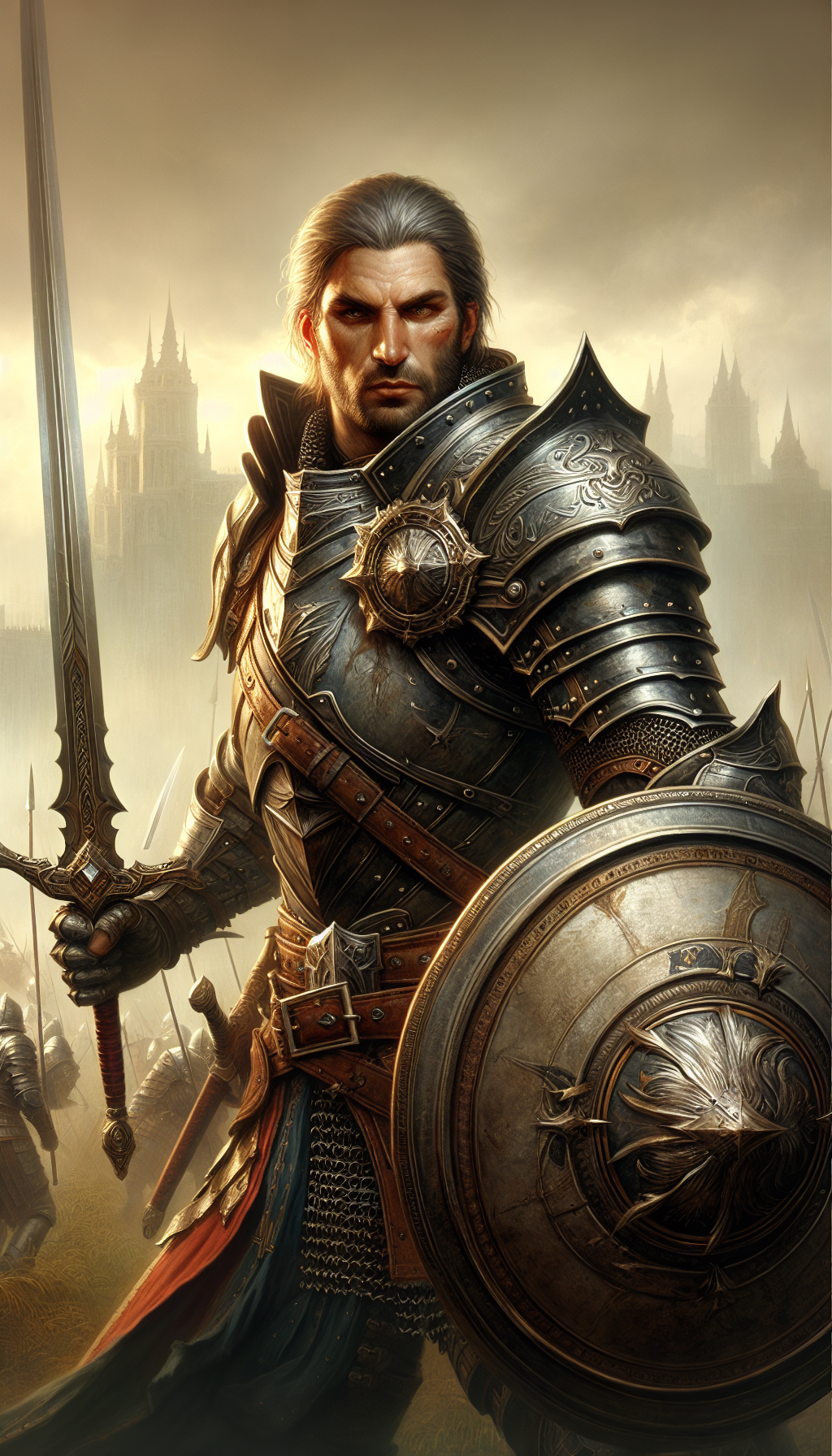
The most fundamental combat class, engaging in close-quarters battle using physical weapons such as swords, axes, and blunt weapons. Known for high HP and defense, the warrior stands at the vanguard of any party. Depending on specialization, they branch into defensive (tank) or offensive (DPS) builds.

Dragon Knight
龍騎士 · Dragon Knight — A celestial warrior who has made a pact with a dragon
An extremely rare combat class that has formed a contract or bond with a dragon and fights alongside it. Even alone the dragon knight is at the peak of combat strength, but paired with a dragon, no army can stand against them. The bond with the dragon grows stronger the purer the knight's heart.

Skeleton Warrior
Skeleton Warrior · Undead Soldier — A warrior risen from death and granted unlife
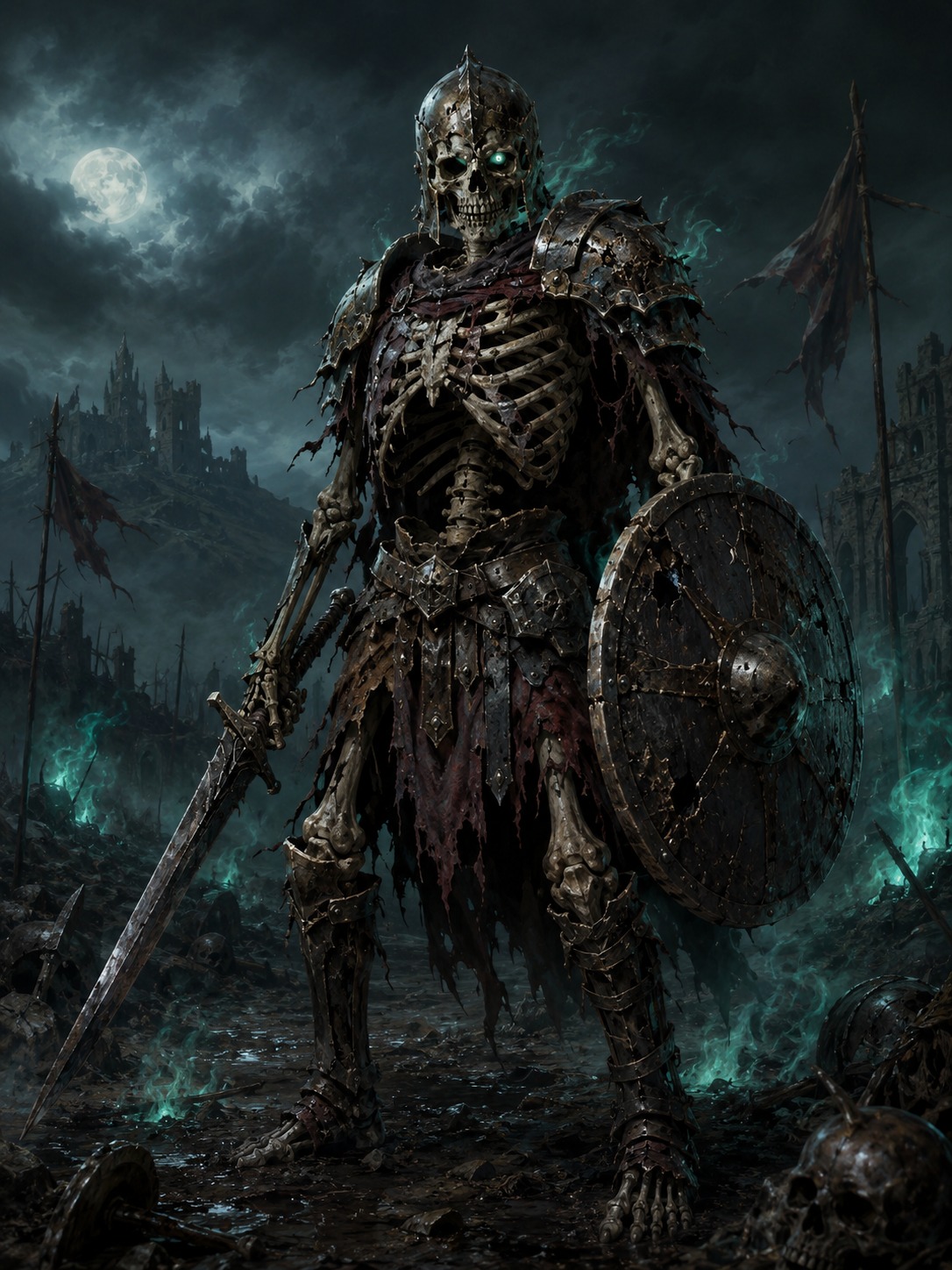
The Skeleton Warrior is an undead fighter composed solely of bones, animated by necromancy or dark magic. Frequently found in medieval and fantasy settings, they serve as minions or guardians. They often appear in groups or as lone sentinels.

Wyvern
Wyvern · Type of Dragon — Legendary two-legged, winged reptilian creature
The wyvern is a mythical beast characterized by two legs and a single pair of wings, resembling a dragon but distinct in form. It often features a long, serpentine tail and powerful talons, sometimes depicted with the ability to breathe fire or poison. The wyvern appears frequently in medieval European heraldry and literature, serving as a symbol of strength and ferocity.


Hydra
Hydra · Lernaean serpent — Multi-headed mythical beast
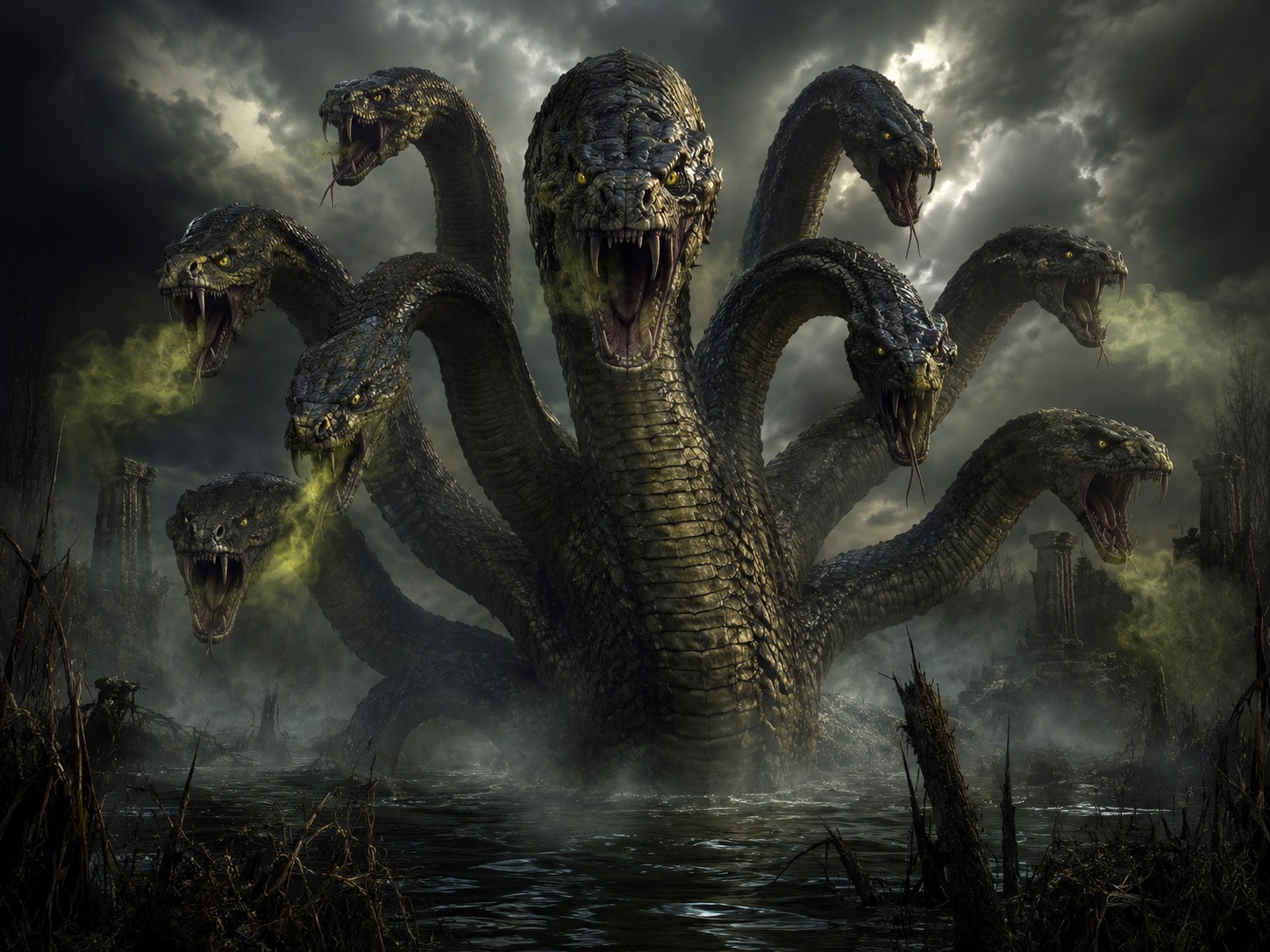
The Hydra is a multi-headed serpent or dragon from ancient Greek mythology. Each time a head is cut off, two more grow in its place. The creature is most famous as the Lernaean Hydra, defeated by Heracles as one of his Twelve Labors.

Viking Wolf
Viking Wolf · Legendary Norse Beast — Fierce predator of Norse sagas
The Viking Wolf is a large wolf species featured in Norse mythology and legends. These creatures are often depicted as companions to Viking warriors or as formidable threats to them. They symbolize strength, courage, and play critical roles in tales of battle and the wilderness.

Pegasus
Pegasus · Winged Horse — A Legendary Creature from Greek Mythology
Pegasus is a majestic white horse with wings, featured in Greek mythology. Regarded as a symbol of beauty and freedom, Pegasus is associated with gods and heroes who rode it on their mythic journeys. Its imagery has become iconic in art and literature.

Cerberus
Cerberus · Infernal Gatekeeper — Legendary triple-headed hound
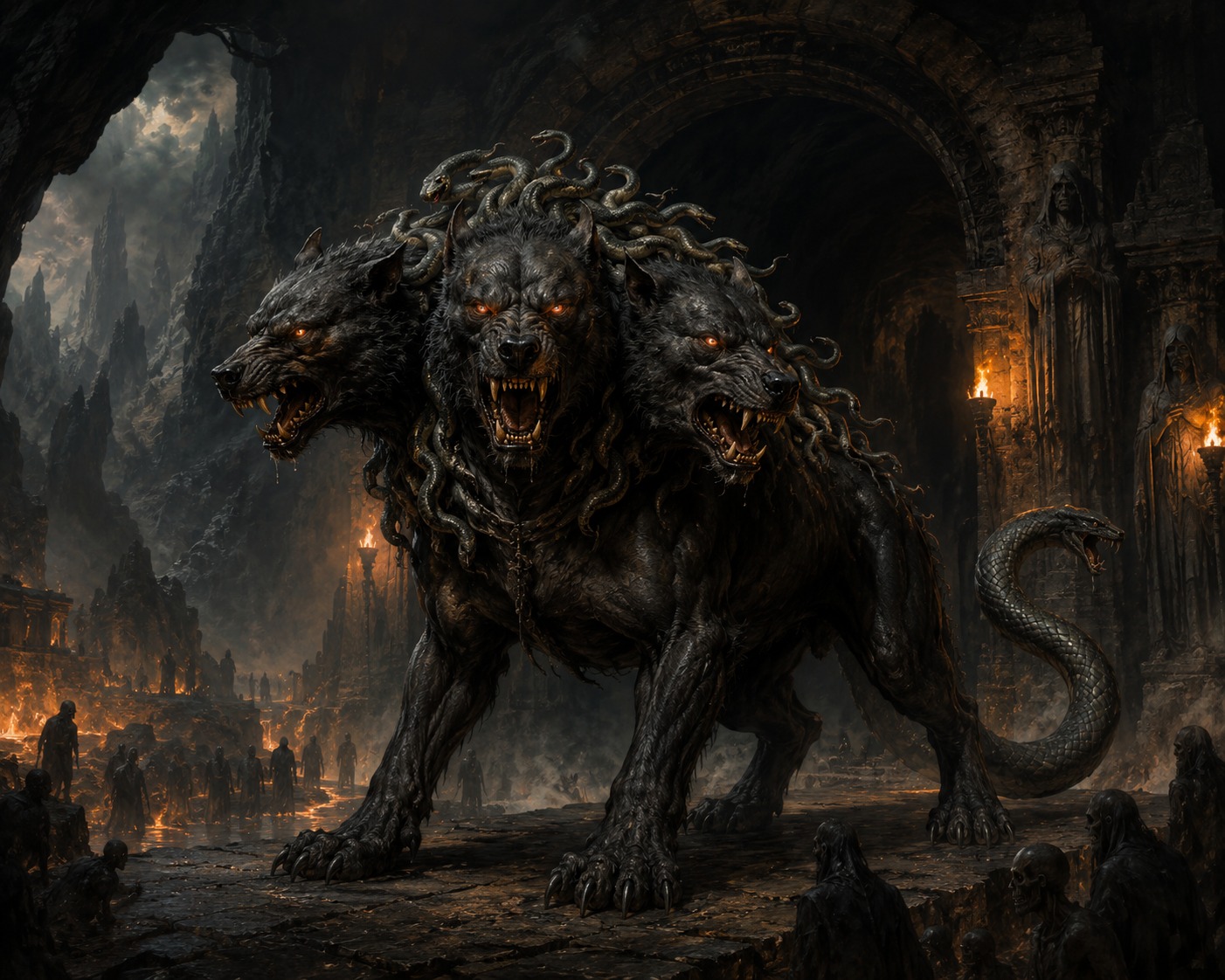
Cerberus is a monstrous dog from ancient Greek mythology, known for its three heads. It guards the gates of the Underworld by order of Hades, preventing the dead from escaping. Cerberus is often depicted as fierce and formidable.

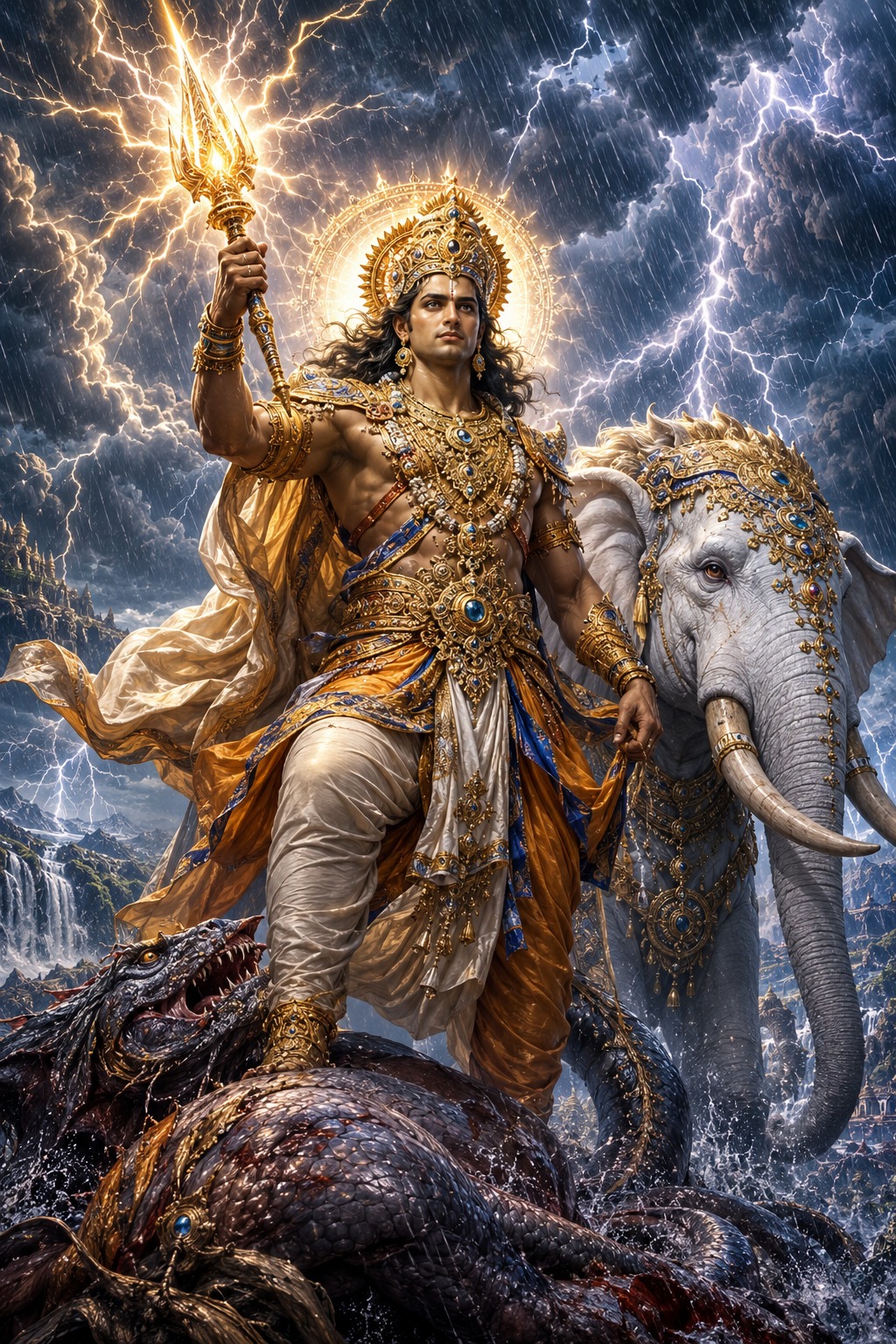
Indra
Indra · God of Thunder — Supreme Deity of Hindu Mythology
Indra is the god of thunder, rain, and war in Hindu mythology. As the king of the gods during the Vedic era, he held a prominent position. His weapon is the vajra, symbolizing lightning.

Taurus
Taurus · Bull Beast — Massive bovine creature
The Taurus is a mythical giant bull that appears in ancient legends and folklore. It is often regarded as a symbol of strength and bravery, frequently depicted wandering wild in mountains and fields.

Cimbrian War Wolf
Cimbrian War Wolf · Legendary warbeast — Mythical battle wolf
The Cimbrian War Wolf is a giant wolf creature from European legend, often associated with battlefields and fearsome warriors. It is depicted as a massive predator, striking terror into the hearts of enemies. Its strength and ferocity made it a symbol of war and destruction.

Nemean Lion
Nemean Lion · Invulnerable Beast — Immortal creature of Greek myth
The Nemean Lion is a legendary beast from Greek mythology, famed for its impenetrable golden hide. It terrorized the region of Nemea until it was defeated as the first labor of the hero Heracles. Its hide was impervious to conventional weapons, making it a symbol of daunting strength.

Giant Spider
Giant Spider · Colossal Arachnid — Large predatory arthropod
The giant spider is an enormous arachnid, far larger than common spiders. Appearing in Eastern folklore and European legends, it dwells in dark forests, caves, or ruins. It hunts by ambush, wielding potent webs and venom as its primary weapons.

Mongol Warhorse
Mongol Warhorse · Cavalry Steed — The compact, resilient mount of the Mongol Empire
The Mongol warhorse is a small yet sturdy breed native to the Mongolian steppes. Renowned for its endurance and adaptability, it enabled Mongol cavalry to travel vast distances across harsh terrain. These horses were pivotal to the rapid expansion and tactical supremacy of the Mongol Empire.

Arabian Horse
Desert Aristocrat · Agile, Enduring Steed
The Arabian horse is an ancient breed originating from the Middle East, renowned for its elegant appearance and muscular, compact build. Valued for its speed, remarkable endurance, and gentle temperament, it was widely used for warfare and long-distance travel.

Warhorse
Warhorse · Military Mount — Horse bred and trained for battle
A warhorse is a horse specially trained and bred for use in warfare. These animals provided mobility, shock power, and support for cavalry and armored warriors on the battlefield. Various breeds served as vital military assets across different eras and cultures.

Viking Horse
Viking Warhorse · Sturdy Steed of the North — Horses used by Norse warriors
The Viking horse was a robust and adaptable breed native to Scandinavia during the Viking Age. These horses served in warfare, transportation, and daily life, valued for their endurance and resilience to harsh climates.

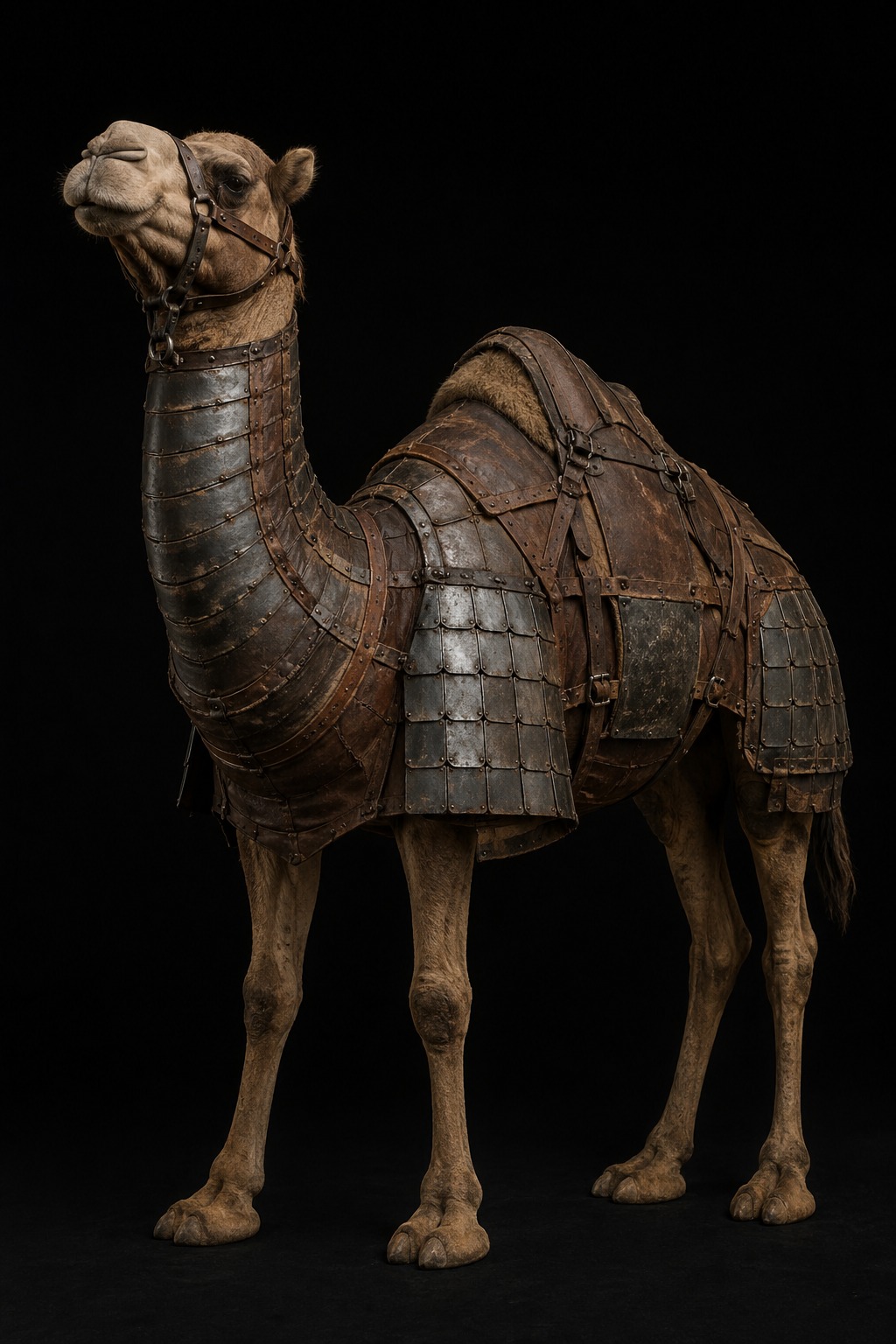
Medieval War Camel
War Camel · Mount — Battlefield beast of burden in the Middle Ages
The medieval war camel was widely used in the Middle East and North Africa as a mount for cavalry and archers. Its endurance over long distances and adaptability to desert terrain provided significant advantages in military campaigns.

Longship
Longship · Viking War Vessel — Fast and agile Norse ship
The longship was a long, wooden vessel used by Norse Vikings, renowned for its speed and maneuverability. Its shallow draft allowed navigation along rivers and coastal waters, making it ideal for both raids and exploration.

Sentry
Sentry · Late Joseon Patrol Boat — Naval ship for coastal defense
The Sentry was a small warship used in the late Joseon period for maritime patrol and coastal defense. Its shallow draft and quick maneuverability made it effective in coastal waters and river mouths. Sentries primarily performed military patrols, surveillance, and intrusion monitoring.

Galley
Oared Warship · Ancient and Medieval — Warship powered by oars and sails
The galley is a long, slender warship propelled by both oars and sails. Widely used by Mediterranean civilizations from antiquity through the Middle Ages, it excelled in naval combat and fast maneuvers. Rowers seated along the sides allowed for rapid acceleration and ramming tactics.

Trireme
Trireme · Triple-Row Oared Warship — Warship of Ancient Mediterranean
The trireme was a prominent warship used by ancient Greeks and Romans. It featured three rows of oars on each side, allowing for exceptional speed and maneuverability. Triremes played a crucial role in ramming enemy ships and performing surprise attacks during naval battles.

Drakkar
Viking Longship · Iconic Nordic Warship — Long, Dragon-Headed Ship
The Drakkar was a longship used by Norse Vikings, famed for its dragon-headed prow. Built with a shallow draft and flexible hull, it could navigate both open seas and shallow rivers. It served in warfare, trade, and exploration across Europe.

Jot
Jot · Joseon Dynasty Warship — Early Joseon military vessel
The Jot was a warship used from the early Joseon period in Korea. It was primarily employed for coastal defense, anti-piracy operations, and military transport. Noted for its speed and agility, the Jot was effective in naval skirmishes.

Chameuse
Chameuse · Goryeo Military Ship — Agile and Defensive War Vessel
The Chameuse was a type of military ship used by the Goryeo navy. Despite its relatively small size, it was known for its speed and remarkable defensive structure inspired by traditional Korean warships. It was especially effective in anti-piracy operations and naval skirmishes.