🎵 String Instruments
Lutes, harps, lyres, enchanted violins
20 items
Category
Element
Culture
Era
Mood
Job
Types
현악기-비올라형
2 items
현악기-하프형
2 items
현악기-현악기(아시아)
1 items
현악기-전통현악기
3 items
현악기-탄푸라형
1 items
현악기-중세현악기
2 items
현악기-한국전통현악기
1 items
현악기-일본전통현악기
1 items
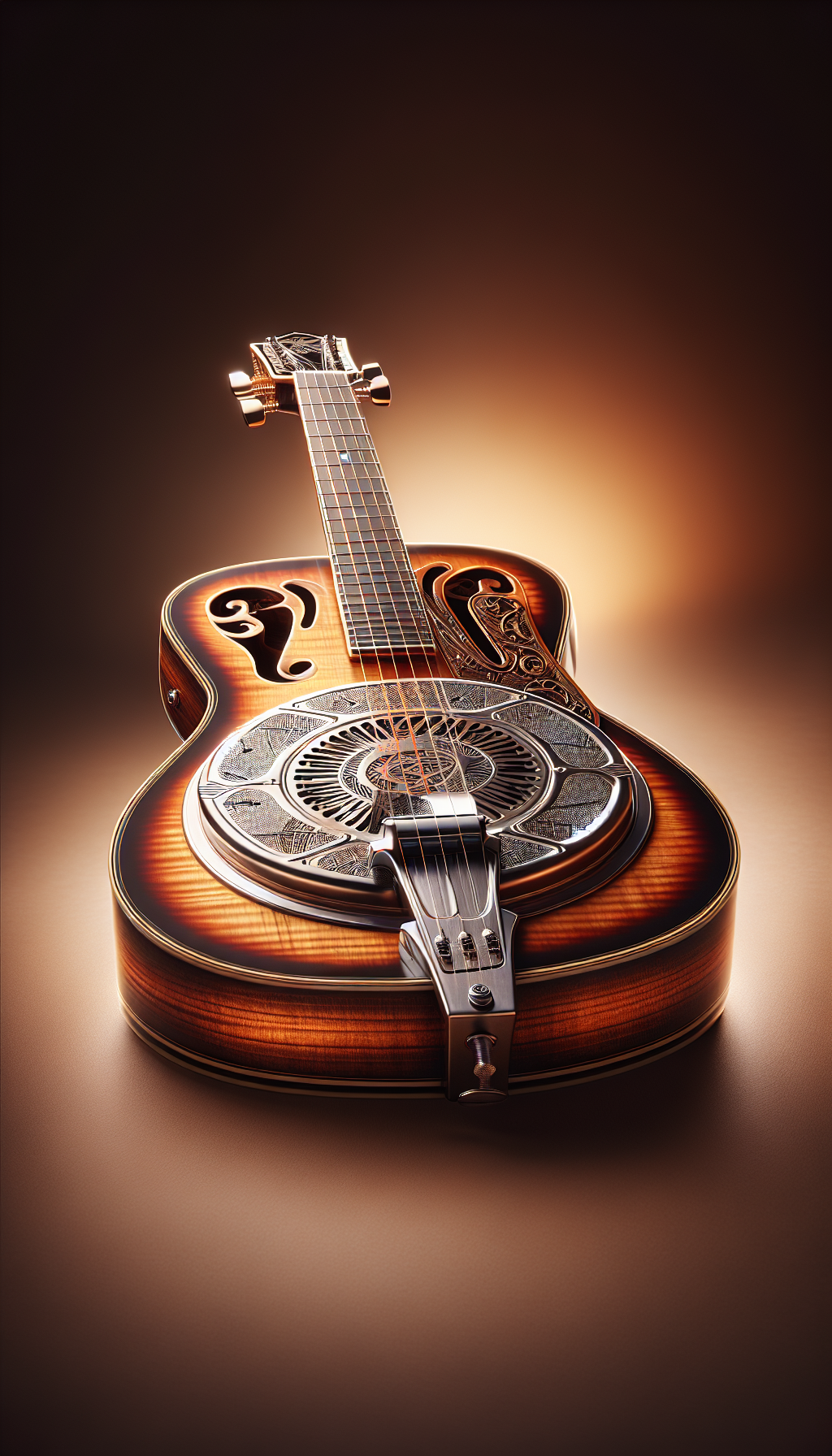
현악기-레조네이터기타형
1 items
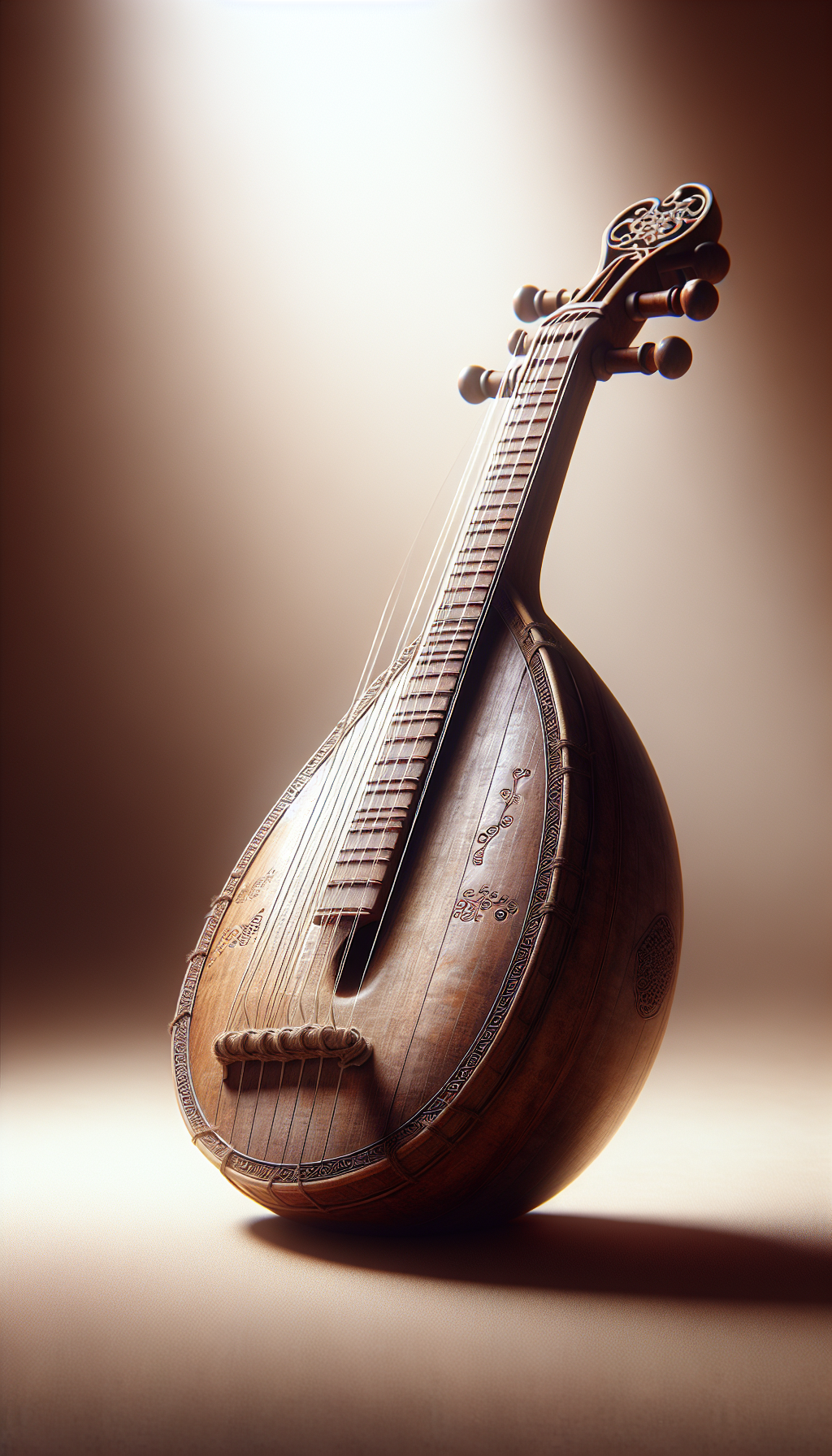
현악기-현악기
2 items
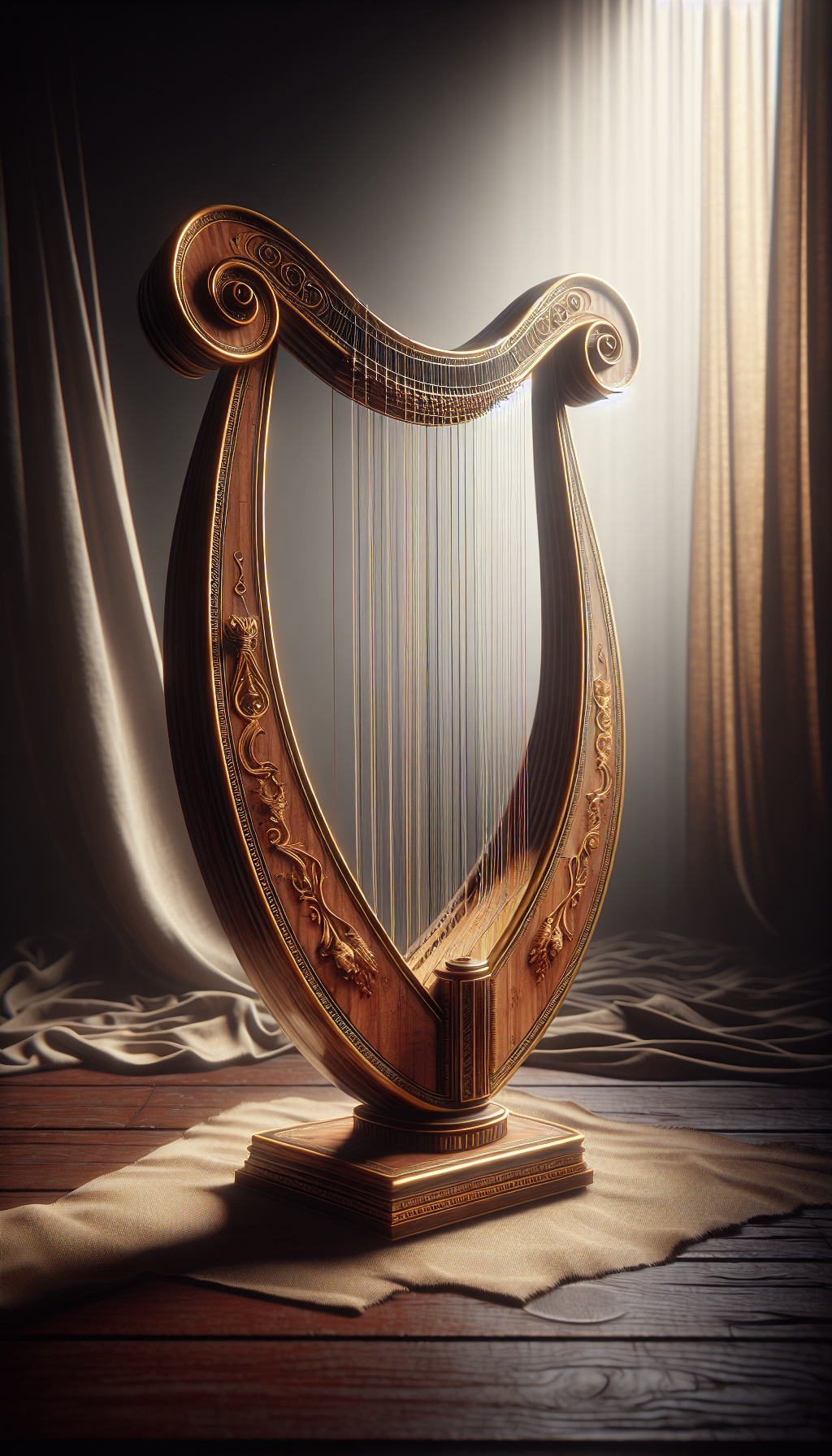
현악기-리라형
1 items
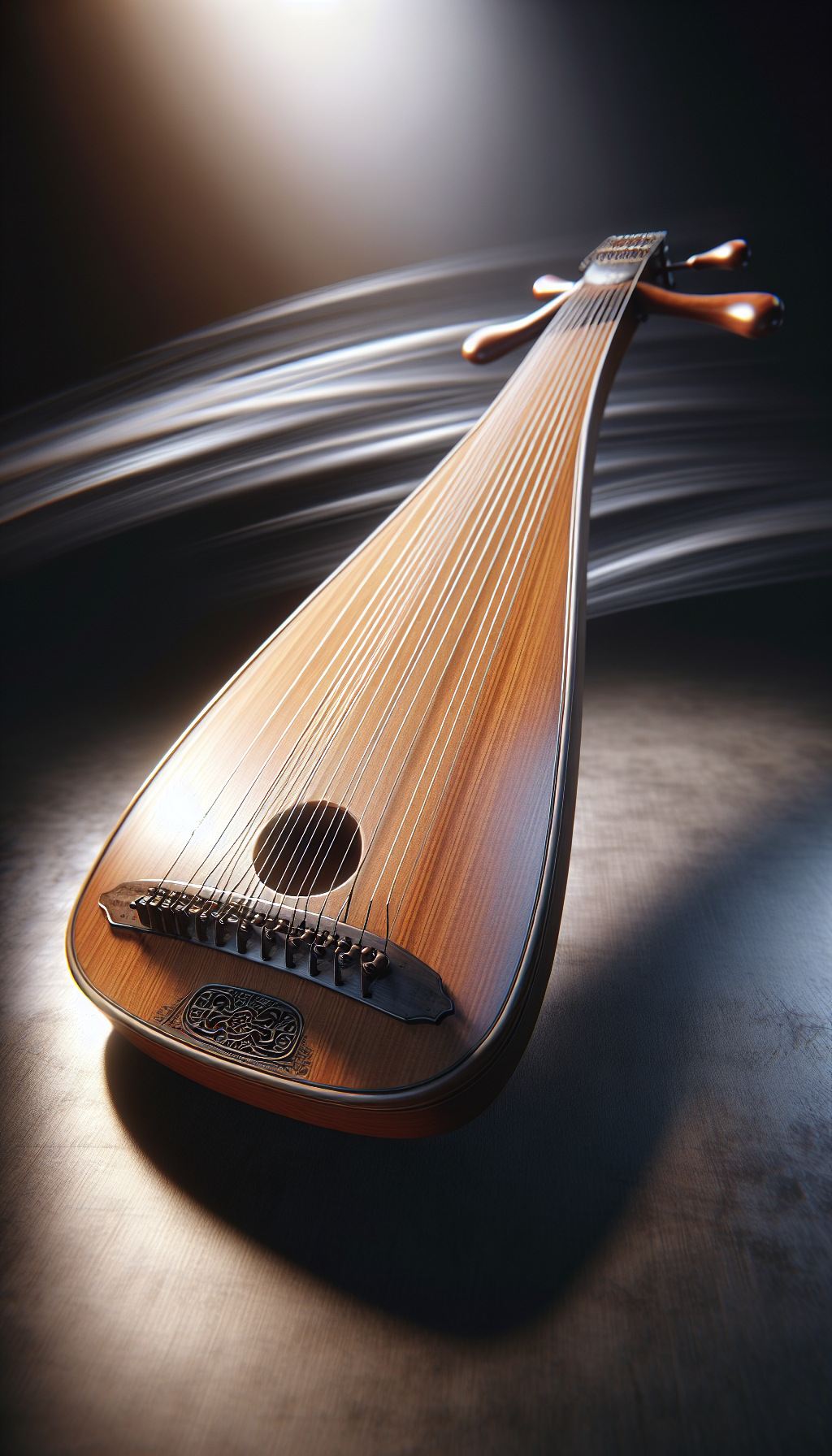
현악기-중앙아시아현악기
1 items
현악기-중동전통현악기
1 items
현악기-중국전통현악기
1 items
All Items
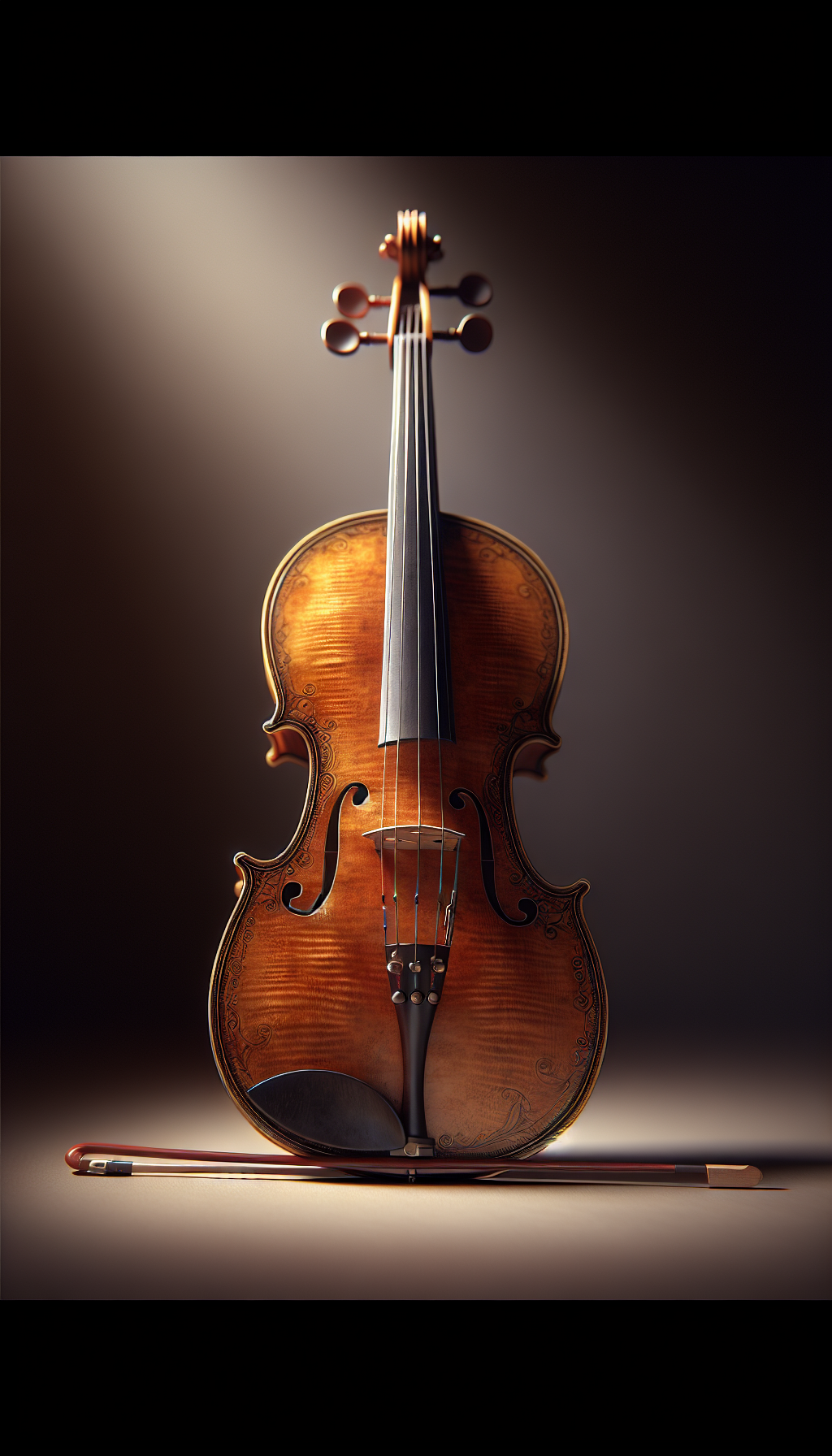
Viola da Gamba
Viola da Gamba · Bowed String Instrument — Prominent in Medieval and Renaissance music
The viola da gamba is a bowed string instrument popular from the Medieval to Baroque periods. Played between the knees like a modern cello, it typically has six or seven strings and frets. Its mellow tone made it a favorite for chamber music and solo performances.
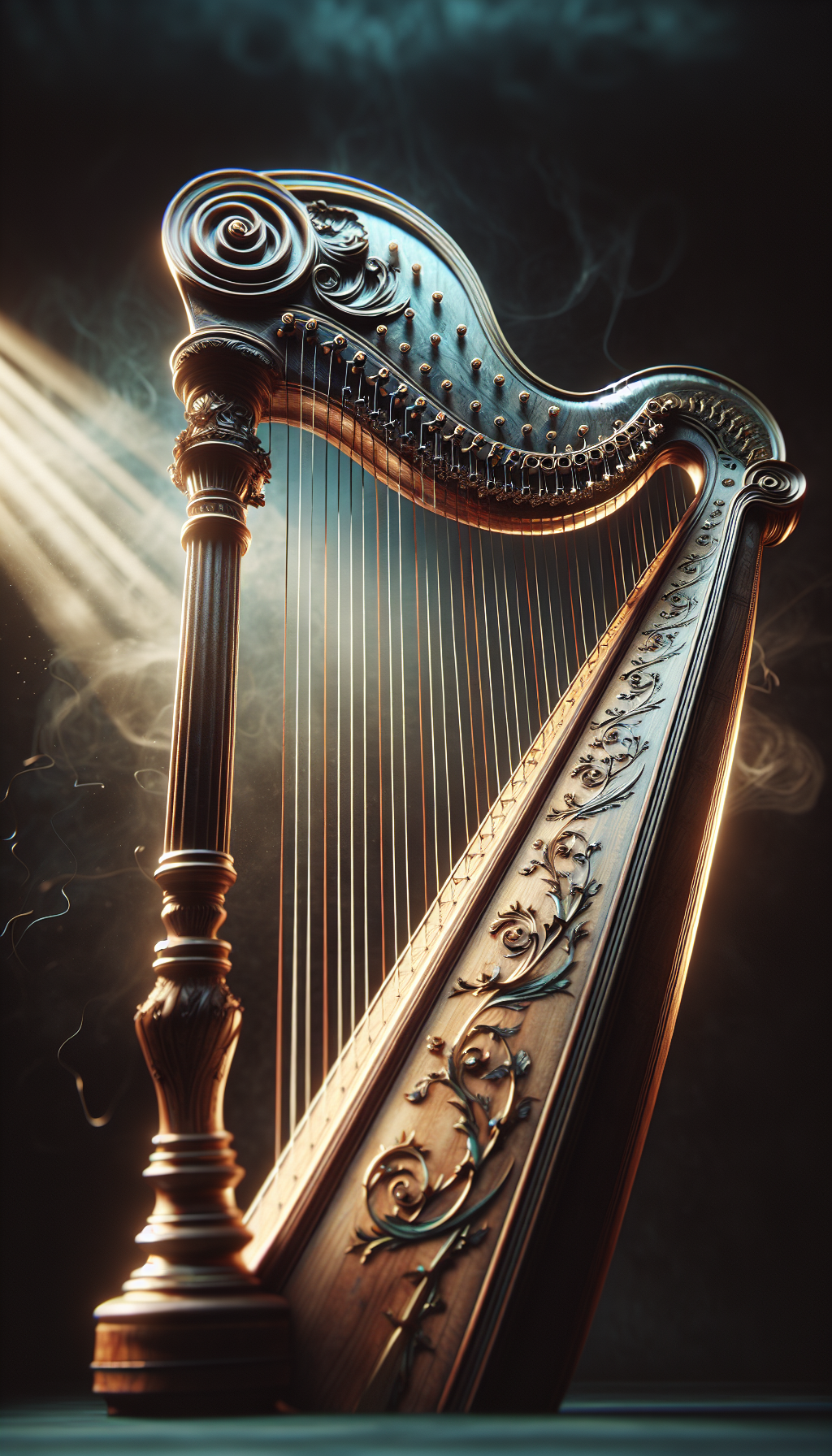
Harp
Harp · Lyre variant — Ancient stringed instrument
The harp is a string instrument with strings stretched across a triangular or curved frame. Played by plucking the strings with fingers, it is known for its clear and resonant tones. Harps have been widely used across Europe, the Middle East, and beyond since antiquity.
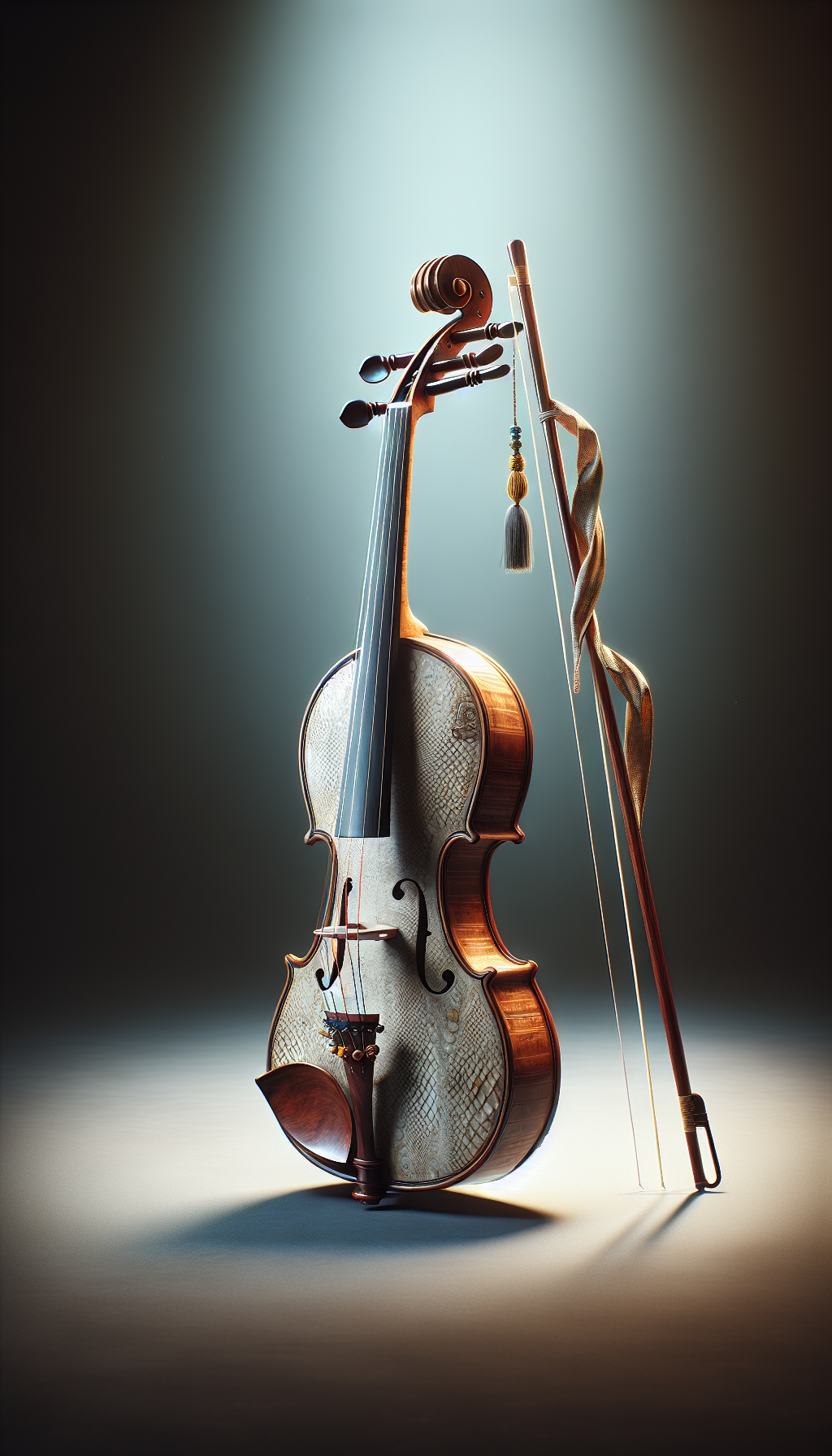
Erhu
Chinese Two-stringed Fiddle · Bowed string instrument — Iconic traditional Chinese instrument
The erhu is a traditional Chinese bowed string instrument with two strings. It is renowned for its expressive, melancholic tone and is a staple in solo, folk, and orchestral Chinese music. Its sound is produced by a bow rubbing against the strings across a snakeskin resonator.
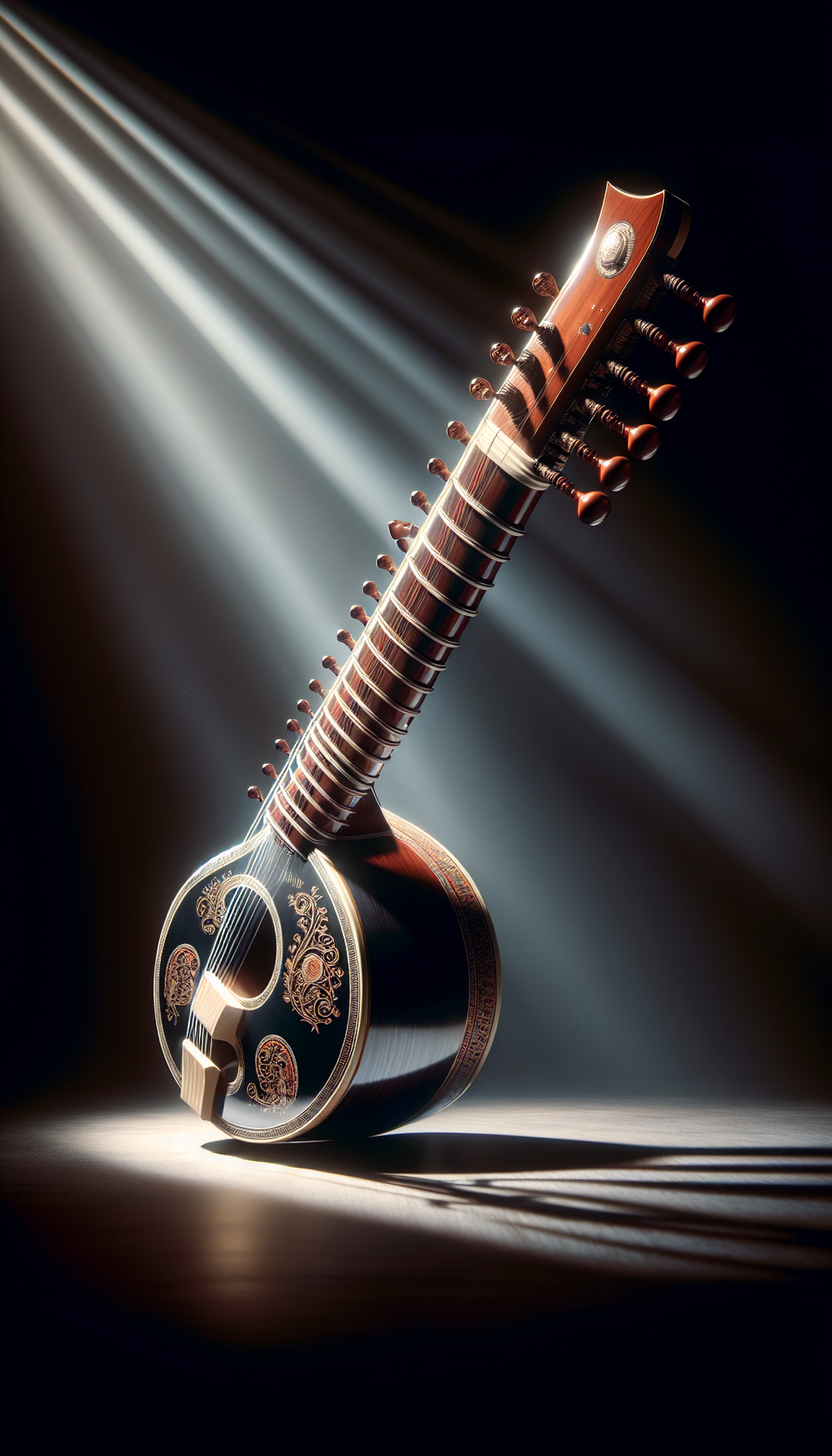
Sitar
Indian Lute · Iconic String Instrument — Deep-toned South Asian lute
The sitar is a prominent string instrument originating from India and South Asia. It features a long neck, a large resonating chamber, and separate sets of playing and sympathetic strings, creating a rich and complex timbre. It is widely used in classical and folk music traditions.
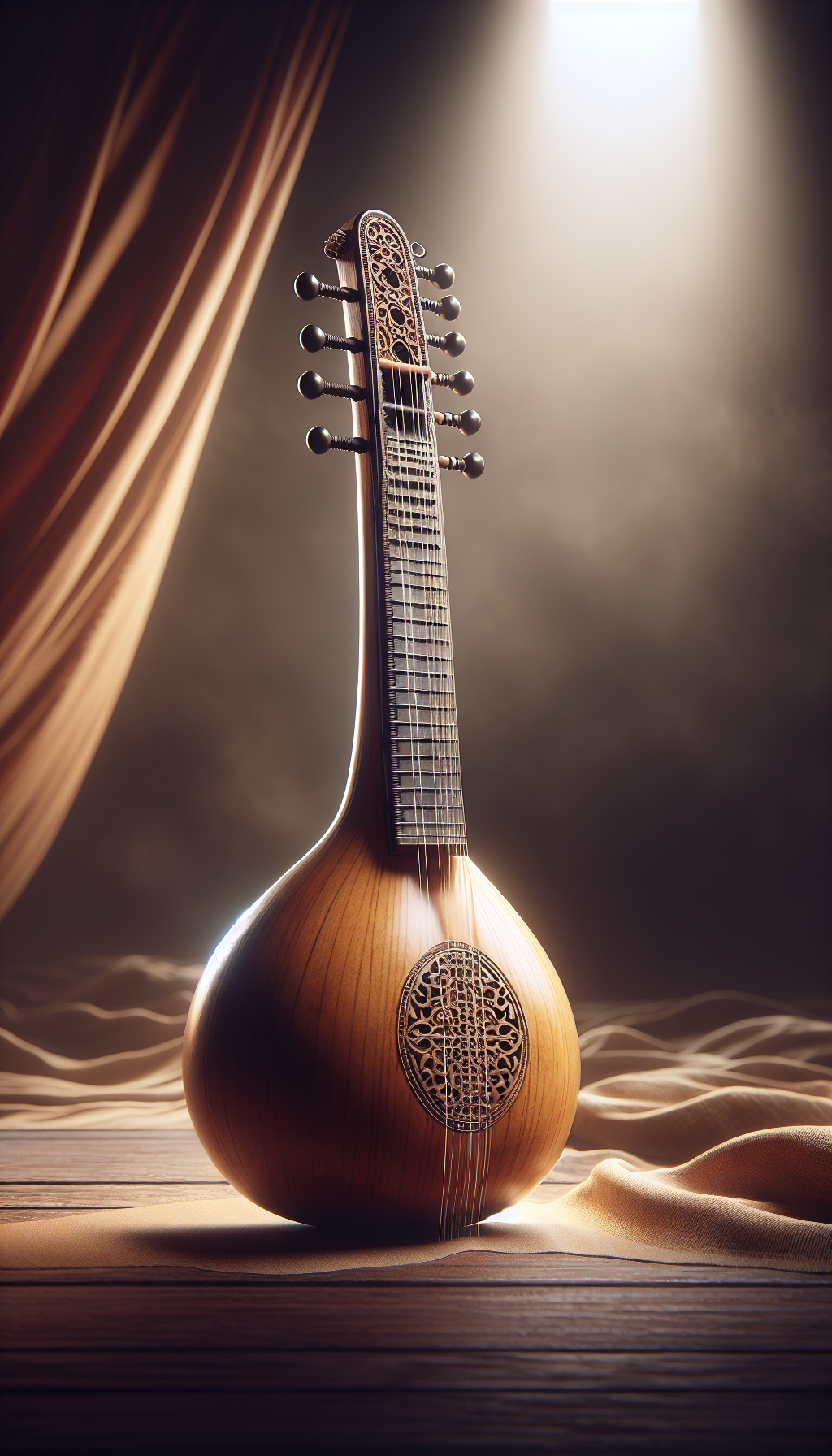
Tambura
Tambura · Traditional Drone String Instrument — Eastern background instrument
The tambura is a plucked string instrument originating from Eastern traditions, especially South Asia. It provides continuous drone notes that offer harmonic support in vocal and instrumental performances. Its long neck and resonant body define its distinctive sound.
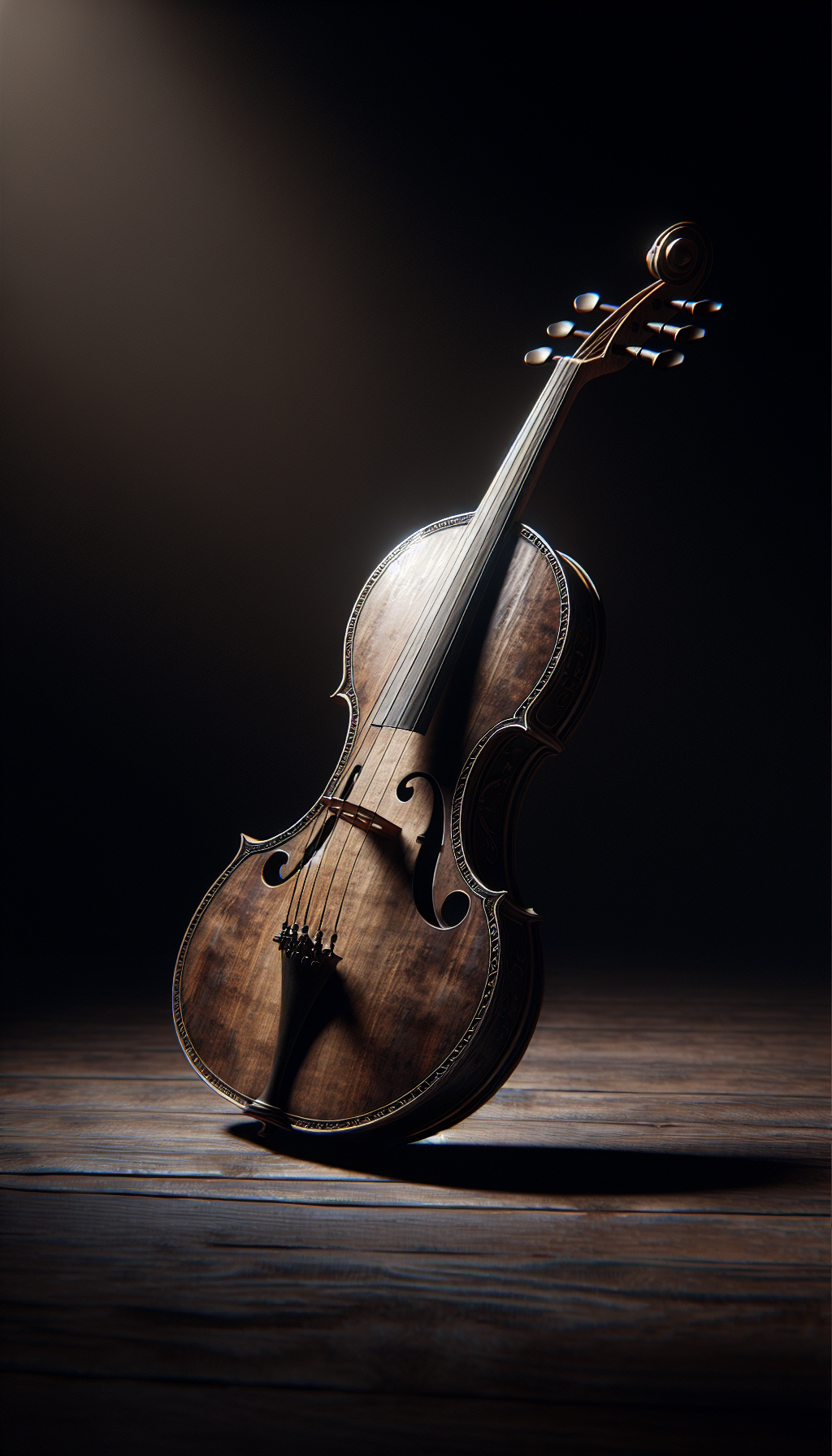
Vielle
Vielle · Ancient Bowed String Instrument — Iconic Medieval European Fiddle
The vielle is a medieval European bowed string instrument widely used before the Renaissance. It is considered the predecessor to the modern violin. Characterized by its five strings, it is capable of producing a range of tones.
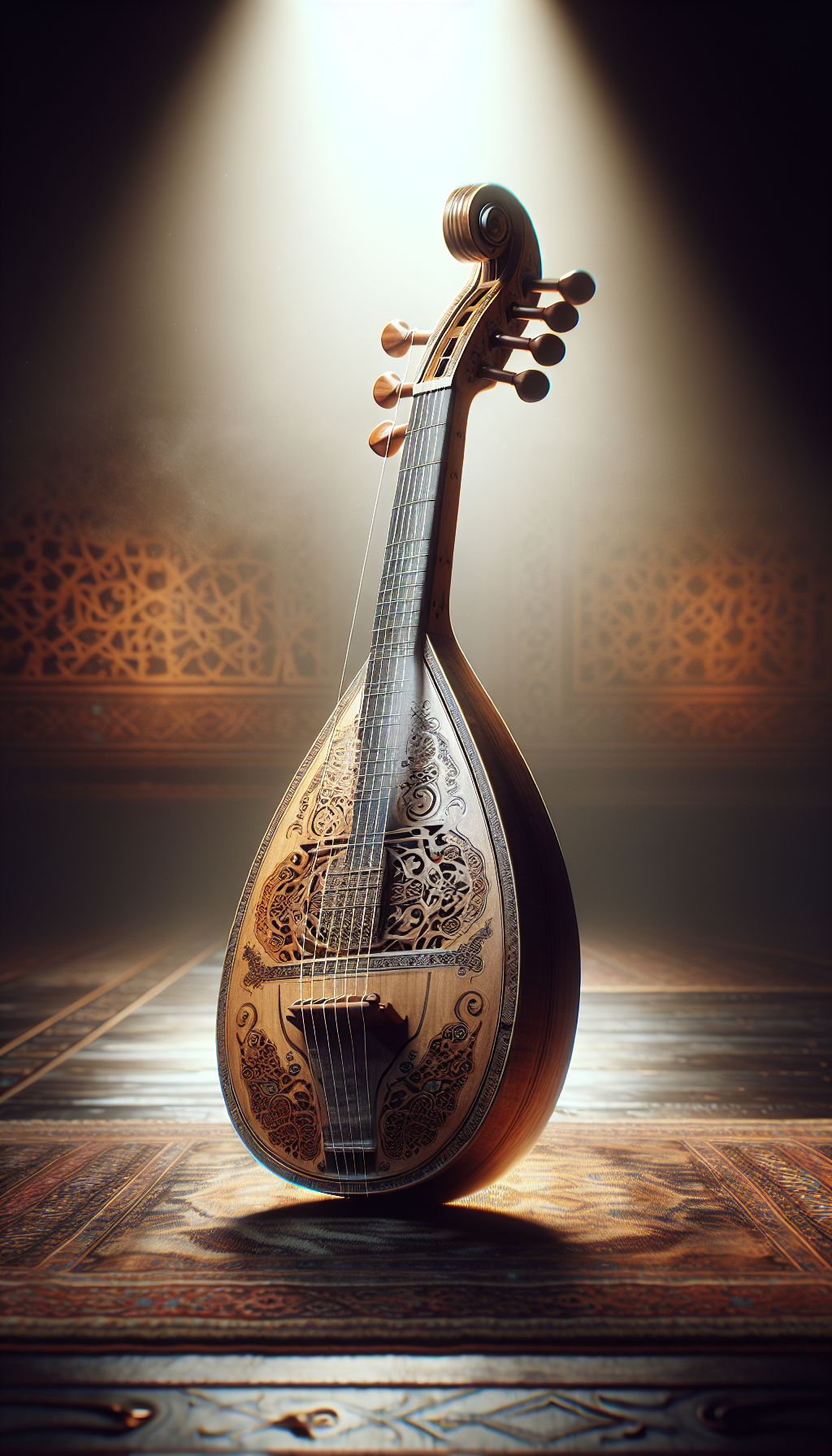
Rebab
Rebab · Ancient String Instrument — Traditional bowed instrument of the Middle East and Central Asia
The rebab is an ancient string instrument widely used in the Middle East and Central Asia. Played with a bow, it produces a unique timbre and a deep, resonant sound. The instrument influenced many cultures along the Silk Road.

Harp
Harp · Western String Instrument — Elegant curved traditional string instrument
The harp is a large string instrument played by plucking its vertical or horizontal strings with the fingers. It is known for its graceful frame and wide range of tones. Throughout history, it has been prominent in European court and folk music.
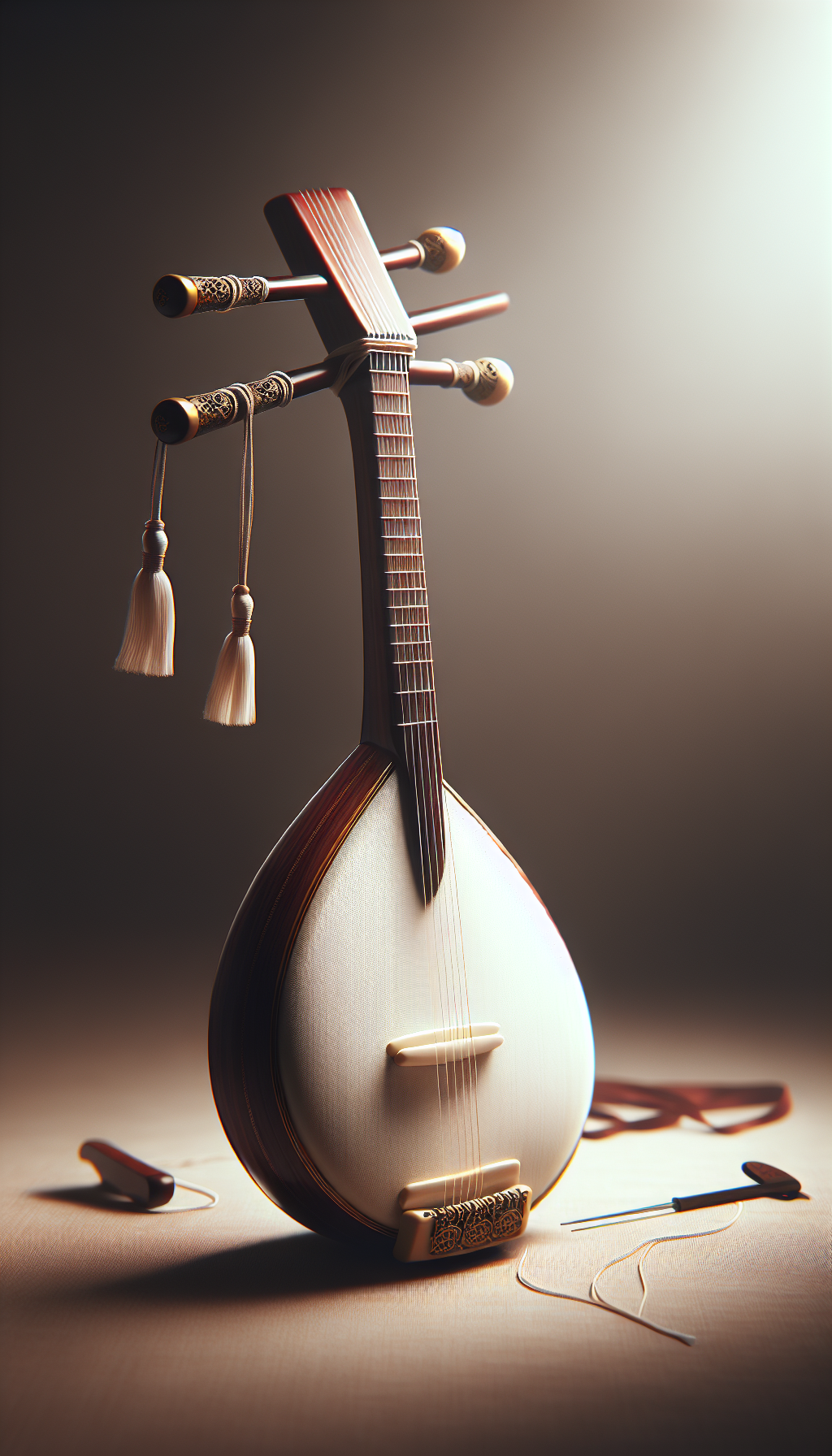
Shamisen
Shamisen · Three-stringed Lute — Traditional Japanese String Instrument
The shamisen is a traditional Japanese three-stringed instrument. It features a wooden body covered with skin, a long slender neck, and three thick strings. Played with a plectrum called bachi, it plays a key role in various Japanese musical styles.
Dobro
Dobro · Resonator Guitar — String instrument with metal resonator
The Dobro is a distinctive guitar featuring an internal metal resonator, producing a bright and rich sound. It is well-suited for slide playing and widely used in blues, country, and folk genres. The metal resonator amplifies the string vibrations beyond what a standard acoustic guitar can achieve.
Bineno
Ancient String Instrument · A Rare Asian Plucked Lute
The Bineno is an ancient stringed instrument once played in Korea and Central Asia, producing sound by plucking its strings. Made with wood, animal hide, and silk or plant fibers, it was mainly used in court music and ceremonial settings. Its unique timbre and structure make it a rare artifact in musical history.
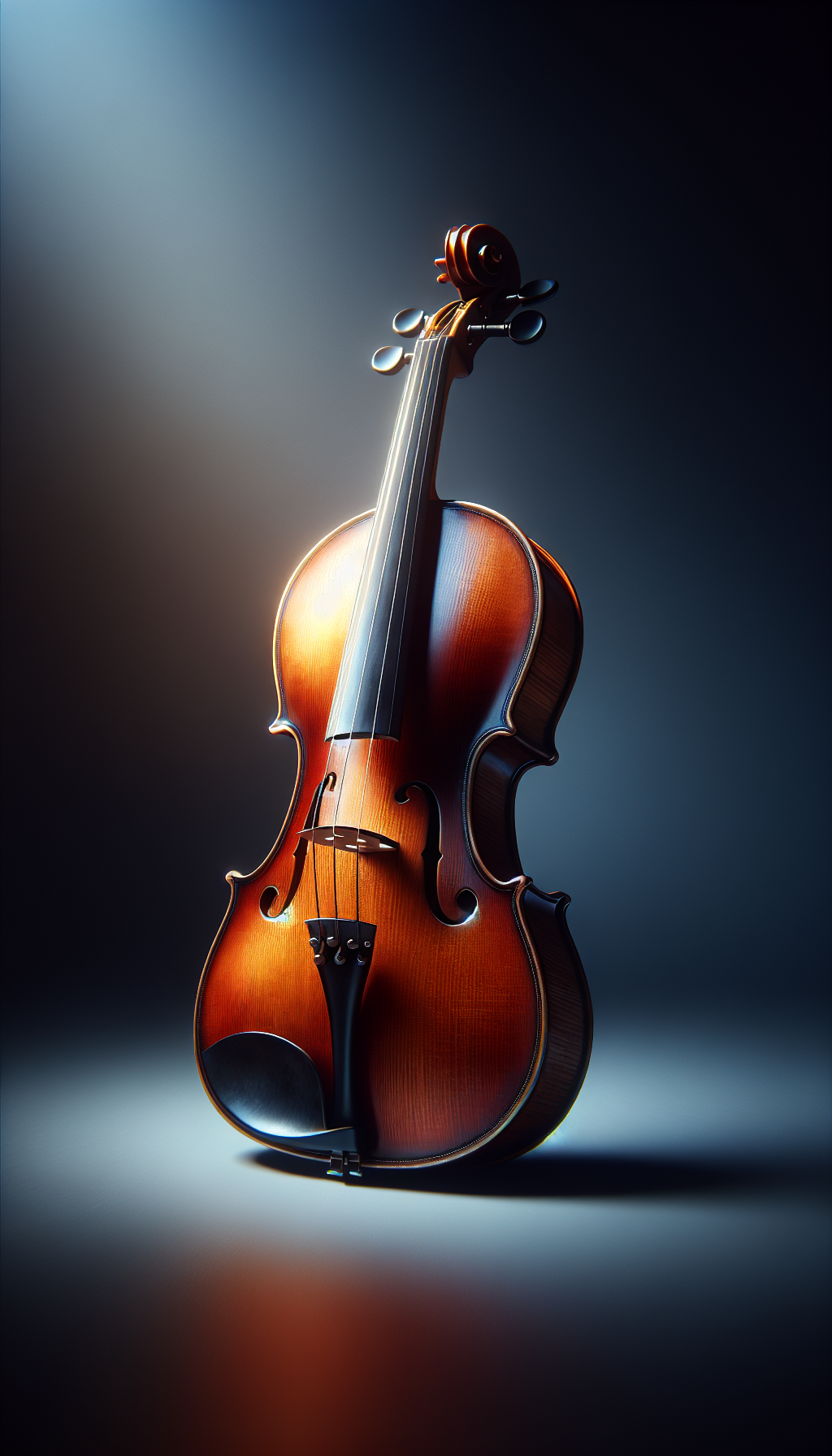
Viola
Viola · Alto String Instrument — Bridges the gap between violin and cello
The viola is a string instrument similar to the violin but slightly larger, with a deeper, mellower tone. It primarily occupies the alto range in ensembles, playing inner harmonies and melodic lines in string quartets and orchestras. Its warm, rich timbre makes it distinct among string instruments.
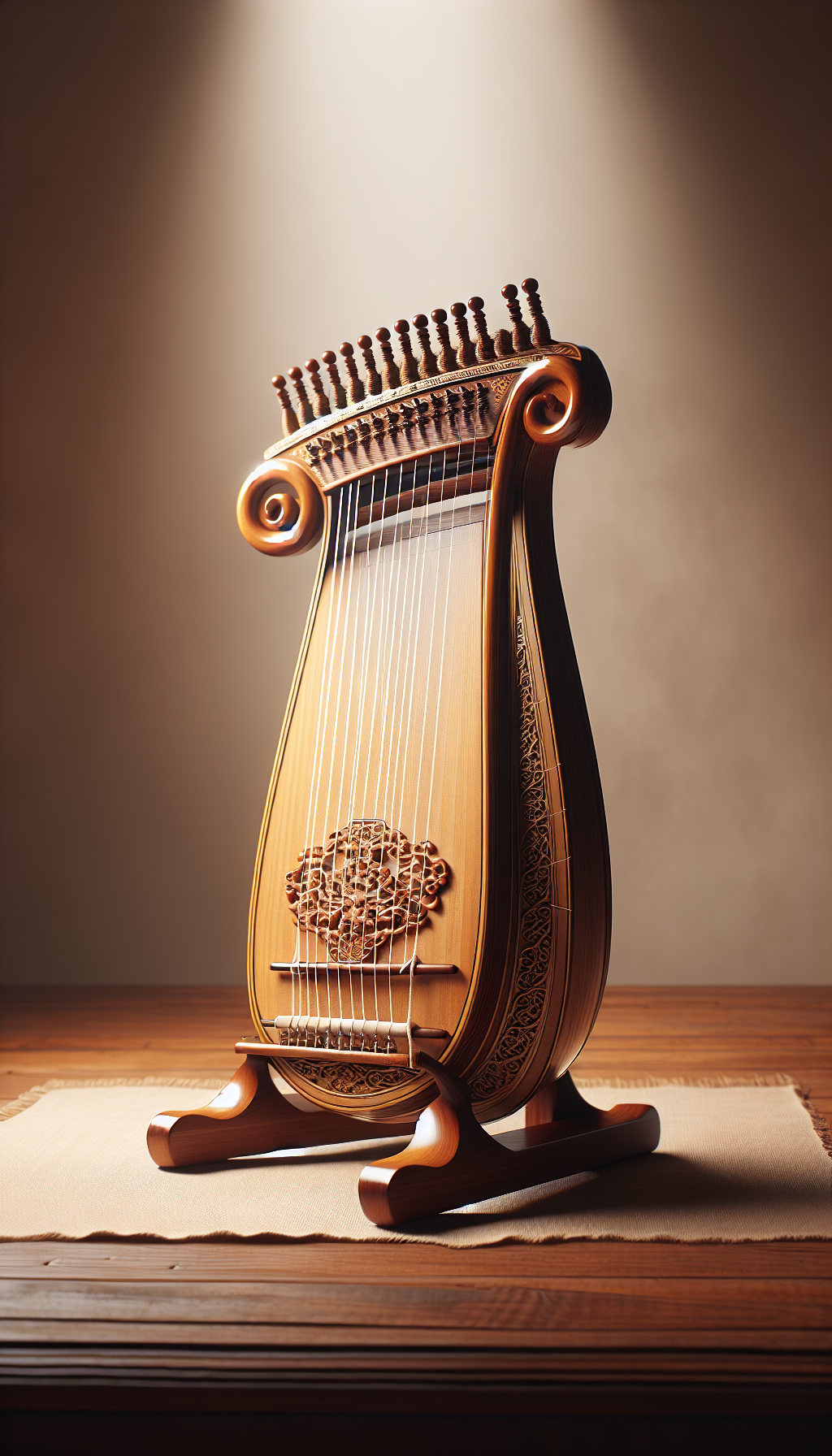
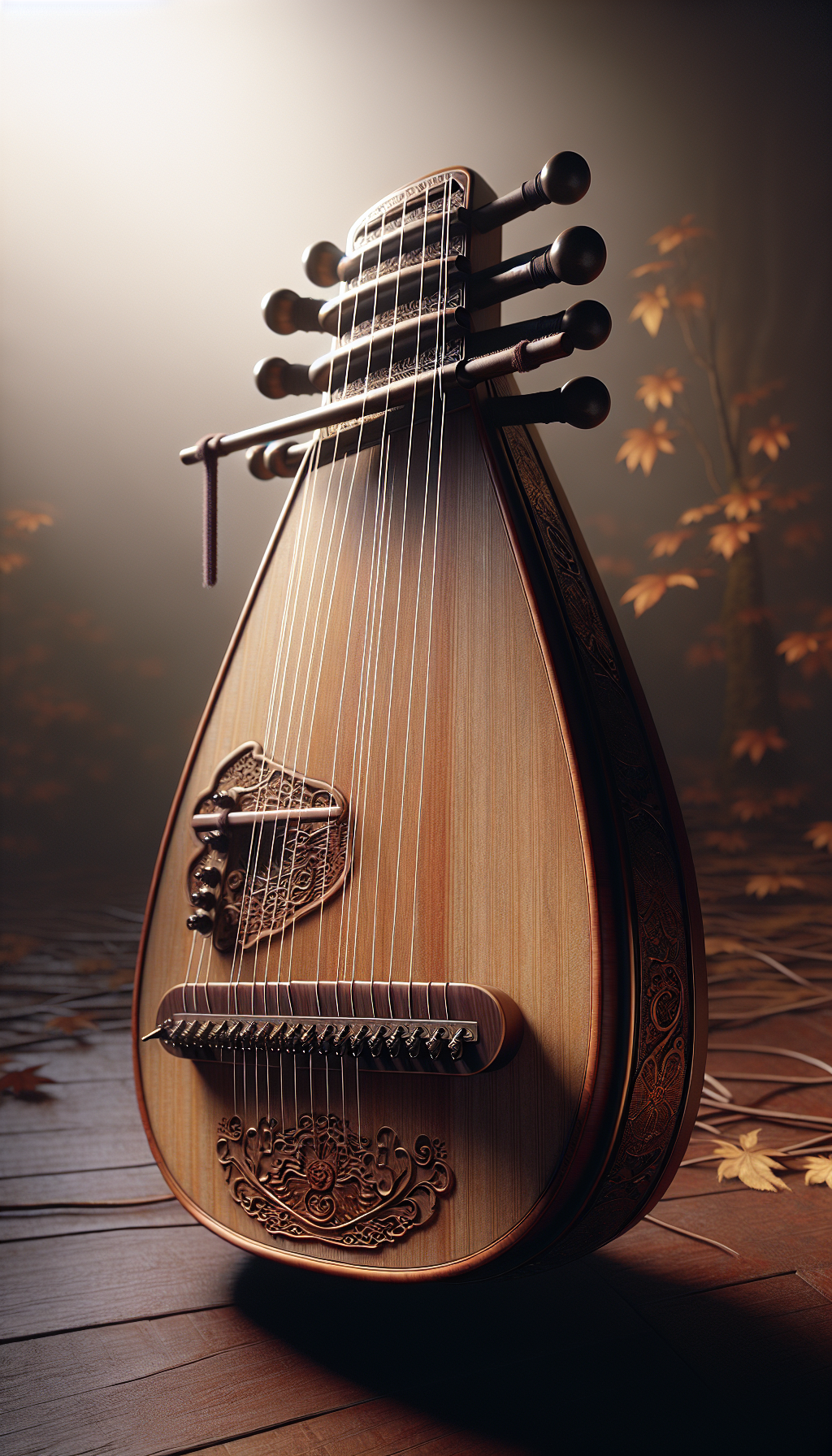
Shapa
Shapa · Traditional Stringed Instrument — Ancient Korean Zither
The shapa is a traditional Korean stringed instrument belonging to the zither family. It consists of a wooden body with multiple strings, played with the fingers or a plectrum. It played a significant role in court and ritual music.
Lyre
Ancient String Instrument · Iconic in Greek Antiquity
The lyre is a plucked string instrument commonly associated with ancient Greece. Characterized by its U-shaped frame and multiple strings, it played a central role in poetry recitals, rituals, and music performances. Its small, lightweight construction made it portable and versatile.
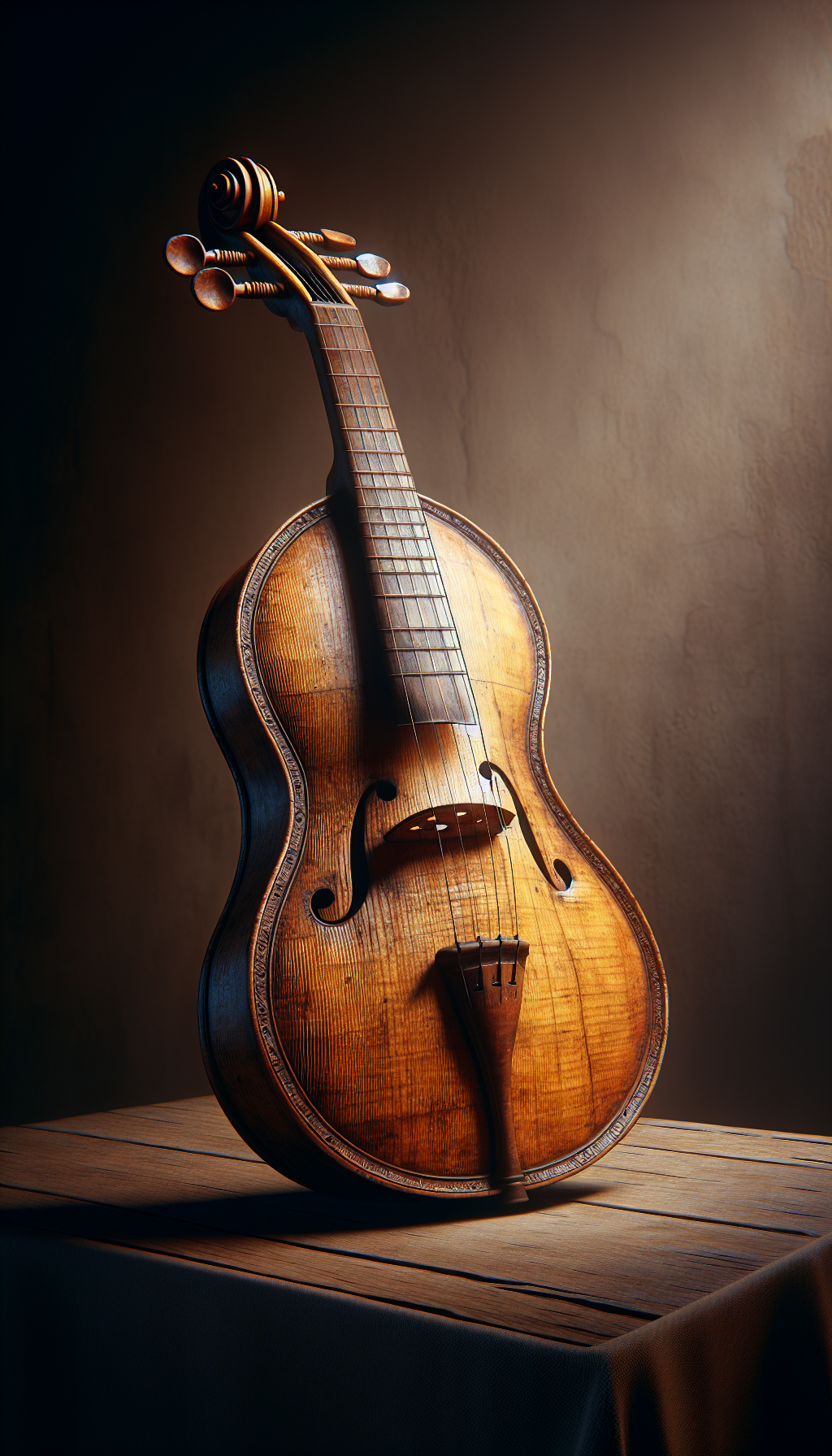
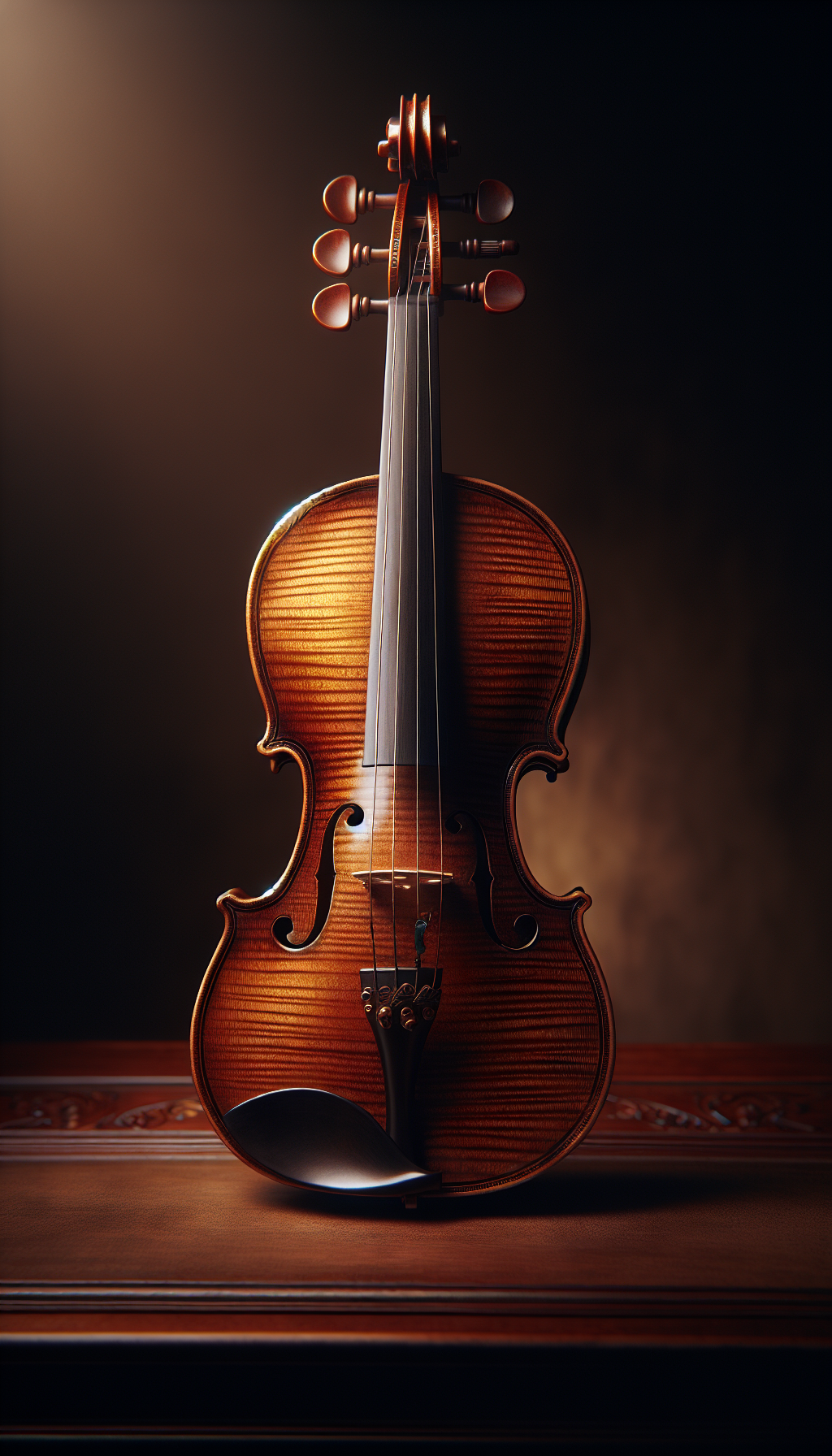
Galante
Galante · Classical String Instrument — European-Style Violin Introduced to Late Joseon Korea
The Galante is a string instrument of the violin family that was introduced to Korea during the late Joseon dynasty. With the influx of Western music, it was played at court and elite gatherings. Its clear and rich tone offered a new sound distinct from traditional Korean instruments.
Woodrans
Woodrans · Traditional String Instrument — A mountain wooden stringed instrument
The Woodrans is a traditional string instrument from Korea's northern mountainous regions. It features a long wooden body strung with two to four strings, played either by hand or with a bow. Its sound is warm and resonant, often used in folk music.
Gadu
Gadu · Ancient Korean string instrument
The Gadu is an ancient Korean string instrument used during the Three Kingdoms and Goryeo periods. It featured a leather-covered body and multiple strings, and was played with fingers or a plectrum. The instrument was primarily used in court music and ceremonial contexts.