🏰 Architecture
Castles, dungeons, temples, towns, taverns, towers
30 items
Category
Element
Culture
Era
Mood
Job
Types
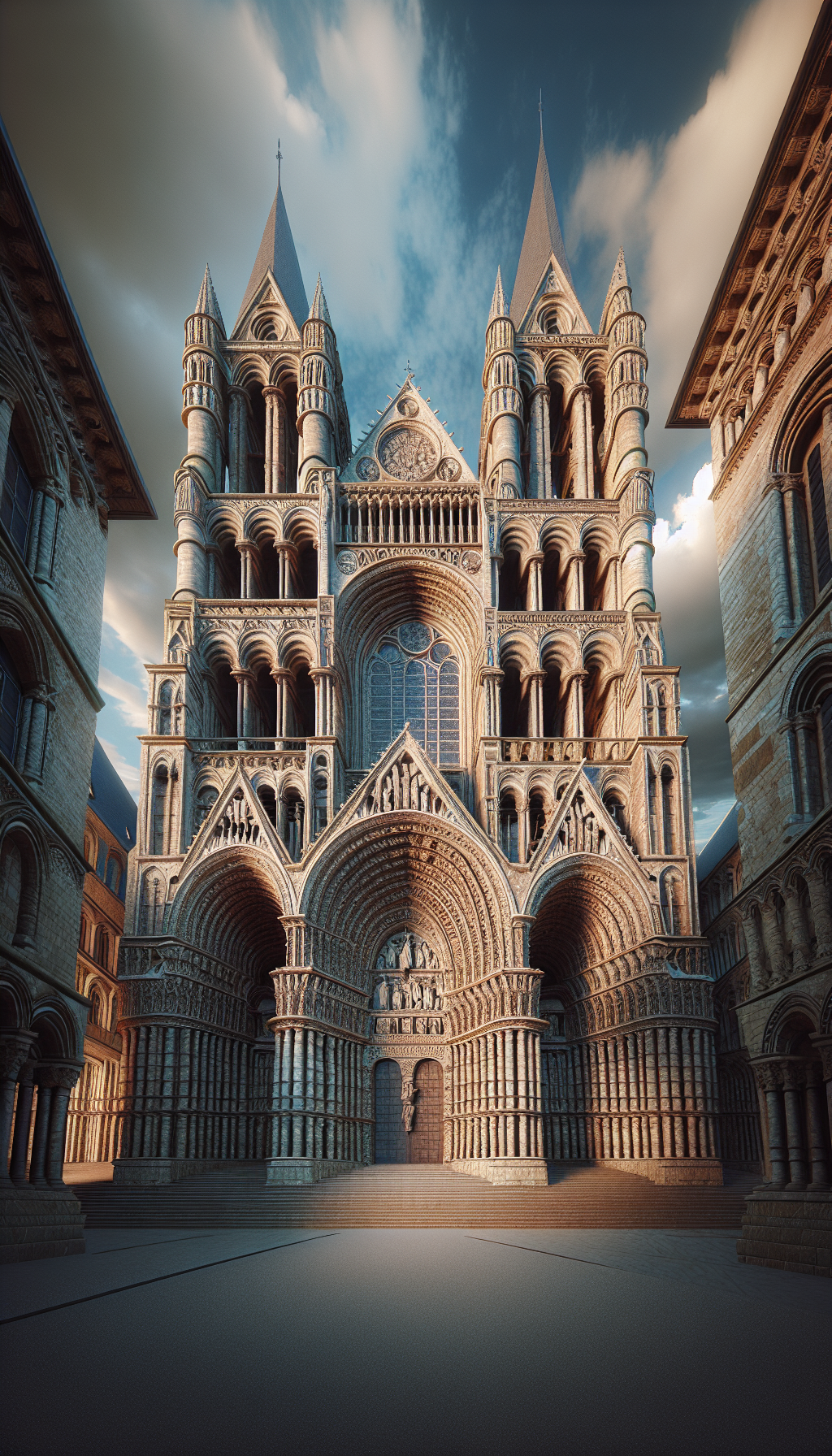
대성당
4 items
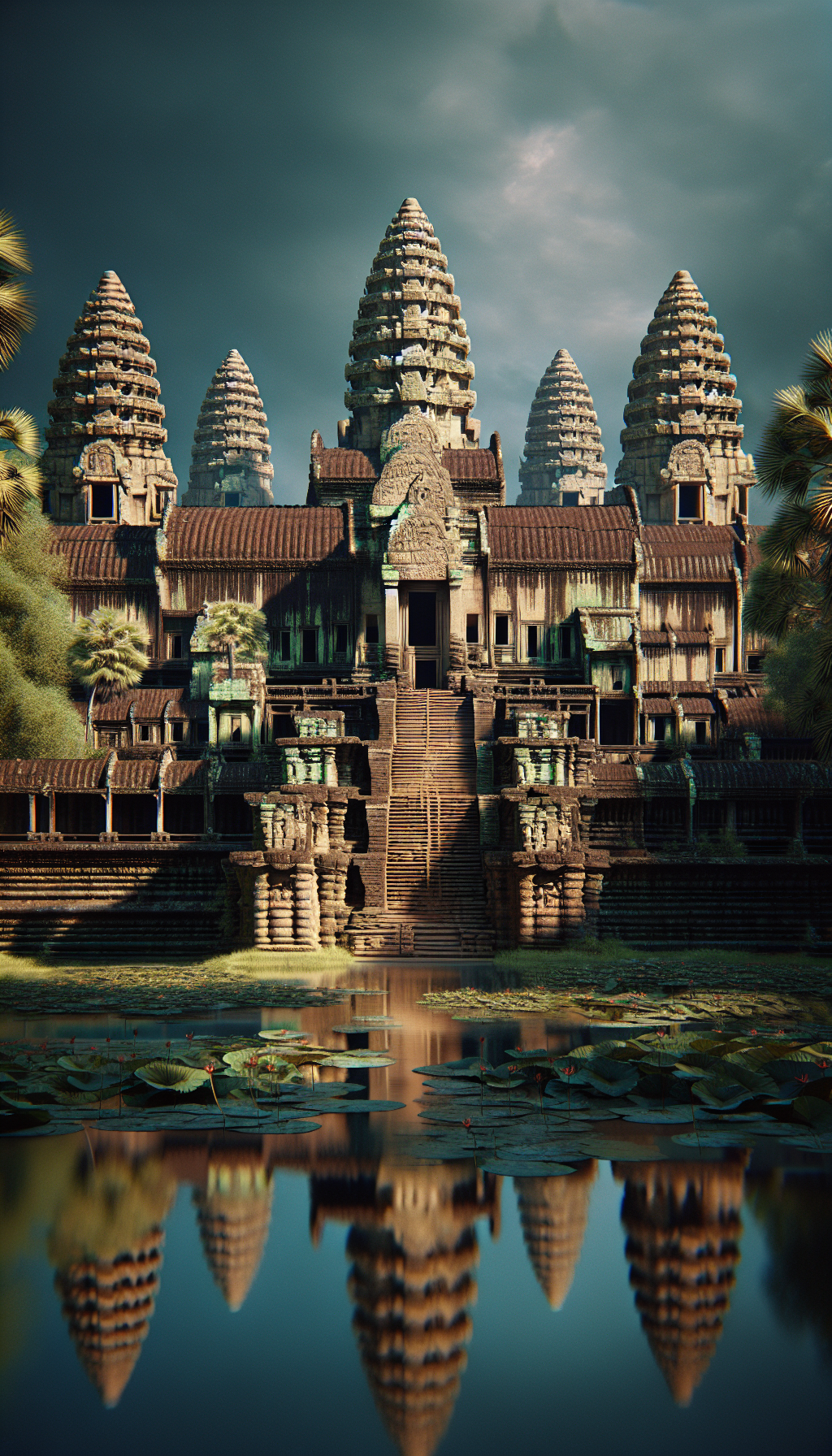
궁전
4 items
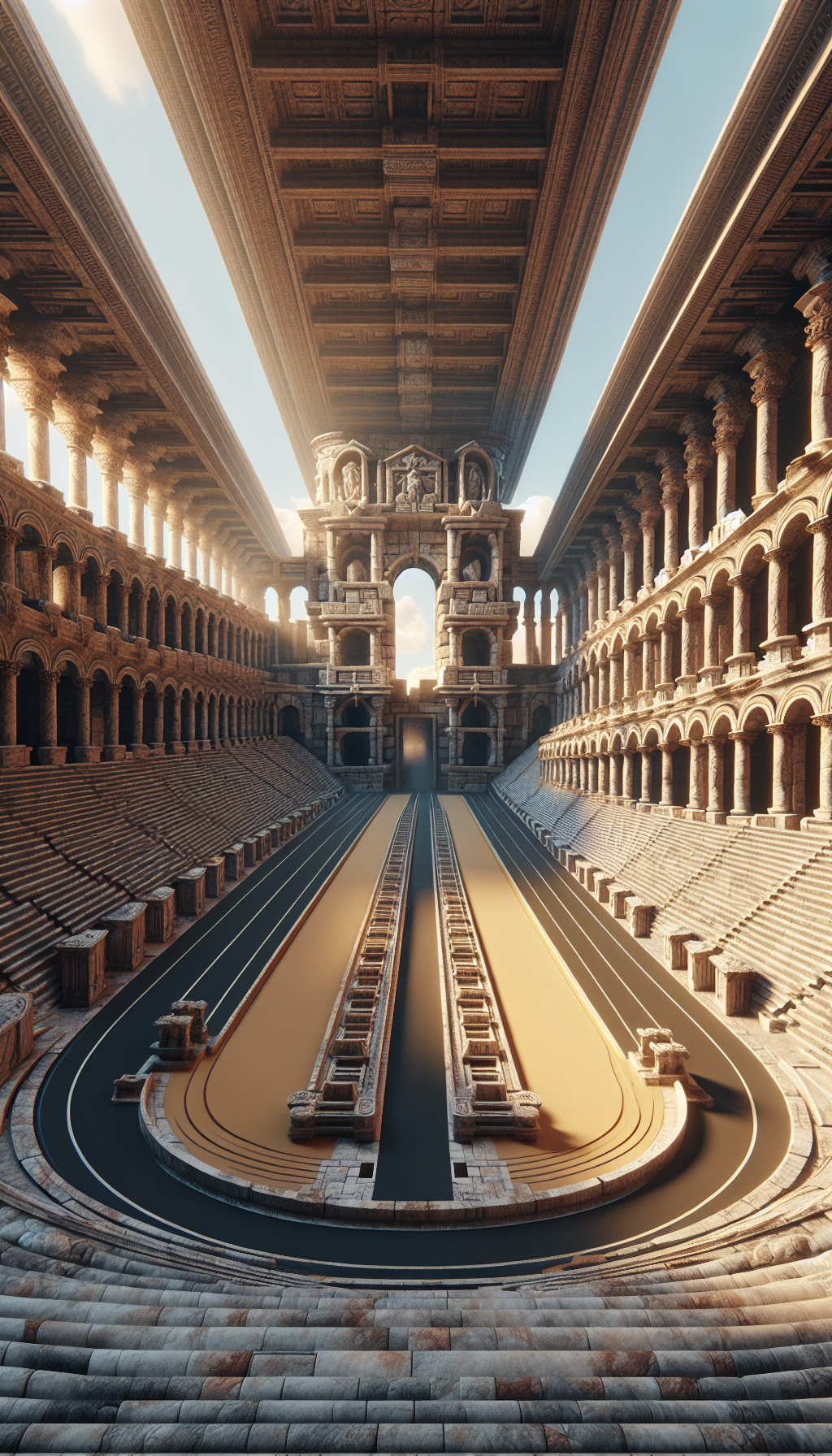
경기장
1 items

성벽
1 items

수도원
1 items
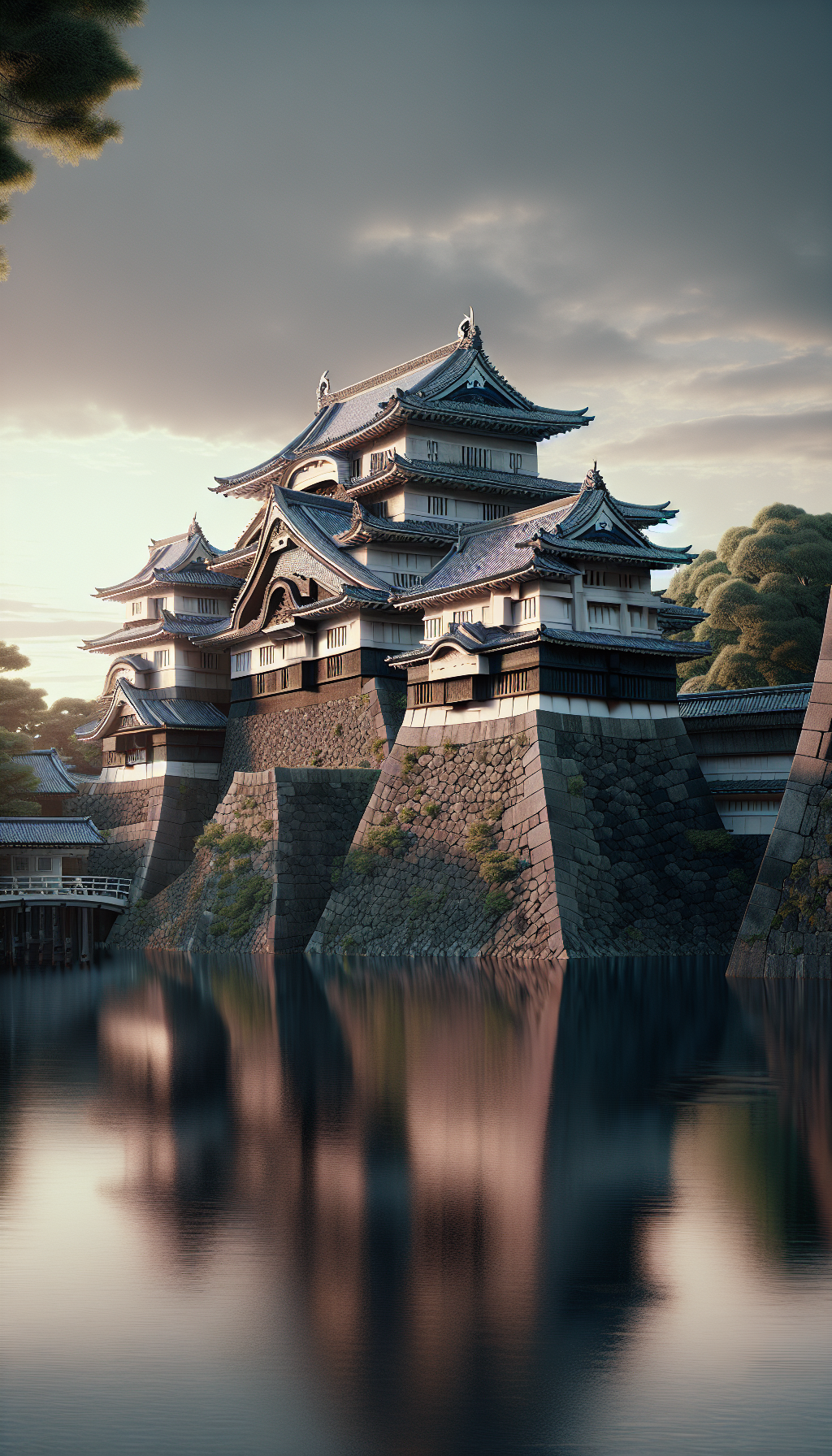
성채
5 items
기념비
1 items
목욕탕
1 items
원형경기장
2 items

고대도시
1 items
미나렛
1 items

사탑
1 items
사원
3 items

신전
1 items

토리이
1 items

공중정원
1 items
궁성
1 items
All Items
Bayeux Cathedral
Bayeux Cathedral · Romanesque monumental cathedral
Bayeux Cathedral is a Romanesque cathedral located in Bayeux, Normandy, France. Consecrated in 1077, it stands as a prime example of 11th-century medieval architecture. The cathedral was closely tied to the Norman dukes and William the Conqueror, and is famously linked to the Bayeux Tapestry.
Angkor Wat Palace
Angkor's Grand Temple — Monumental Stone Structure of the Khmer Empire
The Angkor Wat Palace is a massive stone temple complex built in the 12th century during the Khmer Empire. Originally dedicated to the Hindu god Vishnu, it later served as a Buddhist temple. Its iconic moat and five central towers make it one of the largest religious structures in the world.
Hippodrome
Hippodrome · Racecourse — Grand race stadium of ancient Greece and Rome
The hippodrome was a large stadium constructed in ancient Greece and Rome, mainly for chariot and horse races. It featured a rectangular layout with a central dividing barrier and could accommodate tens of thousands of spectators. Many hippodromes also served as centers for political, social, and religious events.
The Walls of Constantinople
Theodosian Walls · Byzantine Fortifications — Medieval Eastern Roman defensive marvel
The Walls of Constantinople are massive stone fortifications built to defend the capital of the Eastern Roman Empire. Expanded and repaired over centuries, these walls successfully protected the city against numerous sieges. The double-wall structure completed under Theodosius II is especially renowned.
Cluny Abbey
Cluny Abbey · Medieval French Monastery — Pinnacle of Western Monastic Architecture
Cluny Abbey is a medieval Christian monastery located in Burgundy, France. Founded in the 10th century, it is considered a masterpiece of Romanesque architecture. The abbey played a significant role in monastic reform and the advancement of culture across medieval Europe.
Edo Castle (Tokyo)
Edo Castle · Imperial Palace — Iconic stronghold of the Edo period
Edo Castle was a large fortress built during Japan’s Edo period, serving as the political center of the Tokugawa shogunate. Parts of the original complex, such as moats, stone walls, and gates, remain today as part of the Tokyo Imperial Palace.
Lunstra Reisen
Sacred Sanctuary · Mythic Centerpiece — Ancient architectural marvel
The Lunstra Reisen is a legendary sacred sanctuary featured in world mythology. It is known for its distinctive ancient architecture, where light and shadow harmoniously intertwine.

Notre-Dame Cathedral
Notre-Dame Cathedral · Symbol of Paris — Iconic Gothic Cathedral
Notre-Dame Cathedral is a medieval Gothic cathedral located on the banks of the Seine in Paris, France. Constructed over nearly 180 years from the late 12th to early 14th centuries, it is renowned for its spires, stained glass, and ornate gargoyles.
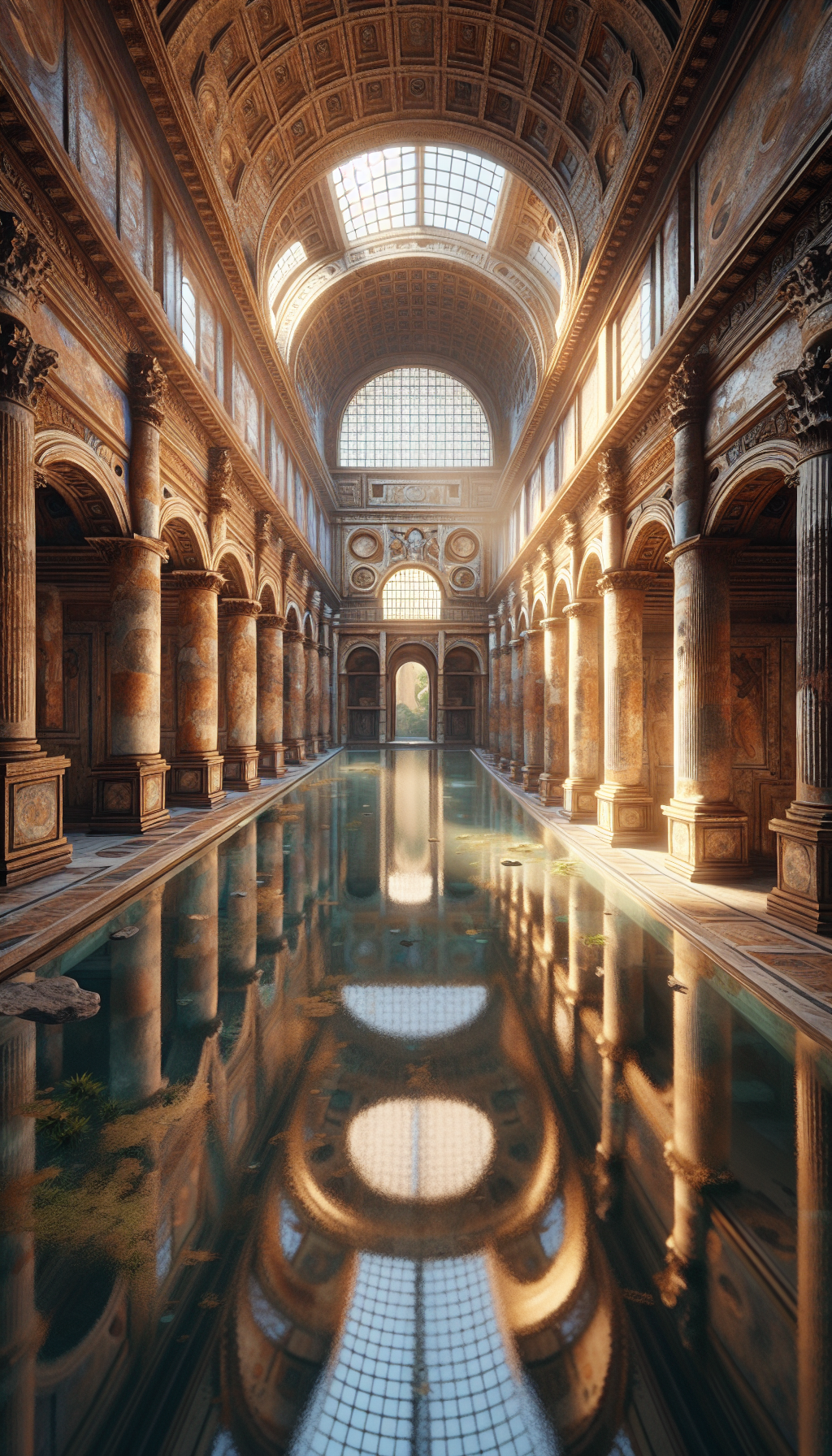
Baths of Caracalla
Baths of Caracalla · Rome’s Grand Public Baths — Iconic Bath Complex of the Ancient Roman Empire
The Baths of Caracalla were a massive public bath complex built in ancient Rome. They served as a hub for socializing, relaxation, and exercise among Roman citizens. The baths featured impressive architecture and advanced engineering, accommodating thousands of visitors.

Alhambra Palace
Alhambra Palace · Moorish Castle — Iconic Islamic palace in Spain
The Alhambra Palace is an Islamic-style fortress and palace complex in Granada, Spain. Built by the Nasrid dynasty, it is celebrated for its ornate decorations and intricate geometric patterns. Its courtyards, fountains, and lush gardens are key hallmarks of its design.
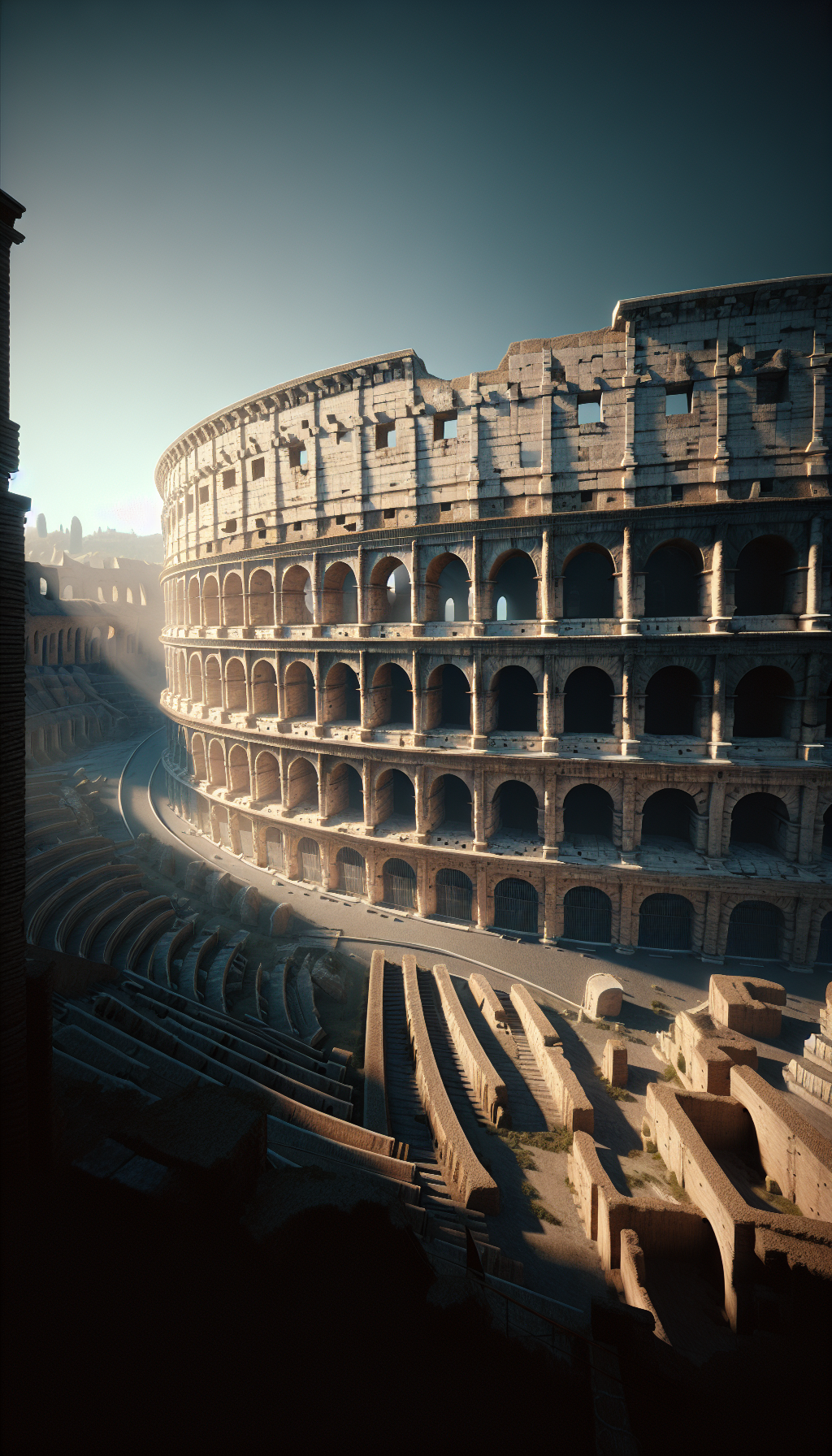
Colosseum
Colosseum · Amphitheater — Iconic Ancient Roman Structure
The Colosseum is a large amphitheater built during the Roman Empire. It hosted gladiatorial games, animal hunts, and theatrical performances for the public. Today, it remains a symbol of ancient Roman engineering and culture.
Petra Ancient City
Petra · The City Carved in Stone — Nabataean Rock-cut Metropolis
Petra is an ancient city in southwestern Jordan, renowned for its monumental tombs, temples, and theaters carved into red sandstone cliffs. Established by the Nabataeans in the 4th century BCE, Petra was a major trading hub, strategically located on the Silk Road and spice route. It remained largely unknown to Europeans until its rediscovery in the early 19th century.
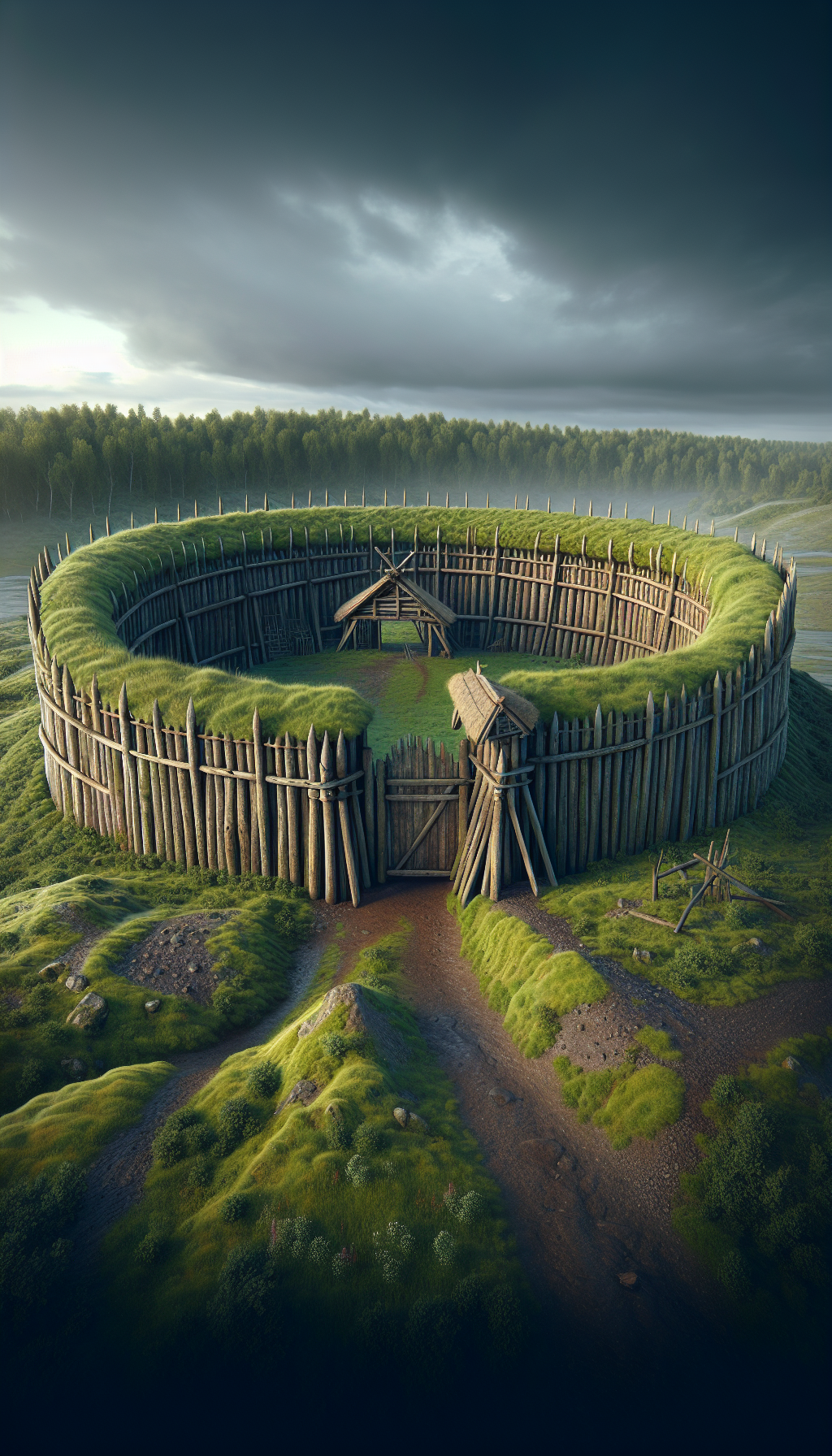
Viking Ringfort
Viking Ringfort · Circular Fort — Distinctive defensive architecture of the Viking Age
The Viking Ringfort is an ancient circular fortress found in Scandinavia. Built mainly around the 10th century, it served as a military stronghold and administrative center. Its thick earthen and timber walls and symmetrical design demonstrate Viking organizational skills and advanced architecture.

Castillo de San Felipe
San Felipe Castle · Spanish Colonial Fortress — Massive stone fortification in Cartagena
The Castillo de San Felipe is a large stone fortress located in Cartagena, Colombia. Built during the Spanish colonial era, it served to defend the city against pirates and invading forces. The fortress is renowned for its sloped walls and intricate underground tunnels.
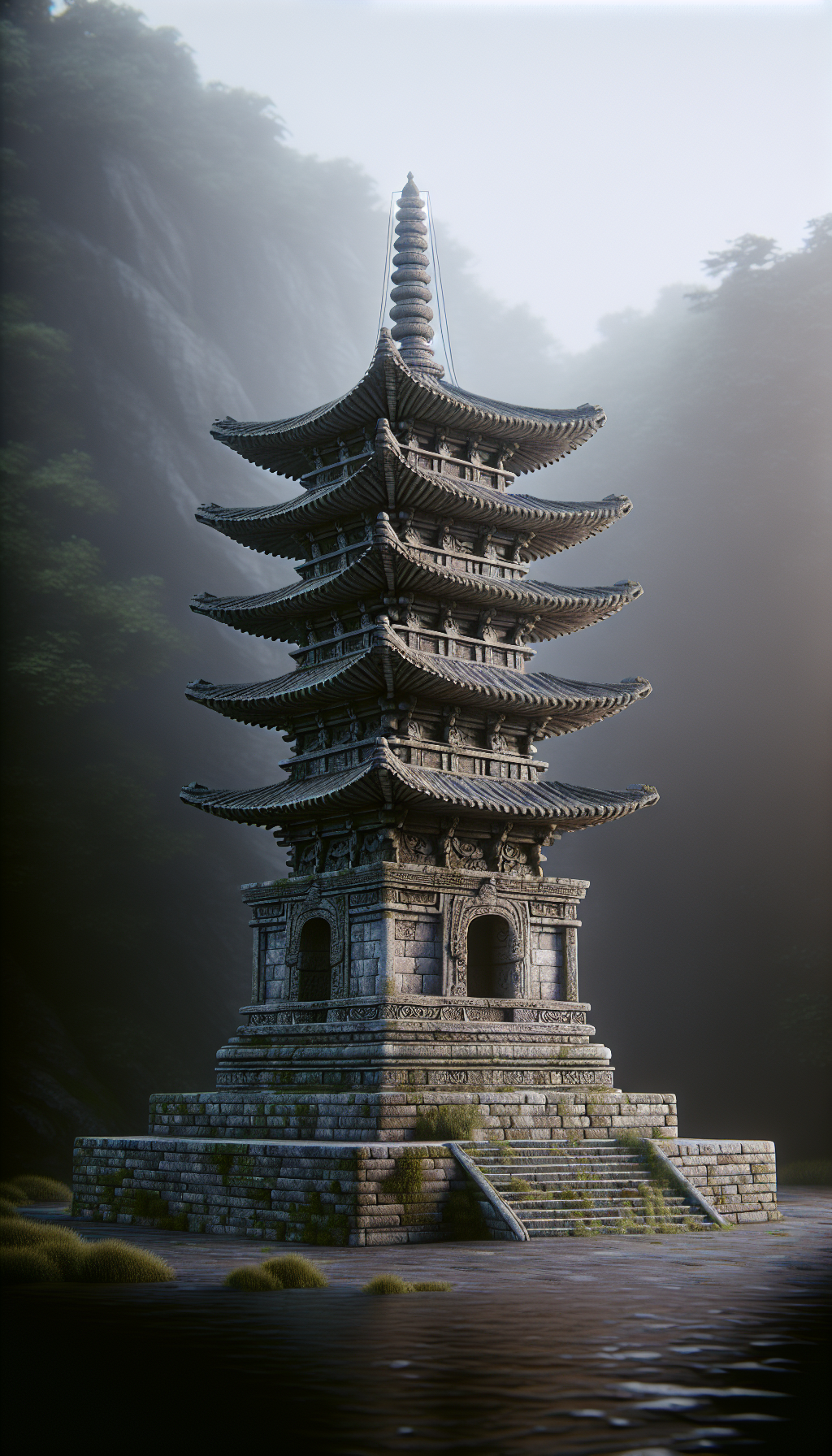
Hira Tower
Hira Pagoda · Tower — Ancient Buddhist Monument
The Hira Tower is a type of stone pagoda constructed during Korea’s Three Kingdoms and Unified Silla periods. Primarily situated within temple complexes, it served as a symbol of Buddhist faith. The structure is noted for its sturdy stonework and simple, layered form.
Leaning Tower of Pisa
Leaning Tower of Pisa · Iconic Tilted Bell Tower — Symbol of Pisa, Italy
The Leaning Tower of Pisa is a world-famous freestanding bell tower located in Pisa, Italy. Its distinctive tilt is due to unstable foundation soil, giving it a unique appearance. The tower exemplifies early Renaissance architecture and is listed as a UNESCO World Heritage Site.
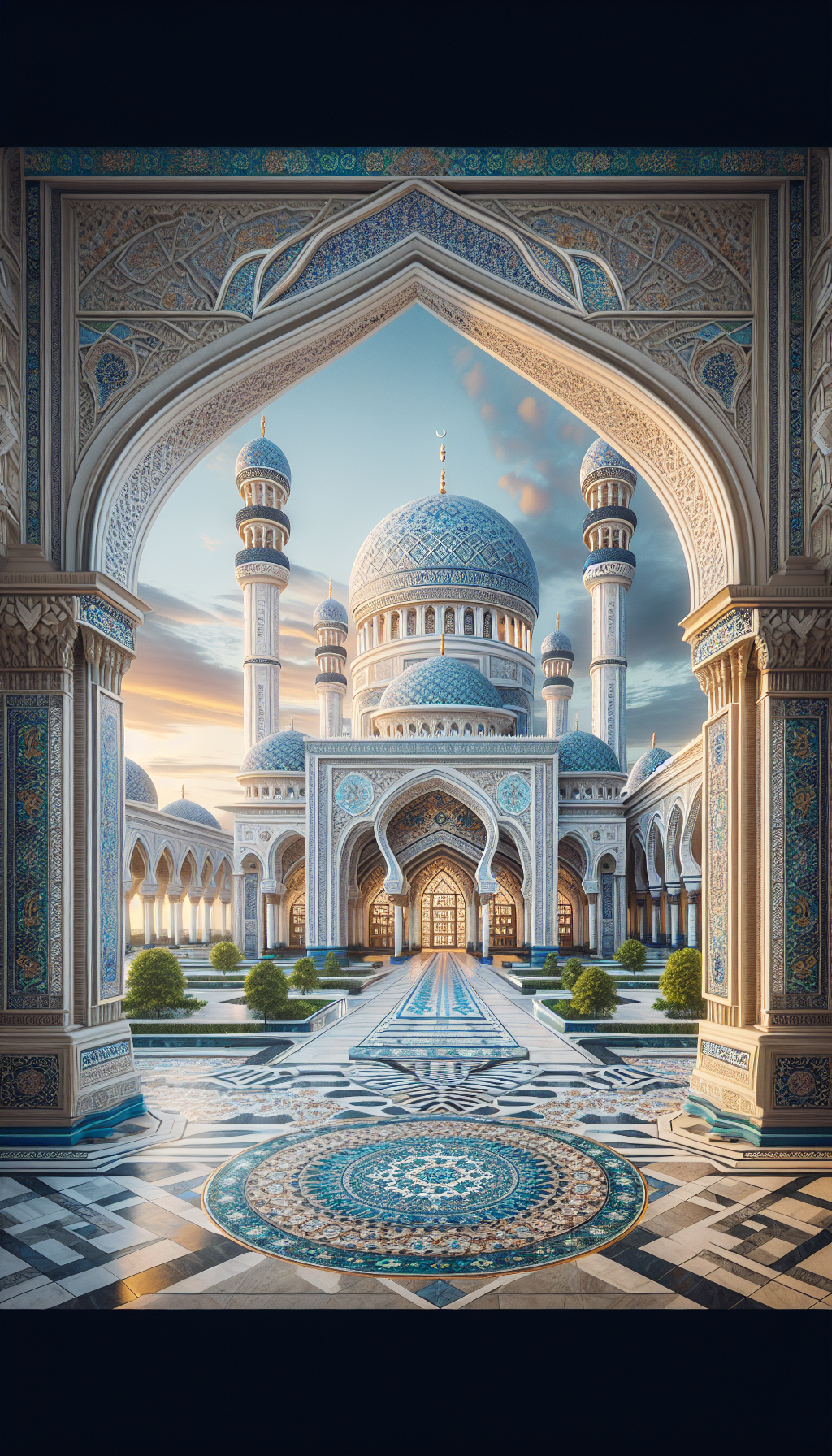
Mosque
Mosque · Masjid — Religious structure of Islamic faith
A mosque is a place of worship for Muslims, distinguished by domes, minarets, and wide prayer halls. Its architectural style varies by region and era, reflecting local culture. Courtyards and ritual washing areas are common features.
Saint Basil's Cathedral
Saint Basil's Cathedral · Symbol of Red Square — Iconic Russian Orthodox church
Saint Basil's Cathedral stands on Moscow's Red Square as one of the most recognizable symbols of Russia. Known for its colorful onion domes and unique architectural style, it was constructed in the 16th century by order of Ivan the Terrible. The cathedral exemplifies the fusion of Russian and Eastern influences.

Hagia Sophia
Hagia Sophia · Symbol of Holy Wisdom — Iconic Byzantine Cathedral
Hagia Sophia is a monumental cathedral completed in 537 CE, representing the height of Byzantine architecture. Originally built as a Greek Orthodox church, it later served as an Ottoman mosque and now functions as both a museum and mosque. Its grand dome and intricate mosaics stand as architectural marvels.

Kailasa Temple
Kailasa Temple · Ellora Cave 16 — Ancient Indian Rock-Cut Temple
The Kailasa Temple is a major Hindu temple located in the Ellora Caves, Maharashtra, India. It was carved from a single rock from the top down and built during the 8th century under the Rashtrakuta dynasty. The temple is modeled after Mount Kailash, the mythological abode of Shiva.
Temple of Zeus
Temple of Zeus · Ancient Greek Temple — Monumental sanctuary for Zeus
The Temple of Zeus was a grand structure located in Olympia, Greece, dedicated to the chief deity Zeus. Built in the 5th century BCE, it was regarded as one of the Seven Wonders of the Ancient World. The temple housed a colossal statue of Zeus crafted by Phidias.

Frankish Royal Palace
Frankish Royal Palace · Court Center — Political and cultural heart of the Frankish realm
The Frankish Royal Palace was the residence and administrative center of the Frankish kings during the Middle Ages. It served as the hub for governance, diplomacy, and military planning. Notable examples include the Palace of Aachen, where royalty, nobility, and officials gathered to manage the kingdom.
Mount Fuji Torii
Mount Fuji Shrine Gate · Symbolic Entrance — Iconic gateway at the sacred mountain
The Mount Fuji Torii is a traditional gate structure erected at the entrance to Japan’s sacred Mount Fuji. It serves as a symbolic boundary between the holy realm and the human world. Typically painted red, the torii inspires reverence among pilgrims and visitors.

Frankfurt Palace
Frankfurt Palace · European Architecture — Historic Palace of Germany
Frankfurt Palace is a representative architectural landmark located in Frankfurt, Germany. Expanded and renovated over the medieval and early modern periods, the palace served as a political center of the city.
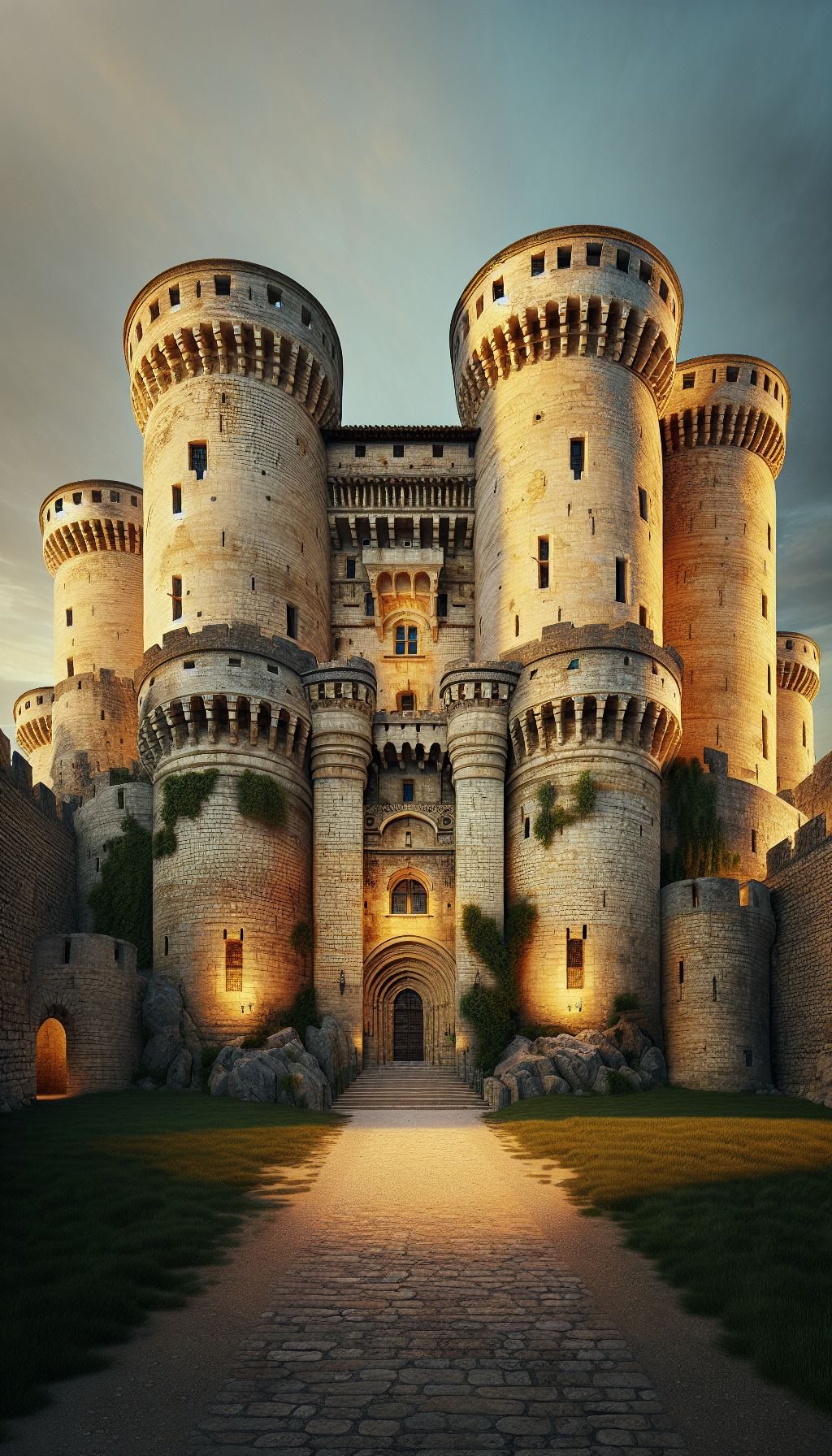
Carcassonne Castle
Carcassonne Fortress · Medieval southern French citadel
Carcassonne Castle is a prominent medieval fortress located in the Languedoc region of southern France. Famous for its double walls and over 50 defensive towers, it is a well-preserved example of medieval military architecture. The castle is a designated UNESCO World Heritage Site.
Hanging Gardens of Babylon
Ancient Wonder · Legendary Terrace Gardens — A Mystical Garden Floating Above Babylon
The Hanging Gardens of Babylon are fabled terraced gardens said to have existed in ancient Mesopotamian Babylon. Renowned for their mysterious construction and lush greenery, they are celebrated as one of the Seven Wonders of the Ancient World.

Roman Amphitheatre
Colosseum · Flavian Amphitheatre — Monumental arena of the Roman Empire
The Roman Amphitheatre, most famously the Colosseum in Rome, was a vast oval arena built for public entertainment and imperial spectacle. It hosted gladiatorial contests, animal hunts, and various public games.

Medieval European Castle
Fortress · Stronghold — Symbol of Defense and Power
Medieval European castles are large stone fortifications built for military defense and the assertion of noble authority. Featuring high walls, towers, and moats, these castles often dominated the surrounding landscape as centers of power.

Dome of the Rock
The Dome of the Rock · Golden Dome — Iconic Islamic Shrine in Jerusalem
The Dome of the Rock is an Islamic shrine located on the Temple Mount in the Old City of Jerusalem. Built in the late 7th century by the Umayyad Caliphate, it is renowned for its golden dome and octagonal structure.
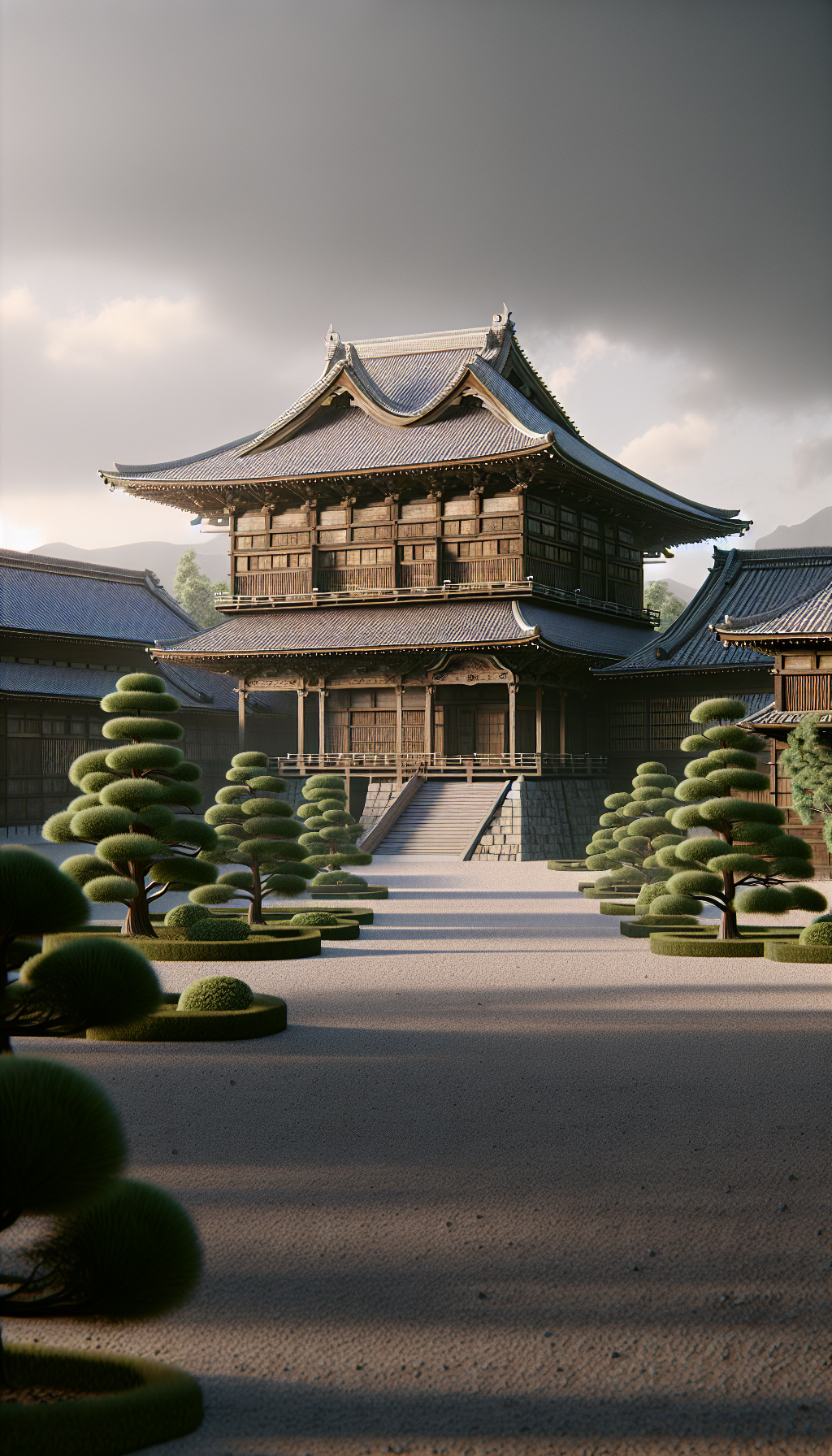
Kamakura Shogunate Palace
Kamakura Shogunate Headquarters · Medieval Japanese military-administrative center
The Kamakura Shogunate Palace was the core administrative and military complex of Japan's Kamakura period. Designed to serve both governmental and defensive purposes, it utilized wood, earth, and stone in construction. Its location leveraged the surrounding mountains and coastline for enhanced natural defense.