Ghost
Ghost · The Wandering Spirit — A Soul Bound to the World by Attachment and Unfinished Story
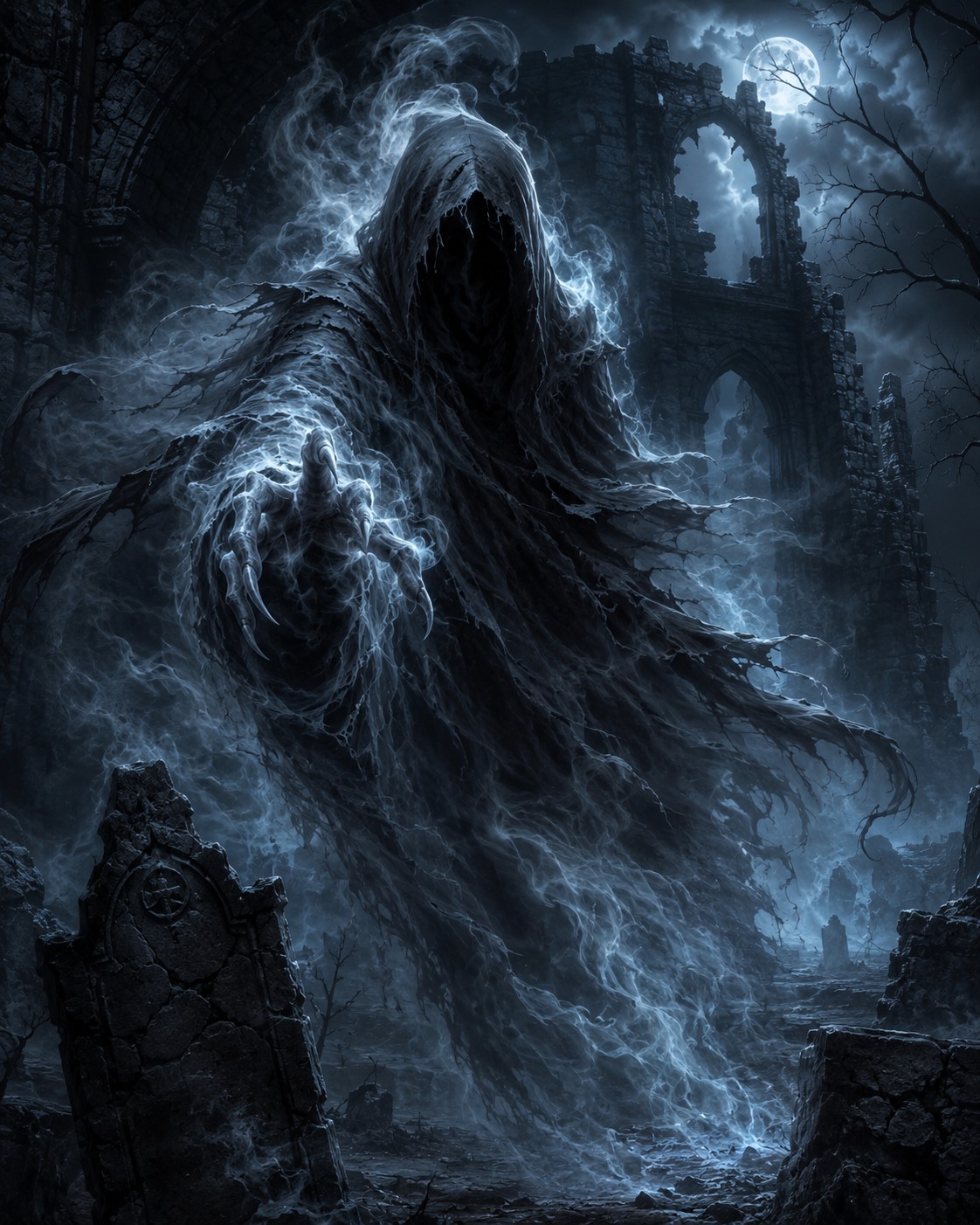
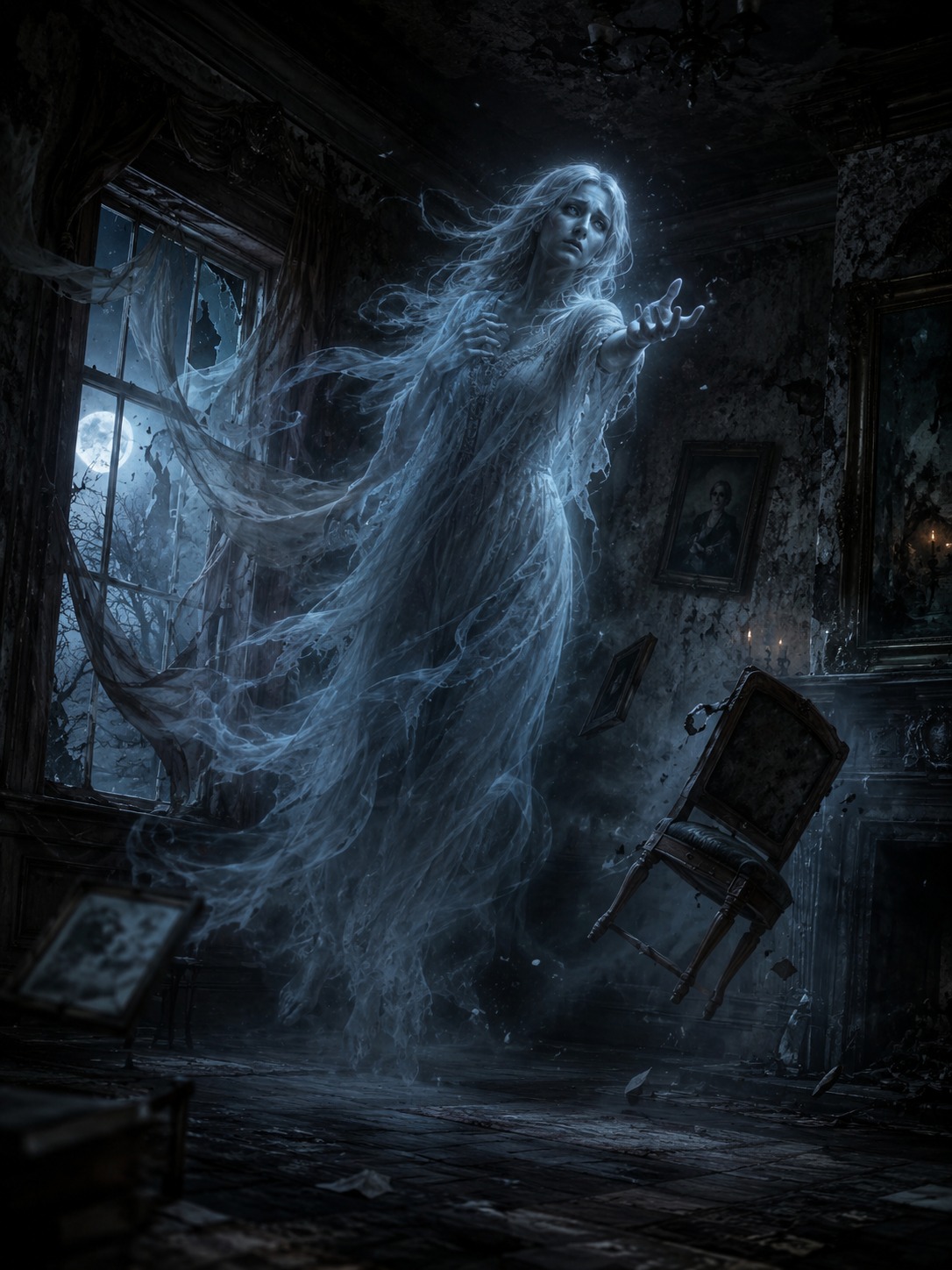
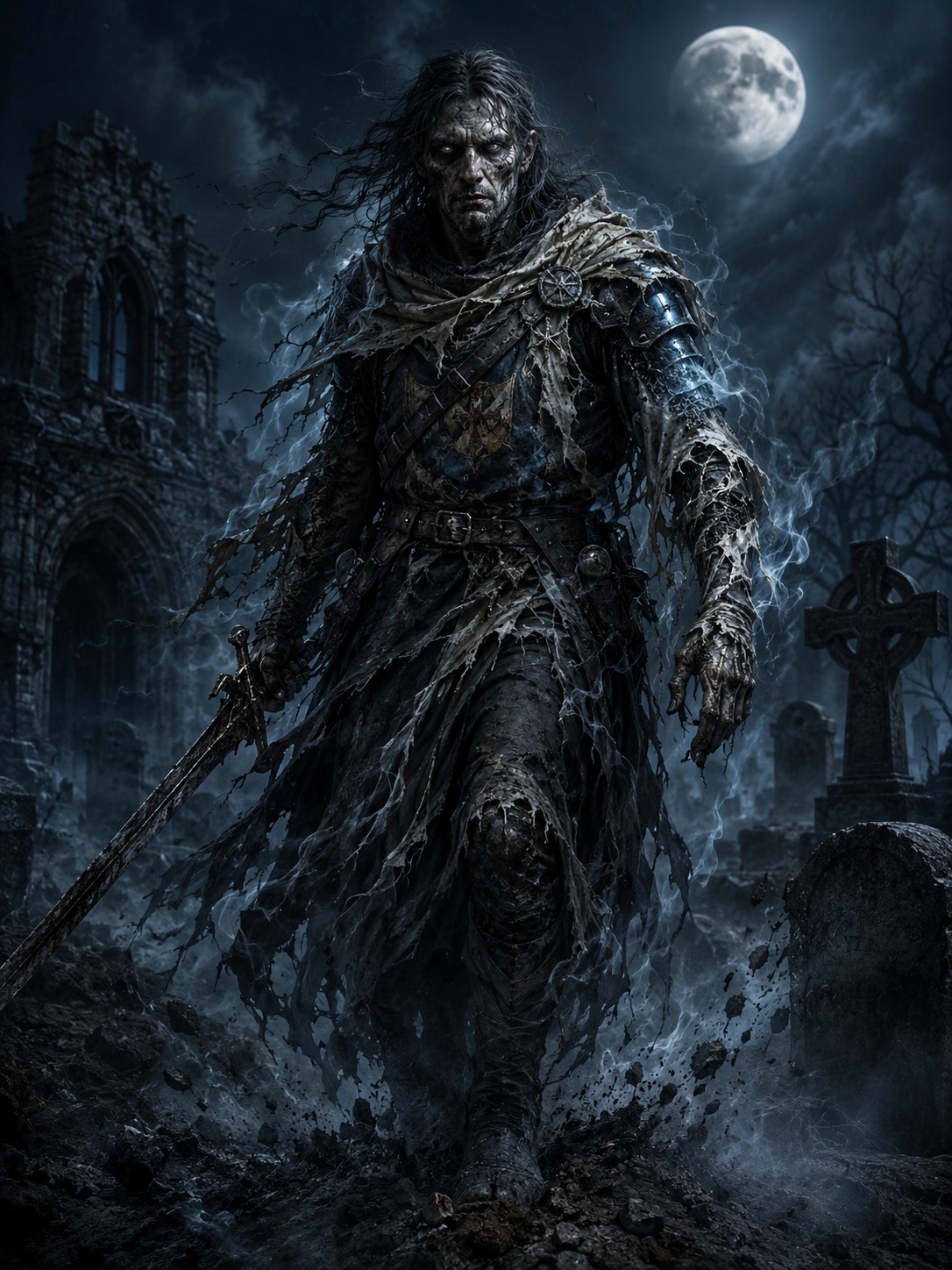
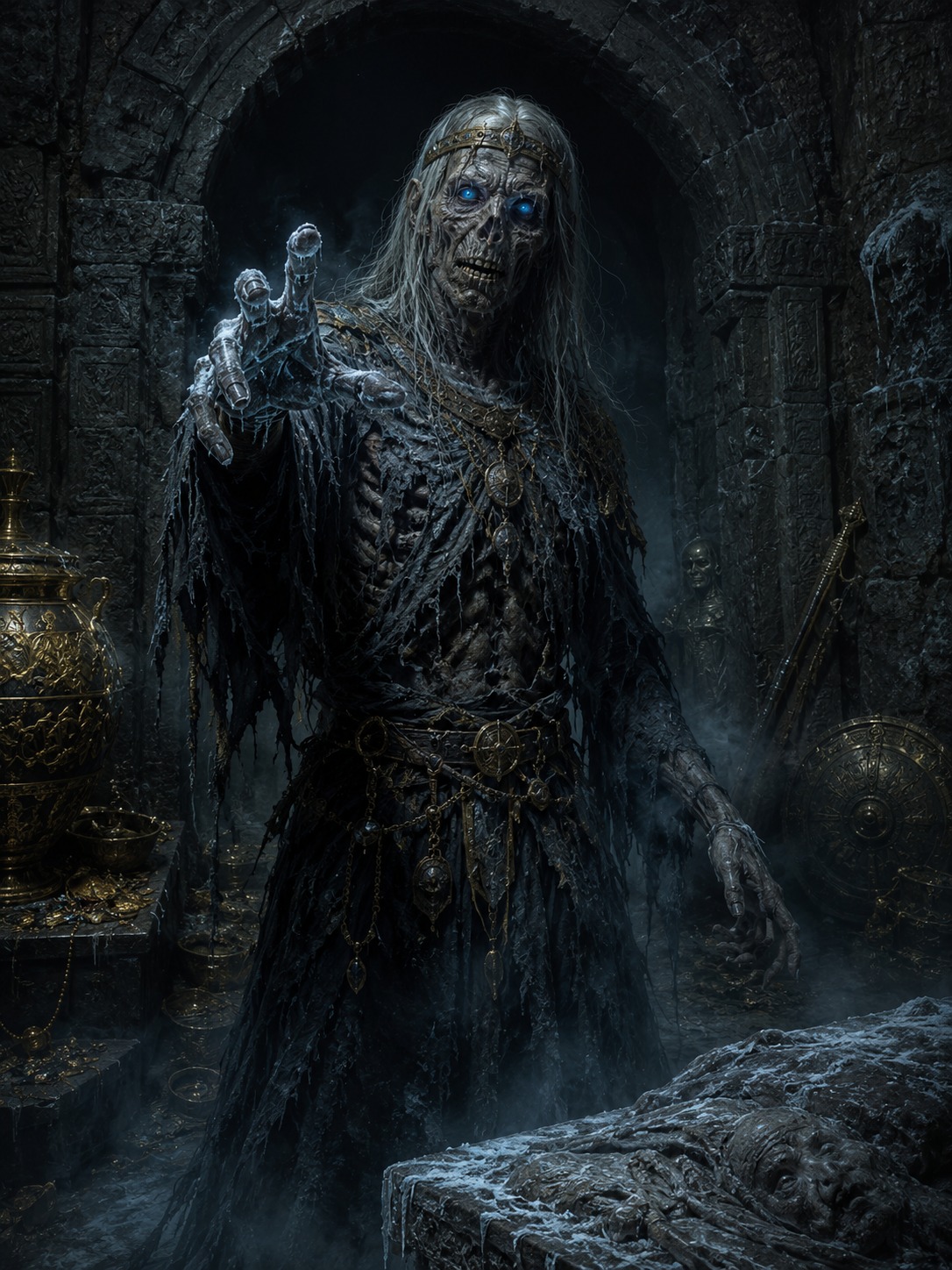
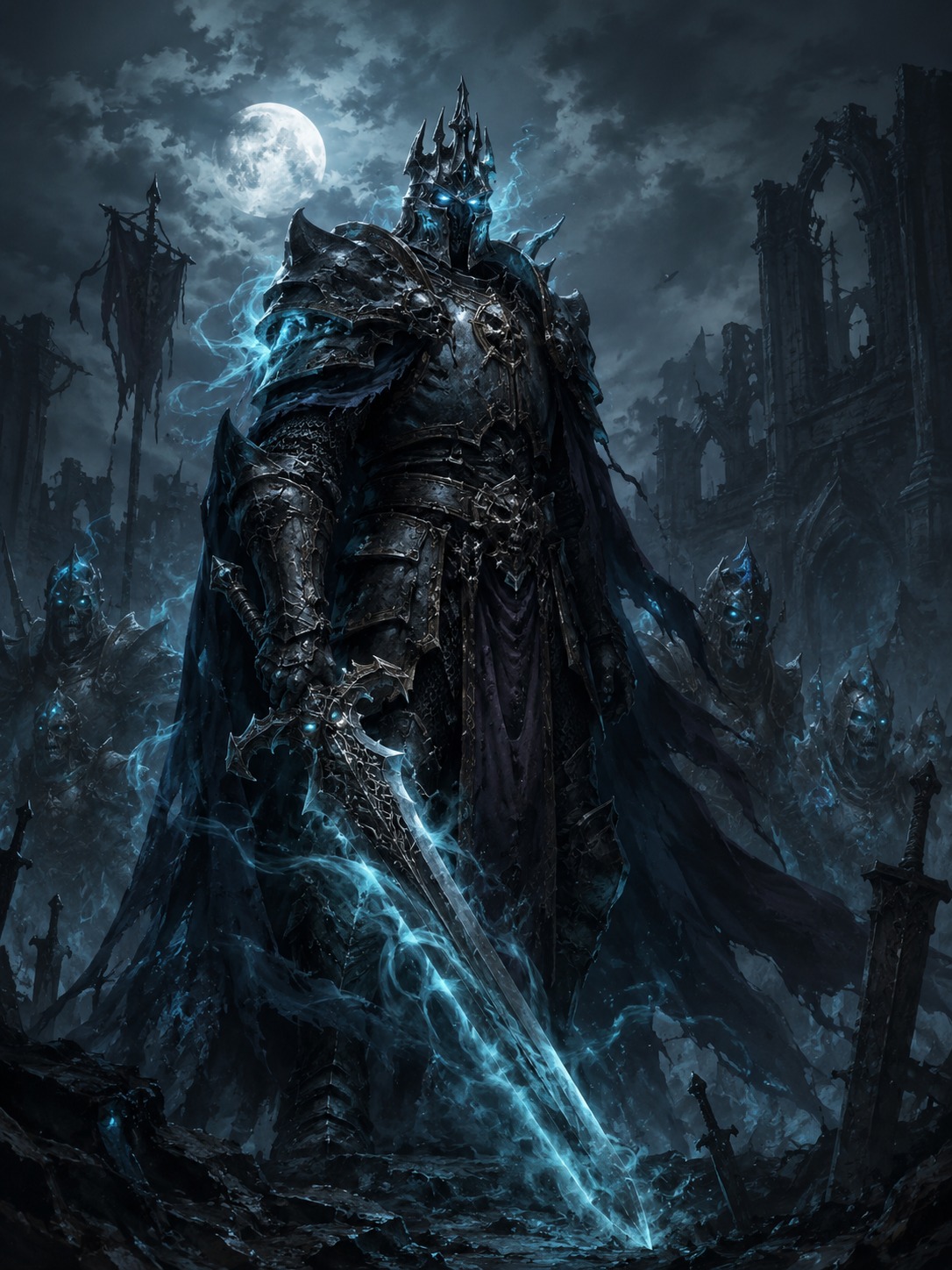
The Ghost (English Ghost, Latin Spectrum) is the soul of the dead that, due to lingering attachment, grudge, or unresolved circumstance, cannot proceed to the afterworld and remains in this world, the canonical iconographic figure of universal worldwide post-mortem belief: transparent or translucent in form, bound to a specific place (haunted houses, old houses), and manifesting through the Poltergeist (German for 'noisy spirit'), cold draught, apparition, sound, and weeping. The English ghost derives from Old English gaast (soul, spirit), and the iconographic origin spans the gidim of Mesopotamia, the akh of ancient Egypt, the psyche and eidolon of ancient Greece, the lar (guardian spirit) and lemur of ancient Rome — universally from the post-mortem soul belief of every civilisation. The decisive Western textual canon is Letter 27 of Book 7 of the Epistulae of Pliny the Younger (61-113 CE) of the late first century CE — in which the Greek philosopher Athenodorus (74 BCE - 7 CE) encounters in a haunted Athens house an old man's ghost rattling chains, and excavates his burial place to grant him post-mortem rest — the decisive Western canon of the first haunted-house ghost story. The ghost of Hamlet's father in William Shakespeare's (1564-1616) tragedy Hamlet (1599-1601) established the English-literary ghost canon, and the Marley and three Spirits of Past, Present, and Future in Charles Dickens's (1812-1870) novella A Christmas Carol (published 19 December 1843) are the decisive work of the Victorian ghost canon.