East Asian
55 items tagged with "East Asian"

Dragon
Legendary Creature · Wyrm — Ancient being of immense power and wisdom
Dragons are large, reptilian mythical creatures found in legends across both Eastern and Western cultures. They are renowned for their supernatural abilities such as breathing fire or flight, and serve as symbols of power, wisdom, calamity, or greed. Their appearance, temperament, and significance vary widely between cultures.

Phoenix
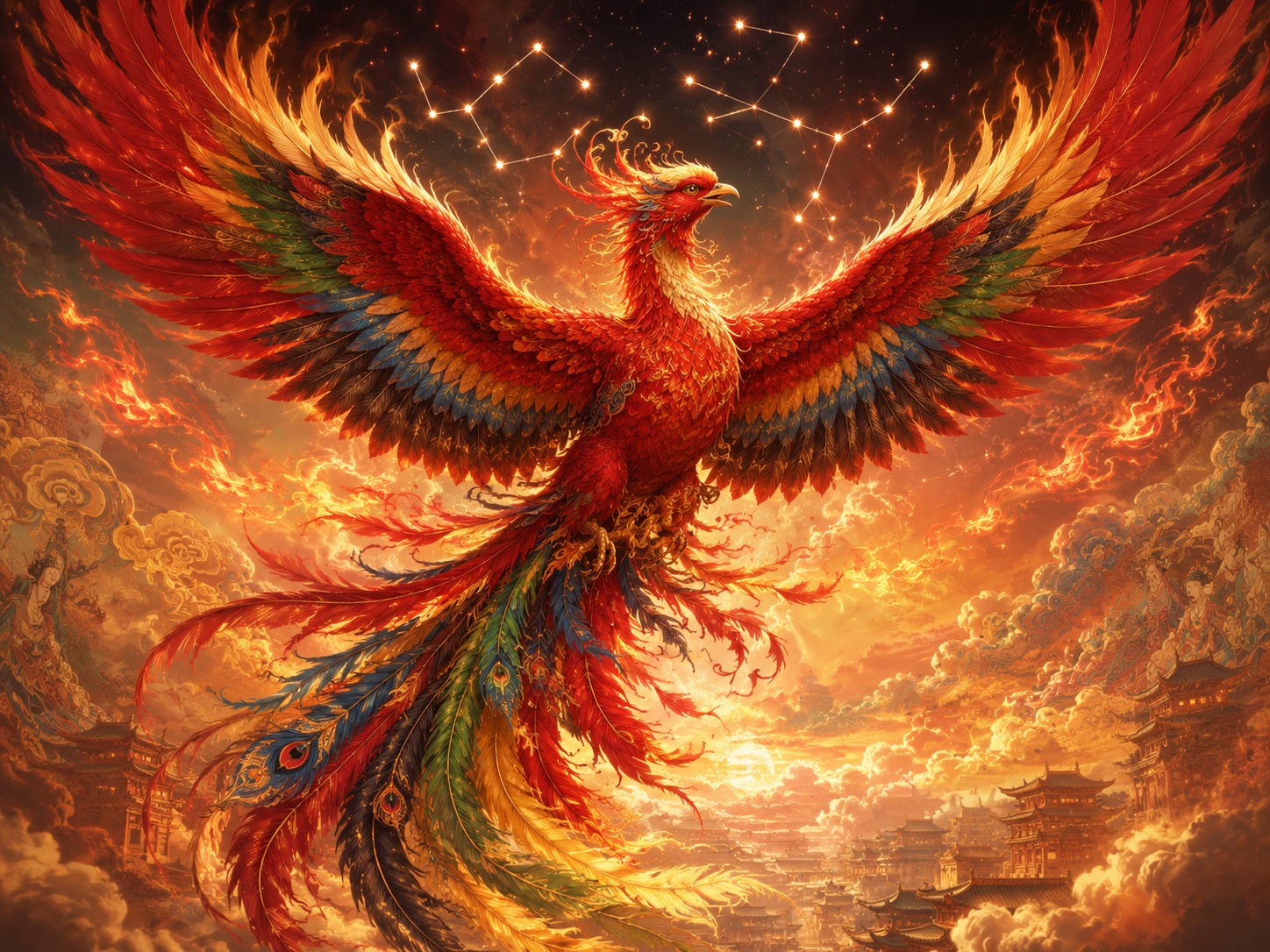
Phoenix · Firebird — Legendary bird reborn from flames
The phoenix is a mythical bird symbolizing immortality and rebirth. According to legend, it dies in a burst of flames and rises anew from its own ashes. It appears in both Eastern and Western myths, representing eternal life and hope.

Longhorn Bison
Longhorn Bison · Ancient plains giant — Massive grazer with elongated horns
The Longhorn Bison is inspired by the real prehistoric giant, the long-horned bison (Praebison antiquus). It was known for its imposing size and exceptionally long horns, roaming the grasslands of Eurasia and North America. Its tough hide and herding behavior made it both a challenge and a prize for early human hunters.

Matia
Legendary Creature — An unverified being with no historical record
Matia is not found in any historical records or folklore; it is not a known traditional or real-world creature in Korean or world history. There is no evidence for its existence in authentic historical or ethnological sources.

Naga
Naga · Serpent People — Mythical half-human, half-serpent beings
Nagas are legendary creatures found in the mythology of India and Southeast Asia, depicted as beings with a human upper body and a serpent lower body. Closely associated with water, they are sometimes revered as protectors and other times feared as dangerous spirits. Their role varies from divine guardians to adversaries.

Dragonfly
Dragonfly · Agile Insect — Swift and skillful flyer
The dragonfly is a common insect found throughout East Asia, characterized by its elongated body and two pairs of transparent wings. It is known for its agile flight and is typically seen near wetlands, ponds, and rice paddies.

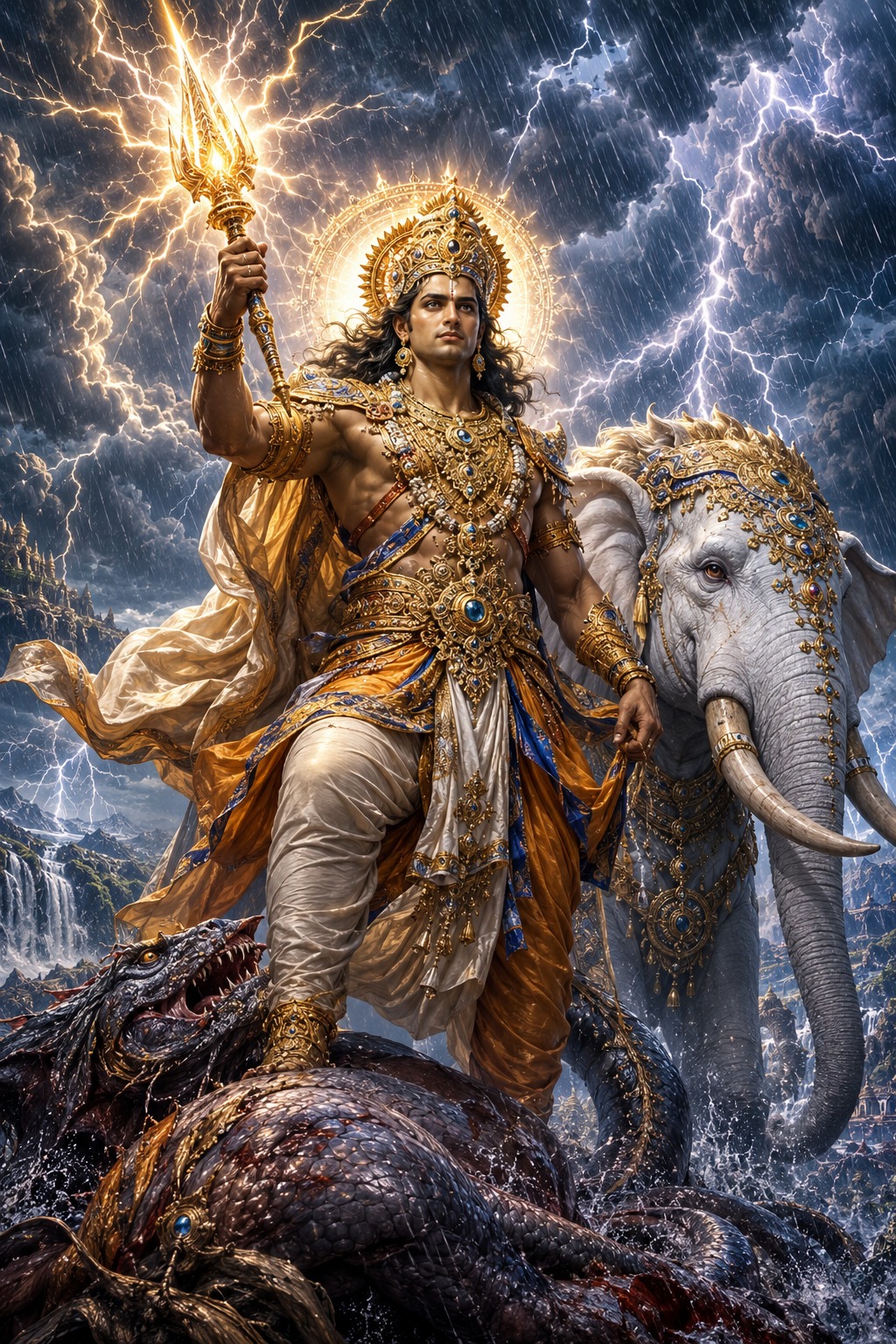
Indra
Indra · God of Thunder — Supreme Deity of Hindu Mythology
Indra is the god of thunder, rain, and war in Hindu mythology. As the king of the gods during the Vedic era, he held a prominent position. His weapon is the vajra, symbolizing lightning.

Taurus
Taurus · Bull Beast — Massive bovine creature
The Taurus is a mythical giant bull that appears in ancient legends and folklore. It is often regarded as a symbol of strength and bravery, frequently depicted wandering wild in mountains and fields.

Storymon
Storymon · Fictional Creature — Imaginary Being
Storymon is not a real historical creature but a fictional concept that does not exist in reality. It is absent from historical records, folklore, and mythologies.

Peridin
Peridini · Imaginary Creature — Not a Real Being
Peridin is a fantastical creature that does not actually exist. This term is not found in natural history, mythology, or folklore.

Giant Spider
Giant Spider · Colossal Arachnid — Large predatory arthropod
The giant spider is an enormous arachnid, far larger than common spiders. Appearing in Eastern folklore and European legends, it dwells in dark forests, caves, or ruins. It hunts by ambush, wielding potent webs and venom as its primary weapons.

Komuzit Bow
Composite Bow · Indian Medieval Weapon — Powerful Synergy of Materials
The Komuzit Bow is a traditional Indian composite bow crafted from wood, horn, and sinew. Renowned for its elasticity and power, it was favored by both cavalry and archers. Its compact design allowed for maneuverability on horseback.

Saber
Curved Single-Edged Sword · Cavalry Blade — A classic cutting weapon
The saber is a curved, single-edged sword primarily designed for one-handed use. Renowned for its cutting power, it was widely utilized in cavalry and infantry throughout both Eastern and Western cultures. Most famously, it became a symbol of European cavalry in the 18th and 19th centuries.

War Axe
War Axe · Battle Axe — Powerful striking weapon used in warfare
The war axe is a type of axe designed specifically for combat, differing from regular woodcutting axes by its optimized balance and blade shape for fighting. It often features a single or double blade and a forward-weighted head for devastating blows. War axes were widely used from antiquity through the medieval period across many cultures.

Turkmen Bow
Turkmen Composite Bow · Steppe Nomad Tradition — Optimized for Horseback Archery
The Turkmen bow is a composite bow traditionally used by Turkmen nomads of the Central Asian steppes. With its short, highly recurved limbs, it is designed for effective use on horseback. Constructed from horn, wood, and sinew, the bow offers high elasticity and powerful penetration.

Baston
Arnis Stick · Escrima Stick — Traditional Filipino Martial Arts Weapon
The baston is a traditional wooden stick used in Filipino martial arts such as Arnis and Eskrima. It comes in various lengths, typically suited for one-handed use and rapid movements. The baston is a staple for both training and live combat.

Musket
Matchlock Firearm · Early Long Gun — Muzzle-Loaded Infantry Weapon
The musket is a muzzle-loaded firearm widely used from the late 16th to early 19th century by military forces. It fired lead projectiles using gunpowder and profoundly changed battlefield tactics. Its effective range and penetration surpassed that of most melee weapons of its era.

Scagimsha
Central Asian Curved Dagger · Nomad Warriors’ Weapon — A sleek, curved dagger favored by steppe warriors
The Scagimsha is a traditional curved dagger originating from Central Asia. It was primarily used by nomadic warriors for close combat, distinguished by its light weight and sweeping curve. The blade is effective for both slashing and thrusting.

Hammer
Hammer · Warhammer — Weapon of blunt force and utility
The hammer is a weapon made of metal or wood, featuring a heavy, flat striking head. It is primarily used to crush or break enemy armor and shields. Hammers were commonly used by warriors across medieval Europe and East Asia.

Composite Bow
Composite Bow · Multi-material Power — A powerful bow crafted from various materials
The composite bow is made by combining wood, horn, sinew, and sometimes other materials. Renowned for its superior elasticity and long range, it was particularly favored by mounted archers. Its moderate size and weight made it highly portable.

Spear
Spear · Polearm — A versatile weapon used for both melee and ranged combat
The spear is a long-shafted weapon tipped with a sharpened point or blade, used since ancient times in a variety of battlefields. Both infantry and cavalry employed the spear for thrusting and throwing. Its simplicity and reach made it tactically advantageous.

Recurve Bow
Recurve Bow · Curved Bow — Ancient bow with recurved limbs
The recurve bow features limbs that curve away from the archer when unstrung, creating increased power and energy efficiency despite its shorter length. This design enables greater portability and is well-suited for mounted archery. It has been widely used by East Asian and Central Asian cultures.

Composite Recurve Bow
Composite Recurve Bow · Powerful multi-material curved bow
The composite recurve bow is crafted by combining materials such as wood, horn, and sinew into a curved shape. Its tips curve forward, enabling efficient transfer of energy for greater power. This design allows for a compact yet highly potent weapon.

Manchu Bow
Manchu Composite Bow · Qing Bow — Powerful Bow of Northern Horsemen
The Manchu bow is a composite bow developed and used by the Manchu people and the Qing dynasty. It was specifically designed for mounted archery, featuring large siyahs and high draw weight. The bow also influenced Korean archery during the later Joseon period.

Mongol Bow
Composite Bow · Mongol Cavalry Weapon — Signature weapon of Mongol horse archers
The Mongol bow is a composite bow used during the Mongol Empire era. Its compact, highly curved shape gave it exceptional power and range. It was optimized for mounted archery by nomadic warriors.

Sword Saint
劍聖 · Sword Saint — A legendary realm reached at the absolute limit of swordsmanship
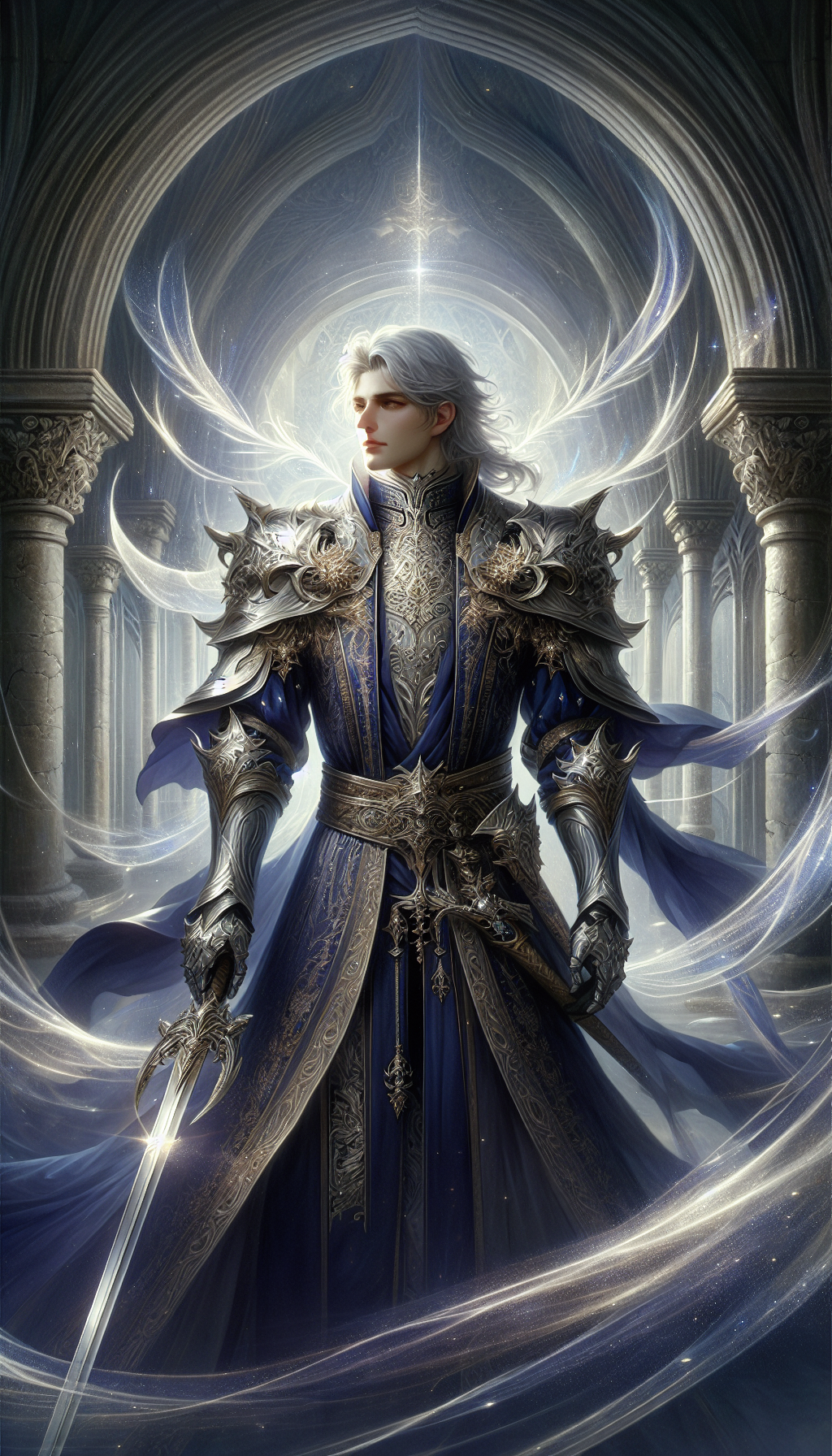
The highest-tier combat class that has honed swordsmanship to its extreme, freely wielding sword qi (劍氣) and sword aura (劍罡). Without using any magic, they unleash mage-level attacks through pure sword energy alone, earning the title of living legend. An incredibly rare attainment — only one or two exist in any given era.

Illusionist
幻術師 · Illusionist — A mage who erases the boundary between reality and illusion
A magical class that creates hallucinations and illusions to manipulate enemy perception. Rather than dealing direct damage, they are specialists in indirect combat — making enemies attack themselves, concealing allies, or turning the space itself into a labyrinth. Because the magic acts directly on the brain, it is difficult to resist.

Sealer
封印師 · Sealer — A guardian of balance who seals danger and confines power
A magical class specializing in sealing powerful magical beasts, gods, curses, and forbidden powers. Their main role is neutralization, sealing, and purification rather than attack — an indispensable class when facing extreme entities like demon lords and ancient gods. They can also reverse the process, unleashing sealed power as combat strength.

Sitar
Indian Lute · Iconic String Instrument — Deep-toned South Asian lute
The sitar is a prominent string instrument originating from India and South Asia. It features a long neck, a large resonating chamber, and separate sets of playing and sympathetic strings, creating a rich and complex timbre. It is widely used in classical and folk music traditions.

Tambura
Tambura · Traditional Drone String Instrument — Eastern background instrument
The tambura is a plucked string instrument originating from Eastern traditions, especially South Asia. It provides continuous drone notes that offer harmonic support in vocal and instrumental performances. Its long neck and resonant body define its distinctive sound.

Shrine Maiden
Intermediate巫女 · Shrine Maiden — The Sacred Woman Who Bridges God and Humanity
A female religious figure who receives divine will, delivers prophecy, performs purification rites, and mediates between gods and humanity. In East Asian fantasy, the shrine maiden is a sacred being who serves at a shrine and is also a formidable warrior in her own right, wielding powerful spiritual energy. In Korean shamanism she manifests as the Mudang (shaman), and in Western fantasy as the Oracle or Sibyl. The shrine maiden's prophecies carry an absolute authority capable of altering the destiny of kings.

Queen Consort
Supreme王妃 · Queen Consort — The King's Lawful Wife, Mother of the Kingdom
The king's lawful wife. Though ranking below an empress, she holds the official position second only to the king within the kingdom. The queen consort is far more than a spouse — she co-presides over royal ceremonies, bears responsibility for the crown prince's education, and administers the consort hierarchy, exercising genuine domestic power. When the king is absent due to war or travel, she may serve as regent with full royal authority. In fantasy, the queen consort is variously interpreted as a beloved mother, a ruthless politician, or a sinister power broker who deals in poison.

Noble Consort
Greater貴妃 · Noble Consort — Second Only to the Empress, the Highest-Ranking Imperial Consort
The highest-ranking title among the imperial consorts, second only to the empress. Should the empress's position fall vacant or she become infirm, the noble consort effectively becomes head of the inner court. Though nominally ranked below the empress, a noble consort who monopolizes the emperor's favor often wields real power that surpasses the empress — measured by the time spent in the imperial bedchamber and the number of imperial sons she bears. Yang Guifei of the Tang dynasty is history's most celebrated Noble Consort; in fantasy, she stands at the center of an intense power struggle with the empress.

Empress
Spirit King皇后 · Empress — The Empire's Other Sun
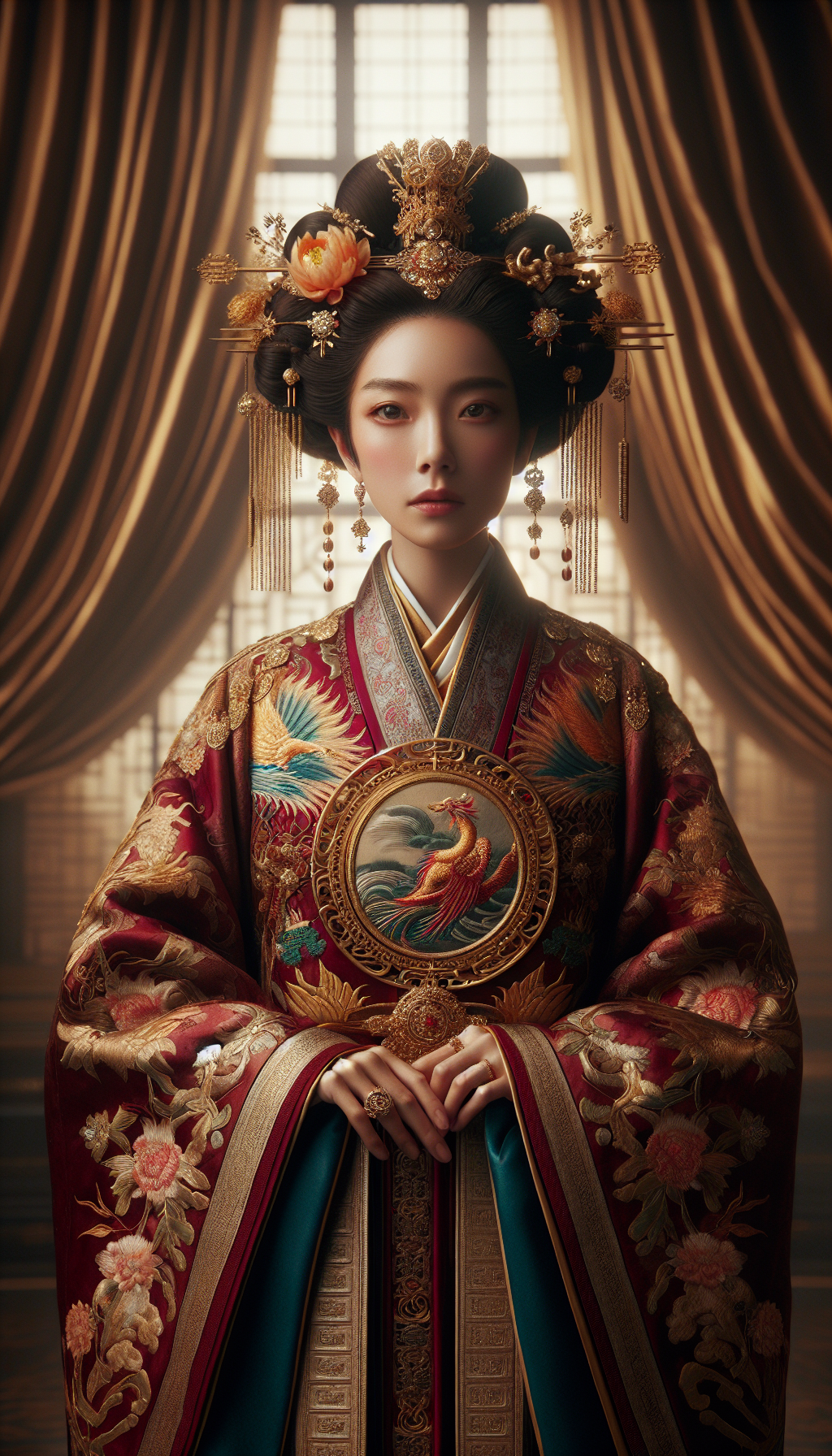
The emperor's consort (Empress Consort) or a woman who rules the empire in her own right (Empress Regnant). In Eastern courts, the empress commands the entire inner court and forms one of the two pillars of the empire alongside the emperor. Historical figures such as Wu Zetian of Tang China and Catherine the Great of Russia exercised power that in practice exceeded the emperor's own. In fantasy, the empress is often portrayed as an absolute ruler who moves the entire empire from behind a graceful facade.

Empress Dowager
Spirit King太后 · Empress Dowager — The Hand That Moves the Empire from Behind the Current Emperor
The empress of the late emperor and the mother of the reigning emperor. She ranks above even the current empress in the official hierarchy, and during the reign of a young or incapable emperor she effectively governs the entire empire through regency — ruling from behind the screen. Historical figures like China's Empress Dowager Cixi and Rome's Agrippina the Younger wielded power that sometimes exceeded the emperor's. In fantasy, the empress dowager appears either as the true hidden mastermind or as a formidable patron who supports the protagonist.

Duke's Daughter / Tribute Lady
Greater貢女 · Duke's Daughter / Tribute Lady — A Title with Two Faces
The term carries two entirely different meanings. ①**Duke's Daughter**: The daughter of a duke — a woman of the highest noble bloodline, near-royal in standing. The most elevated of all Young Ladies, she is a candidate for marriage to a prince or crown prince. ②**Tribute Lady**: A woman sent by a vassal state to a great power as a hostage, comfort figure, or diplomatic offering. The diametrically opposite meaning — in this case, the Gongnye is a political sacrifice. In fantasy, the two meanings are often intertwined to create a distinctive dramatic tension.
Scale Armor
Scale Armor · Lamellar — Overlapping metal scales for flexible defense
Scale armor is constructed by attaching small, overlapping metal scales to a backing of fabric or leather. The arrangement mimics fish scales, providing a balance of flexibility and protective strength. It was widely used across both Eastern and Western medieval cultures.

Greave
Leg Guard · Shin Armor — Protective gear for the lower leg
A greave is armor designed to protect the shin and calf areas of the leg, typically made from metal or leather. It was commonly worn to prevent leg injuries during combat. Greaves were utilized in many cultures, notably medieval Europe and East Asia.

Helmet
Helmet · Head Armor — Protective gear for the head
A helmet is a piece of armor worn to protect the head during combat. Helmets have evolved in materials and design across different cultures and eras, commonly made from metal, leather, or fabric. Some helmets also served decorative or ceremonial purposes.

Leather Armor
Lightweight Protective Gear · Flexible Defense — Favored by Agile Warriors
Leather armor is crafted from multiple layers of animal hide, offering lightweight protection. Its flexibility and low weight make it ideal for warriors and archers who value mobility. Though it provides less defense than metal armor, it excels at reducing noise and allowing swift movement.

Palak Paneer
Spinach and Cheese Curry · Indian Cuisine — A rich curry of blended spinach and fresh cheese
Palak Paneer is a classic North Indian dish featuring pureed spinach and cubes of fresh paneer cheese simmered in aromatic spices. Its vibrant green sauce and creamy texture make it a staple in Indian vegetarian cuisine. The dish balances the earthiness of spinach with the mild flavor of paneer.

Palaći
Palaći · Fried Flatbread — Traditional Central Asian Snack
Palaći is a dish made by rolling out wheat dough thinly and deep-frying it in oil. Originating from the nomadic cultures of Central Asia and Turkey, it is characterized by its crispy exterior and soft interior. Sometimes, it can be filled with meat or vegetables.

Curry Rice
Japanese Curry · Comfort food — Mild, savory curry served over rice
Curry rice is a popular Japanese dish featuring rice topped with a thick curry sauce. The curry includes ingredients such as meat, potatoes, carrots, and onions, and its flavor and spiciness can be adjusted to taste.

Tarlak
Tarlak · Central Asian Nomadic Dish — Traditional lamb and grain stew
Tarlak is a traditional dish of Central Asian nomads, made by combining lamb and grains. It was developed for easy consumption during long migrations and offers high nutritional value. The stew’s hearty flavor comes from slow-cooking meat and grains together.

Mongol Warhorse
Mongol Warhorse · Cavalry Steed — The compact, resilient mount of the Mongol Empire
The Mongol warhorse is a small yet sturdy breed native to the Mongolian steppes. Renowned for its endurance and adaptability, it enabled Mongol cavalry to travel vast distances across harsh terrain. These horses were pivotal to the rapid expansion and tactical supremacy of the Mongol Empire.

Warhorse
Warhorse · Military Mount — Horse bred and trained for battle
A warhorse is a horse specially trained and bred for use in warfare. These animals provided mobility, shock power, and support for cavalry and armored warriors on the battlefield. Various breeds served as vital military assets across different eras and cultures.

Sheepdog
Shepherd Dog · Herding Dog — Dog bred for guarding and driving livestock
The sheepdog is a type of dog specifically bred and trained to herd and protect livestock such as sheep. Known for their intelligence, agility, and obedience, sheepdogs have been invaluable helpers to shepherds for centuries.

Angkor Wat Palace
Angkor's Grand Temple — Monumental Stone Structure of the Khmer Empire
The Angkor Wat Palace is a massive stone temple complex built in the 12th century during the Khmer Empire. Originally dedicated to the Hindu god Vishnu, it later served as a Buddhist temple. Its iconic moat and five central towers make it one of the largest religious structures in the world.

The Walls of Constantinople
Theodosian Walls · Byzantine Fortifications — Medieval Eastern Roman defensive marvel
The Walls of Constantinople are massive stone fortifications built to defend the capital of the Eastern Roman Empire. Expanded and repaired over centuries, these walls successfully protected the city against numerous sieges. The double-wall structure completed under Theodosius II is especially renowned.

Mosque
Mosque · Masjid — Religious structure of Islamic faith
A mosque is a place of worship for Muslims, distinguished by domes, minarets, and wide prayer halls. Its architectural style varies by region and era, reflecting local culture. Courtyards and ritual washing areas are common features.

Kailasa Temple
Kailasa Temple · Ellora Cave 16 — Ancient Indian Rock-Cut Temple
The Kailasa Temple is a major Hindu temple located in the Ellora Caves, Maharashtra, India. It was carved from a single rock from the top down and built during the 8th century under the Rashtrakuta dynasty. The temple is modeled after Mount Kailash, the mythological abode of Shiva.

Medieval Sailing Ship
Medieval Vessel · Wind-powered Transport — Ocean-going wooden ship
The medieval sailing ship refers to wooden vessels used from the 9th to 15th centuries in Europe and Asia. Utilizing sails and masts to harness wind power, these ships played vital roles in maritime trade, exploration, and warfare. They came in various sizes and designs, laying the foundation for the Age of Exploration.

Junk (Qiu-ka)
Junk · Medium Sail Ship — Iconic East Asian maritime vessel
The junk is a traditional sailing ship originating from China, widely used for maritime transport and trade in East Asia. Its distinctive design with broad sails and compartmentalized hull enabled stable voyages in diverse sea conditions.