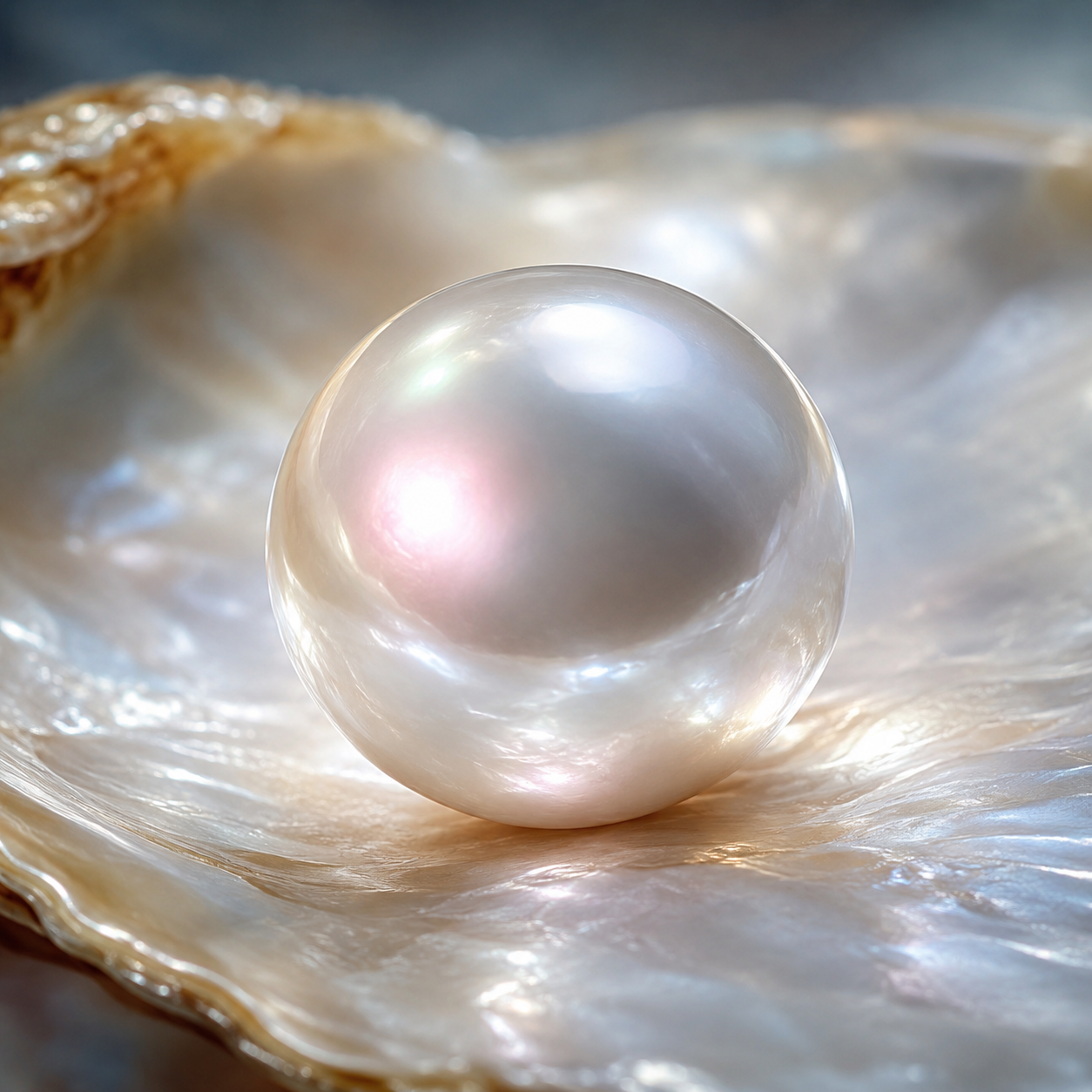
Pearl
Pearl· 眞珠 Tears of the sea
Names in Other Languages
 진주한국어
진주한국어Pearl· 眞珠 바다의 눈물
 真珠日本語
真珠日本語Pearl· 眞珠 海の涙
 珍珠繁體中文
Pearl· 眞珠 海之淚
 PerleDeutsch
Pearl· 眞珠 Traenen des Meeres
 PerleFrançais
Pearl· 眞珠 Larmes de la mer
 PerlaEspañol
Pearl· 眞珠 Lagrimas del mar
 PerolaPortuguês
Pearl· 眞珠 Lagrimas do mar
 PerlaPolski
Pearl· 眞珠 Lzy morza
 ЖемчугРусский
Pearl· 眞珠 Слёзы моря
Pearl (English Pearl, Greek margaritēs, Latin margarita, Sanskrit muktā) is the gem of the sea's tears of the decisive canon — derived from Sanskrit 'muktā (liberated, gem)' and Greek 'margaritēs' — the decisive canonical vocabulary — the decisive mineralogical canon of the calcium carbonate nacre layer of a mollusc — and the decisive canon of being the only organic gem. Aliases — Pearl (Pearl), margarita (margarita, Latin), muktā (muktā, Sanskrit), tears of the sea, queen of gems, birthstone of June — are the decisive canonical vocabulary. The decisive natural history canon is the decisive canon of 'pearl is the most valuable of all gems' in Pliny the Elder's (Pliny the Elder, 23-79) Natural History (Naturalis Historia) Book 9 chapters 106-123 of the 1st century. The decisive Cleopatra canon is the decisive canon of Cleopatra (Cleopatra) dissolving her pearl earring in vinegar during her wager with Mark Antony in 41 BCE — recorded in Pliny's Natural History Book 9 chapter 121. The decisive Matthew canon is the decisive canon of the 'parable of the pearl' in Matthew 13:45-46.
Origin
The etymological origin is the decisive canonical vocabulary of Sanskrit 'muktā (मुक्ता muktā, liberated, gem)' and Greek 'margaritēs (μαργαρίτης)' — the decisive canon becoming the etymology of Latin 'margarita', and English 'pearl' deriving from Latin 'perna (thigh, mollusc)' through the diminutive 'pernula'. The decisive natural history origin canon is the decisive canon of the Roman Pliny the Elder's (Pliny the Elder, 23-79) Natural History (Naturalis Historia) Book 9 chapters 106-123 of the 1st century — 'pearl (margarita) is the most valuable of all gems, growing in molluscs of India and the Persian Gulf, formed when dew enters the shell and becomes a pearl'. The decisive Cleopatra canon is the decisive canon of Cleopatra VII (Cleopatra VII, 69-30 BCE) of Egypt dissolving her pearl earring (worth about 10 million sesterces) in vinegar to drink during her wager with Mark Antony (Mark Antony) in 41 BCE — recorded in Pliny's Natural History Book 9 chapters 119-121 and Macrobius's Saturnalia. The decisive Matthew canon is the decisive canon of the 'parable of the pearl' in Matthew (Matthew) 13:45-46 of the 1st century — 'The kingdom of heaven is like a merchant looking for fine pearls; when he found one of great value, he went away and sold everything he had and bought it'. The decisive Revelation canon is the decisive canon of '12 pearls' in Revelation 21:21 — 'the twelve gates of the New Jerusalem were twelve pearls'. The decisive Eastern canon is the decisive canon of the dragon's wish-fulfilling pearl (cintamani) of China and the Seven Treasures of Buddhism.
Features
- Calcium carbonate (CaCO3) nacre layer of molluscs — Mohs hardness 2.5-4.5
- Main axis Pliny Natural History Book 9 chapters 106-123 most valuable of all gems
- Sanskrit muktā (liberated, gem) — etymology of Greek margaritēs
- Cleopatra's pearl in vinegar in 41 BCE
- Only organic gem grown in living molluscs
- Origin — Persian Gulf, Gulf of India, Japan, China, Australian cultured pearls
Stories
Pearl in Pliny the Elder's Natural History Book 9 chapters 106-123 of the 1st century is the decisive natural history origin, and the decisive Eastern canon is the dragon's wish-fulfilling pearl of China and the pearl among the Seven Treasures of Buddhism. The decisive canon used as the most valuable of all gems, and the decisive canon invoked as the tears of the sea and the queen of gems. The decisive Cleopatra canon is the decisive canon of the wager of pearl in vinegar of 41 BCE, and the decisive Christian canon is the decisive canon of the 'parable of the pearl' in Matthew 13:45-46 and the '12 pearls of the gates' in Revelation 21:21. The decisive cultured pearl canon is the decisive canon of the invention of the cultured pearl by Mikimoto Kōkichi (Mikimoto Kōkichi, 1858-1954) of Japan in 1893.
Weakness
Pearl's weaknesses are: (1) Mohs hardness 2.5-4.5 limit — the decisive canonical weakness — much softer than sapphire (9) and diamond (10); (2) binding of acid — the decisive canon of dissolving in vinegar and acid as calcium carbonate — the canon of Cleopatra; (3) binding of dryness — the decisive canon of cracking or losing luster from water loss; (4) binding of perfume — the decisive canon of damage from chemicals; (5) binding of culturing — the decisive canon of the natural value being challenged by the 1893 cultured pearl; (6) binding of the sacred domain — the decisive canon; (7) binding of the mollusc — the decisive canon of the life of the living mollusc; (8) binding of time — the decisive canon of the binding of 5000 years of pearl. The decisive canonical finale is the decisive mythological canon of Mikimoto's invention of the cultured pearl in 1893.
Cultural Significance
Pearl is not merely a mineral icon but the canonical iconographic figure of the decisive Greco-Roman-Christian-Eastern canon, traversing pearl jewelry of Mesopotamia of c. 2300 BCE, Cleopatra's pearl in vinegar of 41 BCE, Pliny the Elder's Natural History Book 9 chapters 106-123 of the 1st century, Matthew 13:45-46 of the 1st century, Revelation 21:21 of the 1st century, the dragon's wish-fulfilling pearl of China, Botticelli's Birth of Venus of 1486, Vermeer's Girl with a Pearl Earring of 1665, and Mikimoto's cultured pearl of 1893. The etymological origin settled as the decisive canon of Sanskrit 'muktā (liberated)' and Greek 'margaritēs (μαργαρίτης)' — the decisive canon becoming the etymology of Latin 'margarita'. The decisive natural history origin canon is the decisive canon of the Roman Pliny the Elder's (Pliny the Elder, 23-79) Natural History (Naturalis Historia) Book 9 chapters 106-123 of the 1st century — 'pearl (margarita) is the most valuable of all gems, growing in molluscs of India and the Persian Gulf, formed when dew enters the shell and becomes a pearl', and the decisive Cleopatra canon is the decisive canon of Cleopatra VII (Cleopatra VII, 69-30 BCE) of Egypt dissolving her pearl earring (worth about 10 million sesterces) in vinegar during her wager with Mark Antony (Mark Antony) in 41 BCE — recorded in Pliny's Natural History Book 9 chapters 119-121. The decisive Christian canon is the decisive parable canon of Matthew (Matthew) 13:45-46 — 'The kingdom of heaven is like a merchant looking for fine pearls; when he found one of great value, he went away and sold everything he had and bought it', and the decisive Revelation canon is the decisive canon of Revelation 21:21 — 'the twelve gates of the New Jerusalem were twelve pearls'. The decisive Eastern canon is the decisive canon of the dragon's wish-fulfilling pearl of China, the pearl among the Seven Treasures of Buddhism (sapta-ratna, including pearl), and the Sanskrit cintamani (wish-fulfilling jewel, from Sanskrit 'cinta (thought) + mani (jewel)'), and the decisive Renaissance canon is the decisive canon of the pearl shell on which Venus stands in Sandro Botticelli's (Sandro Botticelli, 1445-1510) The Birth of Venus (The Birth of Venus) of 1486 and the Girl with a Pearl Earring (Girl with a Pearl Earring) of Johannes Vermeer (Johannes Vermeer, 1632-1675) of 1665. The decisive cultured pearl canon is the decisive canon of the invention of the cultured pearl (cultured pearl) by Mikimoto Kōkichi (Mikimoto Kōkichi, 1858-1954) of Japan in Toba, Mie Prefecture on 11 July 1893.
In Popular Culture
- Pliny the Elder Natural History (Naturalis Historia) Book 9 chapters 106-123 on pearl (1st century) — decisive natural history origin canon
- Cleopatra VII (Cleopatra VII) dissolving pearl in vinegar during wager with Mark Antony (41 BCE) — decisive Cleopatra canon
- Parable of the pearl in Matthew (Matthew) 13:45-46 (1st century) — decisive Christian canon
- 12 pearls of the gates in Revelation (Revelation) 21:21 (1st century) — decisive Revelation canon
- Dragon's wish-fulfilling pearl of China — decisive Eastern canon
- Pearl among the Seven Treasures of Buddhism — decisive Buddhist canon
- Sanskrit cintamani (cintamani) wish-fulfilling jewel — decisive Indian canon
- Botticelli The Birth of Venus (The Birth of Venus) (1486) — decisive Renaissance canon
- Vermeer Girl with a Pearl Earring (Girl with a Pearl Earring) (1665) — decisive 17th-century canon
- Invention of cultured pearl by Mikimoto Kōkichi (Mikimoto Kōkichi) (1893) — decisive cultured pearl canon
Trivia
The etymology of Pearl (English Pearl, Greek μαργαρίτης margaritēs, Latin margarita, Sanskrit मुक्ता muktā) is the decisive canonical vocabulary of Sanskrit 'muktā (मुक्ता muktā, liberated, gem)' and Greek 'margaritēs (μαργαρίτης margaritēs)' — the decisive canon becoming the etymology of Latin 'margarita', and the English 'pearl' deriving from the diminutive 'pernula' of Latin 'perna (thigh, mollusc)'. Aliases — Pearl (Pearl), margarita (Latin), margarites (Greek), muktā (Sanskrit), tears of the sea, queen of gems, birthstone of June, gemstone of the 30th wedding anniversary, light of the moon — are the decisive canonical vocabulary. The decisive natural history origin canon is the decisive canon of the Roman Pliny the Elder's (Pliny the Elder, born 23 CE, died at Pompeii 79 CE) Natural History (Naturalis Historia, 37 books) Book 9 chapters 106-123 of the 1st century — 'pearl (margarita) is the most valuable of all gems, growing in molluscs of India, the Persian Gulf, the Red Sea, and the Bosphorus, formed when the morning dew enters the shell and becomes a pearl', and 'black pearls are from Muziris in India'. The decisive Cleopatra canon is the decisive canon of Cleopatra VII (Cleopatra VII, born 69 BCE, died 12 August 30 BCE) of Egypt dissolving her pearl earring (worth about 10 million sesterces, estimated about 50 million dollars) in a glass of vinegar to drink during her wager with Mark Antony (Mark Antony, 83-30 BCE) in 41 BCE — the wager to 'present the most expensive banquet in a single day' — recorded in Pliny's Natural History Book 9 chapters 119-121 and Macrobius's (Macrobius, 5th century) Saturnalia (Saturnalia). The decisive Christian canon is the decisive canon of the 1st-century Matthew (Matthew) 13:45-46 — 'The kingdom of heaven is like a merchant looking for fine pearls (margaritas); when he found one of great value, he went away and sold everything he had and bought it' — the decisive parable canon — and Matthew 7:6 — 'Do not throw pearls before swine'. The decisive Revelation canon is the decisive canon of the 1st-century Revelation (Revelation) 21:21 — 'the twelve gates of the New Jerusalem were twelve pearls (πύλη μαργαρῖται), and each gate was made of a single pearl'. The decisive Eastern canon is the decisive canon of the dragon's wish-fulfilling pearl of China (the gem held in the dragon's mouth), the decisive canon of pearl among the Seven Treasures of Buddhism (sapta-ratna, Sanskrit, gold, silver, pearl, lapis lazuli, giant clam, coral, agate), and the decisive canon of the Sanskrit cintamani (cintamani, 'cinta (thought) + mani (jewel)', wish-fulfilling jewel). The decisive Renaissance canon is the decisive canon of the pearl shell on which Venus stands in The Birth of Venus (The Birth of Venus, La nascita di Venere) of 1486 by the Italian Sandro Botticelli (Sandro Botticelli, born 1 March 1445, died 17 May 1510), and the decisive canon of the Girl with a Pearl Earring (Girl with a Pearl Earring) of 1665 by the Dutch Johannes Vermeer (Johannes Vermeer, born October 1632, died December 1675) (now at the Mauritshuis Museum in The Hague). The decisive cultured pearl canon is the decisive canon of the invention of the cultured pearl (cultured pearl) by Mikimoto Kōkichi (Mikimoto Kōkichi, born 10 March 1858, died 21 September 1954) of Japan in Toba (Toba), Mie Prefecture on 11 July 1893 — the decisive canon of the patent for the perfectly round cultured pearl in 1916.
Related
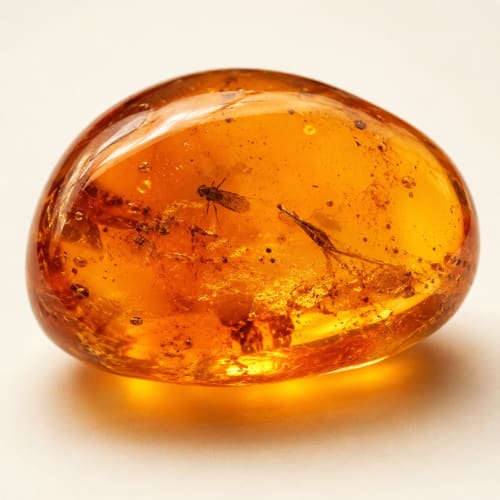
Amber
Amber· 琥珀 Tears of the Heliades
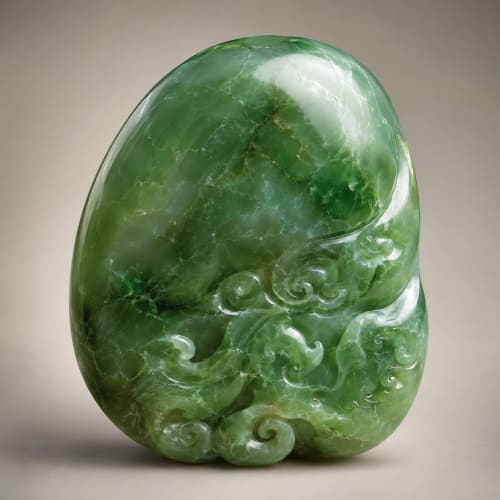
Jade
Jade· 玉 Sacred stone of East Asia
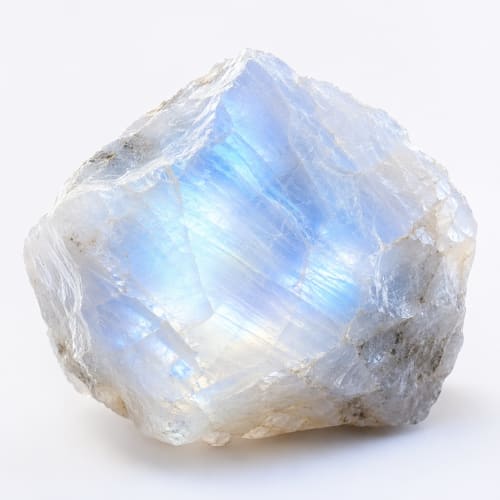
Moonstone
Moonstone· 月長石 Gem of moonlight

Amethyst
Amethyst· 紫水晶 Gem of Dionysus

Carbuncle
Carbuncle· 紅榴石 Glowing fantasy gem

Gold
Gold· Au The radiant metal of myth
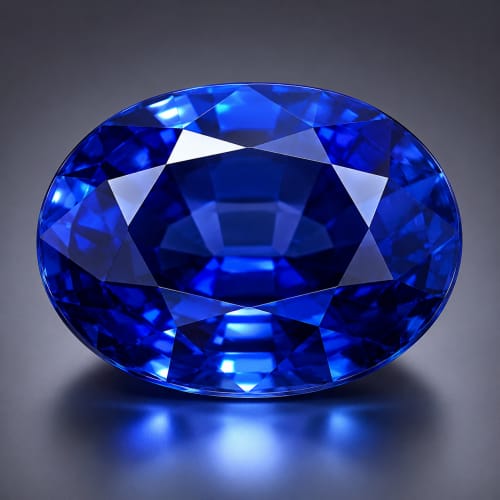
Sapphire
Sapphire· 靑玉 Gem of the heavens
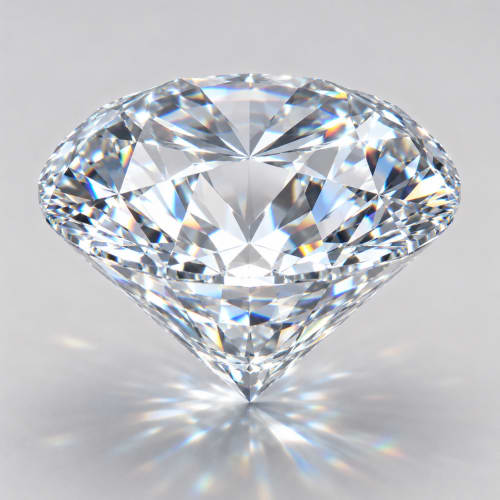
Diamond
Diamond· 金剛石 The hardest gem

Ruby
Ruby· 紅玉 The core of the four cardinal gems
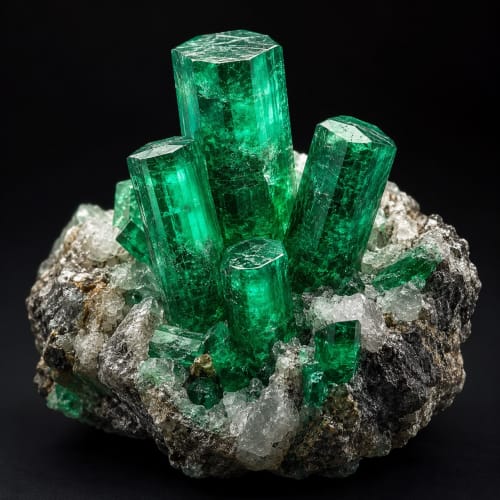
Emerald
Emerald· 翠玉 The Emerald Tablet of Hermes
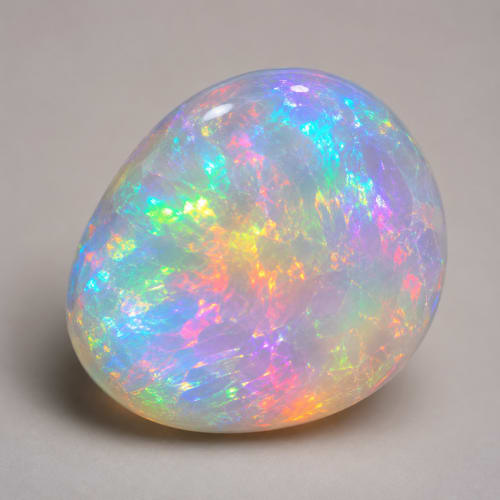
Opal
Opal· 蛋白石 Gem of the rainbow

Lapis Lazuli
Lapis Lazuli· 靑金石 Sky of Sumer and Egypt