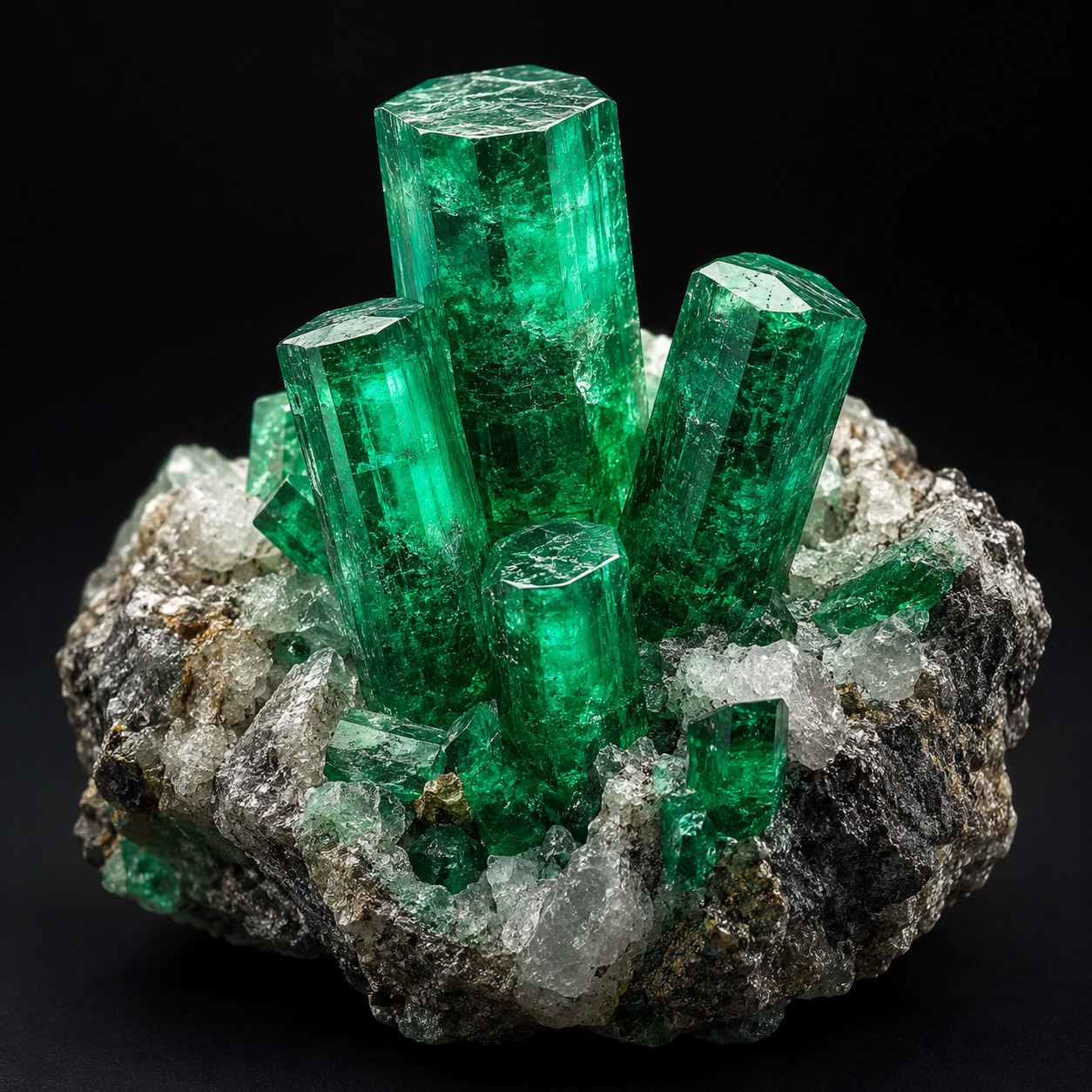
Emerald
Emerald· 翠玉 The Emerald Tablet of Hermes
Names in Other Languages
 에메랄드한국어
Emerald· 翠玉 헤르메스의 서판
 エメラルド日本語
Emerald· 翠玉 ヘルメスの石板
 祖母綠繁體中文
Emerald· 翠玉 赫爾墨斯之翠玉板
 SmaragdDeutsch
Emerald· 翠玉 Die Smaragdtafel des Hermes
 EmeraudeFrançais
Emerald· 翠玉 La Table d emeraude d Hermes
 EsmeraldaEspañol
Emerald· 翠玉 La Tabla Esmeralda de Hermes
 EsmeraldaPortuguês
Emerald· 翠玉 A Tabua de Esmeralda de Hermes
 SzmaragdPolski
Emerald· 翠玉 Szmaragdowa Tablica Hermesa
 ИзумрудРусский
Emerald· 翠玉 Изумрудная Скрижаль Гермеса
Emerald (English Emerald, Latin smaragdus, Greek smáragdos, Sanskrit marakata) is the gem of Hermes's tablet of the decisive canon — derived from Greek 'smáragdos (σμάραγδος, green gem)' — the decisive canonical vocabulary — the decisive mineralogical canon of beryl (Be3Al2Si6O18) with chromium (Cr) or vanadium (V) content as the green variety. Aliases — Emerald (Emerald), smaragdus (smaragdus, Latin), marakata (marakata, Sanskrit), tablet of Hermes, gem of Hermes, birthstone of May — are the decisive canonical vocabulary. The decisive natural history canon is the decisive canon of 'no color is more pleasing than the emerald' in Pliny the Elder's (Pliny the Elder, 23-79) Natural History (Naturalis Historia) Book 37 chapters 62-75 of the 1st century. The decisive Cleopatra canon is the decisive canon of Cleopatra's mines at Sikait in Egypt of the 1st century BCE. The decisive Tabula canon is the decisive canon of the Tabula Smaragdina (Tabula Smaragdina) of Hermes Trismegistus of the 8th-12th centuries.
Origin
The etymological origin is the decisive canonical vocabulary of Greek 'smáragdos (σμάραγδος smáragdos, green gem)' — the decisive canon becoming the etymology of Latin 'smaragdus' and English 'emerald' — and the decisive canon of kinship with Sanskrit 'marakata (मरकत marakata)'. The decisive natural history canon is the decisive canon of the Roman Pliny the Elder's (Pliny the Elder, 23-79) Natural History (Naturalis Historia) Book 37 chapters 62-75 of the 1st century — 'no color is more pleasing than the emerald (smaragdus), with 12 varieties, Scythia being the best'. The decisive Cleopatra canon is the decisive canon of the Sikait mines (Mons Smaragdus, modern Gebel Zabara of Egypt) of Cleopatra VII (Cleopatra VII, 69-30 BCE) of Egypt of the 1st century BCE — the decisive canon of operation for about 2,500 years from 1500 BCE to the 18th century. The decisive Tabula canon is the decisive canon of the Tabula Smaragdina (Tabula Smaragdina, Emerald Tablet) of Hermes Trismegistus (Hermes Trismegistus) of the 8th-12th centuries — the decisive canon of 'As above, so below'. The decisive Inca canon is the decisive canon of the Muzo (Muzo) mines of Colombia of the 16th century, and the decisive Aztec canon is the decisive canon of Quetzalcoatl's (Quetzalcoatl) green gem.
Features
- Green variety of beryl (Be3Al2Si6O18) with chromium (Cr) or vanadium (V) content
- Main axis Pliny Natural History Book 37 chapters 62-75 pleasing color
- Greek smáragdos Sanskrit marakata
- Mohs hardness 7.5-8 — fourth after diamond (10), sapphire (9), ruby (9)
- Four great gems diamond, emerald, sapphire, ruby
- Origin Muzo Colombia, Zambia, Egypt, Brazil
Stories
Emerald in Pliny the Elder's Natural History Book 37 chapters 62-75 of the 1st century is the decisive natural history canon, and the Tabula Smaragdina of Hermes Trismegistus of the 8th-12th centuries is the decisive alchemical canon. The decisive canon used as the gem of Hermes's tablet, and the decisive canon invoked as one of the four great gems. The decisive Cleopatra canon is the decisive canon of Cleopatra's mines in Egypt of the 1st century BCE, and the decisive Inca canon is the decisive canon of the Muzo mines of Colombia of the 16th century. The decisive Aztec canon is the decisive canon of Quetzalcoatl's green gem, and the decisive Mughal canon is the decisive canon of the emeralds of the 17th-century Mughal Empire.
Weakness
Emerald's weaknesses are: (1) cracks — the decisive canonical weakness — the decisive canon of internal cracks called 'jardin (garden)' in nearly all emeralds; (2) Mohs hardness 7.5-8 limit — the decisive canonical weakness — vulnerable to impact; (3) binding of heat — the decisive canon of color disappearing by heating; (4) binding of acid — the decisive canon of damage by acid; (5) binding of synthesis — the decisive canon of synthetic emerald by Carroll Chatham (Carroll Chatham) of 1935; (6) binding of the sacred domain — the decisive canon; (7) binding of Hermes — the decisive canon of the binding of the tablet; (8) binding of time — the decisive canon of the binding of 4500 years of Egypt. The decisive canonical finale is the decisive mythological canon of the Bahia Emerald (Bahia Emerald, 380 kg) of Brazil of 2001.
Cultural Significance
Emerald is not merely a mineral icon but the canonical iconographic figure of the decisive Indo-Greco-Roman-Inca-Aztec-Mughal canon, traversing Sanskrit marakata, Theophrastus's On Stones of the 4th century BCE, Cleopatra's Sikait mines of the 1st century BCE, Pliny the Elder's Natural History Book 37 chapters 62-75 of the 1st century, the Tabula Smaragdina of Hermes Trismegistus of the 8th-12th centuries, the Muzo mines of Colombia of the 16th century, Quetzalcoatl's gem in Aztec mythology, the emeralds of the 17th-century Mughal Empire, the synthetic emerald of Carroll Chatham of 1935, and the Bahia Emerald of Brazil of 2001. The etymological origin settled as the decisive canon of Greek 'smáragdos (σμάραγδος smáragdos, green gem)' — the decisive canon becoming the etymology of Latin 'smaragdus' and English 'emerald'. The decisive natural history canon is the decisive canon of the Roman Pliny the Elder's (Pliny the Elder, 23-79) Natural History (Naturalis Historia) Book 37 chapters 62-75 of the 1st century — 'no color is more pleasing than the emerald (smaragdus), one of the 3 great gems with diamond and pearl, with 12 varieties' — and the decisive canon of 'Scythia is the best, Bactria and Egypt are sources'. The decisive Theophrastus canon is the decisive canon of emerald in the Greek Theophrastus's (Theophrastus, 371-287 BCE) On Stones (Peri Lithōn) of the 4th century BCE. The decisive Cleopatra canon is the decisive canon of the Sikait mines (Mons Smaragdus, modern Gebel Zabara, on the Red Sea coast) of Cleopatra VII (Cleopatra VII, 69-30 BCE) of Egypt of the 1st century BCE — the decisive canon of operation for about 2,500 years from 1500 BCE to the 18th century, and the decisive canon of rediscovery by the French mineralogist Frédéric Cailliaud in 1817. The decisive Tabula canon is the decisive canon of the Tabula Smaragdina (Tabula Smaragdina, Emerald Tablet) of Hermes Trismegistus (Hermes Trismegistus, 'Thrice-Great Hermes') of the 8th-12th centuries — the basic text of alchemy with 13 sentences, and the decisive canon of 'Quod est superius, est sicut quod est inferius (As above, so below)'. The decisive Inca canon is the decisive canon of the Muzo (Muzo, modern Boyacá) and Chivor (Chivor) mines of Colombia of the 16th century — the decisive canon of the Inca sacred green gem, and the decisive canon of conquest by Gonzalo Jiménez de Quesada in 1538. The decisive Aztec canon is the decisive canon of the green gem of Quetzalcoatl (Quetzalcoatl, 'Feathered Serpent'), and the decisive Mughal canon is the decisive canon of the 'Mogul Emerald' of the 17th-century Mughal Empire of India — the decisive canon of the gems of Shah Jahan's Taj Mahal. The decisive synthesis canon is the decisive canon of the synthetic emerald (Chatham emerald) by the American Carroll Chatham (Carroll Chatham, 1914-1983) of 1935, and the decisive 21st-century canon is the decisive canon of the Bahia Emerald (Bahia Emerald, 380 kg, 180,000 carats) of Brazil of 2001.
In Popular Culture
- Emerald in Theophrastus (Theophrastus) On Stones (On Stones, Peri Lithōn) (4th century BCE) — decisive Theophrastus canon
- 'smaragdus' in Pliny the Elder Natural History (Naturalis Historia) Book 37 chapters 62-75 (1st century) — decisive natural history canon
- Cleopatra VII's (Cleopatra VII) Sikait (Mons Smaragdus) mines (1st century BCE) — decisive Cleopatra canon
- Tabula Smaragdina (Tabula Smaragdina) of Hermes Trismegistus (Hermes Trismegistus) (8th-12th centuries) — decisive Tabula canon
- Inca Muzo (Muzo) mines of Colombia — decisive Inca canon
- Green gem of Aztec Quetzalcoatl (Quetzalcoatl) — decisive Aztec canon
- Gonzalo Jiménez de Quesada's (Gonzalo Jiménez de Quesada) conquest of Muzo (1538) — decisive conquest canon
- Mogul Emerald of the Mughal Empire (17th century) — decisive Mughal canon
- Synthetic emerald by Carroll Chatham (Carroll Chatham) (1935) — decisive synthesis canon
- Bahia Emerald (Bahia Emerald) of Brazil (2001) — decisive 21st-century canon
Trivia
The etymology of Emerald (English Emerald, Latin smaragdus, Greek σμάραγδος smáragdos, Sanskrit मरकत marakata) is the decisive canonical vocabulary of Greek 'smáragdos (σμάραγδος smáragdos, green gem, from Semitic 'baraq to shine')' — the decisive canon becoming the etymology of Latin 'smaragdus', Old French 'esmeralde', and English 'emerald' — and the decisive canon of kinship with Sanskrit 'marakata (मरकत marakata)'. Aliases — Emerald (Emerald), smaragdus (Latin), smáragdos (Greek), marakata (Sanskrit), tablet of Hermes, birthstone of May, gemstone of the 55th wedding anniversary, chwi-ok (translucent jade) — are the decisive canonical vocabulary. The decisive natural history canon is the decisive canon of the Roman Pliny the Elder's (Pliny the Elder, born 23 CE, died at Pompeii 79 CE) Natural History (Naturalis Historia) Book 37 chapters 62-75 of the 1st century — 'no color is more pleasing than the emerald (smaragdus), and looking at it refreshes the eyes, with 12 varieties' — and the decisive canon of 'Scythia is the best, Bactria and Egypt are sources, Emperor Nero (Nero) watches gladiator fights through an emerald lens'. The decisive Theophrastus canon is the decisive canon of emerald in the Greek Theophrastus's (Theophrastus, 371-287 BCE) On Stones (Peri Lithōn, On Stones) of the 4th century BCE. The decisive Cleopatra canon is the decisive canon of the Sikait mines (Mons Smaragdus or Gebel Zabara, on the Red Sea coast) of Cleopatra VII (Cleopatra VII, 69-30 BCE) of Egypt of the 1st century BCE — the decisive canon of operation for about 2,500 years from 1500 BCE to the 18th century, and the decisive canon of rediscovery by the French mineralogist Frédéric Cailliaud (Frédéric Cailliaud) in 1817. The decisive Tabula canon is the decisive canon of the Tabula Smaragdina (Tabula Smaragdina, Emerald Tablet, 13 sentences) of Hermes Trismegistus (Hermes Trismegistus, 'Thrice-Great Hermes', fusion of Hermes and Thoth) of the 8th-12th centuries — the decisive canon of the Latin translation of the 8th-century Arabic 'Kitab Sirr al-Asrar', and the decisive canon of 'Quod est superius, est sicut quod est inferius (As above, so below)' — the basic text of Hermeticism and alchemy. The decisive Inca canon is the decisive canon of the Muzo (Muzo, Muzo Indian mines) and Chivor (Chivor) mines of Boyacá (Boyacá) of Colombia of the 16th century — the decisive canon of the Inca and Muisca sacred green gem, and the decisive canon of the conquest of Muzo by the Spanish Gonzalo Jiménez de Quesada (Gonzalo Jiménez de Quesada) in 1538 — the decisive canon of 60-70% of the world's emerald source. The decisive Aztec canon is the decisive canon of the green gem of Quetzalcoatl (Quetzalcoatl, 'Feathered Serpent', Aztec creator god) — the decisive canon of chalchihuitl (chalchihuitl, green jade). The decisive Mughal canon is the decisive canon of the 'Mogul Emerald' (Mogul Emerald, 217.8 carats, 1695-1696, now at the Museum of Islamic Art in Doha, Qatar) of the 17th-century Mughal Empire of India, and the decisive canon of the gems of Shah Jahan's Taj Mahal of 1648. The decisive synthesis canon is the decisive canon of the synthetic emerald (Chatham emerald, flux method) by the American Carroll Chatham (Carroll Chatham, 1914-1983) of 1935, and the decisive 21st-century canon is the decisive canon of the Bahia Emerald (Bahia Emerald, 380 kg, about 180,000 carats, estimated about 400 million dollars) of Bahia (Bahia) of Brazil of 2001 — the decisive canon of the seizure by the USA in 2008.
Related
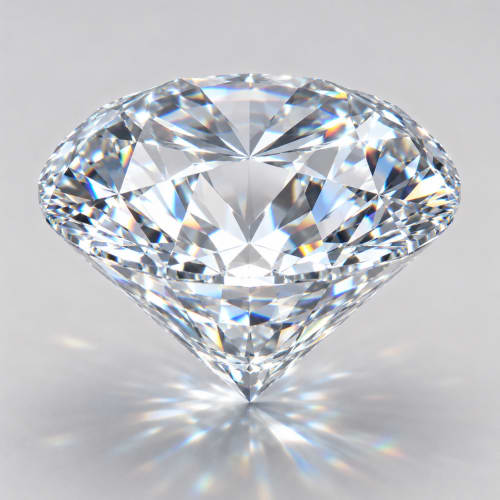
Diamond
Diamond· 金剛石 The hardest gem
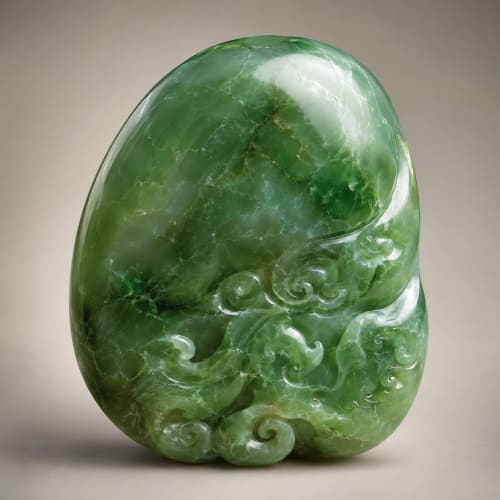
Jade
Jade· 玉 Sacred stone of East Asia

Ruby
Ruby· 紅玉 The core of the four cardinal gems
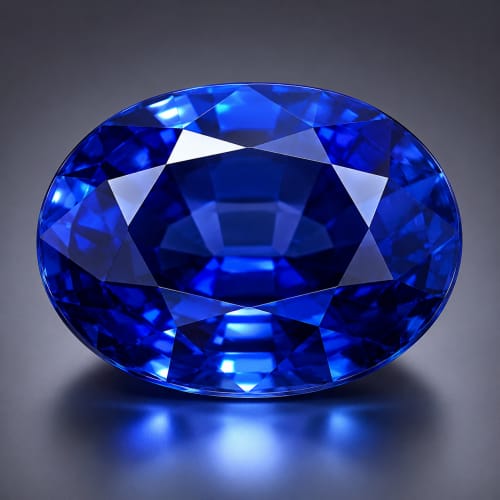
Sapphire
Sapphire· 靑玉 Gem of the heavens

Amethyst
Amethyst· 紫水晶 Gem of Dionysus
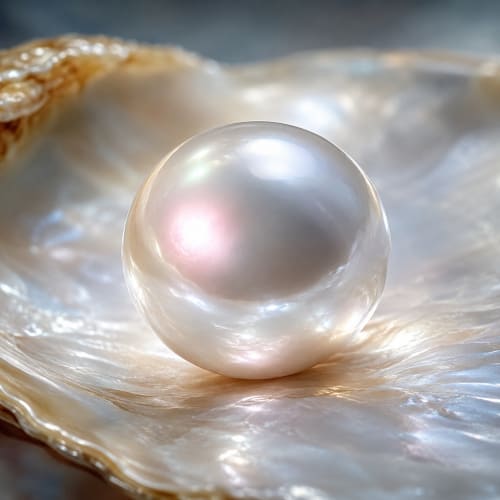
Pearl
Pearl· 眞珠 Tears of the sea

Carbuncle
Carbuncle· 紅榴石 Glowing fantasy gem

Gold
Gold· Au The radiant metal of myth
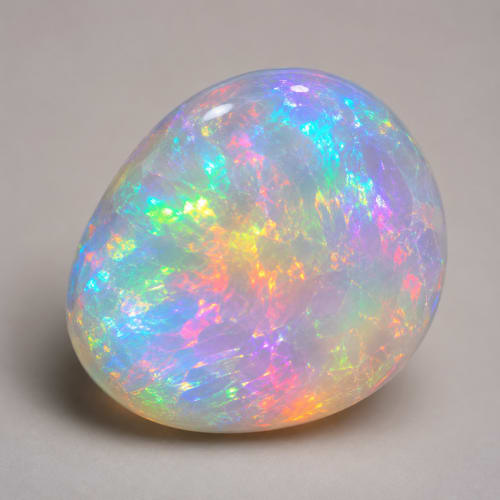
Opal
Opal· 蛋白石 Gem of the rainbow
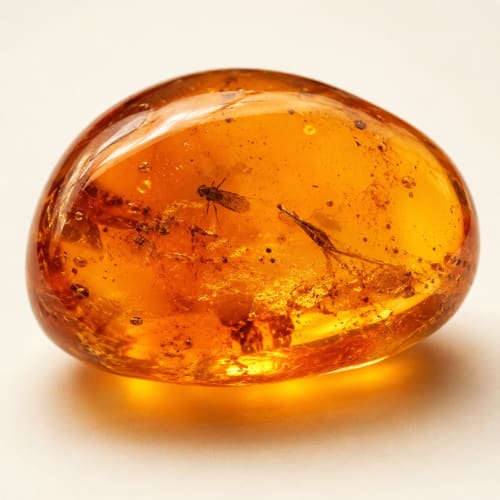
Amber
Amber· 琥珀 Tears of the Heliades
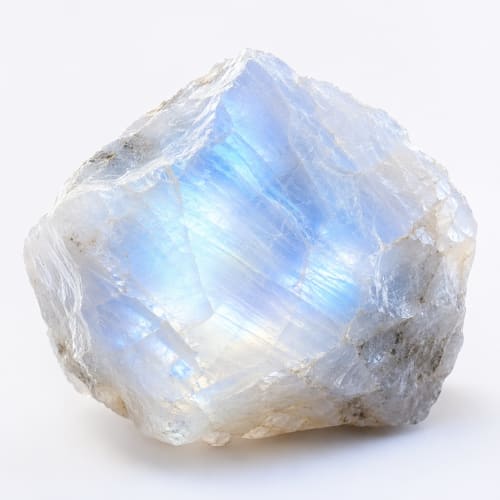
Moonstone
Moonstone· 月長石 Gem of moonlight

Lapis Lazuli
Lapis Lazuli· 靑金石 Sky of Sumer and Egypt