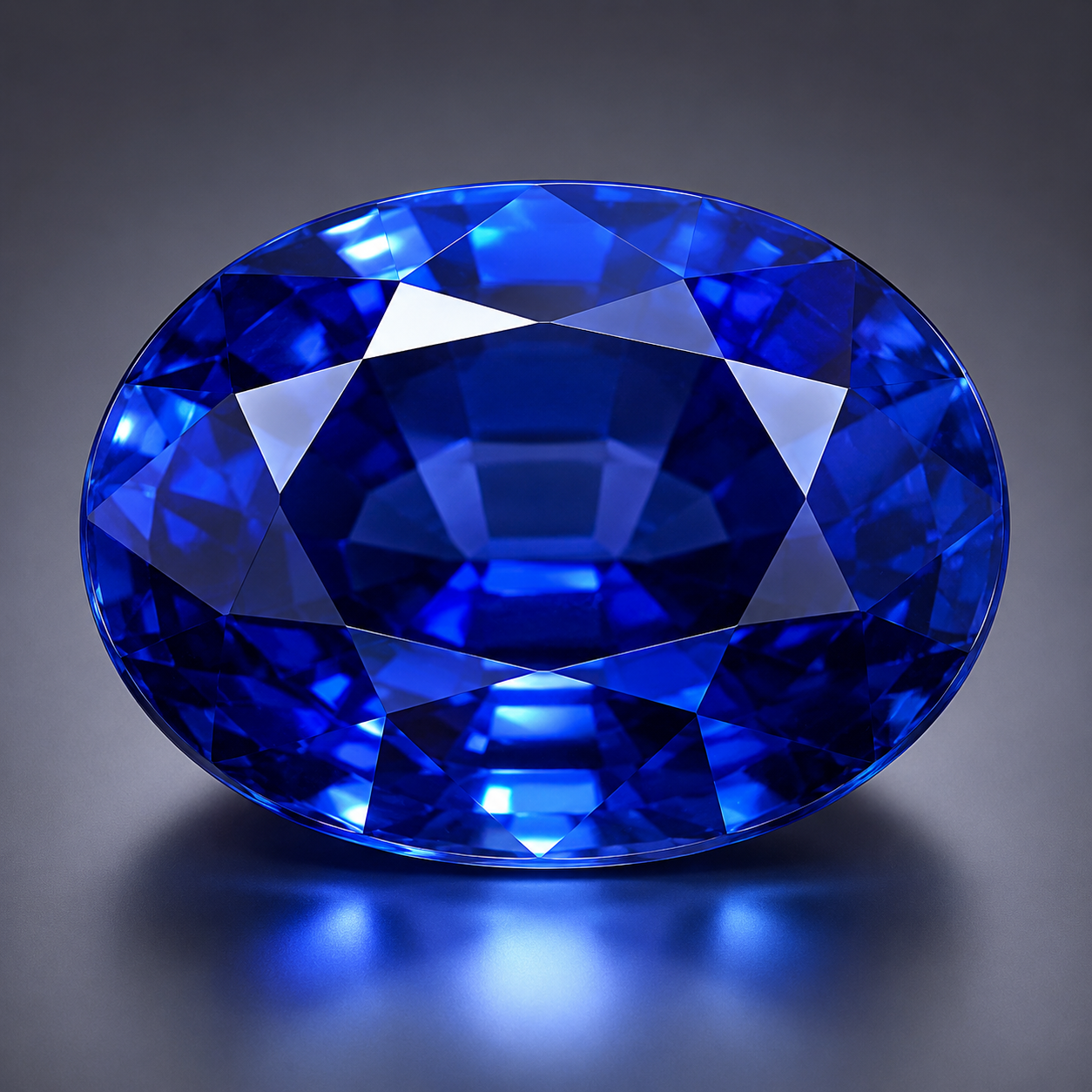
Sapphire
Sapphire· 靑玉 Gem of the heavens
Names in Other Languages
 사파이어한국어
Sapphire· 靑玉 하늘의 보석
 サファイア日本語
Sapphire· 靑玉 天の宝石
 藍寶石繁體中文
Sapphire· 靑玉 天之寶
 SaphirDeutsch
Sapphire· 靑玉 Edelstein des Himmels
 SaphirFrançais
Sapphire· 靑玉 Gemme des cieux
 ZafiroEspañol
Sapphire· 靑玉 Gema de los cielos
 SafiraPortuguês
Sapphire· 靑玉 Gema dos ceus
 SzafirPolski
Sapphire· 靑玉 Klejnot niebios
 СапфирРусский
Sapphire· 靑玉 Драгоценный камень небес
Sapphire (English Sapphire, Latin Sapphirus, Hebrew Sappir) is the gem of the heavens of the decisive canon — the decisive canonical iconographic figure of the four cardinal gems (Diamond, Ruby, Emerald, Sapphire) — the decisive mineralogical canon of the blue variety of corundum (corundum, Al2O3) — also the decisive canon of the throne of God in the Bible. Aliases — Sapphire (Sapphire), Sapphirus (Sapphirus, Latin), Sappir (Sappir, Hebrew), Gem of the Heavens, Gem of the Seal of Solomon — are the decisive canonical vocabulary. The decisive biblical canon is the decisive origin canon of the pavement of sapphire (sappir) under God's feet seen by Moses on Mount Sinai in Exodus 24:10 of c. 13th century BCE, and the decisive canon of the sapphire among the twelve gems of the high priest's breastplate in 28:18. The decisive natural history canon is the decisive canon of sapphirus (sapphirus) in Pliny the Elder's Natural History (Naturalis Historia) Book 37 of the 1st century.
Origin
The etymological origin is the decisive canonical vocabulary of Hebrew 'sappir', via Persian 'saffer (blue)' to Greek 'sappheiros (sappheiros)' and Latin 'sapphirus' — the decisive canon — and the decisive canon of Sanskrit 'sanipriya (sanipriya, beloved of Saturn)'. The decisive origin biblical canon is the decisive origin canon of Exodus 24:10 of c. 13th century BCE — 'Moses and Aaron, Nadab and Abihu, and seventy of the elders of Israel saw the God of Israel on Mount Sinai. Under his feet was something like a pavement made of sapphire (sappir), as bright blue as the sky' — and the decisive canon of the sapphire (sappir) in the second row of the gems of the twelve tribes on the high priest's breastplate (breastplate hoshen) in 28:17-21. The decisive Ezekiel canon is the decisive canon of Ezekiel 1:26 of c. 6th century BCE — 'Above the vault over their heads was what looked like a throne of sapphire (sappir), and high above on the throne was a figure like that of a man' — the throne of God. The decisive natural history canon is the decisive canon of sapphirus (sapphirus) in Pliny the Elder's Natural History (Naturalis Historia) Book 37 verse 39 of the 1st century — the decisive canon in which 'sapphirus' originally referred to lapis lazuli but became the blue variety of corundum after the 13th century Latin shift.
Features
- Blue variety of corundum (corundum Al2O3) — Mohs hardness 9
- One of the four cardinal gems — diamond, ruby, emerald, sapphire
- Main axis gem of the heavens gem of the throne of God
- Second row of the twelve tribal gems on the high priest's breastplate
- Aliases — Sapphirus (Sapphirus), Sappir (Sappir), Gem of the Seal of Solomon
- Origin — Mogok of Myanmar, Sri Lanka, Kashmir, Madagascar
Stories
The pavement of sapphire under God's feet seen by Moses on Mount Sinai in Exodus 24:10 of c. 13th century BCE is the decisive origin, and the decisive natural history canon is Pliny the Elder's Natural History Book 37 verse 39 of the 1st century. The decisive canon established as the gem of the Seal of Solomon (Seal of Solomon), and the decisive canon used as the gem of meditation and peace from the Greco-Roman era. The decisive European royal canon from the 12th century is the decisive canon of the Sapphire Ring of Edward the Confessor (Edward the Confessor) of England of 1042 (St. Edward's Sapphire, now the gem on the cross of the Imperial State Crown of England). The decisive mining canon is the decisive canon of the discovery of the Kashmir (Kashmir) sapphire mines by the British in 1881 and the discovery of the Mogok (Mogok) sapphire mines in Myanmar in 1903. The decisive 20th-century gem canon is the decisive canon of the 12-carat sapphire engagement ring given by Prince Charles of England to Princess Diana on 29 July 1981, and the decisive canon of the same ring given by Prince William to Kate Middleton in 2010.
Weakness
Sapphire's weaknesses are: (1) impact — the decisive canonical weakness — the decisive canon of being breakable under strong impact despite its Mohs hardness of 9; (2) heat treatment — the decisive canonical weakness — the decisive canon that 90% of sapphires in the modern gem market undergo heat treatment for color enhancement; (3) binding of synthesis — the decisive canon of Verneuil (Verneuil) synthetic sapphire in 1902 — the decisive binding of synthetic corundum of modern industry; (4) variety of colors — the decisive canonical weakness — the decisive canon that only blue is recognized as sapphire, with other colors (yellow, pink, padparadscha orange-pink) called 'fancy sapphire'; (5) depletion of Kashmir — the decisive canon of the Kashmir sapphire mines opened in 1881 being nearly depleted by the 1930s; (6) binding of the sacred domain — the decisive canon; (7) binding of Saturn — the decisive canon of the binding of Sanskrit 'sanipriya (beloved of Saturn)'; (8) binding of time — the decisive canon as one of the four cardinal gems. The decisive canonical finale is the decisive mythological canon of the St. Edward's Sapphire on the cross of the British crown.
Cultural Significance
Sapphire is not merely a gem icon but the canonical iconographic figure of the decisive biblical-royal canon, traversing the pavement of sapphire under God's feet seen by Moses on Mount Sinai in Exodus 24:10 of c. 13th century BCE, the twelve gems of the high priest's breastplate in Exodus 28 of c. 13th century BCE, the throne of God in Ezekiel 1:26 of c. 6th century BCE, Pliny the Elder's Natural History Book 37 verse 39 of the 1st century, the Sapphire Ring of Edward the Confessor of England of 1042, the discovery of the Kashmir sapphire mines in 1881, Verneuil synthetic sapphire of 1902, the Mogok sapphire mines of Myanmar of 1903, the sapphire engagement ring of Princess Diana of 1981, and the engagement ring of Kate Middleton of 2010. The etymological origin settled as the decisive canon of Hebrew 'sappir', via Persian 'saffer (blue)' to Greek 'sappheiros' and Latin 'sapphirus'. The decisive origin biblical canon is the decisive origin canon of the pavement of sapphire under God's feet seen by Moses on Mount Sinai in Exodus 24:10 of c. 13th century BCE, and the decisive canon of the sapphire in the second row of the twelve tribal gems on the high priest's breastplate (hoshen) in Exodus 28:17-21. The decisive Ezekiel canon is the decisive canon of the throne of sapphire of God in Ezekiel 1:26 of c. 6th century BCE. The decisive natural history canon is the decisive canon of sapphirus in Pliny the Elder's Natural History (Naturalis Historia) Book 37 verse 39 of the 1st century. The decisive royal canon is the decisive canon of the Sapphire Ring of Edward the Confessor (Edward the Confessor, 1003-1066) of England of 1042 — the decisive canon as the gem on the cross of the current Imperial State Crown (Imperial State Crown, accession of George VI in 1937) of England. The decisive mining canon is the decisive canon of the discovery of the Kashmir (Kashmir) sapphire mines by the British in 1881 and the discovery of the Mogok (Mogok) sapphire mines in Myanmar in 1903, and the decisive 20th-century gem canon is the decisive canon of the 12-carat sapphire engagement ring given by Prince Charles (now Charles III) of England to Princess Diana (Diana, Princess of Wales, 1961-1997) on 29 July 1981, and the decisive 21st-century global canon of Prince William (now Prince of Wales) giving the same ring to Kate Middleton (now Princess of Wales) in November 2010.
In Popular Culture
- Exodus 24:10 pavement of sapphire under God's feet seen by Moses on Mount Sinai (c. 13th century BCE) — decisive origin biblical canon
- Exodus 28:17-21 sapphire among the twelve gems of the high priest's breastplate — decisive biblical canon
- Ezekiel 1:26 throne of sapphire of God (c. 6th century BCE) — decisive biblical canon
- Pliny the Elder Natural History Book 37 verse 39 (1st century) — decisive natural history canon
- St. Edward's Sapphire of Edward the Confessor of England (1042) — decisive royal canon
- Sapphire on the cross of the Imperial State Crown of England (1937) — decisive royal canon
- British discovery of Kashmir sapphire mines (1881) — decisive mining canon
- Verneuil synthetic sapphire (1902) — decisive industrial canon
- Discovery of Mogok sapphire mines in Myanmar (1903) — decisive mining canon
- 12-carat sapphire engagement ring of Princess Diana and Kate Middleton (1981 and 2010) — 21st-century decisive global canon
Trivia
The etymology of Sapphire (English Sapphire, Latin Sapphirus, Hebrew Sappir, Greek sappheiros) is the decisive canonical vocabulary of Hebrew 'sappir', via Persian 'saffer (blue)' to Greek 'sappheiros' and Latin 'sapphirus' — the decisive canon, and the decisive canon of Sanskrit 'sanipriya (sanipriya, beloved of Saturn)'. Aliases — Sapphire (Sapphire), Sapphirus (Sapphirus), Sappir (Sappir), Gem of the Heavens, Gem of the Throne of God, Gem of the Seal of Solomon, Beloved of Saturn, One of the Four Cardinal Gems, One of the Twelve Tribal Gems — are the decisive canonical vocabulary. The decisive origin biblical canon is the decisive origin canon of Exodus 24:10 of c. 13th century BCE (traditionally the time of Moses) — 'Moses and Aaron, Nadab and Abihu, and the seventy elders of Israel saw the God of Israel on Mount Sinai. Under his feet was something like a pavement made of sapphire (sappir), as bright blue as the sky' — and the decisive canon of the sapphire (sappir) in the second row of the gems of the twelve tribes on the high priest (high priest) Aaron's breastplate (breastplate hoshen mishpat, 'breastplate of judgment') in 28:17-21. The decisive Ezekiel canon is the decisive canon of the prophet Ezekiel (Ezekiel) of the Babylonian captivity of c. 6th century BCE — Ezekiel 1:26 — 'Above the vault over their heads was what looked like a throne of sapphire (sappir), and high above on the throne was a figure like that of a man' — the throne of God. The decisive natural history canon is the decisive canon of sapphirus (sapphirus) in the Roman Pliny the Elder's (Pliny the Elder, born 23 CE, died at Pompeii 79 CE) Natural History (Naturalis Historia) Book 37 verse 39 of the 1st century — the decisive canon in which 'sapphirus' originally referred to lapis lazuli but became the blue variety of corundum (corundum) after the 13th century Latin shift. The decisive royal canon is the decisive canon of the Sapphire Ring of Edward the Confessor (Edward the Confessor, 1003-1066) of England of 1042 — the decisive canon of the rediscovery in 1660 after the English Civil War of the 17th century, and the decisive canon as the gem placed on the cross of the Imperial State Crown (Imperial State Crown) for the accession of Queen Victoria in 1838, and the decisive canon as the gem on the cross of the new Imperial State Crown for the accession of George VI in 1937. The decisive mining canon is the decisive canon of the discovery of the sapphires of the Padar (Padar) mines of Kashmir (Kashmir, modern Jammu and Kashmir) by the British in 1881, and the decisive canon of the discovery of the Mogok (Mogok) sapphire mines in Myanmar (now Myanmar) by the British in 1903, and the decisive canon of the invention of the synthetic sapphire (Verneuil process) by the French Auguste Verneuil (Auguste Verneuil, 1856-1913) in 1902. The decisive 20th-century gem canon is the decisive canon of the 12-carat sapphire and 14-diamond engagement ring (made by Garrard & Co.) given by Prince Charles of England (now Charles III, born 1948) to Princess Diana (Diana, Princess of Wales, born 1 July 1961, died in Paris 31 August 1997) on 29 July 1981, and the decisive 21st-century global canon is the decisive canon of Prince William (now Prince of Wales, born 1982) giving the same 12-carat sapphire engagement ring to Kate Middleton (now Princess of Wales, born 1982) in November 2010.
Related
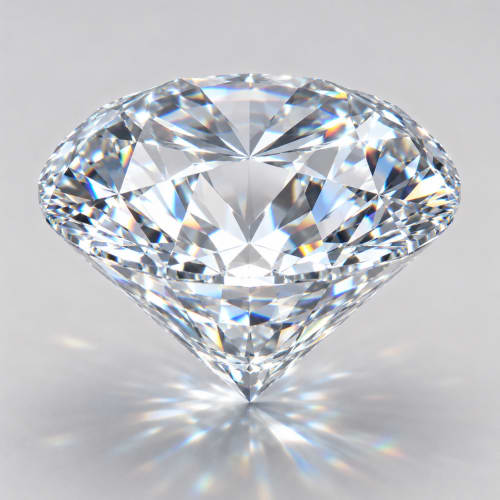
Diamond
Diamond· 金剛石 The hardest gem
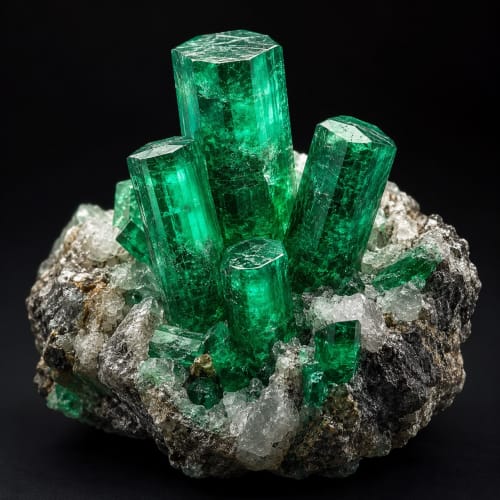
Emerald
Emerald· 翠玉 The Emerald Tablet of Hermes

Lapis Lazuli
Lapis Lazuli· 靑金石 Sky of Sumer and Egypt

Ruby
Ruby· 紅玉 The core of the four cardinal gems

Amethyst
Amethyst· 紫水晶 Gem of Dionysus
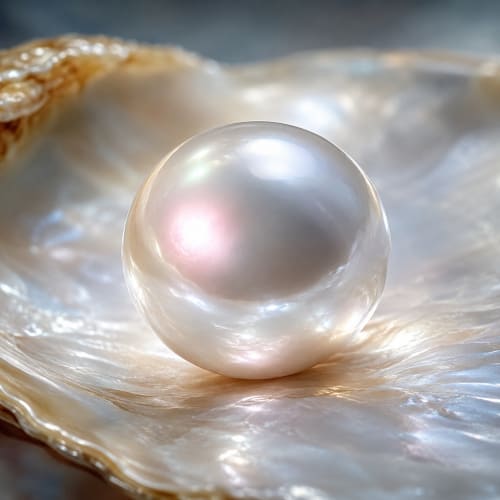
Pearl
Pearl· 眞珠 Tears of the sea

Carbuncle
Carbuncle· 紅榴石 Glowing fantasy gem

Gold
Gold· Au The radiant metal of myth
Jade
Jade· 玉 Sacred stone of East Asia
Opal
Opal· 蛋白石 Gem of the rainbow
Amber
Amber· 琥珀 Tears of the Heliades
Moonstone
Moonstone· 月長石 Gem of moonlight