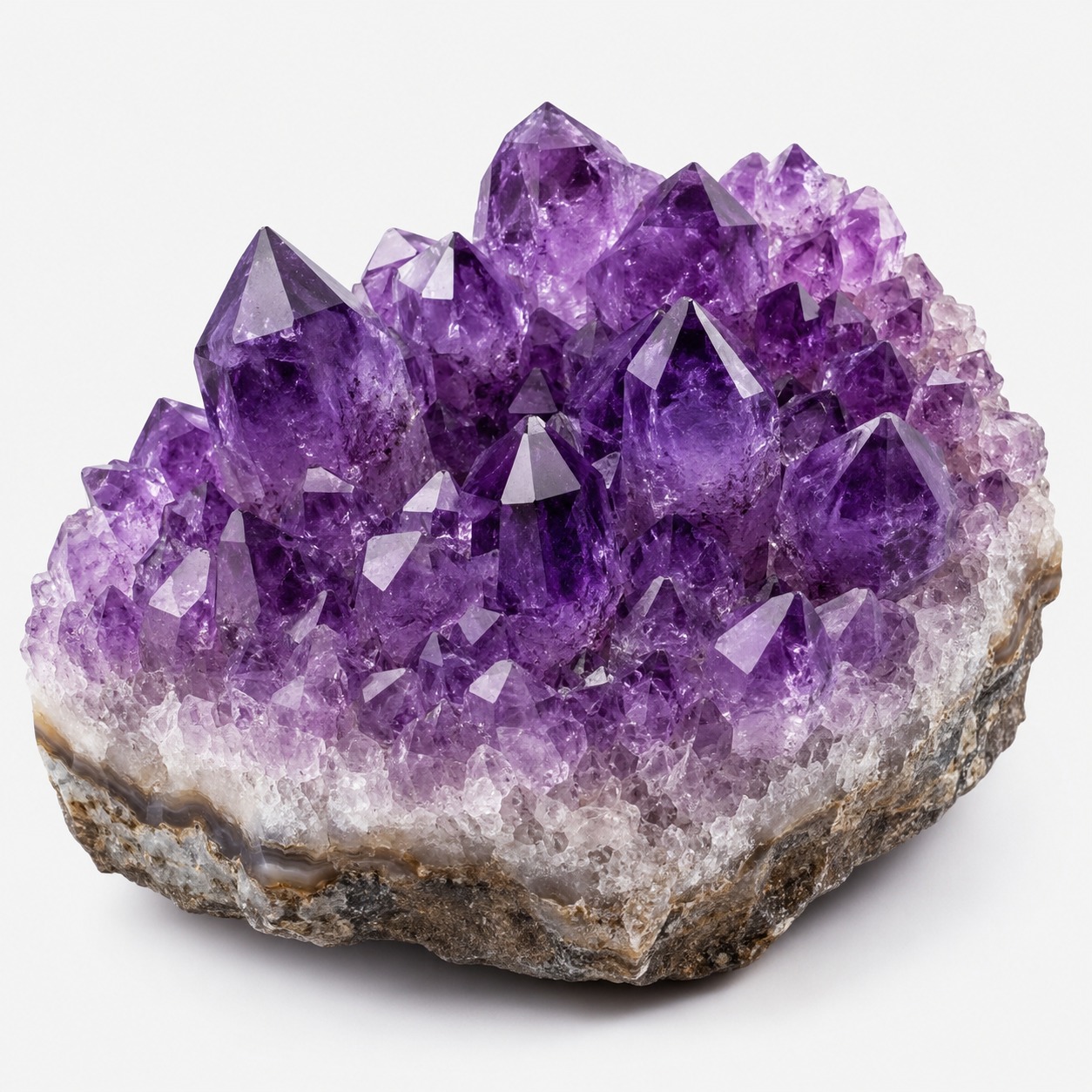
Amethyst
Amethyst· 紫水晶 Gem of Dionysus
Names in Other Languages
 자수정한국어
Amethyst· 紫水晶 디오니소스의 보석
 紫水晶日本語
Amethyst· 紫水晶 ディオニュソスの宝石
 紫水晶繁體中文
Amethyst· 紫水晶 戴歐尼修斯之寶
 AmethystDeutsch
Amethyst· 紫水晶 Edelstein des Dionysos
 AmethysteFrançais
Amethyst· 紫水晶 Gemme de Dionysos
 AmatistaEspañol
Amethyst· 紫水晶 Gema de Dioniso
 AmetistaPortuguês
Amethyst· 紫水晶 Gema de Dioniso
 AmetystPolski
Amethyst· 紫水晶 Klejnot Dionizosa
 АметистРусский
Amethyst· 紫水晶 Драгоценный камень Диониса
Amethyst (English Amethyst, Greek amethystos, Latin Amethystus) is the gem of Dionysus of the decisive canon — derived from the Greek 'amethystos (a- not + methysko to be drunk)' meaning 'not drunk' — the decisive canonical vocabulary — the decisive mineralogical canon of the violet variety of quartz (quartz, SiO2) — also the decisive canon of protection from drunkenness in Greco-Roman tradition. Aliases — Amethyst (Amethyst), Amethystos (Amethystos, Greek), Gem of Dionysus, Gem of Bacchus, Not-Drunk One, Gem of the Papal Ring, Birthstone of February — are the decisive canonical vocabulary. The decisive natural history canon is the decisive origin canon of Pliny the Elder's Natural History (Naturalis Historia) Book 37 verse 121 of the 1st century — 'The name of amethyst comes from the fact that its color approaches that of wine but stops just before turning purple', and the decisive canon of 'protection from drink'.
Origin
The etymological origin is the decisive canonical vocabulary of Greek 'amethystos (amethystos)' — 'a- (not)' + 'methysko (to be drunk)' meaning 'not drunk' — and the decisive canon of Latin 'amethystus'. The decisive natural history origin canon is the decisive origin canon of Pliny the Elder's Natural History (Naturalis Historia) Book 37 verse 121 of the 1st century by the Roman Pliny the Elder (Pliny the Elder, 23-79) — 'The name of amethyst (amethystus) comes from the fact that its color approaches that of wine but stops just before turning purple. Due to its magical properties, it is used as a gem of protection from drink' — the decisive canon. The decisive biblical canon is the decisive canon of the 9th gem (amethyst, Hebrew ahlamah) in the third row of the twelve tribal gems of the high priest's breastplate in Exodus 28:19 of c. 13th century BCE, and the decisive canon of the 12th amethyst among the twelve foundation stones of the New Jerusalem in Revelation 21:20 of the New Testament. The decisive Renaissance mythological canon is the decisive canon of the poem L'Amethyste (L'Amethyste, ou les Amours de Bacchus et d'Amethyste) by the French poet Remi Belleau (Remi Belleau, 1528-1577) of 1576 — the late Renaissance creation in which Dionysus (Bacchus) loved the maiden Amethyst, but she was transformed into clear quartz by Artemis to escape, after which Dionysus poured wine of regret onto her, dyeing her violet — the decisive canon not present in classical Greek sources but established as canonical.
Features
- Violet variety of quartz (quartz SiO2) — Mohs hardness 7
- Main axis Gem of Dionysus (Bacchus) Not-Drunk One
- 9th gem in the third row of the twelve tribal gems of the high priest's breastplate
- 12th amethyst among the twelve foundation stones of the New Jerusalem in Revelation 21:20
- Birthstone of February — Gemstone of the 6th wedding anniversary
- Origin — Brazil, Uruguay, Zambia, Russia, Colorado USA
Stories
The 9th gem (amethyst, ahlamah) in the third row of the twelve tribal gems of the high priest's breastplate in Exodus 28:19 of c. 13th century BCE is the decisive origin, and the decisive natural history canon is Pliny the Elder's Natural History Book 37 verse 121 of the 1st century. The decisive canon of Greco-Roman amethyst chalices believed to prevent intoxication from drink, and the decisive canon used as the gem of the Catholic papal and bishop's rings (Fisherman's Ring). The decisive medieval canon is the decisive canon of Hildegard of Bingen (Hildegard of Bingen, 1098-1179) of the 12th century in her Physica (Physica) — 'When amethyst is thrown into wine, it prevents the intoxication of the wine'. The decisive canon of value drop after the discovery of mass amethyst mines in Brazil in the 19th century, and the decisive 21st-century global canon of the meditation gem of New Age and the chakra gem.
Weakness
Amethyst's weaknesses are: (1) sunlight — the decisive canonical weakness — the decisive canon of color fading under prolonged direct sunlight exposure; (2) heat treatment — the decisive canonical weakness — the decisive canon of transformation to yellow citrine (citrine) when heated above 470 degrees Celsius; (3) Mohs hardness 7 limit — the decisive canonical weakness — softer than sapphire (9) and diamond (10); (4) value drop — the decisive canonical weakness — the decisive canon of losing its former status as one of the four precious gems (sapphire, ruby, emerald, amethyst) after the 19th-century mass mine discoveries in Brazil; (5) synthesis — the decisive canon of the Soviet hydrothermal synthetic amethyst of 1949; (6) binding of the sacred domain — the decisive canon; (7) binding of Dionysus — the decisive canon of the binding as gem of the wine god; (8) binding of time — the decisive canon of the late Renaissance Dionysus myth. The decisive canonical finale is the decisive mythological canon of losing the former status as one of the four precious gems after the 19th-century Brazil mine discovery.
Cultural Significance
Amethyst is not merely a gem icon but the canonical iconographic figure of the decisive Greco-Christian canon, traversing the 9th gem in the third row of the twelve tribal gems of the high priest's breastplate in Exodus 28:19 of c. 13th century BCE, Pliny the Elder's Natural History Book 37 verse 121 of the 1st century, Hildegard of Bingen's Physica of the 12th century, the 12th foundation stone of the New Jerusalem in Revelation 21:20 of the New Testament, Remi Belleau's poem L'Amethyste of 1576, the discovery of mass amethyst mines in Brazil in the 19th century, and the Soviet hydrothermal synthetic amethyst of 1949. The etymological origin settled as the decisive canon of Greek 'amethystos (a- not + methysko to be drunk)' meaning 'not drunk', and Latin 'amethystus'. The decisive natural history origin canon is the decisive origin canon of Pliny the Elder's Natural History (Naturalis Historia) Book 37 verse 121 of the 1st century by the Roman Pliny the Elder (Pliny the Elder, 23-79) — 'The name of amethyst comes from the fact that its color approaches that of wine but stops just before turning purple'. The decisive biblical canon is the decisive canon of the 9th gem (amethyst, ahlamah Hebrew) in the third row of the twelve tribal gems of the high priest's breastplate in Exodus 28:19 of c. 13th century BCE, and the decisive canon of the 12th amethyst (amethystos) among the twelve foundation stones of the New Jerusalem in Revelation 21:19-20 of the New Testament. The decisive medieval canon is the decisive canon of Hildegard of Bingen (Hildegard of Bingen, 1098-1179) of Germany of the 12th century in her Physica (Physica) of the amethyst, and the decisive canon of the gem of the Catholic papal Fisherman's Ring (Fisherman's Ring) and bishop's ring. The decisive Renaissance mythological canon is the decisive canon of the poem L'Amethyste (L'Amethyste, ou les Amours de Bacchus et d'Amethyste) by the French Pleiade poet Remi Belleau (Remi Belleau, 1528-1577) of 1576 — the late Renaissance creation in which Dionysus (Bacchus) loved the maiden Amethyst, but she was transformed into clear quartz by Artemis (Diana) to escape, after which Dionysus poured wine of regret onto her, dyeing her violet — the decisive canon not present in classical Greek sources (Hesiod, Ovid, Homer, etc.) but established as canonical. The decisive 19th-century mining canon is the decisive canon of the discovery of the amethyst mines of Minas Gerais (Minas Gerais) in Brazil in 1727 and the value drop from mass mining in the 19th century, and the decisive 20th-century synthesis canon is the decisive canon of the Soviet hydrothermal synthetic amethyst of 1949.
In Popular Culture
- Exodus 28:19 9th amethyst (ahlamah) of the high priest's breastplate (c. 13th century BCE) — decisive biblical canon
- Pliny the Elder Natural History (Naturalis Historia) Book 37 verse 121 (1st century) — decisive natural history origin canon
- Hildegard of Bingen Physica (Physica) (12th century) — decisive medieval canon
- Revelation 21:20 12th amethyst among the twelve foundation stones of the New Jerusalem (1st century) — decisive New Testament canon
- Amethyst of the Catholic papal Fisherman's Ring and bishop's ring — decisive Catholic canon
- Remi Belleau's poem L'Amethyste (L'Amethyste) — myth of Dionysus and the maiden Amethyst (1576) — decisive Renaissance mythological canon
- Discovery of amethyst mines of Minas Gerais in Brazil (1727) — decisive mining canon
- Soviet hydrothermal synthetic amethyst (1949) — decisive synthesis canon
- Birthstone of February — decisive gem canon from the 19th century
- Meditation gem of New Age — 21st-century decisive global canon
Trivia
The etymology of Amethyst (English Amethyst, Greek amethystos, Latin Amethystus) is the decisive canonical vocabulary of Greek 'amethystos (amethystos)' — 'a- (not)' + 'methysko (to be drunk)' meaning 'not drunk' — and Latin 'amethystus' — the decisive canon. Aliases — Amethyst (Amethyst), Amethystos (Amethystos), Gem of Dionysus, Gem of Bacchus, Not-Drunk One, Gem of the Papal Ring, Birthstone of February, Gemstone of the 6th Wedding Anniversary — are the decisive canonical vocabulary. The decisive natural history origin canon is the decisive origin canon of Pliny the Elder's Natural History (Naturalis Historia) Book 37 verses 121-123 of the 1st century by the Roman Pliny the Elder (Pliny the Elder, born 23 CE, died at Pompeii 79 CE) — 'The name of amethyst (amethystus) comes from the fact that its color approaches that of wine but stops just before turning purple. Due to its magical properties, it is used as a gem of protection from drink' — and the classification of five varieties of amethyst. The decisive biblical canon is the decisive canon of the 9th gem (amethyst, Hebrew ahlamah) in the third row of the twelve tribal gems of the high priest's breastplate (hoshen mishpat, 'breastplate of judgment') in Exodus 28:19 of c. 13th century BCE, and the decisive canon of the 12th amethyst (amethystos) among the twelve foundation stones (twelve foundations) of the New Jerusalem (New Jerusalem) in Revelation 21:19-20 of the New Testament. The decisive medieval canon is the decisive canon of Hildegard of Bingen (Hildegard of Bingen, born 1098, died 1179) of Germany of the 12th century — Benedictine abbess and mystic — in her Physica (Physica) — 'When amethyst is thrown into wine, it prevents the intoxication of the wine' — and the decisive canon of the Catholic papal Fisherman's Ring (Fisherman's Ring, the amethyst ring engraved with the image of Peter the fisherman) and bishop's ring from the 13th century. The decisive Renaissance mythological canon is the decisive canon of the poem L'Amethyste (L'Amethyste, ou les Amours de Bacchus et d'Amethyste) by the French Pleiade (La Pleiade) poet Remi Belleau (Remi Belleau, born 1528, died 1577) of 1576 — the late Renaissance creation in which Dionysus (Bacchus) loved the maiden Amethyst (Amethyste), but she was transformed into clear quartz (clear stone) by Artemis (Diana) to escape, after which Dionysus poured wine of regret onto her, dyeing her violet — the decisive canon not present in classical Greek sources (Hesiod, Ovid, Homer, etc.) but established as canonical. The decisive 19th-century mining canon is the decisive canon of the discovery of the amethyst mines of Minas Gerais (Minas Gerais) in Brazil by the Portuguese in 1727 and the value drop from losing the former status as one of the four precious gems (sapphire, ruby, emerald, amethyst) after the mass mining in the 19th century, and the decisive 20th-century synthesis canon is the decisive canon of the Soviet hydrothermal (hydrothermal synthesis) synthetic amethyst of 1949, and the decisive 21st-century global canon is the decisive global canon of the mass mining of the Artigas (Artigas) mines of Uruguay, the Kariba mines of Zambia, and the Four Peaks mines of Colorado USA, and the meditation gem of New Age and the chakra (chakra) gem.
Related
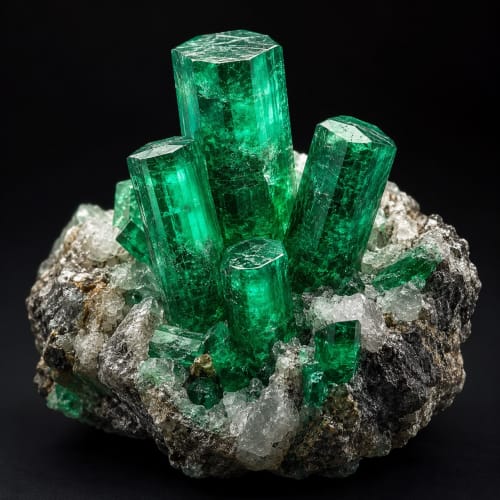
Emerald
Emerald· 翠玉 The Emerald Tablet of Hermes

Quartz
Quartz· 水晶 Crystal of light

Ruby
Ruby· 紅玉 The core of the four cardinal gems
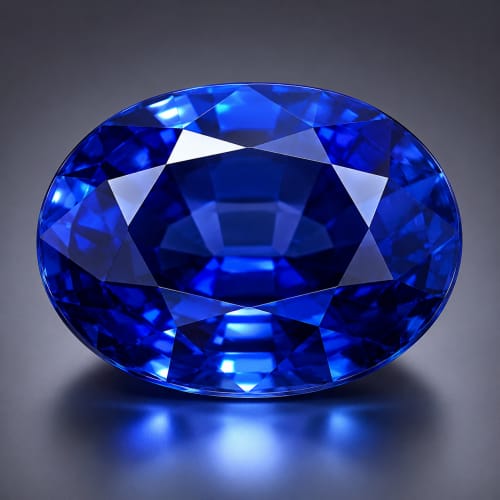
Sapphire
Sapphire· 靑玉 Gem of the heavens
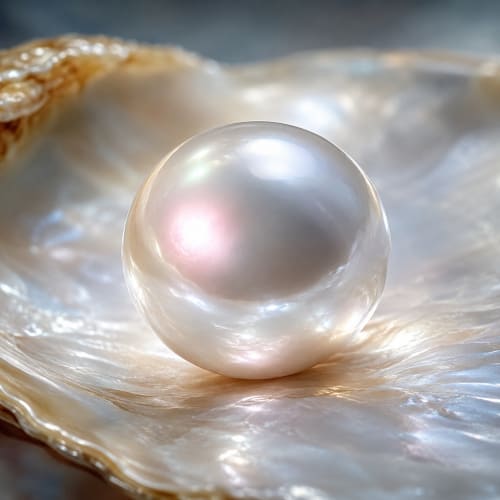
Pearl
Pearl· 眞珠 Tears of the sea

Carbuncle
Carbuncle· 紅榴石 Glowing fantasy gem

Gold
Gold· Au The radiant metal of myth
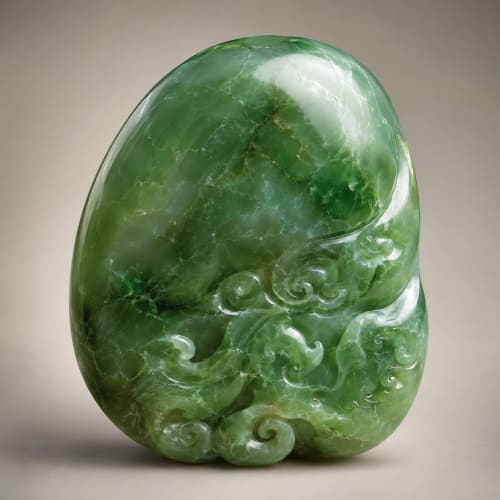
Jade
Jade· 玉 Sacred stone of East Asia
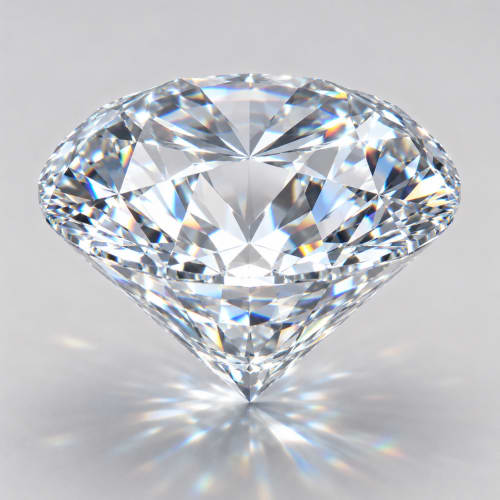
Diamond
Diamond· 金剛石 The hardest gem
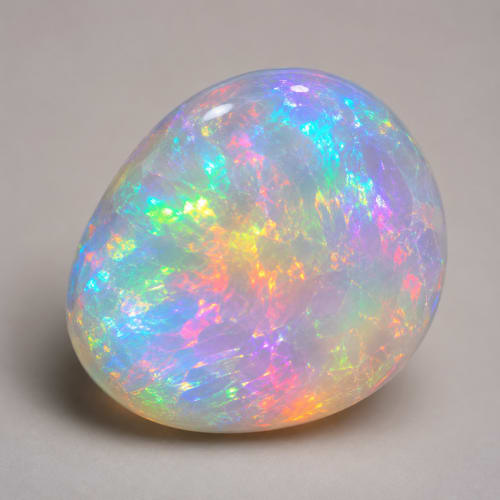
Opal
Opal· 蛋白石 Gem of the rainbow
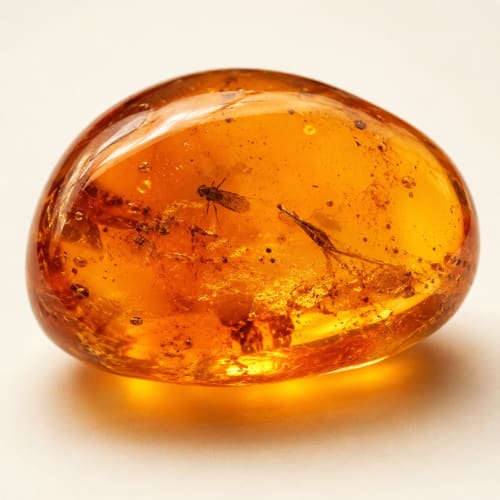
Amber
Amber· 琥珀 Tears of the Heliades
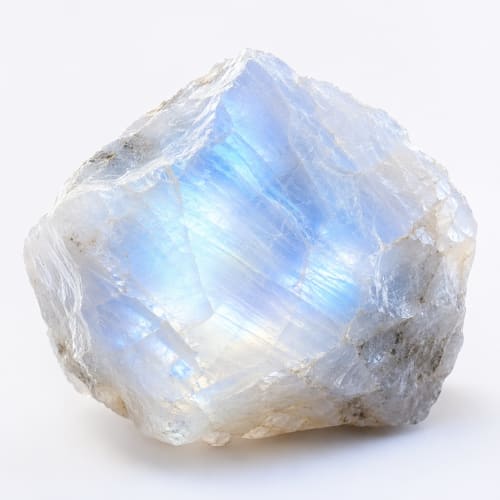
Moonstone
Moonstone· 月長石 Gem of moonlight