
Gumiho
Gumiho · Nine-Tailed Fox — The Bewitching Fox-Spirit of East Asia
Names in Other Languages
 구미호한국어
Gumiho · 아홉 꼬리 여우 — 인간을 홀리는 동아시아의 요호
 九尾狐日本語
Gumiho · 九尾の狐 — 人を惑わす東アジアの妖狐
 九尾狐繁體中文
Gumiho · 九尾狐 — 惑亂世人的東亞妖狐
 GumihoDeutsch
Gumiho · Neunschwänziger Fuchs — Der betörende Fuchsgeist Ostasiens
 GumihoFrançais
Gumiho · Renard à neuf queues — L'esprit-renard envoûtant d'Asie de l'Est
 GumihoEspañol
Gumiho · Zorro de nueve colas — El espíritu zorro embriagador de Asia Oriental
 GumihoPortuguês
Gumiho · Raposa de nove caudas — O espírito raposa enfeitiçante da Ásia Oriental
 GumihoPolski
Gumiho · Dziewięcioogoniasty lis — urzekający duch-lis Azji Wschodniej
 КумихоРусский
Gumiho · Девятихвостая лиса — чарующий лис-дух Восточной Азии
The Gumiho (Korean Gumiho, 'nine-tailed fox') is the canonical Korean figure of the East Asian fox-spirit (yohou) tradition, the fox-monster that gains nine tails after living for a thousand years. The earliest textual origin is the Classic of Mountains and Seas (Shan Hai Jing), compiled in the Chinese Warring States period (fifth to third century BC), in which the Cheonggu region of the Southern Mountain Sutra is inhabited by a nine-tailed fox that 'resembles a fox but has nine tails, cries like a baby, and devours men'. In Korea, the gumiho first appears in the Kim Yu-shin entry of Book One of the Memorabilia of the Three Kingdoms (Samguk Yusa) compiled by Iryeon in 1281. In Japan, it settled into the Tamamo-no-Mae legend of the era of Emperor Toba (reigned 1107-1123). The novel of gods and demons Investiture of the Gods (Fengshen Yanyi) by Xu Zhonglin of late Ming China (composed late sixteenth to early seventeenth century), in which the consort Daji of the last Shang king Zhou is revealed as an incarnation of a thousand-year-old nine-tailed fox, established the decisive synthesis of the East Asian gumiho canon. Korean-specific features are (1) the gathering of vital essence by means of the fox-bead (hoeok), (2) the taboo motif that the fox becomes human if it conceals its identity for one hundred or one thousand days, (3) the consumption of human livers and vital essence, and (4) the canonical visual iconography of the Korean gumiho in KBS's Legends of the Hometown series (broadcast 1977-2009). The 2020 tvN drama Tale of the Nine-Tailed (starring Lee Dong-wook and Jo Bo-ah) globalised the twenty-first-century Korean gumiho iconography as K-content canon.
Origin
The iconographic origin is the Classic of Mountains and Seas (Shan Hai Jing), compiled during the Chinese Warring States period (fifth to third century BC), the Southern Mountain Sutra of which states that 'in the land of Cheonggu there is a beast resembling a fox, with nine tails, crying like a baby, and devouring men', the earliest textual source of the East Asian gumiho. In Korea, the decisive canon is the Kim Yu-shin entry in Book One of the Memorabilia of the Three Kingdoms (Samguk Yusa), compiled by the monk Iryeon (1206-1289) in 1281: Kim Yu-shin (595-673), the renowned Silla general, in his youth lay with a fox-woman (hwanyeo) at a tavern, but ended the liaison after the admonition of his mother Lady Manmyeong. Joseon-period collections such as the Cheonggu Yadam (early nineteenth century) and Hong Seokmo's Donggak Sesigi (1849) systematised gumiho folktales. In Japan, the legend of the era of Emperor Toba (reigned 1107-1123) in which the Imperial consort Tamamo-no-Mae was revealed by the onmyoji Abe no Yasuchika to be a thousand-year-old nine-tailed fox settled in the Shinshu Hyaku Monogatari. In late-Ming China, Xu Zhonglin's Investiture of the Gods (Fengshen Yanyi, late sixteenth to early seventeenth century), in which the consort Daji of the last Shang king Zhou is depicted as the incarnation of a thousand-year-old nine-tailed fox, established the synthesised East Asian canon of gumiho iconography.
Features
- A vast fox that has lived a thousand years and gained nine tails
- Transforms into a beautiful woman to seduce humans
- Gathers vital essence and wisdom by means of the fox-bead (hoeok)
- Consumes human livers or vital essence to maintain its power
- The taboo motif of becoming human if its identity is not disclosed for one hundred or one thousand days
- Loses power when its identity is exposed or its fox-bead is taken
Stories
In the oral folktales of the Joseon period, the gumiho settled as the central character of canonical narratives such as The Fox Sister and The Nine-Tailed Fox. The Fox Sister — a couple with three sons obtains a late-born daughter, but when the cow in the barn vanishes one by one each night, the third son keeps watch and witnesses his sister transform into a fox to eat the cow's liver; he flees and saves the family by killing the sister with a branch of celestial peach — is the canonical didactic tale of the gumiho. From the first broadcast of the Gumiho episode (starring Seo Yeong-ju) of the KBS 1TV anthology series Legends of the Hometown in July 1977, the annual summer gumiho special established Korean horror television's canonical iconography, and the 1994 episode starring Song Yoon-ah, with its blood-rimmed red lips, white robes, and long black hair, fixed the canonical visual iconography of the Korean gumiho. The 2010 SBS drama My Girlfriend Is a Gumiho (written by the Hong Sisters, starring Shin Min-ah and Lee Seung-gi), the 2018 KBS2 drama Mama Fairy and the Woodcutter, and the 2020 tvN drama Tale of the Nine-Tailed (broadcast 7 October to 3 December 2020, starring Lee Dong-wook as Lee Yeon, Jo Bo-ah as Nam Ji-ah, and Kim Beom as Lee Rang) reinterpreted the gumiho for the twenty-first century as a K-drama canon — a thousand-year-old gumiho mountain spirit loves a reincarnating human woman — and established it as global K-content. The 2022 sequel Tale of the Nine-Tailed 1938 followed.
Weakness
The gumiho's weaknesses are: (1) seizure of the fox-bead (hoeok) — the canonical tool by which the gumiho gathers vital essence; if a human seizes the bead, the gumiho immediately loses its power, and the human who swallows the bead gains the fox's thousand years of wisdom and power; (2) exposure of identity — if the taboo of concealing its identity for one hundred or one thousand days is broken, the gumiho instantly reverts to fox form and vanishes; (3) the celestial peach — in East Asian mythology the branch of the celestial peach (seonto) is the canonical apotropaic device against all malevolent beings, and in The Fox Sister the third son slays the gumiho sister with a celestial peach branch; (4) talismans and Shingon homa rites — in Korean shamanism the gumiho talisman and in Japanese onmyodo the onmyoji incantation pacify the gumiho; (5) the mirror — in some folktales the gumiho fears its true fox form being reflected in a mirror. In the 2020 tvN Tale of the Nine-Tailed, the conceit that the mountain spirit Lee Yeon (Lee Dong-wook) renounces his thousand-year power for the love of his reincarnated beloved Nam Ji-ah (Jo Bo-ah) — a modern variation of the original taboo motif — became canonical.
Cultural Significance
The gumiho is not merely a yokai but a foundational image of East Asian mythology and a canonical case in Korean discourses of feminism, identity, and desire. The Cheonggu nine-tailed fox of the Chinese Warring States period Classic of Mountains and Seas, interpreted in the Han dynasty as an auspicious sign symbolising loyalty and fertility to the emperor, was reinterpreted as a femme-fatale figure of seduction in the Daji incarnation of Xu Zhonglin's late-Ming Investiture of the Gods and disseminated throughout East Asia. Korean academic gumiho folkloristics — including Son Jin-tae (1942), Kim Yeol-gyu (1988), and Kim Tak-hwan's The Fox (2003) — read the seduction iconography of the gumiho as a feminist critique of the patriarchal oppression of women under traditional society. The hits of the 2010 SBS My Girlfriend Is a Gumiho and the 2020 tvN Tale of the Nine-Tailed established the gumiho as a decisive K-drama canon, and the 2022 NBC drama La Brea and the 2023 Disney+ Korean-American co-production introduced the gumiho motif directly into global content. The 2021 Korean Horror Film Top 100 list compiled by film critics including Bong Joon-ho and Guillermo del Toro included seven gumiho-related films.
In Popular Culture
- Classic of Mountains and Seas (Shan Hai Jing), Southern Mountain Sutra, Cheonggu nine-tailed fox (fifth to third century BC) — earliest textual source of the East Asian gumiho
- Iryeon, Memorabilia of the Three Kingdoms (Samguk Yusa), Book One, Kim Yu-shin (1281) — decisive Korean canon of gumiho iconography
- Xu Zhonglin, Investiture of the Gods (Fengshen Yanyi, late sixteenth to early seventeenth century) — synthesised East Asian gumiho canon (Daji incarnation)
- Tamamo-no-Mae of the era of Emperor Toba (twelfth century) — Japanese gumiho onmyodo canon
- The Fox Sister, oral tradition of the Joseon period — decisive canon of Korean gumiho folktale
- KBS Legends of the Hometown, Gumiho (1977-1996) — visual canon of Korean horror television gumiho
- SBS My Girlfriend Is a Gumiho (2010) — twenty-first-century K-drama romantic-comedy gumiho
- tvN Tale of the Nine-Tailed (2020) — globalisation of K-content gumiho iconography
- tvN Tale of the Nine-Tailed 1938 (2022) — canonical Korean drama sequel to the gumiho
Trivia
The Sino-Korean etymology of gumiho is a literal rendering of nine-tail-fox, and the earliest source is the Cheonggu nine-tailed fox of the Southern Mountain Sutra of the Classic of Mountains and Seas, compiled in the Chinese Warring States period. Cheonggu ('Green Hill') signifies in ancient Chinese mythology the 'land of the East', and a Korean scholarly hypothesis identifies this Cheonggu with Korea (Gojoseon), though this is not the academic consensus. In Korean gumiho belief, the motif that swallowing the fox-bead (hoeok) confers a thousand years of fox-spirit power was visually canonised from 1977 in the KBS Legends of the Hometown anthology — Song Yoon-ah, Seo Yeong-ju, Park Sang-a, and Park Ji-young, among other Korean actresses of the 1990s, successively played the role. The 2020 tvN Tale of the Nine-Tailed achieved an average rating of 6.5 percent and a peak of 7.6 percent, ranking first in its cable time slot, and was broadcast in over a hundred countries via Netflix, decisively globalising the Korean gumiho iconography as K-content. On the American film review site IMDb in 2020, Tale of the Nine-Tailed scored 8.0 out of 10, and in the Hallyu panel of that year's American Comic-Con, gumiho cosplay ranked third among the most popular Korean character cosplays.
Related
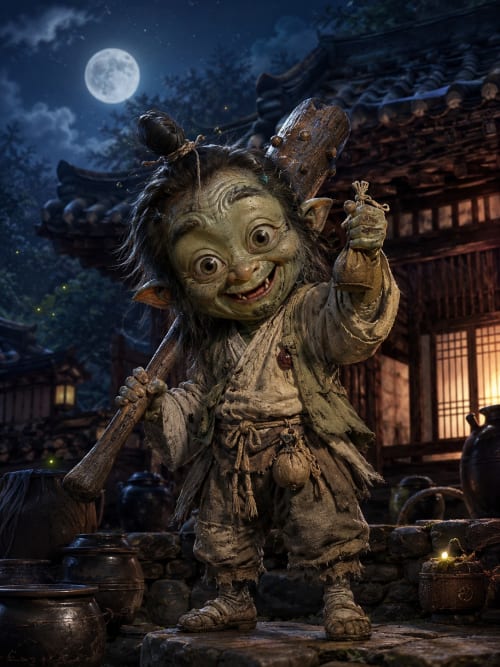
Dokkaebi
Dokkaebi · The Korean Goblin — A Capricious Spirit of Mischief and Wealth

Cheonyeo-gwisin
Cheonyeo-gwisin · The Grudge-Bound Maiden Ghost — A Korean Spirit Wandering With Unresolved Han

Banshee
Banshee · The Wailing Death-Herald — Lament of Celtic Lore
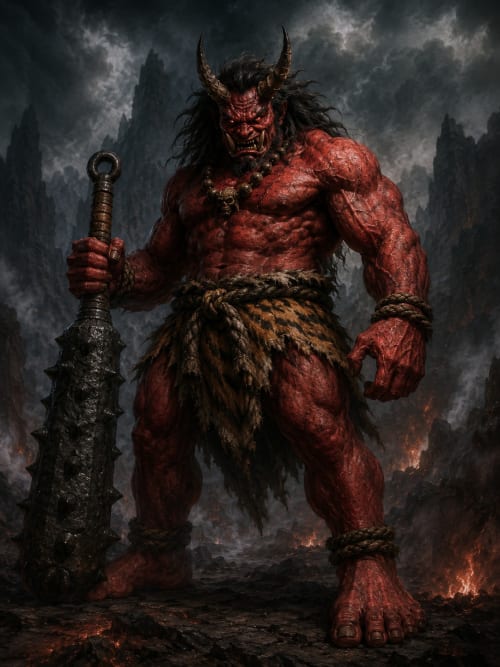
Oni
Oni · The Japanese Demon — A Horned, Hulking Man-Eating Ogre
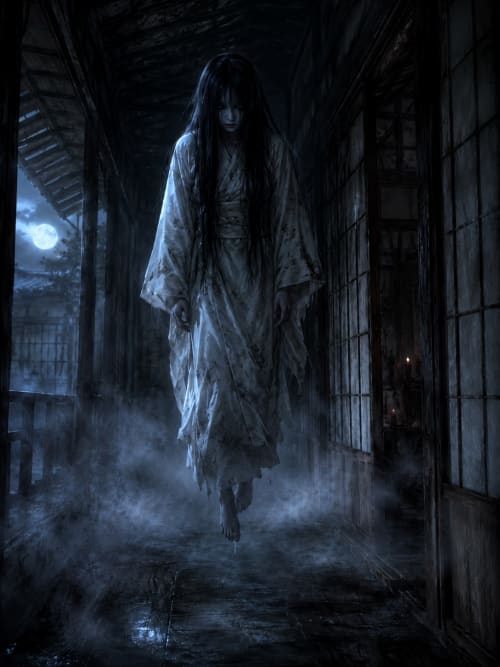
Onryo
Onryo · The Japanese Vengeful Ghost — A Cursing Specter Returned in Grudge
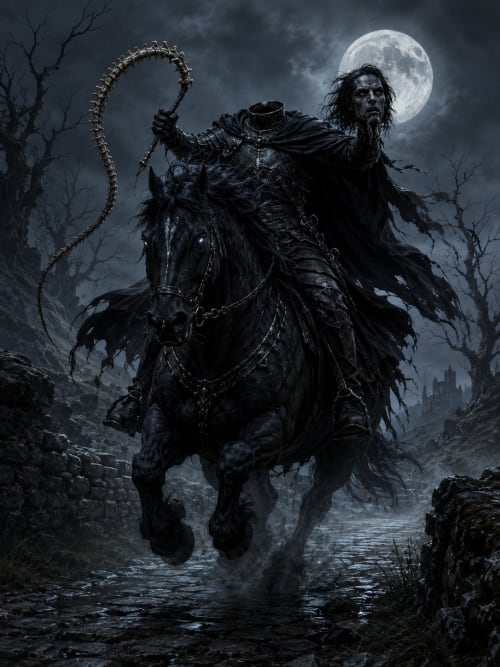
Dullahan
Dullahan · The Headless Horseman — Ireland's Death-Bringing Envoy
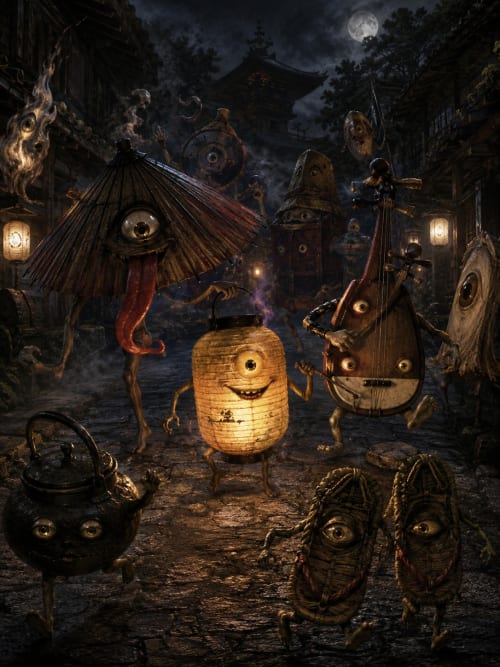
Tsukumogami
Tsukumogami · The Tool Yokai — A Spirit Dwelling in a Hundred-Year-Old Object

Yaksha
Yaksha · Nature Spirit of India and Buddhism — A Two-Faced Spirit Guarding Treasure

Gremlin
Gremlin · The Machine-Breaking Yokai — A Prankster of the Modern Technological Age
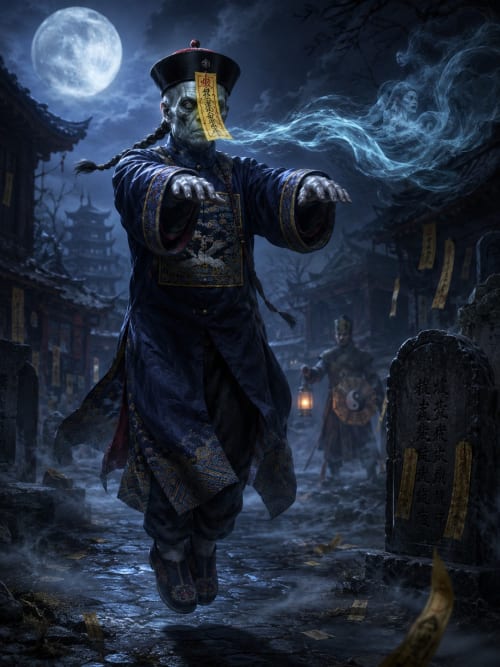
Jiangshi
Jiangshi · The Chinese Hopping Corpse — A Stiff, Leaping Corpse-Spirit
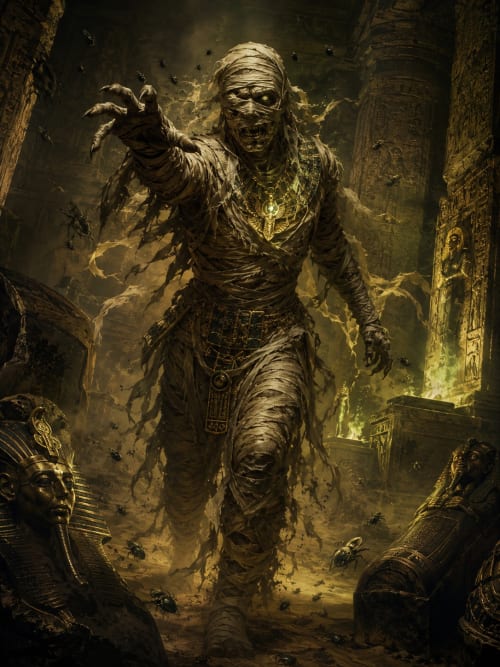
Mummy
Mummy · The Bandaged Dead — A Cursed Corpse Guarding the Tomb
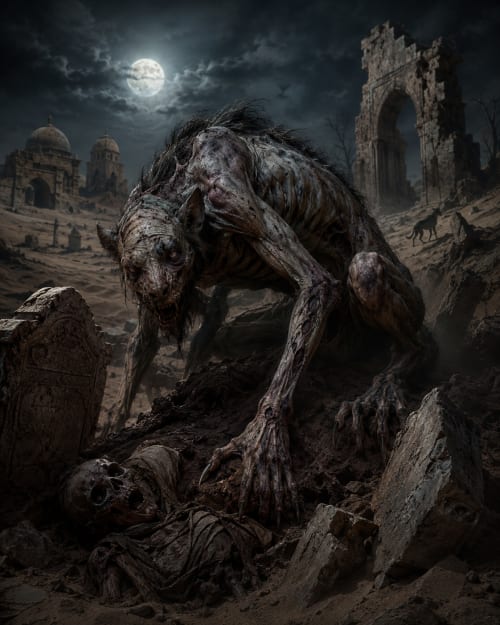
Ghoul
Ghoul · The Corpse-Eater — A Desert Monster That Digs Up and Devours the Dead