Earth
67 items tagged with "Earth"
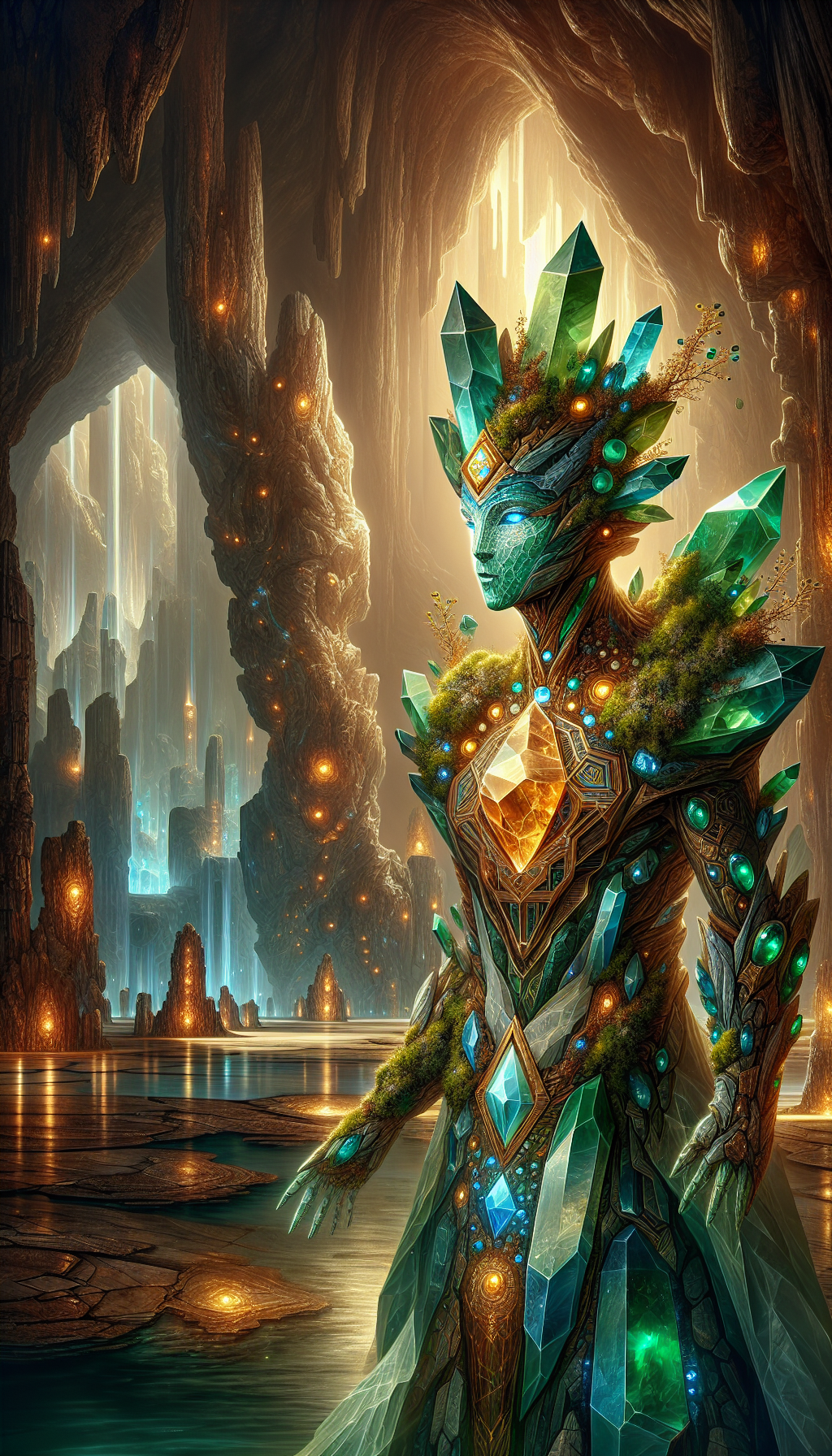
Gnoeanenn
SupremeGnoeanenn — Supreme Earth Spirit
The supreme rank of earth spirits, positioned just below the Oread Spirit King. Capable of directly manipulating continental plates. Its body is composed of various crystallized minerals, and the surrounding terrain convulses whenever it appears. Witnesses report it appeared as though an entire mountain was walking.

Gnome
LesserGnome · Earthworm — Lesser Earth Spirit
The lowest rank among earth spirits, appearing in two forms: Gnome as a small subterranean creature, and Earthworm as a form that burrows through the ground like an earthworm. It dwells in mines and underground, instinctively sensing the condition of minerals and soil. Generally friendly to humans and may reveal the locations of treasure or ore veins.
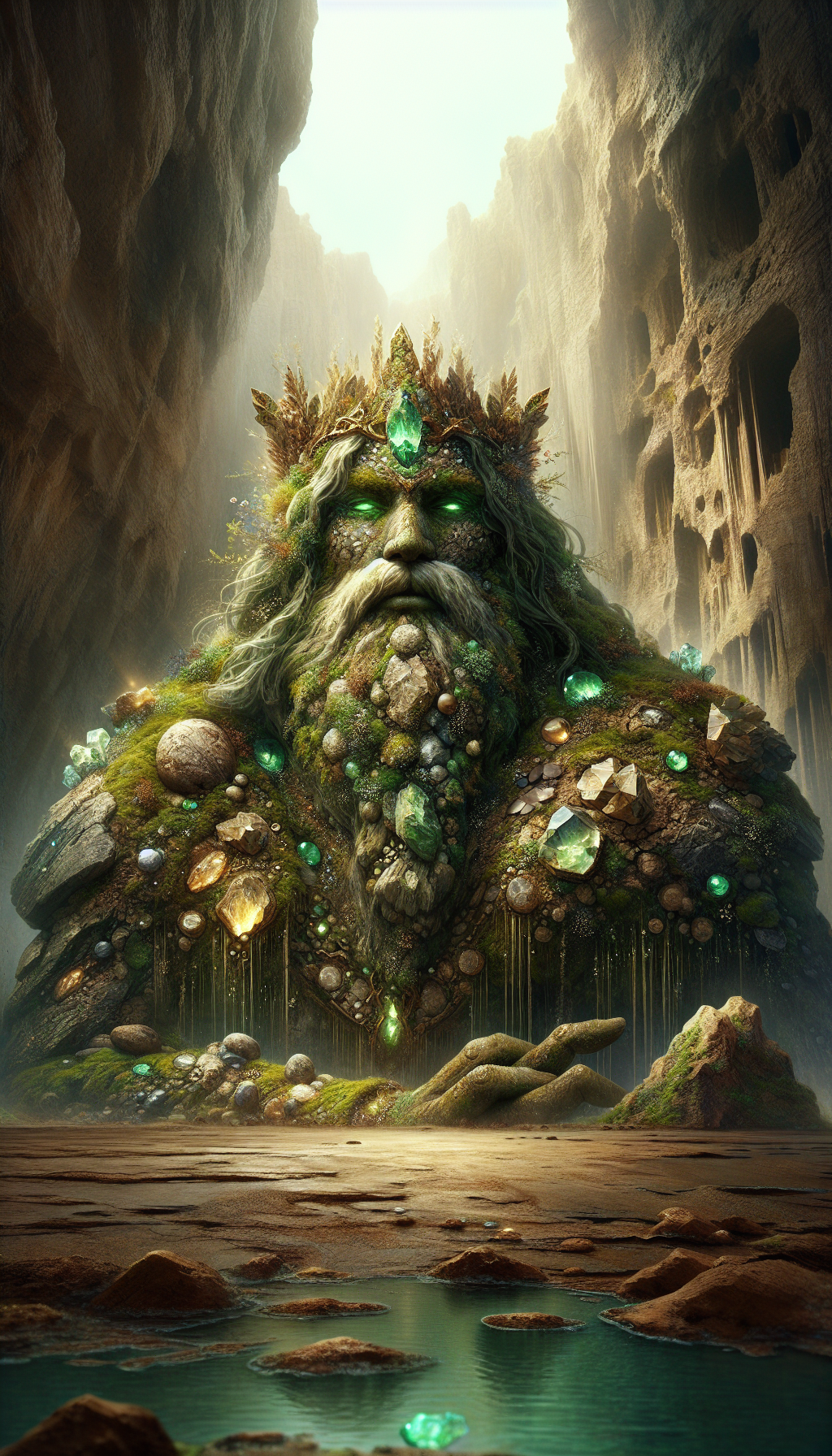
Oread
Spirit KingOread · Trowell · Gnoass — Earth Spirit King
The pinnacle of earth spirits, the Spirit King. Also known as Trowell and Gnoass. Governs all soil, stone, and minerals of the earth, controlling tectonic activity through will alone. Slow to move, but each step equals an earthquake. Holds all the earth's memories, knowing every geological change since the world began.
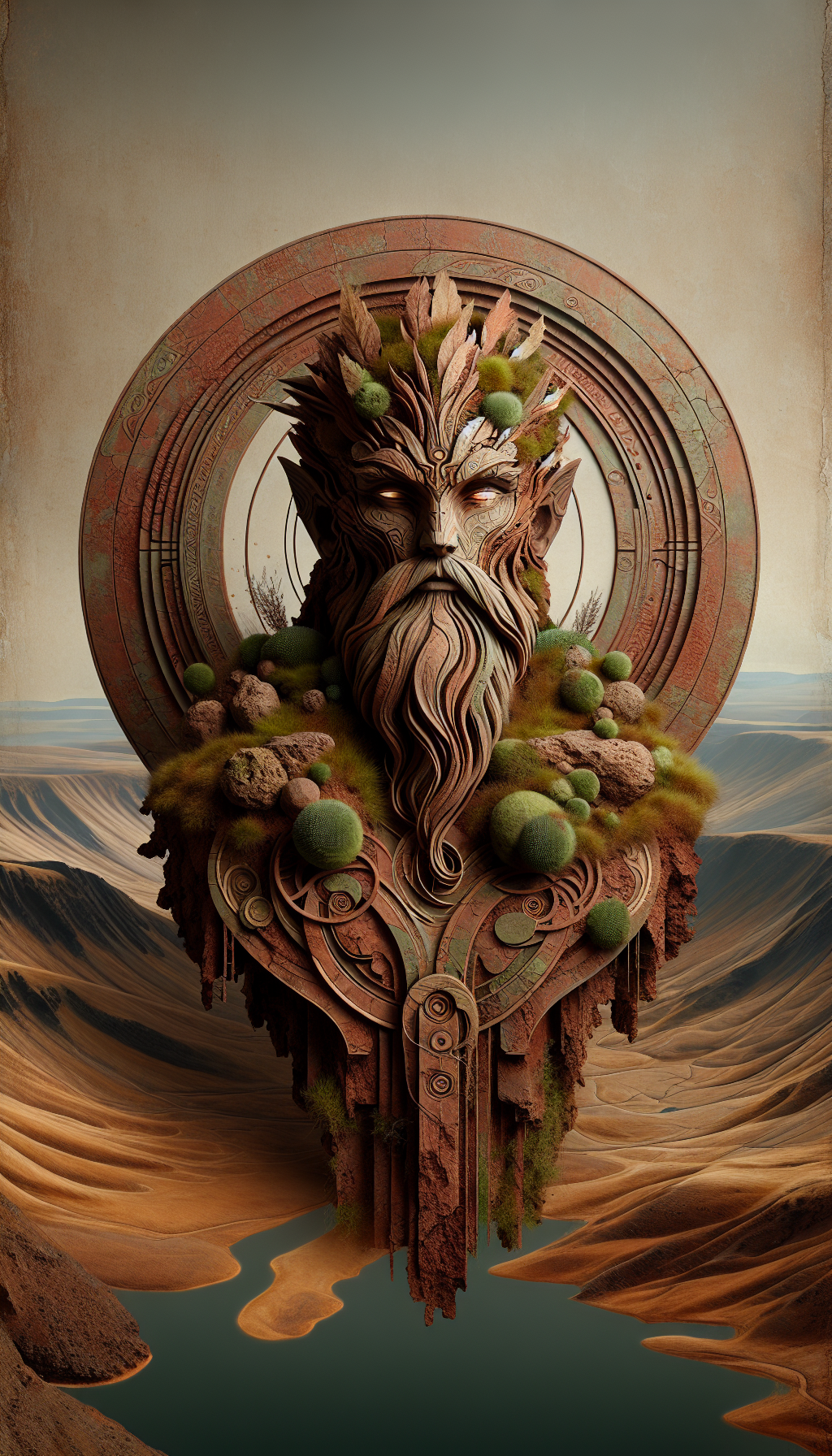
Clay
GreaterClay · Gnoess — Superior Earth Spirit
The superior rank of earth spirits. Sensorially connected to the entire earth, perceiving the terrain within hundreds of kilometers. Controls soil, rock, and clay freely and can summon a golem army for battle. Taciturn and reserved, but when angered, unleashes destruction comparable to an earthquake.
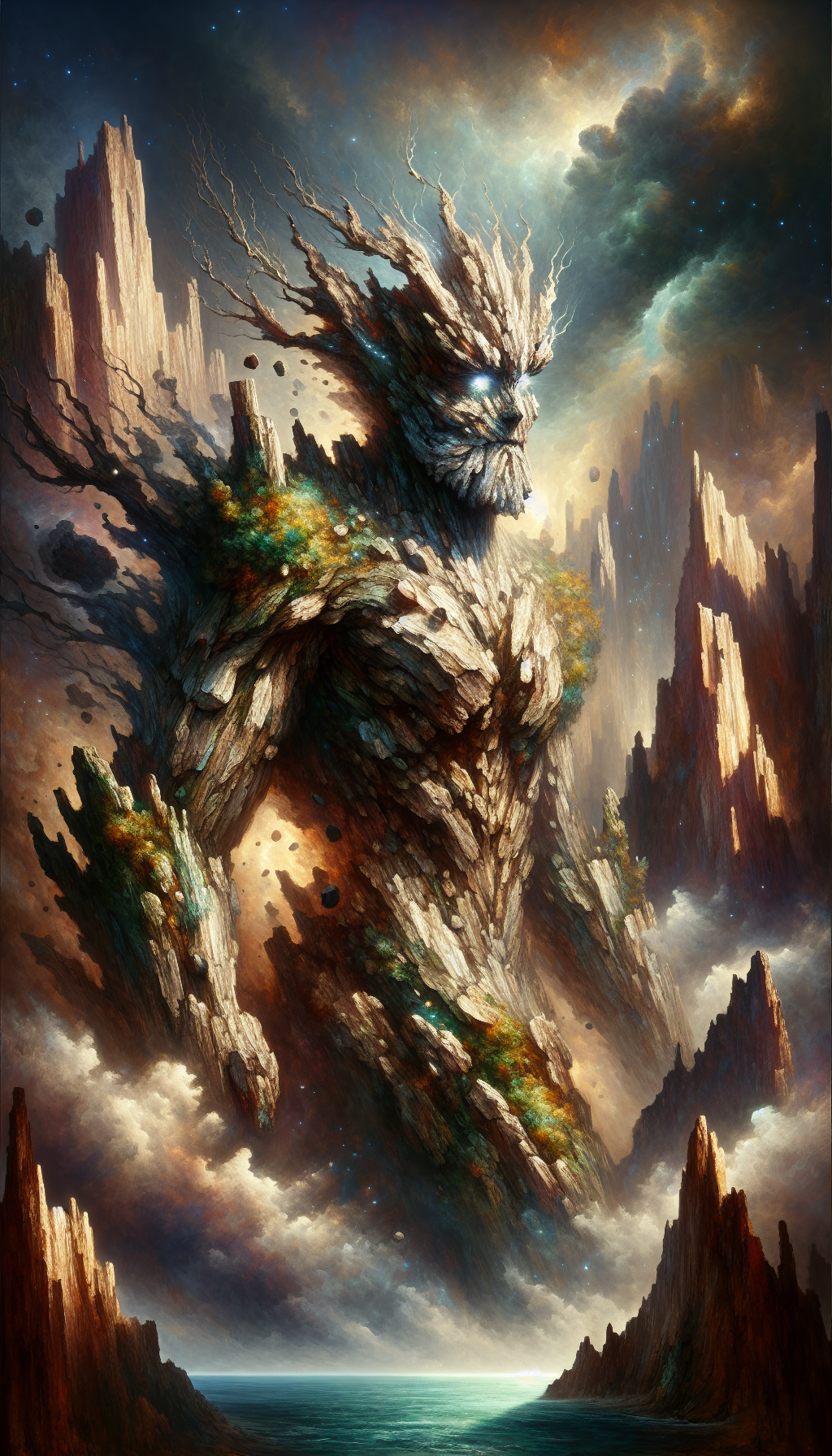
Gnoim
IntermediateGnoim · Gnoum · Mulden — Intermediate Earth Spirit
The intermediate rank of earth spirits, known by names such as Gnoim, Gnoum, and Mulden. It dwells in mountain ranges and rocky peaks, effortlessly manipulating massive boulders. It speaks in a low, resonant voice; slow to decide, but once resolved, holds firm as rock.
Panhellen
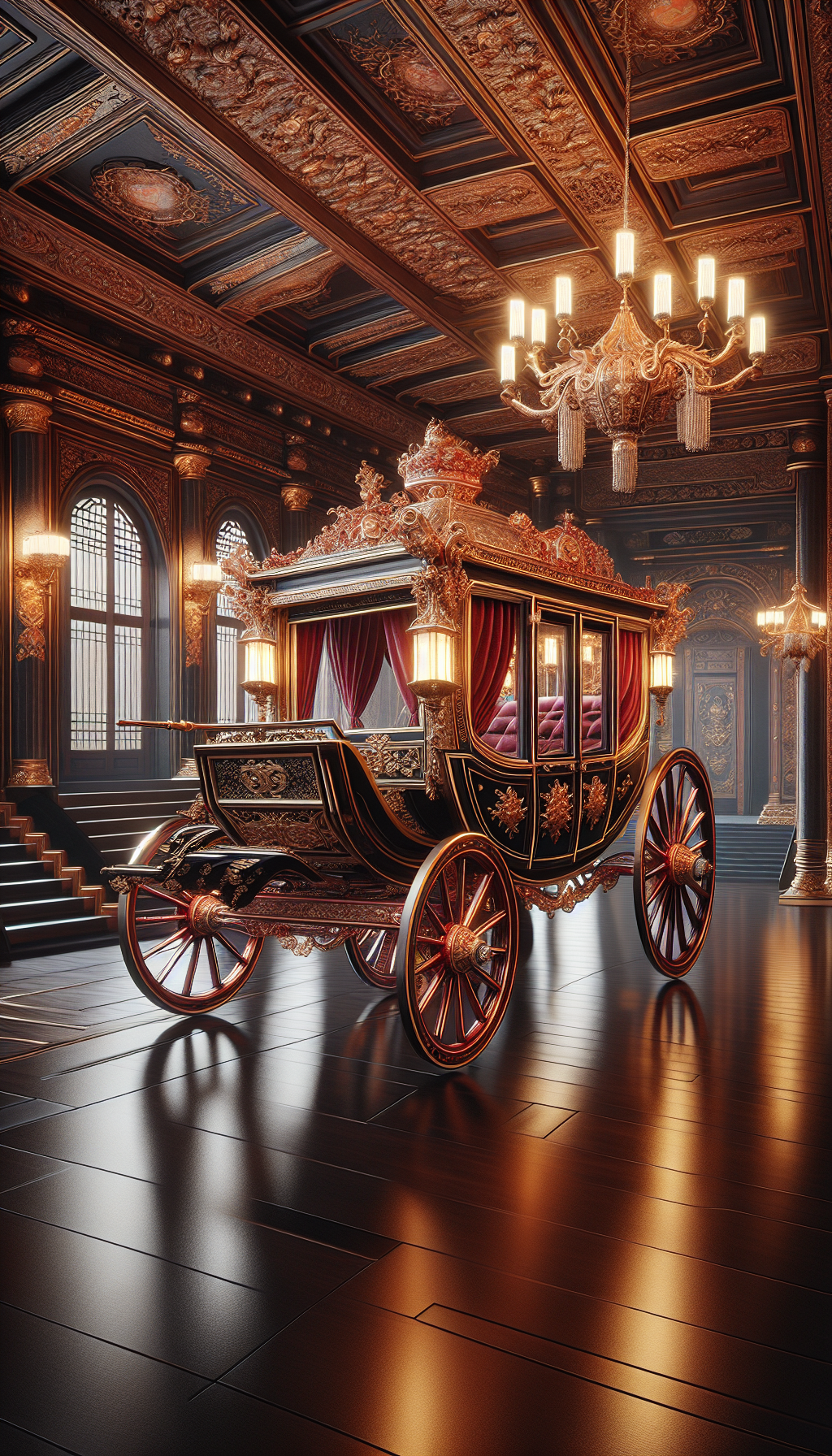
Panhellen · Aristocratic Carriage — Ornate four-wheeled carriage of Joseon high society
The Panhellen was a luxurious four-wheeled carriage used by the upper class during the Joseon Dynasty. It was primarily employed by royalty and nobility for processions or important ceremonies. Its structure blends finely crafted wood and metal, richly decorated.

Dobri
Dobri · Small Passenger Carriage — Joseon Personal Transport
The Dobri is a small two-wheeled carriage used in the Joseon dynasty. It primarily served as short-distance transport for officials and members of the yangban aristocracy. Constructed from wood and iron, it is pulled by a single horse.
Baga
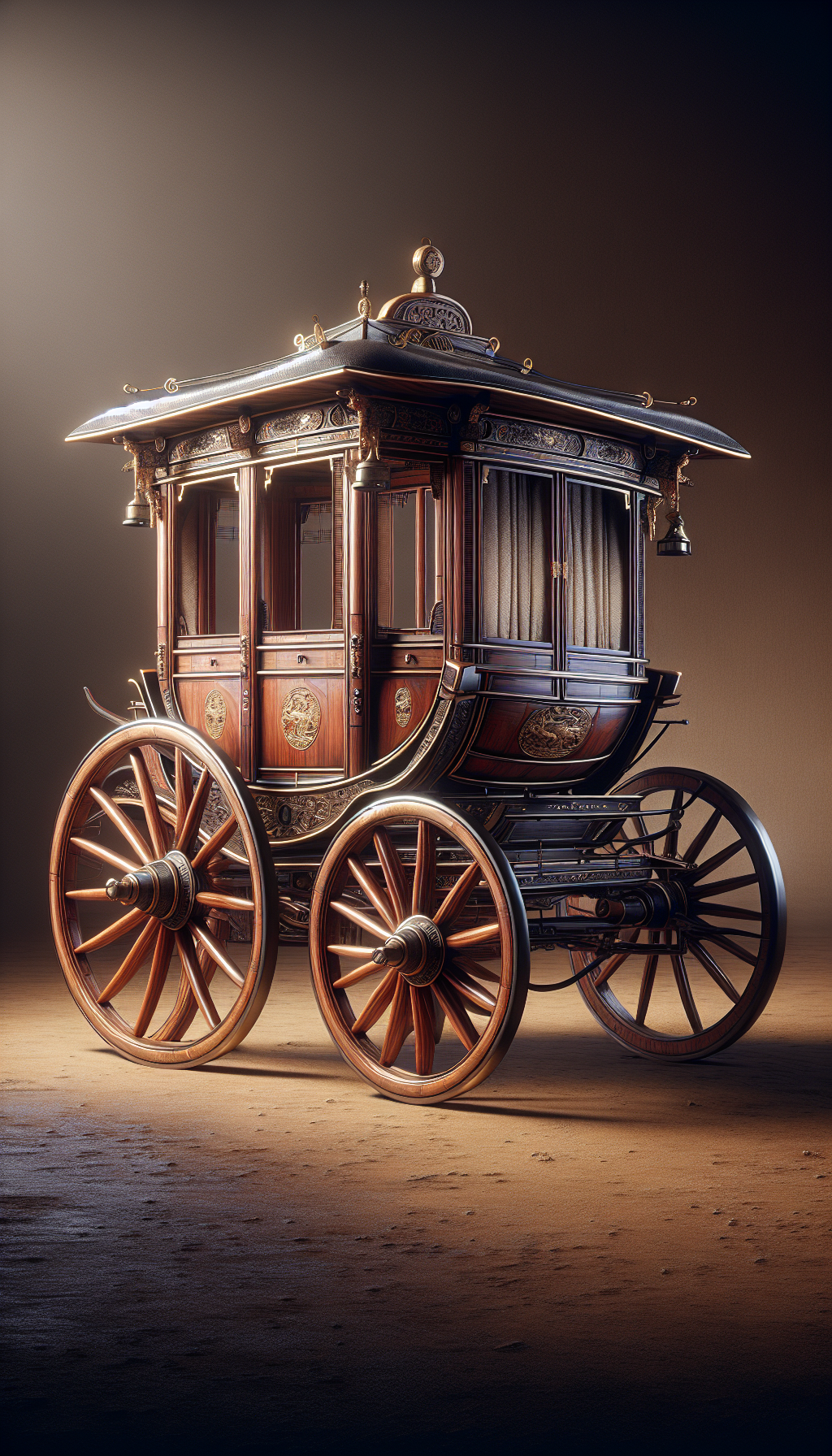
Baga · Traditional Carriage — Iconic Two-Wheeled Carriage of Joseon Era
The Baga is a two-wheeled passenger carriage commonly used during Korea's Joseon dynasty. It was mainly employed by nobles and officials for transportation, typically drawn by a single horse. The Baga is noted for its lightweight timber frame and simple, utilitarian design. It provided a swift mode of travel within cities and over flat terrain.
Ramba
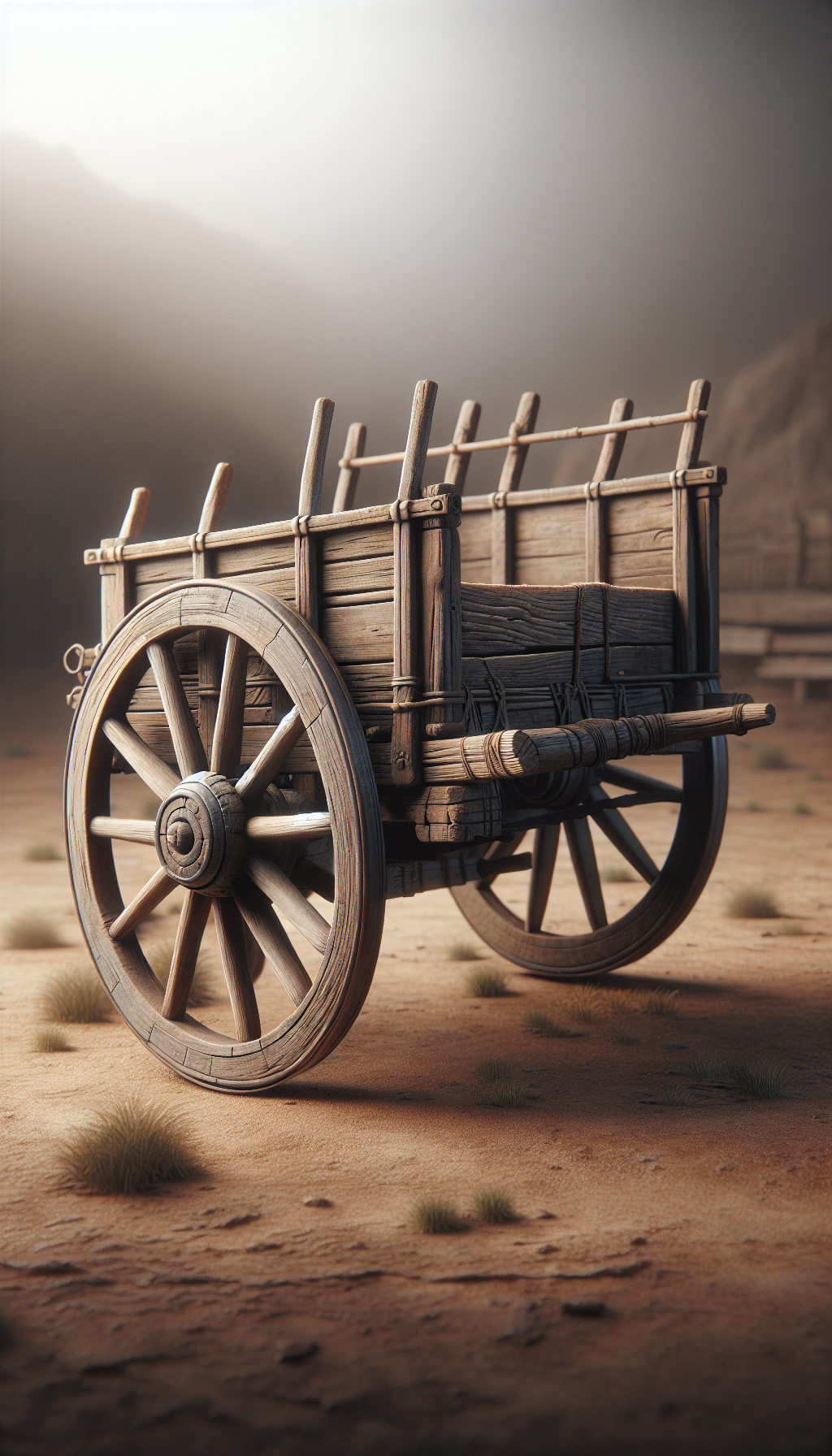
Ramba · Small Wooden Cart — Joseon-Era Utility Vehicle
The ramba was a small, two-wheeled wooden cart used during the Joseon Dynasty. It was primarily employed in rural areas for transporting loads such as crops or firewood. Its simple construction made it accessible to commoners and farmers.
Landloute
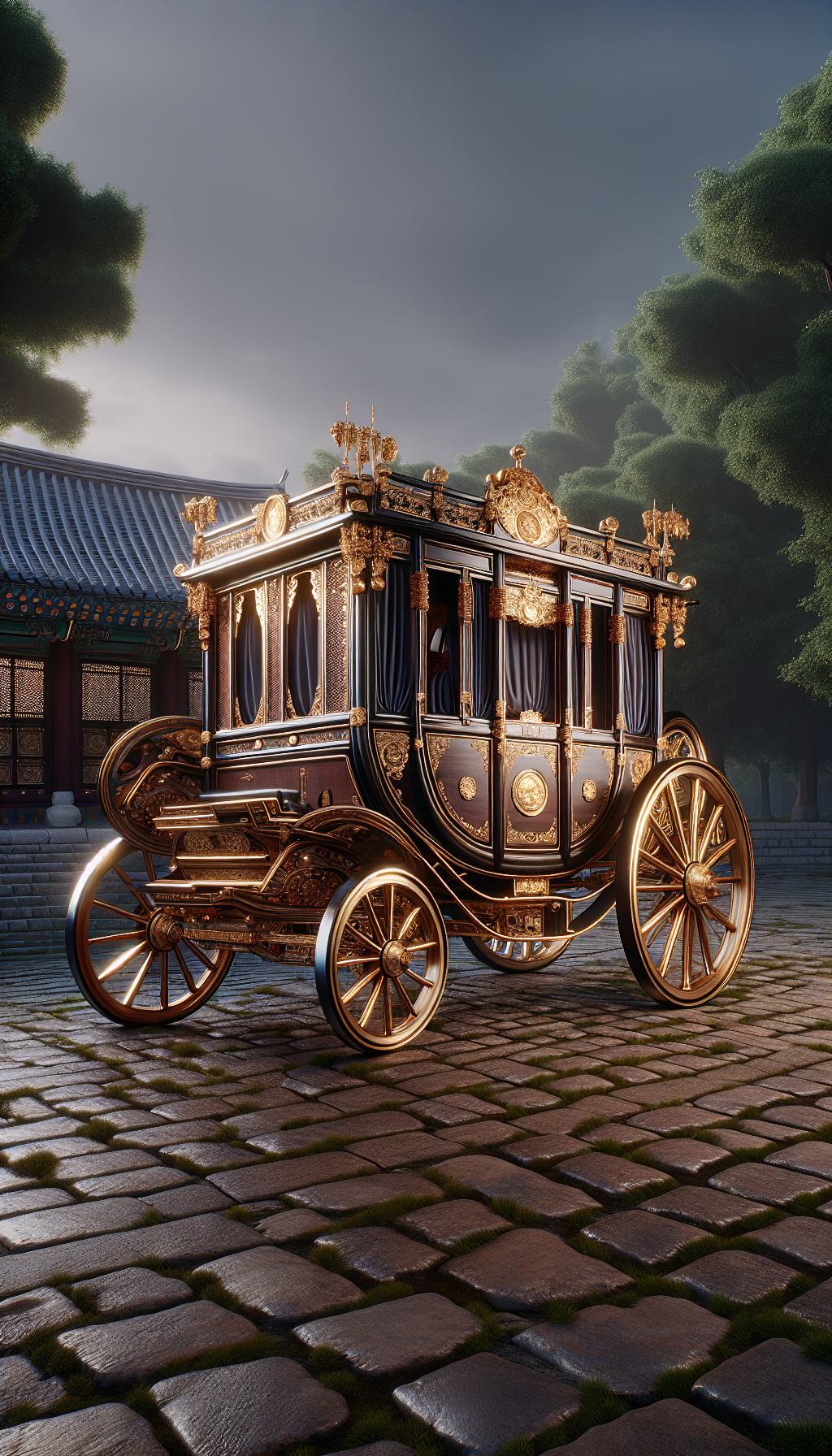
Landloute · Four-wheeled Grand Carriage — Transportation for Nobles and Elites
The Landloute is a large four-wheeled carriage used in late Joseon and the Korean Empire period. It mainly served as a means of long-distance travel and official processions for royalty, high officials, and the nobility. Constructed from wood and metal, it was notable for its comfortable interior and ornate decorations.

Viscazchen
Viscazchen · Noble Carriage — Luxury coach used in European aristocratic society
The Viscazchen is an opulent four-wheeled carriage prevalent among European nobility in the 18th and 19th centuries. It is renowned for its ornate exterior and comfortable interior, most often appearing at ceremonies and special occasions.
Spehti
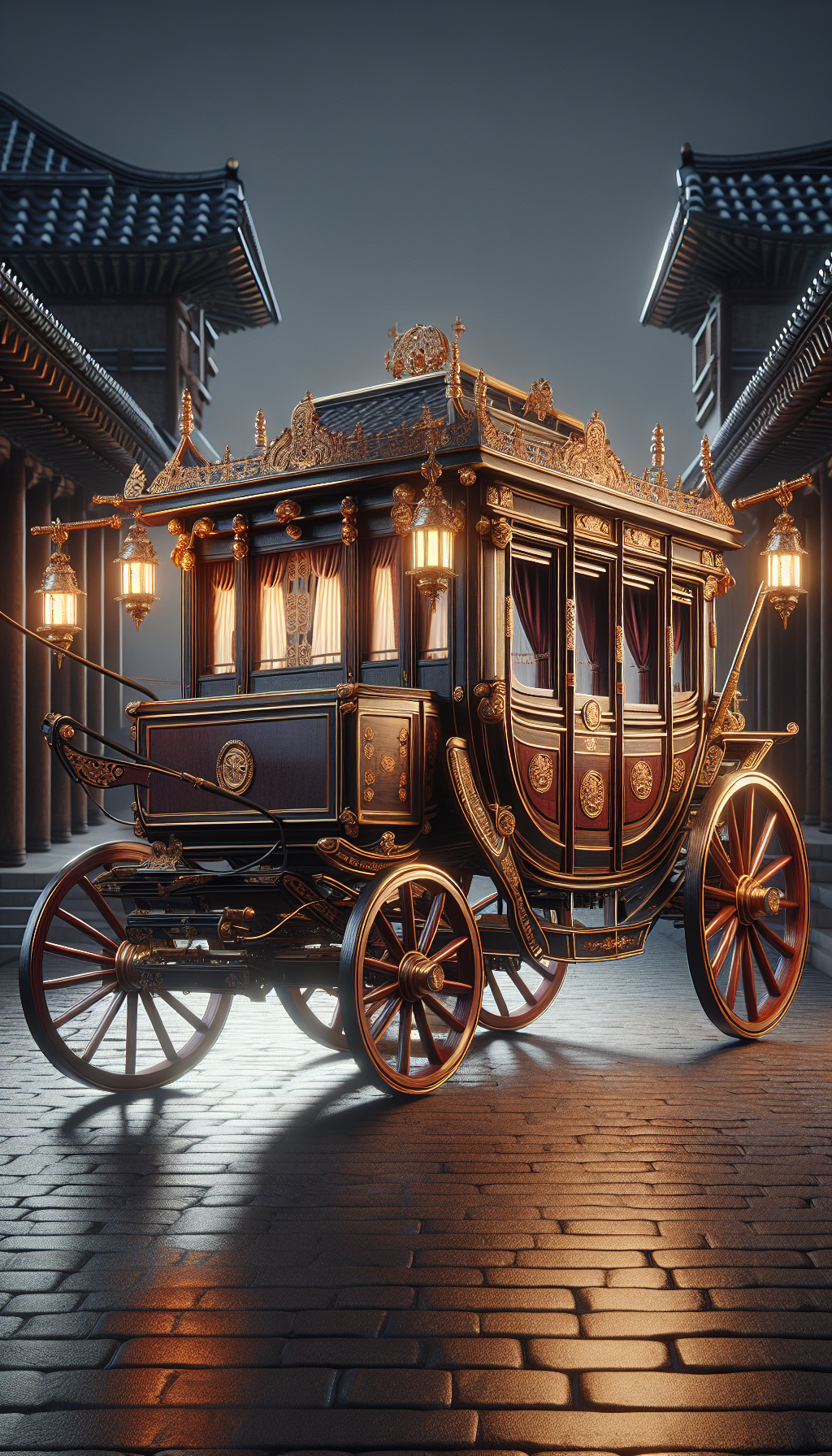
Spehti · Four-wheeled Carriage — Joseon Nobleman's Coach
The Spehti was a four-wheeled carriage used by the upper class and royalty during the late Joseon Dynasty and Korean Empire. Influenced by Western carriage designs, it became a prominent means of transportation for officials and diplomats. It combined decorative elegance with practical mobility and prestige.

Draisine
Draisine · Early Human-powered Vehicle — Pedal-less Precursor to the Bicycle
The draisine is the world’s first two-wheeled, human-powered vehicle, developed in early 19th-century Germany. It lacked pedals and was propelled by the rider pushing off the ground with their feet. Its simple design featured a wooden frame and wheels.

Cliché
Cliché · Carriage — Traditional horse-drawn vehicle
The cliché is a four-wheeled horse-drawn carriage widely used across Europe and Asia in the pre-industrial era. It mainly served the nobility, merchants, and travelers for long-distance transportation. Its sturdy wooden frame and metal reinforcements were hallmarks, with interiors often fitted with cushions and covers for passenger comfort.
Conti
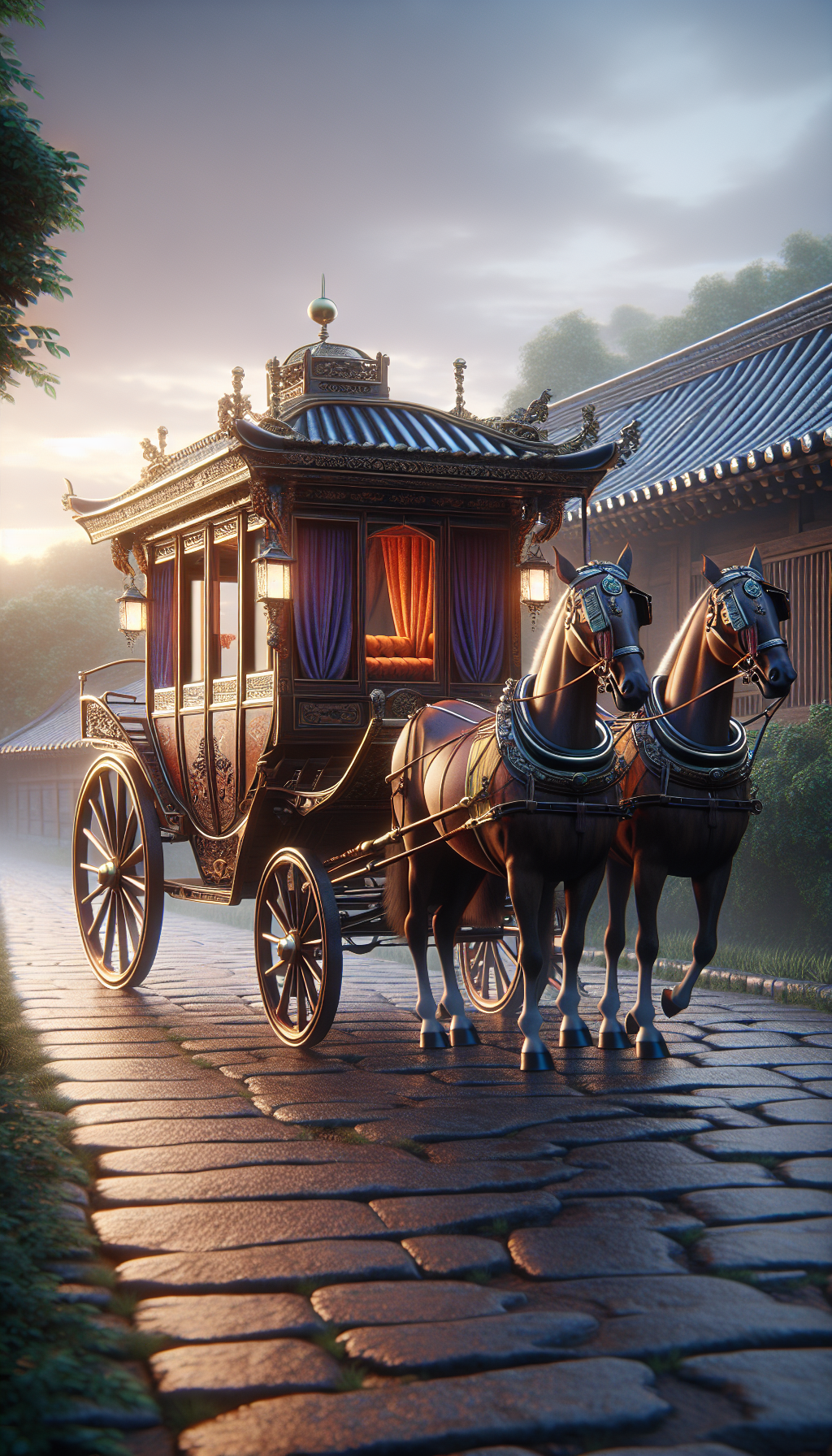
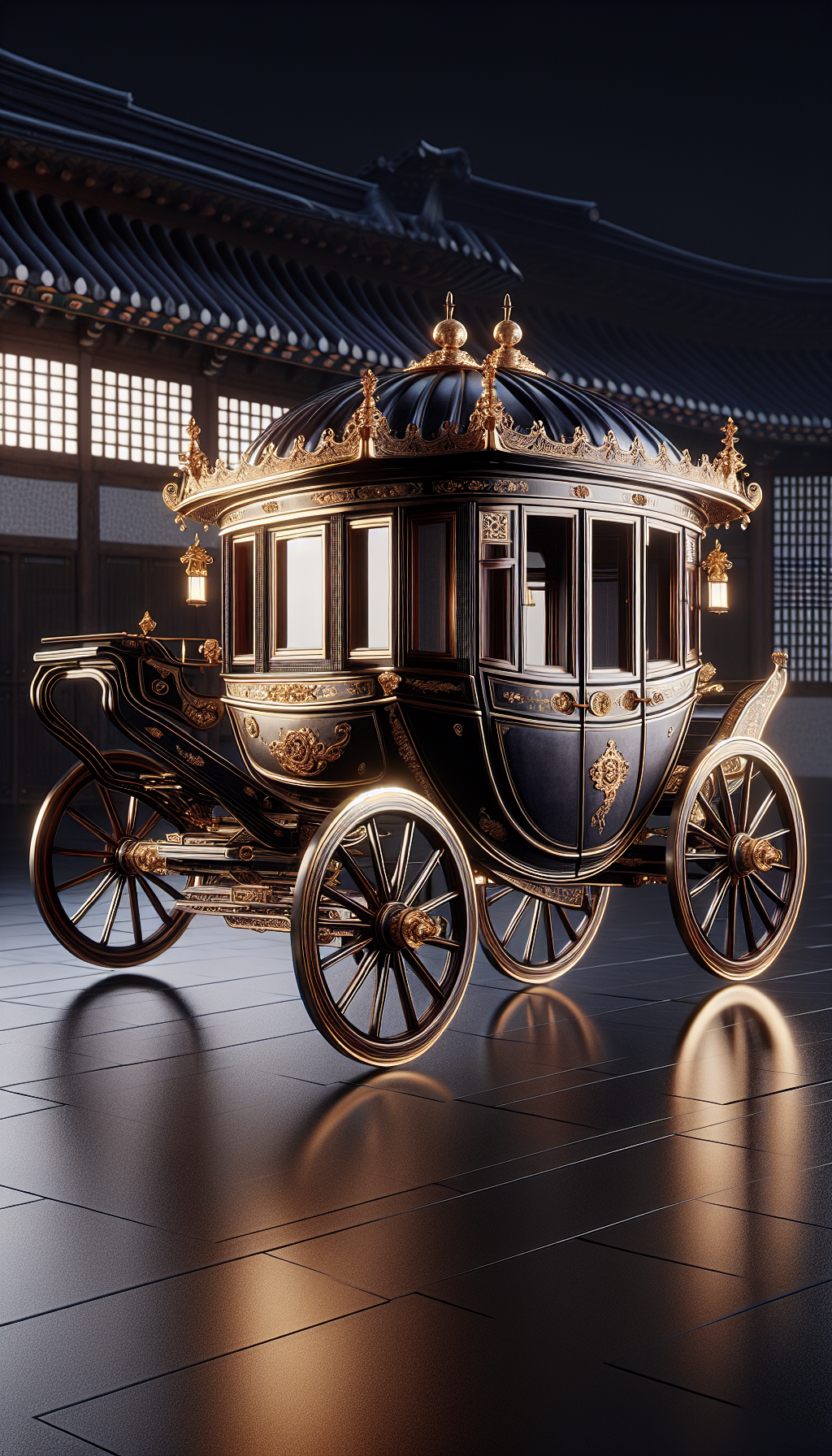
Conti Carriage · Noble Coach — Joseon-era Western-style Carriage
The Conti was a Western-style four-wheeled carriage introduced to Korea during the late Joseon Dynasty. It was primarily used by royalty, high-ranking officials, and foreign envoys. The carriage featured ornate decorations and a sturdy build, drawn by horses.
Buggy
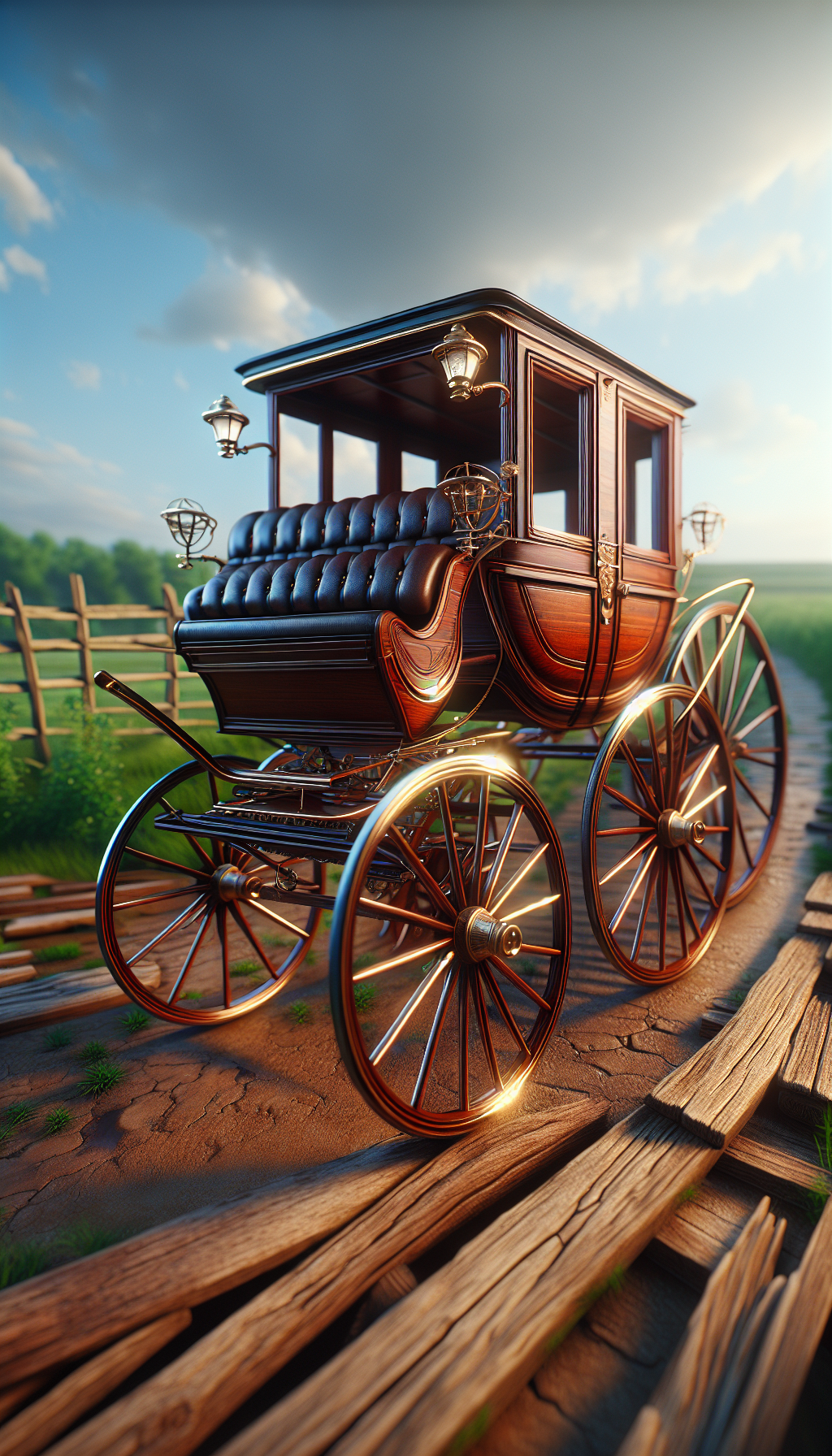
Buggy · Light Carriage — Compact Two-Wheeled Vehicle
The buggy is a small, lightweight two-wheeled carriage that was widely used in the 19th and early 20th centuries. Typically drawn by a single horse and seating one or two people, its simple construction and affordability made it a popular everyday vehicle in both rural and urban settings.
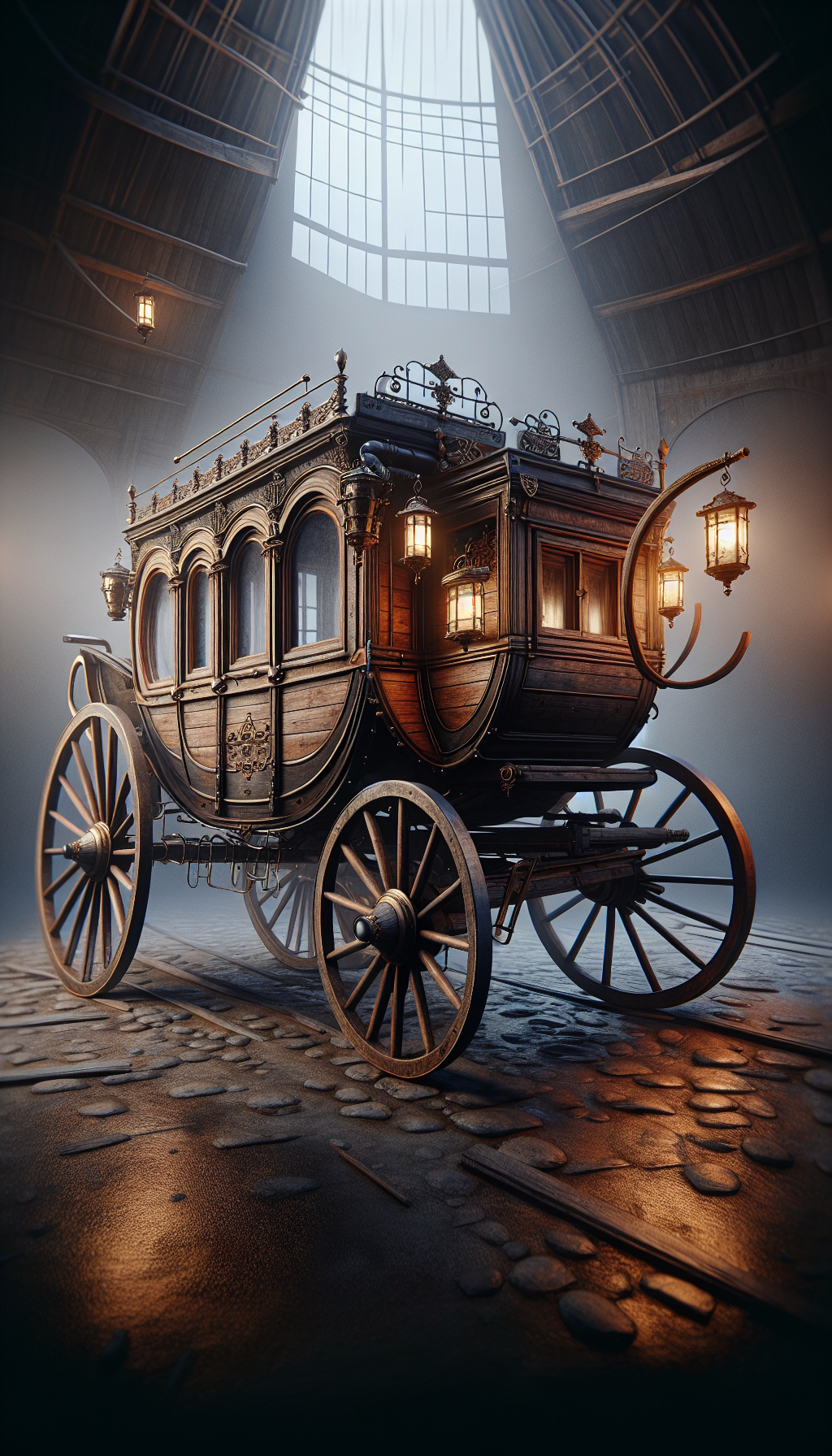
Retifa
Ancient Four-Wheeled Carriage · European Coach — Passenger and Cargo Transport Vehicle
The Retifa is an ancient four-wheeled carriage used throughout Europe for transporting passengers and goods over long distances. Built from sturdy wood with reinforced metal fittings, it offered reliable travel even on rough roads.

Bigon
Bigon · Agricultural Cart — Staple Vehicle of Agrarian Korea
The Bigon was a traditional agricultural cart widely used in Joseon Korea. Pulled by oxen or horses, this two- or four-wheeled vehicle was essential for transporting crops, tools, and goods. Built with wood and iron parts, it prioritized durability and practicality.

Heizuka
Heizuka · Aristocratic Carriage — Iconic Joseon-era Noble Transport
The Heizuka was a four-wheeled carriage used by the upper class during the Joseon dynasty. It was mainly utilized by royalty, officials, and nobles for formal events and travel. Known for its intricate woodwork and ornate decorations, it also served as a symbol of social status.
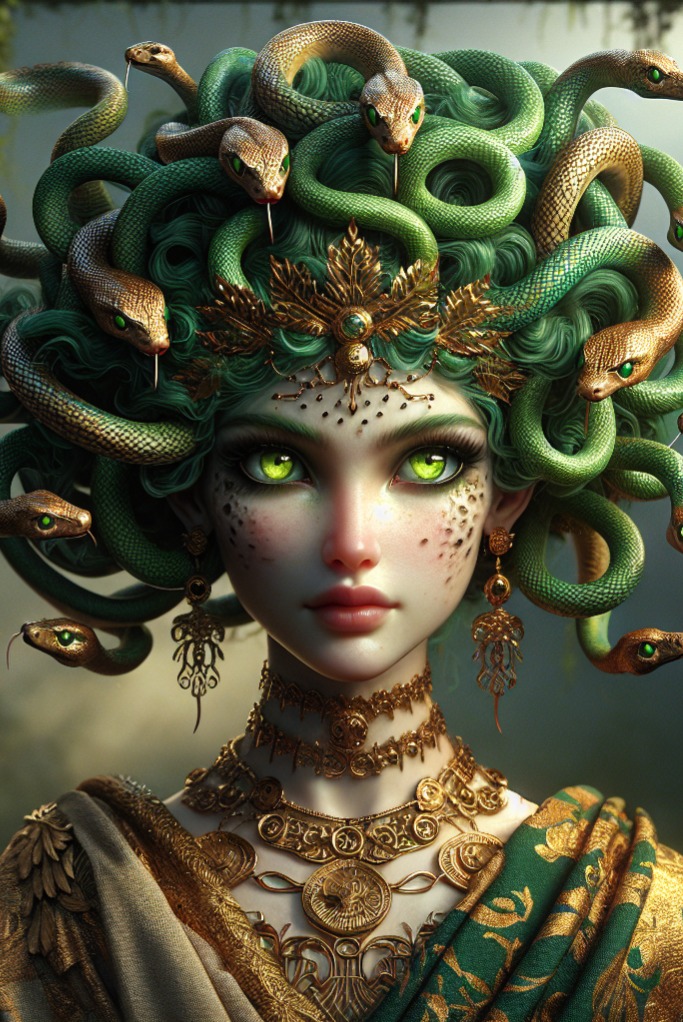
Medusa
Medusa · Monster — Ancient creature with snakes for hair
Medusa is a female monster from ancient Greek mythology, recognized by her living snake hair. Anyone who looks directly at her is turned to stone. She is one of the three Gorgon sisters, and the only one who is mortal.

Longhorn Bison
Longhorn Bison · Ancient plains giant — Massive grazer with elongated horns
The Longhorn Bison is inspired by the real prehistoric giant, the long-horned bison (Praebison antiquus). It was known for its imposing size and exceptionally long horns, roaming the grasslands of Eurasia and North America. Its tough hide and herding behavior made it both a challenge and a prize for early human hunters.
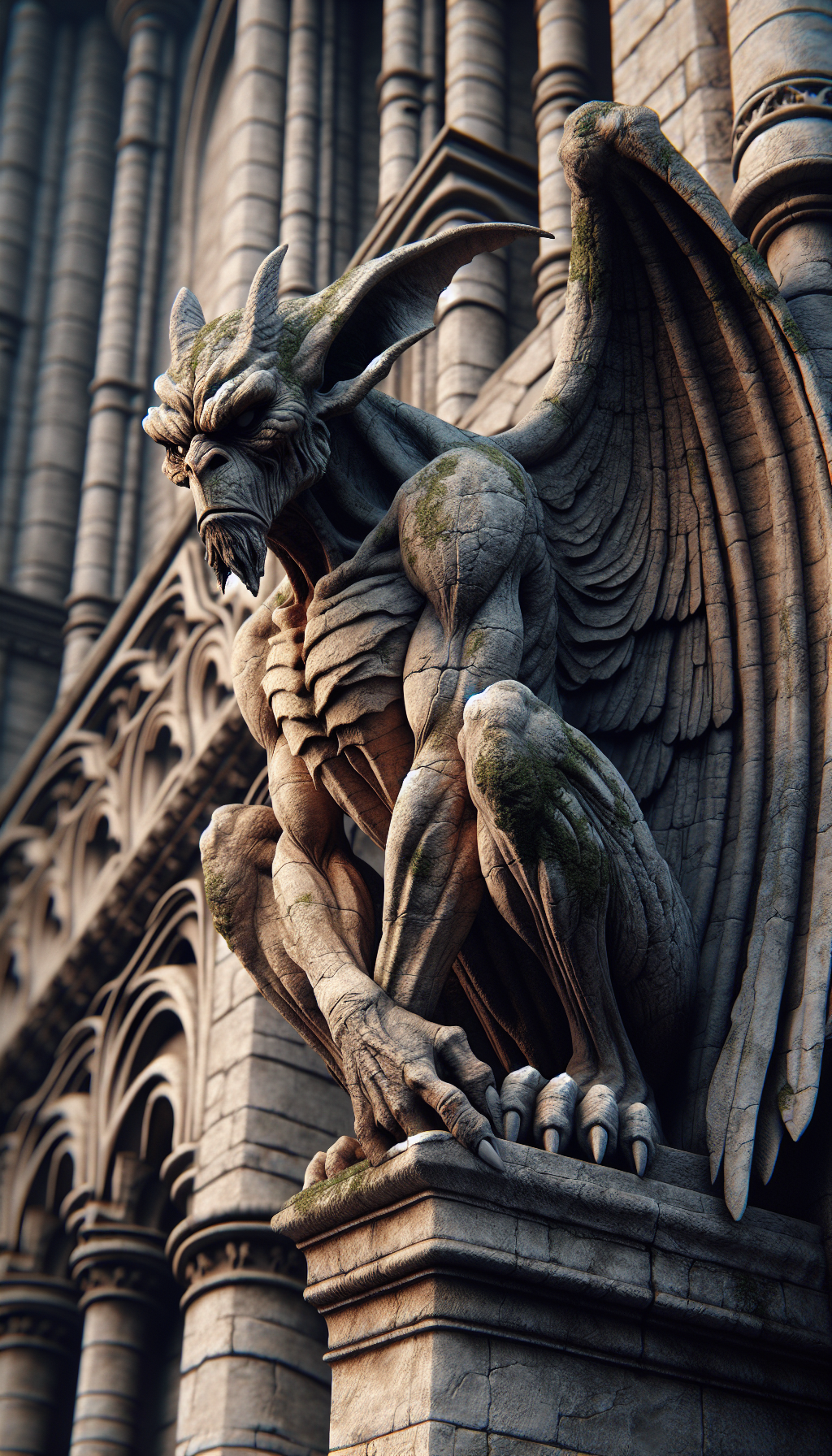
Gargoyle
Gargoyle · Stone Monster — Legendary Protectors of Medieval Architecture
Gargoyles are grotesque stone statues found on medieval European buildings, particularly cathedrals and churches. Legends depict them as mystical creatures warding off evil spirits and protecting the structures. In reality, they functioned as architectural water spouts.
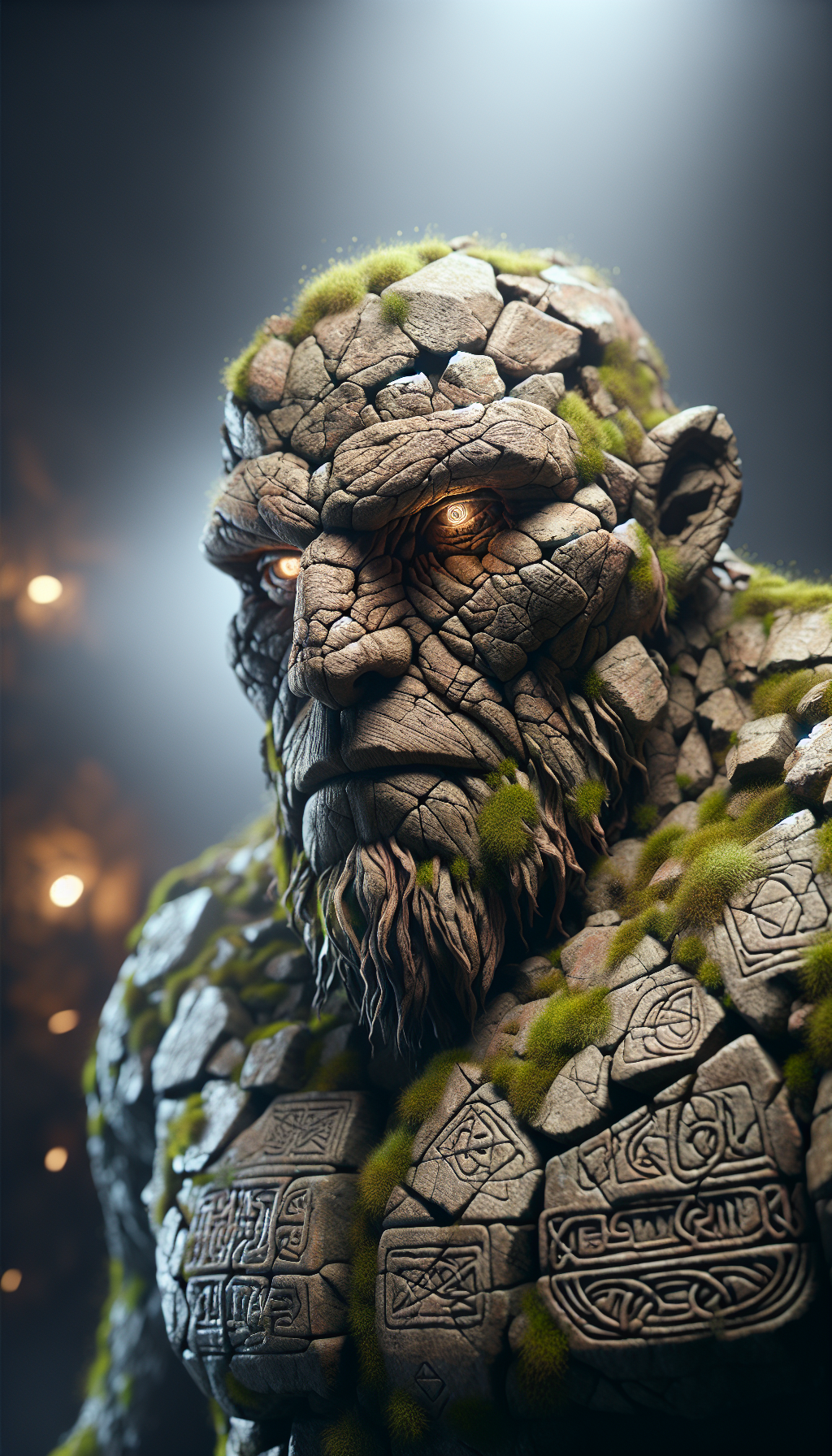
Golem
Golem · Artificial Creature — A being made from inanimate materials
A golem is an artificial being constructed from inert matter such as clay, stone, or metal. Animated by magic or mystical incantations, golems serve the commands of their creators. They are typically used for labor, protection, or defense.
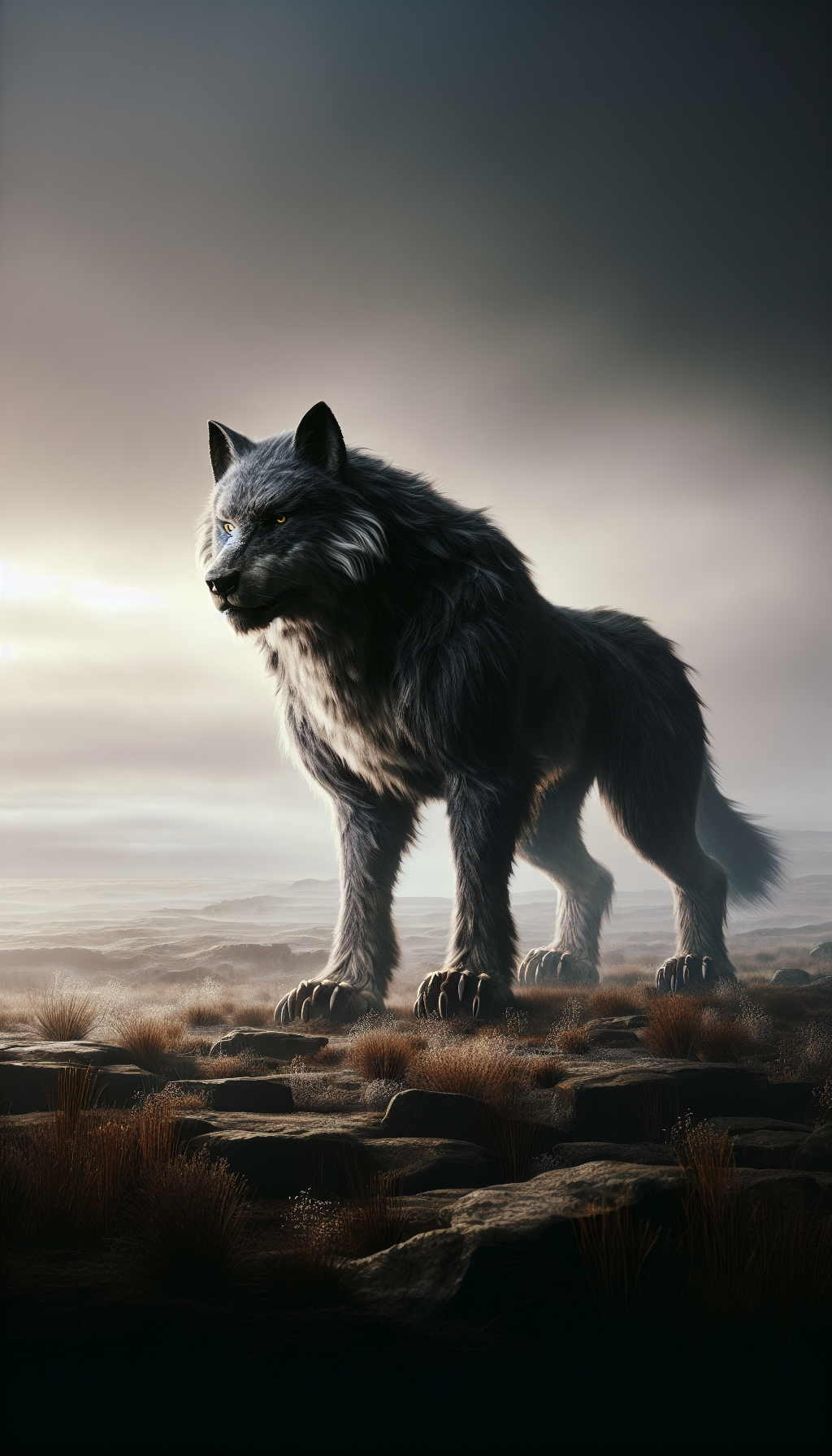
Cimbrian War Wolf
Cimbrian War Wolf · Legendary warbeast — Mythical battle wolf
The Cimbrian War Wolf is a giant wolf creature from European legend, often associated with battlefields and fearsome warriors. It is depicted as a massive predator, striking terror into the hearts of enemies. Its strength and ferocity made it a symbol of war and destruction.

Amphicyon
Amphicyon · Bear Dog — Large prehistoric carnivore
Amphicyon, known as the 'bear dog,' was a large prehistoric mammal that exhibited features of both bears and dogs. It possessed powerful jaws and agile limbs, allowing it to hunt a variety of prey in diverse environments. Although not directly related to modern bears or dogs, it displayed characteristics of both.
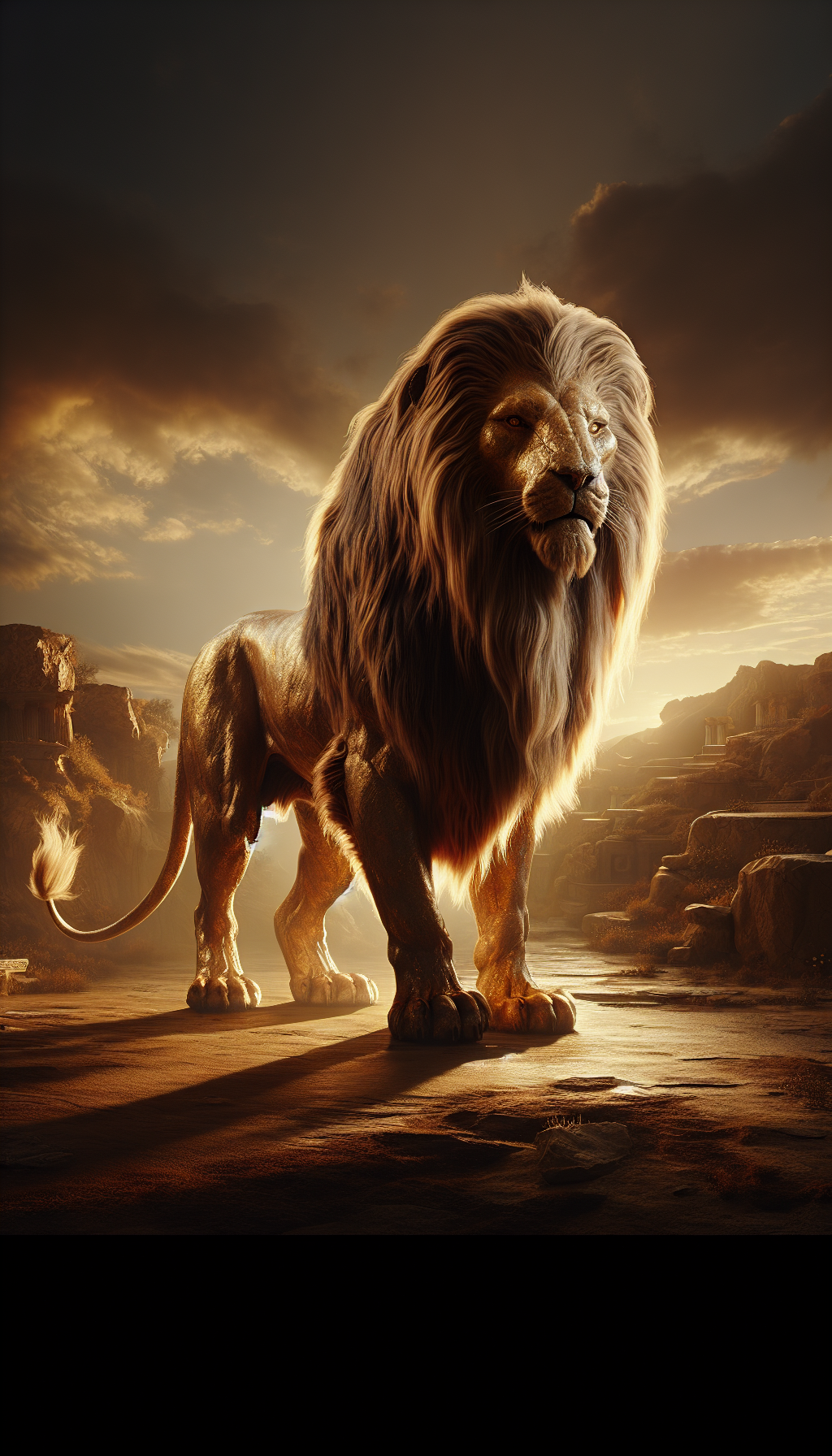
Nemean Lion
Nemean Lion · Invulnerable Beast — Immortal creature of Greek myth
The Nemean Lion is a legendary beast from Greek mythology, famed for its impenetrable golden hide. It terrorized the region of Nemea until it was defeated as the first labor of the hero Heracles. Its hide was impervious to conventional weapons, making it a symbol of daunting strength.

Ragasa
Ancient Grain Porridge · Traditional Cereal Dish — Nourishing grain-based porridge
Ragasa is a type of grain porridge traditionally consumed in ancient Korea. It is made by boiling various grains such as millet, sorghum, and rice with water until it reaches a thick consistency. The dish served as an easily digestible and nutritious meal, suitable for the elderly, the sick, and ritual offerings.
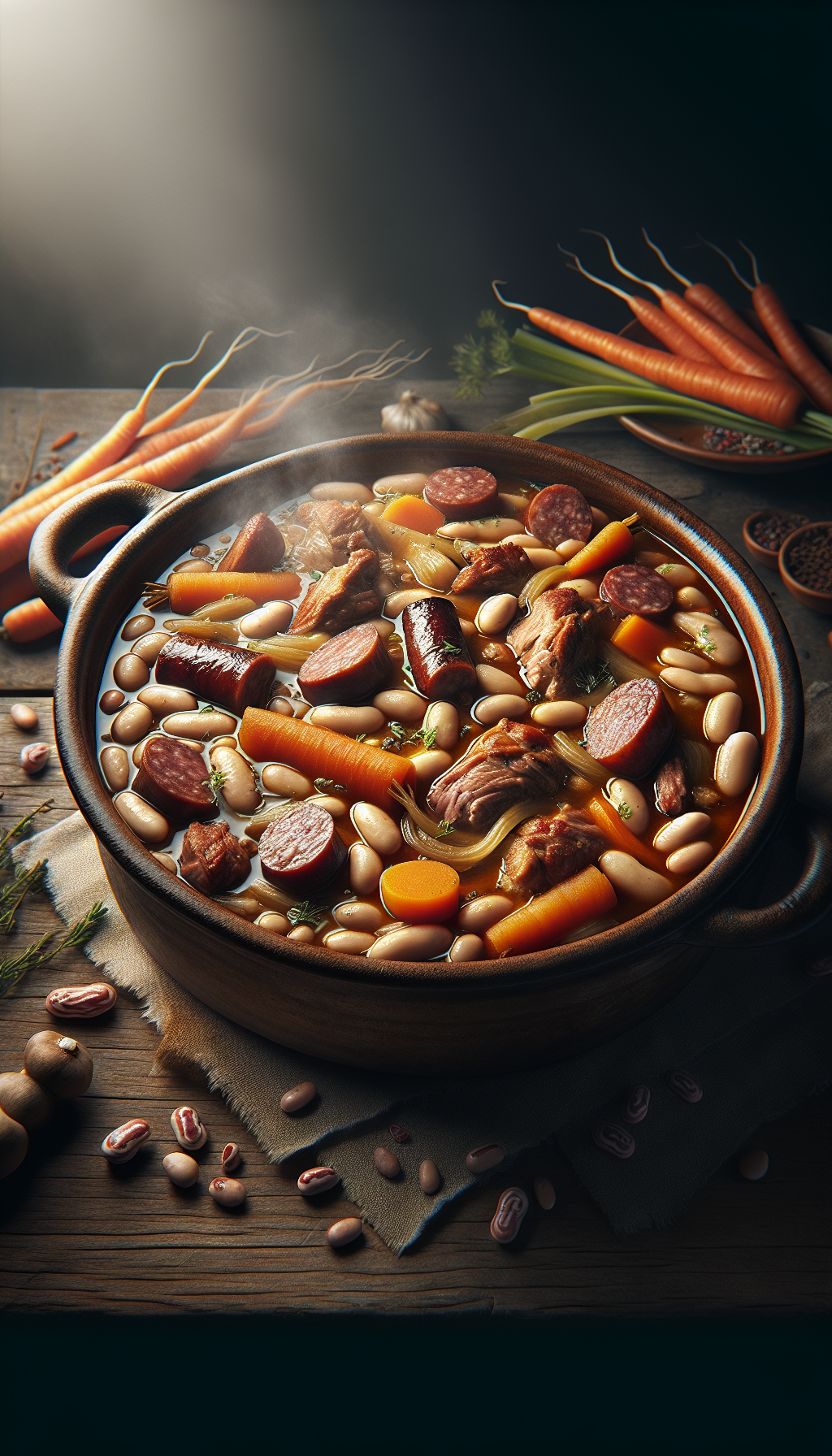
Cassoulet
Cassoulet · French Stew — Hearty stew with assorted meats and beans
Cassoulet is a traditional stew from southwestern France, containing a mix of meats such as duck, pork, and sausage, combined with white beans and vegetables. The dish is simmered for hours, resulting in rich flavor and a thick, savory broth.

Mendus
Mandu · Korean Steamed Dumplings — Traditional dumpling dish from the Joseon dynasty
Mendus is a traditional Korean dumpling dish commonly enjoyed during the Joseon dynasty. It consists of minced meat, tofu, and vegetables wrapped in a wheat flour dough and steamed, often served at feasts and holidays.
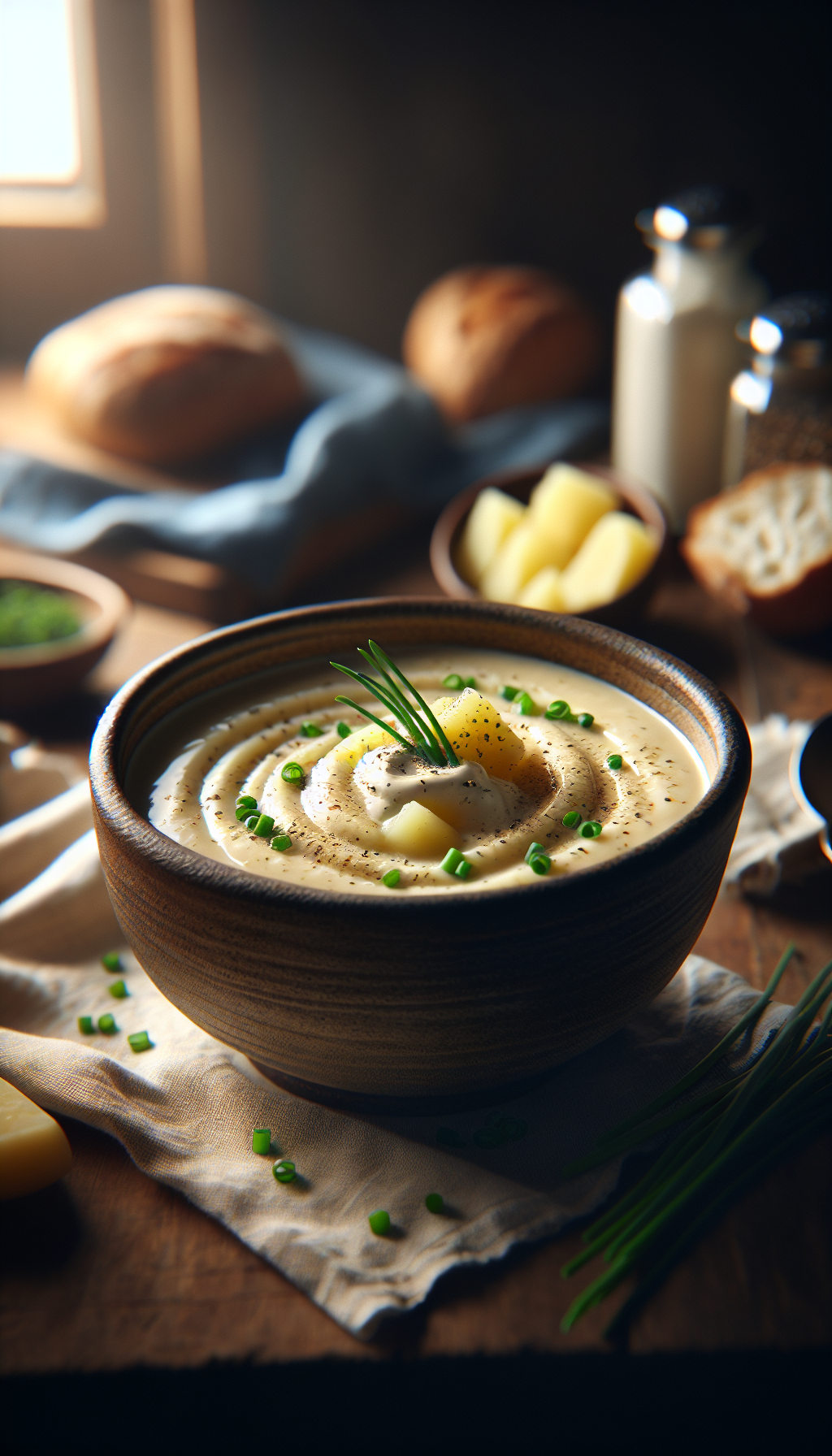
Potato Soup
Potato Soup · Comforting classic — Creamy Western-style soup
Potato soup is a warm, Western-style dish made primarily from potatoes. The soup combines mashed potatoes, milk, and stock to produce a mild, creamy flavor. Widely enjoyed across Europe and North America, it is a staple comfort food.
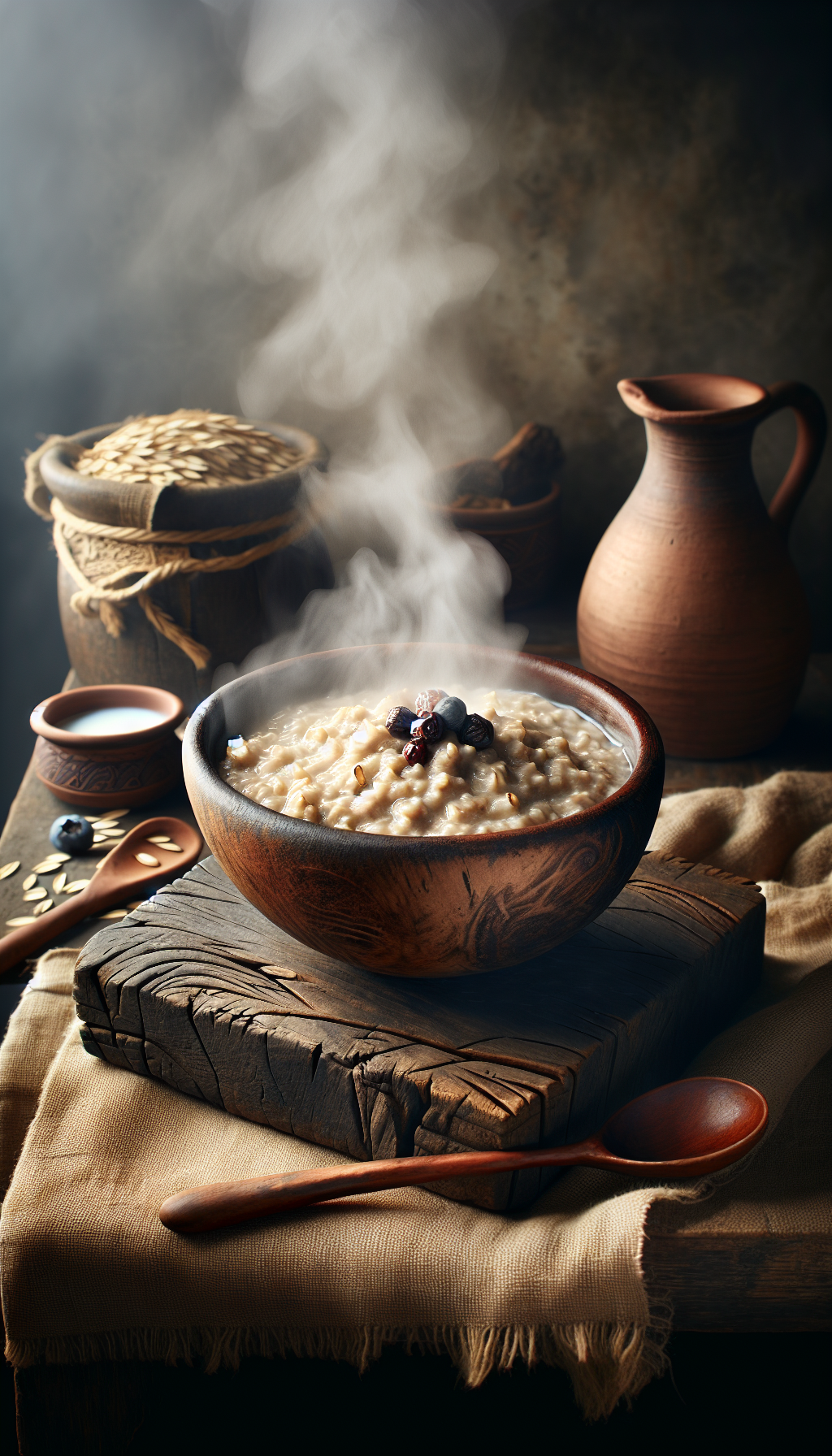
Boerele
Ancient Norse Barley Porridge — Simple, Nutritious Oatmeal
Boerele is a traditional barley porridge enjoyed in ancient Norse societies. Made by simmering barley with water, and sometimes milk or honey, it served as a staple meal for both peasants and warriors. Its simple preparation and hearty texture made it ideal for northern climates.

Moussaka
Traditional Greek Dish · Layered Eggplant and Meat Casserole
Moussaka is a classic Greek casserole featuring layers of eggplant, potatoes, minced meat, and béchamel sauce, baked until golden. It is renowned for its rich flavors and creamy texture, and variants exist throughout Southeastern Europe and the Middle East.
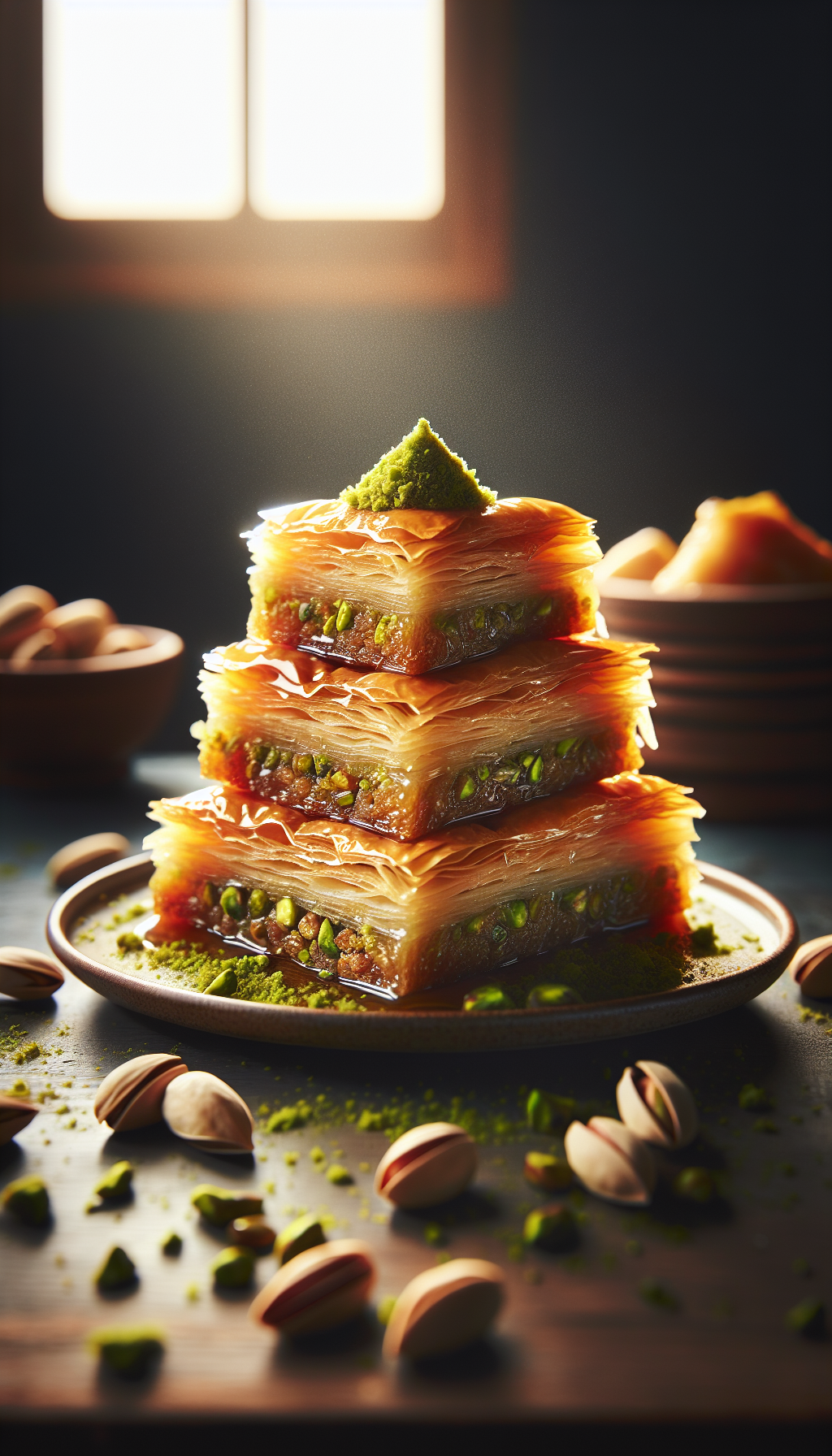
Baklava
Baklava · Turkish Dessert — Layered Sweet Nut Pastry
Baklava is a Middle Eastern dessert made from layers of phyllo pastry filled with nuts and sweetened with syrup or honey. It is known for its crispy texture and rich sweetness, often served during celebrations and special occasions.

Gnocchi
Gnocchi · Italian Potato Dumplings — Soft and Chewy Traditional Dish
Gnocchi are traditional Italian dumplings made by mixing potatoes, flour, and eggs into a dough. They are shaped into small morsels, boiled, and served with a variety of sauces. Their texture is known for being tender and pleasantly chewy.

Mandu
Korean Dumplings · Mandu — Dumplings filled with meat or vegetables
Mandu are traditional Korean dumplings made by wrapping fillings such as meat, vegetables, or kimchi in a thin wheat flour dough. They can be steamed, boiled, fried, or added to soups and are popular during festive occasions. Mandu have become a staple in Korean cuisine with various regional varieties.

Tagine
Tagine · Moroccan Stew — Traditional Stew in a Conical Pot
Tagine is a signature dish of Morocco, slow-cooked in a distinctive conical clay pot. It typically combines meat, vegetables, and a blend of aromatic spices, resulting in a rich and tender stew.

Bomba
Bomba · Traditional Joseon Grain Porridge — Hearty porridge made from grains and beans
Bomba is a type of grain porridge widely consumed during the Joseon dynasty. It is made by simmering a mixture of grains, beans, and sometimes vegetables for an extended time. It served as a staple food and a nutritious meal for the common people.
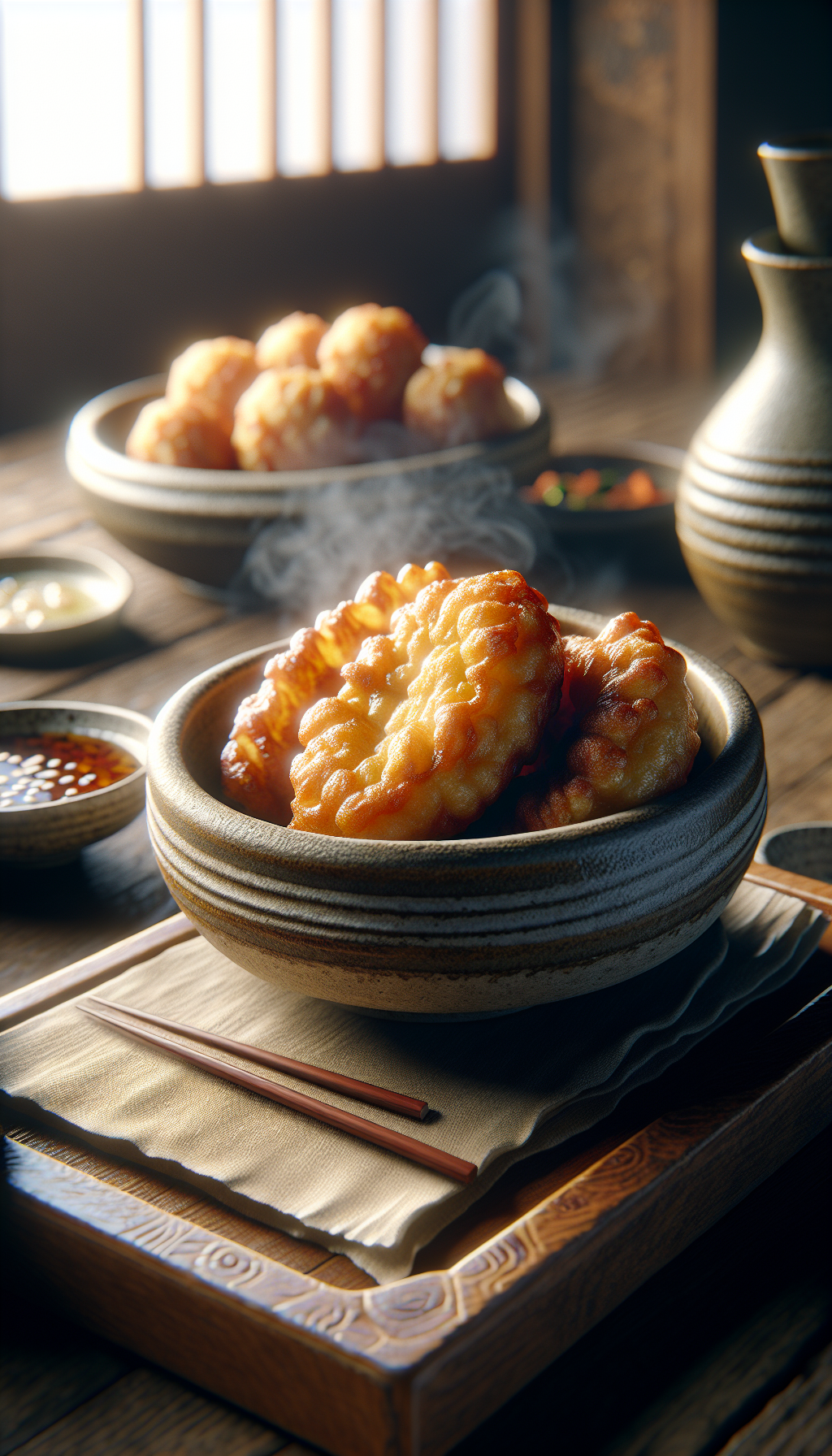
Pallabi
Pallabi · Traditional Korean Dish — Deep-fried Wheat Dough
Pallabi is a traditional dish made by deep-frying wheat flour dough. The exterior is crispy while the inside remains soft, making it popular as a snack or light meal. Various ingredients can be added, resulting in regional variations.

Tarlak
Tarlak · Central Asian Nomadic Dish — Traditional lamb and grain stew
Tarlak is a traditional dish of Central Asian nomads, made by combining lamb and grains. It was developed for easy consumption during long migrations and offers high nutritional value. The stew’s hearty flavor comes from slow-cooking meat and grains together.

Arabian Horse
Desert Aristocrat · Agile, Enduring Steed
The Arabian horse is an ancient breed originating from the Middle East, renowned for its elegant appearance and muscular, compact build. Valued for its speed, remarkable endurance, and gentle temperament, it was widely used for warfare and long-distance travel.

Tournament Horse
Jousting Steed · Heavy Cavalry Mount — Specialized horse bred for medieval tournaments and battle
The tournament horse was a robust breed used by knights during medieval European tournaments and cavalry warfare. Possessing a muscular build and quick reflexes, it excelled in jousting and duels. Larger and stronger than common horses, it maintained mobility even while armored.
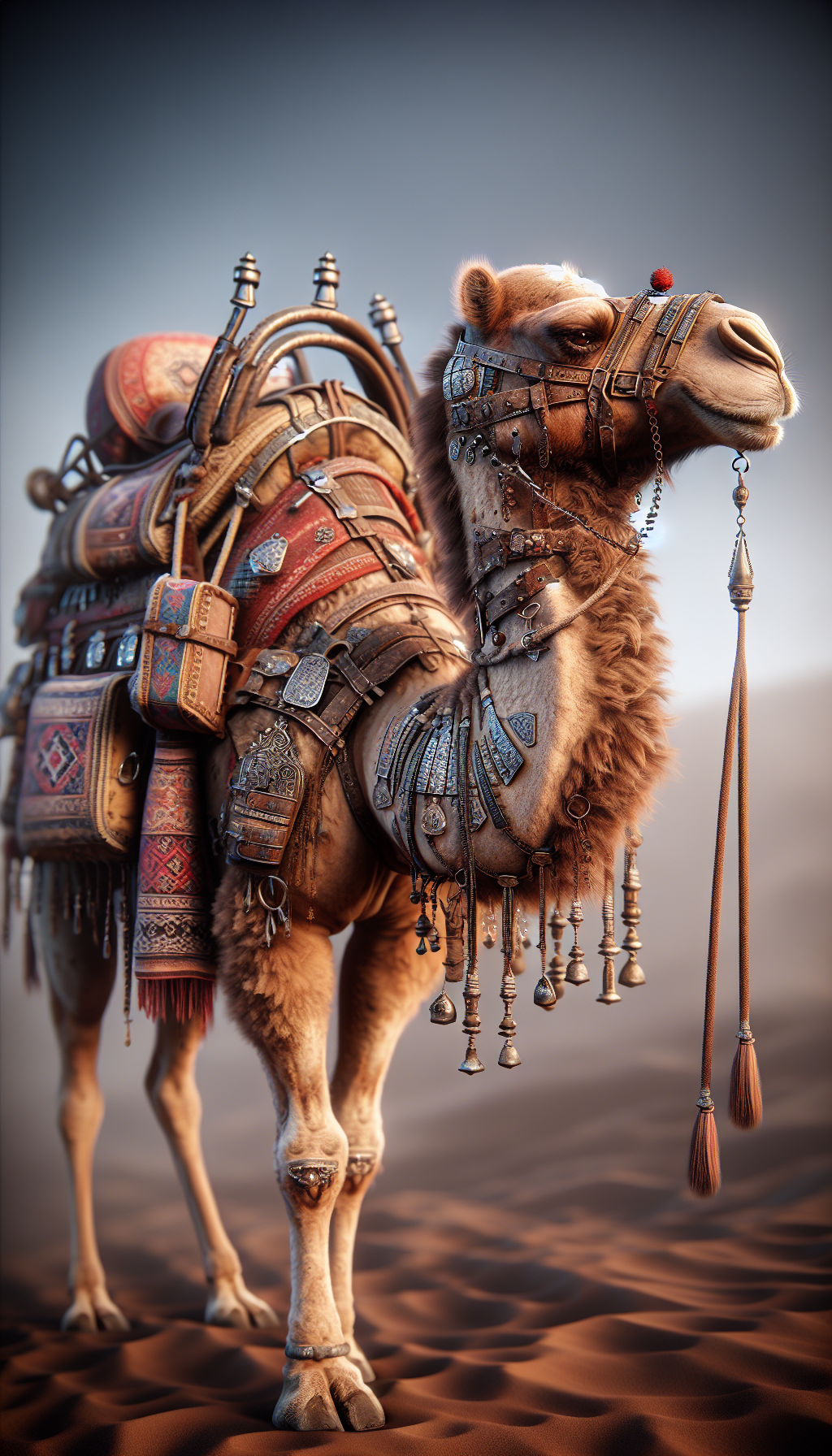
Medieval War Camel
War Camel · Mount — Battlefield beast of burden in the Middle Ages
The medieval war camel was widely used in the Middle East and North Africa as a mount for cavalry and archers. Its endurance over long distances and adaptability to desert terrain provided significant advantages in military campaigns.
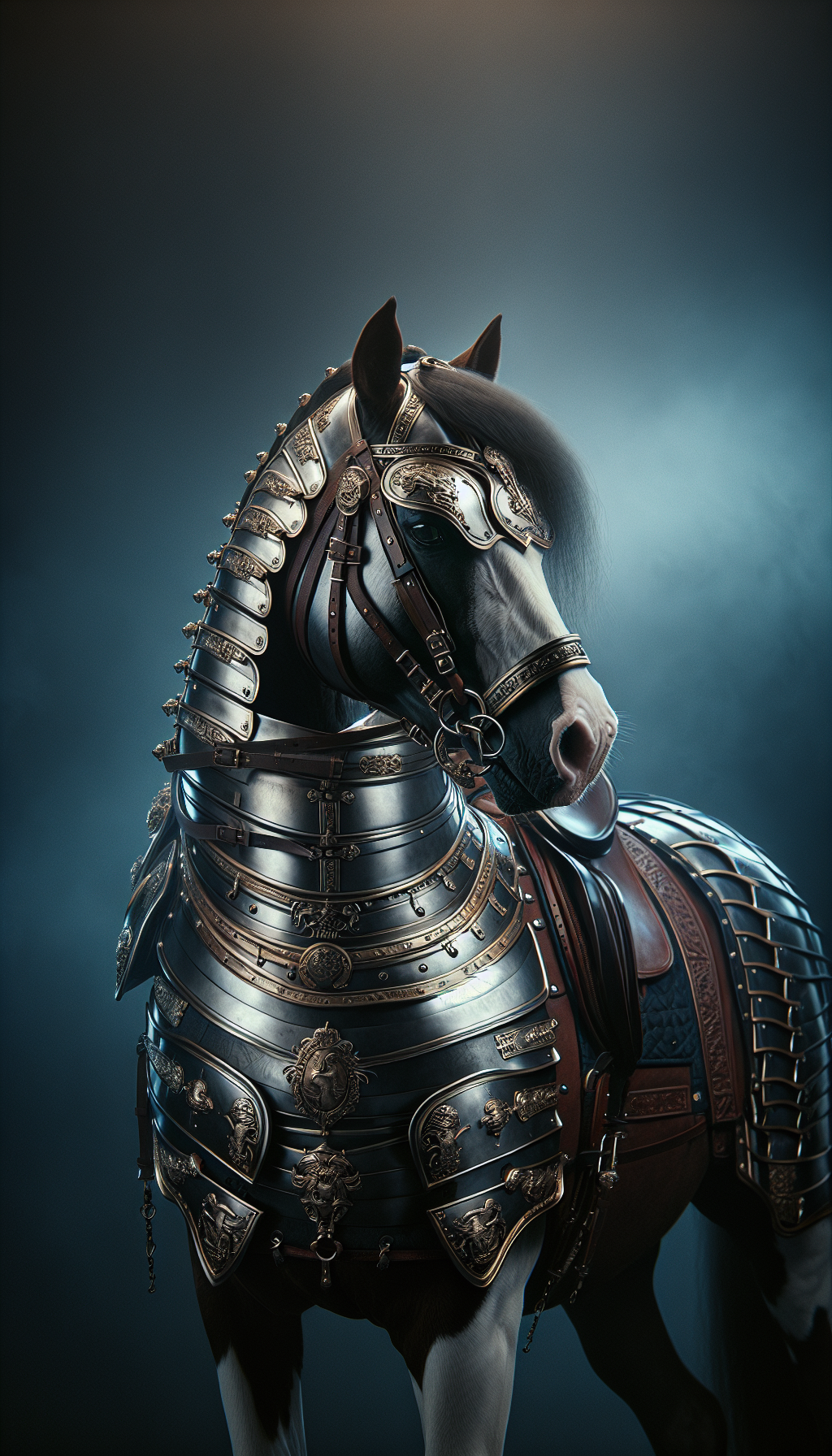
Barding Horse
Armored Warhorse · Destrier — Mount protected by armor for battle
A barding horse is a warhorse equipped with armor to protect it during combat. Heavily armored cavalry and knights primarily utilized these horses in medieval warfare. The armor, made from metal or hardened leather, shielded the horse's head, neck, and body.
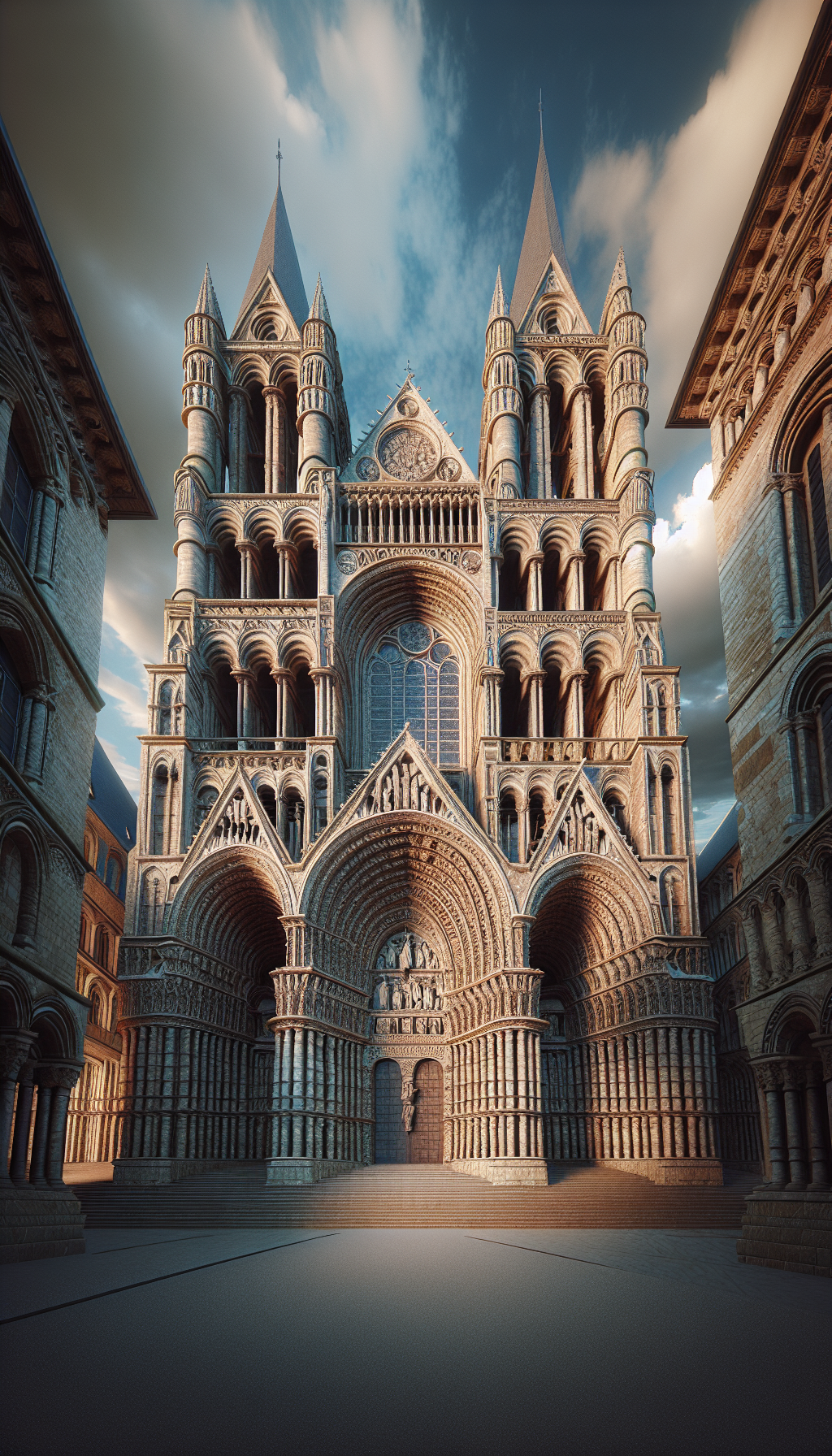
Bayeux Cathedral
Bayeux Cathedral · Romanesque monumental cathedral
Bayeux Cathedral is a Romanesque cathedral located in Bayeux, Normandy, France. Consecrated in 1077, it stands as a prime example of 11th-century medieval architecture. The cathedral was closely tied to the Norman dukes and William the Conqueror, and is famously linked to the Bayeux Tapestry.
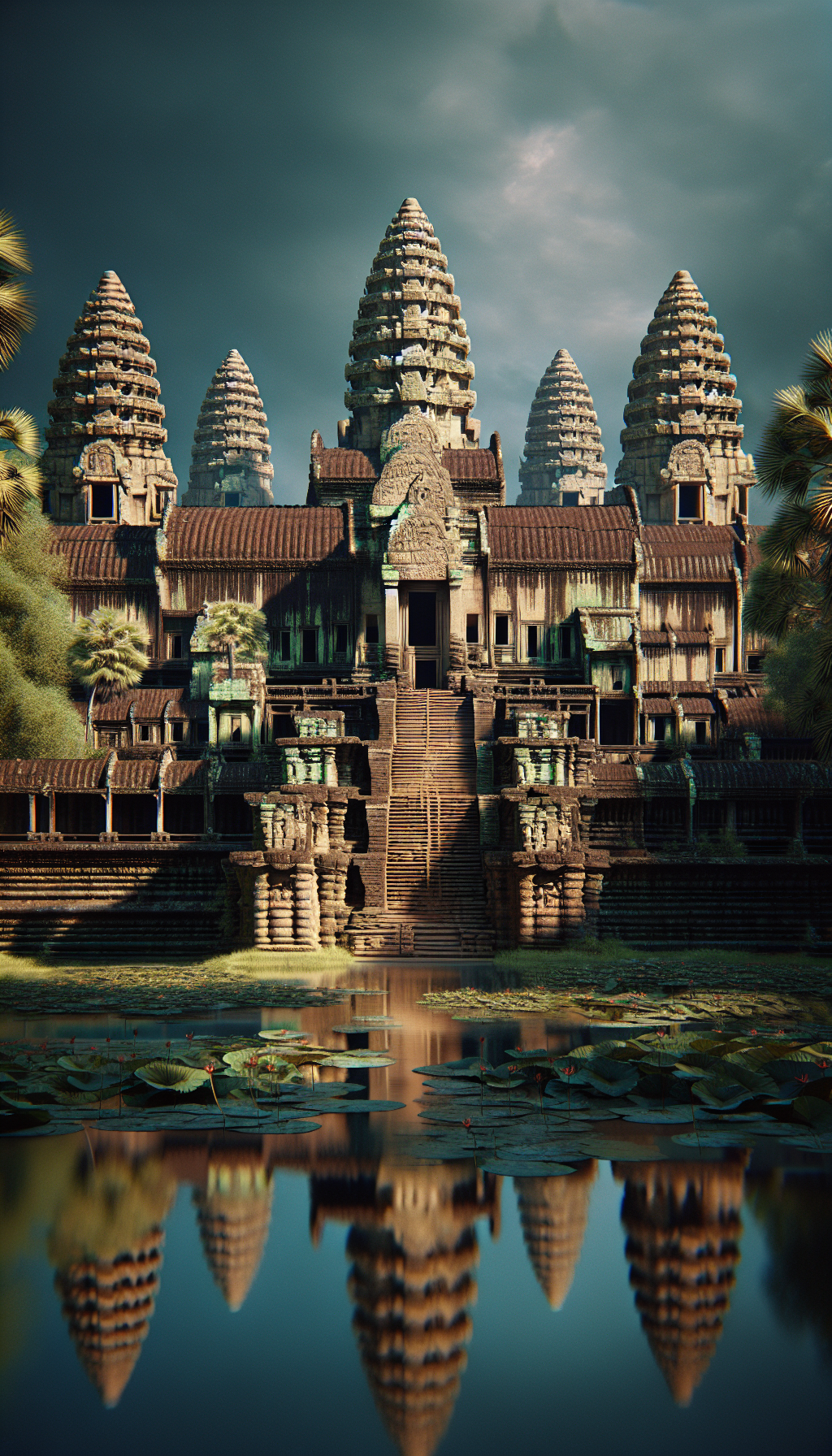
Angkor Wat Palace
Angkor's Grand Temple — Monumental Stone Structure of the Khmer Empire
The Angkor Wat Palace is a massive stone temple complex built in the 12th century during the Khmer Empire. Originally dedicated to the Hindu god Vishnu, it later served as a Buddhist temple. Its iconic moat and five central towers make it one of the largest religious structures in the world.
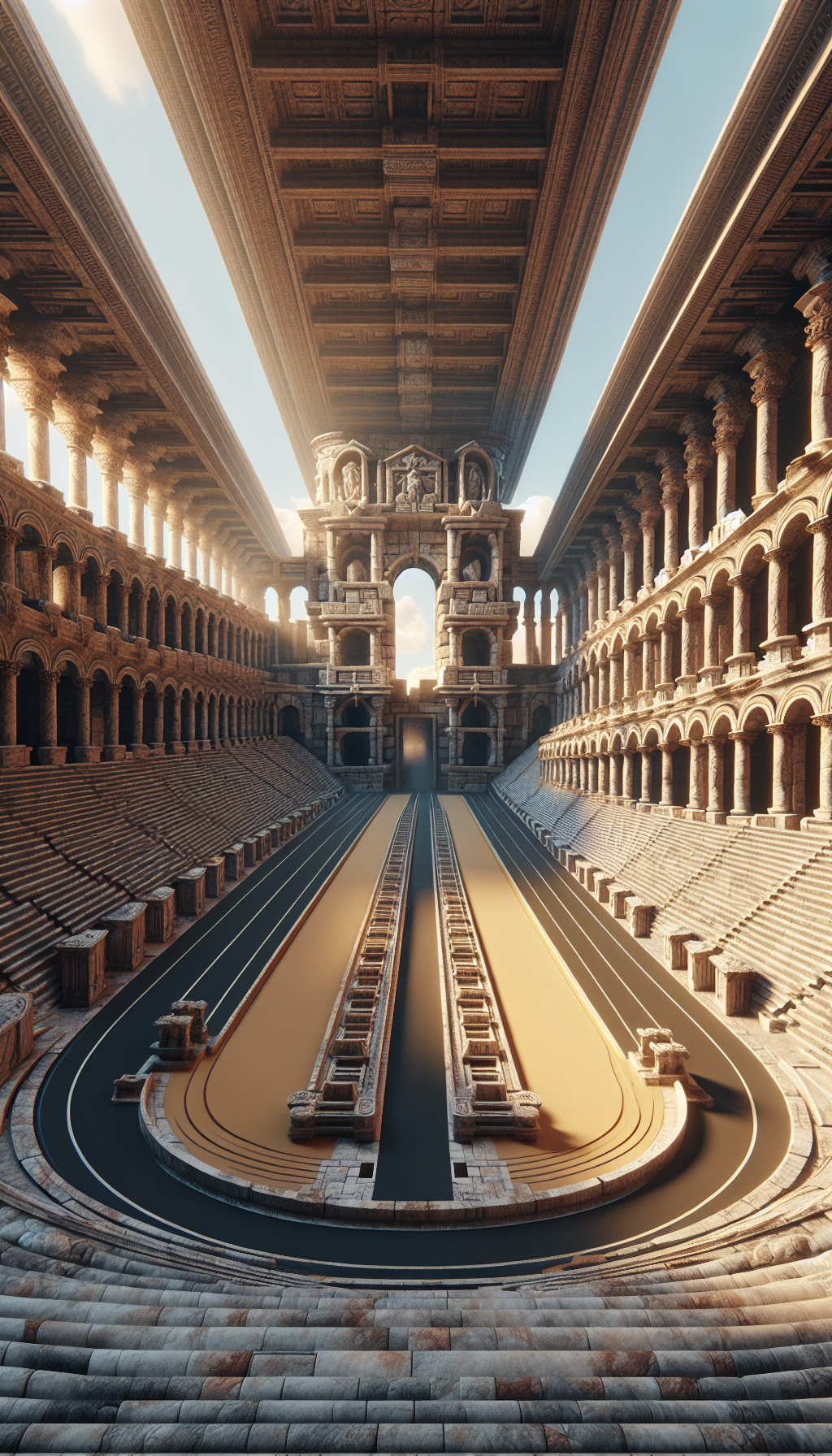
Hippodrome
Hippodrome · Racecourse — Grand race stadium of ancient Greece and Rome
The hippodrome was a large stadium constructed in ancient Greece and Rome, mainly for chariot and horse races. It featured a rectangular layout with a central dividing barrier and could accommodate tens of thousands of spectators. Many hippodromes also served as centers for political, social, and religious events.

The Walls of Constantinople
Theodosian Walls · Byzantine Fortifications — Medieval Eastern Roman defensive marvel
The Walls of Constantinople are massive stone fortifications built to defend the capital of the Eastern Roman Empire. Expanded and repaired over centuries, these walls successfully protected the city against numerous sieges. The double-wall structure completed under Theodosius II is especially renowned.
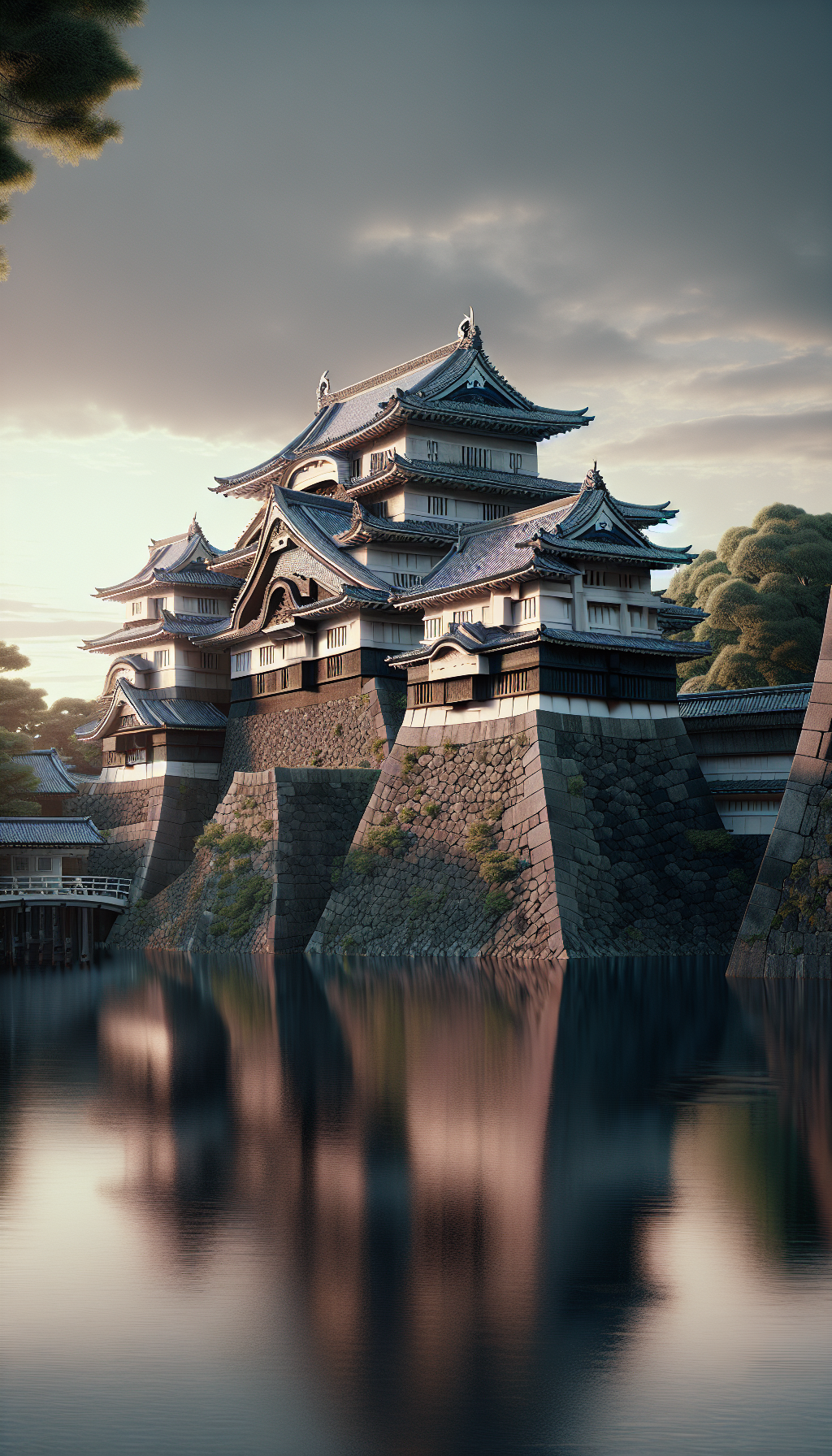
Edo Castle (Tokyo)
Edo Castle · Imperial Palace — Iconic stronghold of the Edo period
Edo Castle was a large fortress built during Japan’s Edo period, serving as the political center of the Tokugawa shogunate. Parts of the original complex, such as moats, stone walls, and gates, remain today as part of the Tokyo Imperial Palace.

Alhambra Palace
Alhambra Palace · Moorish Castle — Iconic Islamic palace in Spain
The Alhambra Palace is an Islamic-style fortress and palace complex in Granada, Spain. Built by the Nasrid dynasty, it is celebrated for its ornate decorations and intricate geometric patterns. Its courtyards, fountains, and lush gardens are key hallmarks of its design.
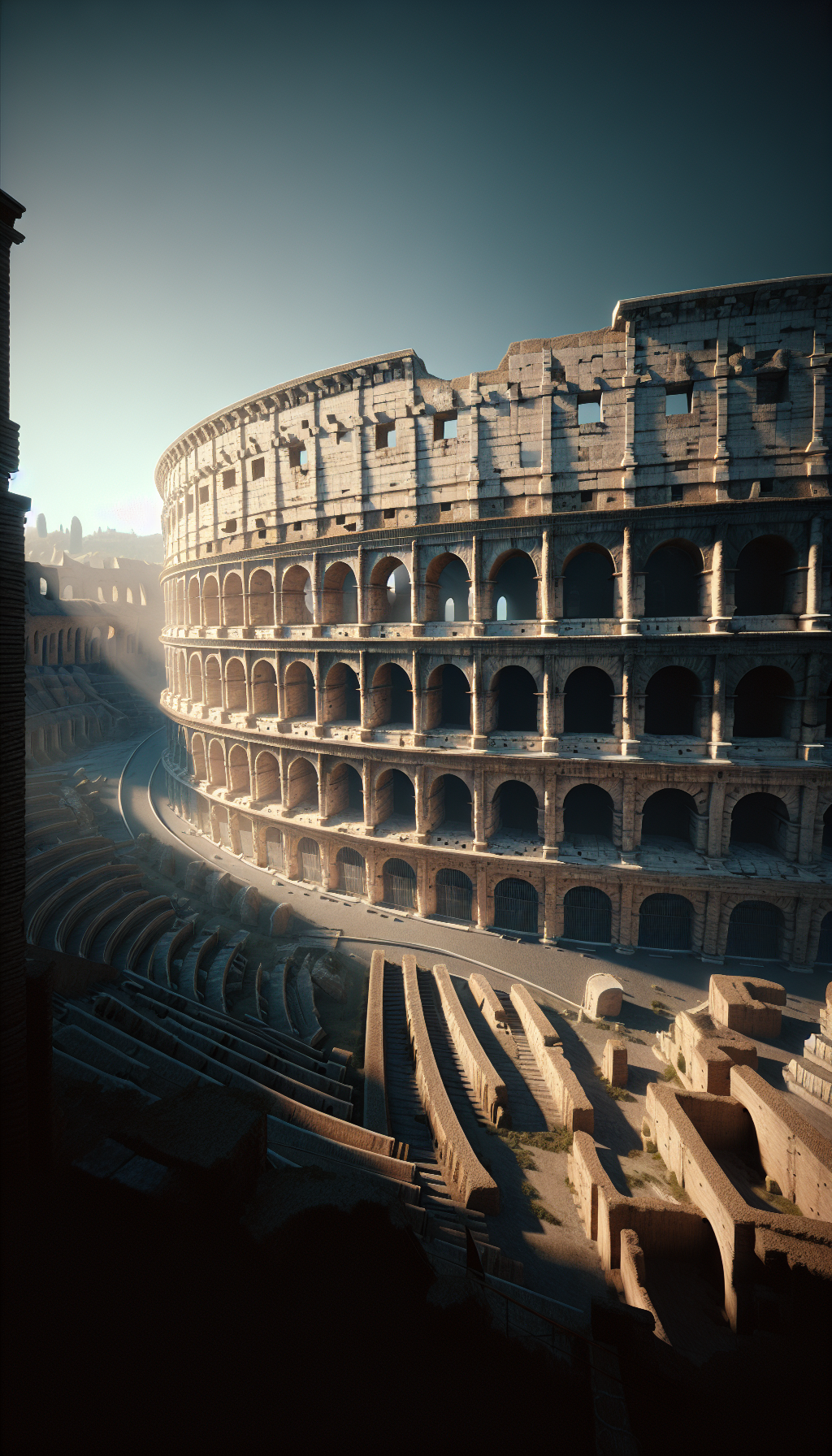
Colosseum
Colosseum · Amphitheater — Iconic Ancient Roman Structure
The Colosseum is a large amphitheater built during the Roman Empire. It hosted gladiatorial games, animal hunts, and theatrical performances for the public. Today, it remains a symbol of ancient Roman engineering and culture.

Petra Ancient City
Petra · The City Carved in Stone — Nabataean Rock-cut Metropolis
Petra is an ancient city in southwestern Jordan, renowned for its monumental tombs, temples, and theaters carved into red sandstone cliffs. Established by the Nabataeans in the 4th century BCE, Petra was a major trading hub, strategically located on the Silk Road and spice route. It remained largely unknown to Europeans until its rediscovery in the early 19th century.
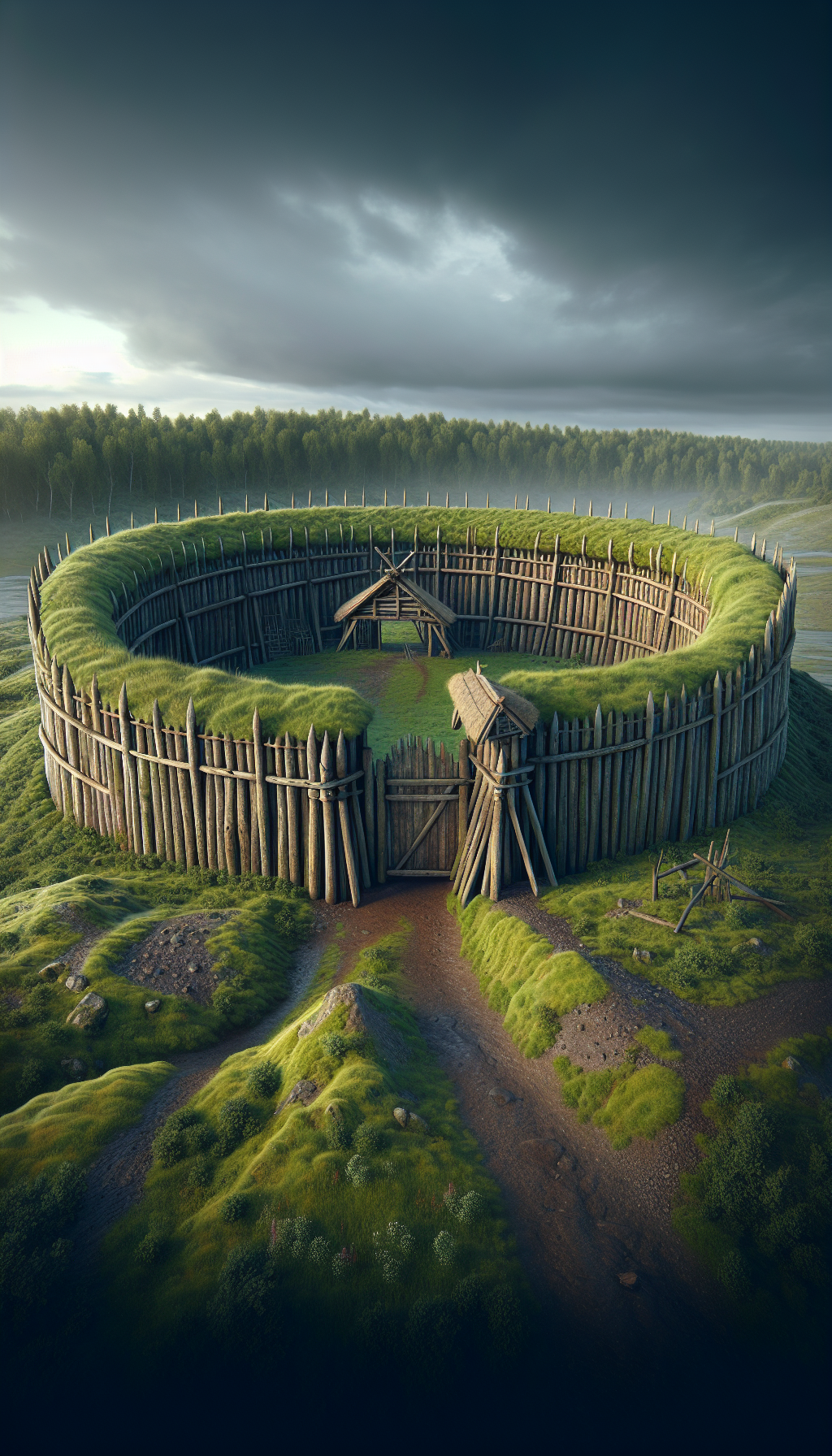
Viking Ringfort
Viking Ringfort · Circular Fort — Distinctive defensive architecture of the Viking Age
The Viking Ringfort is an ancient circular fortress found in Scandinavia. Built mainly around the 10th century, it served as a military stronghold and administrative center. Its thick earthen and timber walls and symmetrical design demonstrate Viking organizational skills and advanced architecture.

Castillo de San Felipe
San Felipe Castle · Spanish Colonial Fortress — Massive stone fortification in Cartagena
The Castillo de San Felipe is a large stone fortress located in Cartagena, Colombia. Built during the Spanish colonial era, it served to defend the city against pirates and invading forces. The fortress is renowned for its sloped walls and intricate underground tunnels.
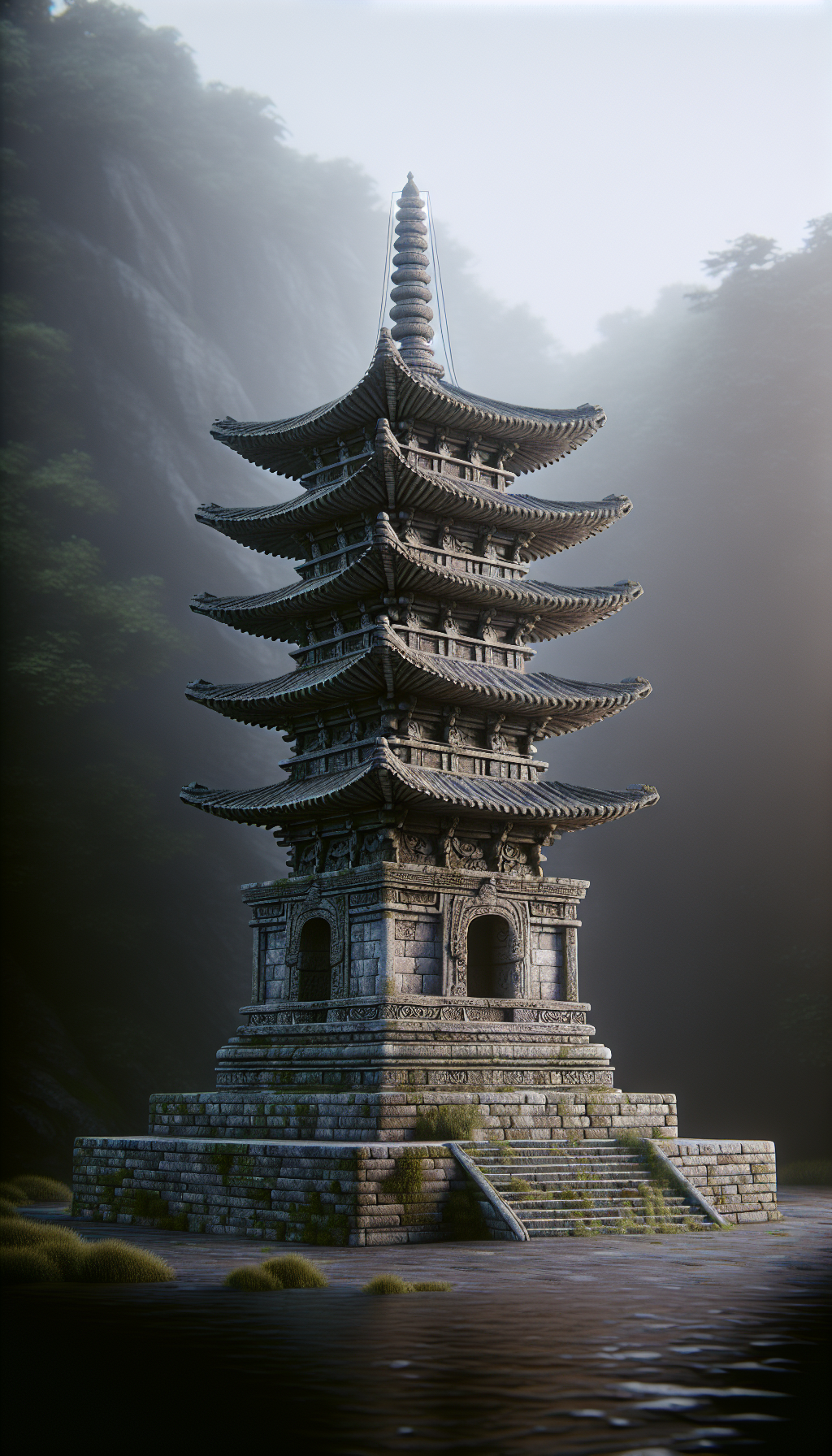
Hira Tower
Hira Pagoda · Tower — Ancient Buddhist Monument
The Hira Tower is a type of stone pagoda constructed during Korea’s Three Kingdoms and Unified Silla periods. Primarily situated within temple complexes, it served as a symbol of Buddhist faith. The structure is noted for its sturdy stonework and simple, layered form.

Leaning Tower of Pisa
Leaning Tower of Pisa · Iconic Tilted Bell Tower — Symbol of Pisa, Italy
The Leaning Tower of Pisa is a world-famous freestanding bell tower located in Pisa, Italy. Its distinctive tilt is due to unstable foundation soil, giving it a unique appearance. The tower exemplifies early Renaissance architecture and is listed as a UNESCO World Heritage Site.

Kailasa Temple
Kailasa Temple · Ellora Cave 16 — Ancient Indian Rock-Cut Temple
The Kailasa Temple is a major Hindu temple located in the Ellora Caves, Maharashtra, India. It was carved from a single rock from the top down and built during the 8th century under the Rashtrakuta dynasty. The temple is modeled after Mount Kailash, the mythological abode of Shiva.

Frankish Royal Palace
Frankish Royal Palace · Court Center — Political and cultural heart of the Frankish realm
The Frankish Royal Palace was the residence and administrative center of the Frankish kings during the Middle Ages. It served as the hub for governance, diplomacy, and military planning. Notable examples include the Palace of Aachen, where royalty, nobility, and officials gathered to manage the kingdom.
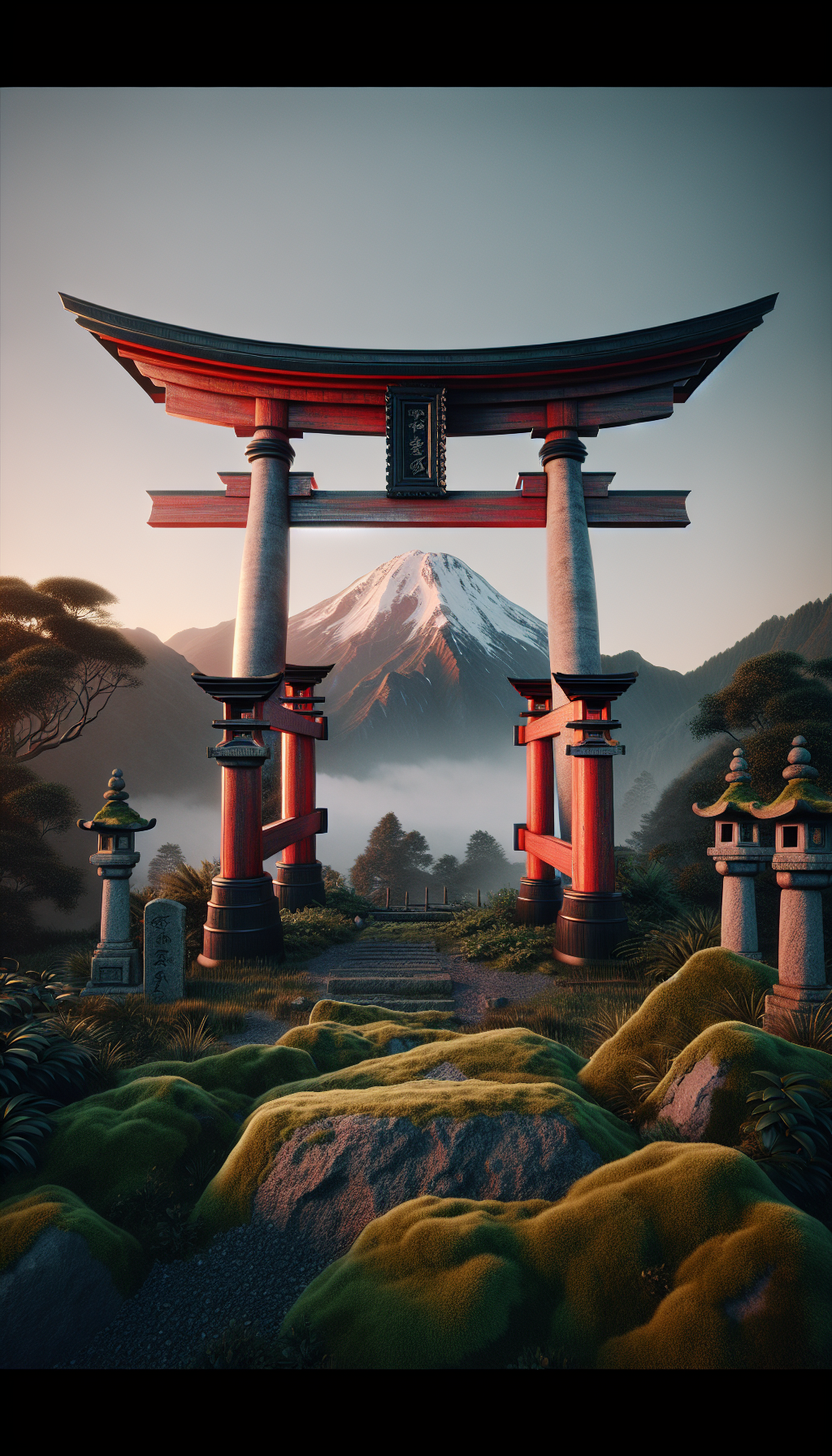
Mount Fuji Torii
Mount Fuji Shrine Gate · Symbolic Entrance — Iconic gateway at the sacred mountain
The Mount Fuji Torii is a traditional gate structure erected at the entrance to Japan’s sacred Mount Fuji. It serves as a symbolic boundary between the holy realm and the human world. Typically painted red, the torii inspires reverence among pilgrims and visitors.
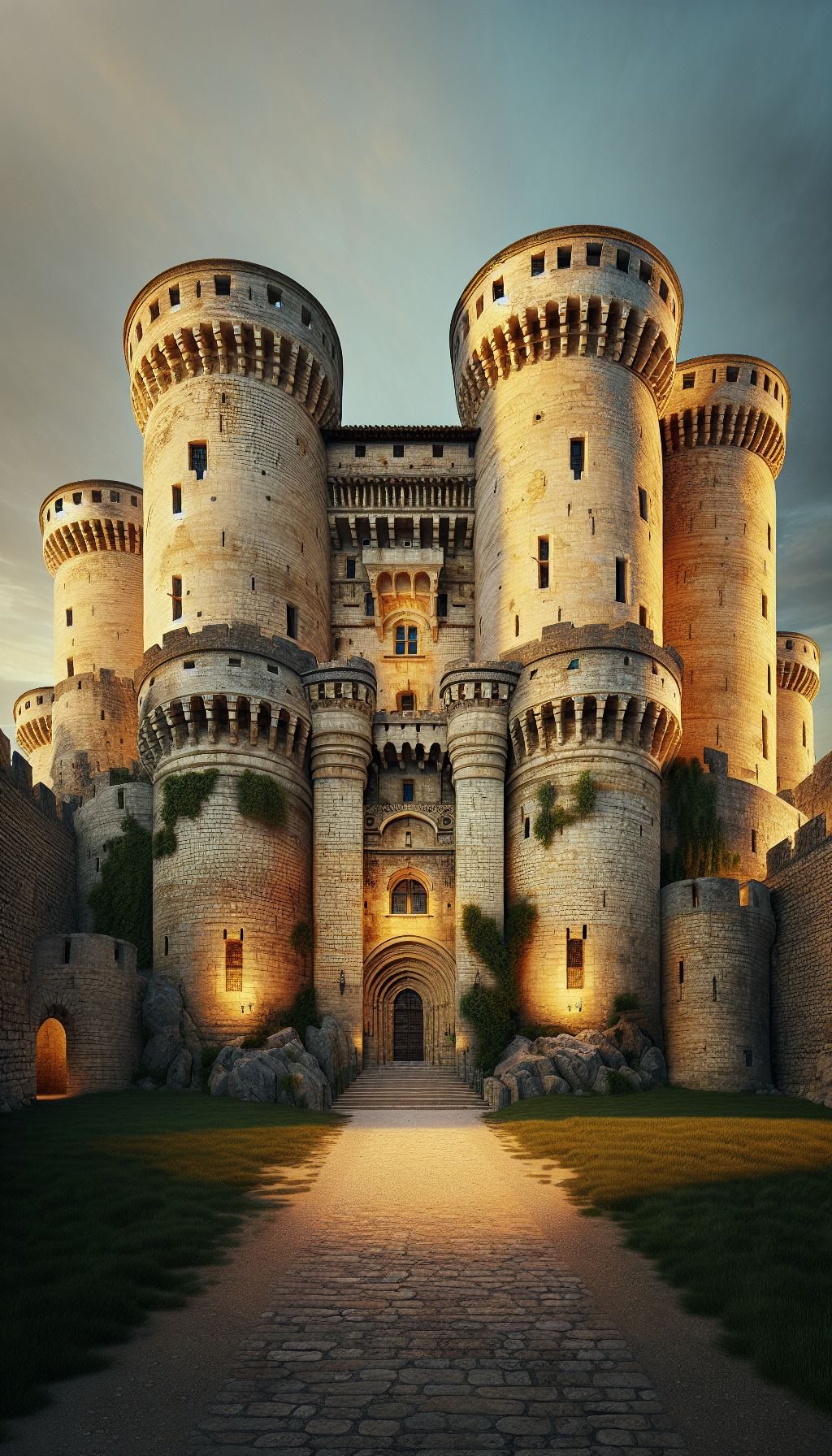
Carcassonne Castle
Carcassonne Fortress · Medieval southern French citadel
Carcassonne Castle is a prominent medieval fortress located in the Languedoc region of southern France. Famous for its double walls and over 50 defensive towers, it is a well-preserved example of medieval military architecture. The castle is a designated UNESCO World Heritage Site.

Roman Amphitheatre
Colosseum · Flavian Amphitheatre — Monumental arena of the Roman Empire
The Roman Amphitheatre, most famously the Colosseum in Rome, was a vast oval arena built for public entertainment and imperial spectacle. It hosted gladiatorial contests, animal hunts, and various public games.

Medieval European Castle
Fortress · Stronghold — Symbol of Defense and Power
Medieval European castles are large stone fortifications built for military defense and the assertion of noble authority. Featuring high walls, towers, and moats, these castles often dominated the surrounding landscape as centers of power.

Dome of the Rock
The Dome of the Rock · Golden Dome — Iconic Islamic Shrine in Jerusalem
The Dome of the Rock is an Islamic shrine located on the Temple Mount in the Old City of Jerusalem. Built in the late 7th century by the Umayyad Caliphate, it is renowned for its golden dome and octagonal structure.
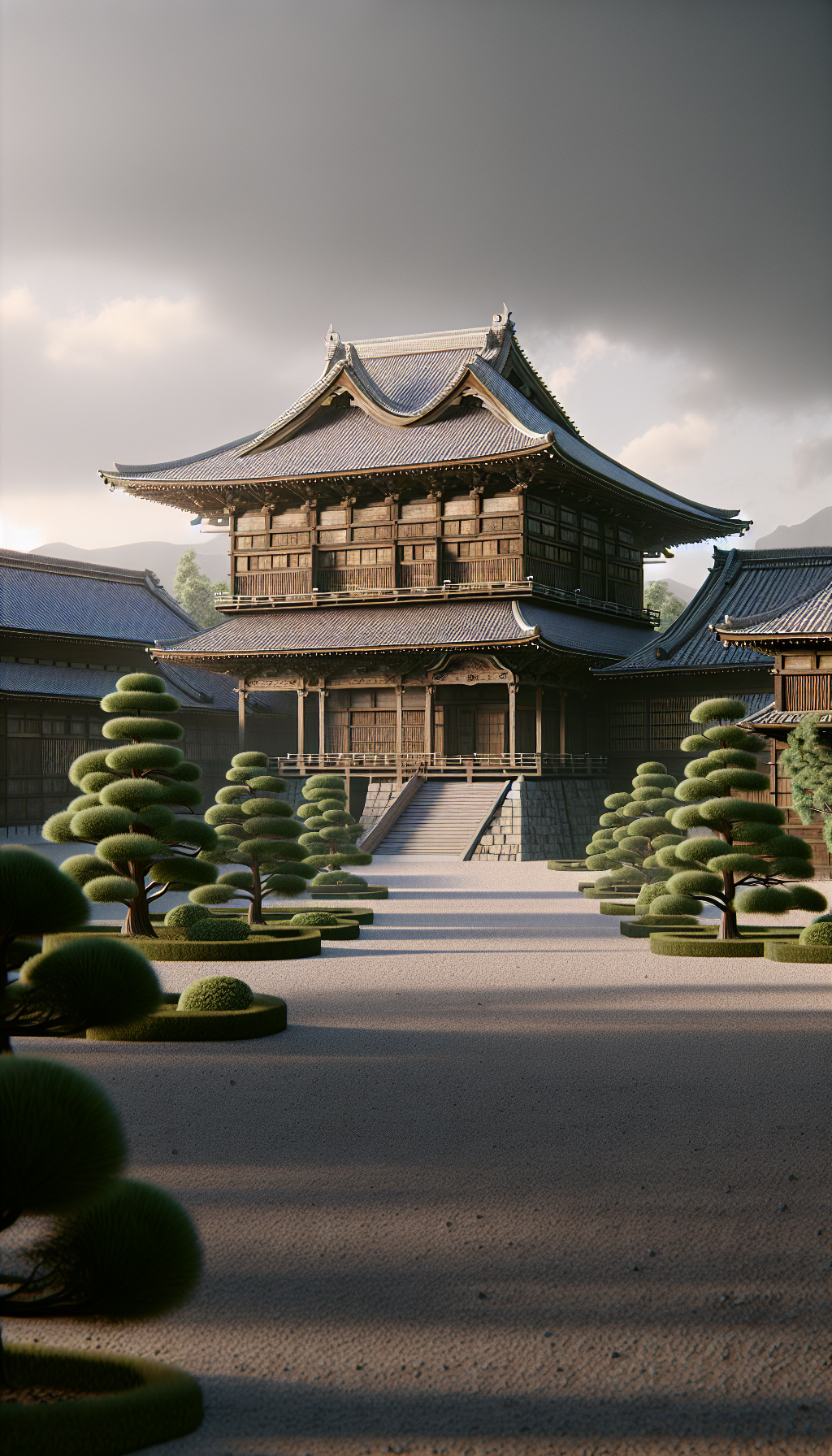
Kamakura Shogunate Palace
Kamakura Shogunate Headquarters · Medieval Japanese military-administrative center
The Kamakura Shogunate Palace was the core administrative and military complex of Japan's Kamakura period. Designed to serve both governmental and defensive purposes, it utilized wood, earth, and stone in construction. Its location leveraged the surrounding mountains and coastline for enhanced natural defense.