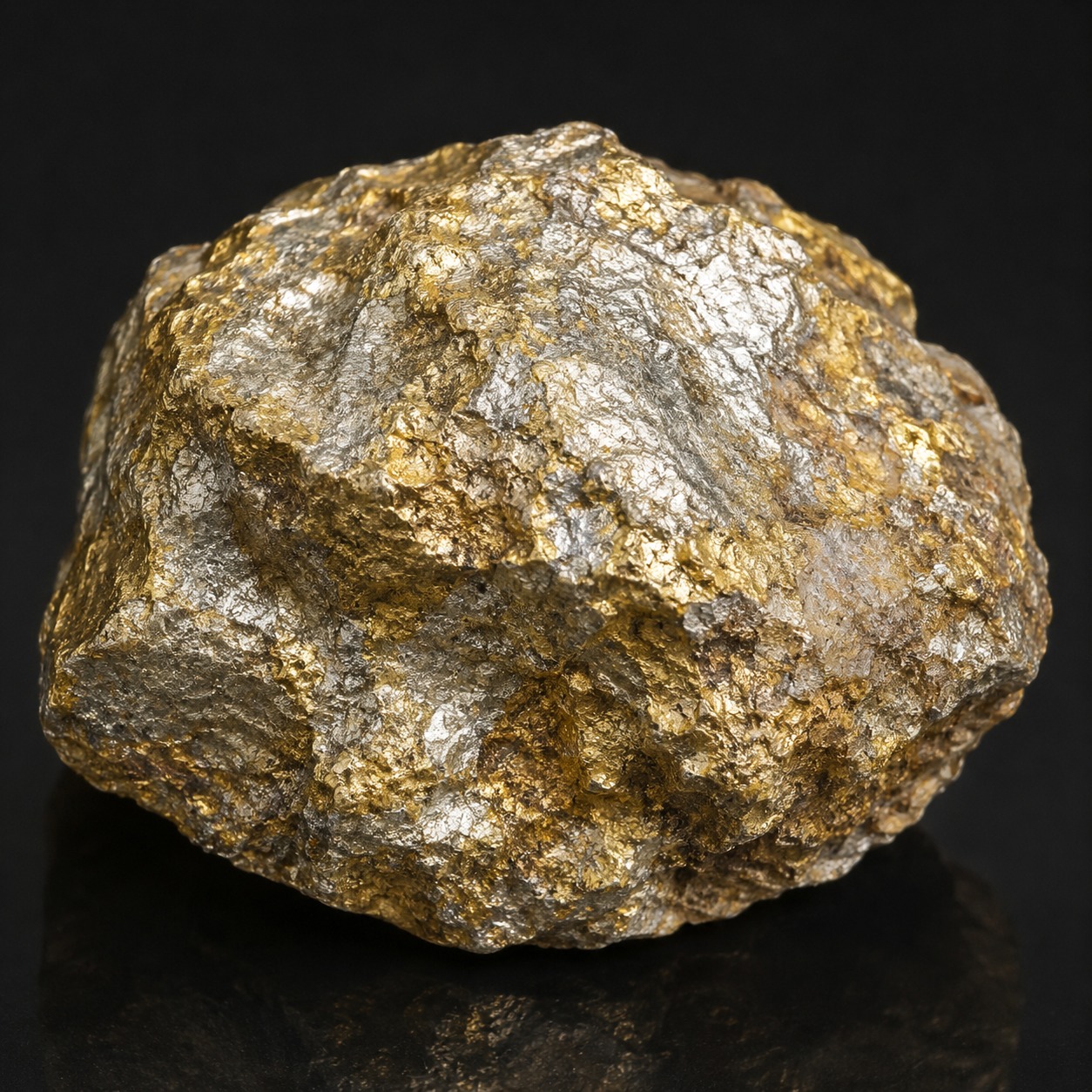
Electrum
Electrum· 琥珀金 Natural gold-silver alloy
Names in Other Languages
 호박금한국어
Electrum· 琥珀金 자연 금은 합금
 琥珀金日本語
Electrum· 琥珀金 自然の金銀の合金
 琥珀金繁體中文
Electrum· 琥珀金 自然之金銀合金
 ElektronDeutsch
Electrum· 琥珀金 Natuerliche Gold-Silber-Legierung
 ElectrumFrançais
Electrum· 琥珀金 Alliage naturel or-argent
 ElectroEspañol
Electrum· 琥珀金 Aleacion natural oro-plata
 EletroPortuguês
Electrum· 琥珀金 Liga natural ouro-prata
 ElektrumPolski
Electrum· 琥珀金 Naturalny stop zlota i srebra
 ЭлектрумРусский
Electrum· 琥珀金 Природный сплав золота и серебра
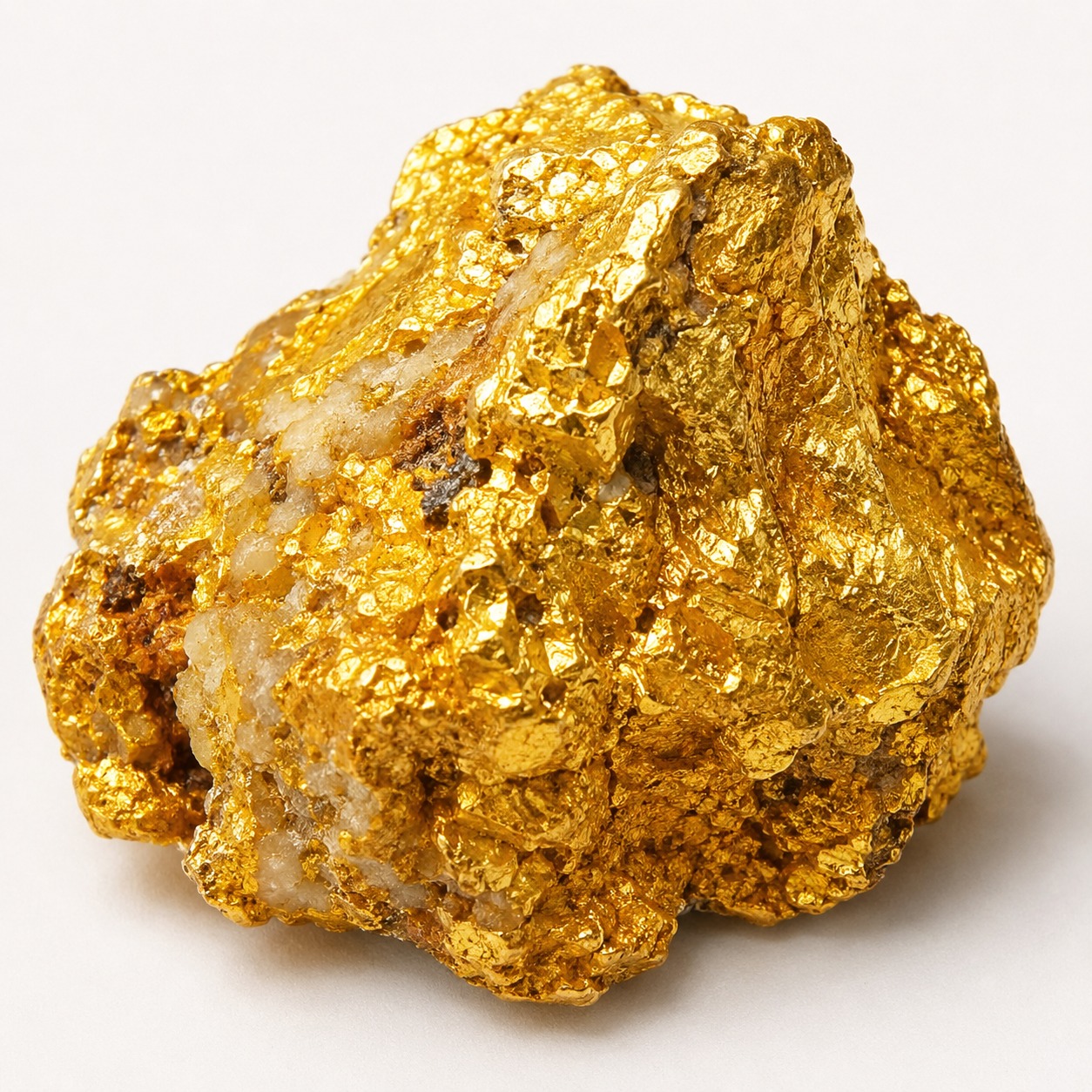
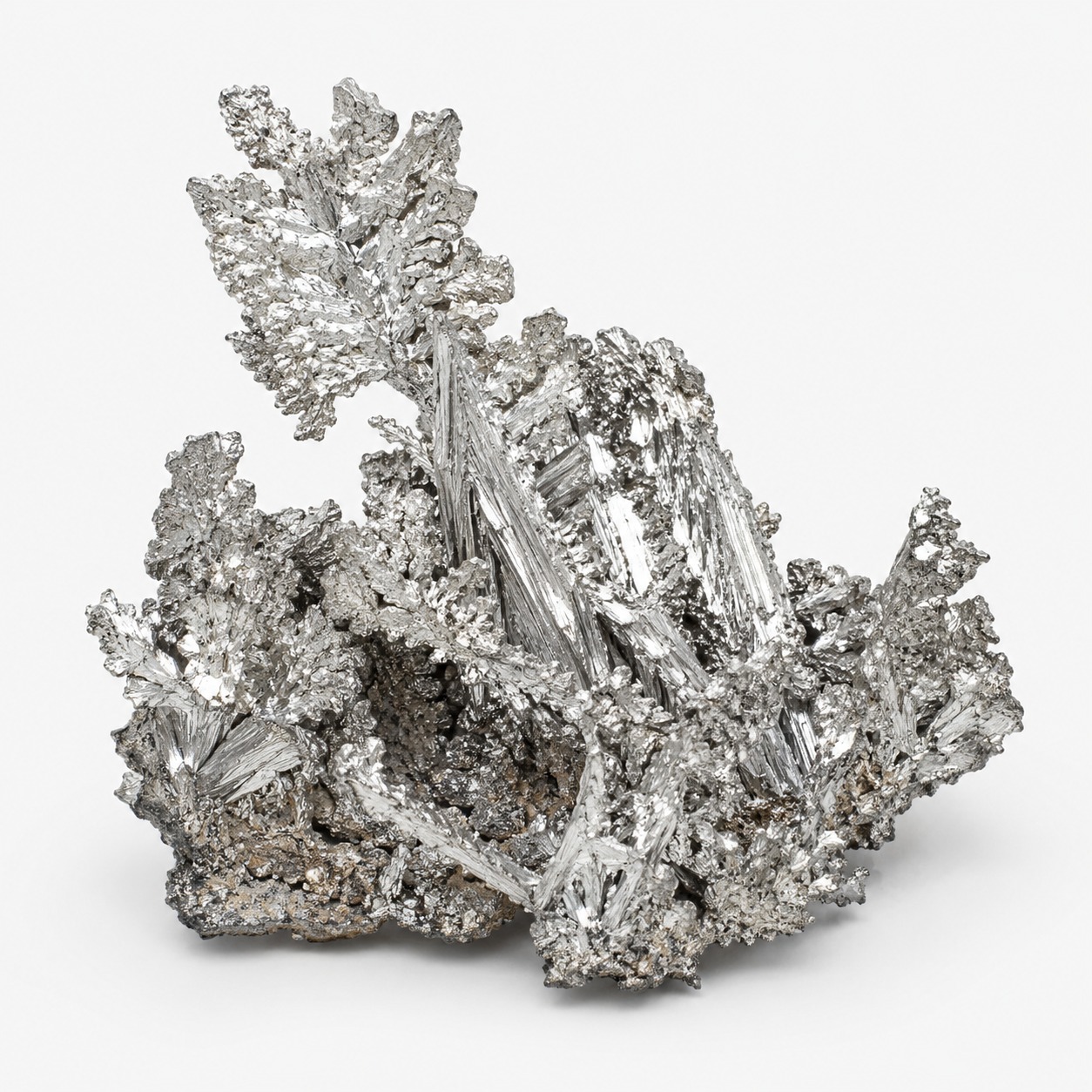
Electrum (English Electrum, Greek ēlektron) is the natural gold-silver alloy of the decisive canon — derived from Greek 'ēlektron (amber)' — the decisive canonical vocabulary — the decisive mineralogical canon of the natural alloy of gold (Au) and silver (Ag) (typically 70-80% gold + 20-30% silver + trace copper) — and the decisive monetary canon of humanity's first coinage of the Lydian Kingdom of the 7th century BCE. Aliases — Electrum (Electrum), ēlektron (ēlektron), green gold, silver-gold (silver-gold), gold-silver alloy — are the decisive canonical vocabulary. The decisive monetary origin canon is the decisive origin canon of the electrum coinage of Sardis (Sardis) of the Lydian (Lydia) Kingdom of Asia Minor of the 7th century BCE — the decisive canon of humanity's first minted coinage. The decisive historical canon is the decisive canon of the electrum coinage of Lydia in Herodotus's (Herodotus, 484-425 BCE) Histories (Histories) Book 1 verse 94 of the 5th century BCE. The decisive natural history canon is the decisive canon of electrum in Pliny the Elder's (Pliny the Elder, 23-79) Natural History (Naturalis Historia) Book 33 verse 80 of the 1st century.
Origin
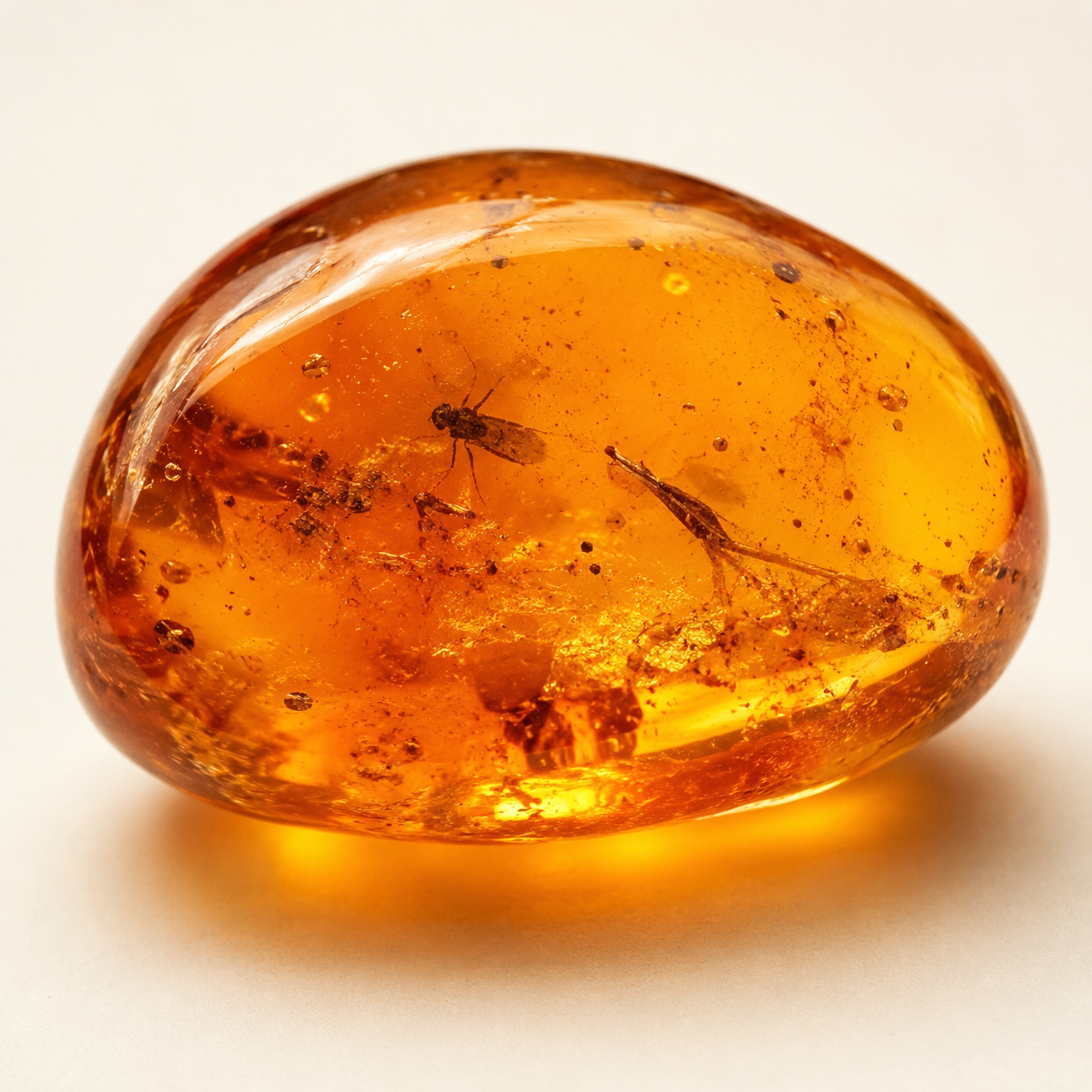
The etymological origin is the decisive canonical vocabulary of Greek 'ēlektron (amber)' — the decisive canon having the dual meaning of amber and electrum. The decisive monetary origin canon is the decisive origin canon of the electrum coinage (mermnai, ~14.1 grams) of Sardis (Sardis), the capital of the Lydian (Lydia) Kingdom of Asia Minor of the 7th century BCE — the decisive canon of humanity's first minted coinage, and the decisive royal canon is the decisive canon of the electrum coinage of Croesus (Croesus), the last king of Lydia of 561-547 BCE. The decisive historical canon is the decisive canon of Greek Herodotus's (Herodotus, 484-425 BCE) Histories (Histories) Book 1 verse 94 of the 5th century BCE — 'The Lydians were the first, so far as we know, to strike and use coinage of gold and silver'. The decisive natural history canon is the decisive canon of electrum in the Roman Pliny the Elder's (Pliny the Elder, 23-79) Natural History (Naturalis Historia) Book 33 verse 80 of the 1st century — 'Gold containing one-fifth silver is called electrum, and there are two kinds, natural and artificial'. The decisive Egyptian canon is the decisive canon of the electrum on the obelisks of Egypt and the pyramidion (capstone) of the Great Pyramid of Giza of c. 1500-1400 BCE.
Features
- Natural alloy of gold (Au) and silver (Ag) — typically 70-80% gold + 20-30% silver + trace copper
- Main axis — humanity's first minted coinage of Lydia
- Greek ēlektron (ēlektron) — same etymology as amber
- Decisive primary canon — Herodotus Histories Book 1 verse 94 / Pliny Natural History Book 33 verse 80
- Electrum on the pyramidion (capstone) of Egyptian pyramids and obelisks
- Origin Lydia of Asia Minor, Egypt, Colorado
Stories
The electrum coinage of Sardis of the Lydian Kingdom of the 7th century BCE is the decisive origin, and the decisive historical canon is the electrum coinage of Lydia in Herodotus's Histories Book 1 verse 94 of the 5th century BCE. The decisive canon used as the material for humanity's first minted coinage, and the decisive canon used as the material for Egyptian obelisks and the pyramidion (capstone) of pyramids. The decisive natural history canon is the decisive canon of natural and artificial electrum in Pliny the Elder's Natural History Book 33 verse 80 of the 1st century, and the decisive Greek comparative canon is the decisive canon of Greek 'ēlektron' having the dual meaning of amber and electrum, and the decisive canon of the etymology of electricity by William Gilbert (William Gilbert, 1544-1603) of England naming the frictional static electricity of amber as 'electricitas' in the 17th century — the decisive canon of the etymology of electricity (electricity).
Weakness
Electrum's weaknesses are: (1) variability of alloy ratio — the decisive canonical weakness — the decisive canon of the gold-to-silver ratio of natural electrum varying by source; (2) binding of value — the decisive canon of electrum's value being proportional to gold content; (3) binding of alloy — the decisive canon of the possibility of producing artificial electrum; (4) binding of Mohs hardness 2.5-3 — the decisive canon of the limit of hardness as a gold-silver alloy; (5) binding of time — the decisive canon of the binding of the origin of Lydian coinage of the 7th century BCE; (6) binding of the sacred domain — the decisive canon; (7) binding of etymology — the decisive canon of the binding of amber and electrum; (8) binding of Greece — the decisive canon of the binding of Lydia and Greece. The decisive canonical finale is the decisive mythological canon of the Persian Cyrus the Great's (Cyrus the Great) conquest of Lydia in 547 BCE.
Cultural Significance
Electrum is not merely an alloy icon but the canonical iconographic figure of the decisive Greek-Lydian-Egyptian canon, traversing the electrum on the obelisks and pyramidion of pyramids of Egypt of c. 1500-1400 BCE, the electrum coinage of Sardis of the Lydian Kingdom of the 7th century BCE, the electrum coinage of King Croesus of Lydia of 561-547 BCE, the Persian Cyrus the Great's conquest of Lydia of 547 BCE, Herodotus's Histories Book 1 verse 94 of the 5th century BCE, Pliny the Elder's Natural History Book 33 verse 80 of the 1st century, and the decisive canon of William Gilbert's etymology of electricity of the 17th century. The etymological origin settled as the decisive canon of Greek 'ēlektron (amber)' — the decisive canon having the dual meaning of amber and electrum. The decisive monetary origin canon is the decisive origin canon of the electrum coinage (mermnai, ~14.1 grams or ~17.5 grams, with a lion's head emblem) of Sardis (Sardis), the capital of the Lydian (Lydia) Kingdom of Asia Minor of the 7th century BCE — the decisive canon of humanity's first minted coinage, and the decisive royal canon is the decisive canon of the electrum coinage (stater stater) of Croesus (Croesus), the last king of Lydia of 561-547 BCE, and the decisive conquest canon is the decisive canon of the Persian Cyrus the Great's (Cyrus the Great) conquest of Lydia in 547 BCE. The decisive historical canon is the decisive canon of Greek Herodotus's (Herodotus, 484-425 BCE) Histories (Histories) Book 1 verse 94 of the 5th century BCE — 'The Lydians were the first, so far as we know, to strike and use coinage of gold and silver'. The decisive natural history canon is the decisive canon of electrum in the Roman Pliny the Elder's (Pliny the Elder, 23-79) Natural History (Naturalis Historia) Book 33 verse 80 of the 1st century — 'Gold containing one-fifth silver is called electrum, and there are two kinds, natural and artificial'. The decisive Egyptian canon is the decisive canon of the electrum on the tips of obelisks (obelisk) of Egypt of c. 1500-1400 BCE and the pyramidion (pyramidion, capstone) of the Great Pyramid of Giza (Great Pyramid of Giza). The decisive etymology canon is the decisive canon of the English physician and scientist William Gilbert (William Gilbert, 1544-1603) of the 17th century naming the frictional static electricity of amber as 'electricitas' in De Magnete (De Magnete) of 1600 — the decisive canon of the etymology of English 'electricity', 'electron', and 'electronic'.
In Popular Culture
- Electrum on the obelisks and pyramidion (capstone) of pyramids of Egypt (c. 1500-1400 BCE) — decisive Egyptian canon
- Electrum coinage of Sardis (Sardis) of the Lydian (Lydia) Kingdom (7th century BCE) — decisive monetary origin canon
- Electrum coinage of King Croesus (Croesus) of Lydia (561-547 BCE) — decisive royal canon
- Persian Cyrus the Great's (Cyrus the Great) conquest of Lydia (547 BCE) — decisive conquest canon
- Herodotus Histories (Histories) Book 1 verse 94 (5th century BCE) — decisive historical canon
- Pliny the Elder Natural History (Naturalis Historia) Book 33 verse 80 (1st century) — decisive natural history canon
- William Gilbert De Magnete (De Magnete) 'electricitas' (1600) — decisive etymology canon
- Ancient Greek Hesiod (Hesiod) and Homer (Homer) on electrum — decisive Greek canon
- Electrum on the obelisks of Karnak temple of Egypt — decisive Egyptian canon
- Ancient Roman electrum mirrors — 21st-century decisive global canon
Trivia
The etymology of Electrum (English Electrum, Greek ēlektron, Latin electrum) is the decisive canonical vocabulary of Greek 'ēlektron (amber)' — the decisive canon having the dual meaning of amber and electrum, and the decisive canon of the English physician and scientist William Gilbert (William Gilbert, 1544-1603) of the 17th century naming the frictional static electricity of amber as 'electricitas' — the decisive canon of the etymology of English 'electricity' and 'electron'. Aliases — Electrum (Electrum), ēlektron (ēlektron), green gold (green gold), silver-gold (silver-gold), gold-silver alloy — are the decisive canonical vocabulary. The decisive monetary origin canon is the decisive origin canon of the electrum coinage of Sardis (Sardis, modern Salihli in Turkey), the capital of the Lydian (Lydia, modern western Turkey) Kingdom of Asia Minor of the 7th century BCE — the decisive canon of the mermnai (mermnai, ~14.1 grams or ~17.5 grams, with a lion's head emblem, discovered by the English archaeologist David Hogarth in 1904 at the Temple of Artemis in Ephesus) of c. 600 BCE, and the decisive royal canon is the decisive canon of the electrum coinage of Croesus (Croesus, 'synonym of wealth'), the last king of Lydia of 561-547 BCE — the decisive canon of the English expression 'as rich as Croesus'. The decisive conquest canon is the decisive canon of the Persian Cyrus the Great's (Cyrus the Great, 600-530 BCE) conquest of Lydia in 547 BCE — the decisive canon of the transition from electrum coinage to the Persian daric (daric) after Cyrus's capture of Sardis. The decisive historical canon is the decisive canon of Greek Herodotus's (Herodotus, 484-425 BCE) Histories (Histories, 9 books) Book 1 verse 94 of the 5th century BCE — 'The Lydians were the first, so far as we know, to strike and use coinage of gold and silver'. The decisive natural history canon is the decisive canon of electrum in the Roman Pliny the Elder's (Pliny the Elder, born 23 CE, died at Pompeii 79 CE) Natural History (Naturalis Historia, 37 books) Book 33 verse 80 of the 1st century — 'Gold containing one-fifth silver is called electrum, and there are two kinds, natural and artificial, and it shines brighter than silver in lamplight'. The decisive Egyptian canon is the decisive canon of the electrum on the tips of obelisks (obelisk) of the Karnak temple (Karnak) of the New Kingdom (New Kingdom) of Egypt of c. 1500-1400 BCE and the pyramidion (pyramidion, capstone) of the Great Pyramid of Giza (Great Pyramid of Giza, tomb of Khufu, c. 2570 BCE) — the decisive canon of reflecting sunlight. The decisive etymology canon is the decisive canon of the English physician and scientist William Gilbert (William Gilbert, 1544-1603) of the 17th century naming the frictional static electricity of amber as 'electricitas' in De Magnete (De Magnete, Magneticisque Corporibus, et de Magno Magnete Tellure) of 1600 — the decisive canon of the etymology of English 'electricity', 'electron', and 'electronic'.