Damascus Steel
Damascus Steel · The Lost Steel That Forges Watered Blades
Names in Other Languages
 다마스쿠스 강한국어
Damascus Steel · 물결무늬의 명검을 빚는 잃어버린 강철
 ダマスカス鋼日本語
Damascus Steel · 波紋を刻む失われた名剣の鋼
 大馬士革鋼繁體中文
Damascus Steel · 鑄就波紋名劍的失落鋼鐵
 Damaszener StahlDeutsch
Damascus Steel · Der verlorene Stahl, der gewässerte Klingen schmiedet
 Acier de DamasFrançais
Damascus Steel · L'acier perdu qui forge des lames moirées
 Acero de DamascoEspañol
Damascus Steel · El acero perdido que forja hojas de aguas
 Aço de DamascoPortuguês
Damascus Steel · O aço perdido que forja lâminas aguadas
 Stal damasceńskaPolski
Damascus Steel · Zaginiona stal kująca pofalowane ostrza
 Дамасская стальРусский
Damascus Steel · Утраченная сталь, кующая узорчатые клинки
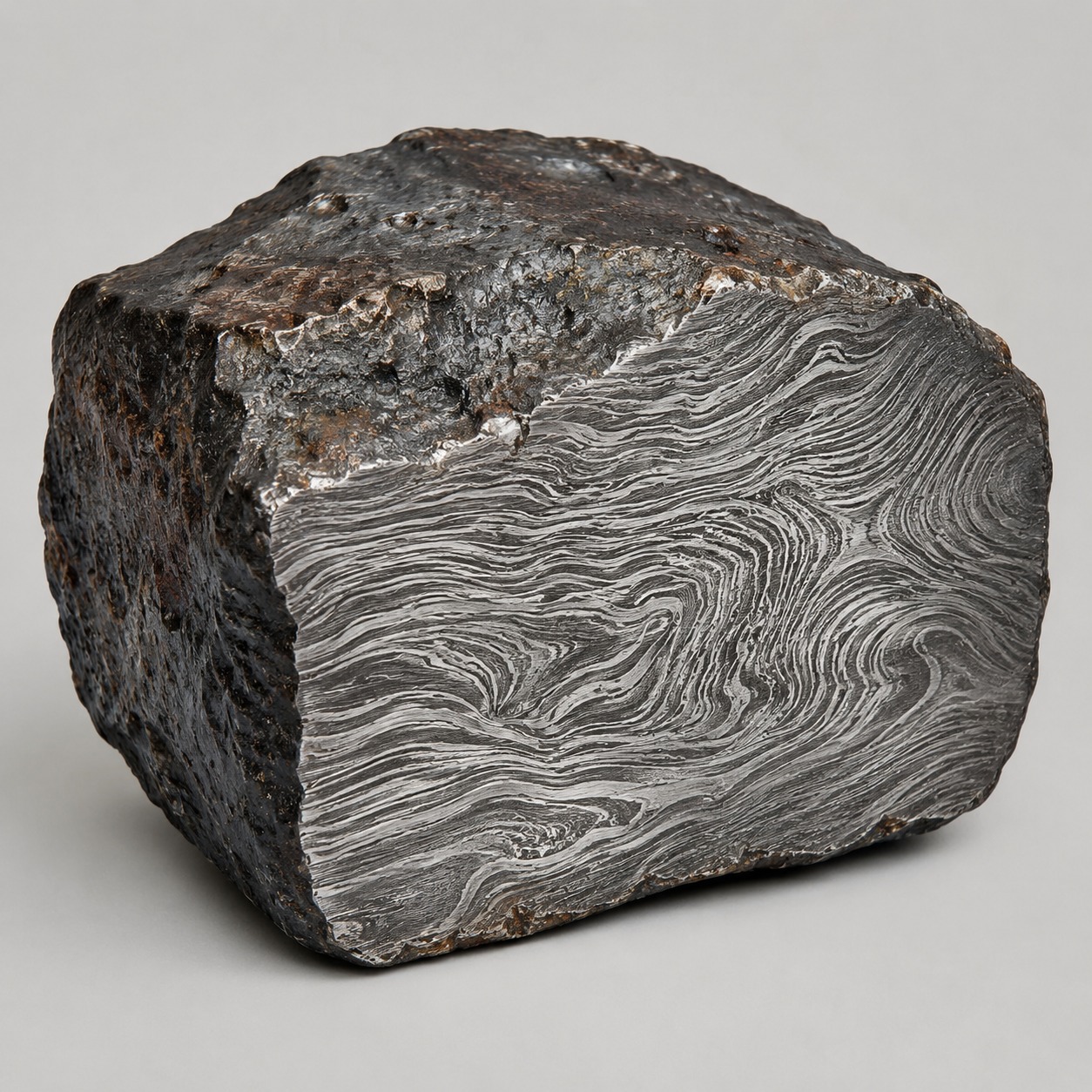
Damascus Steel (English Damascus Steel, Arabic fūlādh dimashqī, Sanskrit wootz) is the lost steel of legendary blades with watery damask patterns of the decisive canon — derived from the name of the Syrian Damascus (Damascus) and English 'damask (wave-pattern)' — the decisive canonical vocabulary — the decisive canon of the Indian wootz (wootz) steel ingot. Aliases — Damascus Steel (Damascus Steel), wootz (Sanskrit), fūlādh dimashqī (Arabic), crucible steel, watery steel, damask pattern — are the decisive canonical vocabulary. The decisive wootz canon is the decisive canon of the Indian wootz steel (wootz steel) of the 3rd century BCE. The decisive Damascus canon is the decisive canon of the forging in Damascus of Syria of the 3rd-17th centuries. The decisive Crusader canon is the decisive canon of the fear of Damascus steel of the Crusaders of the 11th-13th centuries.
Origin
The etymological origin is the decisive canon of English 'Damascus steel' and 'damask (wave-pattern)' from the name of the Syrian Damascus (Damascus) — and the decisive canon of Sanskrit 'wootz' deriving from the Indian Tamil 'urukku (steel)'. The decisive wootz canon is the decisive canon of the wootz (wootz) crucible steel of southern India (modern Karnataka and Andhra Pradesh) and Sri Lanka of c. 3rd century BCE — the decisive canon of about 1.5% carbon. The decisive Damascus canon is the decisive canon of the artisans of Damascus (Damascus) in Syria of the 3rd-17th centuries forging Indian wootz steel ingots — the decisive canon of the surface watery pattern (damask pattern). The decisive Crusader canon is the decisive canon of the fear of Damascus steel swords of the Crusaders of 1095-1291 — the decisive canon of 'cuts a feather without breaking'. The decisive loss canon is the decisive canon of the depletion of Indian wootz mines and the loss of the technique in the 18th century. The decisive modern science canon is the decisive canon of the discovery of carbon nanotubes in Damascus steel by Reibold (Reibold) of Germany in 2006.
Features
- Steel with watery damask pattern on the surface
- Main axis — forging in Damascus of Syria of the 3rd-17th centuries decisive canon
- Indian wootz (wootz) steel ingot decisive canon
- Crucible steel with about 1.5% carbon
- Crusader fear of the 11th-13th centuries decisive canon
- Loss of the technique in the 18th century decisive canon
Stories
The Indian wootz steel of the 3rd century BCE is the decisive wootz canon, and the forging in Damascus of Syria of the 3rd-17th centuries is the decisive Damascus canon. The decisive canon used as the material for the finest swords and daggers, and the decisive canon invoked as 'cuts a feather without breaking'. The decisive Crusader canon is the decisive canon of the 11th-13th centuries, and the decisive loss canon is the decisive canon of the depletion of Indian wootz mines in the 18th century. The decisive modern science canon is the decisive canon of Reibold's carbon nanotubes of 2006.
Weakness
Damascus Steel's weaknesses are: (1) lost technique — the decisive canonical weakness — the decisive canon of the loss of the technique in the 18th century; (2) binding of mine depletion — the decisive canon of the depletion of Indian wootz mines; (3) binding of magic — the decisive canon of being real steel, unlike mithril and adamantine; (4) binding of imitations — the decisive canon of modern pattern steel imitations; (5) binding of modern steel — the decisive canon of being inferior to modern steel; (6) binding of the sacred domain — the decisive canon; (7) binding of Damascus — the decisive canon of the binding of Syria; (8) binding of time — the decisive canon of the binding of 2300 years of wootz. The decisive canonical finale is the decisive mythological canon of the discovery of carbon nanotubes by Reibold in 2006.
Cultural Significance
Damascus Steel is not merely a steel icon but the canonical iconographic figure of the decisive Indo-Syrian-Crusader-modern canon, traversing the wootz (wootz) steel of southern India and Sri Lanka of the 3rd century BCE, the 'ferrum sericum (steel of China and India)' in Pliny the Elder's Natural History Book 34 chapter 145 of the 1st century, the forging of Damascus in Syria of the 3rd-17th centuries, the Crusader fear of the 11th-13th centuries, Bunau's revival attempt in England in 1854, John Verhoeven's research in the USA in 1981, and the discovery of carbon nanotubes by Reibold (Reibold) of Germany in 2006. The etymological origin settled as the decisive canon of English 'Damascus steel' and 'damask (wave-pattern)' from the name of the Syrian Damascus (Damascus), and the decisive canon of Sanskrit 'wootz' deriving from the Indian Tamil 'urukku (steel)'. The decisive wootz canon is the decisive canon of the wootz (wootz) crucible steel of southern India (modern Karnataka, Andhra Pradesh, Kerala, and Tamil Nadu) and Sri Lanka of c. 3rd century BCE — the decisive canon of about 1.5% carbon and trace elements of vanadium. The decisive natural history canon is the decisive canon of 'ferrum sericum (steel of Seres, presumed steel of China and India)' in Pliny the Elder's (Pliny the Elder, 23-79) Natural History (Naturalis Historia) Book 34 chapter 145 of the 1st century. The decisive Damascus canon is the decisive canon of the artisans of Damascus (Damascus, modern capital of Syria) in Syria of the 3rd-17th centuries forging Indian wootz steel ingots — the decisive canon of the surface watery pattern (damask pattern, derived from the pattern of damask fabric). The decisive Crusader canon is the decisive canon of the fear of Damascus steel swords of the Crusaders (Crusades) of 1095-1291, and the decisive canon of Saladin's sword of 1191. The decisive loss canon is the decisive canon of the depletion of Indian wootz mines and the loss of the orally transmitted technique in the 18th century, and the decisive canon of Bunau's (Bunau) revival attempt in England in 1854. The decisive Verhoeven canon is the decisive canon of the restoration of the pattern of Damascus steel by the American metallurgist John Verhoeven (John Verhoeven) of Iowa State University in 1981. The decisive Reibold canon is the decisive canon of the discovery of carbon nanotubes (carbon nanotubes) and cementite nanowires in Damascus steel by Marianne Reibold (Marianne Reibold) of Dresden University of Technology of Germany in Nature (Nature) of November 2006.
In Popular Culture
- Wootz (wootz) steel of southern India and Sri Lanka (3rd century BCE) — decisive wootz canon
- 'ferrum sericum' in Pliny the Elder Natural History (Naturalis Historia) Book 34 chapter 145 (1st century) — decisive natural history canon
- Forging in Damascus (Damascus) of Syria (3rd-17th centuries) — decisive Damascus canon
- Crusader (Crusades) fear of Damascus steel swords (1095-1291) — decisive Crusader canon
- Saladin's (Saladin) sword (1191) — decisive Saladin canon
- Depletion of Indian wootz mines and loss of technique in the 18th century — decisive loss canon
- Bunau's revival attempt in England (1854) — decisive revival canon
- John Verhoeven's (John Verhoeven) restoration of Damascus steel in the USA (1981) — decisive Verhoeven canon
- Marianne Reibold's (Marianne Reibold) discovery of carbon nanotubes in Germany (2006) — decisive Reibold canon
- Damascus steel of The Elder Scrolls (The Elder Scrolls) and Skyrim — decisive gaming canon
Trivia
The etymology of Damascus Steel (English Damascus Steel, Arabic fūlādh dimashqī, Sanskrit/Tamil wootz) is the decisive canon of English 'Damascus steel' and 'damask (wave-pattern, derived from the pattern of damask fabric)' from the name of the Syrian Damascus (Damascus), and the decisive canon of Sanskrit 'wootz' deriving from the Indian Tamil 'urukku (steel)' — the decisive canon of the anglicization by the English Helenus Scott (Helenus Scott) in 1795. Aliases — Damascus Steel (Damascus Steel), wootz (Sanskrit/Tamil), fūlādh dimashqī (Arabic), crucible steel, watery steel, damask pattern, jawhar (Arabic 'wave'), Saladin's sword — are the decisive canonical vocabulary. The decisive wootz canon is the decisive canon of the wootz (wootz) crucible steel (crucible steel) of southern India (modern Karnataka, Andhra Pradesh, Kerala, Tamil Nadu, and Madhya Pradesh) and Sri Lanka of c. 3rd century BCE — the decisive canon of about 1.5% carbon and trace elements of vanadium, and the decisive canon of the mines of the Deccan plateau of Hyderabad, India. The decisive natural history canon is the decisive canon of 'ferrum sericum (steel of Seres, presumed steel of China and India)' in Pliny the Elder's (Pliny the Elder, 23-79) Natural History (Naturalis Historia) Book 34 chapter 145 of the 1st century. The decisive Damascus canon is the decisive canon of the artisans of Damascus (Damascus, modern capital of Syria) in Syria of the 3rd-17th centuries importing Indian wootz steel ingots and forging them — the decisive canon of the surface watery pattern (damask pattern) and wood-grain pattern, and the decisive canon of the Arabic 'jawhar (wave, jewel)'. The decisive Crusader canon is the decisive canon of the fear of Damascus steel swords of the Crusaders (Crusades, 8 crusades) of 1095-1291 — the decisive canon of 'cuts a feather without breaking', the decisive canon of the sword of Saladin (Saladin, Salah ad-Din, 1137-1193) at the Battle of Hattin (Battle of Hattin) of 1187, and the decisive canon of the legend of the comparison of the swords of Richard the Lionheart (Richard the Lionheart) and Saladin of 1191. The decisive loss canon is the decisive canon of the depletion of Indian wootz mines in the 18th century and the loss of the orally transmitted technique, and the decisive canon of the last forging of true Damascus steel around 1750. The decisive revival canon is the decisive canon of the revival of 'bulat' by the Russian Pavel Anosov (Pavel Anosov, 1796-1851) in 1819, and the decisive canon of Bunau's (Bunau) revival attempt in England in 1854, and the decisive Verhoeven canon is the decisive canon of the restoration of the pattern of Damascus steel through the collaboration of the American metallurgist John Verhoeven (John Verhoeven) of Iowa State University and Alfred Pendray in 1981. The decisive Reibold canon is the decisive canon of the discovery of carbon nanotubes (carbon nanotubes) and cementite nanowires (cementite nanowires) on the surface of Damascus steel by Marianne Reibold (Marianne Reibold) et al. of Dresden University of Technology of Germany in Nature (Nature) issue 444 of 16 November 2006 — the decisive canon of 'the secret of the watery pattern at the X-axis level'.
Related

Amethyst
Amethyst· 紫水晶 Gem of Dionysus
Cold Iron
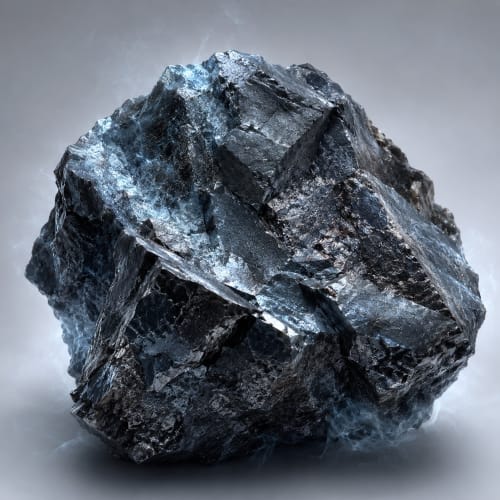
Cold Iron· 寒鐵 Bane of the fae

Mithril
Mithril · True Silver — A Legendary Metal Light as a Feather, Harder Than Steel

Mercury
Mercury· Hg Liquid metal, the element of Hermes
Electrum
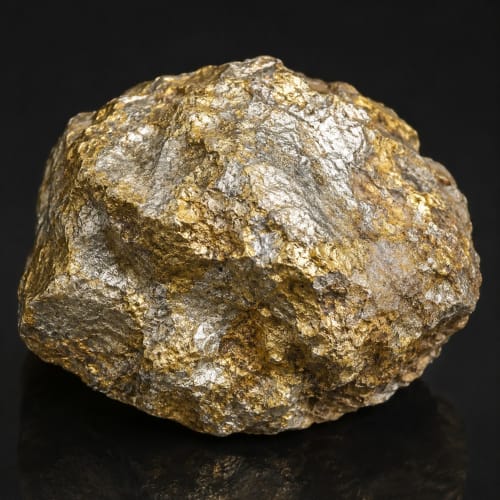
Electrum· 琥珀金 Natural gold-silver alloy
Pearl
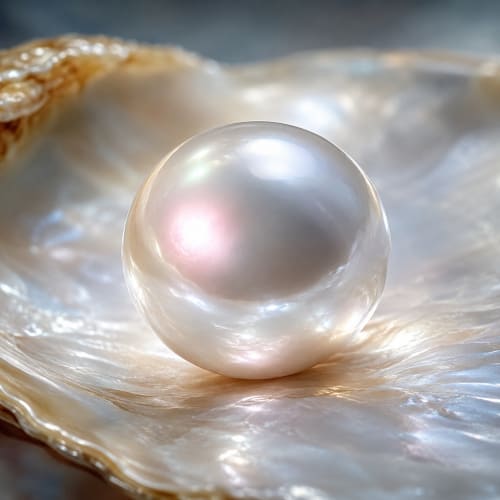
Pearl· 眞珠 Tears of the sea

Meteoric Iron
Meteoric Iron· 隕鐵 Steel that fell from the sky

Iron
Iron· Fe Core metal of human civilization

Carbuncle
Carbuncle· 紅榴石 Glowing fantasy gem

Gold
Gold· Au The radiant metal of myth

Lead
Lead· Pb Metal of Saturn

Adamantine
Adamantine · The Unbreakable Black Metal of Ultimate Strength