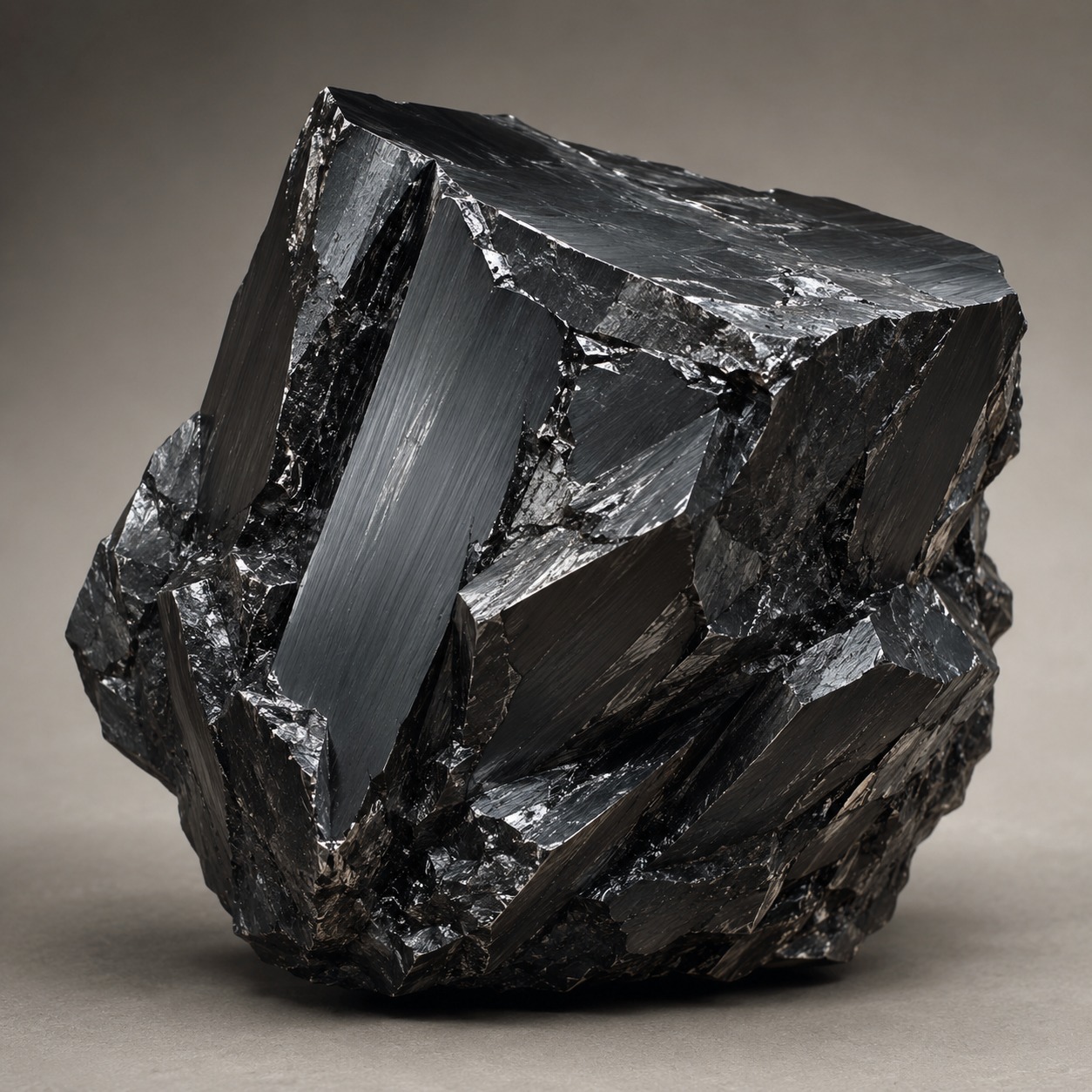
Adamantine
Adamantine · The Unbreakable Black Metal of Ultimate Strength
Names in Other Languages
 아다만티움한국어
Adamantine · 절대 부서지지 않는 검은 최강의 금속
 アダマンタイト日本語
Adamantine · 決して砕けぬ黒き最強の金属
 精金繁體中文
Adamantine · 絕不破碎之黑色最強金屬
 AdamantinDeutsch
Adamantine · Das unzerbrechliche schwarze Metall höchster Stärke
 AdamantineFrançais
Adamantine · Le métal noir incassable de force ultime
 AdamantinaEspañol
Adamantine · El metal negro irrompible de fuerza definitiva
 AdamantinaPortuguês
Adamantine · O metal negro inquebrável de força definitiva
 AdamantytPolski
Adamantine · Niezniszczalny czarny metal ostatecznej siły
 АдамантинРусский
Adamantine · Несокрушимый чёрный металл предельной прочности
Adamantine (English Adamantine, Latin adamas, Greek adámas) is the absolutely unbreakable black strongest metal of the decisive canon — derived from Greek 'adámas (ἀδάμας adámas, unconquerable, untamable, a- 'not' + damān 'to tame')' — the decisive canonical vocabulary — the decisive canon of Hesiod's Theogony. Aliases — Adamantine (Adamantine), Adamant, adamas (Latin/Greek), adamantium (Marvel), the unconquerable — are the decisive canonical vocabulary. The decisive Hesiod canon is the decisive canon of Kronos's adamantine sickle in Hesiod's Theogony (Theogonia) lines 161-167 of the 8th century BCE. The decisive Homer canon is the decisive canon of the Iliad of the 8th century BCE. The decisive natural history canon is the decisive canon of 'adamas is the hardest substance' in Pliny the Elder's Natural History Book 37 chapters 55-61 of the 1st century. The decisive D&D canon is the decisive canon of adamantine in Dungeons & Dragons of 1974.
Origin
The etymological origin is the decisive canonical vocabulary of Greek 'adámas (ἀδάμας adámas, unconquerable, a- 'not' + damān 'to tame, conquer')' — the decisive canon becoming the etymology of Latin 'adamas' and English 'adamant', 'adamantine', and 'diamond'. The decisive Hesiod canon is the decisive canon of 'Gaia (Gaia) drew gray adamant (adamas) from the depths of her womb and made a great sickle (harpē) for Kronos (Kronos)' in lines 161-167 of the Greek Hesiod's (Hesiod) Theogony (Theogonia, Theogony) of c. 8th century BCE — the decisive canon of the tool of Uranus's castration. The decisive Homer canon is the decisive canon of the Greek Homer's (Homer) Iliad (Ilias) of the 8th century BCE. The decisive natural history canon is the decisive canon of 'adamas is the hardest substance' in Pliny the Elder's (Pliny the Elder, 23-79) Natural History (Naturalis Historia) Book 37 chapters 55-61 of the 1st century. The decisive Virgil canon is the decisive canon of 'the adamantine pillars of Tartarus' in line 552 of Book 6 of Virgil's (Virgil) Aeneid (Aeneid) of 19 BCE.
Features
- Absolutely unbreakable black strongest metal
- Main axis Hesiod Theogony lines 161-167 Kronos's adamantine sickle
- Greek adámas 'unconquerable'
- Pliny Natural History Book 37 chapters 55-61 — decisive 'adamas' canon
- 1974 D&D decisive adamantine canon
- 1974 Marvel Wolverine adamantium decisive canon
Stories
Hesiod's Theogony of the 8th century BCE is the decisive Hesiod canon, and Pliny the Elder's Natural History Book 37 chapters 55-61 of the 1st century is the decisive natural history canon. The decisive canon used as Kronos's sickle, and the decisive canon invoked as the absolutely unbreakable metal. The decisive Homer canon is the decisive canon of the Iliad of the 8th century BCE, and the decisive Virgil canon is the decisive canon of the adamantine pillars of Tartarus in the Aeneid of 19 BCE. The decisive D&D canon is the decisive canon of adamantine of 1974, and the decisive Marvel canon is the decisive canon of Wolverine's adamantium of 1974.
Weakness
Adamantine's weaknesses are: (1) extreme melting point — the decisive canonical weakness — the decisive canon of being extremely difficult to process due to extremely high melting point; (2) binding of excessive hardness — the decisive canon of impossibility of fine craftsmanship; (3) binding of Hesiod — the decisive canon of the binding of the 8th century BCE; (4) binding of non-existence — the decisive canon of not actually existing; (5) binding of diamond — the decisive canon of confusion with diamond in the Middle Ages; (6) binding of the sacred domain — the decisive canon; (7) binding of Kronos — the decisive canon of the binding of Uranus's castration; (8) binding of time — the decisive canon of the binding of 2700 years of Hesiod. The decisive canonical finale is the decisive mythological canon of D&D of 1974 and Marvel's Wolverine of 1974.
Cultural Significance
Adamantine is not merely a metal icon but the canonical iconographic figure of the decisive Greco-Roman-modern canon, traversing Kronos's adamantine sickle in lines 161-167 of Hesiod's Theogony (Theogony) of the 8th century BCE, Homer's Iliad of the 8th century BCE, Plato's Republic of the 4th century BCE, Ovid's Metamorphoses of the 1st century BCE, the adamantine pillars of Tartarus in Virgil's Aeneid of 19 BCE, Pliny the Elder's Natural History Book 37 chapters 55-61 of the 1st century, the medieval confusion with diamond, adamantine in D&D of 1974, and Wolverine's adamantium of Marvel of 1974. The etymological origin settled as the decisive canon of Greek 'adámas (ἀδάμας adámas, unconquerable)' — the decisive canon becoming the etymology of Latin 'adamas' and English 'adamant', 'adamantine', and 'diamond'. The decisive Hesiod canon is the decisive canon of 'Gaia (Gaia, earth goddess) drew gray adamant (adamas) from the depths of her womb and made a great sickle (harpē) for her youngest son Kronos (Kronos)' in lines 161-167 of the Greek Boeotian Hesiod's (Hesiod) Theogony (Theogonia, Theogony) of c. 8th century BCE — the decisive canon of the tool of castration of Kronos's father Uranus (Uranos). The decisive Homer canon is the decisive canon of the Greek Homer's (Homer) Iliad (Ilias) of the 8th century BCE. The decisive Virgil canon is the decisive canon of 'the adamantine pillars (adamantinae columnae) of Tartarus eternally lock the gates of hell' in line 552 of Book 6 of the Roman Virgil's (Virgil) Aeneid (Aeneid) of 19 BCE. The decisive Ovid canon is the decisive canon of the Roman Ovid's (Ovid) Metamorphoses (Metamorphoses) of 8 CE. The decisive natural history canon is the decisive canon of 'adamas is the hardest substance with 6 varieties' in Pliny the Elder's (Pliny the Elder, 23-79) Natural History (Naturalis Historia) Book 37 chapters 55-61 of the 1st century — the decisive canon of confusion with diamond from the 13th century. The decisive D&D canon is the decisive canon of adamantine (adamantine, 'black metal, hardest') in the American Gary Gygax's (Gary Gygax) Dungeons & Dragons (Dungeons & Dragons) of 1974, and the decisive Marvel canon is the decisive canon of Wolverine's (Wolverine) adamantium (adamantium) claws in The Incredible Hulk issues 180-181 by Len Wein (Len Wein) of Marvel Comics of October 1974.
In Popular Culture
- Kronos's adamantine sickle in Hesiod (Hesiod) Theogony (Theogony) lines 161-167 (8th century BCE) — decisive Hesiod canon
- Homer (Homer) Iliad (Iliad) (8th century BCE) — decisive Homer canon
- Plato (Plato) Republic (Republic) (4th century BCE) — decisive Plato canon
- Ovid (Ovid) Metamorphoses (Metamorphoses) (8 CE) — decisive Ovid canon
- Adamantine pillars of Tartarus in Virgil (Virgil) Aeneid (Aeneid) Book 6 line 552 (19 BCE) — decisive Virgil canon
- adamas in Pliny the Elder Natural History (Naturalis Historia) Book 37 chapters 55-61 (1st century) — decisive natural history canon
- Medieval confusion with diamond — decisive medieval canon
- Adamantine (adamantine) in Gary Gygax's (Gary Gygax) Dungeons & Dragons (Dungeons & Dragons) (1974) — decisive D&D canon
- Wolverine (Wolverine) adamantium (adamantium) in The Incredible Hulk issues 180-181 by Len Wein (Len Wein) (1974) — decisive Marvel canon
- Adamantium of The Elder Scrolls (The Elder Scrolls) series — decisive gaming canon
Trivia
The etymology of Adamantine (English Adamantine, Latin adamas, Greek ἀδάμας adámas) is the decisive canonical vocabulary of Greek 'adámas (ἀδάμας adámas, unconquerable, untamable, a- 'not' + damān 'to tame, conquer')' — the decisive canon becoming the etymology of Latin 'adamas' and English 'adamant', 'adamantine', 'adamantium', and 'diamond' — and the decisive canon of 'diamond' deriving from the addition of 'd' to the Latin accusative 'adamantem'. Aliases — Adamantine (Adamantine), Adamant (English), adamas (Latin/Greek), adamantium (Marvel), the unconquerable, indestructible metal, Wolverine's claws — are the decisive canonical vocabulary. The decisive Hesiod canon is the decisive canon of 'Gaia (Gaia, earth goddess) drew gray adamant (adamas) from the depths of her womb and made a great sickle (harpē) for her youngest son Kronos (Kronos), with which Kronos castrated his father Uranus (Uranos)' in lines 161-167 of the Greek Boeotian Hesiod's (Hesiod) Theogony (Theogonia, Theogony) of c. 700 BCE — the decisive canon of the oldest mention of adamant. The decisive Homer canon is the decisive canon of adamas in the Greek Homer's (Homer) Iliad (Ilias) of the 8th century BCE, and the decisive Plato canon is the decisive canon of adamas in the Greek Plato's (Plato, 428-348 BCE) Republic (Republic) and Timaeus of the 4th century BCE. The decisive Ovid canon is the decisive canon of adamas in the Roman Ovid's (Ovid, 43 BCE - 17 CE) Metamorphoses (Metamorphoses) of 8 CE. The decisive Virgil canon is the decisive canon of 'the adamantine pillars (adamantinae columnae) of Tartarus eternally lock the gates of hell' in line 552 of Book 6 of the Roman Virgil's (Publius Vergilius Maro, 70-19 BCE) Aeneid (Aeneid) of 19 BCE. The decisive natural history canon is the decisive canon of 'adamas is the hardest substance with 6 varieties (India, Arabia, Cyprus, etc.), conquers everything, and is broken only by goat's blood' in Pliny the Elder's (Pliny the Elder, born 23 CE, died at Pompeii 79 CE) Natural History (Naturalis Historia) Book 37 chapters 55-61 of the 1st century — the decisive canon of confusion with diamond from the 13th century. The decisive D&D canon is the decisive canon of adamantine (adamantine, 'black metal, hardest') in the American Gary Gygax's (Gary Gygax, 1938-2008) Dungeons & Dragons (Dungeons & Dragons) of 1974, and the decisive Marvel canon is the decisive canon of Wolverine's (Wolverine, real name James Howlett) adamantium (adamantium) claws and bone coating in The Incredible Hulk (The Incredible Hulk) issue 180 (October 1974) and issue 181 (November 1974) by the American Marvel Comics writer Len Wein (Len Wein, 1948-2017) of October 1974, and the decisive canon of Marvel's adamantium of 1974.
Related

Mithril
Mithril · True Silver — A Legendary Metal Light as a Feather, Harder Than Steel
Cold Iron
Cold Iron· 寒鐵 Bane of the fae

Carbuncle
Carbuncle· 紅榴石 Glowing fantasy gem

Philosopher's Stone
Philosopher's Stone· 賢者의 石 Ultimate of alchemy

Amethyst
Amethyst· 紫水晶 Gem of Dionysus
Mercury
Mercury· Hg Liquid metal, the element of Hermes
Electrum
Electrum· 琥珀金 Natural gold-silver alloy
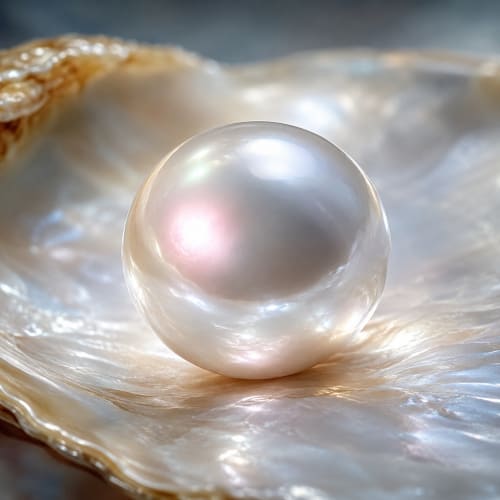
Pearl
Pearl· 眞珠 Tears of the sea

Meteoric Iron
Meteoric Iron· 隕鐵 Steel that fell from the sky

Iron
Iron· Fe Core metal of human civilization

Gold
Gold· Au The radiant metal of myth

Lead
Lead· Pb Metal of Saturn