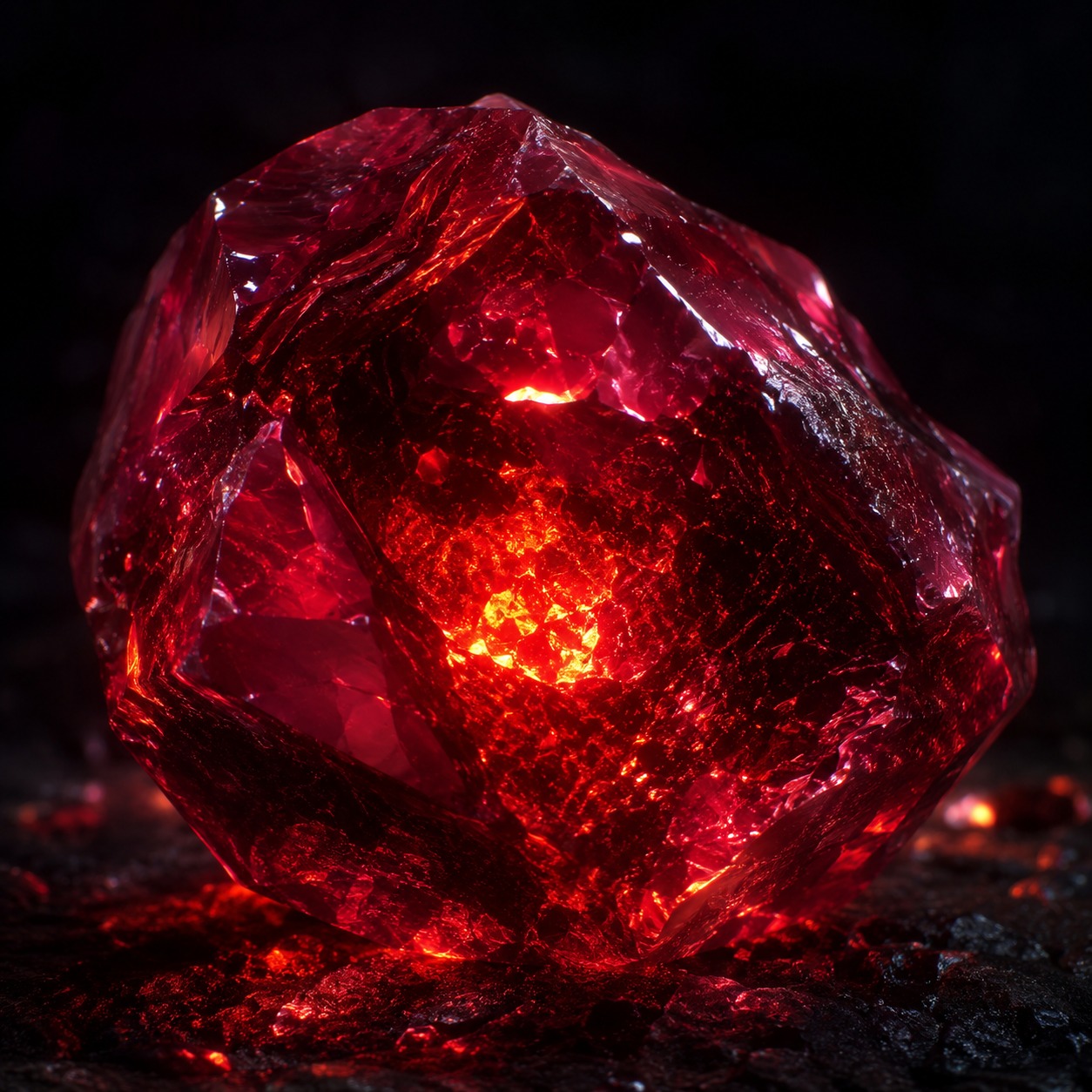
Carbuncle
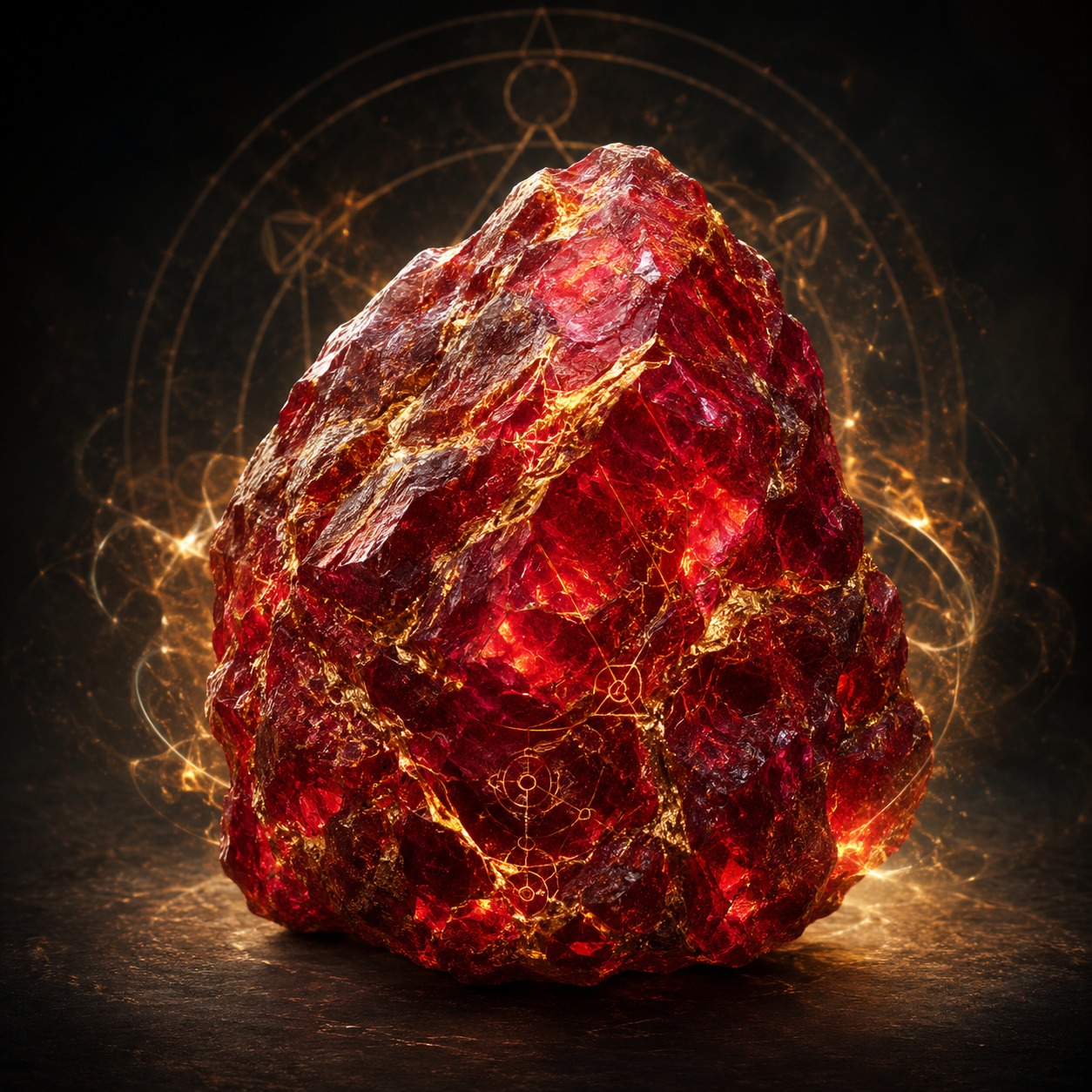
Carbuncle· 紅榴石 Glowing fantasy gem
Names in Other Languages
 카벙클한국어
Carbuncle· 紅榴石 빛나는 환상의 보석
 カーバンクル日本語
Carbuncle· 紅榴石 輝く幻の宝石
 卡邦克繁體中文
Carbuncle· 紅榴石 輝之幻之寶
 KarfunkelDeutsch
Carbuncle· 紅榴石 Leuchtender Fantasie-Edelstein
 EscarboucleFrançais
Carbuncle· 紅榴石 Gemme fantastique brillante
 CarbuncloEspañol
Carbuncle· 紅榴石 Gema fantastica brillante
 CarbunculoPortuguês
Carbuncle· 紅榴石 Gema fantastica brilhante
 KarbunkulPolski
Carbuncle· 紅榴石 Lsniacy klejnot fantastyczny
 КарбункулРусский
Carbuncle· 紅榴石 Сияющий фантастический камень
Carbuncle (English Carbuncle, Latin carbunculus, Spanish carbunclo) is the gem of luminous fantasy of the decisive canon — derived from Latin 'carbunculus (small coal)' — the decisive canonical vocabulary — the decisive canon of red gems (ruby, garnet, spinel) — and the decisive canon of the mythical beast bearing a gem on its forehead in medieval fantasy literature. Aliases — Carbuncle (Carbuncle), carbunculus (carbunculus, Latin), carbunclo (carbunclo, Spanish), beast of the forehead gem, red stone, fire garnet — are the decisive canonical vocabulary. The decisive natural history origin canon is the decisive canon of 'carbunculus is the stone of the light of fire' in Pliny the Elder's (Pliny the Elder, 23-79) Natural History (Naturalis Historia) Book 37 chapters 92-95 of the 1st century. The decisive Borges canon is the decisive canon of the carbunclo in Jorge Luis Borges's (Jorge Luis Borges) Book of Imaginary Beings (El libro de los seres imaginarios) of 1957.
Origin
The etymological origin is the decisive canonical vocabulary of Latin 'carbunculus (small coal, from carbo 'coal' + ‐unculus 'small')' — the decisive canon of the translation of Greek 'ánthrax (ἄνθραξ ánthrax, coal, stone of fire)' — and the decisive canon as the general term for ruby, garnet, and spinel until the 18th century. The decisive natural history origin canon is the decisive canon of the Roman Pliny the Elder's (Pliny the Elder, 23-79) Natural History (Naturalis Historia) Book 37 chapters 92-95 of the 1st century — 'carbunculus is the stone of the light of fire, with 12 varieties, from India and Garamantes'. The decisive Bible canon is the decisive canon of the carbunculus among the 12 foundation stones of New Jerusalem in Revelation 21:19-20. The decisive mythical beast canon is the decisive canon of the myth of the carbunclo of the South American conquistadors of the 16th century — the decisive canon of the Historia general de las Indias of Gonzalo Fernández de Oviedo (Gonzalo Fernández de Oviedo, 1478-1557). The decisive Borges canon is the decisive canon of the Argentine Jorge Luis Borges's (Jorge Luis Borges, 1899-1986) Book of Imaginary Beings (El libro de los seres imaginarios) of 1957 — 'the carbunclo (carbunclo) is a small animal bearing a luminous gem on its forehead'.
Features
- Latin carbunculus (small coal) etymology
- Main axis Pliny Natural History Book 37 chapters 92-95 carbunculus stone of the light of fire
- Mythical beast of the forehead gem in medieval fantasy literature
- 1957 Borges Book of Imaginary Beings carbunclo
- 12 foundation stones of New Jerusalem in Revelation 21:19-20
- Prototype — general term for ruby (corundum) and garnet (fire garnet)
Stories
The carbunculus in Pliny the Elder's Natural History Book 37 chapters 92-95 of the 1st century is the decisive natural history origin, and the carbunclo in Borges's Book of Imaginary Beings of 1957 is the decisive mythical beast canon. The decisive canon used as the gem of luminous fantasy, and the decisive canon invoked as the mythical beast bearing a gem on its forehead. The decisive Bible canon is the decisive canon of the 12 foundation stones of New Jerusalem in Revelation 21:19-20, and the decisive medieval canon is the decisive canon of the carbunculus in Marco Polo's Travels of the 13th century. The decisive mythical beast canon is the decisive canon of the myth of the carbunclo of the South American conquistadors of the 16th century, and the decisive Borges canon is the decisive canon of the Book of Imaginary Beings of 1957. The decisive mineralogical canon is the decisive canon as the general term for ruby, garnet, and spinel until the 18th century.
Weakness
Carbuncle's weaknesses are: (1) binding of definition — the decisive canonical weakness — the decisive canon of ambiguity due to being the general term for ruby, garnet, and spinel until the 18th century; (2) binding of mineralogy — the decisive canon of the name 'carbuncle' disappearing due to the development of mineralogy in the 18th century; (3) binding of the mythical beast — the decisive canon of being a fantasy, not a real animal; (4) binding of the conquistadors — the decisive canon of the South American conquistadors of the 16th century not finding it; (5) binding of Borges — the decisive canon of the canon of mythical beasts of 1957; (6) binding of the sacred domain — the decisive canon; (7) binding of light — the decisive canon of the illusion of the light of the forehead; (8) binding of time — the decisive canon of the binding of 2000 years of Latin. The decisive canonical finale is the decisive mythological canon of Borges's Book of Imaginary Beings of 1957.
Cultural Significance
Carbuncle is not merely a gem icon but the canonical iconographic figure of the decisive Roman-Christian-fantasy literature canon, traversing the carbunculus of Pliny the Elder's Natural History Book 37 chapters 92-95 of the 1st century, the 12 foundation stones of New Jerusalem in Revelation 21:19-20 of the 1st century, Marco Polo's Travels of the 13th century, the carbunclo of the South American conquistadors of the 16th century, and the carbunclo of Borges's Book of Imaginary Beings of 1957. The etymological origin settled as the decisive canon of Latin 'carbunculus (small coal)' — the decisive canon of the translation of Greek 'ánthrax (ἄνθραξ ánthrax)' — and the decisive canon as the general term for ruby, garnet, and spinel until the 18th century. The decisive natural history origin canon is the decisive canon of the Roman Pliny the Elder's (Pliny the Elder, 23-79) Natural History (Naturalis Historia) Book 37 chapters 92-95 of the 1st century — 'carbunculus is the stone of the light of fire, with 12 varieties, India being the best'. The decisive Bible canon is the decisive canon of the 1st-century Revelation (Revelation) 21:19-20 — 'the carbunculus (carbunculus, KJV chalcedony, Greek χαλκηδών) is the 3rd of the 12 foundation stones of the New Jerusalem of heaven', and the decisive medieval canon is the decisive canon of Marco Polo's (Marco Polo, 1254-1324) Travels (Il Milione) of c. 1300 of the carbunculus of India. The decisive mythical beast canon is the decisive canon of the myth of the 'carbunclo (carbunclo)' of the South American conquistadors of the 16th century — the decisive canon of the carbunclo in the Historia general de las Indias (Historia general de las Indias) of 1535 by the Spanish Gonzalo Fernández de Oviedo (Gonzalo Fernández de Oviedo, 1478-1557) — and the decisive canon of the carbunclo of Chile by Bernardo de Rojas (Bernardo de Rojas) of the 17th century. The decisive Borges canon is the decisive canon of the Book of Imaginary Beings (El libro de los seres imaginarios, in English The Book of Imaginary Beings, first edition 1957, revised edition 1967) by the Argentine Jorge Luis Borges (Jorge Luis Borges, 1899-1986) and Margarita Guerrero (Margarita Guerrero) — 'the carbunclo (carbunclo) is a small animal bearing a luminous gem on its forehead, the apparition of South America'.
In Popular Culture
- Pliny the Elder Natural History (Naturalis Historia) Book 37 chapters 92-95 carbunculus (carbunculus) (1st century) — decisive natural history origin canon
- 12 foundation stones of New Jerusalem in Revelation (Revelation) 21:19-20 (1st century) — decisive Bible canon
- Marco Polo (Marco Polo) Travels (Il Milione) (c. 1300) — decisive medieval canon
- Gonzalo Fernández de Oviedo (Gonzalo Fernández de Oviedo) Historia general de las Indias (Historia general de las Indias) (1535) — decisive conquistador canon
- Carbunclo of Chile by Bernardo de Rojas (Bernardo de Rojas) (16th century) — decisive Chilean canon
- Borges (Jorge Luis Borges) Book of Imaginary Beings (El libro de los seres imaginarios) carbunclo (1957) — decisive Borges canon
- Myth of the carbunclo of Patagonia in Argentina — decisive mythical beast canon
- General term for ruby, garnet, and spinel until the 18th century — decisive mineralogical canon
- Iconography of the mythical beast of the forehead gem — decisive iconography canon
- Carbuncle of JRPG (Final Fantasy) — decisive 21st-century global canon
Trivia
The etymology of Carbuncle (English Carbuncle, Latin carbunculus, Spanish carbunclo) is the decisive canonical vocabulary of Latin 'carbunculus (small coal, from carbo 'coal' + ‐unculus 'small')' — the decisive canon of the Latin translation of Greek 'ánthrax (ἄνθραξ ánthrax, coal, stone of fire)' — and the decisive canon as the general term for all red gems including ruby, garnet, and spinel until the 18th century. Aliases — Carbuncle (Carbuncle), carbunculus (Latin), carbunclo (Spanish), beast of the forehead gem, red stone, fire garnet, hong-ryu-seok — are the decisive canonical vocabulary. The decisive natural history origin canon is the decisive canon of the Roman Pliny the Elder's (Pliny the Elder, born 23 CE, died at Pompeii 79 CE) Natural History (Naturalis Historia) Book 37 chapters 92-95 of the 1st century — 'carbunculus is the stone of the light of fire, with 12 varieties, India and Garamantes being the best, the most precious gem after diamond' — and the decisive canon of 'there are male and female, the male being brighter'. The decisive Theophrastus canon is the decisive canon of 'ánthrax (ánthrax)' in the Greek Theophrastus's (Theophrastus, 371-287 BCE) On Stones (Peri Lithōn) of the 4th century BCE. The decisive Bible canon is the decisive canon of the 1st-century Revelation (Revelation) 21:19-20 — 'the carbunculus (carbunculus, in KJV chalcedony, Greek χαλκηδών) is the 3rd of the 12 foundation stones of the New Jerusalem of heaven'. The decisive medieval canon is the decisive canon of the Italian Marco Polo's (Marco Polo, 1254-1324) Travels (Il Milione, The Travels) of c. 1300 — 'the carbunculus shines in caves of India, and the carbunculus of the mountains of Madagascar is the most precious'. The decisive mythical beast canon is the decisive canon of the myth of the 'carbunclo (carbunclo)' of the South American conquistadors (conquistadores) of the 16th century — the decisive canon of the Spanish Gonzalo Fernández de Oviedo y Valdés's (Gonzalo Fernández de Oviedo y Valdés, 1478-1557) Historia general y natural de las Indias (Historia general y natural de las Indias) of 1535 — 'the carbunclo is a small animal bearing on its head a luminous mirror-like gem' — and the decisive canon of the myth of Chile by Bernardo de Rojas (Bernardo de Rojas) of the 17th century — 'whoever sees the carbunclo goes mad'. The decisive Borges canon is the decisive canon of the Book of Imaginary Beings (El libro de los seres imaginarios, in English The Book of Imaginary Beings, first edition 1957, revised edition 1967) co-authored by the Argentine Jorge Luis Borges (Jorge Luis Borges, born 24 August 1899, died 14 June 1986) and Margarita Guerrero (Margarita Guerrero) — 'the carbunclo (carbunclo) is a small animal bearing a luminous gem on its forehead, the apparition of Patagonia in Argentina'.