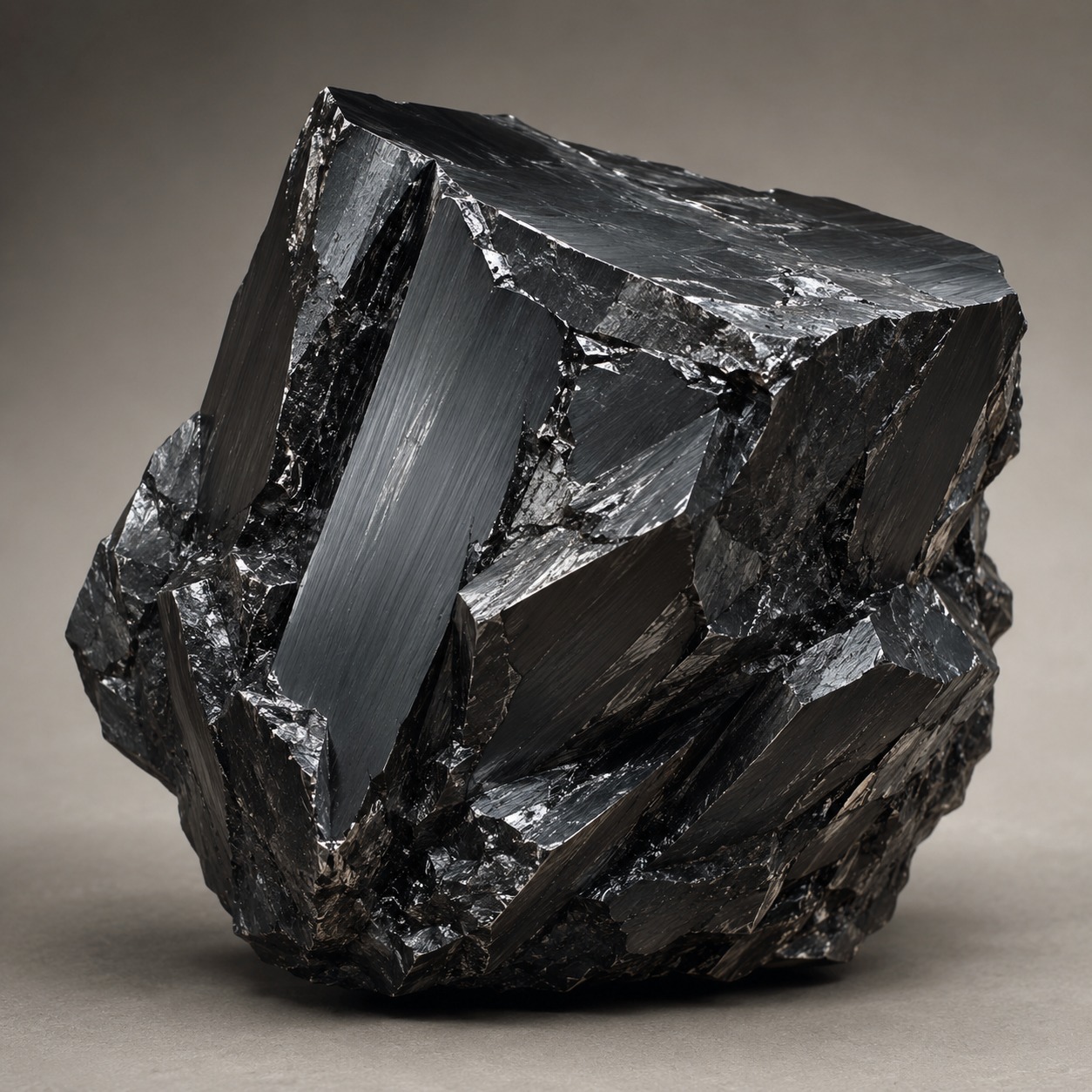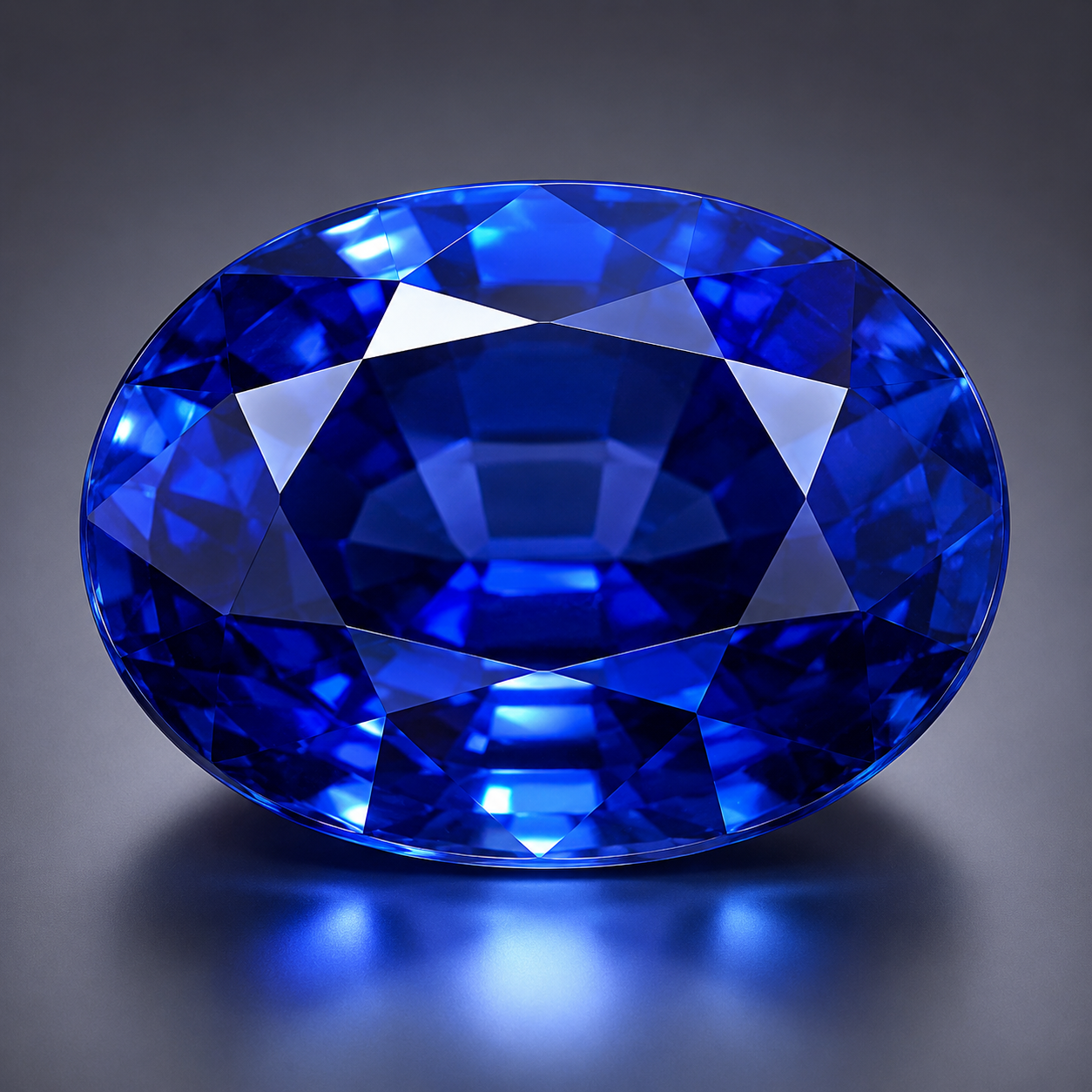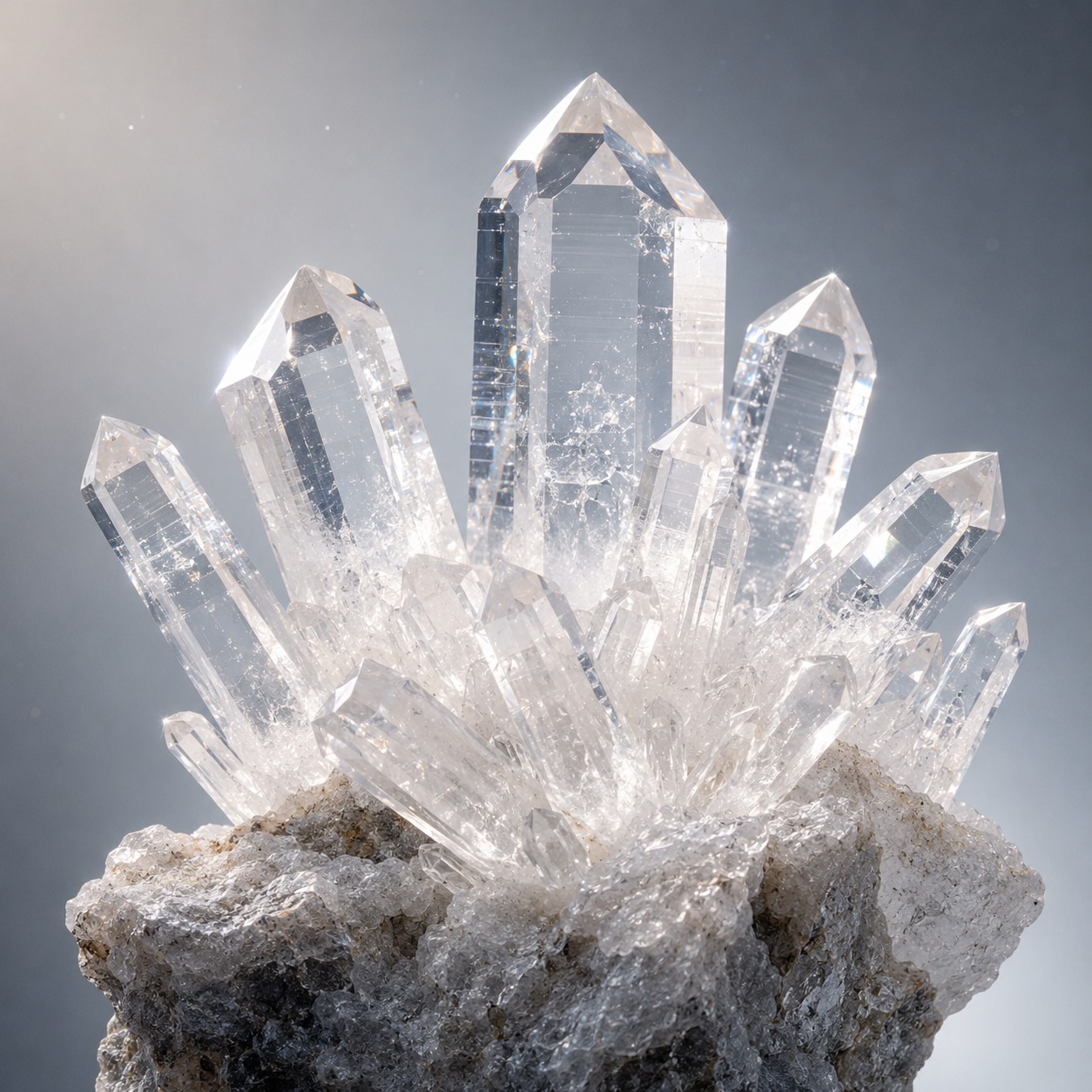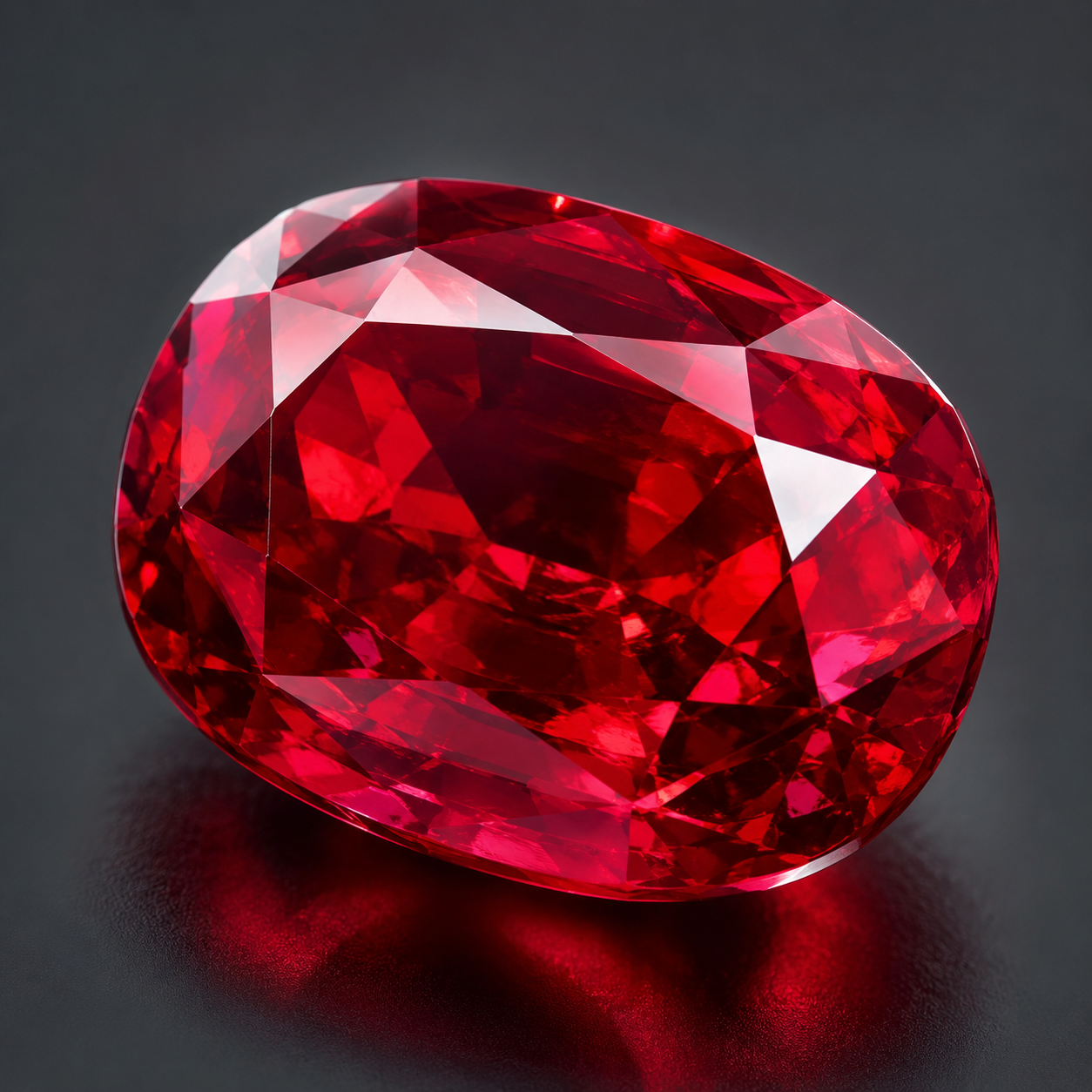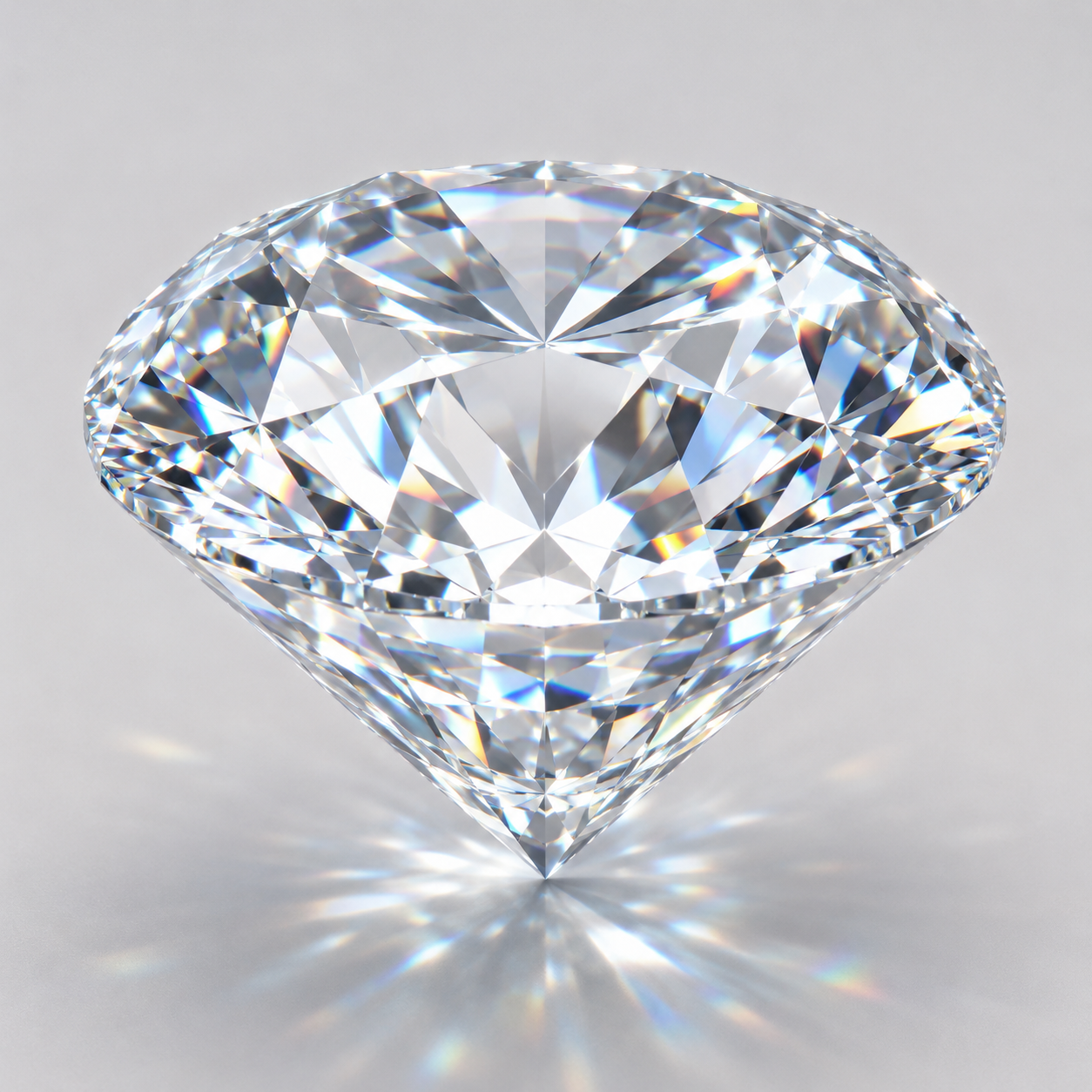
Diamond
Diamond· 金剛石 The hardest gem
Names in Other Languages
 다이아몬드한국어
Diamond· 金剛石 가장 단단한 보석
 ダイヤモンド日本語
Diamond· 金剛石 最も硬き宝石
 鑽石繁體中文
Diamond· 金剛石 最堅之寶
 DiamantDeutsch
Diamond· 金剛石 Der haerteste Edelstein
 DiamantFrançais
Diamond· 金剛石 La gemme la plus dure
 DiamanteEspañol
Diamond· 金剛石 La gema mas dura
 DiamantePortuguês
Diamond· 金剛石 A gema mais dura
 DiamentPolski
Diamond· 金剛石 Najtwardszy klejnot
 АлмазРусский
Diamond· 金剛石 Самый твёрдый драгоценный камень
Diamond (English Diamond, Greek adamas, Sanskrit Vajra) is the hardest gem of the decisive canon — derived from Greek 'adamas (unconquerable)' — the decisive canonical vocabulary — the decisive mineralogical canon of the cubic crystal of pure carbon (C) — and the decisive canon of Indra's Vajra (Vajra, 'thunderbolt'). Aliases — Diamond (Diamond), Adamas (Adamas), Adamant (Adamant), Vajra (Vajra, Sanskrit), King of Gems — are the decisive canonical vocabulary. The decisive origin canon is the decisive origin canon of the Vajra (Vajra, 'thunderbolt of diamond'), the weapon of Indra (Indra, god of thunder), in the Rigveda (Rigveda) of India of c. 1500-1200 BCE. The decisive natural history canon is the decisive canon of adamas (adamas) in Pliny the Elder's Natural History (Naturalis Historia) Book 37 verses 55-61 of the 1st century. The decisive modern canon is the decisive advertising canon of 'A Diamond is Forever' by De Beers (De Beers) of the USA of 1947.
Origin
The etymological origin is the decisive canonical vocabulary of Greek 'adamas (a- 'not' + damao 'to conquer')' meaning 'unconquerable' — the decisive canon of Latin 'adamas' and later Latin 'diamant'. The decisive Indian origin canon is the decisive origin canon of the Vajra (Vajra), the weapon of Indra, in the Rigveda (Rigveda) of c. 1500-1200 BCE — the decisive canon of the Sanskrit 'Vajra' having the dual meaning of 'thunderbolt' and 'diamond', and the decisive canon of the classification of Indian diamonds in the Arthashastra (Arthashastra) by Kautilya (Kautilya) of the 4th century BCE. The decisive natural history canon is the decisive canon of adamas (adamas) in Pliny the Elder's Natural History (Naturalis Historia) Book 37 verses 55-61 of the 1st century by the Roman Pliny the Elder (Pliny the Elder, 23-79) — 'Diamond is harder than all metals and does not melt in any fire'. The decisive chemistry canon is the decisive chemistry canon of the English chemist Smithson Tennant (Smithson Tennant, 1761-1815) of 1797 — 'Diamond is pure carbon'. The decisive mining canon is the decisive canon of the discovery of the Kimberley (Kimberley) diamond mines in South Africa in 1869, and the decisive corporate canon is the decisive canon of the founding of De Beers (De Beers) by Cecil Rhodes (Cecil Rhodes) in 1888.
Features
- Cubic crystal of pure carbon (C) Mohs hardness 10 hardest of all gems
- Main axis Indra's Vajra (Vajra) Unconquerable
- 4 Cs cut, color, clarity, carat
- One of the four cardinal gems — diamond, ruby, emerald, sapphire
- Famous diamonds — Koh-i-Noor ('Mountain of Light'), Hope, Cullinan
- Origin — Golconda India, Kimberley South Africa, Russia, Canada, Australia
Stories
The Vajra of Indra in the Rigveda of India of c. 1500-1200 BCE is the decisive origin, and the decisive natural history canon is adamas in Pliny the Elder's Natural History Book 37 verses 55-61 of the 1st century. The decisive canon derived from the Greek etymology of 'unconquerable' — the decisive canon invoked as the king of all gems. The decisive engagement ring canon is the decisive canon of humanity's first diamond engagement ring given by Maximilian I of Austria to Mary of Burgundy on 17 August 1477. The decisive 20th-century advertising canon is the decisive advertising canon of 'A Diamond is Forever' by De Beers (De Beers) by the American copywriter Frances Gerety (Frances Gerety, 1916-1999) of Philadelphia, USA of 1947. The decisive 4Cs canon is the decisive canon of the founding of the Gemological Institute of America (GIA) and the 4 Cs by the American gemologist Robert Shipley (Robert Shipley) of 1934.
Weakness
Diamond's weaknesses are: (1) impact — the decisive canonical weakness — despite being the hardest at Mohs 10, it can shatter under strong impact — the decisive canon of the difference between 'hardness' and 'toughness'; (2) combustion — the decisive canonical weakness — burns in oxygen environment at 700-900 degrees Celsius, becoming carbon dioxide; (3) synthesis — the decisive canon of the artificial diamond by General Electric (General Electric, GE) of the USA in 1955 — the decisive canon challenging the value of natural diamonds; (4) binding of advertising — the decisive canon of the engagement ring culture artificially created by the 1947 De Beers 'A Diamond is Forever' advertising; (5) blood diamond — the decisive canonical weakness — the decisive canon of being a source of funding for African civil wars; (6) binding of the sacred domain — the decisive canon; (7) binding of Indra — the decisive canon of the binding of the Vajra; (8) binding of time — the decisive canon of the binding of the 'forever' advertising. The decisive canonical finale is the decisive mythological canon of the invention of the artificial diamond by GE in 1955.
Cultural Significance
Diamond is not merely a gem icon but the canonical iconographic figure of the decisive Indian-Greek-South African canon, traversing the Vajra of Indra in the Rigveda of India of c. 1500-1200 BCE, the Arthashastra of Kautilya of the 4th century BCE, Pliny the Elder's Natural History Book 37 verses 55-61 of the 1st century, the Mughal Koh-i-Noor diamond of 1304, the engagement ring of Maximilian I of 1477, the carbon discovery of Tennant of 1797, the discovery of the Kimberley mines of South Africa of 1869, the founding of De Beers of 1888, the 4 Cs of GIA of 1934, the 'A Diamond is Forever' advertising of 1947, and the artificial diamond of GE of 1955. The etymological origin settled as the decisive canon of Greek 'adamas ('unconquerable')' — the decisive canon of Latin 'adamas' and 'diamant'. The decisive Indian origin canon is the decisive origin canon of the Vajra (Vajra, 'thunderbolt'), the weapon of Indra (Indra, god of thunder), in the Rigveda (Rigveda) of c. 1500-1200 BCE — the decisive canon of the Sanskrit 'Vajra' having the dual meaning of 'thunderbolt' and 'diamond', and the decisive canon of the classification of Indian diamonds in the Arthashastra (Arthashastra) by Kautilya (Kautilya) of the Maurya Dynasty of the 4th century BCE. The decisive natural history canon is the decisive canon of adamas (adamas) in Pliny the Elder's Natural History (Naturalis Historia) Book 37 verses 55-61 of the 1st century by the Roman Pliny the Elder (Pliny the Elder, 23-79) — 'Diamond is harder than all metals and does not melt in any fire'. The decisive medieval canon is the decisive canon of the Koh-i-Noor (Koh-i-Noor, 'Mountain of Light') diamond of India of 1304 — the decisive canon of the diamond of the Mughal Empire's emperor and the decisive canon as part of the British Crown after its transfer to Britain in 1849. The decisive engagement ring canon is the decisive canon of humanity's first diamond engagement ring given by Maximilian I (Maximilian I, 1459-1519) of the Habsburg Dynasty to Mary of Burgundy (Mary of Burgundy, 1457-1482) on 17 August 1477. The decisive chemistry canon is the decisive chemistry canon of the English chemist Smithson Tennant (Smithson Tennant, 1761-1815) of 1797 — 'Diamond is pure carbon'. The decisive mining canon is the decisive canon of the discovery of the Kimberley (Kimberley) diamond mines in South Africa in 1869 — the decisive canon of the mass production of diamonds in the 19th century, and the decisive corporate canon is the decisive canon of the founding of De Beers (De Beers) by the English Cecil Rhodes (Cecil Rhodes, 1853-1902) in 1888. The decisive 20th-century advertising canon is the decisive advertising canon of 'A Diamond is Forever (A Diamond is Forever)' by De Beers by the American copywriter Frances Gerety (Frances Gerety, 1916-1999) of Philadelphia, USA of 1947. The decisive 4Cs canon is the decisive canon of the founding of the Gemological Institute of America (GIA) and the 4 Cs (cut, color, clarity, carat) by the American gemologist Robert Shipley (Robert Shipley) of 1934, and the decisive synthesis canon is the decisive canon of the artificial diamond by General Electric (General Electric, GE) of the USA of 1955.
In Popular Culture
- Vajra (Vajra), weapon of Indra, in the Rigveda (Rigveda) of India (c. 1500-1200 BCE) — decisive Indian origin canon
- Classification of Indian diamonds in the Arthashastra (Arthashastra) of Kautilya (4th century BCE) — decisive Indian canon
- Pliny the Elder Natural History (Naturalis Historia) Book 37 verses 55-61 adamas (adamas) (1st century) — decisive natural history canon
- Koh-i-Noor (Koh-i-Noor) diamond of the Mughal Empire (1304) — decisive medieval canon
- Diamond engagement ring given by Maximilian I of the Habsburg Dynasty to Mary of Burgundy (1477) — decisive engagement ring origin canon
- Smithson Tennant's discovery of diamond as carbon (1797) — decisive chemistry canon
- Discovery of the Kimberley (Kimberley) diamond mines in South Africa (1869) — decisive mining canon
- Founding of De Beers (De Beers) by Cecil Rhodes (1888) — decisive corporate canon
- 'A Diamond is Forever' advertising by De Beers (1947) — decisive 20th-century advertising canon
- Invention of artificial diamond by GE (1955) — decisive 20th-century synthesis canon
Trivia
The etymology of Diamond (English Diamond, Greek adamas, Latin Adamas, Sanskrit Vajra) is the decisive canonical vocabulary of Greek 'adamas (a- 'not' + damao 'to conquer')' meaning 'unconquerable' — the decisive canon of Latin 'adamas' and 'diamant', and English 'adamant' and 'adamantium'. Aliases — Diamond (Diamond), Adamas (Adamas), Adamant (Adamant), Vajra (Vajra, Sanskrit, thunderbolt and diamond), King of Gems, Birthstone of April, Gemstone of the 60th wedding anniversary, Koh-i-Noor ('Mountain of Light'), Hope Diamond, Cullinan (1905, 3,106 carats) — are the decisive canonical vocabulary. The decisive Indian origin canon is the decisive origin canon of the Vajra (Vajra, 'thunderbolt', 'diamond of thunder'), the weapon of Indra (Indra, god of thunder), in the Rigveda (Rigveda, India's oldest religious text) of c. 1500-1200 BCE — the decisive canon of the Sanskrit 'Vajra' having the dual meaning of 'thunderbolt' and 'diamond', and the decisive canon of the classification of Indian diamonds (by color, form, clarity) in the Arthashastra (Arthashastra) by Kautilya (Kautilya, Chanakya, chancellor of Chandragupta Maurya) of the Maurya Dynasty of the 4th century BCE. The decisive natural history canon is the decisive canon of adamas (adamas) in Pliny the Elder's Natural History (Naturalis Historia) Book 37 verses 55-61 of the 1st century by the Roman Pliny the Elder (Pliny the Elder, born 23 CE, died at Pompeii 79 CE) — 'Diamond is harder than all metals and does not melt in any fire, only softening in warm lamb's blood' — and the decisive canon of the classification of six varieties of diamond from India, Macedonia, Cyprus, and Arabia. The decisive medieval canon is the decisive canon of the Koh-i-Noor (Koh-i-Noor, Persian 'Mountain of Light') diamond of India of 1304 (originally ~793 carats, now 105.6 carats) — the decisive canon of the diamond of the Mughal Empire's emperor, and the decisive canon of being placed on Queen Victoria's crown after its transfer to Britain from Duleep Singh of the Sikh Empire on 29 March 1849. The decisive engagement ring canon is the decisive canon of humanity's first diamond engagement ring (an M-shaped diamond ring) given by Maximilian I (Maximilian I, 1459-1519, later Holy Roman Emperor) of the Habsburg Dynasty to Mary of Burgundy (Mary of Burgundy, 1457-1482) on 17 August 1477. The decisive chemistry canon is the decisive chemistry canon of the English chemist Smithson Tennant (Smithson Tennant, 1761-1815) of 1797 — burning diamond in an oxygen environment and finding only carbon dioxide remained, proving diamond is pure carbon. The decisive mining canon is the decisive canon of the discovery of the Kimberley (Kimberley, near Hopetown) diamond mines in South Africa in 1869 — the decisive canon of the mass production of diamonds in the 19th century, and the decisive corporate canon is the decisive canon of the founding of De Beers (De Beers) by the English Cecil Rhodes (Cecil Rhodes, 1853-1902) in 1888 — the decisive canon of 90% global diamond monopoly in the 20th century. The decisive 4Cs canon is the decisive canon of the founding of the Gemological Institute of America (GIA) and the 4 Cs (cut, color, clarity, carat) by the American gemologist Robert Shipley (Robert Shipley) of 1934 — the decisive canon of diamond grading. The decisive 20th-century advertising canon is the decisive advertising canon of 'A Diamond is Forever (A Diamond is Forever)' by De Beers by the American copywriter Frances Gerety (Frances Gerety, 1916-1999) of the N. W. Ayer & Son advertising agency of Philadelphia, USA of 1947 — the decisive canon of being selected as the greatest advertising slogan of the century in 1999, and the decisive synthesis canon is the decisive canon of the artificial diamond by Tracy Hall et al. of General Electric (General Electric, GE) of the USA on 16 February 1955.