Philosopher's Stone
Philosopher's Stone· 賢者의 石 Ultimate of alchemy
Names in Other Languages
 현자의 돌한국어
Philosopher's Stone· 賢者의 石 연금술의 궁극
 賢者の石日本語
Philosopher's Stone· 賢者의 石 錬金術の究極
 賢者之石繁體中文
Philosopher's Stone· 賢者의 石 煉金術之究極
 Stein der WeisenDeutsch
Philosopher's Stone · 賢者의 石 — Das Ultimative der Alchemie
 Pierre philosophaleFrançais
Philosopher's Stone · 賢者의 石 — L ultime de l alchimie
 Piedra filosofalEspañol
Philosopher's Stone · 賢者의 石 — Lo ultimo de la alquimia
 Pedra FilosofalPortuguês
Philosopher's Stone· 賢者의 石 O ultimo da alquimia
 Kamien FilozoficznyPolski
Philosopher's Stone· 賢者의 石 Ostateczny alchemii
 Философский каменьРусский
Philosopher's Stone· 賢者의 石 Высшее в алхимии
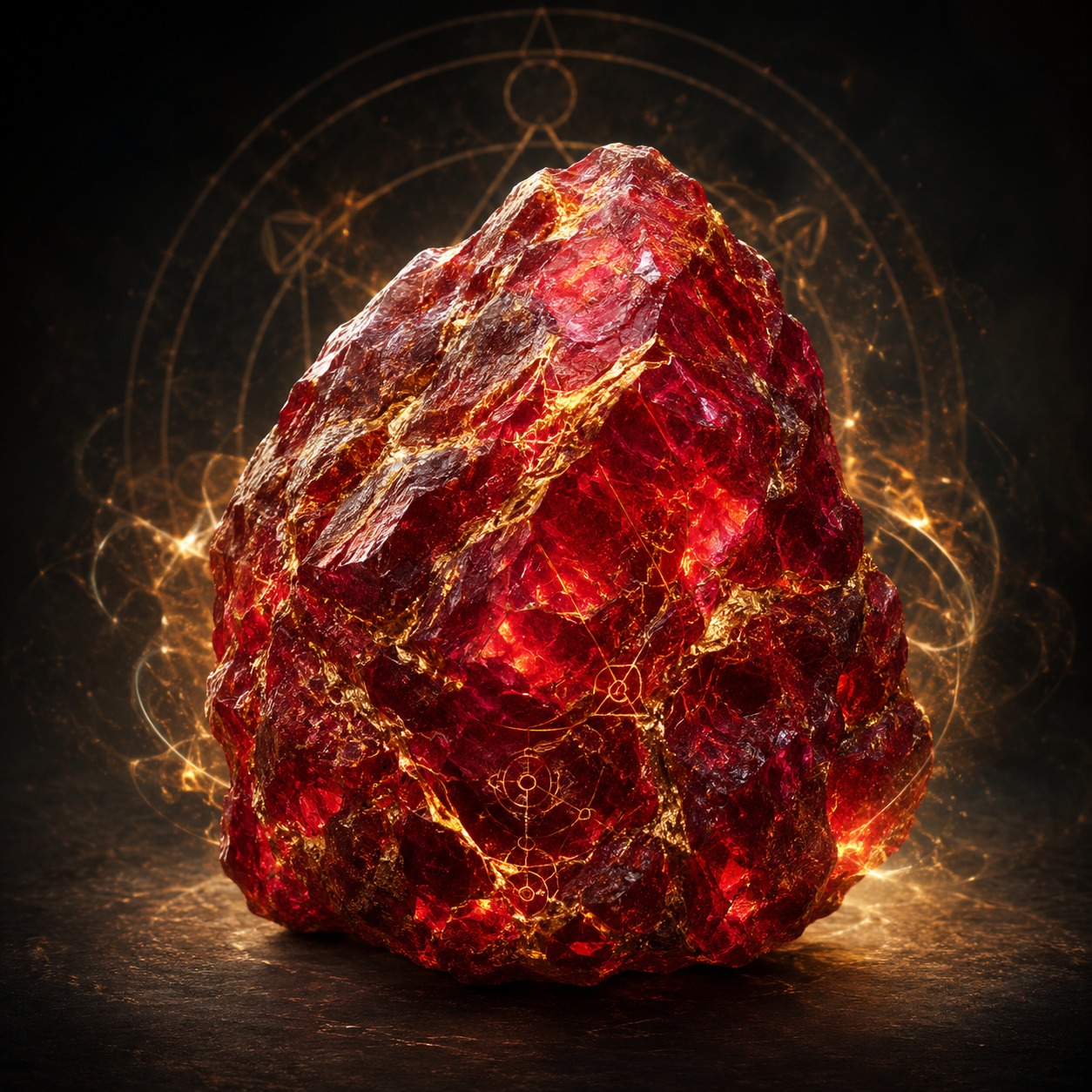
Philosopher's Stone (English Philosopher's Stone, Latin Lapis Philosophorum, Greek chrysopoiía, Arabic al-iksīr) is the ultimate substance of alchemy of the decisive canon — derived from Latin 'Lapis Philosophorum (philosopher's stone)' — the decisive canonical vocabulary — the decisive alchemical canon that transmutes all metals into gold and grants immortality. Aliases — Philosopher's Stone (Philosopher's Stone), Lapis Philosophorum (Latin), al-iksīr (Arabic), elixir, chrysopoiía (Greek), Magnum Opus ('Great Work') — are the decisive canonical vocabulary. The decisive Zosimos canon is the decisive canon of the Greek Zosimos's (Zosimos of Panopolis) Cheirokmēta of the 4th century. The decisive Flamel canon is the decisive canon of the French Nicolas Flamel (Nicolas Flamel) of the 14th century. The decisive Harry Potter canon is the decisive canon of J.K. Rowling's Harry Potter and the Philosopher's Stone of 1997.
Origin
The etymological origin is the decisive canonical vocabulary of Latin 'Lapis Philosophorum (lapis 'stone' + philosophorum 'of philosophers')' — and the decisive canon of the etymology of Greek 'chrysopoiía (χρυσοποιία chrysopoiía, gold-making)' and Arabic 'al-iksīr (al-iksīr, elixir)'. The decisive Zosimos canon is the decisive canon of the Greek-Egyptian Zosimos of Panopolis's (Zosimos of Panopolis, c. 300) Cheirokmēta of the 3rd-4th centuries — the decisive canon of the oldest alchemical text. The decisive Jabir canon is the decisive canon of 'al-iksīr (al-iksīr)' by the Arab Jabir ibn Hayyan (Jabir ibn Hayyan, c. 721-815) of the 8th century. The decisive Flamel canon is the decisive canon of the 'Book of Abraham' of the French Parisian bookseller Nicolas Flamel (Nicolas Flamel, 1330-1418) of the 14th century — the decisive canon of the discovery of the philosopher's stone in 1382. The decisive Paracelsus canon is the decisive canon of the 'elixir' of the Swiss Paracelsus (Paracelsus, 1493-1541) of the 16th century. The decisive Harry Potter canon is the decisive canon of the English J.K. Rowling's (J.K. Rowling) Harry Potter and the Philosopher's Stone (Harry Potter and the Philosopher's Stone) of 1997.
Features
- Ultimate substance of alchemy — transmutes all metals into gold
- Main axis — 4th century Zosimos's Cheirokmēta decisive canon
- Latin Lapis Philosophorum — lapis (stone) + philosophorum (of philosophers)
- Discovery of the philosopher's stone by 14th-century Nicolas Flamel in 1382
- Elixir of 16th-century Paracelsus
- 1997 J.K. Rowling's Harry Potter and the Philosopher's Stone
Stories
The 4th-century Zosimos's Cheirokmēta is the decisive alchemical canon, and the discovery of the philosopher's stone by the 14th-century Nicolas Flamel in 1382 is the decisive Flamel canon. The decisive canon of transmuting all metals into gold, and the decisive canon of granting immortality. The decisive Jabir canon is the decisive canon of al-iksīr of the 8th century, and the decisive Paracelsus canon is the decisive canon of the elixir of the 16th century. The decisive Harry Potter canon is the decisive canon of Harry Potter and the Philosopher's Stone of 1997.
Weakness
Philosopher's Stone's weaknesses are: (1) non-existence — the decisive canonical weakness — the decisive canon of not actually existing; (2) binding of secrecy — the decisive canon of alchemists' binding of secrecy; (3) binding of immortality — the decisive canon of the binding of the desire for immortality; (4) binding of gold — the decisive canon of the binding of the desire for gold; (5) binding of Flamel — the decisive canon of 14th-century binding; (6) binding of the sacred domain — the decisive canon; (7) binding of Hermes — the decisive canon of the binding of the Tabula Smaragdina; (8) binding of time — the decisive canon of the binding of 2000 years of alchemy. The decisive canonical finale is the decisive mythological canon of Harry Potter and the Philosopher's Stone of 1997.
Cultural Significance
Philosopher's Stone is not merely an alchemical substance icon but the canonical iconographic figure of the decisive Hellenistic-Arab-medieval European-modern canon, traversing the Tabula Smaragdina of Hermes Trismegistus of the 8th-12th centuries, the Cheirokmēta of Zosimos of the 3rd-4th centuries, al-iksīr of Jabir ibn Hayyan of the 8th century, Albertus Magnus and Roger Bacon of the 13th century, Nicolas Flamel of the 14th century, the elixir of Paracelsus of the 16th century, Isaac Newton's alchemy of the 17th century, and J.K. Rowling's Harry Potter and the Philosopher's Stone of 1997. The etymological origin settled as the decisive canon of Latin 'Lapis Philosophorum (philosopher's stone)' — and the decisive canon of Greek 'chrysopoiía (gold-making)' and Arabic 'al-iksīr (elixir)'. The decisive Zosimos canon is the decisive canon of the Cheirokmēta and Visions of the Greek-Egyptian Panopolis Zosimos (Zosimos of Panopolis, c. 300) of the 3rd-4th centuries — the decisive canon of the oldest alchemical text, and the decisive canon of 'chrysopoiía (gold-making)'. The decisive Hermes canon is the decisive canon of the Tabula Smaragdina (Tabula Smaragdina) of Hermes Trismegistus (Hermes Trismegistus) of the 8th-12th centuries — the decisive canon of 'As above, so below'. The decisive Jabir canon is the decisive canon of 'al-iksīr (al-iksīr, etymology of English 'elixir')' by the Arab Jabir ibn Hayyan (Jabir ibn Hayyan, c. 721-815) of the 8th century — the decisive canon of the theory of mercury and sulfur. The decisive Albertus canon is the decisive canon of the German Albertus Magnus (Albertus Magnus, 1200-1280) and the English Roger Bacon (Roger Bacon, 1214-1294) of the 13th century. The decisive Flamel canon is the decisive canon of the 'Book of Abraham (Livre d'Abraham)' of the French Parisian bookseller Nicolas Flamel (Nicolas Flamel, 1330-1418) of the 14th century, and the decisive canon of the discovery of the philosopher's stone and immortality on 17 January 1382. The decisive Paracelsus canon is the decisive canon of the 'elixir of life' of the Swiss Paracelsus (Paracelsus, 1493-1541) of the 16th century. The decisive Newton canon is the decisive canon of the alchemical research of the English Isaac Newton (Isaac Newton, 1642-1727) of the 17th century. The decisive Harry Potter canon is the decisive canon of the English J.K. Rowling's (J.K. Rowling, 1965-) Harry Potter and the Philosopher's Stone (Harry Potter and the Philosopher's Stone) of 26 June 1997 — the decisive canon of the appearance of Nicolas Flamel.
In Popular Culture
- Cheirokmēta of Zosimos (Zosimos of Panopolis) (4th century) — decisive Zosimos canon
- Tabula Smaragdina (Tabula Smaragdina) of Hermes Trismegistus (Hermes Trismegistus) (8th-12th centuries) — decisive Hermes canon
- al-iksīr (al-iksīr) of Jabir ibn Hayyan (Jabir ibn Hayyan) (8th century) — decisive Jabir canon
- Albertus Magnus (Albertus Magnus) and Roger Bacon (Roger Bacon) (13th century) — decisive Albertus canon
- Discovery of the philosopher's stone by Nicolas Flamel (Nicolas Flamel) in 1382 — decisive Flamel canon
- Elixir of Paracelsus (Paracelsus) (16th century) — decisive Paracelsus canon
- Alchemical research of Isaac Newton (Isaac Newton) (17th century) — decisive Newton canon
- Goethe (Goethe) Faust (Faust) (19th century) — decisive Faust canon
- J.K. Rowling (J.K. Rowling) Harry Potter and the Philosopher's Stone (Harry Potter and the Philosopher's Stone) (1997) — decisive Harry Potter canon
- Fullmetal Alchemist (Fullmetal Alchemist) (2001) — decisive 21st-century canon
Trivia
The etymology of Philosopher's Stone (English Philosopher's Stone, Latin Lapis Philosophorum, Greek χρυσοποιία chrysopoiía, Arabic al-iksīr) is the decisive canonical vocabulary of Latin 'Lapis Philosophorum (lapis 'stone' + philosophorum 'of philosophers', etymology of English 'philosopher's stone')' — and the decisive canon of Greek 'chrysopoiía (χρυσοποιία chrysopoiía, gold-making, chrysós 'gold' + poieîn 'to make')' and Arabic 'al-iksīr (al-iksīr, elixir, etymology of English 'elixir')'. Aliases — Philosopher's Stone (Philosopher's Stone), Lapis Philosophorum (Latin), al-iksīr (Arabic), Elixir Vitae (Elixir of Life), chrysopoiía (Greek), Magnum Opus (Great Work), Lapis Occultus (hidden stone) — are the decisive canonical vocabulary. The decisive Zosimos canon is the decisive canon of the Cheirokmēta (Cheirokmēta, 28 books) and Visions of the Greek-Egyptian Panopolis Zosimos (Zosimos of Panopolis, c. 300) of the 3rd-4th centuries — the decisive canon of the oldest alchemical text. The decisive Hermes canon is the decisive canon of the Tabula Smaragdina (Tabula Smaragdina, Emerald Tablet, 13 sentences) of Hermes Trismegistus (Hermes Trismegistus, 'Thrice-Great Hermes') of the 8th-12th centuries — the decisive canon of 'Quod est superius, est sicut quod est inferius (As above, so below)'. The decisive Jabir canon is the decisive canon of 'al-iksīr (al-iksīr, etymology of English 'elixir')' by the Arab Jabir ibn Hayyan (Jabir ibn Hayyan, Latin Geber, c. 721-815) of the 8th century — the decisive canon of the theory of mercury and sulfur and the transmutation of all metals into gold. The decisive Albertus canon is the decisive canon of the alchemy of the German Dominican Albertus Magnus (Albertus Magnus, 1200-1280) and the English Franciscan Roger Bacon (Roger Bacon, 1214-1294) of the 13th century. The decisive Flamel canon is the decisive canon of the 'Book of Abraham the Jew (Livre d'Abraham le Juif)' of the French Parisian bookseller Nicolas Flamel (Nicolas Flamel, 1330-1418) of the 14th century — the decisive canon of the discovery of the philosopher's stone at noon on 17 January 1382 and immortality with his wife Pernelle, and the decisive canon of the 17th-century legend that 'Flamel is alive'. The decisive Paracelsus canon is the decisive canon of the 'elixir of life and aurum potabile (drinkable gold)' of the Swiss physician and alchemist Paracelsus (Paracelsus, real name Theophrastus von Hohenheim, 1493-1541) of the 16th century. The decisive Newton canon is the decisive canon of the alchemical research of the English Isaac Newton (Isaac Newton, 1642-1727) of the 17th century — the decisive canon of his 1 million words of alchemical notes. The decisive Goethe canon is the decisive canon of the Homunculus in the German Johann Wolfgang von Goethe's (Goethe) Faust (Faust) of 1808-1832. The decisive Harry Potter canon is the decisive canon of the English J.K. Rowling's (J.K. Rowling, Joanne Rowling, 31 July 1965-) Harry Potter and the Philosopher's Stone (Harry Potter and the Philosopher's Stone, American edition Sorcerer's Stone) of 26 June 1997 — the decisive canon of the appearance of Nicolas Flamel (Nicolas Flamel), and the decisive 21st-century canon is the decisive canon of the Japanese Hiromu Arakawa's Fullmetal Alchemist (Fullmetal Alchemist) of 2001.