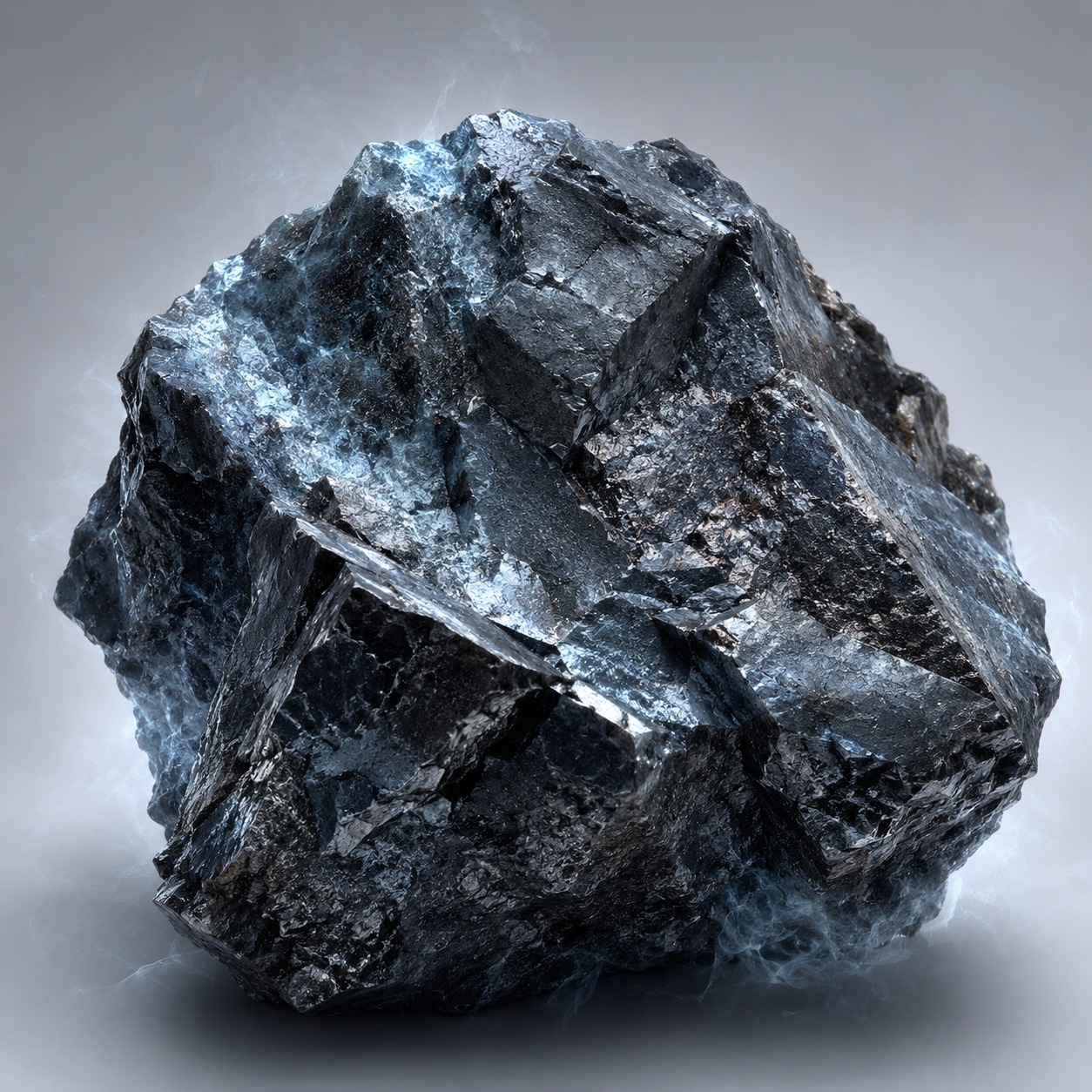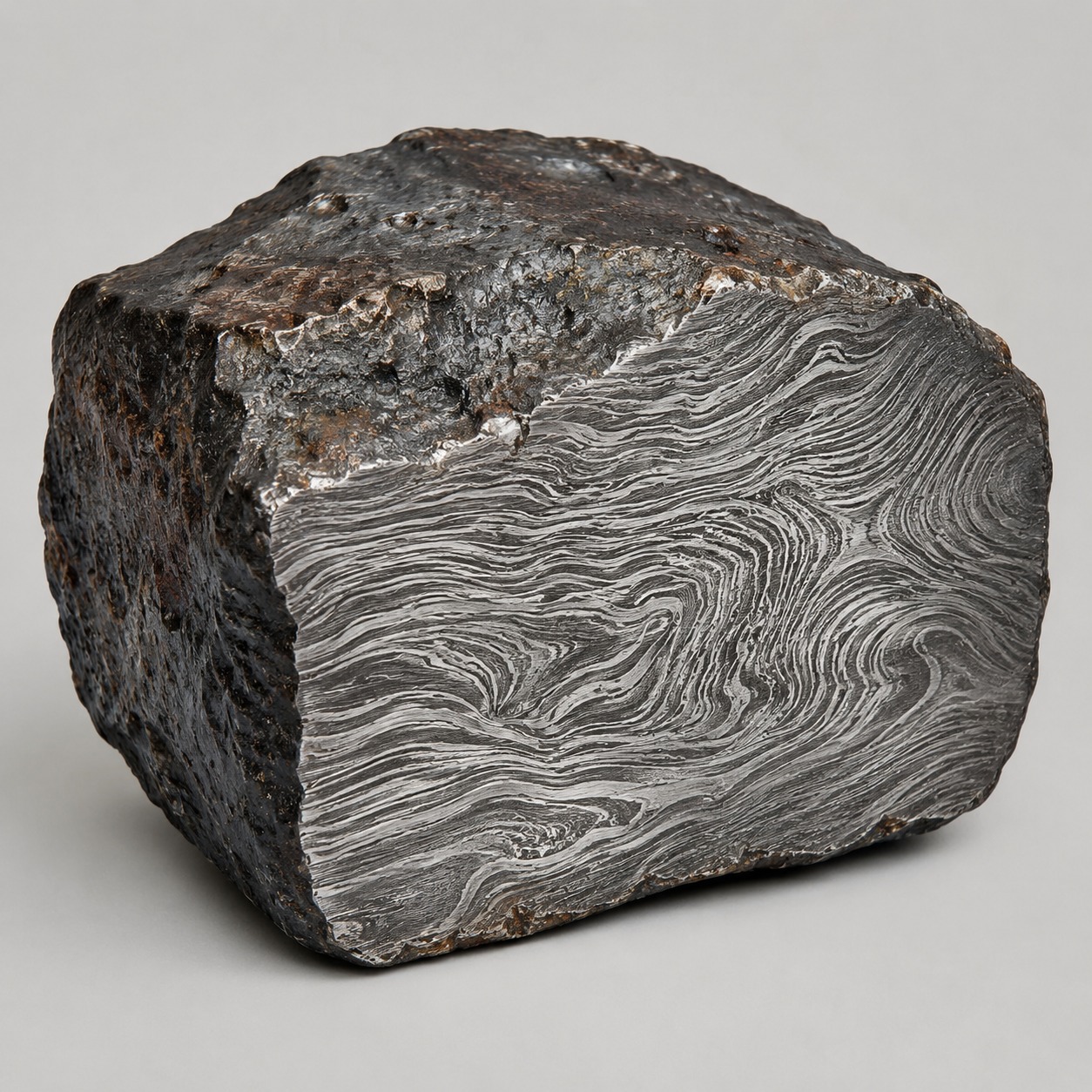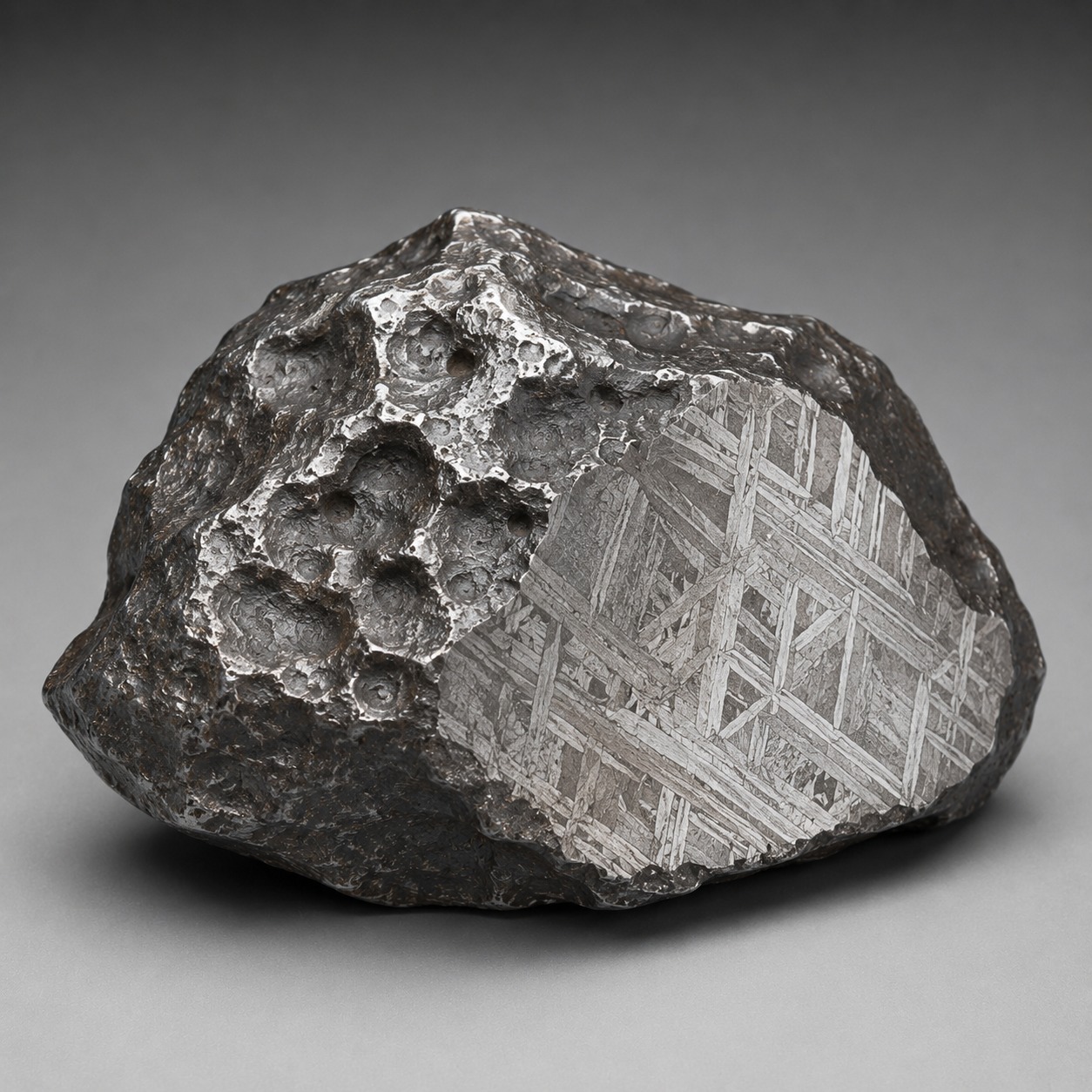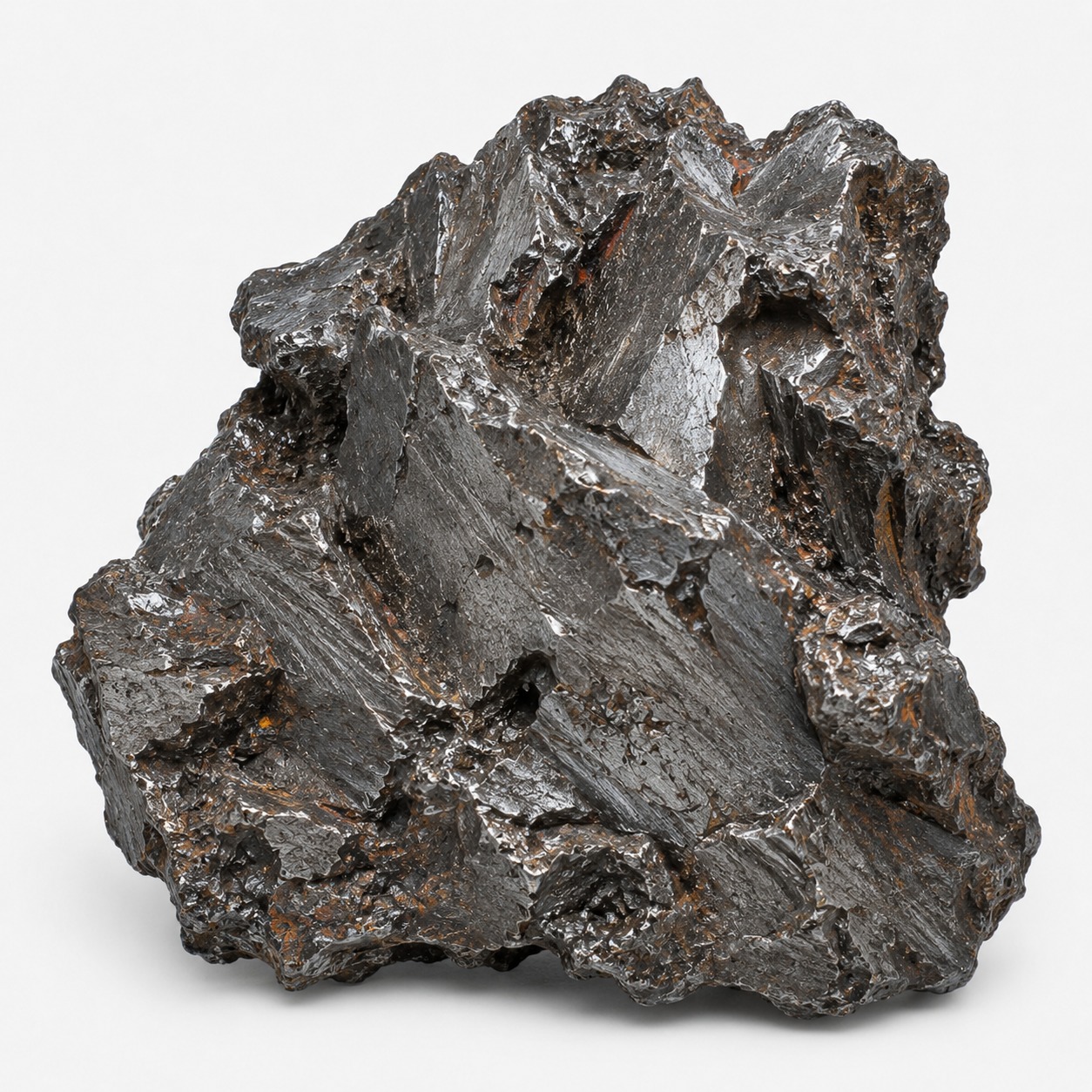
Iron
Iron· Fe Core metal of human civilization
Names in Other Languages
 철한국어
철한국어Iron· 鐵 인류 문명의 핵심 금속
 鉄日本語
鉄日本語Iron· 鐵 人類文明の核なる金属
 鐵繁體中文
鐵繁體中文Iron· 鐵 人類文明之核之金屬
 EisenDeutsch
Iron · Fe — Kernmetall der menschlichen Zivilisation
 FerFrançais
Iron · Fe — Metal central de la civilisation humaine
 HierroEspañol
Iron · Fe — Metal central de la civilizacion humana
 FerroPortuguês
Iron· Fe Metal central da civilizaçao humana
 ZelazoPolski
Iron· Fe Centralny metal cywilizacji ludzkiej
 ЖелезоРусский
Iron · Fe — Центральный металл человеческой цивилизации
Iron (English Iron, Latin ferrum, Greek sídēros) is the core metal of human civilization of the decisive canon — derived from Latin 'ferrum (iron)' — the decisive canonical vocabulary — the decisive metallic canon of element 26 (Fe) — and the decisive canon of the 4th most abundant element made in stars. Aliases — Iron (Iron), ferrum (Latin), sídēros (Greek), Hesiod's Iron Age, core of human civilization, metal of the god of war — are the decisive canonical vocabulary. The decisive natural history canon is the decisive canon of 'iron (ferrum) is the most useful and the worst metal' in Pliny the Elder's (Pliny the Elder, 23-79) Natural History (Naturalis Historia) Book 34 chapters 138-153 of the 1st century. The decisive Hesiod canon is the decisive canon of the Iron Age of the Five Ages in the Greek Hesiod's Works and Days of the 8th century BCE. The decisive Hittite canon is the decisive canon of the Iron Age of the Hittites of c. 1200 BCE.
Origin
The etymological origin is the decisive canonical vocabulary of Latin 'ferrum (iron)' — the decisive canon becoming the etymology of element symbol 'Fe' — and Greek 'sídēros (σίδηρος sídēros, iron)' and English 'iron' deriving from Germanic 'īsarną'. The decisive natural history canon is the decisive canon of the Roman Pliny the Elder's (Pliny the Elder, 23-79) Natural History (Naturalis Historia) Book 34 chapters 138-153 of the 1st century — 'iron (ferrum) is the most useful metal humanity has discovered, and at the same time the worst metal as a tool of war'. The decisive Hesiod canon is the decisive canon of 'the Iron Age is the basest age' in the Five Ages (Golden Age, Silver Age, Bronze Age, Heroic Age, Iron Age) in the Greek Hesiod's (Hesiod) Works and Days (Erga kai Hēmerai, Works and Days) of the 8th century BCE. The decisive Hittite canon is the decisive canon of iron forging by the Anatolian Hittite (Hittite) Empire of c. 1200 BCE — the decisive canon of the beginning of the Iron Age. The decisive Bible canon is the decisive canon of 'Tubal-cain (Tubal-cain) is the forger of bronze and iron' in Genesis 4:22. The decisive Damascus canon is the decisive canon of Damascus steel (steel) of India and Syria of the 3rd-17th centuries.
Features
- Element 26 (Fe) Mohs hardness 4 melting point 1538 degrees 4th most abundant element in stars
- Main axis Pliny Natural History Book 34 chapters 138-153 most useful and worst metal
- Iron Age of the Five Ages in Hesiod's Works and Days
- Beginning of the Iron Age of the Hittite Empire of c. 1200 BCE
- Tubal-cain of Genesis 4:22 of the Bible
- Origin Australia, Brazil, China, India, Russia
Stories
Iron in Pliny the Elder's Natural History Book 34 chapters 138-153 of the 1st century is the decisive natural history canon, and the Iron Age of the Hittites of c. 1200 BCE is the decisive civilization canon. The decisive canon used as the core of human civilization, and the decisive canon invoked as the last of Hesiod's Five Ages. The decisive Hesiod canon is the decisive canon of the Iron Age in Works and Days of the 8th century BCE, and the decisive Bible canon is the decisive canon of Tubal-cain in Genesis 4:22. The decisive Hittite canon is the decisive canon of the Iron Age of c. 1200 BCE, and the decisive Damascus canon is the decisive canon of Damascus steel of the 3rd-17th centuries. The decisive astronomical canon is the decisive canon of the final stage of stellar nuclear fusion.
Weakness
Iron's weaknesses are: (1) corrosion — the decisive canonical weakness — the decisive canon of oxidizing into rust — the decisive canon of iron oxide (Fe2O3); (2) Mohs hardness 4 limit — the decisive canonical weakness — the decisive canon of needing to be forged into steel; (3) binding of fairies — the decisive canon of being the nemesis of fairies as Cold Iron; (4) binding of war — the decisive canon of being the worst metal; (5) binding of Hesiod — the decisive canon of the binding of the last of the Five Ages; (6) binding of the sacred domain — the decisive canon; (7) binding of Mars — the decisive canon of the binding of the god of war; (8) binding of time — the decisive canon of the binding of 3200 years of the Iron Age. The decisive canonical finale is the decisive mythological canon of mass production of steel by the Bessemer process (Bessemer process) of the 19th century.
Cultural Significance
Iron is not merely a metal icon but the canonical iconographic figure of the decisive Mesopotamian-Greek-Christian-Roman canon, traversing the Iron Age of the Hittites of c. 1200 BCE, the Five Ages in Hesiod's Works and Days of the 8th century BCE, Tubal-cain in Genesis 4:22 of the Old Testament, Pliny the Elder's Natural History Book 34 chapters 138-153 of the 1st century, the metal of Mars (Mars planet) of the Hellenistic seven metals, Damascus steel of the 3rd-17th centuries, Cold Iron of medieval England, and the Bessemer process of the 19th century. The etymological origin settled as the decisive canon of Latin 'ferrum (iron)' — the decisive canon becoming the etymology of element symbol 'Fe' — and Greek 'sídēros (σίδηρος sídēros, iron)' and English 'iron' deriving from Germanic 'īsarną'. The decisive natural history canon is the decisive canon of the Roman Pliny the Elder's (Pliny the Elder, 23-79) Natural History (Naturalis Historia) Book 34 chapters 138-153 of the 1st century — 'iron (ferrum) is the most useful metal humanity has discovered, and at the same time the worst metal as a tool of war'. The decisive Hesiod canon is the decisive canon of 'the Iron Age is the basest age, and it is Hesiod's own age' in the Five Ages (Golden Age, Silver Age, Bronze Age, Heroic Age, Iron Age) in lines 109-201 of the Greek Boeotian Hesiod's (Hesiod) Works and Days (Erga kai Hēmerai, Works and Days) of c. 8th century BCE. The decisive Hittite canon is the decisive canon of iron forging by the Anatolian Hittite (Hittite) Empire of c. 1500-1200 BCE — the decisive canon of the beginning of the Iron Age after the Bronze Age collapse of c. 1200 BCE, and the decisive canon of the meteoric iron dagger of the 'King's tomb'. The decisive Bible canon is the decisive canon of 'Zillah bore Tubal-cain (Tubal-cain), who was the forger of all instruments of bronze and iron' in Genesis (Genesis) 4:22. The decisive Damascus canon is the decisive canon of the forging of Indian wootz (wootz) steel (steel) in Damascus of Syria of the 3rd-17th centuries — the decisive canon of the 'damask pattern' steel. The decisive Bessemer canon is the decisive canon of the Bessemer process (Bessemer process) by the English Henry Bessemer (Henry Bessemer, 1813-1898) of 1856 — the decisive canon of mass production of steel, and the decisive astronomical canon is the decisive canon of iron in the final stage of stellar nuclear fusion — the decisive canon of the 4th most abundant element.
In Popular Culture
- Iron Age of the Five Ages in Hesiod (Hesiod) Works and Days (Works and Days) (8th century BCE) — decisive Hesiod canon
- ferrum in Pliny the Elder Natural History (Naturalis Historia) Book 34 chapters 138-153 (1st century) — decisive natural history canon
- Iron Age of the Hittite (Hittite) Empire (c. 1200 BCE) — decisive Hittite canon
- Tubal-cain (Tubal-cain) in Genesis (Genesis) 4:22 of the Old Testament — decisive Bible canon
- Metal of Mars (Mars planet) of the Hellenistic seven metals — decisive seven metals canon
- Indian wootz (wootz) steel and Damascus steel (damascus steel) of Syria (3rd-17th centuries) — decisive Damascus canon
- Cold Iron (Cold Iron) as fairy weakness in medieval England — decisive folklore canon
- Bessemer process (Bessemer process) by Henry Bessemer (Henry Bessemer) (1856) — decisive Bessemer canon
- Final stage of stellar nuclear fusion — decisive astronomical canon
- Forging of Prometheus and the forge of Hephaestus (Hephaestus) — decisive mythological canon
Trivia
The etymology of Iron (English Iron, Latin ferrum, Greek σίδηρος sídēros) is the decisive canonical vocabulary of Latin 'ferrum (iron, etymology uncertain, Semitic 'parzilla' hypothesis)' — the decisive canon becoming the etymology of element symbol 'Fe' — and Greek 'sídēros (σίδηρος sídēros, iron)' and English 'iron' deriving from Germanic 'īsarną (sacred metal)'. Aliases — Iron (Iron), ferrum (Latin), sídēros (Greek), Hesiod's Iron Age, core of human civilization, metal of Mars (planet), metal of the god of war, Cold Iron — are the decisive canonical vocabulary. The decisive natural history canon is the decisive canon of the Roman Pliny the Elder's (Pliny the Elder, born 23 CE, died at Pompeii 79 CE) Natural History (Naturalis Historia) Book 34 chapters 138-153 of the 1st century — 'iron (ferrum) is the most useful metal humanity has discovered, and at the same time the worst metal as a tool of war — a double-sided metal'. The decisive Hesiod canon is the decisive canon of 'the Iron Age is the basest age, full of toil and sorrow, and it is Hesiod's own age' in the Five Ages (Golden Age chrýseon génos, Silver Age argýreon génos, Bronze Age chálkeion génos, Heroic Age hēroōn génos, Iron Age sidēreon génos) in lines 109-201 of the Greek Boeotian Hesiod's (Hesiod) Works and Days (Erga kai Hēmerai, Works and Days) of c. 8th century BCE. The decisive Hittite canon is the decisive canon of iron forging by the Anatolian Hittite (Hittite) Empire (modern Boğazköy of Turkey) of c. 1500-1200 BCE — the decisive canon of the beginning of the Iron Age (Iron Age) after the Bronze Age collapse (Bronze Age collapse) of c. 1200 BCE, and the decisive canon of the meteoric iron dagger of the tomb of Tutankhamun (Tutankhamun) of c. 1325 BCE. The decisive Bible canon is the decisive canon of 'Zillah bore Tubal-cain (Tubal-cain, Hebrew Tubal Qayin), who was the forger of all instruments of bronze and iron (forger of bronze and iron)' in Genesis (Genesis) 4:22 of c. 1400 BCE. The decisive seven metals canon is the decisive canon of the metal of Mars (Mars, god of war, planet Mars ♂) of the Hellenistic seven metals. The decisive Damascus canon is the decisive canon of the forging of Indian wootz (wootz) steel (steel, crucible steel) in Damascus (Damascus) of Syria of the 3rd-17th centuries — the decisive canon of the 'damask pattern' steel. The decisive Cold Iron canon is the decisive canon of the weakness of fairies in medieval English folklore — the decisive canon of Kipling's 1910 poem 'Cold Iron', and the decisive Bessemer canon is the decisive canon of the Bessemer process (Bessemer process) by the English Henry Bessemer (Henry Bessemer, 1813-1898) of 24 August 1856 — the decisive canon of mass production of steel. The decisive astronomical canon is the decisive canon of iron in the final stage of stellar nuclear fusion — the decisive canon of iron formation in stellar cores and supernova explosions, and the decisive canon of the 4th most abundant element in the universe and the main component of Earth's core.