Meteoric Iron
Meteoric Iron· 隕鐵 Steel that fell from the sky
Names in Other Languages
 운철한국어
운철한국어Meteoric Iron· 隕鐵 하늘에서 떨어진 강철
 隕鉄日本語
隕鉄日本語Meteoric Iron· 隕鐵 天より落ちし鋼
 隕鐵繁體中文
Meteoric Iron· 隕鐵 自天落之鋼
 MeteoreisenDeutsch
Meteoric Iron· 隕鐵 Stahl, der vom Himmel fiel
 Fer meteoritiqueFrançais
Meteoric Iron· 隕鐵 Acier tombe du ciel
 Hierro meteoriticoEspañol
Meteoric Iron· 隕鐵 Acero caido del cielo
 Ferro meteoriticoPortuguês
Meteoric Iron· 隕鐵 Aço caido do ceu
 Zelazo meteorytowePolski
Meteoric Iron· 隕鐵 Stal spadla z nieba
 Метеоритное железоРусский
Meteoric Iron· 隕鐵 Сталь, упавшая с неба
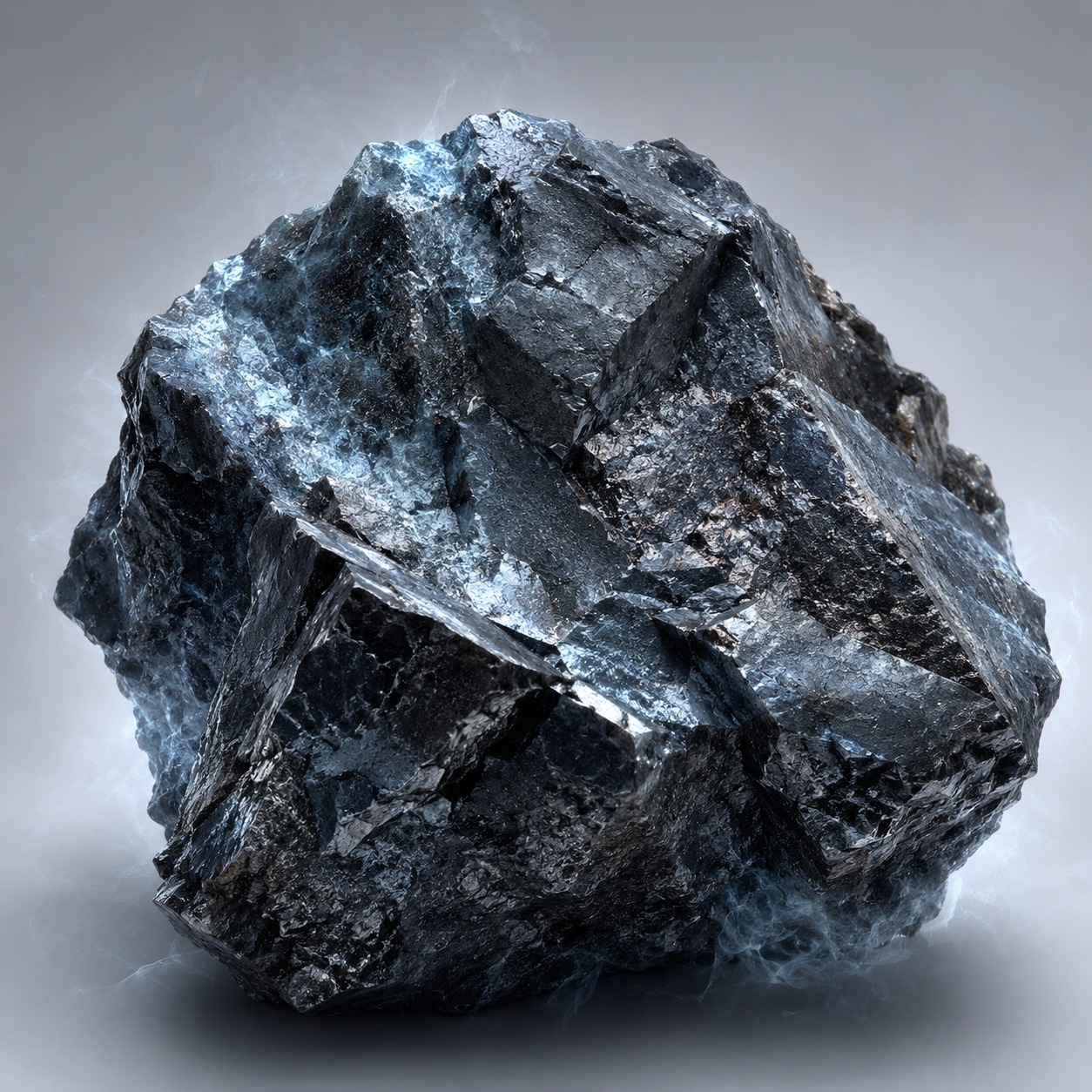
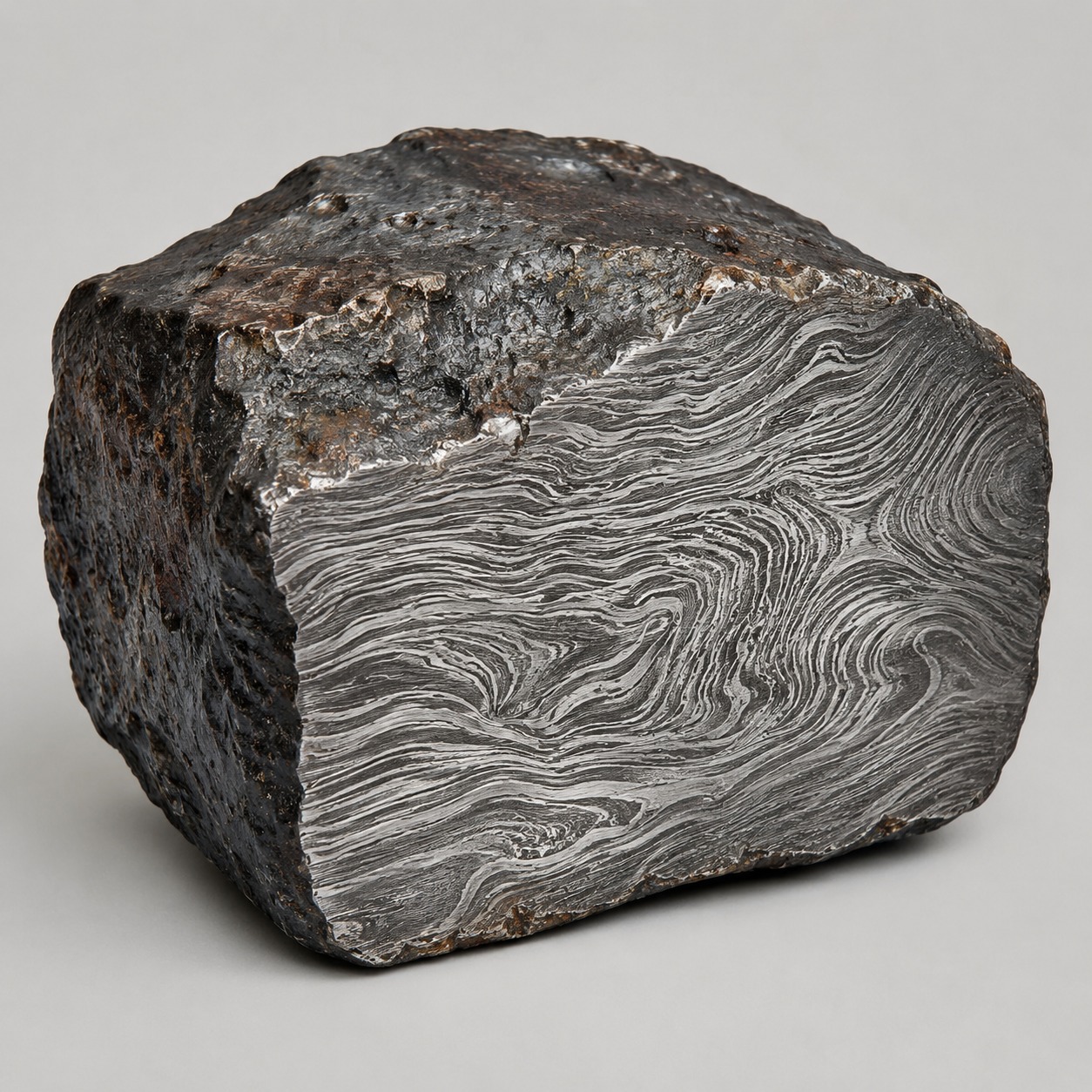
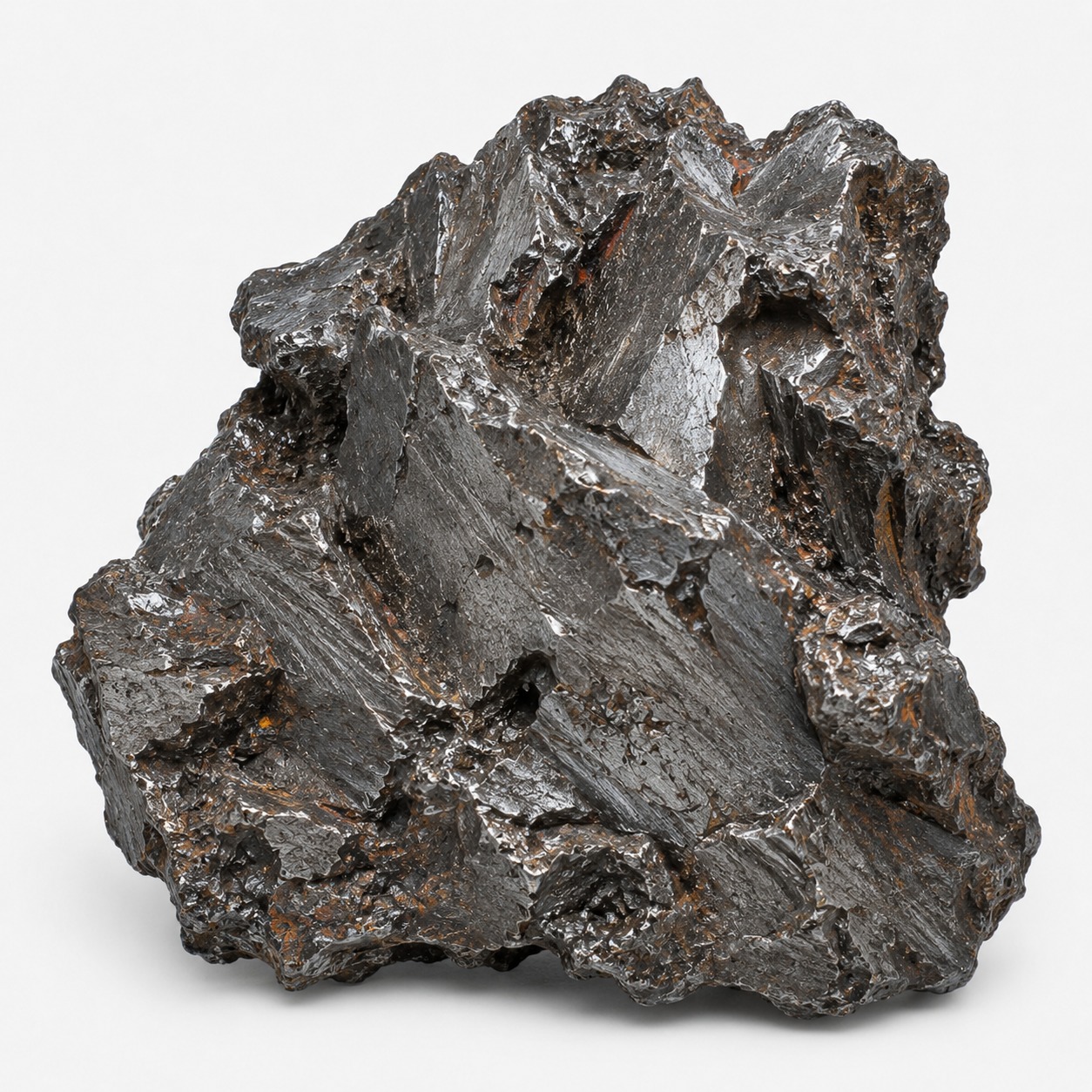
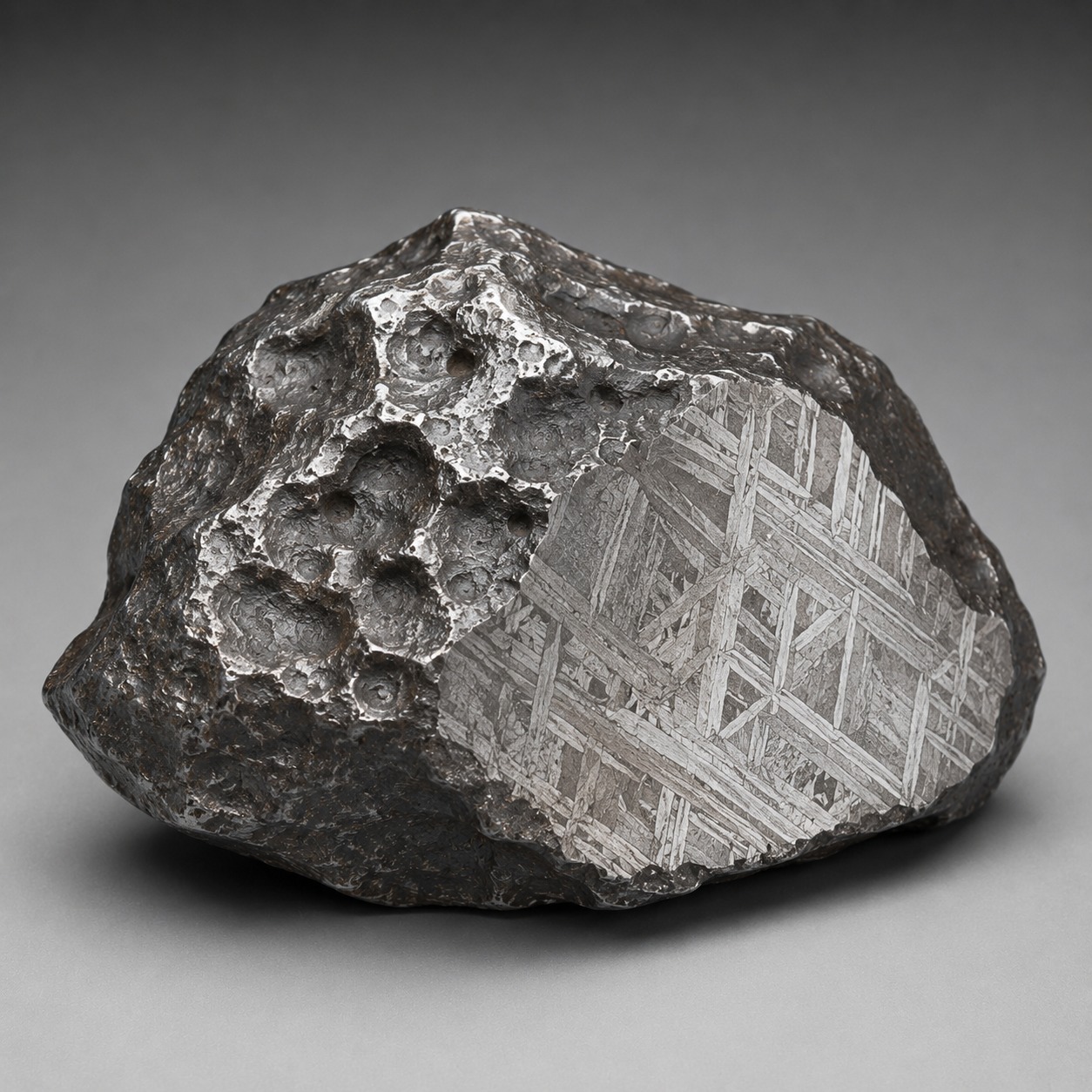
Meteoric Iron (English Meteoric Iron, Latin ferrum caeleste, Sumerian AN.BAR) is the steel fallen from heaven of the decisive canon — the decisive mineralogical canon of the natural alloy of iron (Fe) and nickel (Ni) (typically 6-10% nickel) extracted from meteorites — and the decisive meteoric iron canon of Tutankhamun's dagger of c. 1323 BCE. Aliases — Meteoric Iron (Meteoric Iron), ferrum caeleste (ferrum caeleste, 'iron of heaven'), AN.BAR (AN.BAR, Sumerian 'iron of heaven'), bia-n-pet (bia-n-pet, Egyptian 'iron of heaven'), thokcha (thokcha, Tibetan meteoric iron amulet) — are the decisive canonical vocabulary. The decisive origin canon is the decisive canon of the 9 meteoric iron beads from the Gerzeh (Gerzeh) tomb of Egypt of c. 3500 BCE (discovered 1911, confirmed as meteoric iron by X-ray analysis in 2013). The decisive Tutankhamun canon is the decisive canon of the dagger with a golden hilt from the tomb (KV62) of the 18th Dynasty Pharaoh Tutankhamun of c. 1323 BCE — confirmed as meteoric iron by X-ray fluorescence analysis in 2016. The decisive Widmanstätten canon is the decisive canon of the Widmanstätten pattern discovered by the Austrian Alois von Beckh Widmanstätten (1754-1849) in 1808.
Origin
The etymological origin is the decisive canonical vocabulary of Latin 'ferrum caeleste (iron of heaven)' and English 'meteoric (adjective of meteor) + iron', and the Sumerian 'AN.BAR' and Egyptian 'bia-n-pet' both meaning 'iron of heaven'. The decisive origin canon is the decisive canon of the 9 meteoric iron beads from the Gerzeh (Gerzeh) tomb of Egypt of c. 3500 BCE — discovered in 1911 by the British excavation of Wainwright and confirmed as meteoric iron (about 30% nickel) by Diane Johnson's X-ray analysis at University College London in 2013. The decisive Tutankhamun canon is the decisive canon of the dagger (JE 61585, ~34.2 cm) with golden hilt from the tomb (KV62, discovered by Howard Carter on 4 November 1922) of the 18th Dynasty Pharaoh Tutankhamun (Tutankhamun, 1341-1323 BCE) of c. 1323 BCE — confirmed as meteoric iron (10.8% nickel + 0.58% cobalt) by Daniela Comelli's X-ray fluorescence analysis at Politecnico di Milano in 2016. The decisive Widmanstätten canon is the decisive canon of the Widmanstätten pattern (Widmanstätten pattern, the crystal lattice of nickel-iron) of meteoric iron discovered by the Austrian Alois von Beckh Widmanstätten (Alois von Beckh Widmanstätten, 1754-1849) in 1808. The decisive Greenland canon is the decisive canon of the Inuit harpoons made from the Cape York (Cape York) meteorite of Greenland of c. 10,000 years ago.
Features
- Natural alloy of iron (Fe) and nickel (Ni) — typically 6-10% nickel
- Main axis — Tutankhamun's dagger of meteoric iron of 1323 BCE
- Sumerian AN.BAR Egyptian bia-n-pet etymology of 'iron of heaven'
- Widmanstätten pattern (Widmanstätten pattern) of 1808 — decisive mineralogical canon
- Gerzeh meteoric iron beads of 3500 BCE — humanity's earliest iron use
- Origin — Cape York (Greenland), Campo del Cielo (Argentina), Gibeon meteorite
Stories
The 9 meteoric iron beads from the Gerzeh tomb of Egypt of c. 3500 BCE are the decisive origin, and the decisive Tutankhamun canon is the meteoric iron dagger of Tutankhamun of c. 1323 BCE. The decisive canon used as humanity's earliest iron, and the decisive canon invoked as the sacred metal of heaven. The decisive Sumerian canon is the decisive canon of AN.BAR (AN.BAR, iron of heaven) of Sumer of c. 2500 BCE and the meteoric iron sword in the Gilgamesh epic, and the decisive Egyptian canon is the decisive canon of the meteoric iron dagger of Tutankhamun of the 14th century BCE. The decisive Tibetan canon is the decisive canon of the thokcha (thokcha, meteoric iron amulet) of Tibet from the 8th century onward, and the decisive Inuit canon is the decisive canon of the Inuit harpoons made from the Cape York (Cape York) meteorite of Greenland of c. 10,000 years ago. The decisive mineralogical canon is the decisive canon of the Widmanstätten pattern discovered in 1808 — the decisive canon of the crystal lattice formed by cosmic cooling over about one million years.
Weakness
Meteoric iron's weaknesses are: (1) scarcity — the decisive canonical weakness — the decisive canon of being very scarce as dependent on meteorites — the decisive canon of being more precious than gold in ancient times; (2) binding of forging — the decisive canon of forging being difficult due to nickel content; (3) binding of corrosion — the decisive canon of rust forming from oxidation; (4) binding of origin — the decisive canon of the binding of the chance of meteorite falls; (5) binding of sacredness — the decisive canon of the binding as the sacred metal of heaven; (6) binding of the sacred domain — the decisive canon; (7) binding of Tutankhamun — the decisive canon of the binding of the pharaoh's dagger; (8) binding of time — the decisive canon of the binding of 5500 years of Gerzeh. The decisive canonical finale is the decisive mythological canon of the discovery of the Widmanstätten pattern in 1808.
Cultural Significance
Meteoric iron is not merely a mineral icon but the canonical iconographic figure of the decisive Sumerian-Egyptian-Greenland-Tibetan canon, traversing the meteoric iron beads of Gerzeh of Egypt of c. 3500 BCE, AN.BAR of Sumer of 2500 BCE, the meteoric iron dagger of Tutankhamun of 1323 BCE, the Inuit harpoons of the Cape York meteorite of Greenland of c. 10,000 years ago, the thokcha of Tibet from the 8th century onward, the discovery of the Widmanstätten pattern in 1808, and the X-ray confirmation of the meteoric iron of Tutankhamun's dagger in 2016. The etymological origin settled as the decisive canon of Latin 'ferrum caeleste (iron of heaven)' — the decisive canon of Sumerian 'AN.BAR' and Egyptian 'bia-n-pet' both meaning 'iron of heaven'. The decisive origin canon is the decisive canon of the 9 meteoric iron beads from the Gerzeh (Gerzeh, southern Cairo) tomb of Egypt of c. 3500 BCE — discovered by the British Wainwright in 1911 and confirmed as meteoric iron by Diane Johnson's X-ray analysis at University College London in 2013. The decisive Sumerian canon is the decisive canon of 'AN.BAR (𒀭𒁇 AN.BAR, iron of heaven)' of Sumer of c. 2500 BCE — the decisive canon of the meteoric iron weapons of Gilgamesh and the royal tombs of Ur, and the decisive Egyptian canon is the decisive canon of 'bia n pet (iron of heaven)' of Egypt of the 14th century BCE. The decisive Tutankhamun canon is the decisive canon of the dagger (JE 61585, ~34.2 cm, now at the Egyptian Museum of Cairo) with golden hilt from the tomb (KV62, discovered by Howard Carter on 4 November 1922) of the 18th Dynasty Pharaoh Tutankhamun (Tutankhamun, 1341-1323 BCE) of c. 1323 BCE — confirmed as meteoric iron (10.8% nickel + 0.58% cobalt) by Daniela Comelli (Daniela Comelli) of Italy in May 2016. The decisive Widmanstätten canon is the decisive canon of the Widmanstätten pattern (Widmanstätten pattern, the crystal lattice of kamacite and taenite nickel-iron) of meteoric iron discovered by the Austrian Alois von Beckh Widmanstätten (Alois von Beckh Widmanstätten, 1754-1849) in 1808 — the decisive canon of the crystal lattice formed by cosmic cooling over about one million years. The decisive Greenland canon is the decisive canon of the Inuit harpoons made from the Cape York (Cape York, ~58 tons of meteoric iron) meteorite of Greenland of c. 10,000 years ago — the decisive canon of the American explorer Robert Peary (Robert Peary, 1856-1920) transporting it to the American Museum of Natural History in 1894. The decisive Tibetan canon is the decisive canon of the thokcha (thokcha, meteoric iron amulet) of Tibet from the 8th century onward.
In Popular Culture
- 9 meteoric iron beads from the Gerzeh (Gerzeh) tomb of Egypt (c. 3500 BCE) — decisive origin canon
- AN.BAR (AN.BAR, iron of heaven) of Sumer (2500 BCE) — decisive Sumerian canon
- bia-n-pet (bia-n-pet, iron of heaven) of Egypt (14th century BCE) — decisive Egyptian canon
- Meteoric iron dagger of Tutankhamun (Tutankhamun) (c. 1323 BCE) — decisive Tutankhamun canon
- Inuit harpoons of the Cape York (Cape York) meteorite of Greenland (c. 10,000 years ago) — decisive Greenland canon
- Thokcha (thokcha) meteoric iron amulet of Tibet (from 8th century) — decisive Tibetan canon
- Discovery of the Widmanstätten pattern by Alois von Beckh Widmanstätten (Alois von Beckh Widmanstätten) (1808) — decisive Widmanstätten canon
- Howard Carter (Howard Carter) excavation of KV62 (4 November 1922) — decisive excavation canon
- Daniela Comelli (Daniela Comelli) X-ray confirmation of meteoric iron of Tutankhamun's dagger (2016) — decisive 21st-century scientific canon
- Campo del Cielo (Campo del Cielo) meteorite of Argentina — decisive global canon
Trivia
The etymology of Meteoric Iron (English Meteoric Iron, Latin ferrum caeleste, Sumerian 𒀭𒁇 AN.BAR, Egyptian bia-n-pet) is the decisive canonical vocabulary of Latin 'ferrum caeleste (iron of heaven)', and the Sumerian 'AN.BAR (AN 'heaven' + BAR 'iron')' and Egyptian 'bia-n-pet (bia 'iron' + n 'of' + pet 'heaven')' both meaning 'iron of heaven'. Aliases — Meteoric Iron (Meteoric Iron), ferrum caeleste, AN.BAR (Sumerian), bia-n-pet (Egyptian), thokcha (thokcha, Tibet), steel fallen from heaven — are the decisive canonical vocabulary. The decisive origin canon is the decisive canon of the 9 meteoric iron beads from the Gerzeh (Gerzeh, cemetery ~70 km south of Cairo) tomb of Egypt of c. 3500 BCE — discovered by the British archaeologist Wainwright in 1911 and confirmed as meteoric iron (about 30% nickel) by Diane Johnson (Diane Johnson) of University College London via X-ray analysis in 2013 — the decisive canon of humanity's earliest use of iron (about 2000 years before the Iron Age). The decisive Sumerian canon is the decisive canon of the cuneiform 'AN.BAR (𒀭𒁇 AN.BAR)' of Sumer of c. 2500 BCE — the decisive canon of the meteoric iron dagger from the Royal Cemetery at Ur, and the decisive canon of 'shamtu' in the Gilgamesh epic. The decisive Egyptian canon is the decisive canon of the hieroglyph 'bia n pet (iron of heaven)' of Egypt of the 14th century BCE. The decisive Tutankhamun canon is the decisive canon of the dagger (JE 61585, ~34.2 cm length, ~25 cm blade, golden hilt decorated with coral and lapis lazuli, sheath with lion head, now at the Egyptian Museum of Cairo) of the 18th Dynasty Pharaoh Tutankhamun (Tutankhamun, born 1341 BCE, died 1323 BCE) of c. 1323 BCE from the tomb (KV62, discovered by the British archaeologist Howard Carter (Howard Carter) on 4 November 1922) — confirmed as meteoric iron (10.8% nickel + 0.58% cobalt, matching the Kharga meteorite) by Daniela Comelli (Daniela Comelli) of Politecnico di Milano in Italy via X-ray fluorescence analysis (XRF) in May 2016. The decisive Greenland canon is the decisive canon of the Inuit harpoons and knives made from the Cape York (Cape York) meteorite (~58 tons of meteoric iron, fell ~10,000 years ago) at Savissivik in Greenland — the decisive canon of the American explorer Robert Peary (Robert Peary, 1856-1920) transporting it to the American Museum of Natural History in 1894. The decisive Tibetan canon is the decisive canon of the thokcha (thokcha, 'iron of heaven', the general term for meteoric iron amulets) of Tibet from the 8th century onward, and the decisive Zarathustra canon is the decisive canon of meteoric iron in the Avesta of Zarathustra (Zarathustra, Zoroaster) of Persia of the 6th century BCE. The decisive Widmanstätten canon is the decisive canon of the Widmanstätten pattern (Widmanstätten pattern, the crystal lattice of kamacite and taenite nickel-iron) of meteoric iron discovered by the Austrian Alois von Beckh Widmanstätten (Alois von Beckh Widmanstätten, born 13 July 1754, died 10 June 1849) in 1808 — the decisive canon of the crystal lattice formed by cosmic cooling over about one million years.