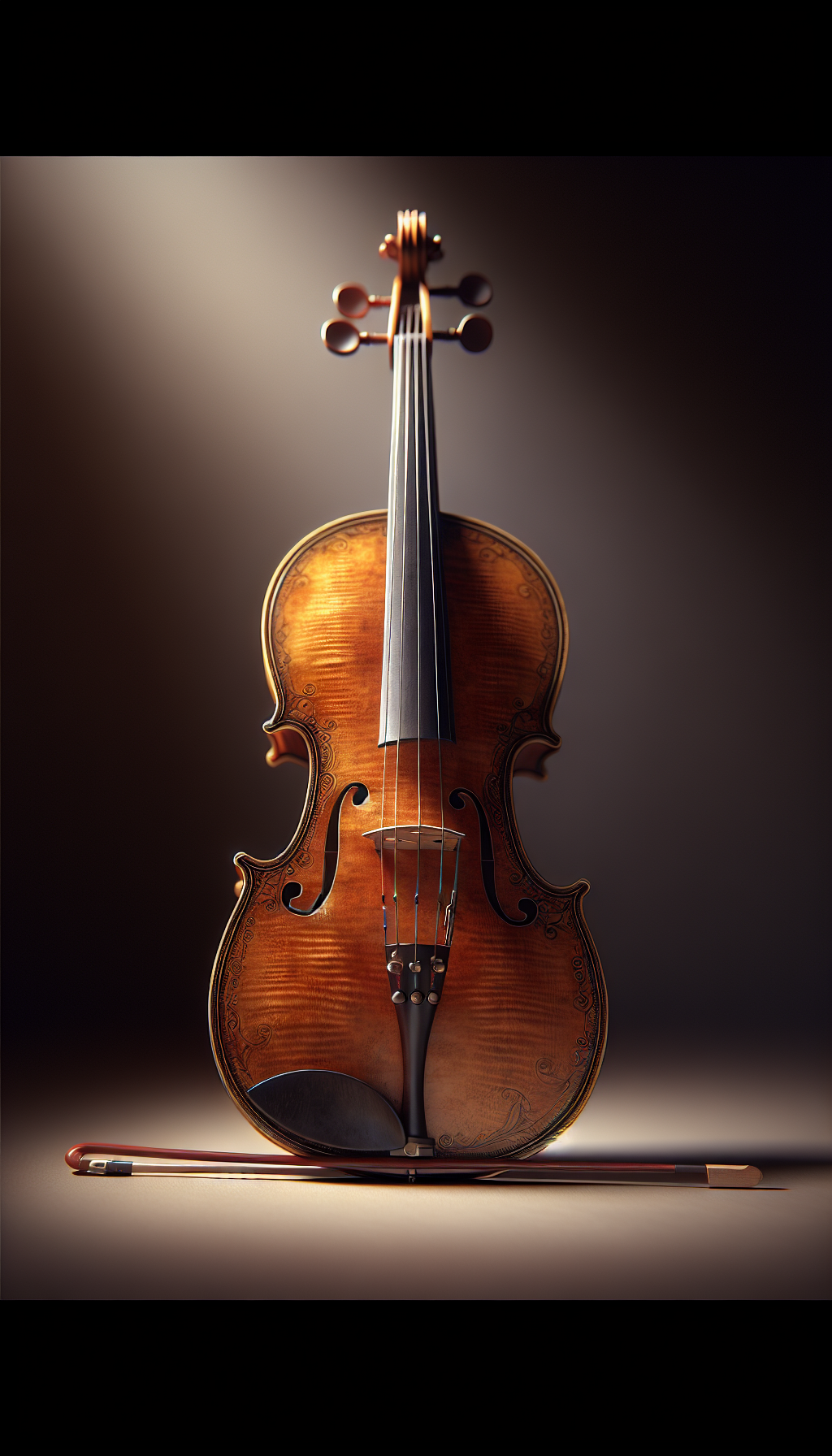
Viola da Gamba
Viola da Gamba · Bowed String Instrument — Prominent in Medieval and Renaissance music
The viola da gamba is a bowed string instrument popular from the Medieval to Baroque periods. Played between the knees like a modern cello, it typically has six or seven strings and frets. Its mellow tone made it a favorite for chamber music and solo performances.
Origin
Originating in late 15th-century Spain, the viola da gamba spread throughout Italy and the rest of Europe, gaining popularity among the aristocracy during the Renaissance and Baroque eras.
Features
- 6–7 strings
- Frets on the fingerboard
- Played with a bow
- Held between the knees
- Warm, gentle sound
Usage
Used in chamber music, solo, and court music, the viola da gamba was a central expressive instrument of the Baroque era.
Weakness
Limited volume and complex playing technique led to its decline as orchestras evolved.