
Toga
Draped symbol of Roman citizenship
Names in Other Languages
 토가한국어
토가한국어Toga · 고대 로마 시민의 상징적 겉옷
 トーガ日本語
ローマ市民権の象徴的外衣
 托加繁體中文
羅馬公民身分的象徵性外衣
 TogaDeutsch
Drapiertes Symbol römischer Bürgerschaft
 TogeFrançais
Drapé symbolisant la citoyenneté romaine
 TogaEspañol
Drapeado símbolo de la ciudadanía romana
 TogaPortuguês
Drapeado símbolo da cidadania romana
 TogaPolski
Drapowany symbol obywatelstwa rzymskiego
 ТогаРусский
Драпированный символ римского гражданства
The toga was the most iconic garment of ancient Rome — a single semicircular cloth roughly six meters long, draped around the body without any sewing. Wearing a toga was itself proof of Roman citizenship, forbidden to foreigners and slaves. Color strictly indicated rank: the white toga candida for political candidates, the purple-bordered toga praetexta for senators, and the full purple toga picta reserved for triumphal generals. Its elaborate draping required a slave's assistance, and the deliberate impracticality of keeping one arm wrapped symbolized the leisure of the citizen class.
Related

Breeches
Knee-length trousers of the aristocratic gentleman
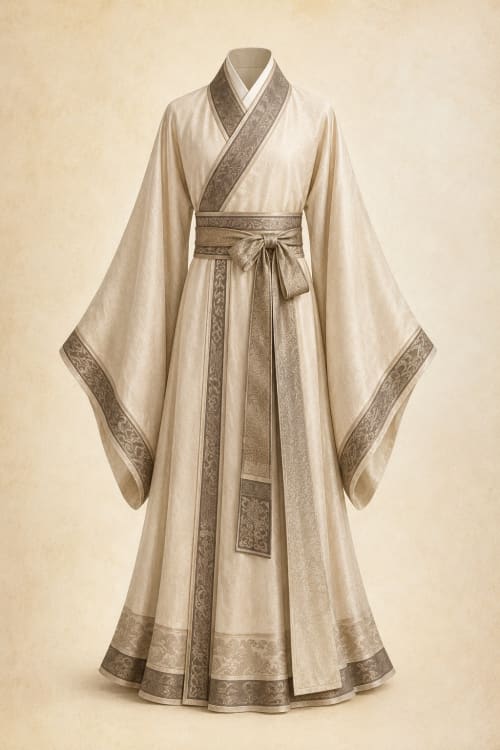
Shenyi
One-piece Confucian robe of ancient China

Peplos
Pinned rectangular garment of ancient Greek women
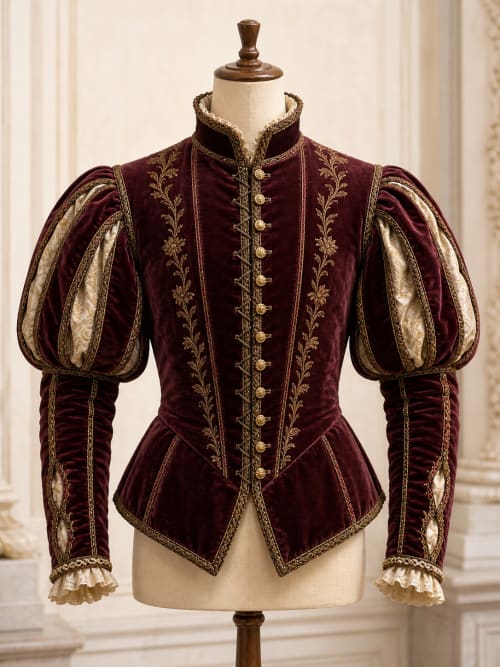
Doublet
Fitted upper-body garment of the European gentleman

Hanfu
Traditional dress of China's Han ethnic majority

Sari
India's unstitched drape of infinite variety
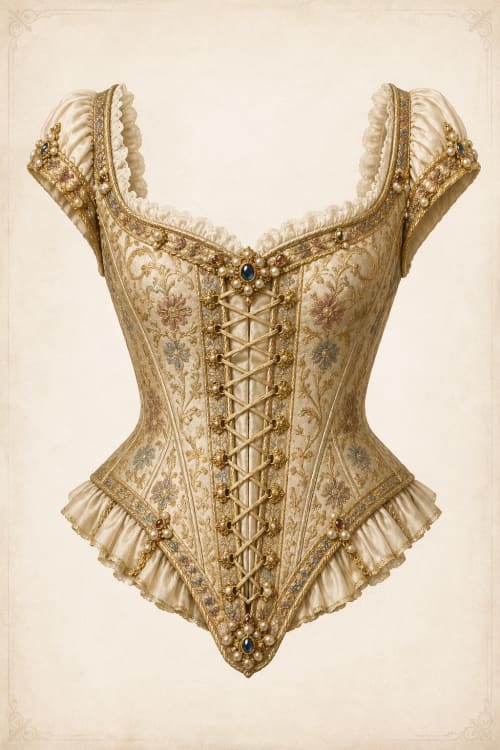
Bodice
Fitted upper garment shaping the female torso
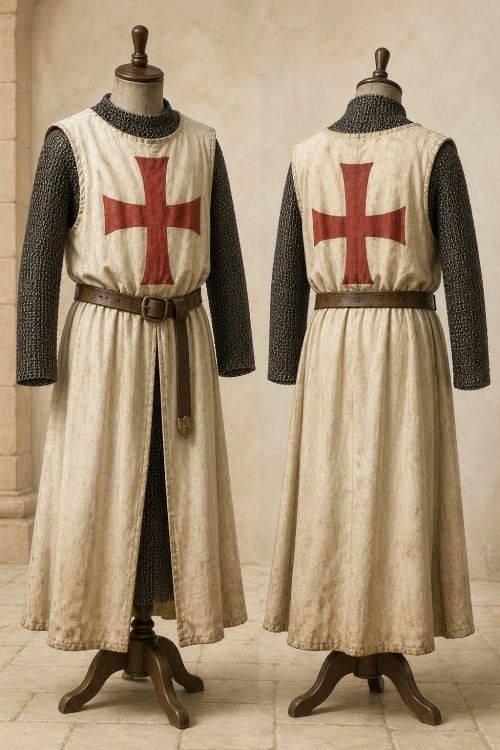
Surcoat
Sleeveless overgarment worn over armor
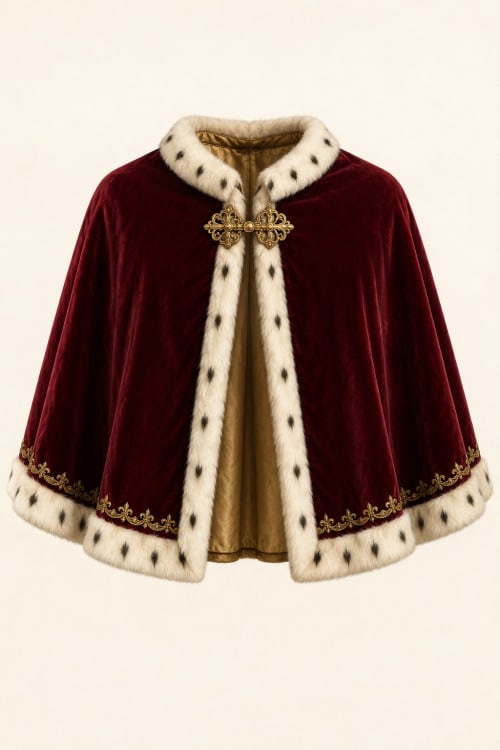
Cape
Short decorative mantle of the nobility

Houppelande
Extravagantly sleeved court gown of late medieval Europe
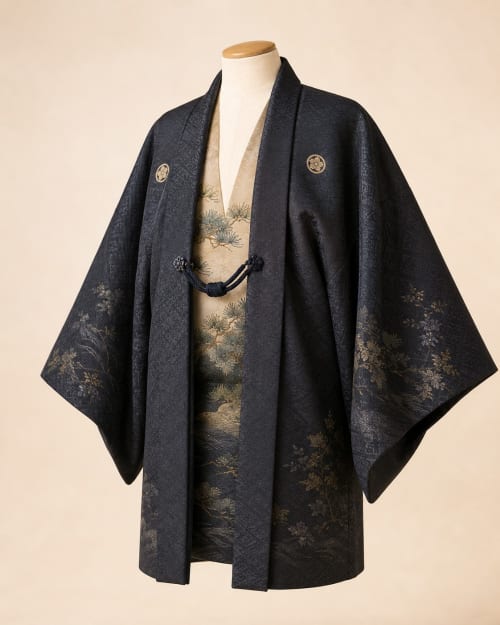
Haori
Traditional Japanese jacket worn over kimono
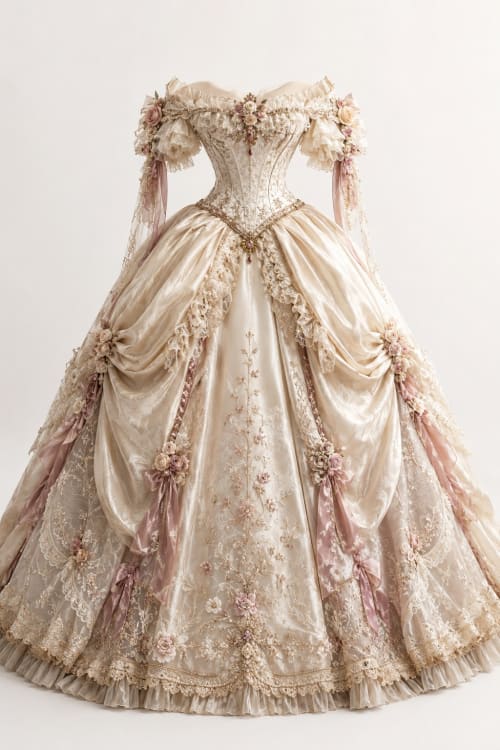
Ball Gown
Grand formal dress for the dance floor