
Surcoat
Sleeveless overgarment worn over armor
Names in Other Languages
 서코트한국어
Surcoat · 갑옷 위에 입는 소매 없는 겉옷
 サーコート日本語
甲冑の上に着る袖なしの外衣
 罩袍繁體中文
穿在甲冑外的無袖外衣
 WappenrockDeutsch
Ärmelloser Überwurf über der Rüstung
 SurcotFrançais
Survêtement sans manches porté sur l'armure
 SobrevestaEspañol
Prenda sin mangas sobre la armadura
 SobrevestePortuguês
Peça sem mangas sobre a armadura
 SurkotPolski
Bezrękawnikowa szata na zbroję
 СюркоРусский
Безрукавная накидка поверх доспехов
The surcoat was a loose, typically sleeveless garment worn over armor, originating during the Crusades to shield metal armor from the Middle Eastern sun. It quickly evolved into the primary means of displaying a knight's heraldic arms on the battlefield, making it central to the development of European heraldry and knightly identity. Made of linen, wool, or silk with the wearer's coat of arms embroidered on the front and back, it was most widespread in the 13th-14th centuries before being replaced by jupons and tabards.
Related
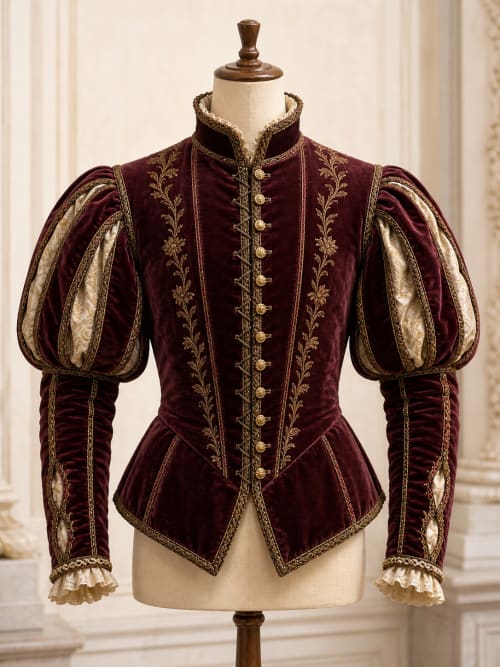
Doublet
Fitted upper-body garment of the European gentleman
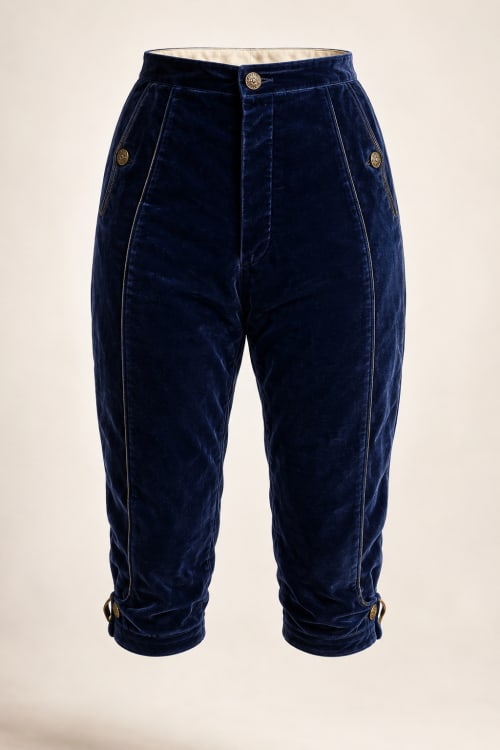
Breeches
Knee-length trousers of the aristocratic gentleman
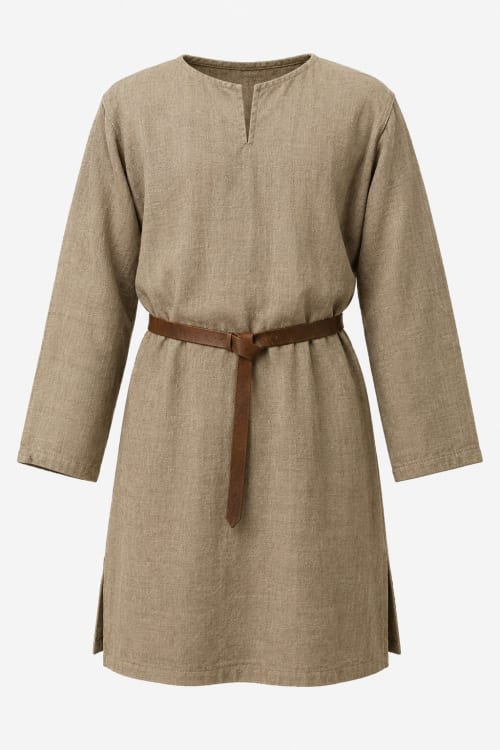
Tunic
Universal T-shaped garment of the medieval world
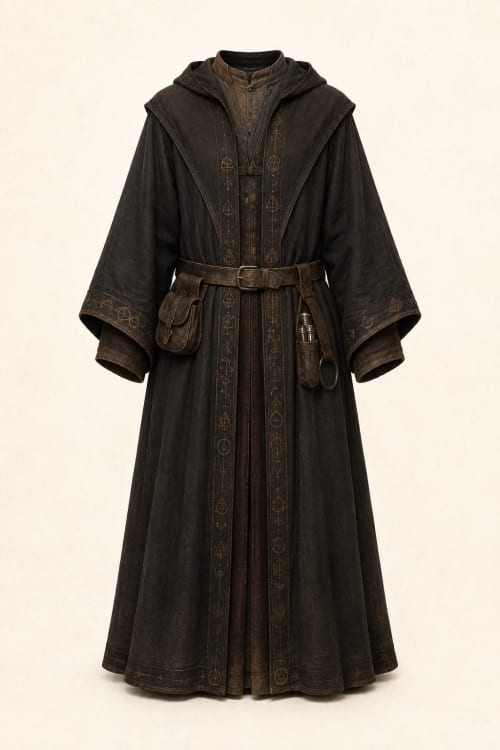
Alchemist's Robe
Medieval alchemist's symbolic laboratory robe
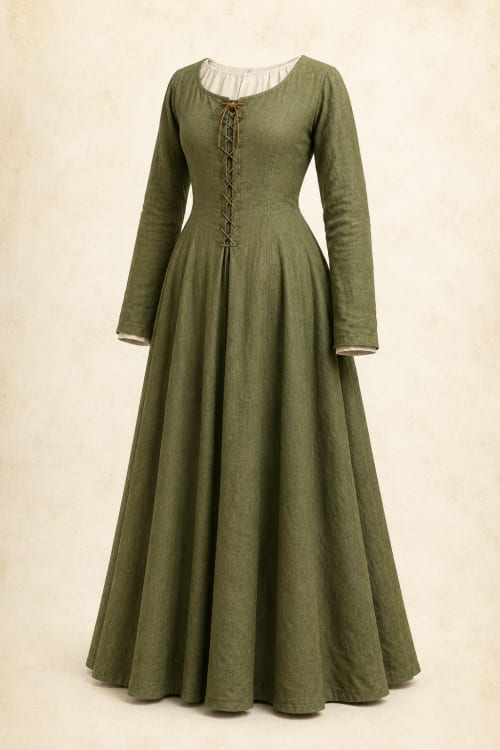
Kirtle
Everyday one-piece dress of the medieval woman
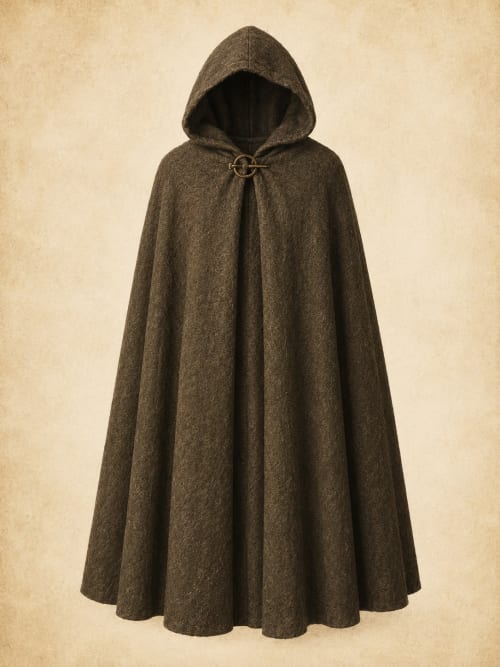
Cloak
Universal draped outer garment of all ages
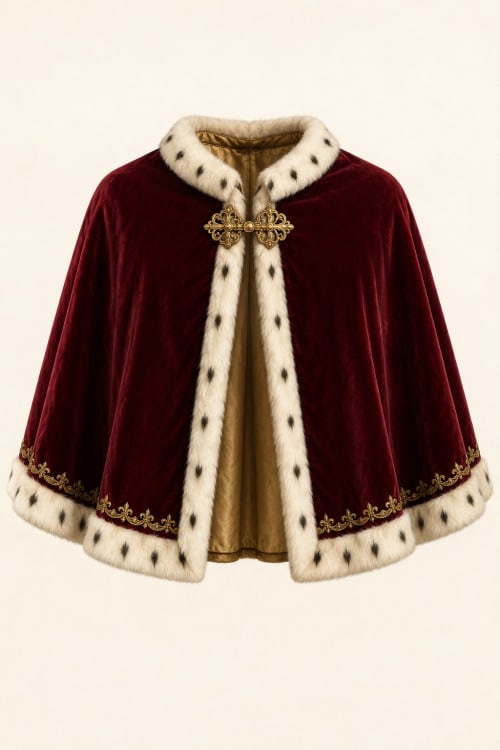
Cape
Short decorative mantle of the nobility
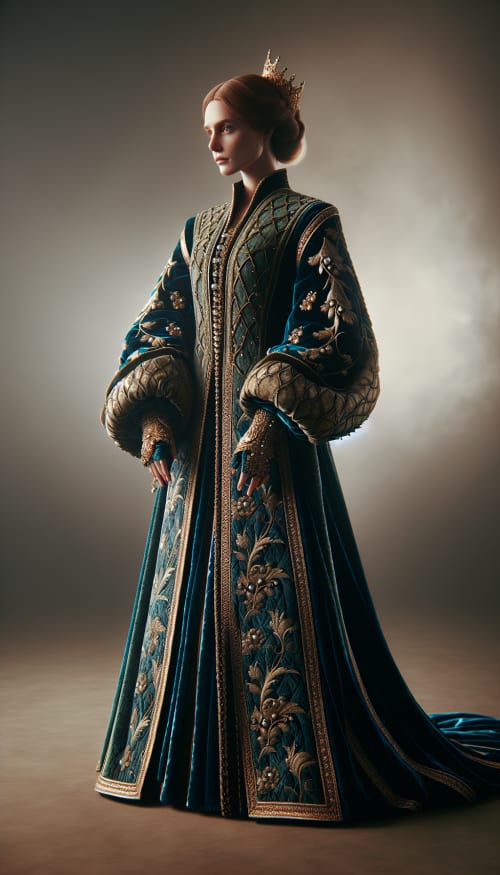
Houppelande
Extravagantly sleeved court gown of late medieval Europe
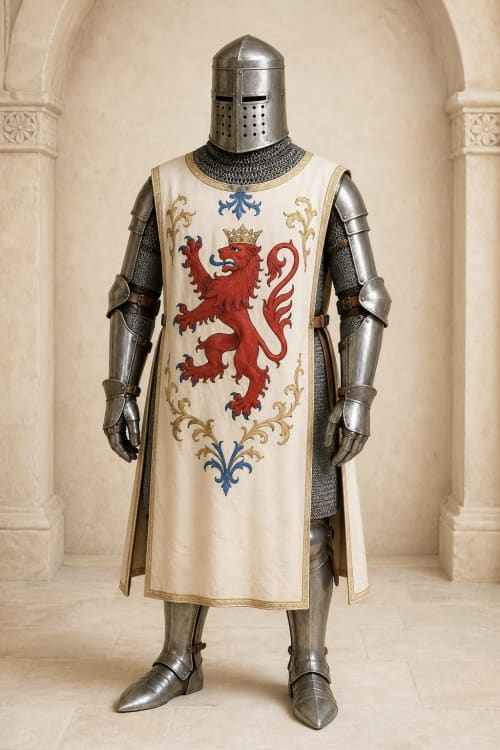
Knight's Tabard
Armorial surcoat of the medieval knight
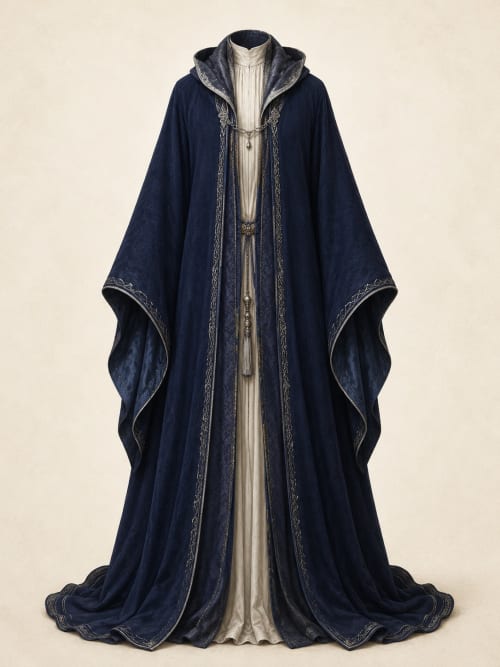
Robe
Long flowing garment of scholars and wizards
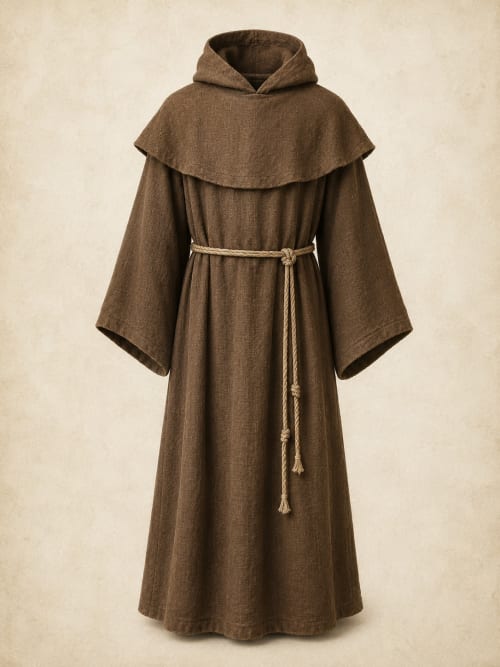
Monk's Habit
Medieval European monastic robe
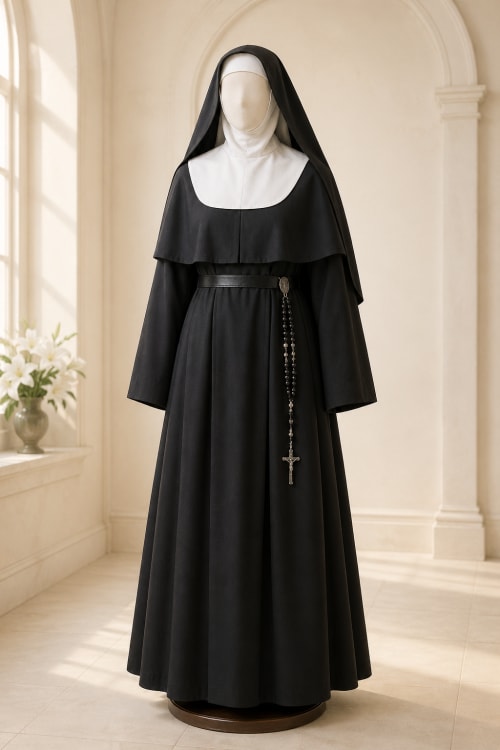
Nun's Habit
Catholic nun's veil and robe