
Kirtle
Everyday one-piece dress of the medieval woman
Names in Other Languages
 커틀한국어
커틀한국어Kirtle · 12-16세기 유럽 여성의 기본 원피스
 カートル日本語
12〜16世紀ヨーロッパ女性の基本ワンピース
 柯特繁體中文
12至16世紀歐洲女性的基本連身裙
 KirtleDeutsch
Grundlegendes Alltagskleid der mittelalterlichen Frau
 CotteFrançais
Robe quotidienne de la femme médiévale
 SayaEspañol
Vestido cotidiano de la mujer medieval
 Saia medievalPortuguês
Vestido cotidiano da mulher medieval
 KirtlePolski
Codzienna suknia kobiety średniowiecznej
 КертлРусский
Повседневное платье средневековой женщины
The kirtle was the most common women's garment in Europe from the 12th to 16th centuries — a one-piece dress with a fitted bodice and full skirt worn over a chemise. Universal across all social classes, it used fabric quality and dye color to signal status: undyed linen for commoners, dyed wool or silk for nobility. Its increasingly fitted bodice from the 14th century onward laid the groundwork for the later separation into distinct bodice and skirt components.
Related
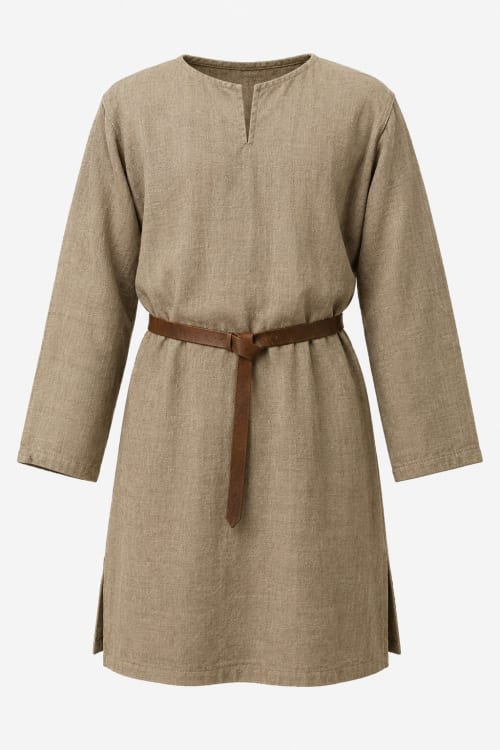
Tunic
Universal T-shaped garment of the medieval world
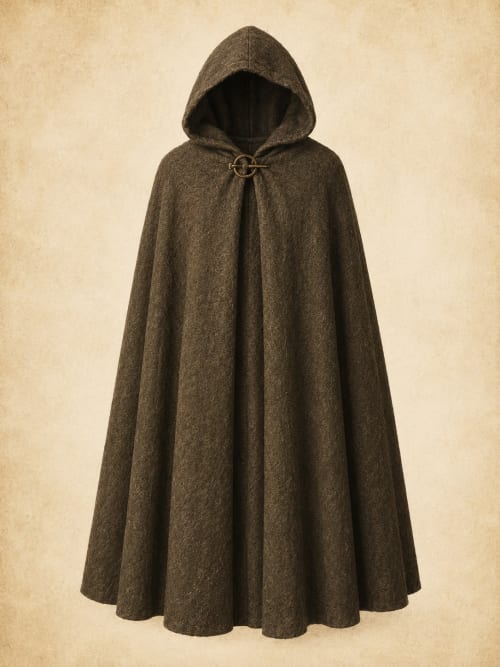
Cloak
Universal draped outer garment of all ages
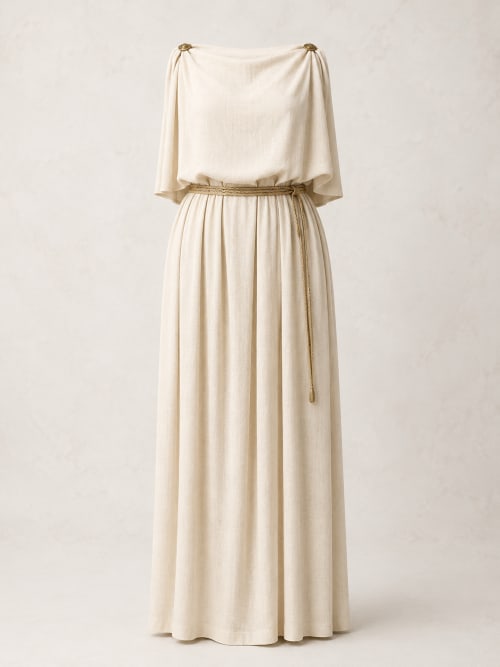
Peplos
Pinned rectangular garment of ancient Greek women
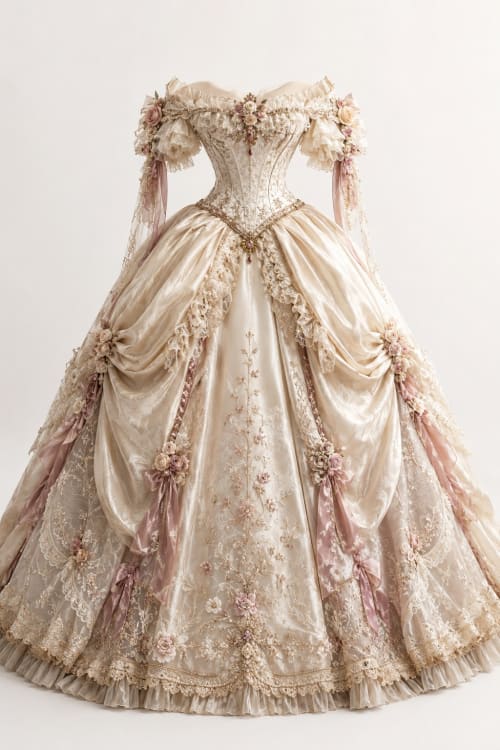
Ball Gown
Grand formal dress for the dance floor
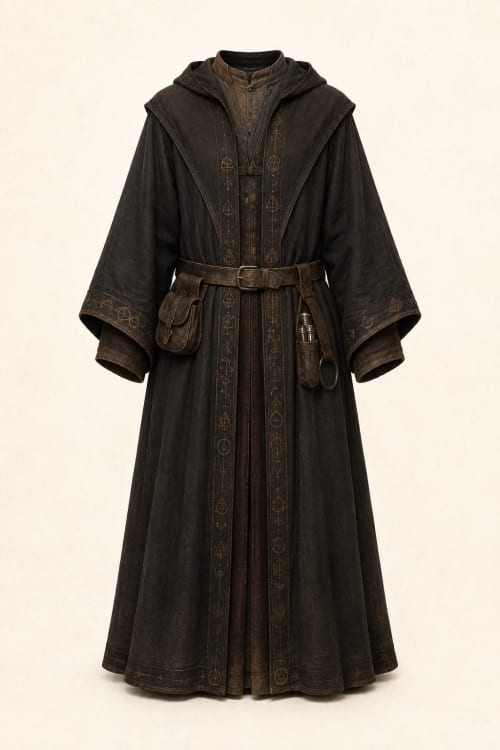
Alchemist's Robe
Medieval alchemist's symbolic laboratory robe
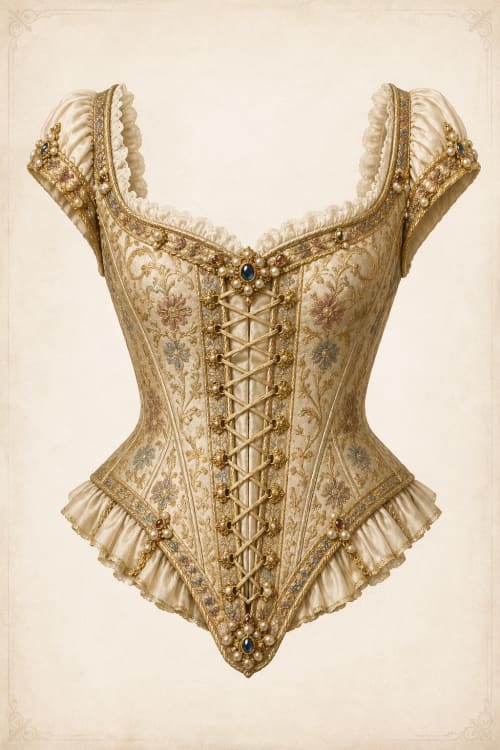
Bodice
Fitted upper garment shaping the female torso
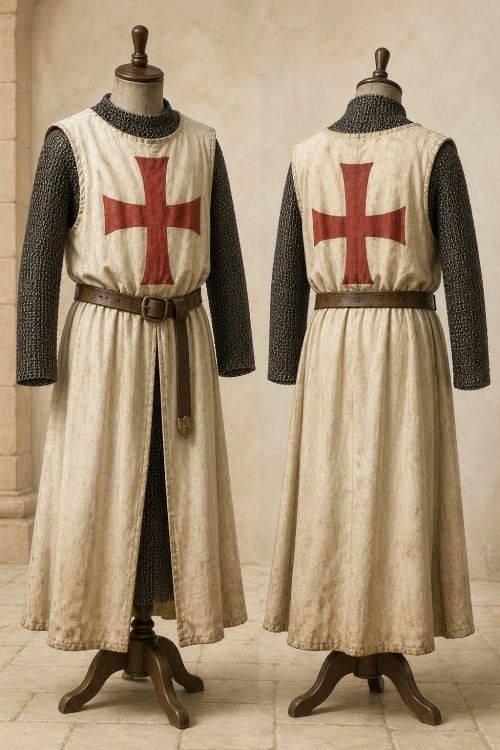
Surcoat
Sleeveless overgarment worn over armor
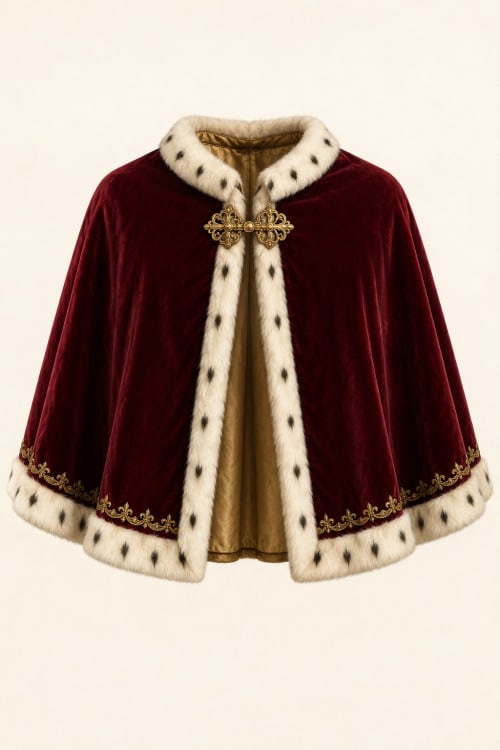
Cape
Short decorative mantle of the nobility
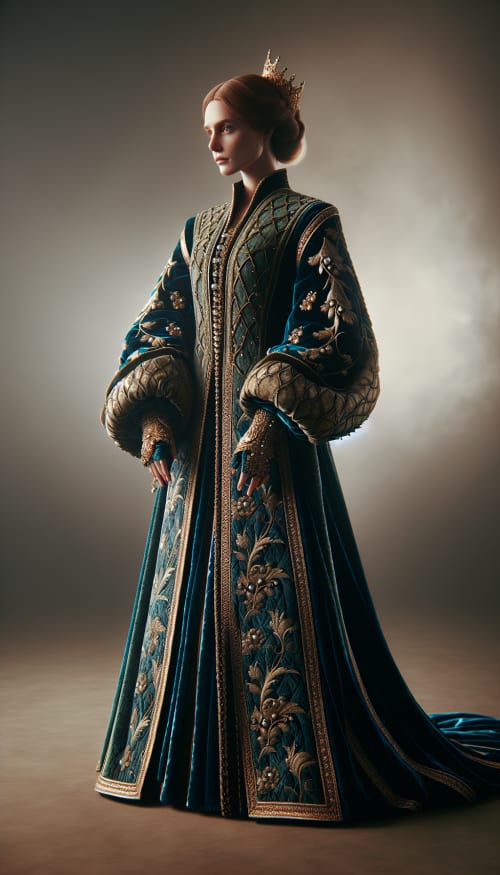
Houppelande
Extravagantly sleeved court gown of late medieval Europe
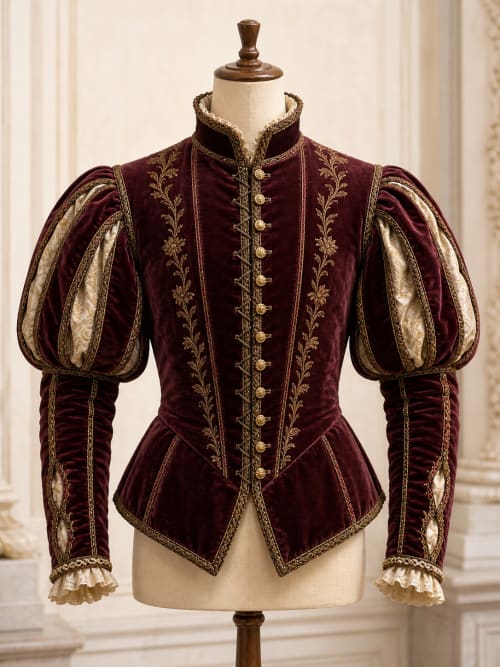
Doublet
Fitted upper-body garment of the European gentleman
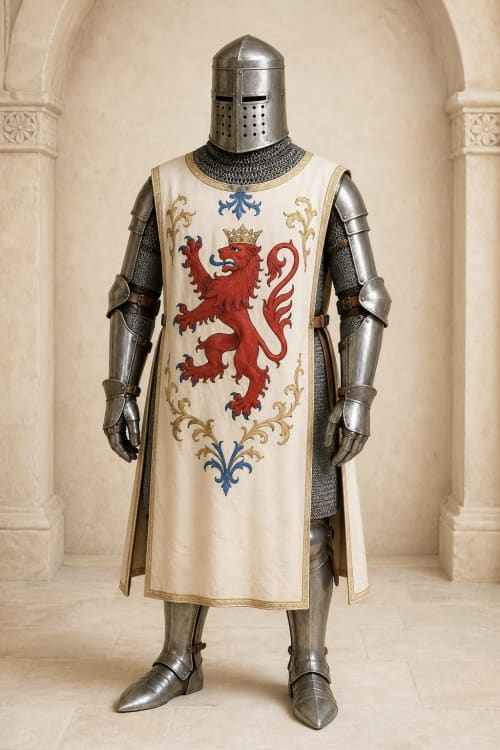
Knight's Tabard
Armorial surcoat of the medieval knight
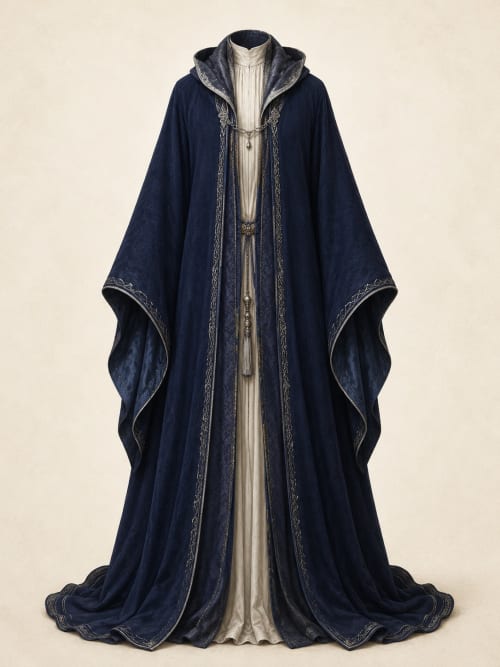
Robe
Long flowing garment of scholars and wizards