LoreArc

Nature Spirit

4 items tagged with "Nature Spirit"

๐Ÿ‰Spirits(4)
dryad-spirit
๐Ÿ“ธ 2

Dryad

Spirit King

Tree Nymph of Greek Mythology

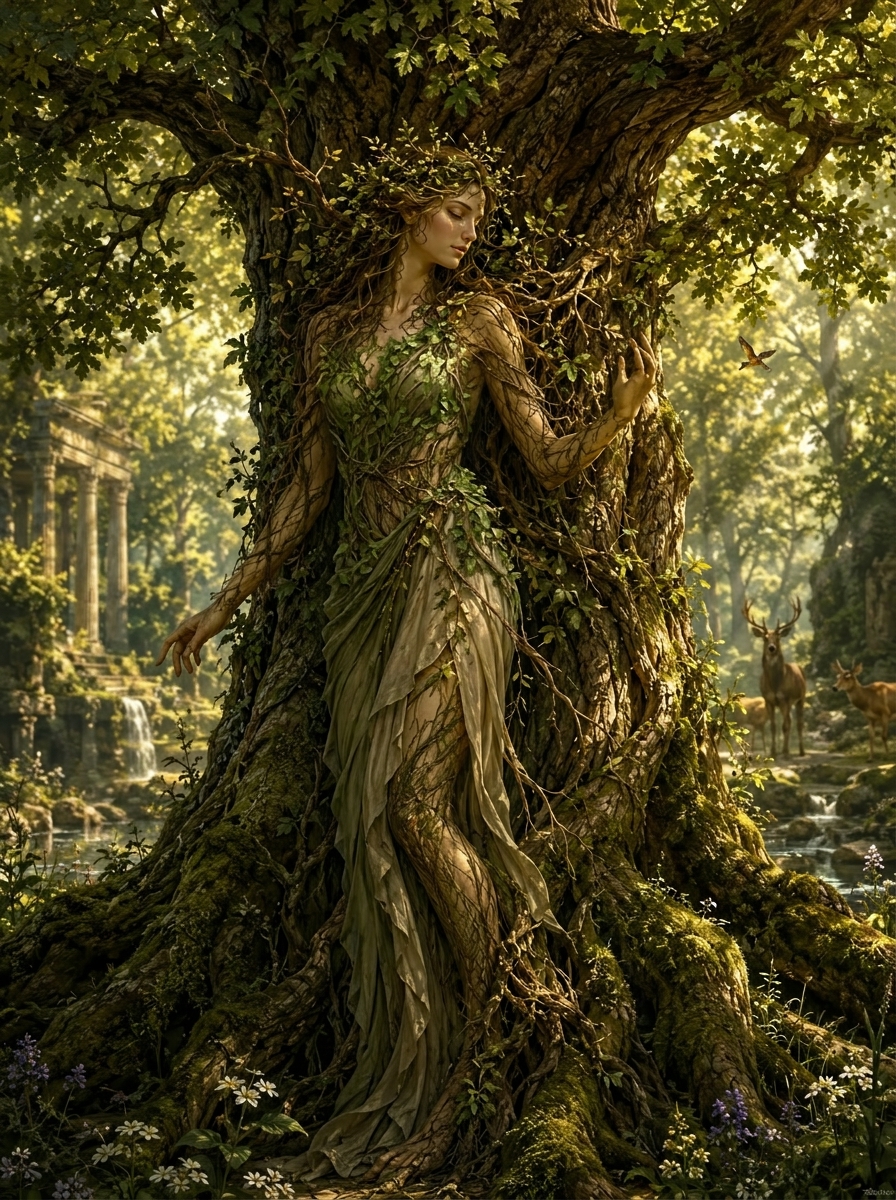
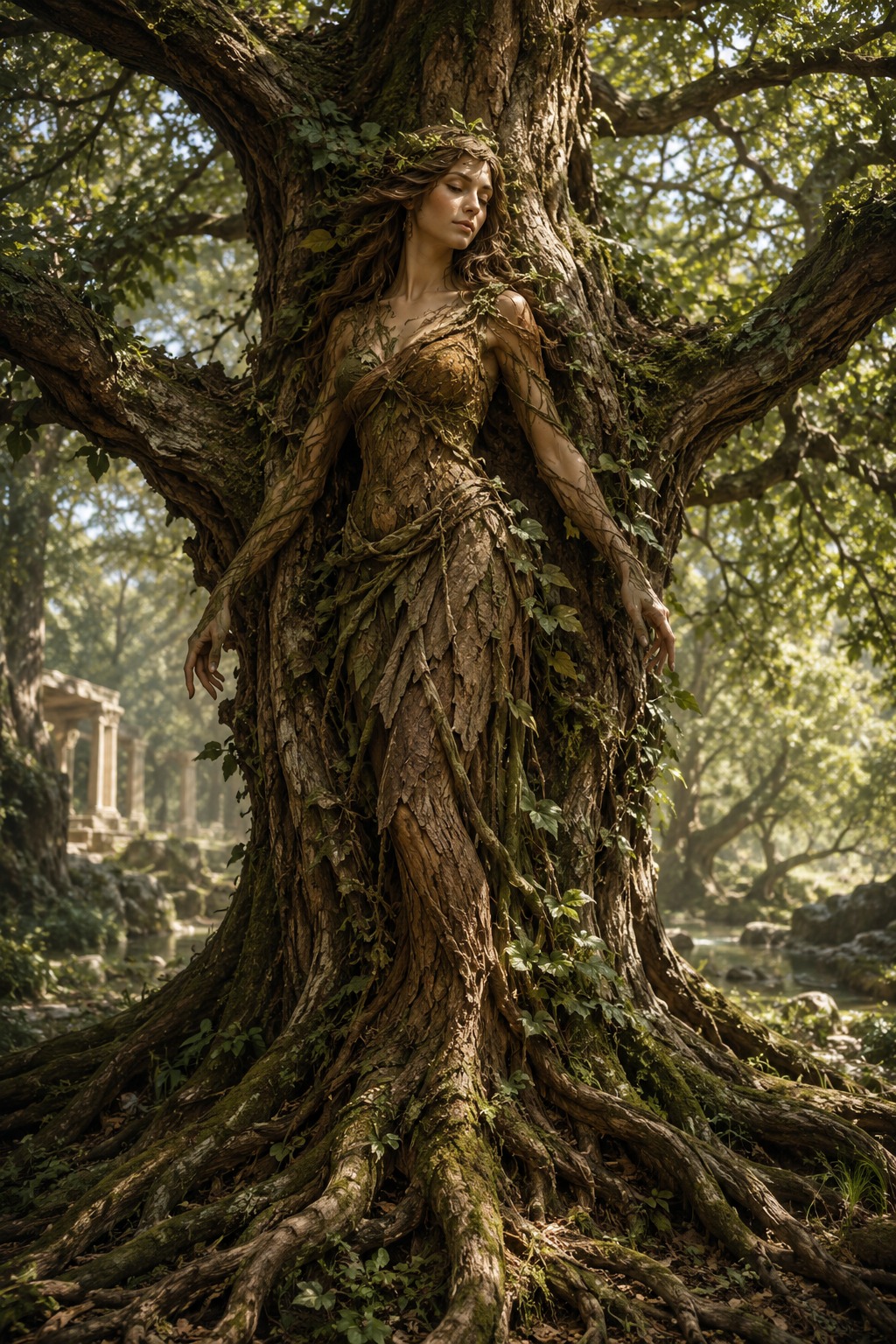
The Dryad (Greek Dryas, plural Dryades, English Dryad) is the tree nymph (Greek nymphe) of Greek mythology who dwells in forests and trees, originally meaning the spirit dwelling in the oak (drys, drys) but later extended as the general name of the spirit dwelling in all trees โ€” the decisive canonical iconographic figure of the Greek-mythological nature spirit. The etymology derives from the Greek drys (drys, 'oak'), and within the classification of nymphs โ€” Naiad (freshwater), Oceanid (ocean), Nereid (salt sea), Dryad (tree), Oread (mountain) โ€” the Dryad is the decisive canon of the tree. The special canonical figure Hamadryad (Hamadryas, 'with the tree') is the decisive adaptation of the Dryad, permanently bound to a single tree and sharing its life and fate. The decisive literary canon is the Erysichthon canon in lines 738-878 of Book 8 of the Metamorphoses (Metamorphoses) of the Roman poet Ovid (Publius Ovidius Naso, 43 BCE - 17 CE) of c. 8 CE โ€” in which the Thessalian king Erysichthon cuts down the oak of Demeter's sacred grove, killing the Hamadryad, and Demeter sends the spirit of hunger Limos (Limos) to punish him with eternal hunger so that he ultimately eats himself โ€” and the Dryad monster of the 1977 D&D Monster Manual by Gary Gygax (1938-2008) of TSR in the USA, consistent through to 5e (5th Edition) of 2014, is the decisive canon of the modern fantasy RPG tree spirit.

gnome-spirit
๐Ÿ“ธ 2

Gnome

Lesser

Earth Spirit of Paracelsus

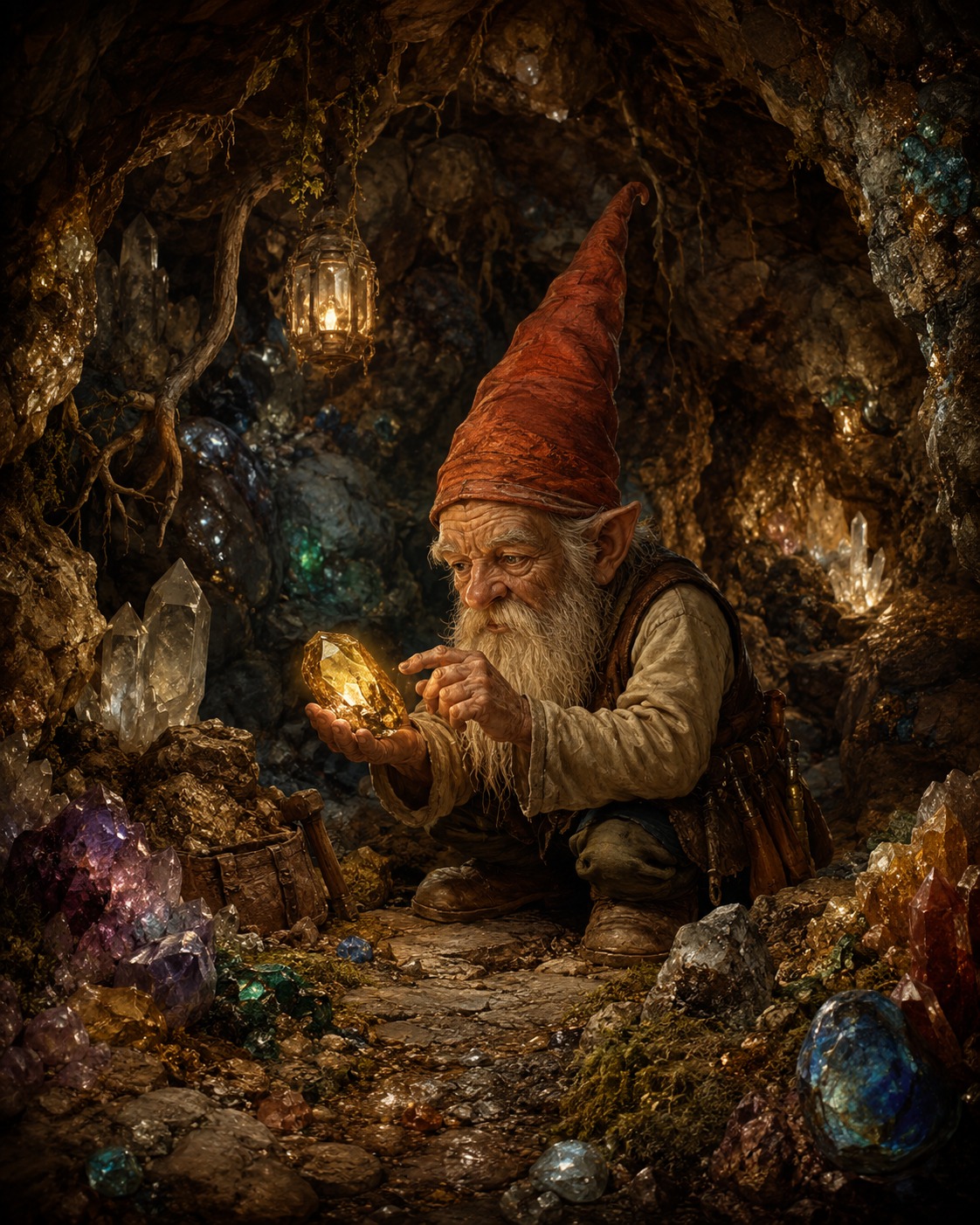
The Gnome (Latin Gnomus, English Gnome) is the decisive canonical spirit of earth (Terra) among the four element spirits (Elemental Spirits) in the posthumous 1566 Latin treatise A Book of Nymphs, Sylphs, Pygmies, and Salamanders (Liber de Nymphis, Sylphis, Pygmaeis et Salamandris) by the Swiss physician-alchemist Paracelsus (Theophrastus Bombastus von Hohenheim, 1493-1541). It has the decisive iconography of a small old-man figure (usually about 30 cm), with a white beard and a red conical cap, dwelling in the earth, caves, rocks, and mines, skilled in mining for gems, minerals, and metals โ€” the canonical guardian of treasure, of disposition to avoid humans. The etymology is the Latin Gnomus โ€” coined by Paracelsus, presumably from the Greek ge-nomos (ge-nomos, 'one who dwells in the earth') or gnosis (gnosis, 'knowledge') โ€” and is decisive canonical vocabulary. The decisive canon is the four-element-spirit theory of Paracelsus of 1566, published posthumously in Basel, Switzerland โ€” Undine (Water), Sylph (Air), Gnomus (Earth), Salamander (Fire) โ€” by which the Gnome became the decisive canon of the European Renaissance earth spirit. The first ceramic garden gnome (Gartenzwerg) production at the Philipp Griebel workshop in Graefenroda, Thuringia, Germany, in 1872 decisively settled the nineteenth- and twentieth-century global garden-decoration Gnome canon, and the Gnome race of the 1977 D&D Monster Manual by Gary Gygax of TSR in the USA โ€” consistent through to 5e (5th Edition) of 2014 โ€” is the decisive canon of the modern fantasy RPG Gnome race.
hamadryad
๐Ÿ“ธ 2

Hamadryad

Intermediate

Greek Tree Spirit Bound to a Single Tree

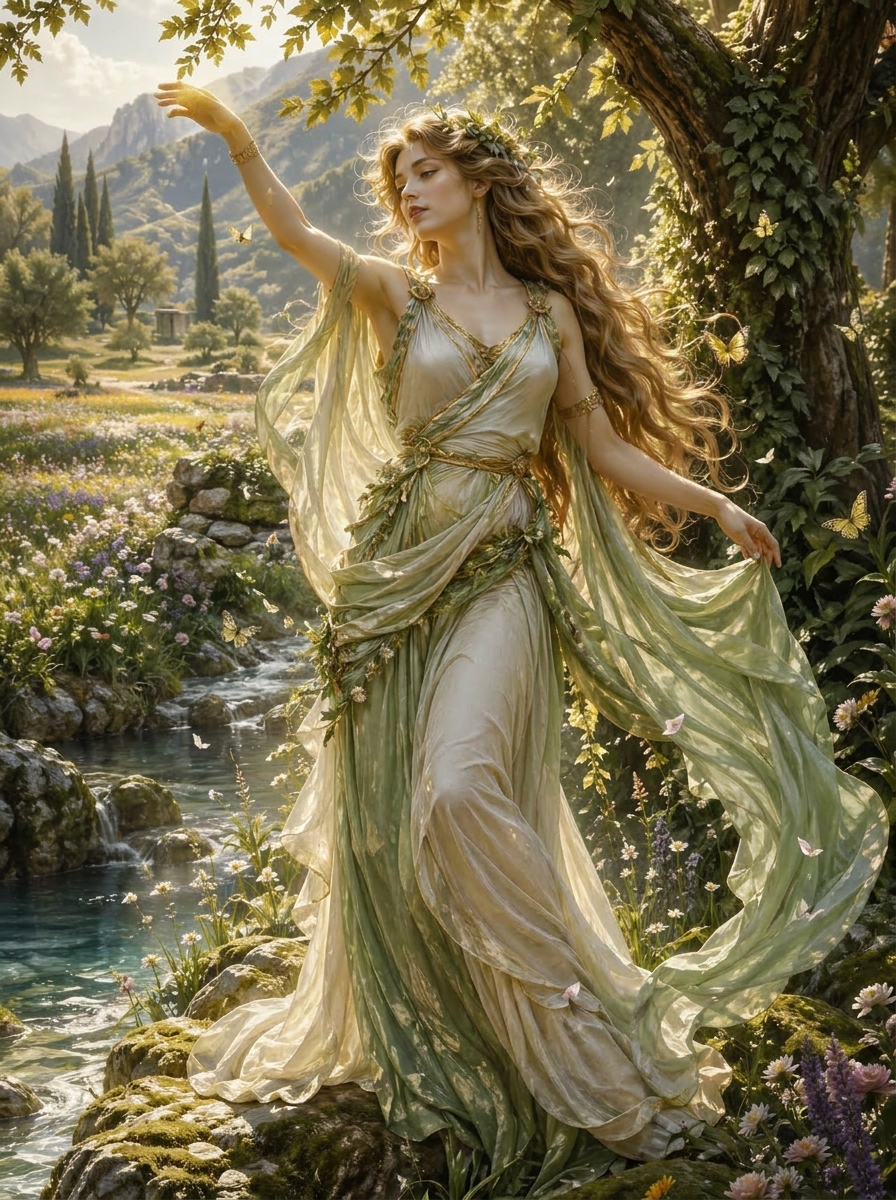
The Hamadryad (Greek Hamadryas, plural Hamadryades, English Hamadryad) is the canonical tree-spirit iconography of Greek mythology โ€” unlike the general Dryad, permanently bound to a single specific tree โ€” sharing the lifespan and fate of that tree as the decisive canon. The etymology is the compound of the Greek hama ('with, together') and drys ('oak, tree'), meaning 'with the tree' โ€” the decisive canonical vocabulary โ€” and while the general Dryad (Dryas) is a free spirit dwelling in all trees, the Hamadryad is the decisive adaptation canon permanently bound to a single tree. The decisive textual canon is the fragmentary canon of the Precepts of Chiron of the c. 700 BCE Greek poet Hesiod (Hesiodos) โ€” quoted by the c. 1st-century Greek writer Plutarch (Ploutarchos) in Chapter 11 of On the Decay of Oracles (De Defectu Oraculorum) โ€” that the Hamadryad's lifespan equals nine generations of crows (about 9 years times 9 equals 81 years), and the canon of lines 476-485 of Book 2 of the Argonautica (Argonautika) of the 4th-3rd-century-BCE Alexandrian poet Apollonius Rhodius (Apollonios Rhodios, 295-215 BCE) โ€” in which the Phrygian shepherd Laelaps does not cut down the Hamadryad's oak, and the Hamadryad blesses him โ€” is the decisive canon. The decisive Latin-literary canon is the canon of lines 738-878 of Book 8 of the Metamorphoses of the Roman poet Ovid (Publius Ovidius Naso, 43 BCE - 17 CE) of c. 8 CE โ€” the decisive canonical tragedy in which the Thessalian king Erysichthon (Erysichthon) cuts down a great oak of Demeter's sacred grove and kills the Hamadryad, and Demeter sends the spirit of hunger Limos (Limos) to punish him with eternal hunger so that he ultimately eats himself.

์ž์—ฐ์˜ ์ •๋ น โ€” LoreArc | LoreArc