Gnome
Gnome · Folk of the Earth — Artisans of Invention and Illusion
Names in Other Languages
 놈한국어
놈한국어Gnome · 땅의 소인 — 발명과 환영 마법의 장인
 ノーム日本語
Gnome · 土の小人 — 発明と幻影魔法の匠
 地精繁體中文
Gnome · 土之小人 — 發明與幻象魔法的工匠
 GnomDeutsch
Gnome · Volk der Erde — Meister von Erfindung und Illusion
 GnomeFrançais
Gnome · Peuple de la terre — Maîtres de l'invention et de l'illusion
 GnomoEspañol
Gnome · Pueblo de la tierra — Maestros de la invención y la ilusión
 GnomoPortuguês
Gnome · Povo da terra — Mestres da invenção e da ilusão
 GnomPolski
Gnome · Lud ziemi — mistrzowie wynalazku i iluzji
 Гном-механикРусский
Gnome · Народ земли — мастера изобретений и иллюзий
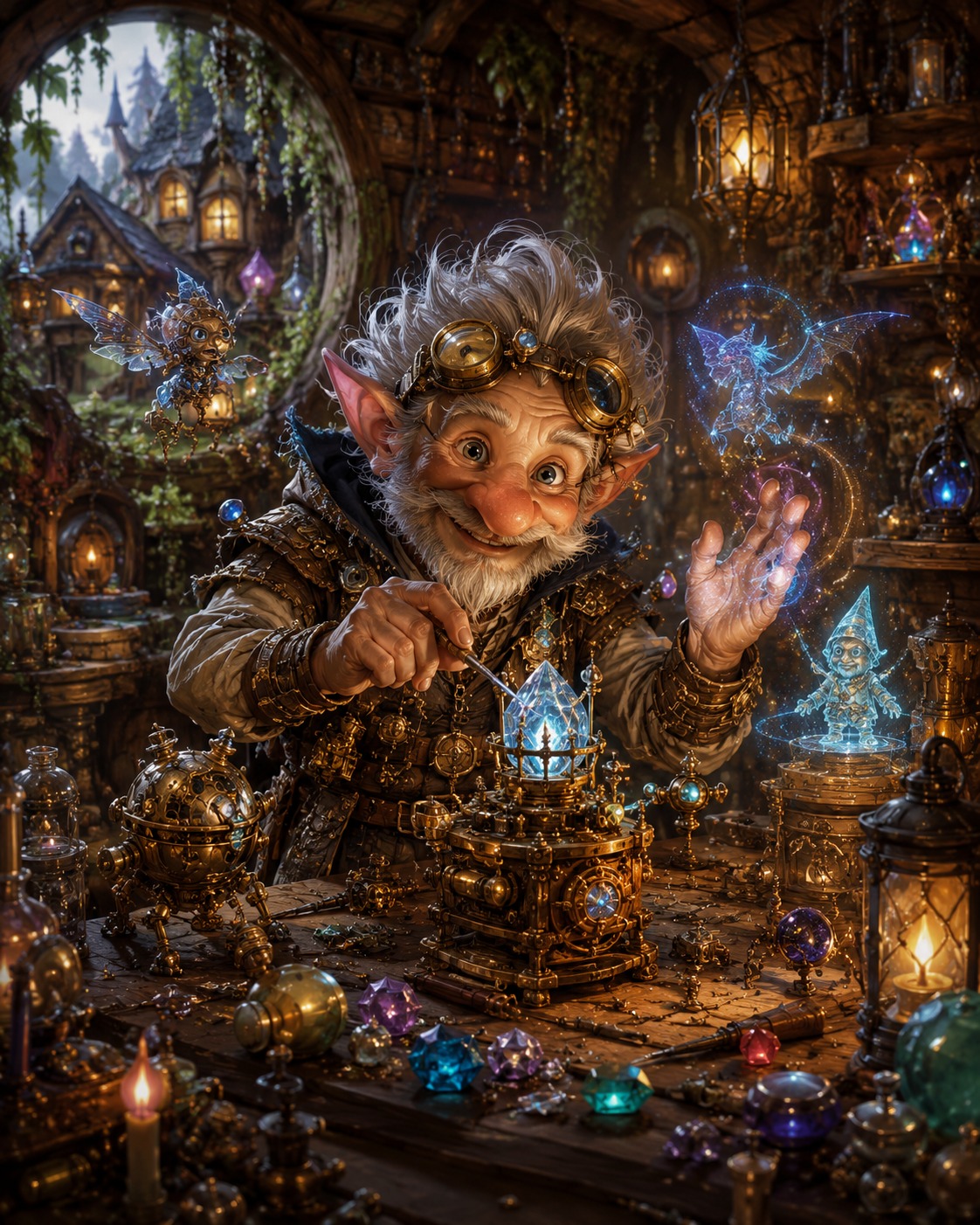
A short, cheerful, and incessantly curious people, smaller even than dwarves, who are geniuses of mechanical invention, alchemy, illusion magic, and gemwork. They cluster in workshops dug into hills or hidden in deep forests, and they are famous for their pranks and outlandish ideas. The name was coined in 1566 by Paracelsus in his posthumously published Liber de Nymphis, Sylphis, Pygmaeis et Salamandris (Henricpetri, Basel, 1566) as the elemental of earth, and the figure fused with European folk earth-spirits (German Heinzelmaennchen, Polish krasnoludek, Italian gnomo). Dungeons & Dragons turned them into a standard player race in the Greyhawk supplement (TSR, 1975), and Blizzard's World of Warcraft (2004) has made the Gnomeregan gnome a popular variant.
Origin
The earliest direct attestation is the elemental classification of the Swiss physician-alchemist Theophrastus Bombastus von Hohenheim, known as Paracelsus (1493-1541), in his posthumously published Liber de Nymphis, Sylphis, Pygmaeis et Salamandris (Henricpetri, Basel, 1566): undines for water, sylphs for air, salamanders for fire, and gnomes for earth. The Oxford English Dictionary entry 'gnome' notes the source word as either Greek gnome (knowledge) or a Latin coinage genomos (earth-dweller). From the seventeenth century onward the term fused with European folk earth-spirits — the Cologne Heinzelmaennchen documented in print by August Kopisch (1836), the Polish krasnoludek, and parts of the Cornish piskie tradition. Sir Charles Isham installed twenty-one terracotta gnomes imported from Germany at Lamport Hall in Northamptonshire in 1847, the first English garden gnomes; one survives, nicknamed Lampy, and has since been insured for around one million pounds. Industrial garden-gnome production began earlier, in 1841, at Philipp Griebel's workshop in Graefenroda, Thuringia. Wil Huygen and the illustrator Rien Poortvliet published their bestselling Het hele leven van de Kabouter (De Driehoek, 1976), which fixed the modern popular iconography. Gary Gygax introduced gnomes as a player race in Dungeons & Dragons Supplement I: Greyhawk (TSR, 1975) and refined them as illusionist-favoured in the Advanced Dungeons & Dragons Players Handbook (TSR, 1978).
Features
- Height about three to three and a half feet (90-110 cm), shorter than dwarves, with large noses and expressive faces
- Long beards on males, intricate hair ornaments on females, brilliant red and green clothing
- Genius-level inventiveness in machinery, alchemy, illusion magic, and gemwork
- Workshop villages dug into hillsides or hidden in deep forests; the D&D rock gnomes live in mountain warrens, forest gnomes in deep woods, and the Warcraft gnomes in the subterranean city of Gnomeregan
- Darkvision out to about sixty to a hundred and twenty feet, their own Gnomish tongue, and a lifespan of three hundred and fifty to five hundred years
Stories
The gnome is the canonical figure of the eccentric inventor, illusionist, and trickster sage. The fifth-edition D&D rock gnome wields clockwork pets, prosthetic limbs, and gem-locks and takes a plus-five bonus to tinker checks; the forest gnome speaks with small animals as a base ability. The Dragonlance Chronicles of Margaret Weis and Tracy Hickman (TSR, 1984-85) introduced the Minoi gnomes, each cursed by their society to pursue a single 'Life Quest' invention, building the comic-tragic mode of the mad gnome inventor. Blizzard's Gnomeregan in World of Warcraft (2004) gave the type a darker twist as a diaspora people exiled by a radiation leak from their own city. The gnome remains the standard fantasy figure for solving impossible problems with outlandish invention and illusion.
Weakness
Their small bodies make them poor at frontline combat, and their curiosity and experimental drive bring disasters of their own making. The fifth-edition D&D gnome has only an Intelligence bonus among ability scores and no Strength boost, and Warcraft gnomes carry the trauma of having turned their own capital into a radioactive ruin. Inventions go awry constantly — Margaret Weis recorded in a 1984 design note that the Dragonlance Minoi gnomes can only build inventions whose ninety-nine of every hundred trials end in explosion — and the trope of the catastrophic gnomish device has stuck. There is also a meta-weakness: the Victorian garden-gnome iconography makes it hard to use the race in a serious heroic register.
Cultural Significance
The gnome is a synthetic race born of Renaissance alchemy's four-elemental scheme fused with European peasant folklore and crystallised by nineteenth-century industry. Philipp Griebel's 1841 Graefenroda workshop began the mass production of terracotta garden gnomes that spread to British, American, and Japanese homes by the twentieth century. The Chelsea Flower Show formally barred garden gnomes from its grounds from the 1920s until its centenary in 2013, when the ban was lifted for a single year. The Spanish-Canadian co-production David, el Gnomo (BRB Internacional and Wayne Pugh's Cantharus, 1985) ran on Fuji TV and NHK Educational in Japan and became a mascot of early ecological cinema for children. Travelocity's Roaming Gnome advertising character (2004) rebooted the gnome as a digital-age icon and set up later internet memes such as the 'this is a gnome' joke.
In Popular Culture
- Paracelsus, Liber de Nymphis, Sylphis, Pygmaeis et Salamandris (Henricpetri, Basel, 1566, posthumous) — the gnome classification
- August Kopisch, Die Heinzelmaennchen zu Koeln (1836) — canonical print of the Cologne earth-spirits
- Sir Charles Isham, twenty-one garden gnomes at Lamport Hall, Northamptonshire (1847) — first English garden gnomes, the 'Lampy' survivor
- Philipp Griebel's workshop in Graefenroda, Thuringia (from 1841) — birth of the industrial garden-gnome trade
- Wil Huygen and Rien Poortvliet, Het hele leven van de Kabouter (De Driehoek, 1976) — modern popular iconography
- Gary Gygax, Dungeons & Dragons Supplement I: Greyhawk (TSR, 1975) — introduction as a player race
- Gary Gygax, Advanced Dungeons & Dragons Players Handbook (TSR, 1978) — illusionist-favoured race
- Margaret Weis and Tracy Hickman, Dragonlance Chronicles (TSR, 1984-85) — the Minoi gnome inventors
- BRB Internacional, David, el Gnomo (Spain-Canada, 1985) — international ecological mascot
- Blizzard, World of Warcraft (2004) and Cataclysm expansion (2010) — Gnomeregan diaspora
Trivia
- Whether Paracelsus drew 'gnomus' from Greek gnome (knowledge) or from a new Latin coinage genomos (earth-dweller) remains undecided in the Oxford English Dictionary (second edition, 1989), which lists both possibilities side by side.
- Lampy of Lamport Hall is the only surviving member of the 1847 set; in 1997 the insurer NFU Mutual placed a one-million-pound policy on it alone, making it Britain's costliest garden ornament.
- The Royal Horticultural Society barred garden gnomes from the Chelsea Flower Show from the 1920s until 2013, when the centenary year allowed them in for a single edition.
- Gary Gygax recalled in a late-1990s ENWorld interview that the 'illusionist gnome' of the 1978 Players Handbook was modelled on a small, witty general-store owner he had known in childhood.
Related
Dwarf
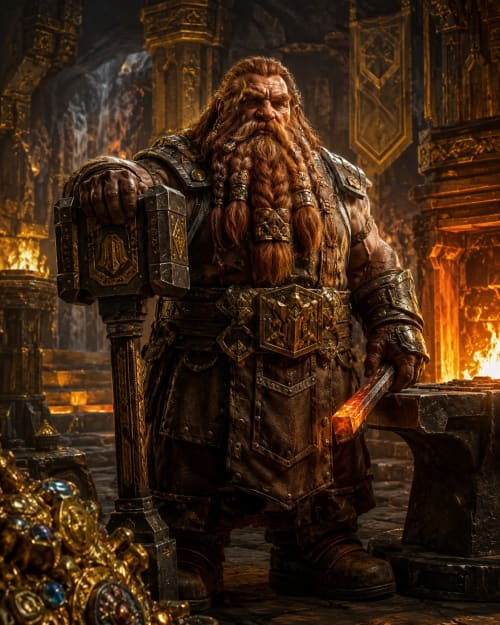
Dwarf · People of the Mountain — Smiths, Miners, Rune Artisans
Troll
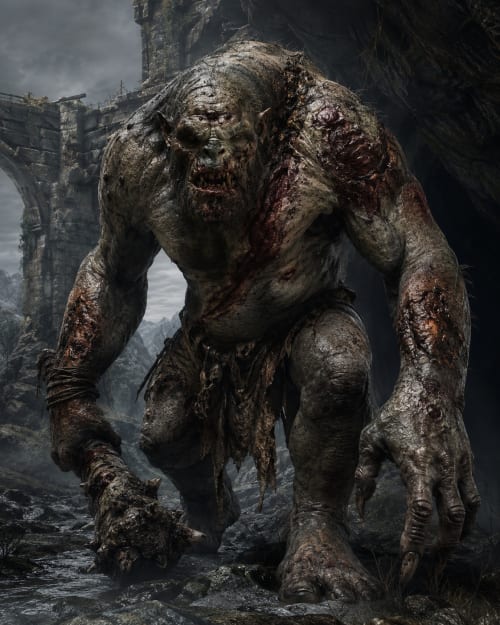
Troll · The Regenerating Giant — A Savage Race of Tenacious Vitality
Giant-kin
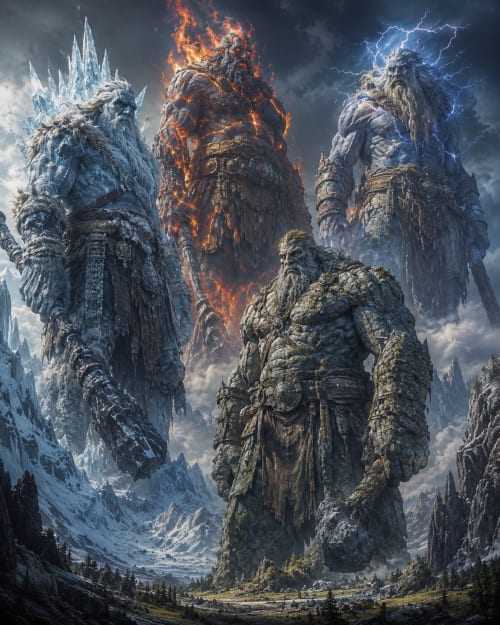
Giant-kin · The Giant Race — Primal Titans Like Living Mountains
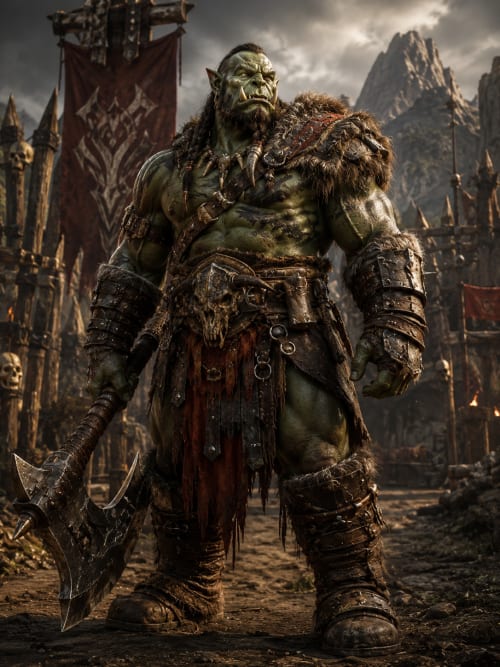
Orc
Orc · Warrior Tribes — A Fierce Race That Reveres Strength and Honor
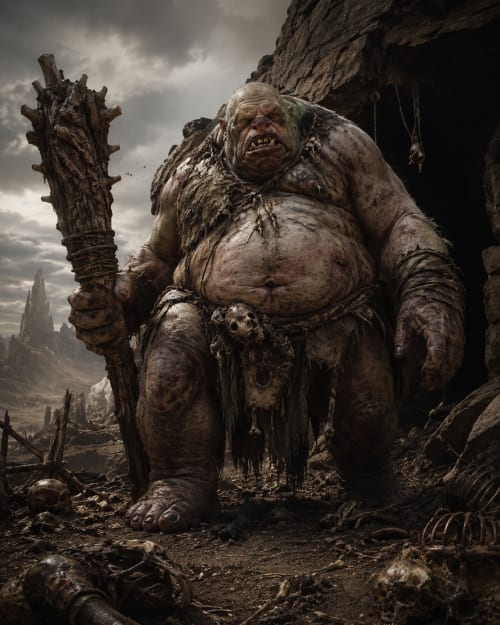
Ogre
Ogre · The Man-Eating Giant — A Dull, Cruel Tyrant of the Wilds
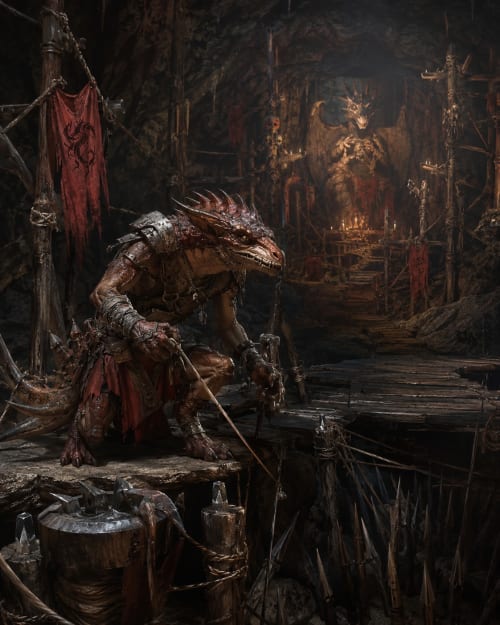
Kobold
Kobold · The Dragon-Serving Little Folk — Masters of Traps

Halfling
Halfling · The Little Folk — Peaceful Farming Folk
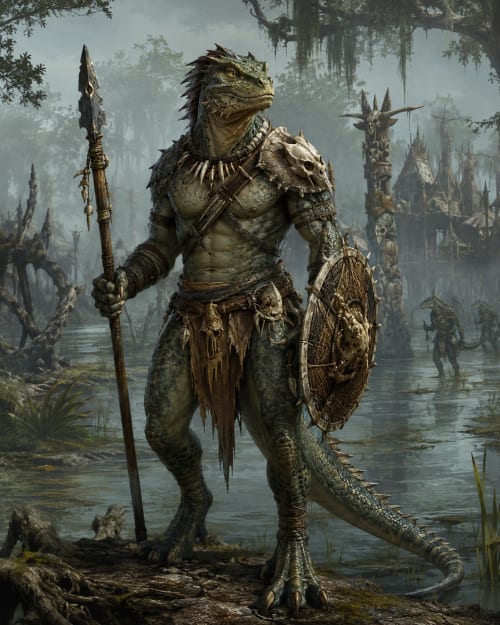
Lizardfolk
Lizardfolk · The Lizard People — Cold-Blooded Tribal Warriors of the Marsh
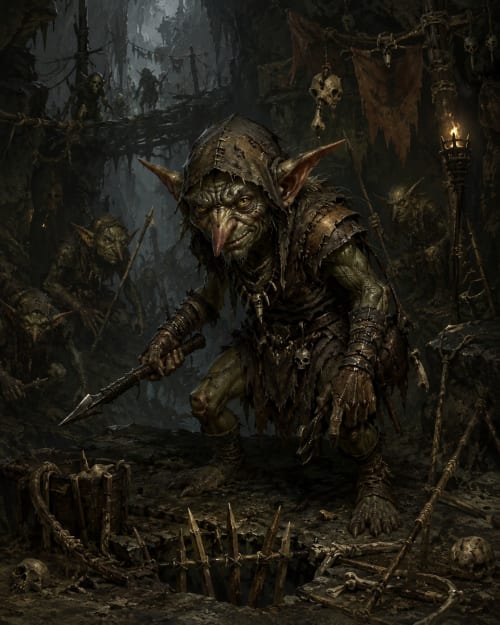
Goblin
Goblin · The Cunning Little Folk — Raiders Who Live by Numbers and Guile
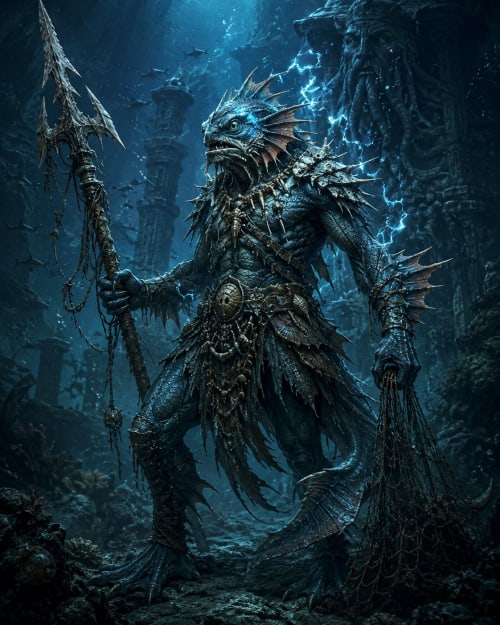
Fishfolk
Fishfolk · The Deep-Sea Fish People — Wild Tribes of the Abyss
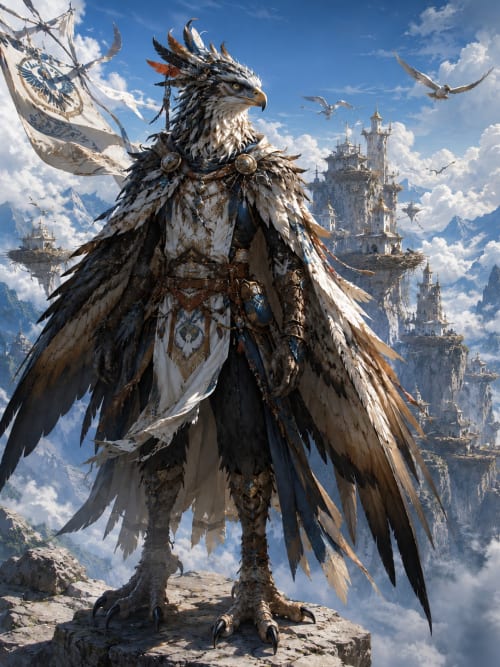
Birdfolk
Birdfolk · The Bird People — A Mountain-Peak Race That Flies the Skies
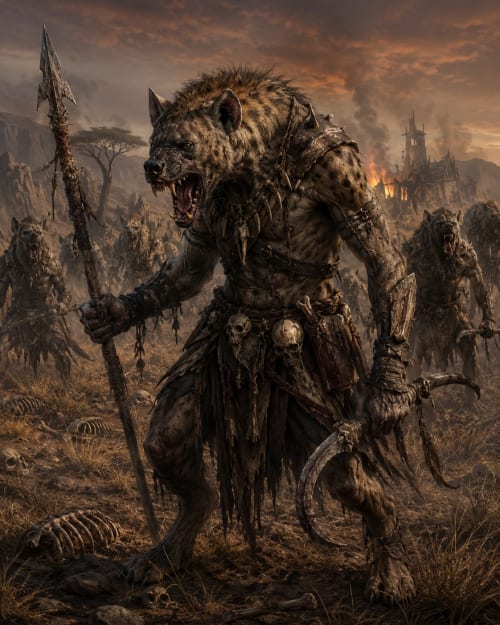
Gnoll
Gnoll · The Hyena People — A Raiding Tribe Maddened by Hunger