
Kāṣāya
Buddhist monastic robe of patched cloth
Names in Other Languages
 가사한국어
가사한국어Kāṣāya · 불교 승려의 가사
 袈裟日本語
袈裟日本語仏教僧侶の法衣
 袈裟繁體中文
佛教僧侶法衣
 KāṣāyaDeutsch
Buddhistisches Mönchsgewand aus Flickstoffen
 KāṣāyaFrançais
Robe monastique bouddhiste en pièces cousues
 KāṣāyaEspañol
Túnica monástica budista de retazos cosidos
 KāṣāyaPortuguês
Túnica monástica budista de retalhos costurados
 KāṣāyaPolski
Buddyjska mnisia szata z zszytych łatek
 КашаяРусский
Буддийское монашеское одеяние из сшитых лоскутов
The kāṣāya is the traditional robe of Buddhist monks, composed of rectangular pieces of cloth stitched together in a patched pattern. The form originates in the Buddha's instruction that disciples sew their robes from discarded rags, making the patchwork itself a visible symbol of poverty and renunciation. Originally dyed with earth, rust, or plant juices into ochre tones, the kāṣāya adopted regional colors as Buddhism spread — black or brown in Chinese Chan, gray in Korean Seon, vivid multicolor in Japanese schools, and elaborate gold-woven variants among Tibetan lamas. It can be worn with the right shoulder bared (ekāṃsikaṃ) or covering both shoulders. Three sizes — outer, middle, and inner — correspond to different occasions. In East Asian fantasy, the kāṣāya marks the enlightened monk, martial priest, or sage.
Related
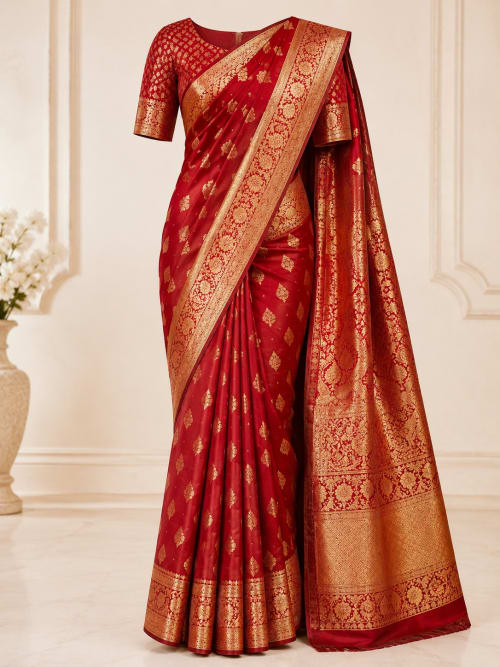
Sari
India's unstitched drape of infinite variety
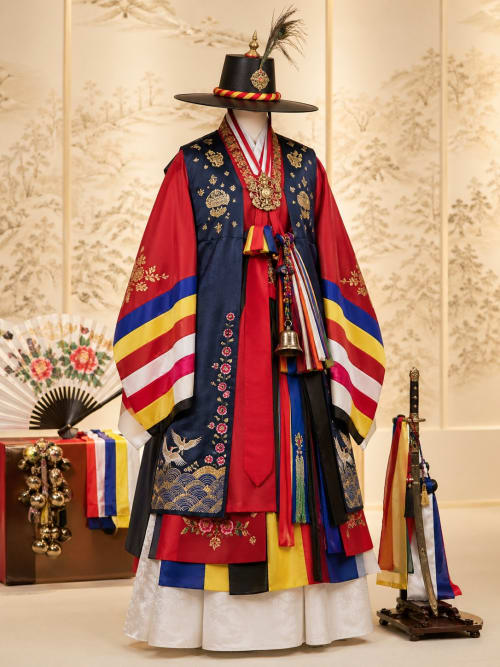
Mudang-bok
Korean shaman's ritual gown
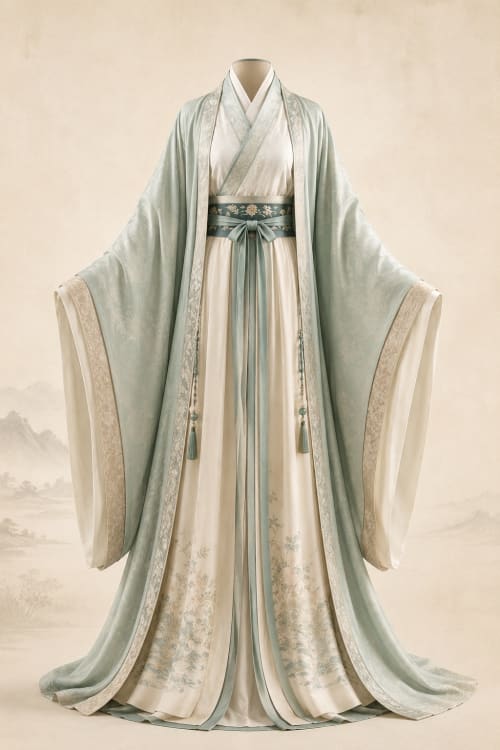
Hanfu
Traditional dress of China's Han ethnic majority
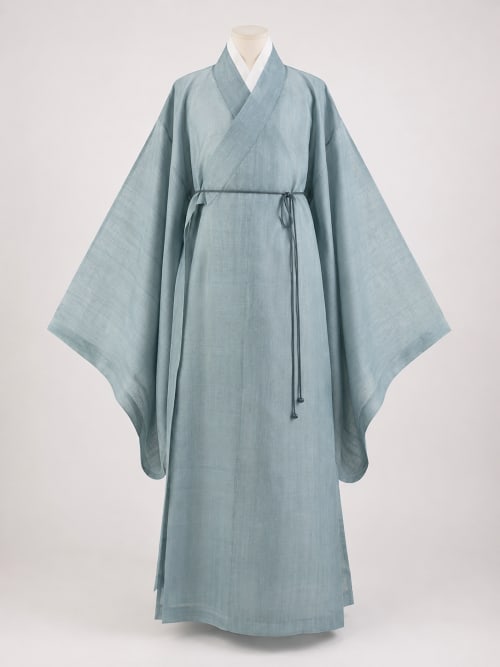
Dopo
Joseon scholar's long outer robe
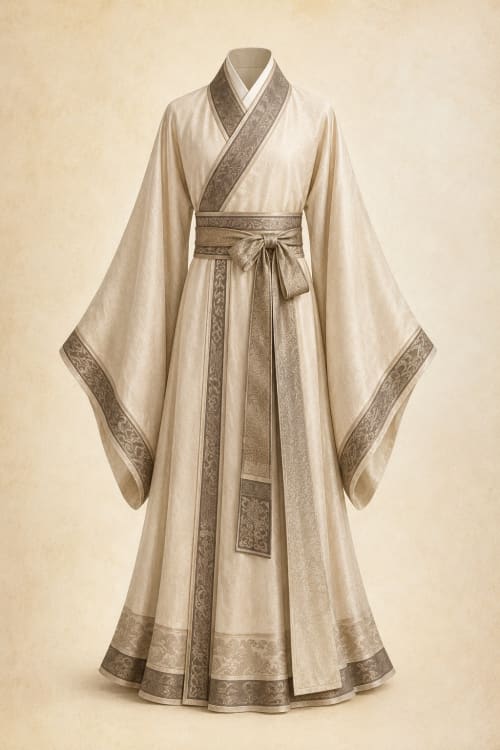
Shenyi
One-piece Confucian robe of ancient China
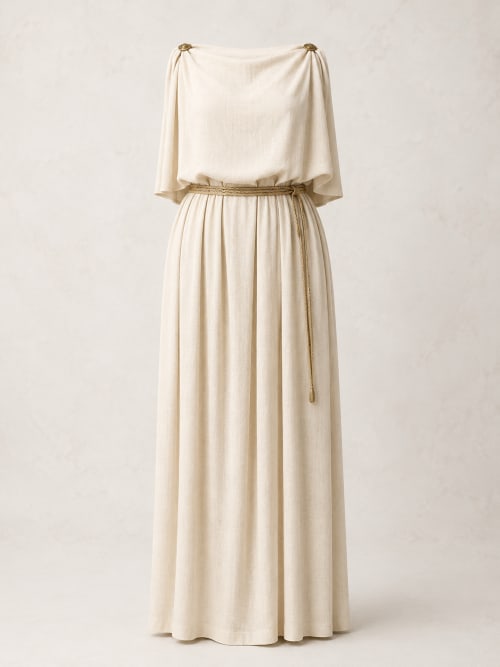
Peplos
Pinned rectangular garment of ancient Greek women
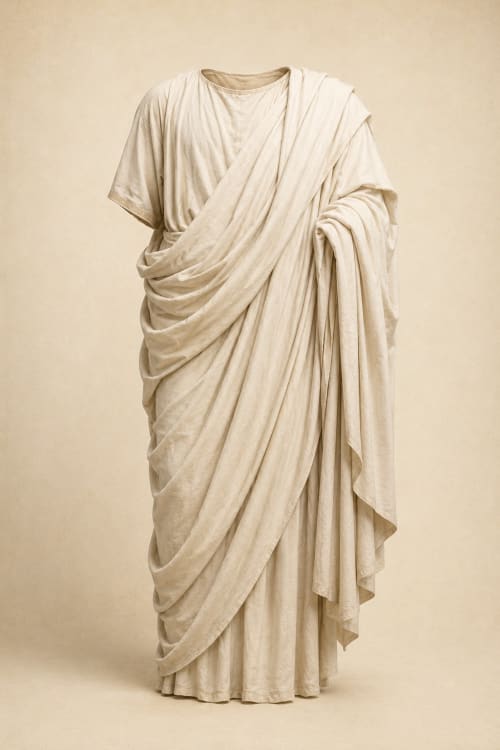
Toga
Draped symbol of Roman citizenship
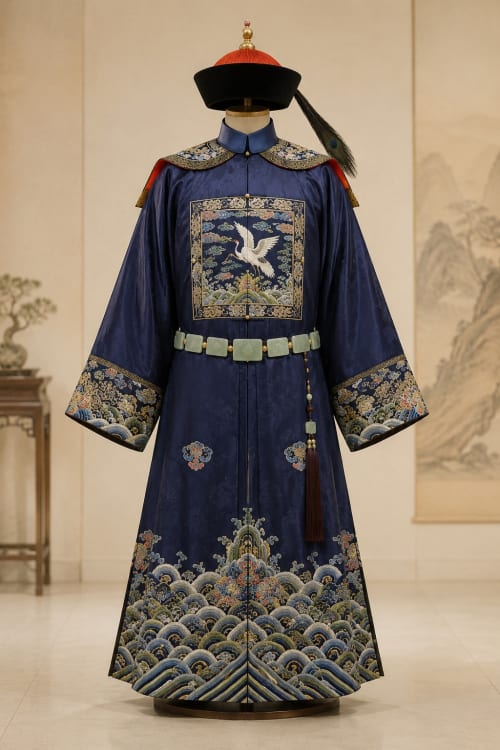
Mandarin Guanfu
Ming-Qing Chinese imperial official's robe

Plague Doctor Outfit
Beaked mask and waxed coat of the plague physician
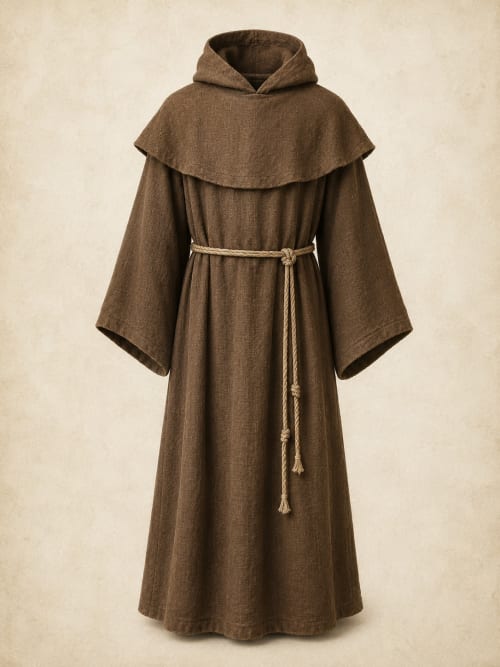
Monk's Habit
Medieval European monastic robe
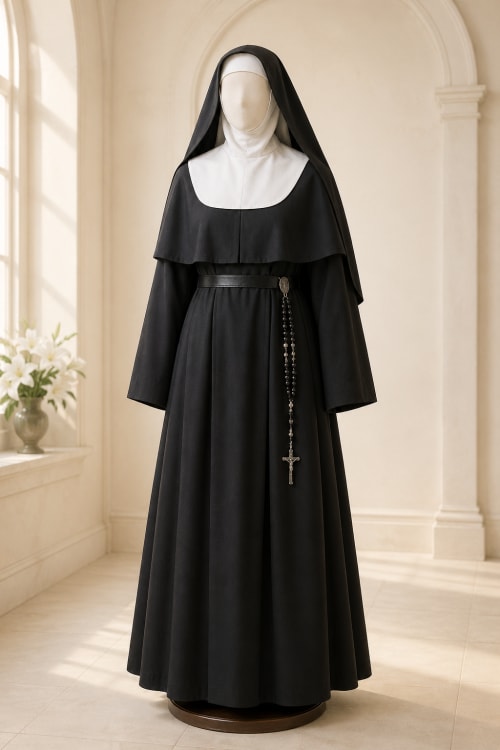
Nun's Habit
Catholic nun's veil and robe