Western
163 items tagged with "Western"

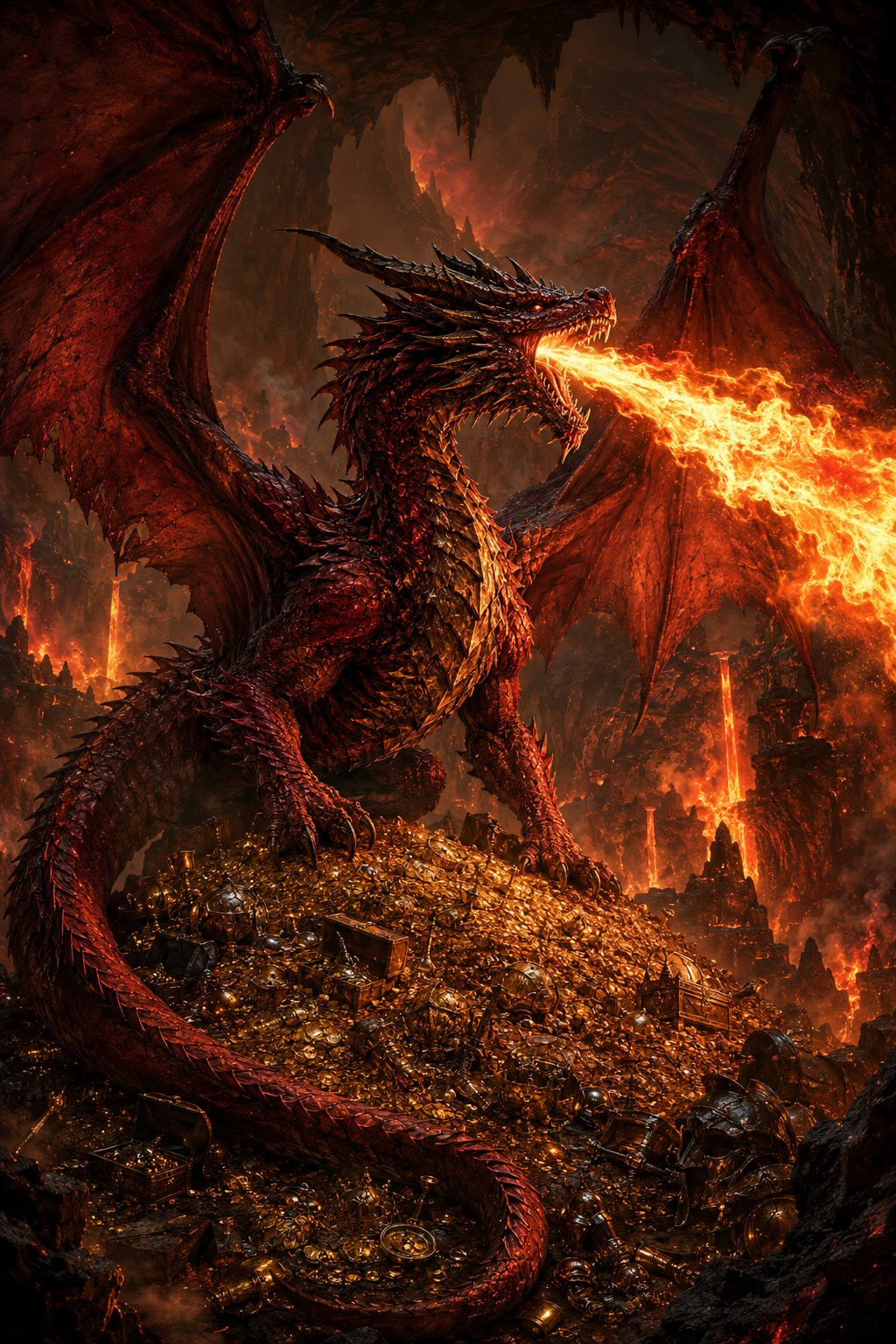
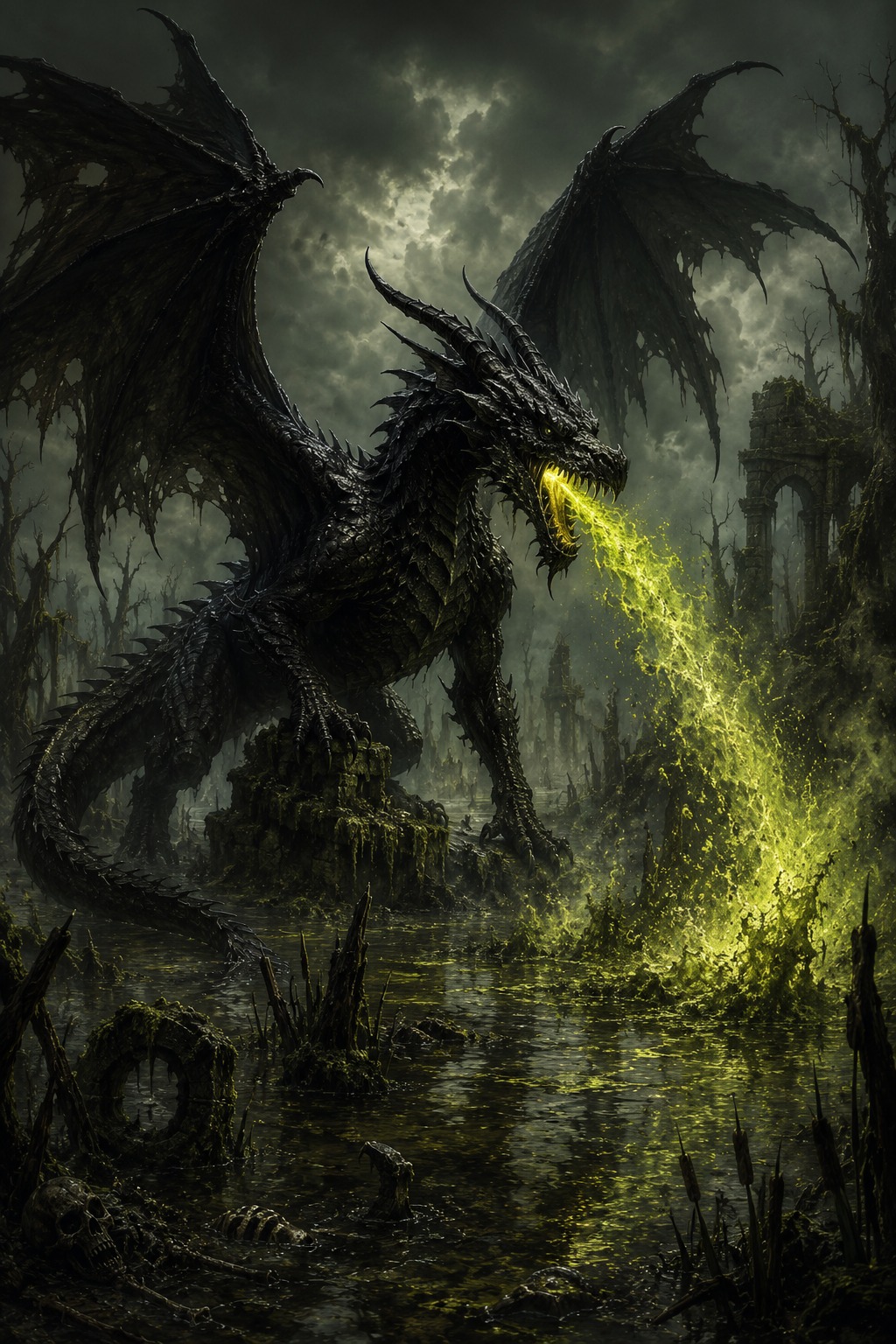
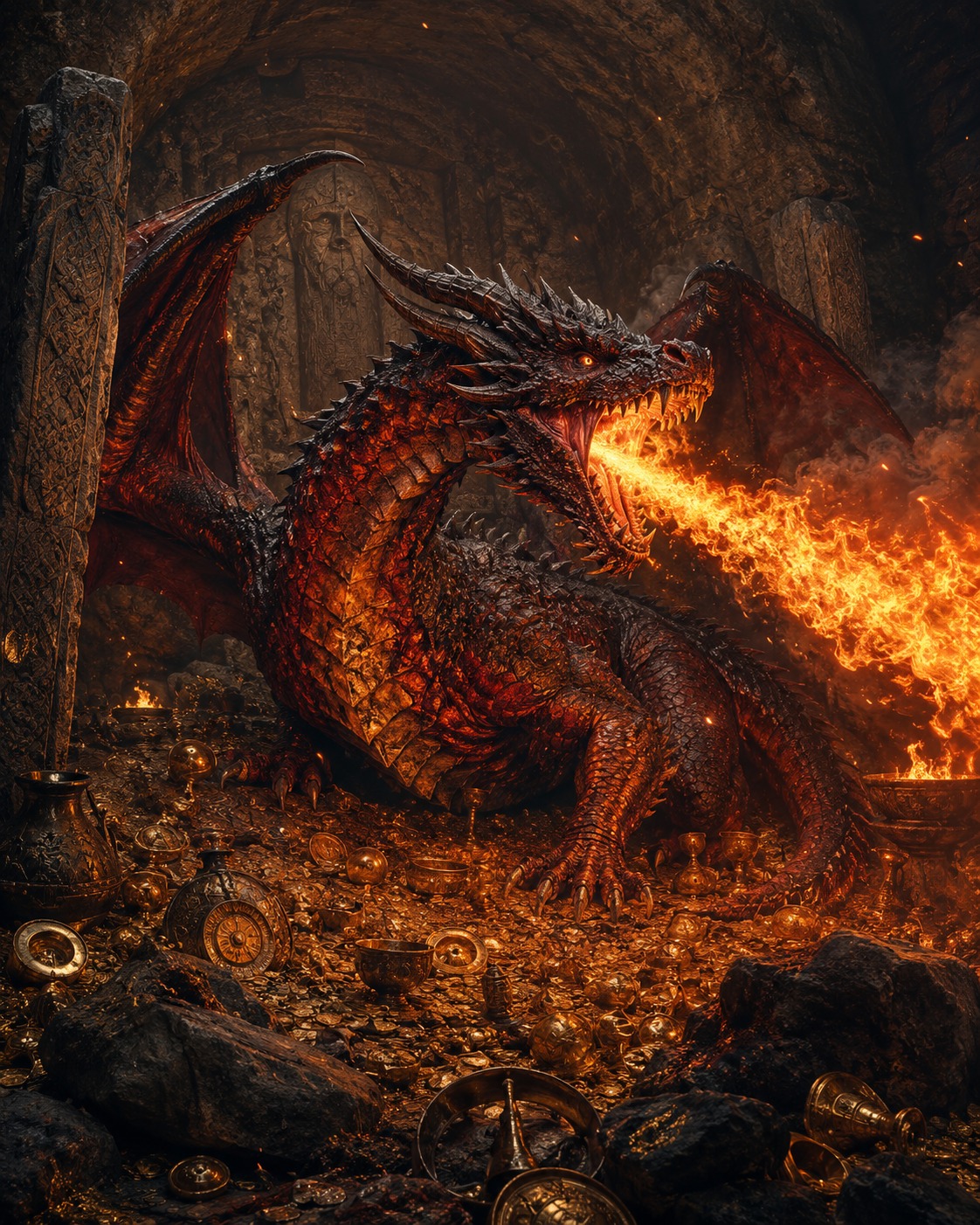
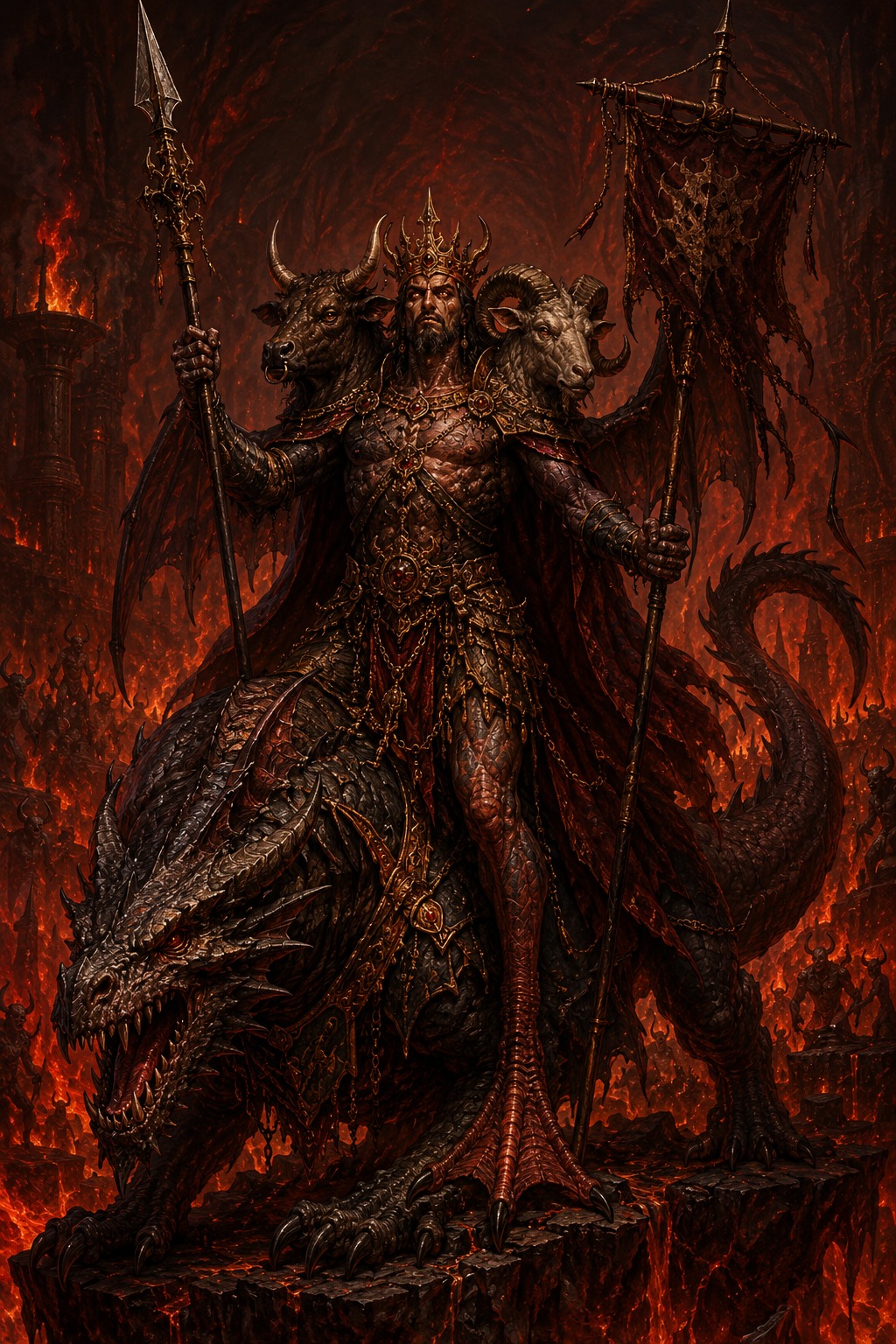
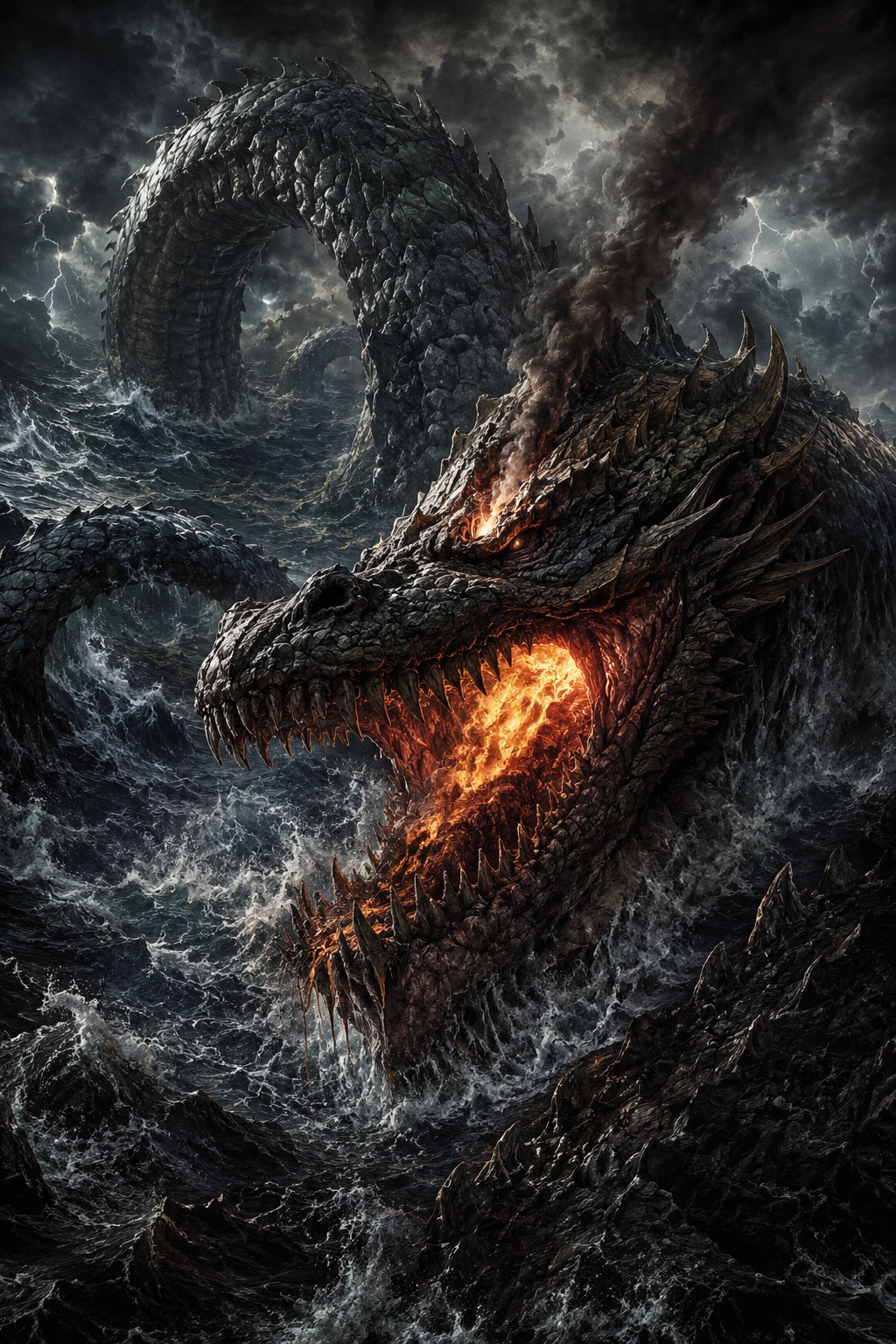
Dragon
Legendary Creature · Wyrm — Ancient being of immense power and wisdom
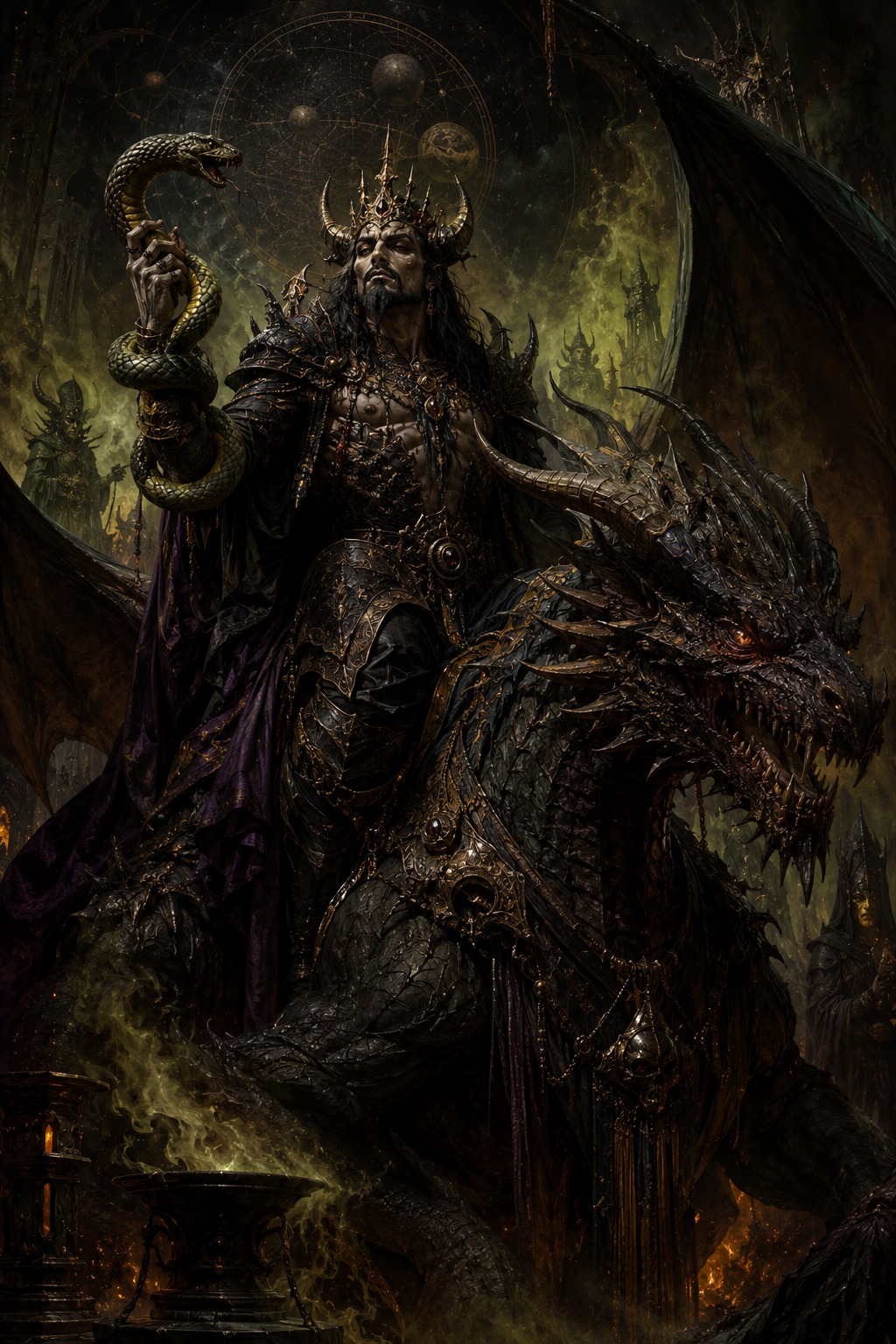
Dragons are large, reptilian mythical creatures found in legends across both Eastern and Western cultures. They are renowned for their supernatural abilities such as breathing fire or flight, and serve as symbols of power, wisdom, calamity, or greed. Their appearance, temperament, and significance vary widely between cultures.

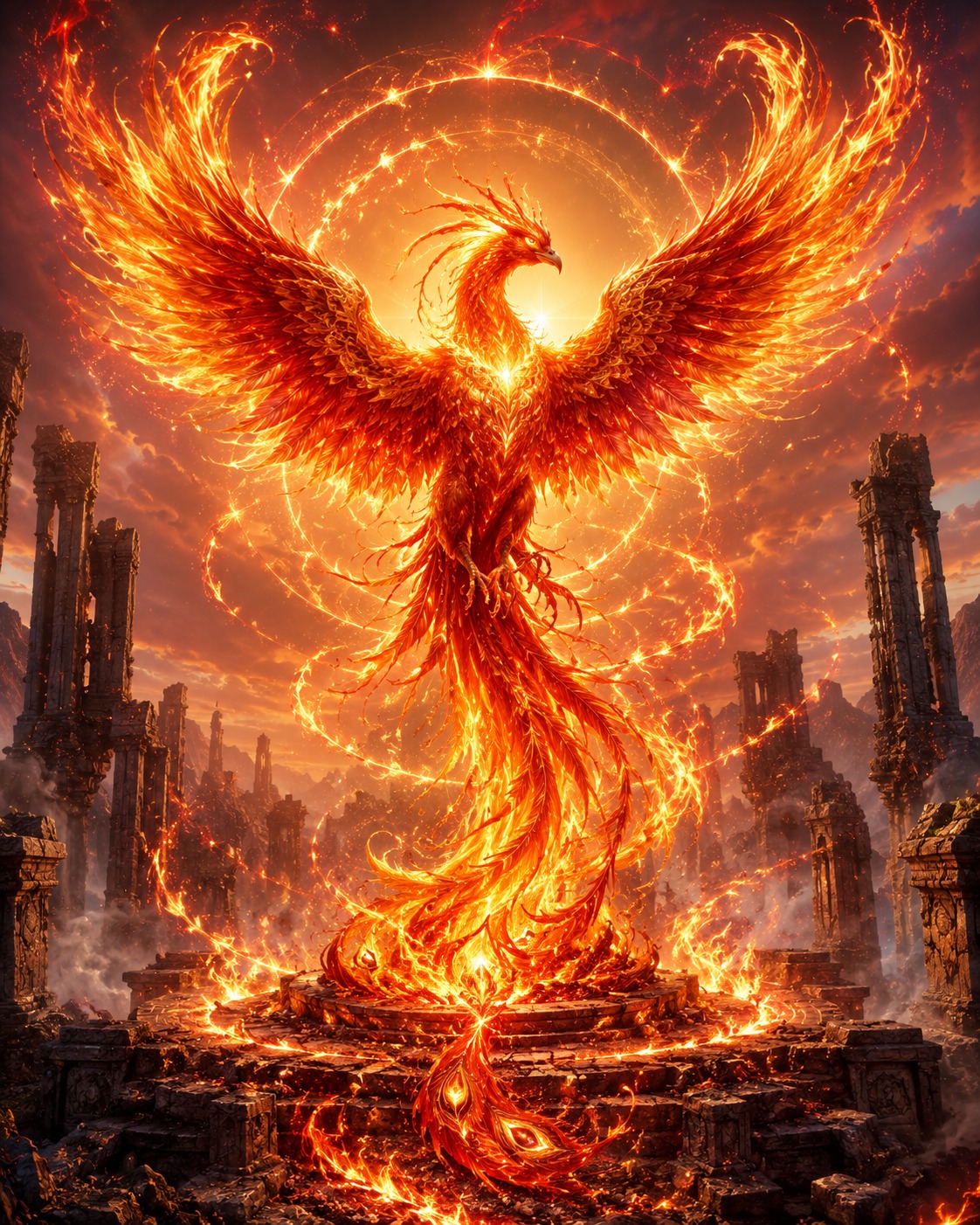
Phoenix
Phoenix · Firebird — Legendary bird reborn from flames
The phoenix is a mythical bird symbolizing immortality and rebirth. According to legend, it dies in a burst of flames and rises anew from its own ashes. It appears in both Eastern and Western myths, representing eternal life and hope.

Longhorn Bison
Longhorn Bison · Ancient plains giant — Massive grazer with elongated horns
The Longhorn Bison is inspired by the real prehistoric giant, the long-horned bison (Praebison antiquus). It was known for its imposing size and exceptionally long horns, roaming the grasslands of Eurasia and North America. Its tough hide and herding behavior made it both a challenge and a prize for early human hunters.

Gargoyle
Gargoyle · Stone Monster — Legendary Protectors of Medieval Architecture
Gargoyles are grotesque stone statues found on medieval European buildings, particularly cathedrals and churches. Legends depict them as mystical creatures warding off evil spirits and protecting the structures. In reality, they functioned as architectural water spouts.

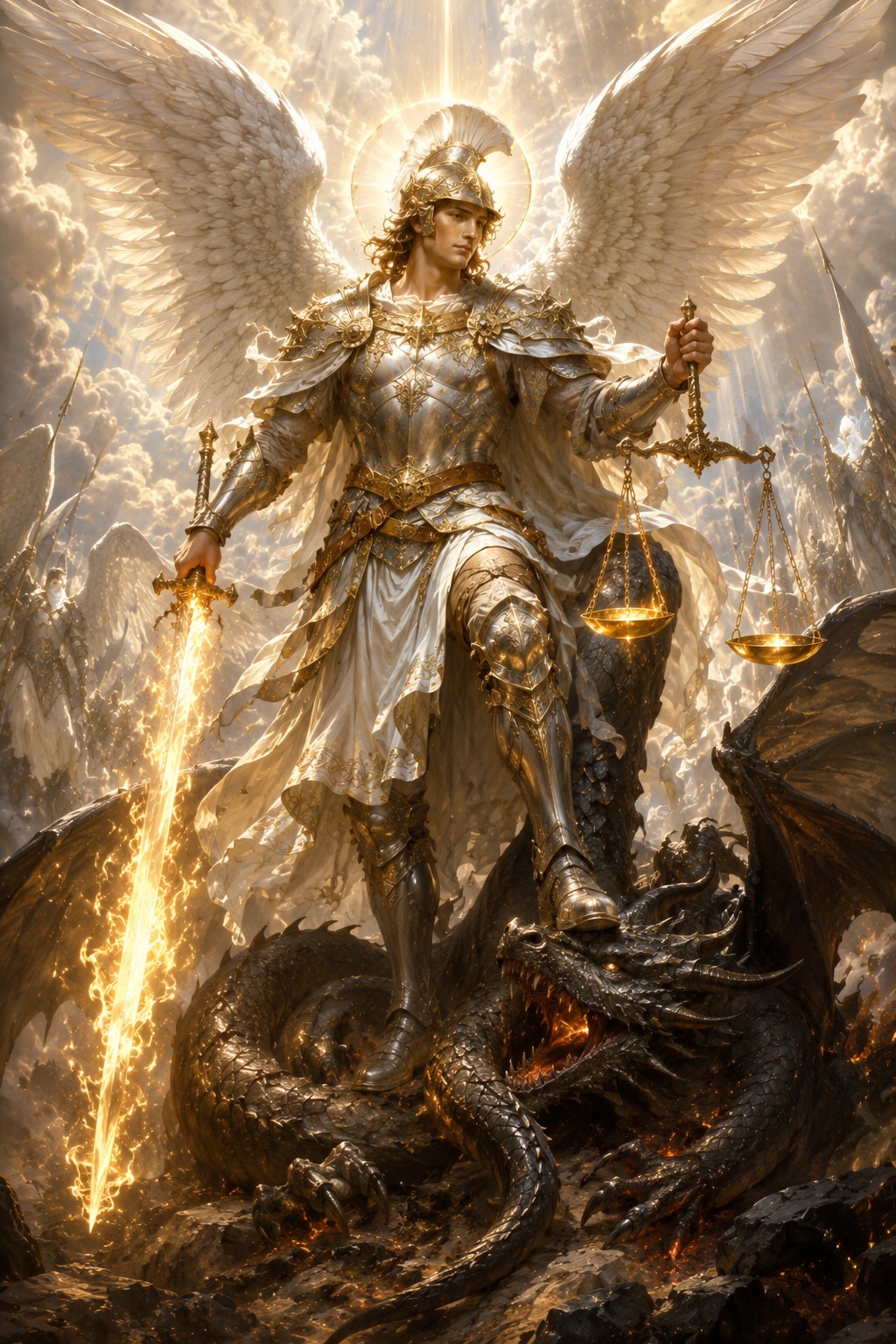
Paladin Lion
Sacred Guardian · Emblem of Knighthood — Mythical protector of chivalric orders
The Paladin Lion is a mythical creature revered as the symbol of chivalric orders. Representing courage, justice, and loyalty, it frequently appears in legends as a guardian spirit accompanying knights or paladins.

Skeleton Warrior
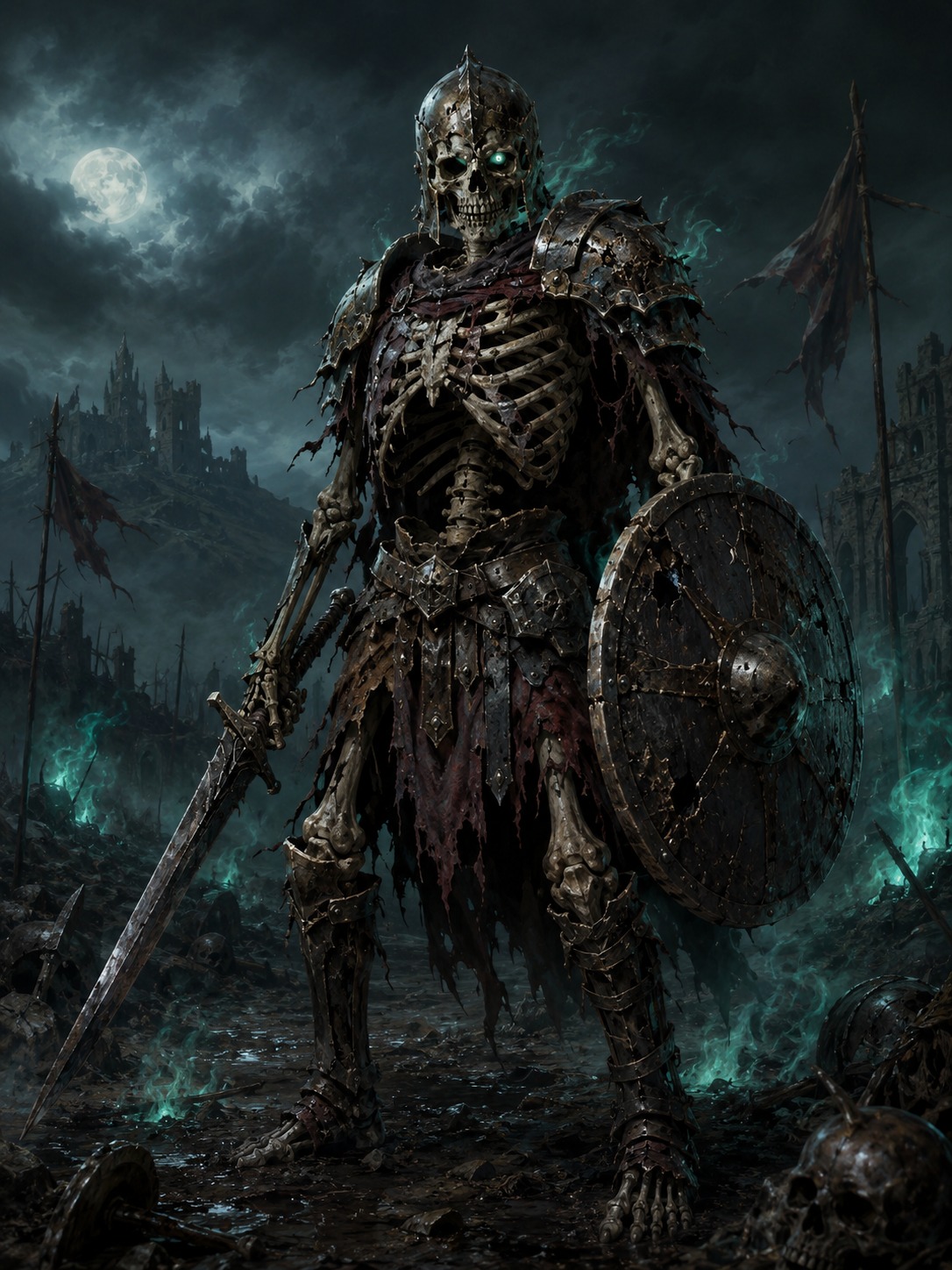
Skeleton Warrior · Undead Soldier — A warrior risen from death and granted unlife
The Skeleton Warrior is an undead fighter composed solely of bones, animated by necromancy or dark magic. Frequently found in medieval and fantasy settings, they serve as minions or guardians. They often appear in groups or as lone sentinels.

Golem
Golem · Artificial Creature — A being made from inanimate materials
A golem is an artificial being constructed from inert matter such as clay, stone, or metal. Animated by magic or mystical incantations, golems serve the commands of their creators. They are typically used for labor, protection, or defense.

Griffin
Griffin · Legendary Lion-Eagle — Mythical creature with eagle foreparts and lion hindquarters
The griffin is a legendary creature featuring the head, wings, and talons of an eagle and the body, hind legs, and tail of a lion. Prominent in medieval European myths, it symbolizes strength, bravery, and guardianship. It frequently appears in heraldry and architectural ornamentation.

Wyvern
Wyvern · Type of Dragon — Legendary two-legged, winged reptilian creature
The wyvern is a mythical beast characterized by two legs and a single pair of wings, resembling a dragon but distinct in form. It often features a long, serpentine tail and powerful talons, sometimes depicted with the ability to breathe fire or poison. The wyvern appears frequently in medieval European heraldry and literature, serving as a symbol of strength and ferocity.

Vanished Basilisk
Basilisk · Legendary Beast — Mythical creature with a lethal gaze
The basilisk is a legendary monster found in ancient European and Middle Eastern mythology. Often depicted as a hybrid of serpent and rooster, it was said to kill with a single glance. The vanished basilisk is considered a creature that no longer exists.

Eldritch Marine Creatures
Eldritch Marine Beings · Deep Sea Terrors — Ancient, otherworldly entities of the ocean
Eldritch marine creatures are bizarre, otherworldly organisms said to dwell in the ocean's deepest, most inaccessible regions. Their forms are alien and often defy human understanding, frequently appearing in myths and tales as frightening or mysterious beings. Such creatures represent the unknown and incomprehensible threats lurking beneath the sea.

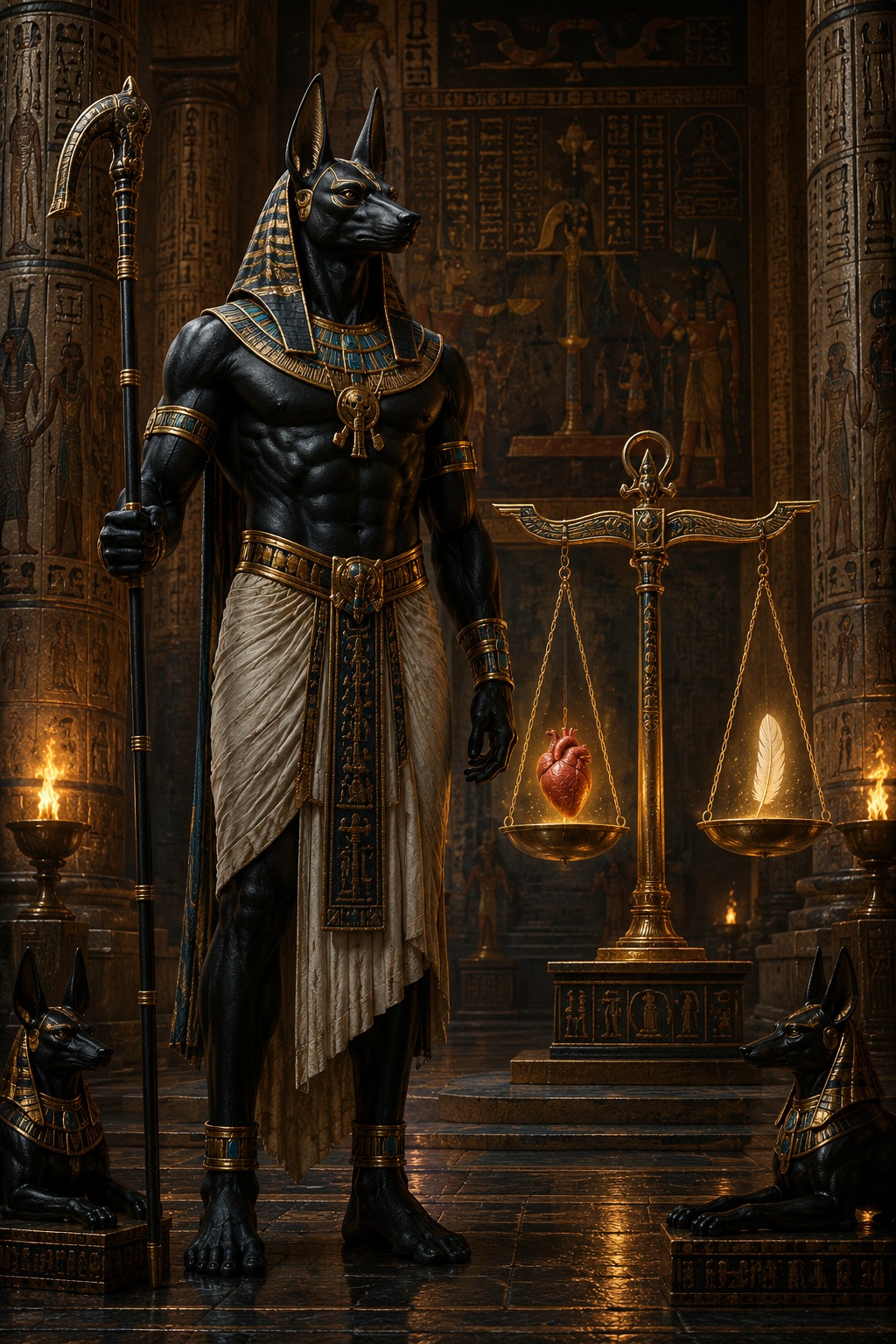
Anubis
Anubis · Egyptian God — Guardian of Death and Mummification
Anubis is known in ancient Egyptian mythology as the deity guiding souls of the dead and presiding over the mummification process. He is typically depicted with the head of a black jackal and the body of a man. Anubis symbolizes death, resurrection, and the order of the afterlife for ancient Egyptians.

Unicorn
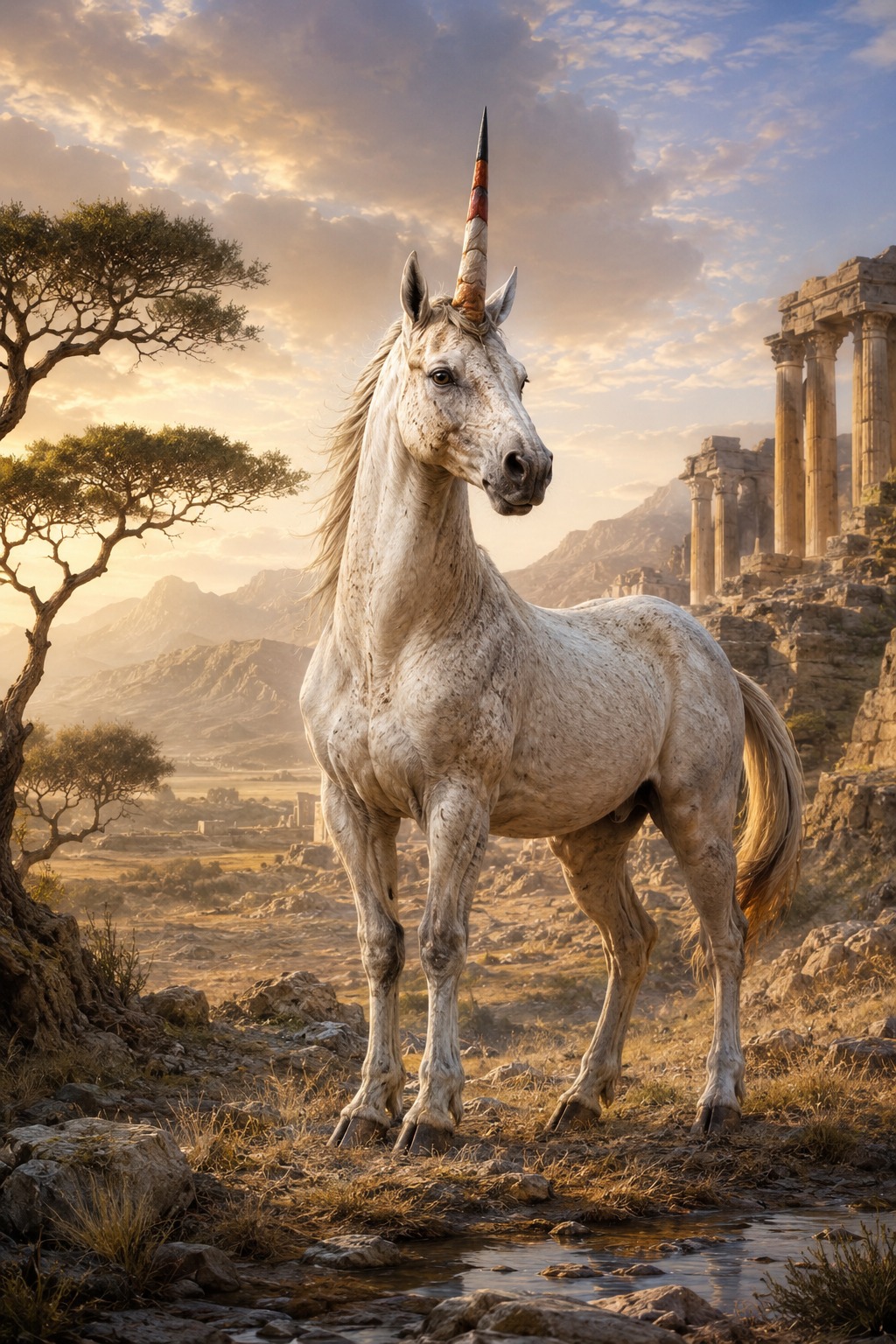
Unicorn · Monoceros — Legendary Horse with a Sacred Horn
The unicorn is a legendary horse-like creature distinguished by a single horn on its forehead. It is regarded as a symbol of purity and divinity and is often associated with healing powers. Unicorns appear frequently in ancient texts and art, revealing themselves only to those with pure hearts.

Amphicyon
Amphicyon · Bear Dog — Large prehistoric carnivore
Amphicyon, known as the 'bear dog,' was a large prehistoric mammal that exhibited features of both bears and dogs. It possessed powerful jaws and agile limbs, allowing it to hunt a variety of prey in diverse environments. Although not directly related to modern bears or dogs, it displayed characteristics of both.

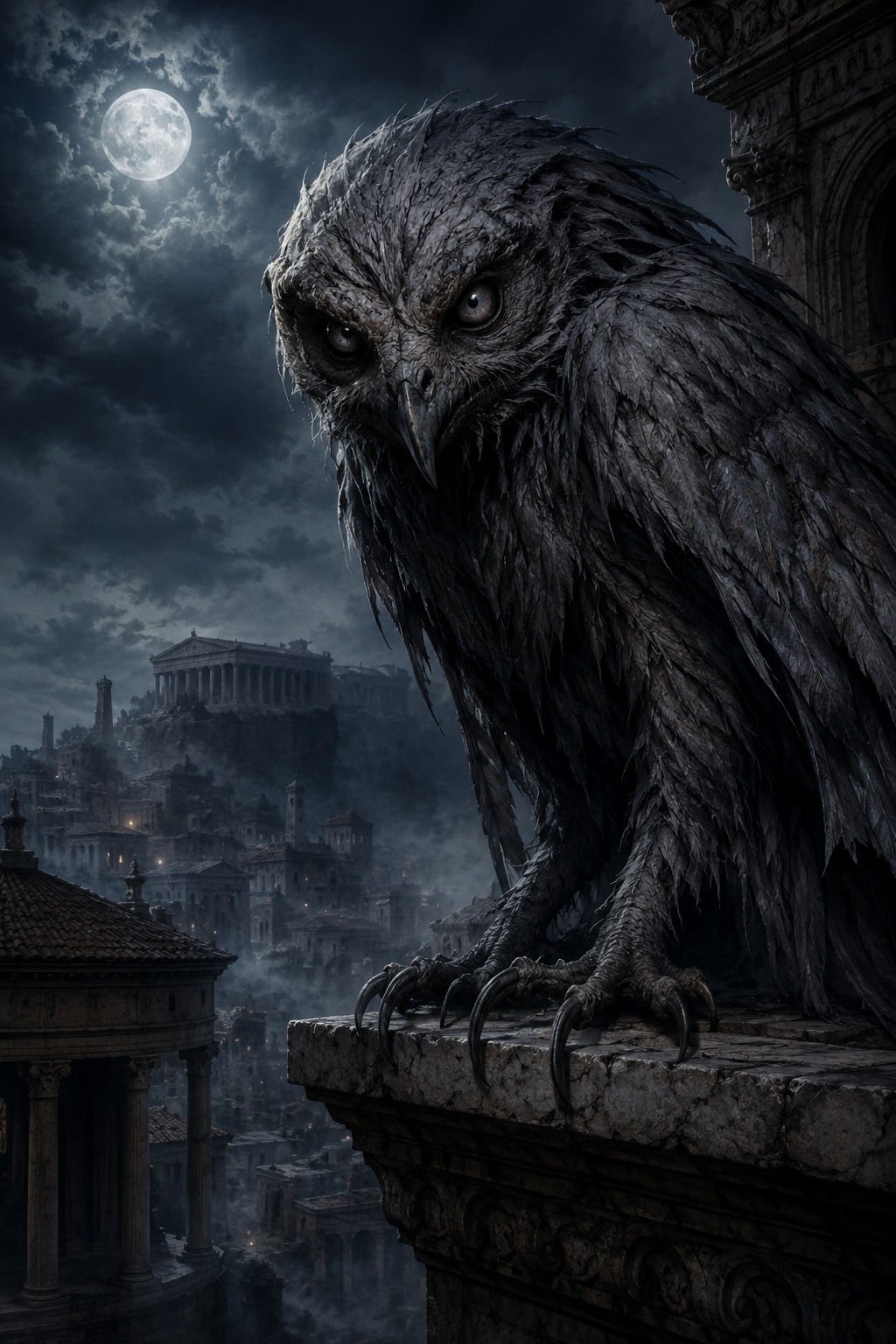
Strix
Strix · Night Bird — Vampiric Bird of Ancient European Myth
The Strix is a vampiric night bird from ancient Roman and Greek mythology. It is said to feed on human flesh and blood, especially that of children. Its ominous cry and nocturnal habits made it a feared and sinister creature.

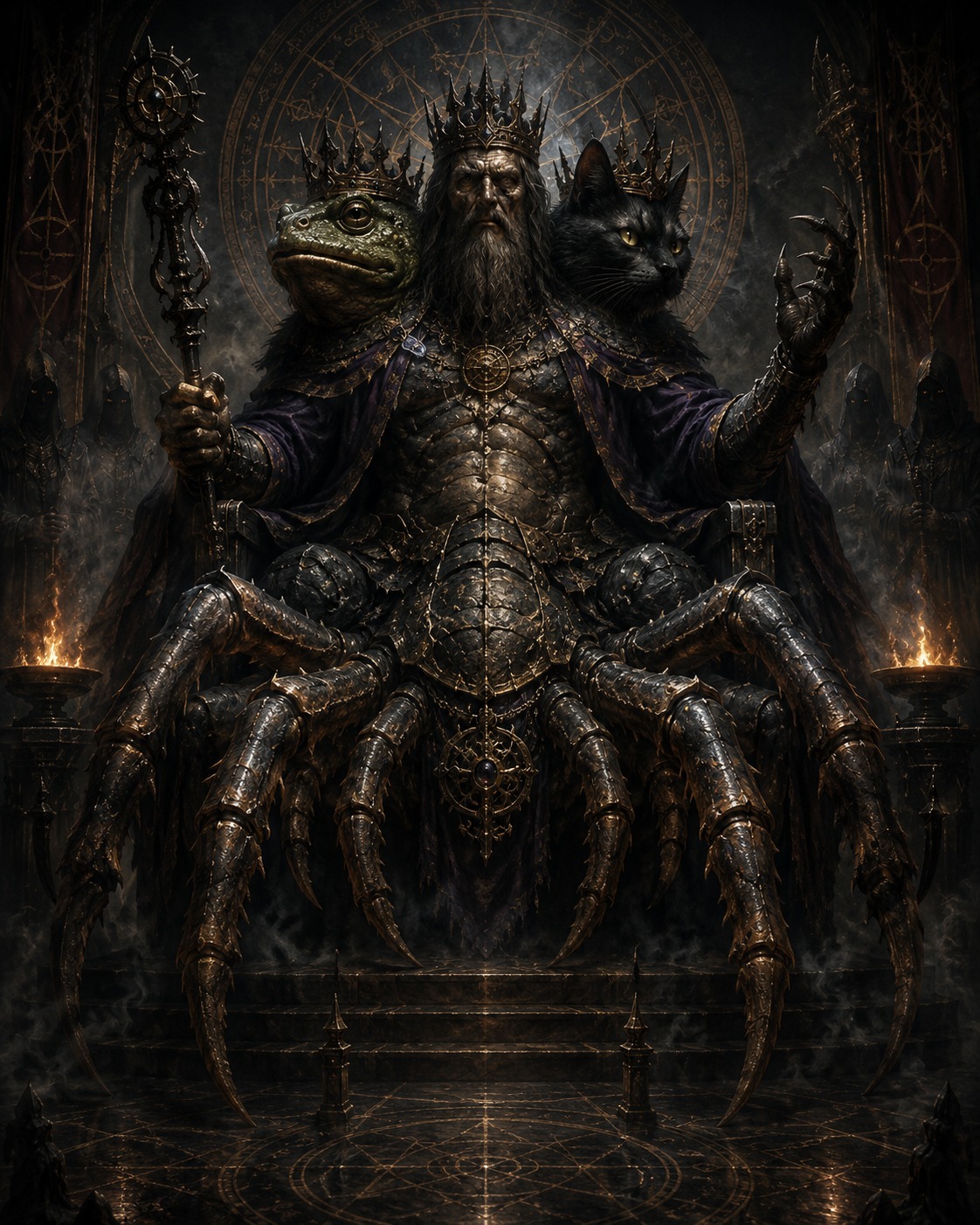
Giant Spider
Giant Spider · Colossal Arachnid — Large predatory arthropod
The giant spider is an enormous arachnid, far larger than common spiders. Appearing in Eastern folklore and European legends, it dwells in dark forests, caves, or ruins. It hunts by ambush, wielding potent webs and venom as its primary weapons.

Monoceros
Monoceros · Unicorn — Legendary one-horned creature
The Monoceros is a mythical animal distinguished by a single horn on its forehead. Mentioned in ancient Greco-Roman texts, it is revered as a symbol of purity and virtue. While similar to the Western unicorn, it possesses its own unique lore and imagery.

Spatha
Spatha · Roman Longsword — Long sword used by Roman cavalry and infantry
The spatha is a straight, long sword used primarily by cavalry and later by infantry in the Roman Empire. It is significantly longer than the gladius and effective for both cutting and thrusting. From the 2nd century CE, it gradually became the standard weapon for late Roman soldiers.

Qupola
Rotating Cupola · Turret — Small turret mounted atop armored vehicles
The cupola is a small rotating turret installed on top of tanks or armored vehicles, allowing the commander or gunner to observe the surroundings or operate secondary weapons. It was widely adopted in military vehicles during the early to mid-20th century. Usually made of steel plate, it sometimes mounts machine guns or observation devices.

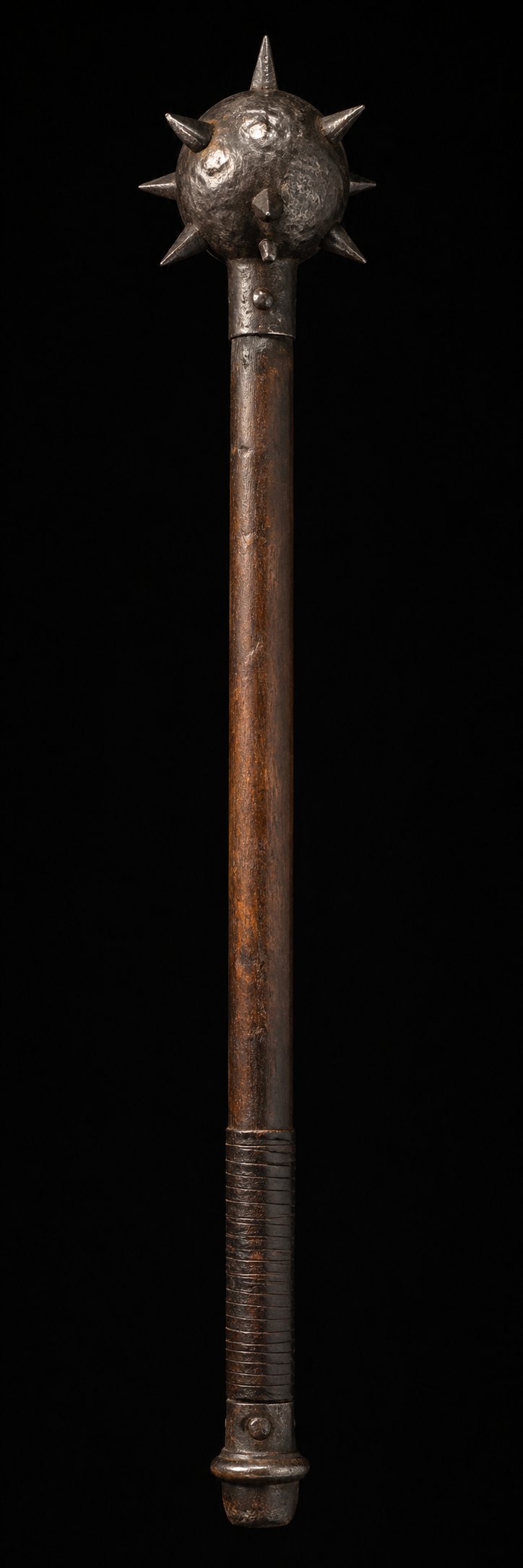
Morning Star
Spiked Mace · Flail — A blunt weapon with a spiked ball head
The morning star is a club-like weapon featuring a ball with protruding spikes. Popular in medieval Europe, it was designed to deliver powerful blows capable of damaging armored opponents. It existed in both one-handed and two-handed variants.

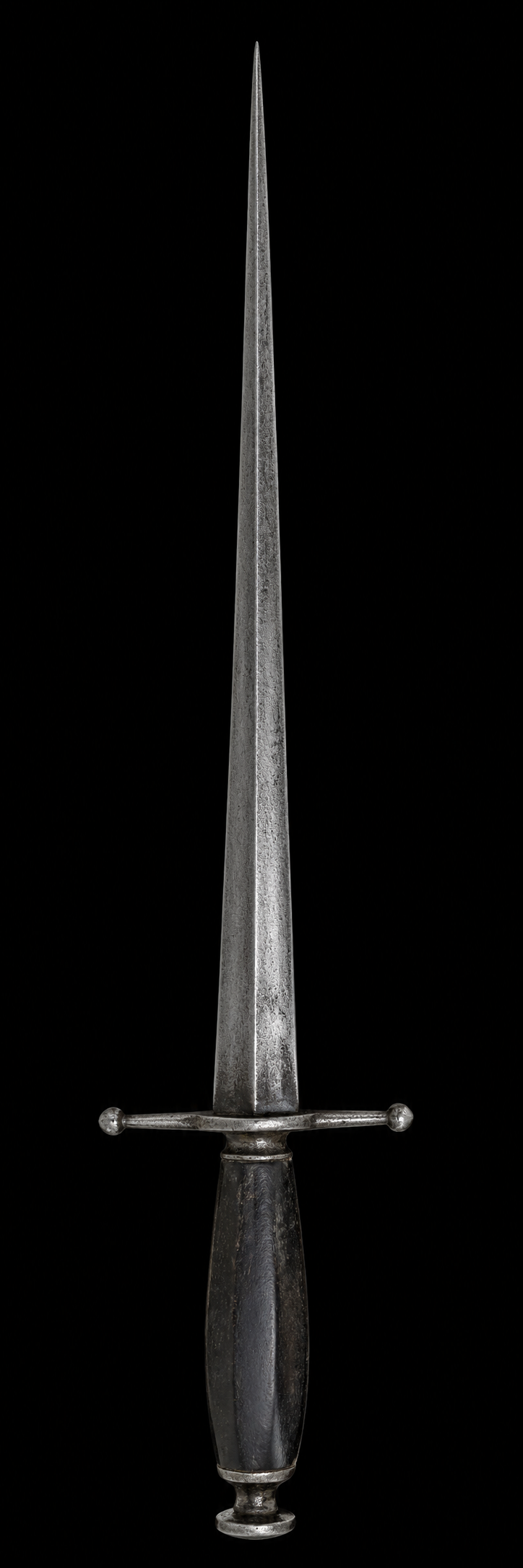
Shortsword
Shortsword · Dagger Type — Compact and versatile one-handed sword
The shortsword is a short, single-handed sword prized for its ease of handling. Its light weight and agility make it ideal for close combat and quick maneuvers. It is commonly used for both offense and defense.

Scorpion
Scorpion · Large crossbow siege weapon
The Scorpion is a large crossbow-like siege engine used from antiquity through the early medieval period. It was primarily deployed in siege warfare to attack enemy troops or fortifications, firing bolts, stones, or darts at long range. Its greater size and strength allowed for more destructive power than handheld crossbows.

Halberd
Halberd · Polearm — Medieval weapon combining axe and spear
The halberd is a polearm featuring an axe blade, a spear tip, and a rear hook. It was primarily used by infantry in medieval Europe to counter armored opponents and cavalry. Its versatile design allowed for both offensive and defensive maneuvers.

Crossbow
Crossbow · Arbalest — Mechanical Projectile Weapon
The crossbow is a ranged weapon that fires bolts using mechanical leverage. Unlike traditional bows, it employs a trigger mechanism, allowing users with less training to deliver powerful shots. It was widely used in medieval warfare and hunting.

Arbalest
Arbalest · Large Crossbow — Powerful Medieval Ranged Weapon
The arbalest is a large and powerful crossbow developed in medieval Europe. Featuring a metal prod, it delivers significant force capable of penetrating armor. It was primarily used in siege warfare for both offense and defense.

Saber
Curved Single-Edged Sword · Cavalry Blade — A classic cutting weapon
The saber is a curved, single-edged sword primarily designed for one-handed use. Renowned for its cutting power, it was widely utilized in cavalry and infantry throughout both Eastern and Western cultures. Most famously, it became a symbol of European cavalry in the 18th and 19th centuries.

Saber
Curved Cavalry Sword · Sabre — Single-edged, curved sword
The saber is a single-edged, curved sword designed primarily for use with one hand. It became prominent as a cavalry weapon, optimized for slashing attacks. Different variants appeared across Europe and Asia.

War Axe
War Axe · Battle Axe — Powerful striking weapon used in warfare
The war axe is a type of axe designed specifically for combat, differing from regular woodcutting axes by its optimized balance and blade shape for fighting. It often features a single or double blade and a forward-weighted head for devastating blows. War axes were widely used from antiquity through the medieval period across many cultures.

Wari Club
Wari Club · Ancient Andean Club — Weapon of the South American Wari Civilization
The Wari club is a type of mace used by the ancient Wari civilization of Peru. Made of sturdy wood or stone, it served as a close-combat weapon wielded by warriors. It played a prominent role in hand-to-hand battles.

Two-Handed Sword
Greatsword · Zweihänder — A massive sword wielded with both hands
The two-handed sword is a large, heavy blade that requires both hands to wield effectively. It is notable for its reach and powerful strikes, making it formidable in battle. Its size grants great force but demands significant strength.

Pike
Long Spear · Infantry Weapon — Classic polearm
The pike is a long pole weapon with a sharp metal tip, used predominantly by infantry in formation combat. It was widely adopted in medieval and early modern Europe, serving to counter cavalry charges and assert battlefield control. Its exceptional length allowed soldiers to hold off enemies from a distance.

Bastard Sword
Versatile Hand-and-a-Half Sword · Flexible Medieval Weapon
The bastard sword is a long sword from medieval Europe, designed for use with either one or two hands. Its extended grip and balanced blade allowed adaptability to changing combat situations. It earned a reputation for versatility among knights and soldiers.

Lance
Lance · Long Spear — Cavalry pole weapon
The lance is a long spear primarily used by medieval European knights for mounted combat. Designed for charging enemies at high speed, it could pierce armor and deliver powerful impacts. Lances were also popular in jousting tournaments.

Glaive
Glaive · Polearm — European pole weapon combining a spear and sword
The glaive is a European polearm featuring a single-edged blade attached to a long shaft. It is effective for both slashing and thrusting attacks. Glaives were commonly wielded by infantry during the Middle Ages and Renaissance.


Hammer
Hammer · Warhammer — Weapon of blunt force and utility
The hammer is a weapon made of metal or wood, featuring a heavy, flat striking head. It is primarily used to crush or break enemy armor and shields. Hammers were commonly used by warriors across medieval Europe and East Asia.


Flanged Morning Star
Flanged Morning Star · Spiked Mace — Mace combining sharp flanges and spikes
The flanged morning star is a type of medieval mace distinguished by metal flanges and protruding spikes. Its heavy head, often attached to a steel shaft, was designed to maximize destructive power against armored opponents. This weapon evolved to breach armor and inflict serious blunt and penetrating damage.

Ottoman Bow
Turkish Composite Bow · Iconic Weapon of the Ottoman Empire
The Ottoman bow is a composite bow widely used during the era of the Ottoman Empire. Constructed from wood, horn, and sinew, it features exceptional elasticity and penetrative power. Its compact, powerful shape made it effective for both cavalry and infantry.

Compound Bow
Compound Bow · Modern Arrow Weapon — Pulley-enhanced precision archery
The compound bow is a modern archery weapon utilizing a system of pulleys and cables to reduce draw weight and increase accuracy. Its mechanical advantage allows for greater power and consistency compared to traditional bows. It is popular for hunting, sport shooting, and sometimes military applications.

Longbow
Longbow · Great Bow — Traditional long-range war bow
The longbow is a tall, powerful bow traditionally used in medieval England, renowned for its range and penetrating power. Crafted from a single piece of wood, it offered significant advantages in ranged combat. It played a pivotal role in numerous historic battles.

Kalashnikov
Kalashnikov · Assault Rifle — Iconic Soviet infantry firearm of the 20th century
The Kalashnikov is an automatic rifle developed in the Soviet Union in 1947, becoming one of the world’s most widely used infantry weapons. Known for its durability and reliability, it functions effectively in various climates and conditions.

Spear
Spear · Polearm — A versatile weapon used for both melee and ranged combat
The spear is a long-shafted weapon tipped with a sharpened point or blade, used since ancient times in a variety of battlefields. Both infantry and cavalry employed the spear for thrusting and throwing. Its simplicity and reach made it tactically advantageous.

Hittite Bow
Hittite Composite Bow · Chariot Archer's Weapon — Signature weapon of the Hittite Empire
The Hittite bow was a sophisticated composite bow used by the ancient Hittite Empire. Crafted from wood, horn, and animal sinew, it delivered high elasticity and significant destructive power. It was favored by chariot archers for its efficiency in mobile warfare.

Pike Bow
Pike Bow · Long Pole Bow — Extra-long war bow
The Pike Bow is an extra-long bow used in medieval Europe. Its extended length grants superior range and penetration compared to standard bows. Both infantry and cavalry employed it for ranged support and breaking defensive lines.

Viola da Gamba
Viola da Gamba · Bowed String Instrument — Prominent in Medieval and Renaissance music
The viola da gamba is a bowed string instrument popular from the Medieval to Baroque periods. Played between the knees like a modern cello, it typically has six or seven strings and frets. Its mellow tone made it a favorite for chamber music and solo performances.

Harp
Harp · Lyre variant — Ancient stringed instrument
The harp is a string instrument with strings stretched across a triangular or curved frame. Played by plucking the strings with fingers, it is known for its clear and resonant tones. Harps have been widely used across Europe, the Middle East, and beyond since antiquity.

Vielle
Vielle · Ancient Bowed String Instrument — Iconic Medieval European Fiddle
The vielle is a medieval European bowed string instrument widely used before the Renaissance. It is considered the predecessor to the modern violin. Characterized by its five strings, it is capable of producing a range of tones.

Harp
Harp · Western String Instrument — Elegant curved traditional string instrument
The harp is a large string instrument played by plucking its vertical or horizontal strings with the fingers. It is known for its graceful frame and wide range of tones. Throughout history, it has been prominent in European court and folk music.

Dobro
Dobro · Resonator Guitar — String instrument with metal resonator
The Dobro is a distinctive guitar featuring an internal metal resonator, producing a bright and rich sound. It is well-suited for slide playing and widely used in blues, country, and folk genres. The metal resonator amplifies the string vibrations beyond what a standard acoustic guitar can achieve.

Viola
Viola · Alto String Instrument — Bridges the gap between violin and cello
The viola is a string instrument similar to the violin but slightly larger, with a deeper, mellower tone. It primarily occupies the alto range in ensembles, playing inner harmonies and melodic lines in string quartets and orchestras. Its warm, rich timbre makes it distinct among string instruments.

Lyre
Ancient String Instrument · Iconic in Greek Antiquity
The lyre is a plucked string instrument commonly associated with ancient Greece. Characterized by its U-shaped frame and multiple strings, it played a central role in poetry recitals, rituals, and music performances. Its small, lightweight construction made it portable and versatile.


Galante
Galante · Classical String Instrument — European-Style Violin Introduced to Late Joseon Korea
The Galante is a string instrument of the violin family that was introduced to Korea during the late Joseon dynasty. With the influx of Western music, it was played at court and elite gatherings. Its clear and rich tone offered a new sound distinct from traditional Korean instruments.

Necromancer
降靈術師 · Necromancer — A forbidden mage who controls death
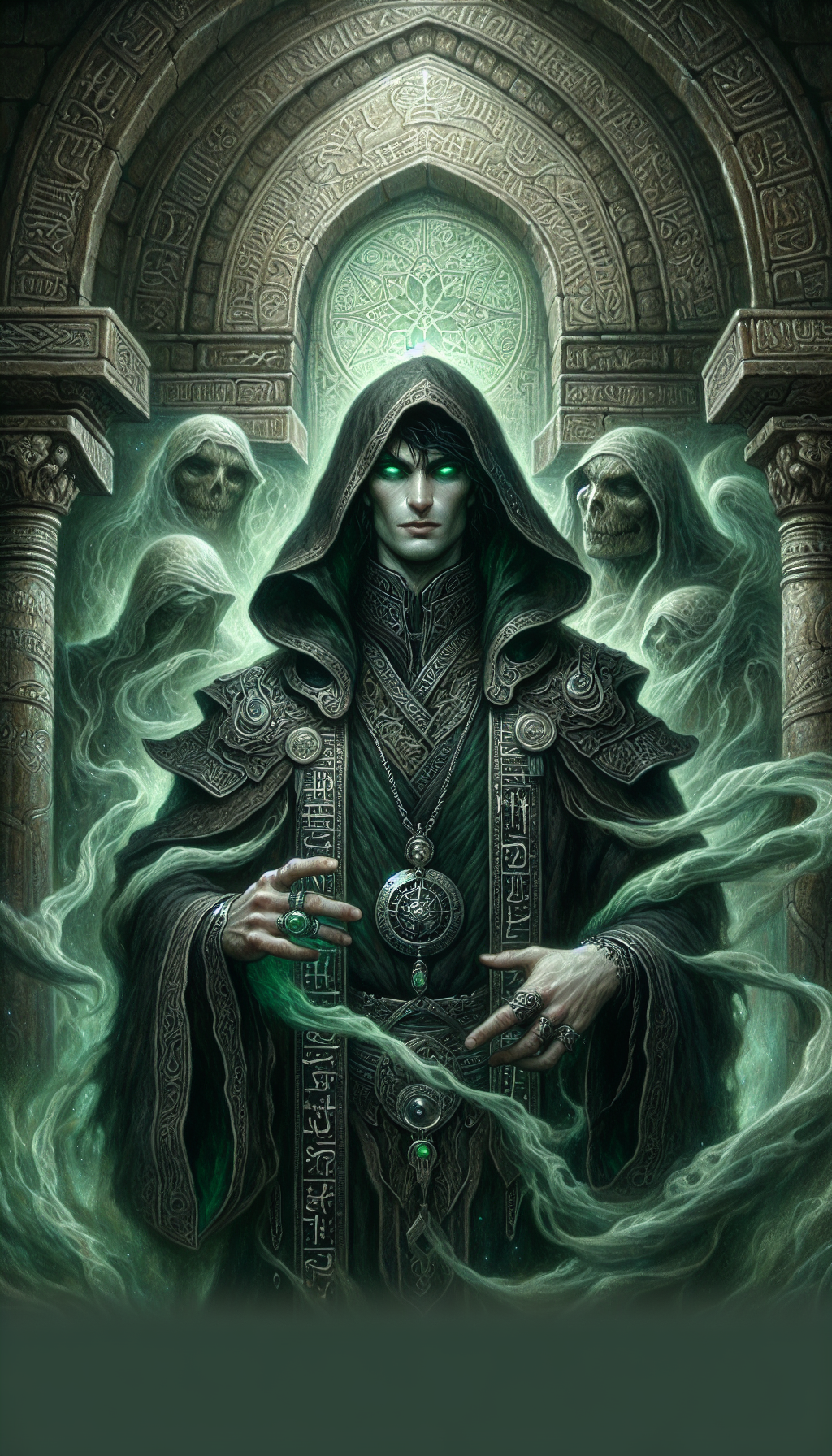
A forbidden magical class that raises spirits of the dead or controls corpses for combat. Classified as illegal in most nations, but the power of necromancy surpasses all other magic. The most terrifying magical class capable of unlimited force replenishment.

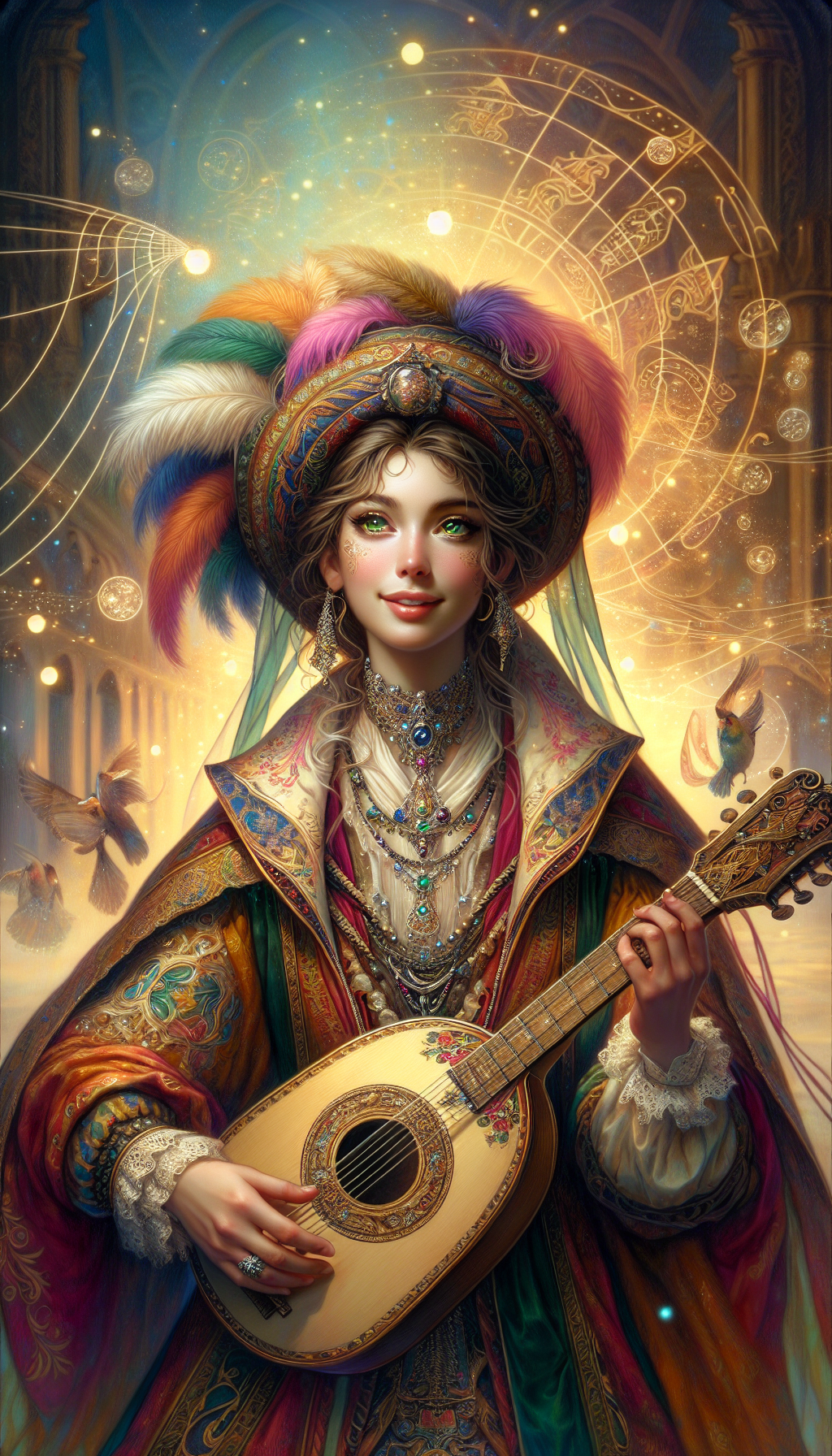
Bard
吟遊詩人 · Bard — A wandering artist who changes the world with song and story
A unique class that channels magic through music, poetry, and stories to influence those around them. In combat, they buff the entire party through performance or charm and confuse enemies. Welcomed everywhere in the world, they are an invaluable source of information, witnesses to history, and the ones who create legends.

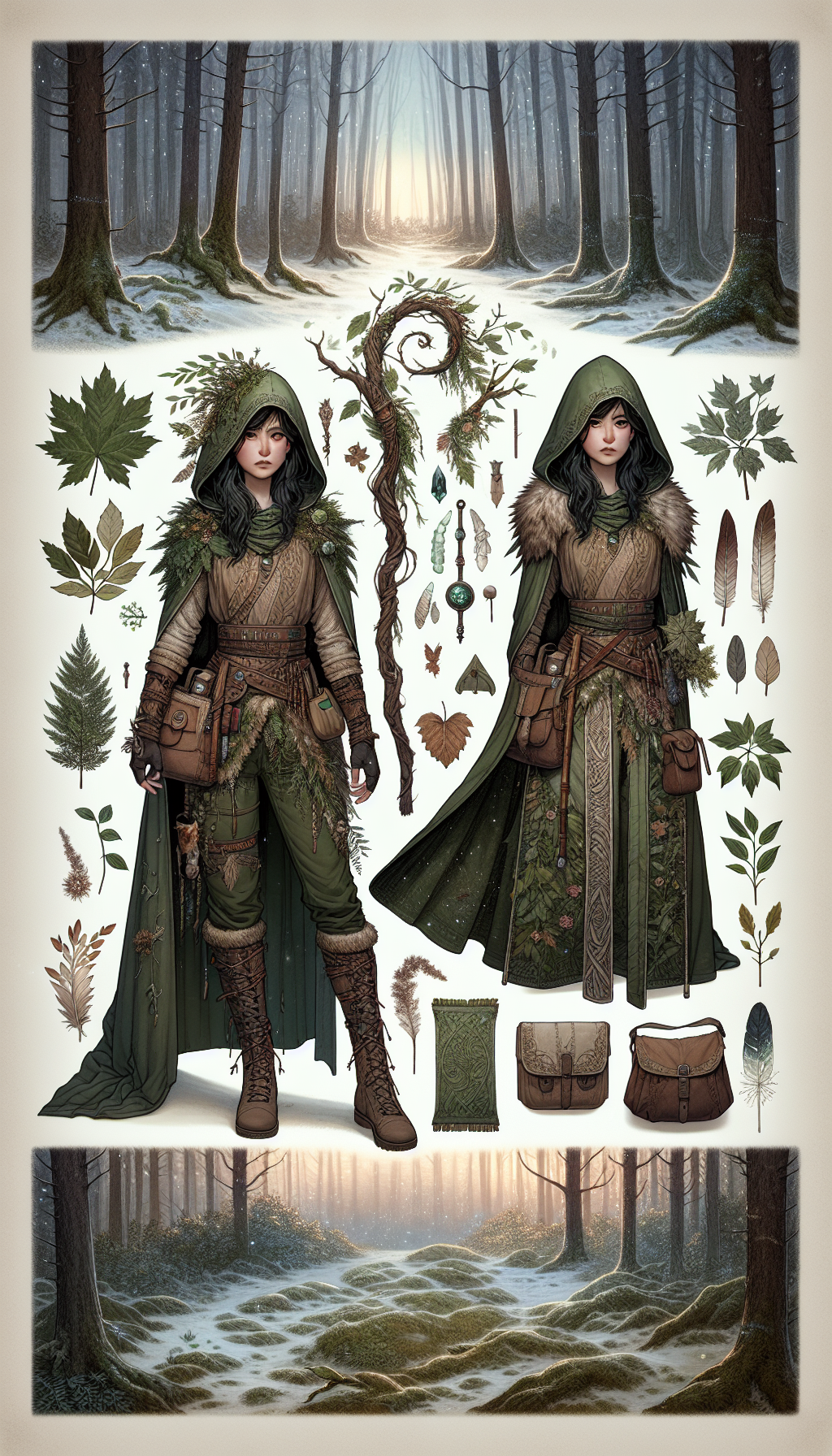
Ranger
遊擊手 · Ranger — A tracker who has become one with the wild
A class that integrates survival, tracking, and combat across natural environments such as forests, wastelands, and snowfields. A hybrid class combining the archer's ranged abilities with nature magic, animal empathy, and trap-setting. The strongest existence outside of civilization.

Magic Swordsman
魔劍士 · Magic Swordsman — A rare dual expert who channels magic through the blade
A rare class that has mastered both swordcraft and magic simultaneously. Characterized by infusing magic into the blade for elemental attacks or fighting while maintaining magical barriers. Requires significant proficiency in both magic and swordsmanship, making it extremely difficult to master.

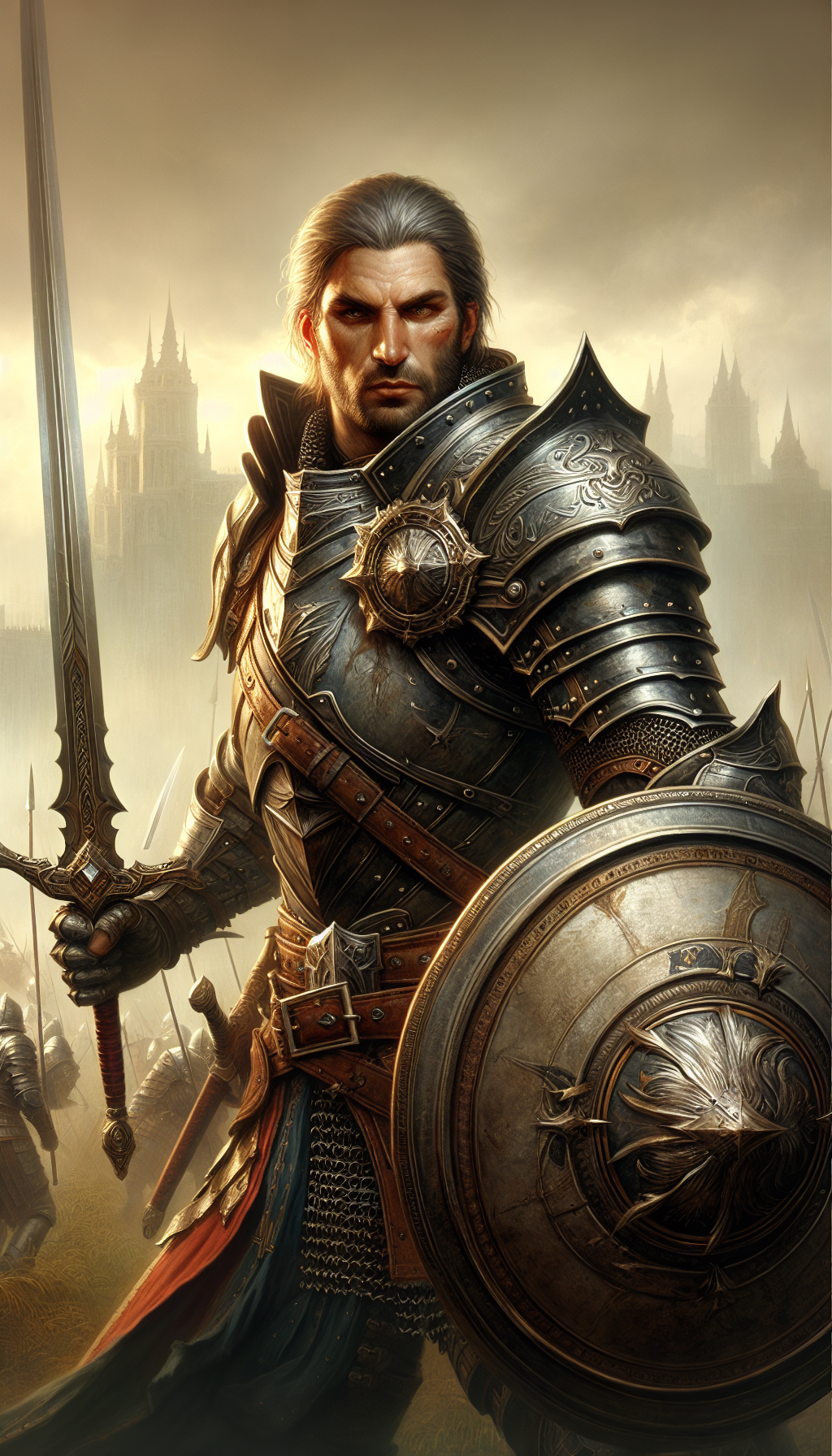
Paladin
聖騎士 · Paladin — A warrior of light blessed by divine grace
A hybrid class that simultaneously wields holy magic and melee combat. Combining the warrior's combat power with the cleric's healing and holy magic, the paladin fills the most versatile role in any party. They value justice, faith, and oaths — breaking an oath can transform them into a 'Fallen Paladin' who loses divine abilities.

Guardian
守護者 · Guardian — An iron wall that holds back the world with a single shield
A combat class completely specialized in defense and party protection. While low on attack power, their unmatched defense and threat-generation ability allows them to absorb any enemy attack and shield their allies. Shield counters and guard-parries — converting defense into offense — are their signature techniques.

Lancer
槍騎士 · Lancer — A specialist in charges and piercing strikes
A combat class specializing in lances and mounted combat. The piercing force generated by a mounted charge can penetrate any armor, and the long reach allows precise targeting of large enemies' vital points. Lancers specializing in dragon hunting are sometimes called 'Dragon Slayers'.

Dark Knight
暗黑騎士 · Dark Knight — A fallen warrior bound to darkness
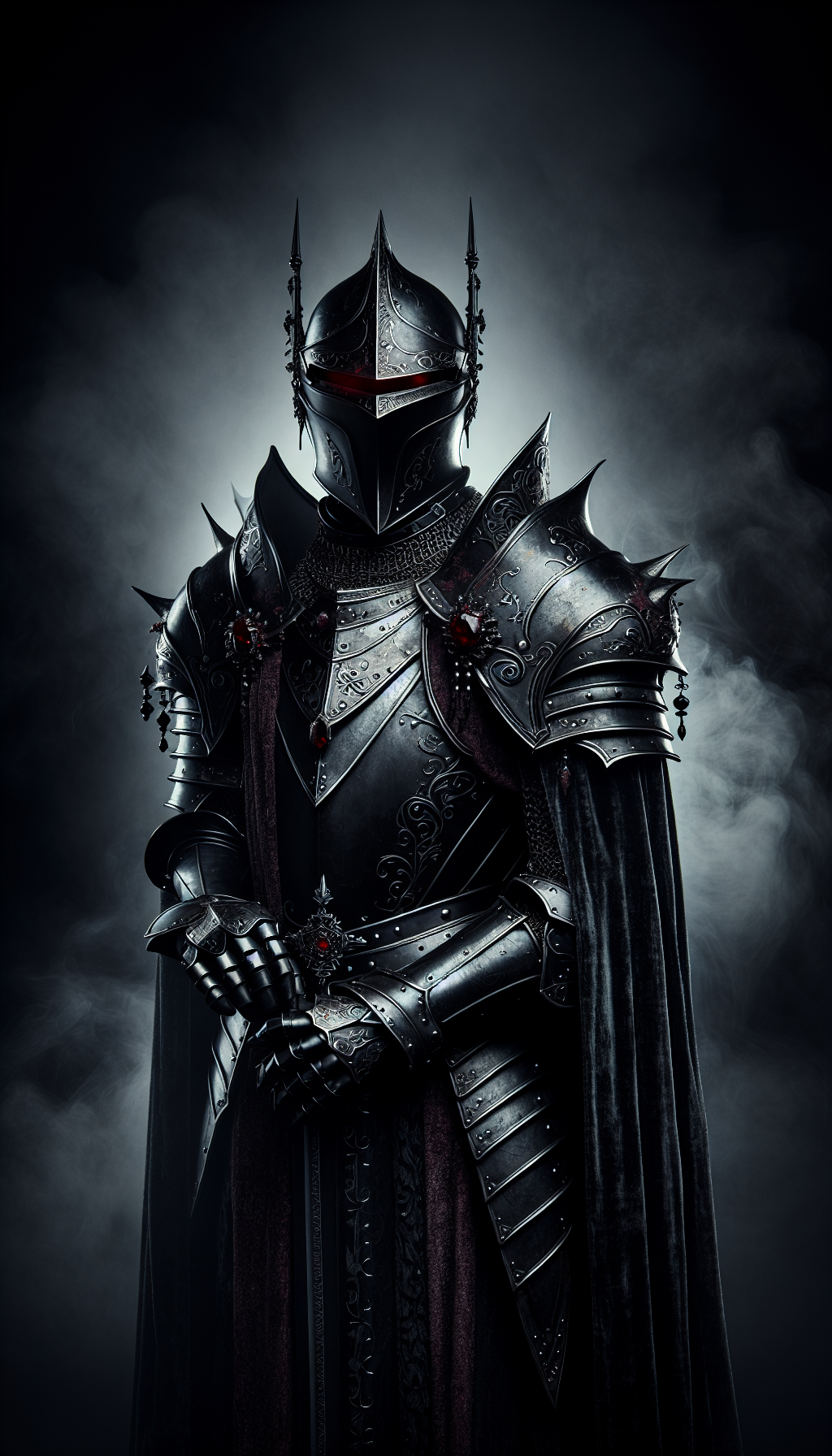
A class combining the power of darkness with melee combat. The antithesis of the paladin, they consume their own life force to wield powerful dark magic. Known for overwhelming attack power and the ability to inflict fear, but as a price, they carry a curse that endlessly devours their own vitality.

Warrior
戰士 · Warrior — The foundational melee combat class fighting with strength and endurance
The most fundamental combat class, engaging in close-quarters battle using physical weapons such as swords, axes, and blunt weapons. Known for high HP and defense, the warrior stands at the vanguard of any party. Depending on specialization, they branch into defensive (tank) or offensive (DPS) builds.

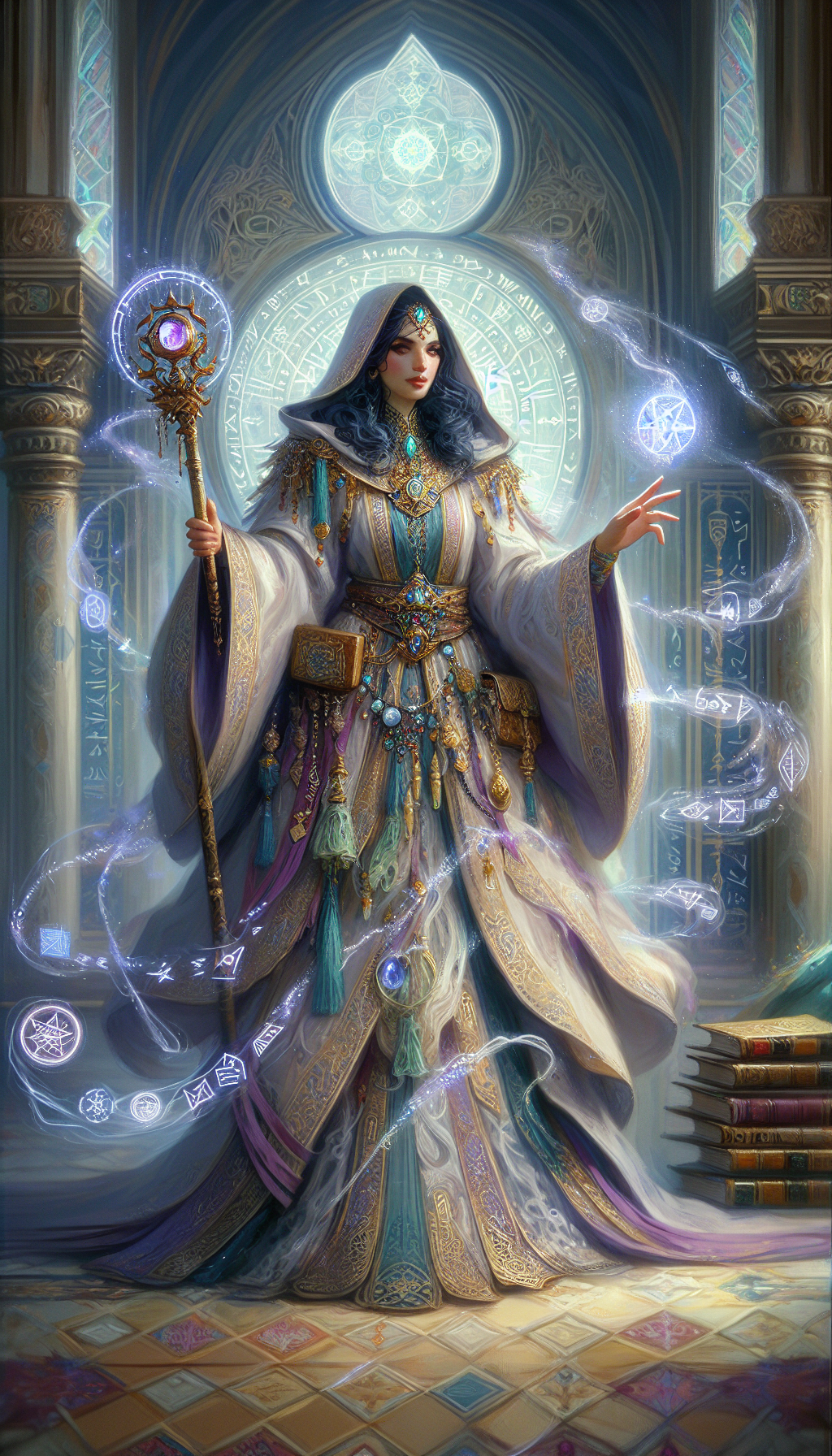
Mage
魔法師 · Mage / Wizard — A knowledge specialist who probes the principles of magic
The most fundamental magic class that studies magical theory and memorizes spells to wield magic. Specializes in powerful long-range attack magic, and branches into various advanced classes depending on specialty (elemental, summoning, binding, time, etc.). The lowest HP among all classes, offset by possessing the greatest magical firepower.

Cleric
聖職者 · Cleric — A battle priest who fights and heals through divine power
A class that prays to a deity and receives holy magic to use in battle. More offensive than a healer, combining holy attack magic and healing into a hybrid combat-support role. Particularly devastating against undead and demons. Combat style and available magic change completely depending on the deity they follow.

Summoner
召喚士 · Summoner — A commander-type mage who calls forth beings to battle
A magical class that summons beings from other dimensions or nature (spirits, magical beasts, angels, demons, undead spirits, etc.) and deploys them in combat. The summoner commands from the rear while their summons do the fighting. The number and quality of summons directly equals the summoner's combat power.

Alchemist
鍊金術師 · Alchemist — The boundary between science and magic who transforms matter
A class that supports combat and daily life through material transformation, medicine crafting, and magical tool creation. Specializes more in crafting and support than combat, though top-tier alchemists can also engage in combat using materials themselves as weapons. The Philosopher's Stone and the pursuit of immortality are the eternal goals of the alchemist.

Warlock
術士 · Warlock — A cursed mage who has made a pact with a transcendent being
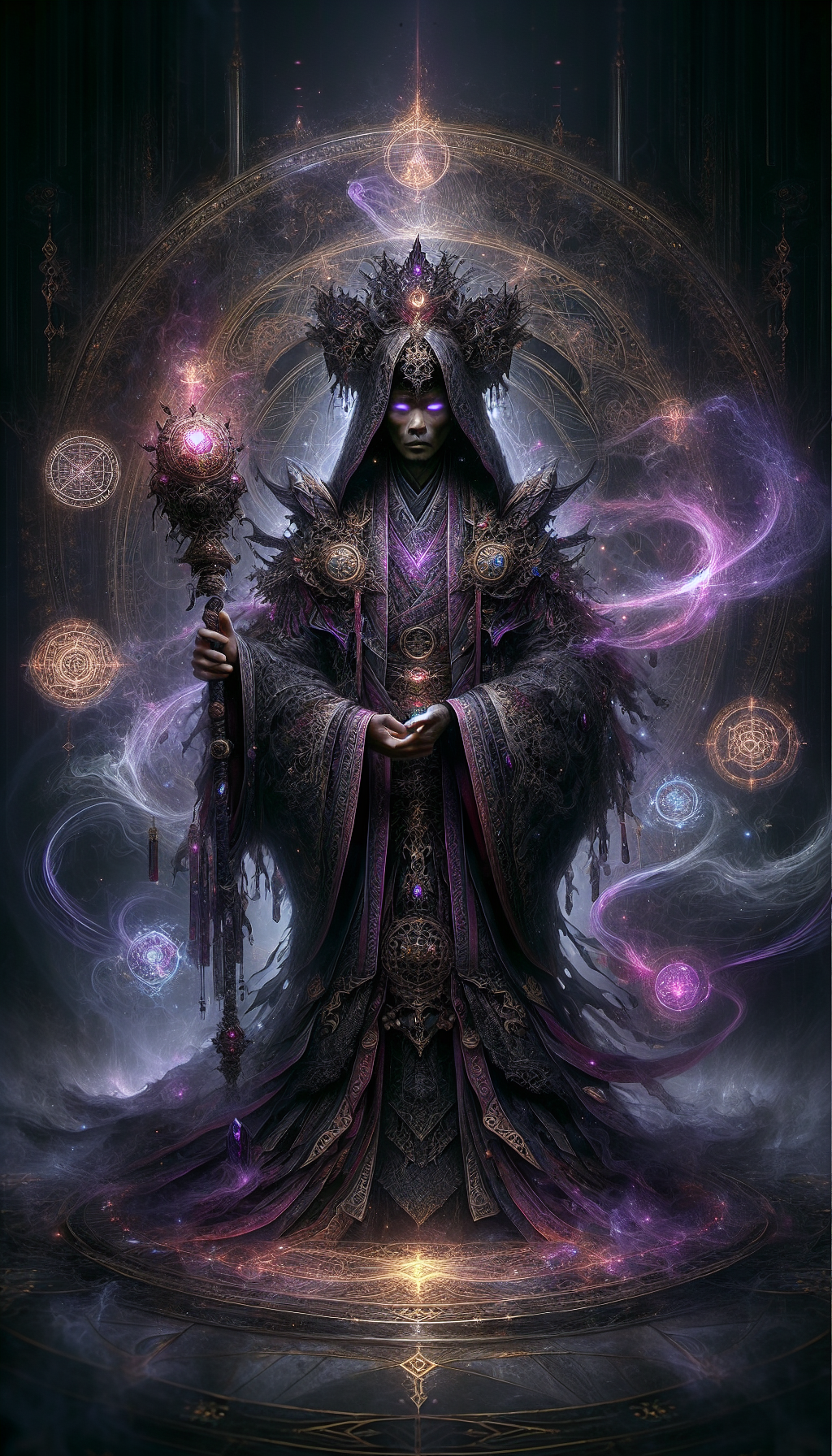
A class that borrows magical power by making a pact with a transcendent entity such as a demon, ancient god, or spirit. Unlike a mage who studies theory, the warlock receives abilities granted by their patron. The cost of the pact (soul, lifespan, free will, etc.) is always present.

Elementalist
精靈師 · Elementalist — A mage who battles alongside nature's elemental spirits
A magical class that makes contracts with elemental spirits of nature — fire, water, wind, earth, lightning, light, and dark — or directly manipulates the elements themselves. Unlike a summoner, the elementalist forms an equal partnership with spirits, borrowing their power to wield the ultimate magic of that element.

Healer
治癒師 · Healer — The heart of the party who restores life
A class specializing in healing magic. Recovers party members' injuries and removes status ailments, while top-tier healers also possess the ability to resurrect the fallen. Low attack ability, but as long as the party is alive, the battle continues — it is said that with a healer present, you cannot lose.

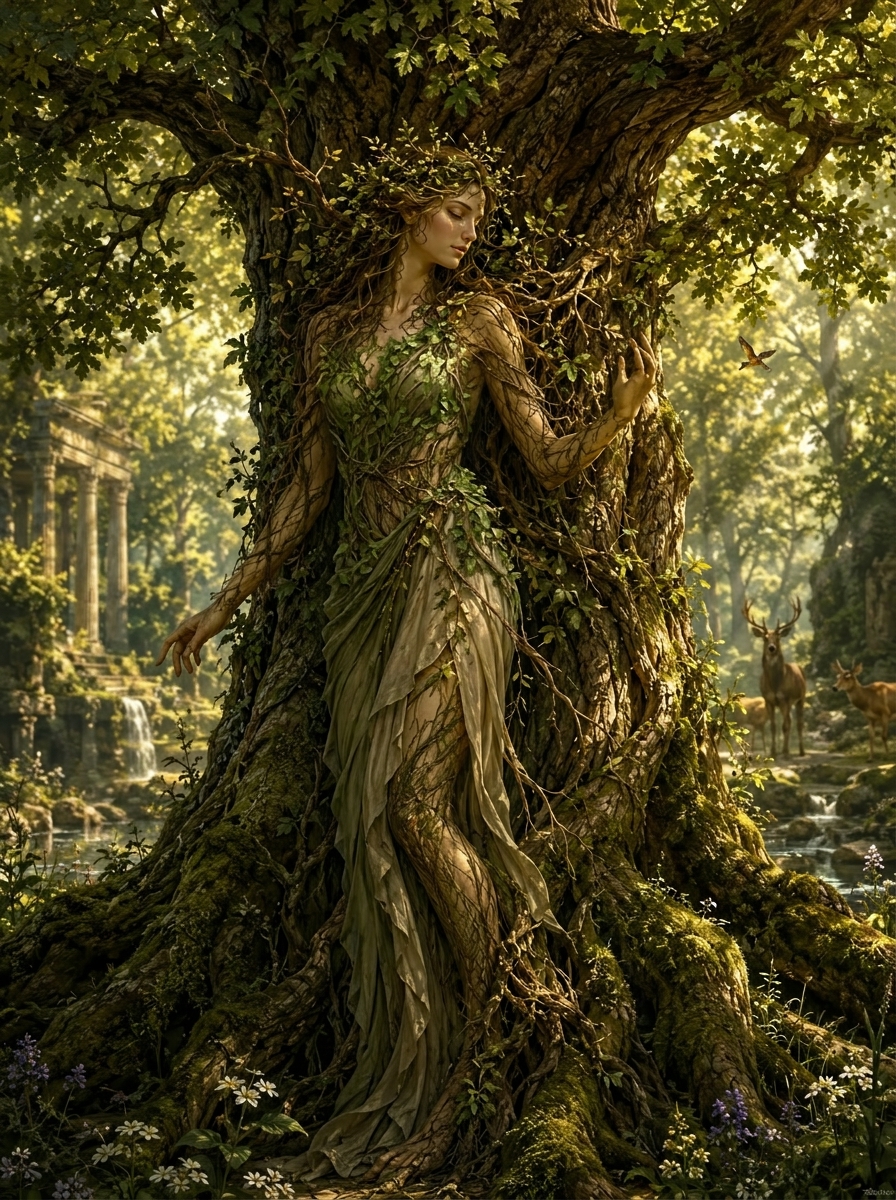
Druid
自然祭司 · Druid — An ancient priest who has become one with nature
An ancient priestly class that takes natural phenomena and the cycle of life as their faith, wielding nature magic. They handle all nature-related magic from healing, shapeshifting, and summoning plants and animals to unleashing natural disasters. An absolute authority in forest, mountain, and coastal natural regions.

Magitech Engineer
魔道工學者 · Magitech Engineer — A creator who fuses magic and machinery
A class that applies magical principles to machines, devices, and structures to craft magitech items (魔道具). By creating magitech items that even non-magical ordinary people can use, they revolutionize the world's technological level. Traditional mages condemn them as 'heretics,' but the advance of magitech engineering cannot be stopped.

Beast Tamer
野獸調鍊師 · Beast Tamer — One who makes ferocious beasts into companions
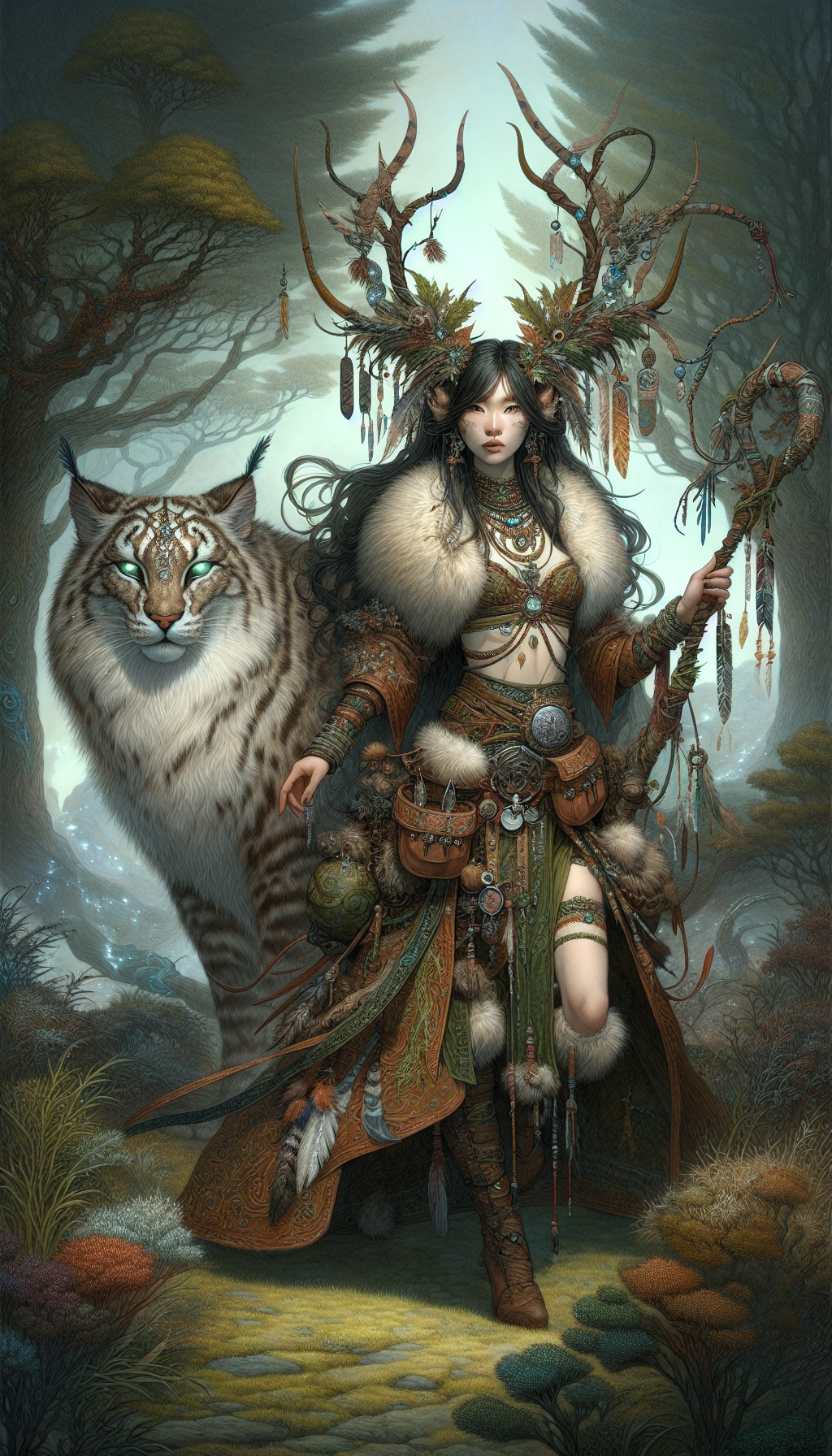
A class that tames animals, magical beasts, and monsters to make them combat partners. Where the ranger communes with nature broadly, the beast tamer is intensely specialized in specific animals. Combat style changes completely depending on the type of companion animal.

Dragon Knight
龍騎士 · Dragon Knight — A celestial warrior who has made a pact with a dragon
An extremely rare combat class that has formed a contract or bond with a dragon and fights alongside it. Even alone the dragon knight is at the peak of combat strength, but paired with a dragon, no army can stand against them. The bond with the dragon grows stronger the purer the knight's heart.

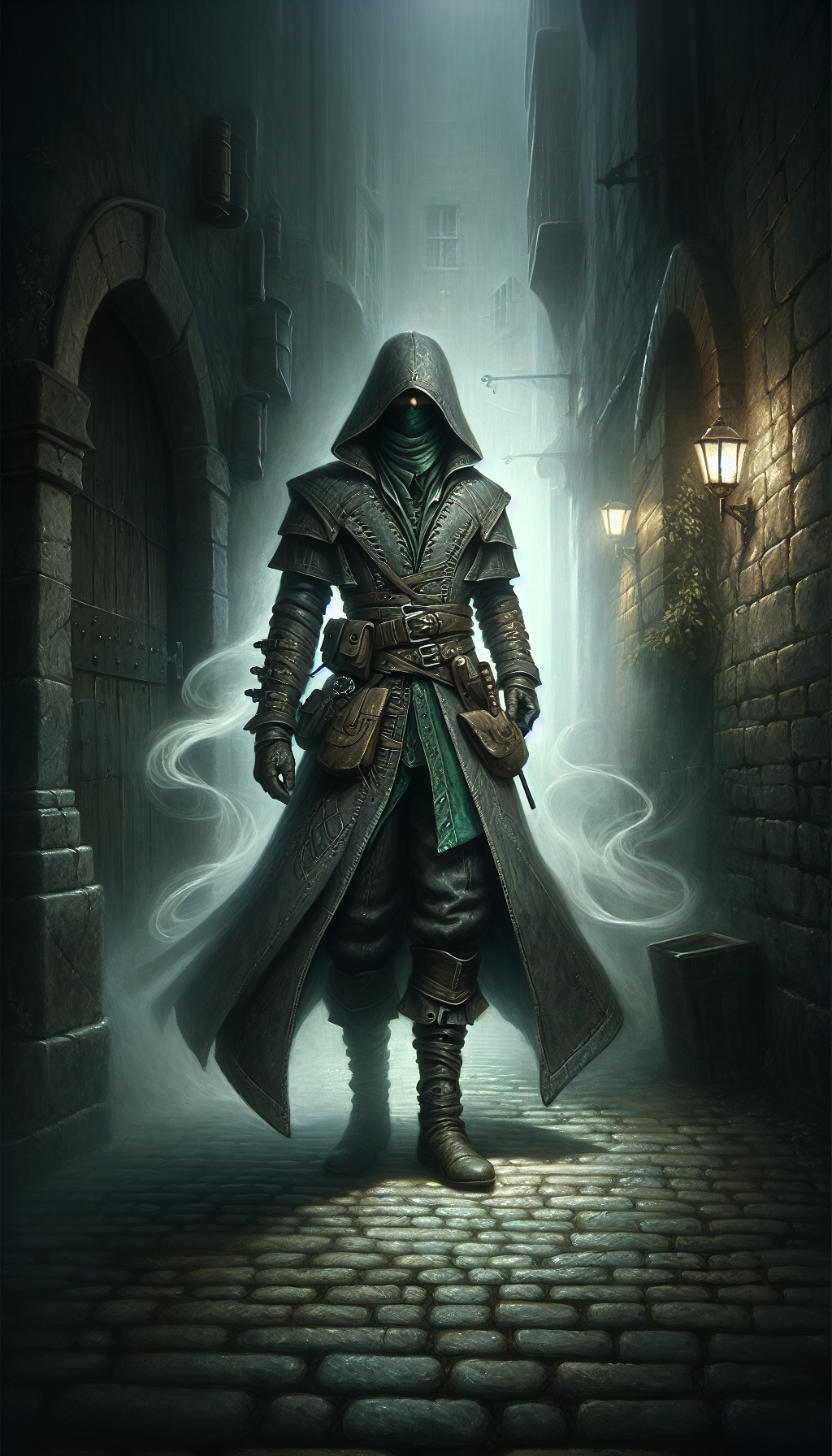
Rogue
盜賊 · Rogue / Thief — A versatile problem-solver who works in the shadows
A class combining non-combat skills like stealth, disarming traps, lockpicking, and pickpocketing with ambush-oriented combat. Prefers combat using ambushes, poisons, and environmental advantages over direct confrontation. The only specialist in a party for scouting, trap disarming, and infiltration.

Archer
弓手 · Archer — A specialist in long-range precision strikes
A class that attacks enemies from range using a bow as the primary weapon. Known for fast firing speed and high mobility, they adapt to various situations using special arrows (poison, fire, explosive). Eyesight and concentration matter more than any other stat in this class.

Chronomancer
時間術師 · Chronomancer — The forbidden extreme of one who wields time itself as a weapon
An extremely rare magical class that manipulates the flow of time. They wield time deceleration, acceleration, reversal, and stasis, and while theoretically the most powerful magical class, the side effects of time magic (paradoxes, parallel world fractures) are so severe that it is forbidden in most worlds.

High Priest
祭司長 · High Priest — The highest religious authority who bridges gods and humanity
The highest religious position who presides over temple rites and receives divine revelations to convey to the faithful. Direct combat is rarer than for healers or clerics, but through the direct divine grace of a deity, the scale and power of their holy magic is incomparably greater. The pinnacle of religious authority rivaling royal power.

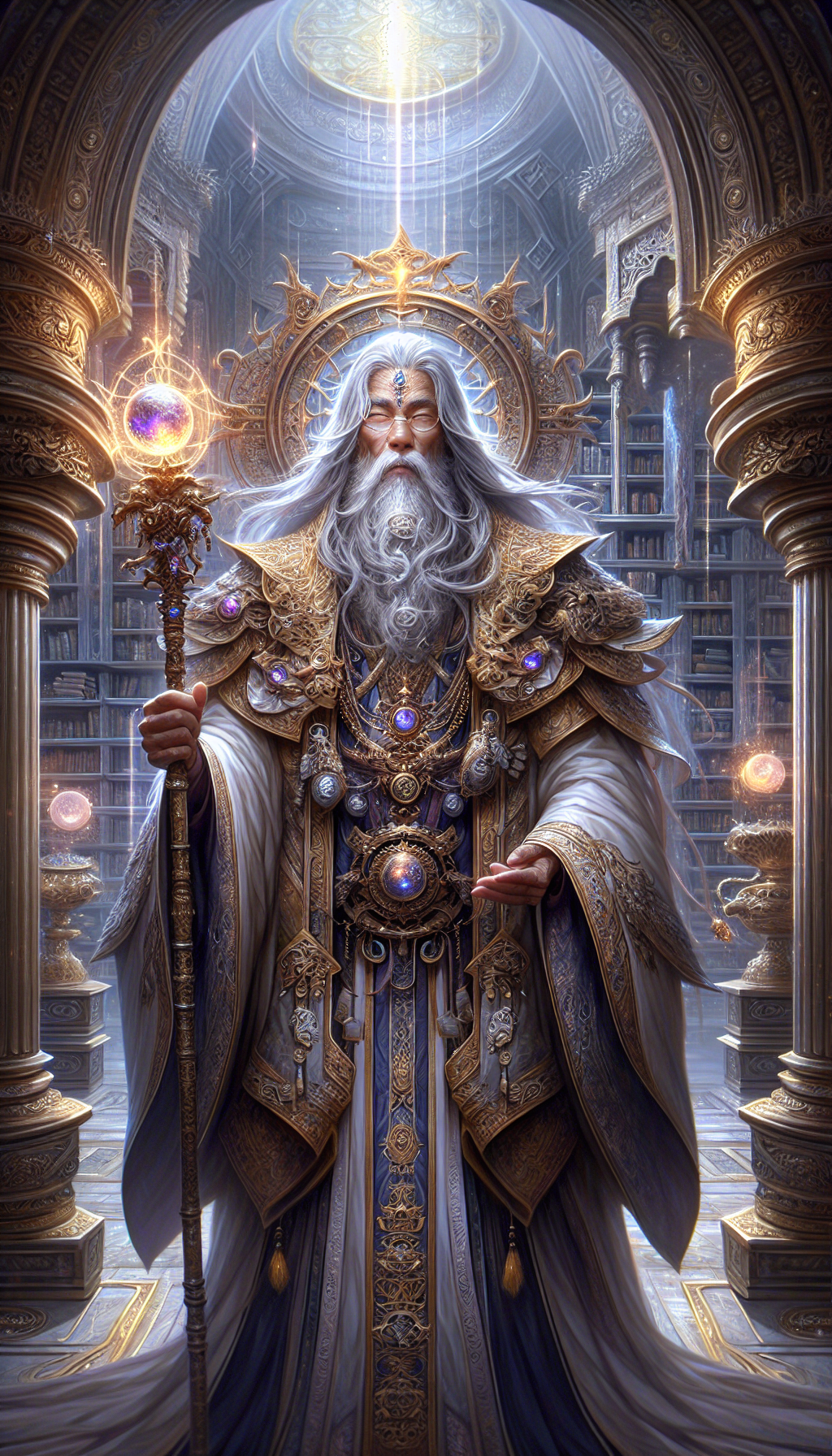
Sage
賢者 · Sage — One who stands at the end of all knowledge
The highest-tier intellectual class with mastery over all fields including magic, combat, history, and science. Not a specialist in any one area, but the extreme of the generalist who knows everything. A single word of advice from a sage can change the fate of a kingdom, and having one sage in a demon lord subjugation party completely transforms the strategy.


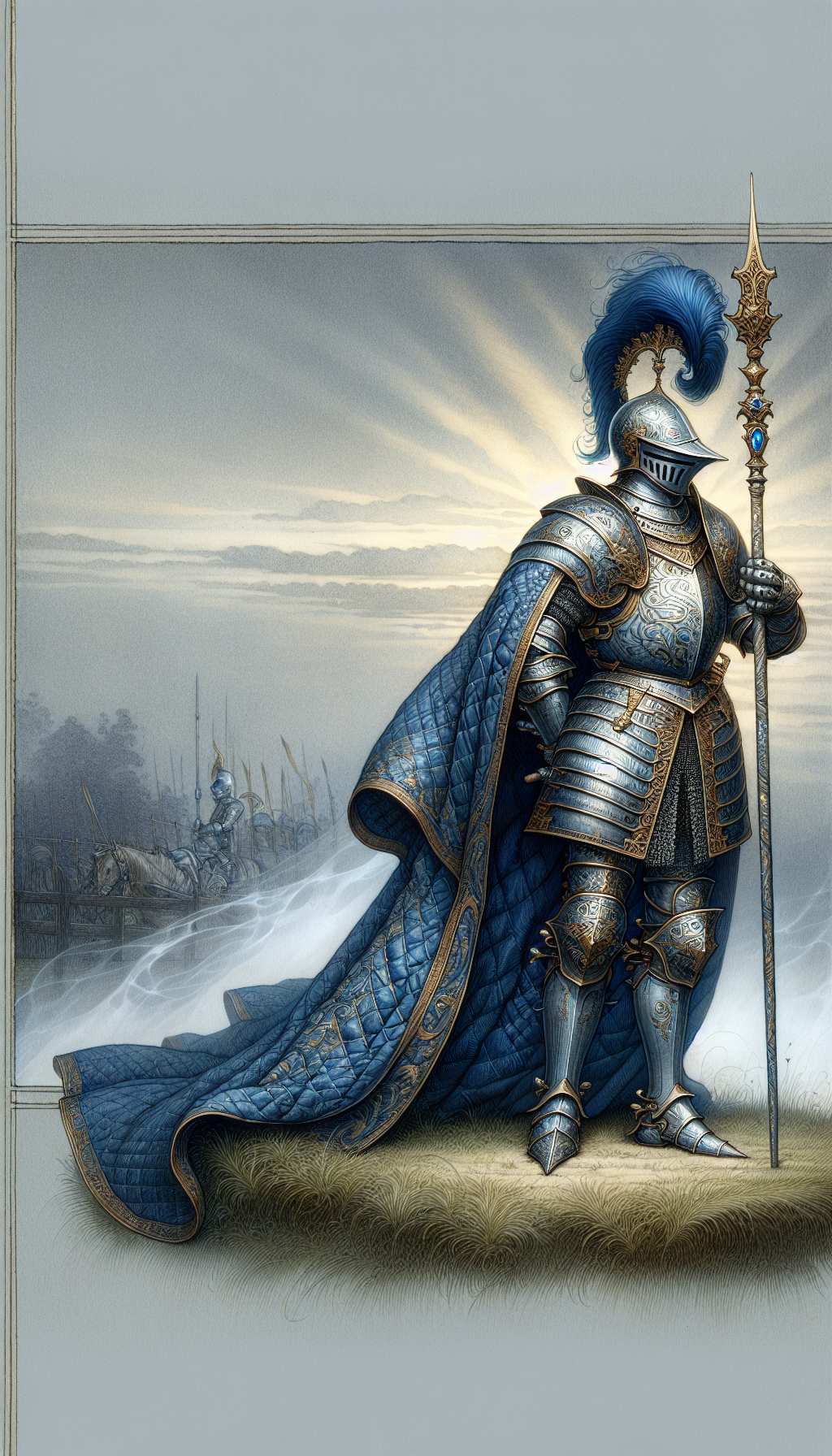
Cavalry Kazak
Cavalry Coat · Hussar Overcoat — Medieval European cavalry armor outerwear
The Cavalry Kazak was an armored overcoat worn by European cavalry during the medieval period. Constructed from thick cloth, leather, and sometimes reinforced with metal plates, it balanced protection with mobility. Designed for prolonged riding, it was used both in battle and on the march.

Dot Armor
Dot Armor · Plate with Circular Studs — Metal armor with round decorative studs
Dot Armor is a type of medieval plate armor decorated with regularly arranged circular metal studs. These dots serve both as reinforcement and as ornamentation, enhancing the armor’s strength and appearance. Knights and warriors wore this armor for protection in battle.
Scale Armor
Scale Armor · Lamellar — Overlapping metal scales for flexible defense
Scale armor is constructed by attaching small, overlapping metal scales to a backing of fabric or leather. The arrangement mimics fish scales, providing a balance of flexibility and protective strength. It was widely used across both Eastern and Western medieval cultures.

Gauntlet
Hand Armor · Protective glove — Armored glove made of metal or leather
Gauntlets are protective gloves designed to safeguard the hands and wrists in combat. Popular among medieval European knights and soldiers, they were crafted from metal plates or hardened leather. Their articulated construction allows for dexterous weapon handling.

Greave
Leg Guard · Shin Armor — Protective gear for the lower leg
A greave is armor designed to protect the shin and calf areas of the leg, typically made from metal or leather. It was commonly worn to prevent leg injuries during combat. Greaves were utilized in many cultures, notably medieval Europe and East Asia.

Axe Helmet (Byzantine)
Byzantine Axe Helmet · Axe-shaped Crested Helmet — Distinctive battle helmet of the Byzantine Empire
The Axe Helmet was a unique type of helmet worn by certain soldiers in the Byzantine Empire. It featured an axe-blade shaped crest or ornament attached to the helmet, emphasizing intimidation and symbolic significance. Some examples were used both for actual combat and ceremonial purposes.

Plate Armor
Plate Armor · Full Metal Suit — Defensive gear made of metal plates
Plate armor is a type of full-body defense made from interconnected metal plates. It became emblematic of European knights, providing superior protection in battle. The design features articulated plates to allow movement while maintaining strong defense.

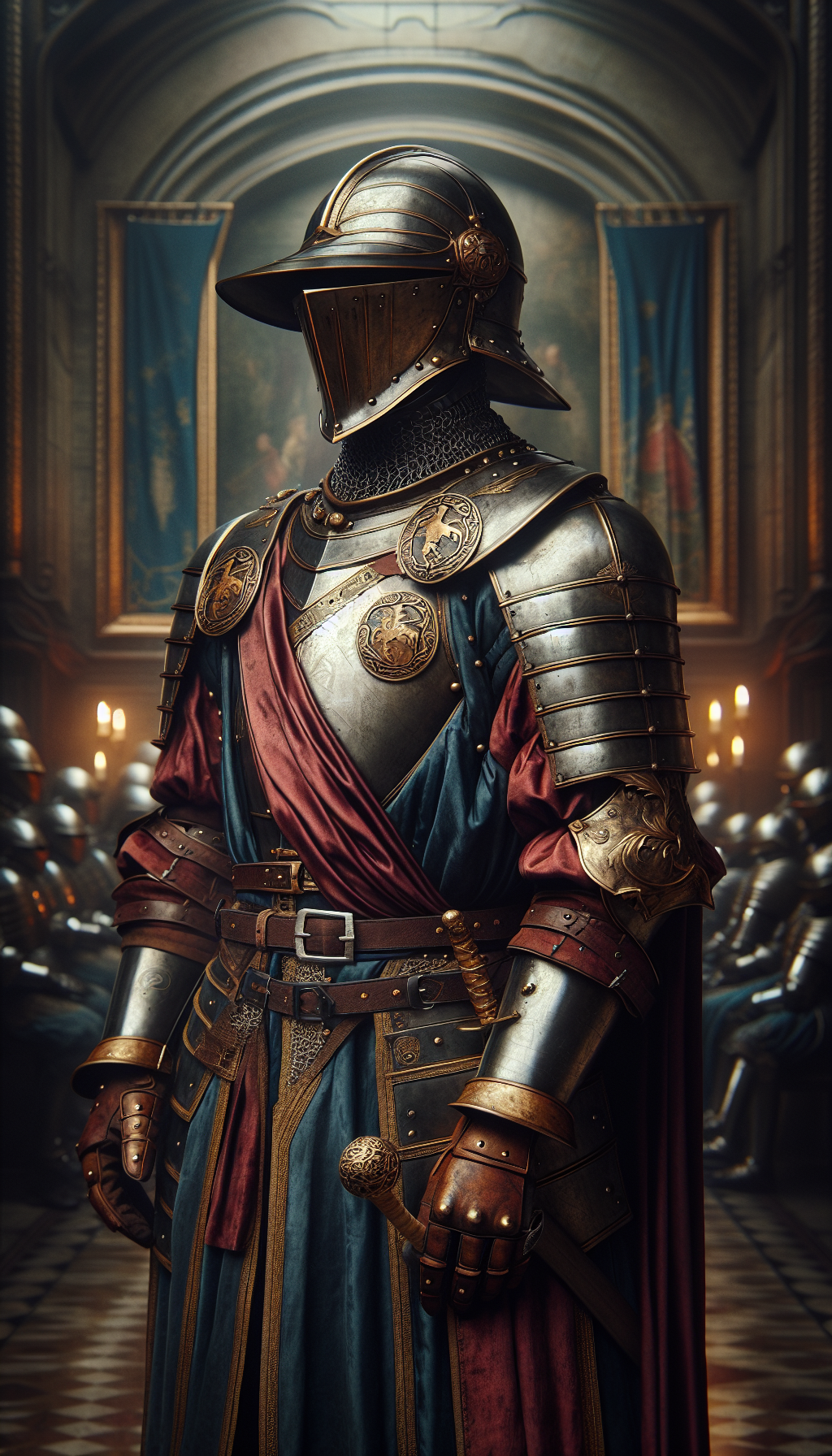
Helmet
Helmet · Head Armor — Protective gear for the head
A helmet is a piece of armor worn to protect the head during combat. Helmets have evolved in materials and design across different cultures and eras, commonly made from metal, leather, or fabric. Some helmets also served decorative or ceremonial purposes.

Great Helm
Great Helm · Helmet — Iconic Medieval European Helmet
The Great Helm is a combat helmet widely used by medieval European knights. Predominantly worn from the 12th to 14th centuries, it fully enclosed the head, providing substantial protection. Its simple, robust cylindrical design made it emblematic of the era's heavy armor.

Leather Armor
Lightweight Protective Gear · Flexible Defense — Favored by Agile Warriors
Leather armor is crafted from multiple layers of animal hide, offering lightweight protection. Its flexibility and low weight make it ideal for warriors and archers who value mobility. Though it provides less defense than metal armor, it excels at reducing noise and allowing swift movement.

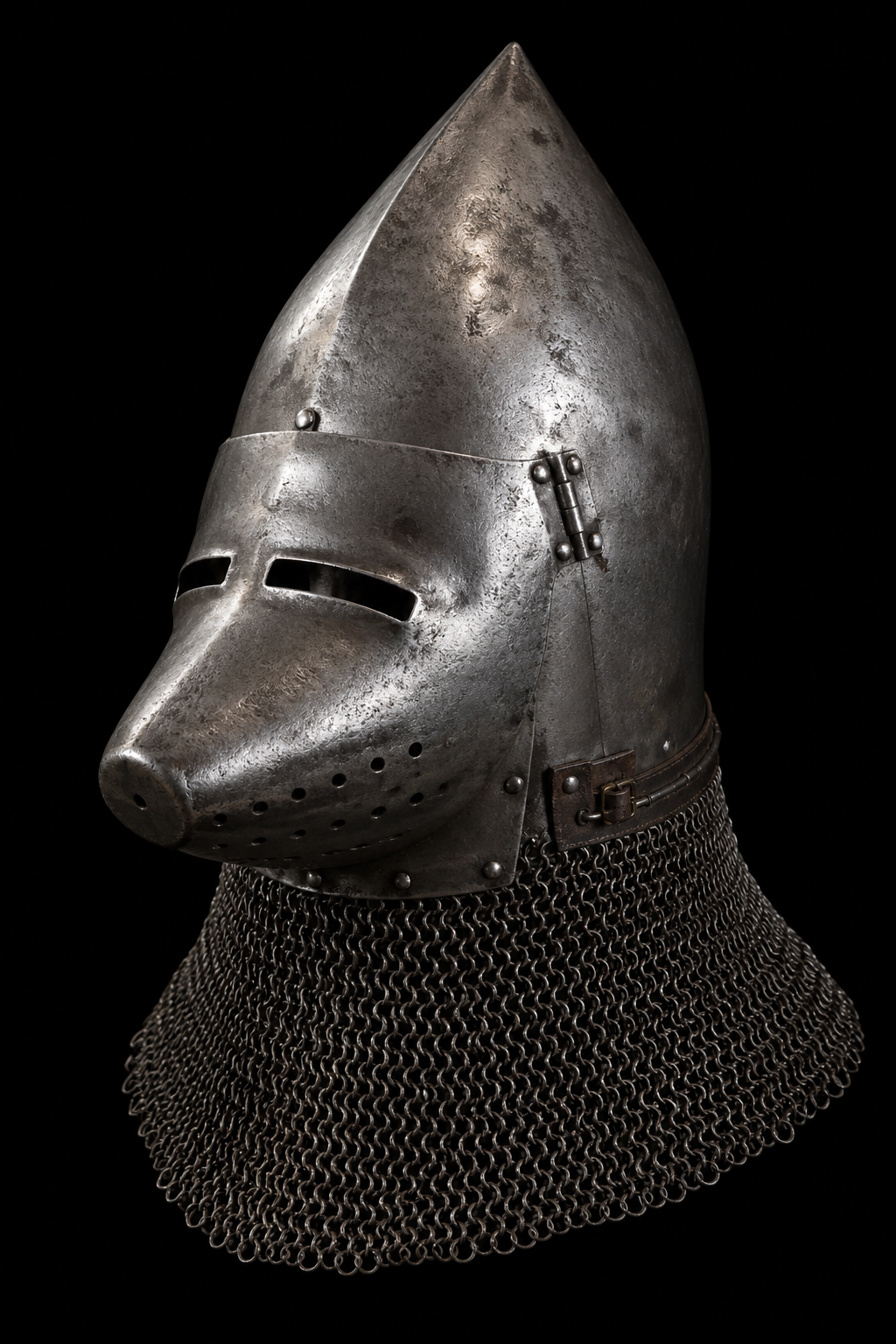
Bascinet Helmet
Bascinet · Medieval Helmet — Metal Helmet for Facial Protection
The bascinet helmet was a prominent metal helmet used in medieval Europe. It enclosed most of the head and often featured a visor to protect the face. Both knights and infantry wore it, as it offered a strong balance between protection and comfort.

Faulds
Waist Armor · Overlapping Plate Skirt — Metal protection for the hips and upper thighs
Faulds are metal armor plates attached below a breastplate to protect the waist, hips, and upper thighs. They consist of several overlapping horizontal steel lames, allowing flexibility while providing substantial protection. Faulds were a significant component of plate armor suits worn by European knights from the mid-14th century onward.

Chainmail
Chainmail · Mail Armor — Medieval armor made of interlinked metal rings
Chainmail is armor constructed from thousands of small metal rings linked together in a mesh. It was primarily used to defend against bladed and cutting weapons. Medieval warriors across Europe and Asia frequently wore chainmail.

Faustine
Faustine · Western Plate Helmet — Full-face helmet of medieval Europe
The Faustine is a fully enclosed plate helmet used in medieval Europe, designed to protect the head and face. It was primarily worn by cavalry and heavy infantry, offering superior defense. Its robust construction, however, limited visibility and breathability.

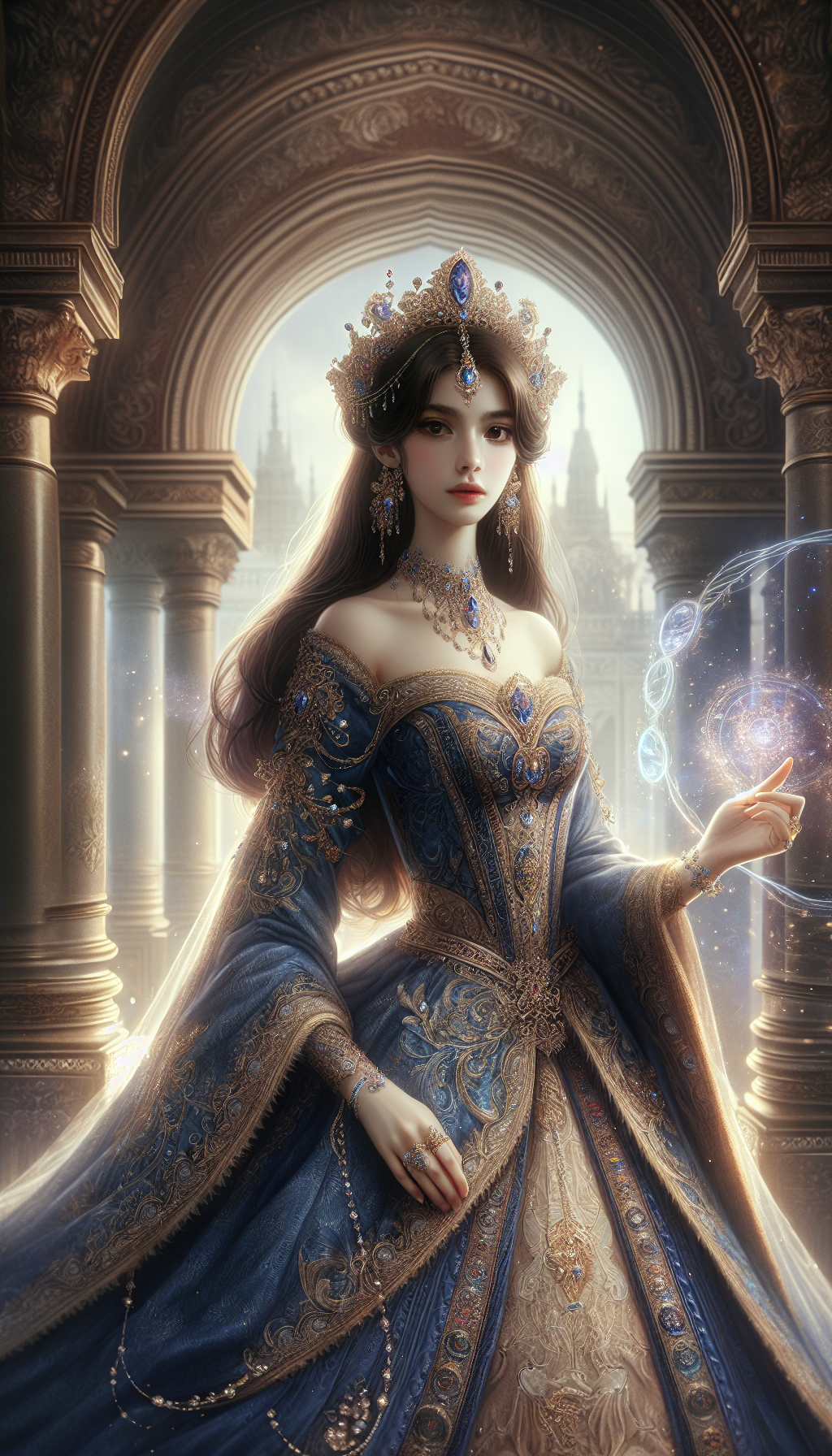
Princess
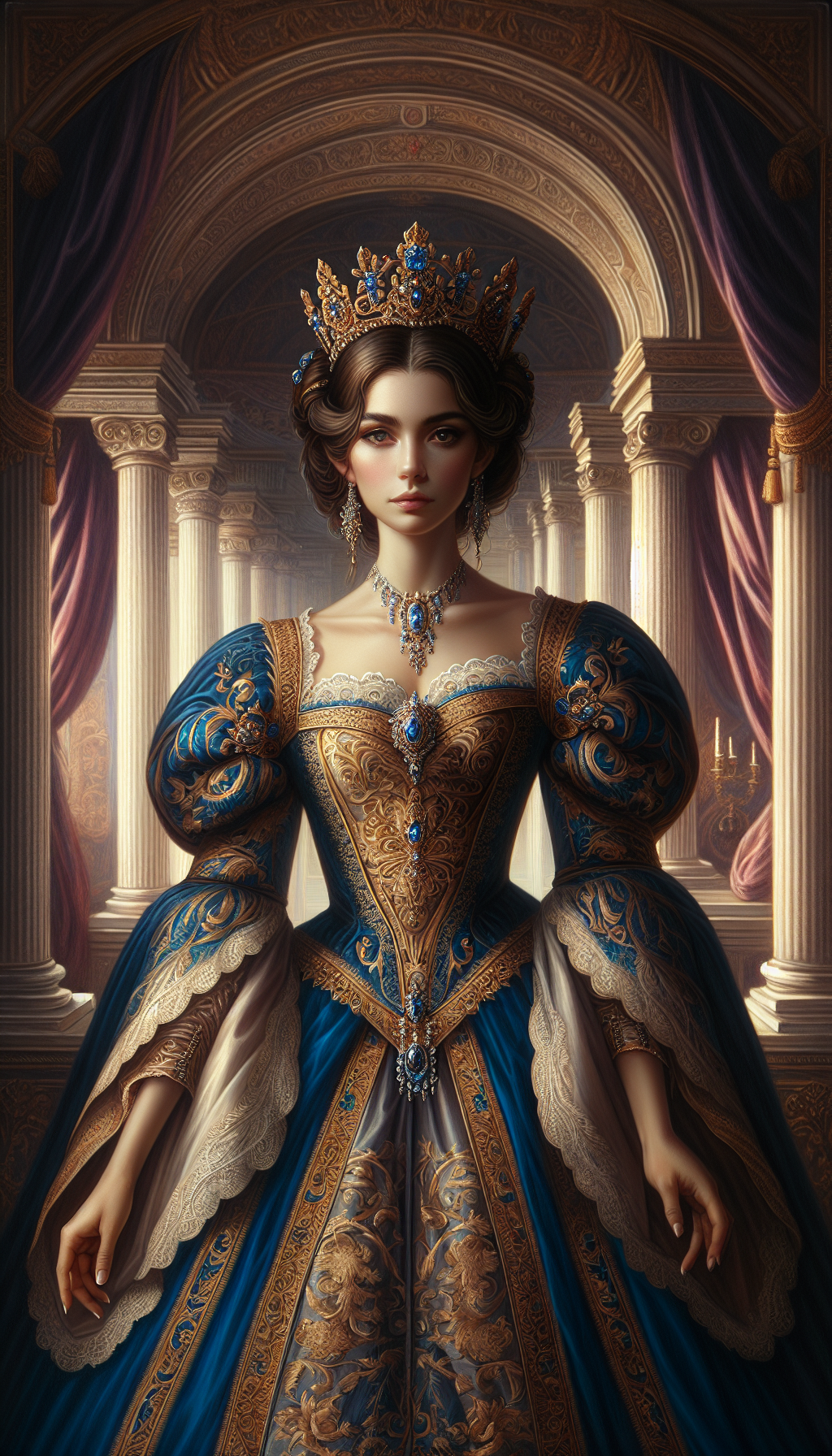
Supreme公主 · Princess — The King's Daughter, the Most Precious Bargaining Chip
The daughter of a king or emperor. A status conferred by bloodline rather than a hereditary title; her succession rights are often more restricted than a prince's. Yet in fantasy, the princess has been overwhelmingly reinterpreted not as a passive rescue target but as an active figure who takes up the sword, wields magic, or orchestrates political schemes herself. A princess's marriage sealed alliances between kingdoms — making the princess herself a 'living political asset.'

Grand Duke
Greater大公 · Grand Duke / Archduke — The Highest Noble, Near-Royalty
The highest noble title, above the duke but below the king. Often held by rulers of small states or cadet branches of the royal bloodline, a grand duke governs territory that is effectively equivalent to an independent nation. The Habsburg Archdukes of Austria are the prime historical example; in fantasy, the grand duke is often portrayed as an imperial blood-relative governing a core province of the empire.

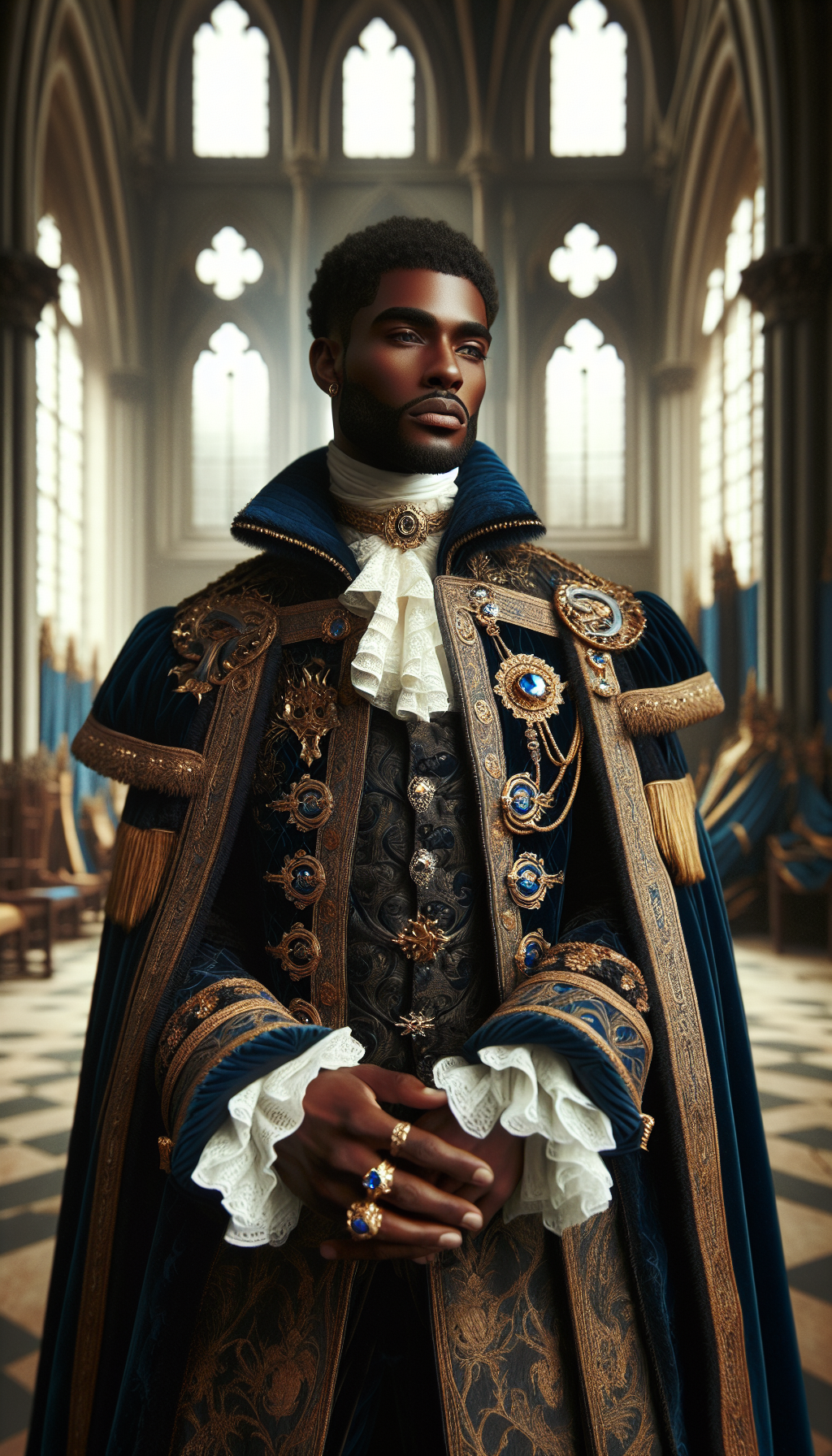
Crown Prince
Supreme皇太子 · Crown Prince — The Sole Heir to the Empire
The emperor's official heir. Holding the second-highest authority in the entire empire, the crown prince must be ready to assume governance at a moment's notice should the emperor be incapacitated. From childhood, he is trained in statecraft, military strategy, diplomacy, and — depending on the fantasy setting — magic. The tension between the crown prince's supporters and his opponents is the eternal theme of imperial politics.

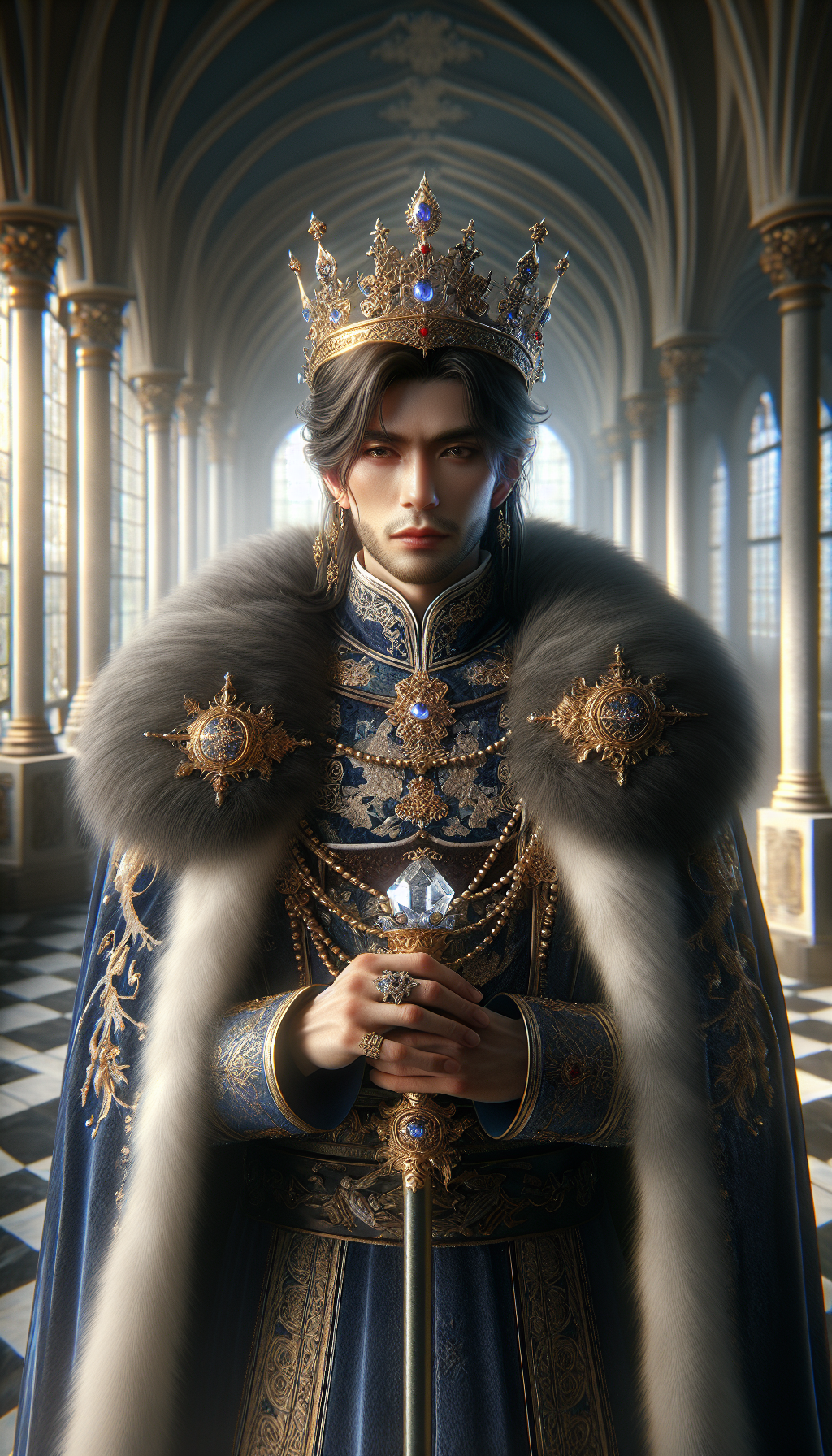
Emperor
Spirit King皇帝 · Emperor — The Empire's Supreme Pinnacle, the Living Law Itself
The absolute pinnacle of secular power. As King of Kings, the emperor rules over multiple kingdoms, and his will becomes the law of the empire. Imperial authority is held to be divinely granted — the Divine Right of Emperors — and rebellion against the emperor was equated with rebellion against the gods. In fantasy worlds, the emperor is often a being of absolute power, or conversely, the towering symbol of authority the protagonist must bring down.

Lady-in-Waiting
Lesser侍女 · Lady-in-Waiting — A Woman Who Attends Noble Ladies
A female attendant who exclusively serves a highborn woman — a queen, princess, or noblewoman. Unlike ordinary servants, ladies-in-waiting are often drawn from noble houses themselves, giving them a unique dual identity as 'a servant who is also a noble.' The number of attendants and the prestige of their houses served as a measure of the mistress's own status. The First Lady-in-Waiting to a queen wielded formidable influence at court.

Dame
Intermediate女騎士 · Dame — A Female Warrior Who Earned Her Title by Sword and Oath
A woman who has been formally invested with knighthood through the knight's oath. Historically rare, but in fantasy worlds she is a common figure in holy orders, royal guards, and magic knight corps. 'Dame' is the official title granted to female knights in the British chivalric system; in Eastern fantasy she appears as a female general, wandering swordswoman, or Hwarang warrior. The Dame is frequently portrayed as a character caught between the codes of chivalry and the social expectations placed on women.

Noblewoman
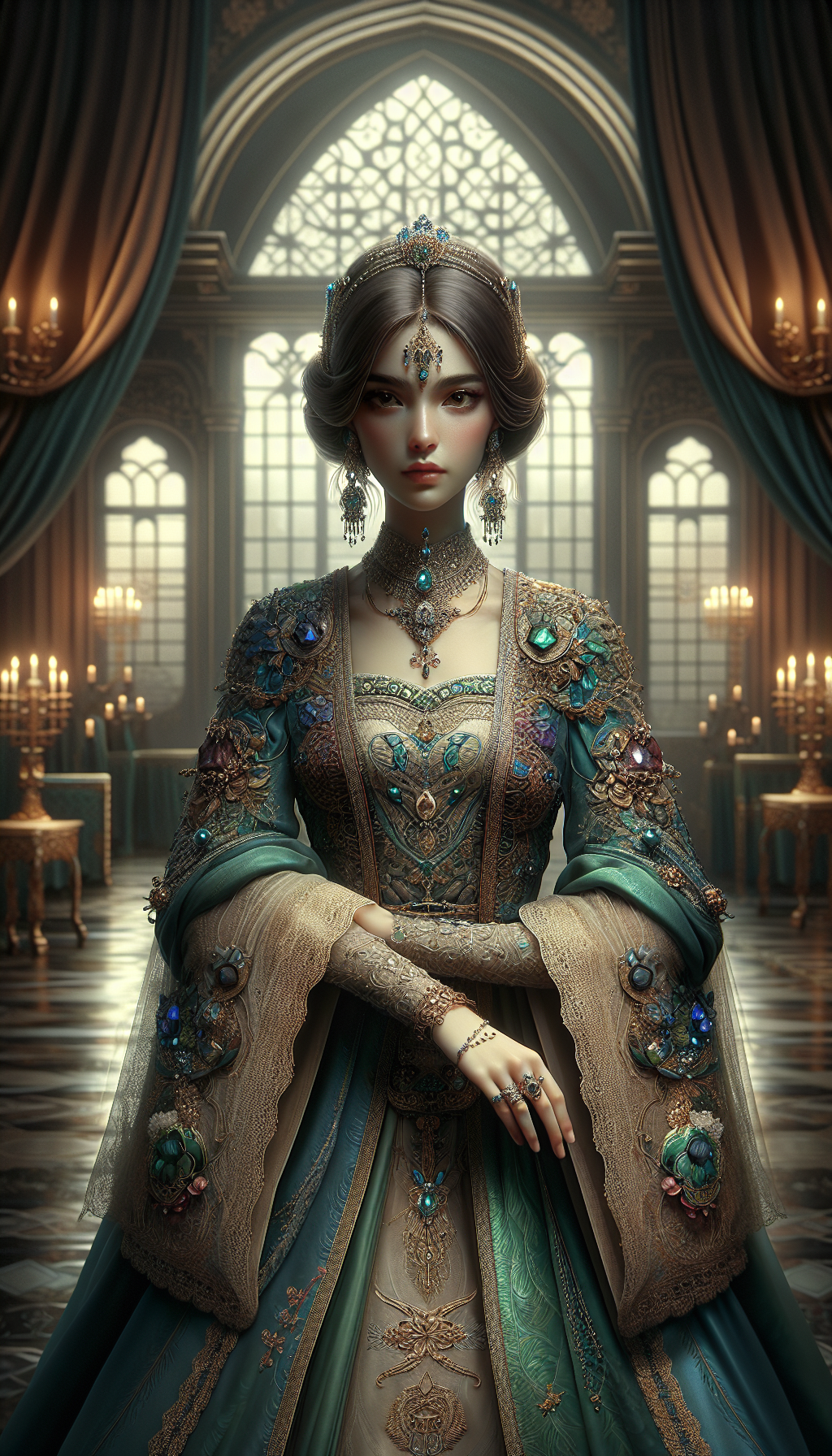
Intermediate貴婦人 · Noblewoman / Lady — The General Title for Noble Women
A collective title encompassing all women who hold or are connected to a noble title. The specific address varies with the spouse's rank — Baroness, Viscountess, Countess, Duchess, and so on. In some world settings, women may inherit titles in their own right, becoming independent domain nobles in their own names. In fantasy, the noblewoman is frequently depicted as a figure who conceals a razor-sharp political mind beneath a graceful exterior.

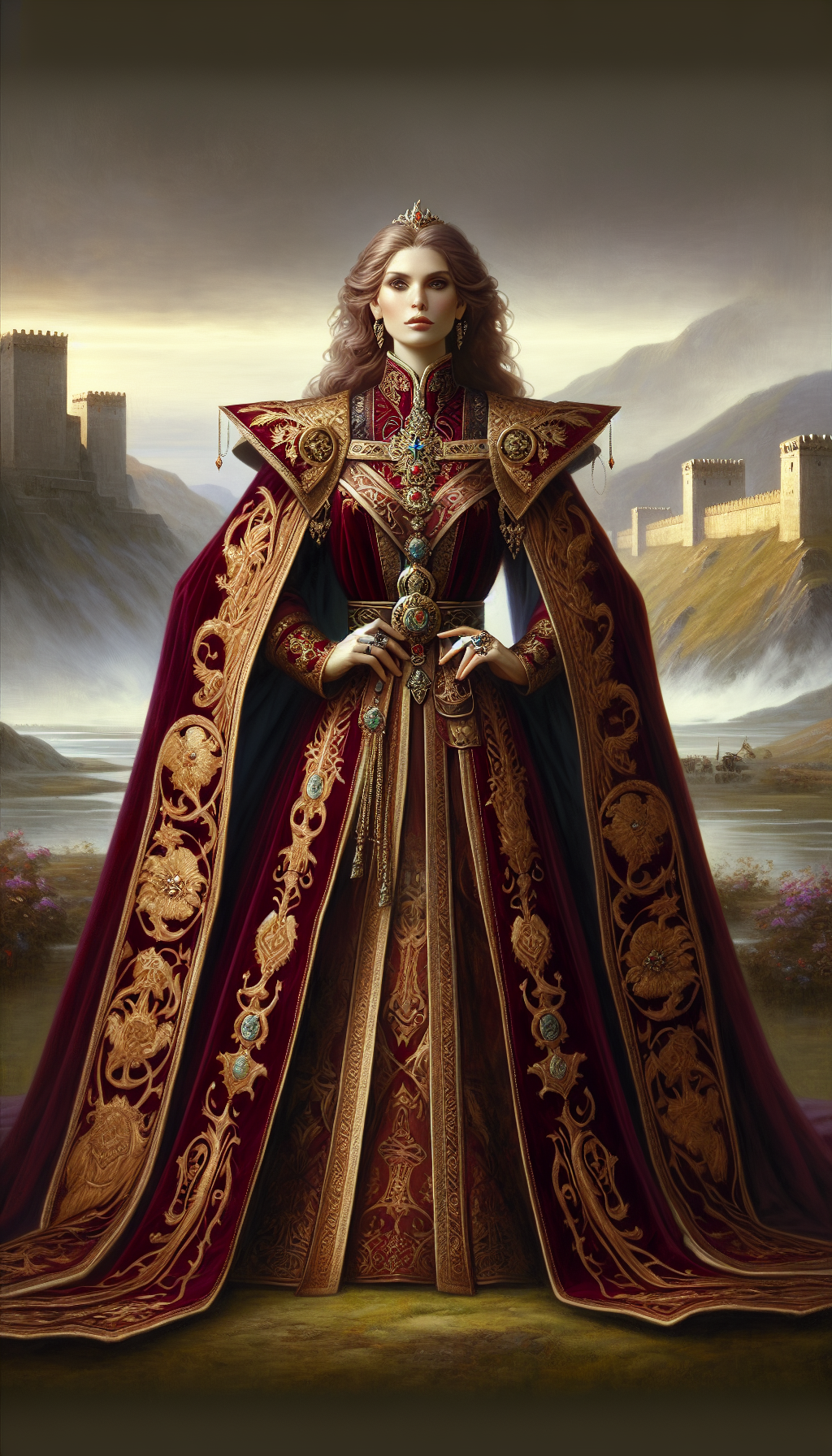
Queen Regnant
Supreme女王 · Queen Regnant — A Female Monarch Who Ascended the Throne in Her Own Right
An independent female monarch who ascended the throne in her own right — not as a consort. Distinguished from the Queen Consort, she is called the Queen Regnant. Historical exemplars include Cleopatra, Elizabeth I, and Queen Victoria. In fantasy, the queen regnant is often portrayed as a supreme character who combines magical ability with exceptional strategic genius — the absolute ruler of the kingdom and the apex of all the nobility.

Count / Earl
Intermediate伯爵 · Count / Earl — The True Power Behind Regional Rule
The backbone of the feudal noble hierarchy. A count governs anywhere from a handful to dozens of domains, with multiple viscounts and barons as his own vassals. This is the first rank capable of exerting genuine influence over royal power through independent military and economic strength. It is also the title most famously associated with vampiric nobility — Count Dracula being the supreme example.

Duke
Greater公爵 · Duke — The Highest Noble, Second Only to the King
The highest noble title outside the royal family. A duke controls a substantial portion of the entire kingdom's territory and constitutes a semi-independent power with its own military, administration, and judiciary. Though nominally in a lord-vassal relationship with the king, in practice they are often near-equals at the negotiating table. In succession disputes, a duke's allegiance determines the outcome of wars.

Holy Maiden
Greater聖女 · Saint / Holy Maiden — The Highest Religious Woman, Blessed by the Divine
A woman officially recognized by the church or religious institution as having received divine grace. It is common for a woman who performed miracles in life or died a martyr to be canonized posthumously, but in fantasy a living Holy Maiden is often depicted as a powerful being who manifests light magic, healing, and exorcism abilities in the present world. Her authority cannot easily be dismissed even by royal power, and she plays a symbolic role in boosting the morale of soldiers on the battlefield.

Marquess
Greater侯爵 · Marquess / Margrave — Noble Guardian of the Frontier
A high noble title ranking just below the duke. Originally born from the military role of guarding border territories — also called the Margrave — the marquess commands vast military authority as the commander of the kingdom's frontline defenses against foreign incursion. Within the realm, the marquess counts among the five most powerful individuals.

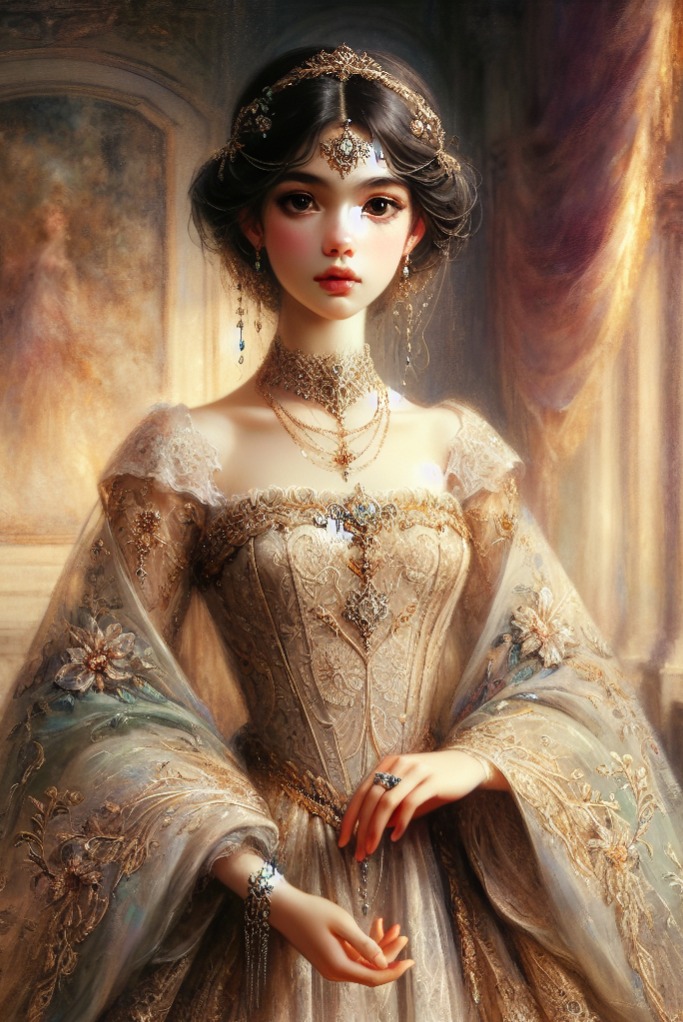
Young Lady
Intermediate令愛 · Young Lady — The Unmarried Daughter of a Noble House
An honorific for the unmarried daughter of a noble household. 'Young Lady' (令愛) originally means 'your precious daughter' — a respectful term used when referring to another's daughter. It is the most frequently appearing female status in romance fantasy, used alongside the family's title as in 'the Young Lady of Baron House' or 'the Young Lady of Duke House.' A young lady's social standing depends entirely on her father's rank, and it is also a provisional status that lasts only until marriage.

Viscount
Intermediate子爵 · Viscount — The Middle Noble Between Count and Baron
A middle-rank title above the baron and below the count. Historically developed from the role of a count's deputy, the viscount governs several domains and towns. This is the rank at which genuine participation in court politics begins; viscounts and above are often entitled to attend royal ceremonies and parliamentary sessions. In fantasy, this rank frequently appears as a figure redolent of intrigue and political maneuvering.

Serf / Outcast
Lesser最下層民 — The Lowest Stratum of Society
The lowest stratum in the social order. Slaves, descendants of convicted criminals, and members of stigmatized occupations — butchers, jesters, corpse handlers — all belong to this class. They receive almost no legal protection and are barred from owning land, receiving education, or practicing certain trades. In fantasy settings, they may be forbidden from using magic or conscripted by force.
Servant
Lesser使用人 — Those Who Serve Noble Households
A class employed by noble or wealthy merchant households to assist with daily life. Unlike serfs, servants receive wages and lodging under an employment contract, and their social standing shifts according to their master's prestige. The head butler of a grand estate may wield more practical influence than a minor noble. Roles are subdivided into attendants, butlers, cooks, grooms, bodyguards, and more.


Commoner
Lesser平民 — The Free People Who Form Society's Majority
The free class positioned between the nobility and the outcasts. It encompasses farmers, craftsmen, merchants, and fishermen among many others. Commoners may own or lease land, and receive basic legal protections alongside the obligations of taxation. Fantasy worlds frequently feature commoner-born adventurers and mages who rise to stand beside nobles — a testament to how often heroes emerge from this class.

Knight
Intermediate騎士 · Knight — Warrior of the Lower Nobility
The lowest rung of the noble hierarchy, a warrior class whose rank is earned through a sworn oath of fealty to a liege lord. Unlike other noble titles that are inherited, the knighthood can be conferred upon a commoner for deeds of valor or a lord's recognition — making it the most accessible path of social ascent. In fantasy worlds, numerous derivative classes exist, including the Paladin, Dark Knight, and Magic Knight.

Baron
Intermediate男爵 · Baron — The First Step of the Hereditary Nobility
The lowest of the hereditary noble titles. The baron governs a small domain and the peasants attached to it, and owes military service to a superior lord as a vassal. A barony typically spans one to a few villages, and the baron himself exercises seigneurial judicial authority. In fantasy settings, this is the rank most often cast as an early-arc villain or local power figure.

Piazziola
Piazziola · Noble Carriage — A luxury carriage used by Italian aristocracy
The Piazziola is a luxury carriage developed in 18th-century Italy for use by nobles and the upper class. It is characterized by ornate curves, decorative elements, and a plush interior finished with high-quality fabric such as velvet. Mainly utilized for formal events and social occasions within cities.

Viscazchen
Viscazchen · Noble Carriage — Luxury coach used in European aristocratic society
The Viscazchen is an opulent four-wheeled carriage prevalent among European nobility in the 18th and 19th centuries. It is renowned for its ornate exterior and comfortable interior, most often appearing at ceremonies and special occasions.

Draisine
Draisine · Early Human-powered Vehicle — Pedal-less Precursor to the Bicycle
The draisine is the world’s first two-wheeled, human-powered vehicle, developed in early 19th-century Germany. It lacked pedals and was propelled by the rider pushing off the ground with their feet. Its simple design featured a wooden frame and wheels.

Cliché
Cliché · Carriage — Traditional horse-drawn vehicle
The cliché is a four-wheeled horse-drawn carriage widely used across Europe and Asia in the pre-industrial era. It mainly served the nobility, merchants, and travelers for long-distance transportation. Its sturdy wooden frame and metal reinforcements were hallmarks, with interiors often fitted with cushions and covers for passenger comfort.

Hippomobile
Hippomobile · Carriage — Early self-propelled steam carriage
The Hippomobile was a steam-powered self-propelled carriage developed in the mid-19th century. As one of the first vehicles to move without horses, it is considered a forerunner of modern automobiles.

Buggy
Buggy · Light Carriage — Compact Two-Wheeled Vehicle
The buggy is a small, lightweight two-wheeled carriage that was widely used in the 19th and early 20th centuries. Typically drawn by a single horse and seating one or two people, its simple construction and affordability made it a popular everyday vehicle in both rural and urban settings.

Retifa
Ancient Four-Wheeled Carriage · European Coach — Passenger and Cargo Transport Vehicle
The Retifa is an ancient four-wheeled carriage used throughout Europe for transporting passengers and goods over long distances. Built from sturdy wood with reinforced metal fittings, it offered reliable travel even on rough roads.

Cassoulet
Cassoulet · French Stew — Hearty stew with assorted meats and beans
Cassoulet is a traditional stew from southwestern France, containing a mix of meats such as duck, pork, and sausage, combined with white beans and vegetables. The dish is simmered for hours, resulting in rich flavor and a thick, savory broth.

Potato Soup
Potato Soup · Comforting classic — Creamy Western-style soup
Potato soup is a warm, Western-style dish made primarily from potatoes. The soup combines mashed potatoes, milk, and stock to produce a mild, creamy flavor. Widely enjoyed across Europe and North America, it is a staple comfort food.

Bouillabaisse
Bouillabaisse · French Seafood Stew — Iconic Provençal Dish of Mixed Seafood
Bouillabaisse is a traditional seafood stew originating from the Provence region in southern France. It features a mix of fresh fish and shellfish simmered with tomatoes, herbs, and olive oil for a deep, complex flavor. Originally a humble fisherman's meal, it has become a celebrated French delicacy.

Gnocchi
Gnocchi · Italian Potato Dumplings — Soft and Chewy Traditional Dish
Gnocchi are traditional Italian dumplings made by mixing potatoes, flour, and eggs into a dough. They are shaped into small morsels, boiled, and served with a variety of sauces. Their texture is known for being tender and pleasantly chewy.

Goulash
Hungarian Stew · Gulyás — A hearty dish of beef, paprika, and vegetables
Goulash is a traditional Hungarian stew made primarily with beef, vegetables, and abundant paprika. The dish is known for its rich, spicy flavor and thick, reddish broth. It has become popular across Central and Eastern Europe, with regional variations in ingredients and consistency.

Bayeux Cathedral
Bayeux Cathedral · Romanesque monumental cathedral
Bayeux Cathedral is a Romanesque cathedral located in Bayeux, Normandy, France. Consecrated in 1077, it stands as a prime example of 11th-century medieval architecture. The cathedral was closely tied to the Norman dukes and William the Conqueror, and is famously linked to the Bayeux Tapestry.

Hippodrome
Hippodrome · Racecourse — Grand race stadium of ancient Greece and Rome
The hippodrome was a large stadium constructed in ancient Greece and Rome, mainly for chariot and horse races. It featured a rectangular layout with a central dividing barrier and could accommodate tens of thousands of spectators. Many hippodromes also served as centers for political, social, and religious events.

Cluny Abbey
Cluny Abbey · Medieval French Monastery — Pinnacle of Western Monastic Architecture
Cluny Abbey is a medieval Christian monastery located in Burgundy, France. Founded in the 10th century, it is considered a masterpiece of Romanesque architecture. The abbey played a significant role in monastic reform and the advancement of culture across medieval Europe.

Lunstra Reisen
Sacred Sanctuary · Mythic Centerpiece — Ancient architectural marvel
The Lunstra Reisen is a legendary sacred sanctuary featured in world mythology. It is known for its distinctive ancient architecture, where light and shadow harmoniously intertwine.

Notre-Dame Cathedral
Notre-Dame Cathedral · Symbol of Paris — Iconic Gothic Cathedral
Notre-Dame Cathedral is a medieval Gothic cathedral located on the banks of the Seine in Paris, France. Constructed over nearly 180 years from the late 12th to early 14th centuries, it is renowned for its spires, stained glass, and ornate gargoyles.

Baths of Caracalla
Baths of Caracalla · Rome’s Grand Public Baths — Iconic Bath Complex of the Ancient Roman Empire
The Baths of Caracalla were a massive public bath complex built in ancient Rome. They served as a hub for socializing, relaxation, and exercise among Roman citizens. The baths featured impressive architecture and advanced engineering, accommodating thousands of visitors.

Alhambra Palace
Alhambra Palace · Moorish Castle — Iconic Islamic palace in Spain
The Alhambra Palace is an Islamic-style fortress and palace complex in Granada, Spain. Built by the Nasrid dynasty, it is celebrated for its ornate decorations and intricate geometric patterns. Its courtyards, fountains, and lush gardens are key hallmarks of its design.

Colosseum
Colosseum · Amphitheater — Iconic Ancient Roman Structure
The Colosseum is a large amphitheater built during the Roman Empire. It hosted gladiatorial games, animal hunts, and theatrical performances for the public. Today, it remains a symbol of ancient Roman engineering and culture.

Castillo de San Felipe
San Felipe Castle · Spanish Colonial Fortress — Massive stone fortification in Cartagena
The Castillo de San Felipe is a large stone fortress located in Cartagena, Colombia. Built during the Spanish colonial era, it served to defend the city against pirates and invading forces. The fortress is renowned for its sloped walls and intricate underground tunnels.

Leaning Tower of Pisa
Leaning Tower of Pisa · Iconic Tilted Bell Tower — Symbol of Pisa, Italy
The Leaning Tower of Pisa is a world-famous freestanding bell tower located in Pisa, Italy. Its distinctive tilt is due to unstable foundation soil, giving it a unique appearance. The tower exemplifies early Renaissance architecture and is listed as a UNESCO World Heritage Site.
Saint Basil's Cathedral
Saint Basil's Cathedral · Symbol of Red Square — Iconic Russian Orthodox church
Saint Basil's Cathedral stands on Moscow's Red Square as one of the most recognizable symbols of Russia. Known for its colorful onion domes and unique architectural style, it was constructed in the 16th century by order of Ivan the Terrible. The cathedral exemplifies the fusion of Russian and Eastern influences.

Hagia Sophia
Hagia Sophia · Symbol of Holy Wisdom — Iconic Byzantine Cathedral
Hagia Sophia is a monumental cathedral completed in 537 CE, representing the height of Byzantine architecture. Originally built as a Greek Orthodox church, it later served as an Ottoman mosque and now functions as both a museum and mosque. Its grand dome and intricate mosaics stand as architectural marvels.

Temple of Zeus
Temple of Zeus · Ancient Greek Temple — Monumental sanctuary for Zeus
The Temple of Zeus was a grand structure located in Olympia, Greece, dedicated to the chief deity Zeus. Built in the 5th century BCE, it was regarded as one of the Seven Wonders of the Ancient World. The temple housed a colossal statue of Zeus crafted by Phidias.

Frankish Royal Palace
Frankish Royal Palace · Court Center — Political and cultural heart of the Frankish realm
The Frankish Royal Palace was the residence and administrative center of the Frankish kings during the Middle Ages. It served as the hub for governance, diplomacy, and military planning. Notable examples include the Palace of Aachen, where royalty, nobility, and officials gathered to manage the kingdom.

Frankfurt Palace
Frankfurt Palace · European Architecture — Historic Palace of Germany
Frankfurt Palace is a representative architectural landmark located in Frankfurt, Germany. Expanded and renovated over the medieval and early modern periods, the palace served as a political center of the city.

Carcassonne Castle
Carcassonne Fortress · Medieval southern French citadel
Carcassonne Castle is a prominent medieval fortress located in the Languedoc region of southern France. Famous for its double walls and over 50 defensive towers, it is a well-preserved example of medieval military architecture. The castle is a designated UNESCO World Heritage Site.

Hanging Gardens of Babylon
Ancient Wonder · Legendary Terrace Gardens — A Mystical Garden Floating Above Babylon
The Hanging Gardens of Babylon are fabled terraced gardens said to have existed in ancient Mesopotamian Babylon. Renowned for their mysterious construction and lush greenery, they are celebrated as one of the Seven Wonders of the Ancient World.

Roman Amphitheatre
Colosseum · Flavian Amphitheatre — Monumental arena of the Roman Empire
The Roman Amphitheatre, most famously the Colosseum in Rome, was a vast oval arena built for public entertainment and imperial spectacle. It hosted gladiatorial contests, animal hunts, and various public games.

Medieval European Castle
Fortress · Stronghold — Symbol of Defense and Power
Medieval European castles are large stone fortifications built for military defense and the assertion of noble authority. Featuring high walls, towers, and moats, these castles often dominated the surrounding landscape as centers of power.

Bagpipe
Bagpipe · Wind Instrument — Traditional reed instrument played with stored air
The bagpipe stores air in a bag, which is then pushed through several pipes fitted with reeds to produce sound. It is traditionally used across Europe, especially in Scotland, known for its powerful and majestic tone.

Renaissance Crumhorn
Crumhorn · Curved Reed — A distinctive double-reed wind instrument of the Renaissance
The Renaissance crumhorn is a woodwind instrument popular in 15th to 17th-century Europe. It features a curved wooden body and a capped double reed, producing a buzzing, nasal tone. Crumhorns were favored in court, dance, and ensemble music of the period.

Recorder
Recorder · Woodwind — Simple yet expressive flute-family instrument
The recorder is a woodwind instrument played vertically and belongs to the flute family. Its straightforward design and clear tone made it especially popular for music education. Historically, it was widely used in Renaissance and Baroque Europe.

Flute
Flute · Wind Instrument — Produces clear and brilliant tones
The flute is a woodwind instrument played by blowing air across an opening. It is typically made of metal or wood and is known for its bright, clear, and high-pitched sound. Widely used in orchestras, military bands, and traditional music.

Ulm Pfeife
Ulm Pipe · German Folk Reed — A distinctively structured German woodwind
The Ulm Pfeife is a woodwind instrument originating from the medieval Ulm region in Germany. Featuring a single reed and a short, thick wooden tube, it produces a bright and piercing tone. It was commonly used in folk music, ceremonies, and festivities.

Oboe
Oboe · Double Reed Instrument — Clear and Distinctive-Toned Woodwind
The oboe is a woodwind instrument using a double reed, known for its clear and penetrating tone. It often leads the melody in orchestras and chamber ensembles. Historically, it was also used in military and court music.

Galley
Oared Warship · Ancient and Medieval — Warship powered by oars and sails
The galley is a long, slender warship propelled by both oars and sails. Widely used by Mediterranean civilizations from antiquity through the Middle Ages, it excelled in naval combat and fast maneuvers. Rowers seated along the sides allowed for rapid acceleration and ramming tactics.

Trireme
Trireme · Triple-Row Oared Warship — Warship of Ancient Mediterranean
The trireme was a prominent warship used by ancient Greeks and Romans. It featured three rows of oars on each side, allowing for exceptional speed and maneuverability. Triremes played a crucial role in ramming enemy ships and performing surprise attacks during naval battles.

Corvette
Small Warship · Nimble Escort — Fast and agile naval vessel
A corvette is a small, maneuverable warship primarily used for escort, patrol, and reconnaissance missions. First appearing in 17th-century Europe, corvettes became a staple of modern navies. While less heavily armed than larger ships, their speed and versatility make them ideal for a range of duties.

Bismarck
Bismarck · German Battleship — Iconic World War II German warship
The Bismarck was a large battleship built by Nazi Germany during World War II. Renowned for its powerful armament and armor, it is most famous for the sinking of HMS Hood.

Medieval Sailing Ship
Medieval Vessel · Wind-powered Transport — Ocean-going wooden ship
The medieval sailing ship refers to wooden vessels used from the 9th to 15th centuries in Europe and Asia. Utilizing sails and masts to harness wind power, these ships played vital roles in maritime trade, exploration, and warfare. They came in various sizes and designs, laying the foundation for the Age of Exploration.

Venetian Galleon
Venetian Galleon · Large Sailing Ship — Principal Warship of the Republic of Venice
The Venetian galleon was a large sailing vessel used by the Republic of Venice in the 16th and 17th centuries. Serving as both a merchant ship and a warship, it plied the Mediterranean and Atlantic waters. Its sturdy hull and numerous gun ports made it ideal for naval warfare and long-distance trade.

Galleon
Galleon · Sailing Ship — Iconic ship of the Age of Discovery
The galleon was a large sailing ship used from the 16th to the 18th centuries. Prominently employed by Spain and other European powers, it served in oceanic trade, exploration, and naval warfare. Characterized by its high hull and multiple gun decks, it was engineered for both long voyages and combat.

Caravel
Caravel · Small Sailing Ship — Iconic Exploration Vessel of the Age of Discovery
The caravel was a small, highly maneuverable sailing ship developed in 15th-century Portugal and Spain. Known for its speed, it became the preferred vessel for exploration and charting new routes. Its combination of lateen and square sails allowed for versatile sailing.

Tournament Horse
Jousting Steed · Heavy Cavalry Mount — Specialized horse bred for medieval tournaments and battle
The tournament horse was a robust breed used by knights during medieval European tournaments and cavalry warfare. Possessing a muscular build and quick reflexes, it excelled in jousting and duels. Larger and stronger than common horses, it maintained mobility even while armored.

Sheepdog
Shepherd Dog · Herding Dog — Dog bred for guarding and driving livestock
The sheepdog is a type of dog specifically bred and trained to herd and protect livestock such as sheep. Known for their intelligence, agility, and obedience, sheepdogs have been invaluable helpers to shepherds for centuries.

Barding Horse
Armored Warhorse · Destrier — Mount protected by armor for battle
A barding horse is a warhorse equipped with armor to protect it during combat. Heavily armored cavalry and knights primarily utilized these horses in medieval warfare. The armor, made from metal or hardened leather, shielded the horse's head, neck, and body.