Ancient
49 items tagged with "Ancient"

Chimera
Chimera · Monstrous hybrid — Mythical creature with combined animal traits
The Chimera is a legendary beast formed from parts of different animals. In Greek mythology, it is depicted with the body and head of a lion, a goat's back, and a serpent's tail. It is famed for breathing fire.


Longhorn Bison
Longhorn Bison · Ancient plains giant — Massive grazer with elongated horns
The Longhorn Bison is inspired by the real prehistoric giant, the long-horned bison (Praebison antiquus). It was known for its imposing size and exceptionally long horns, roaming the grasslands of Eurasia and North America. Its tough hide and herding behavior made it both a challenge and a prize for early human hunters.

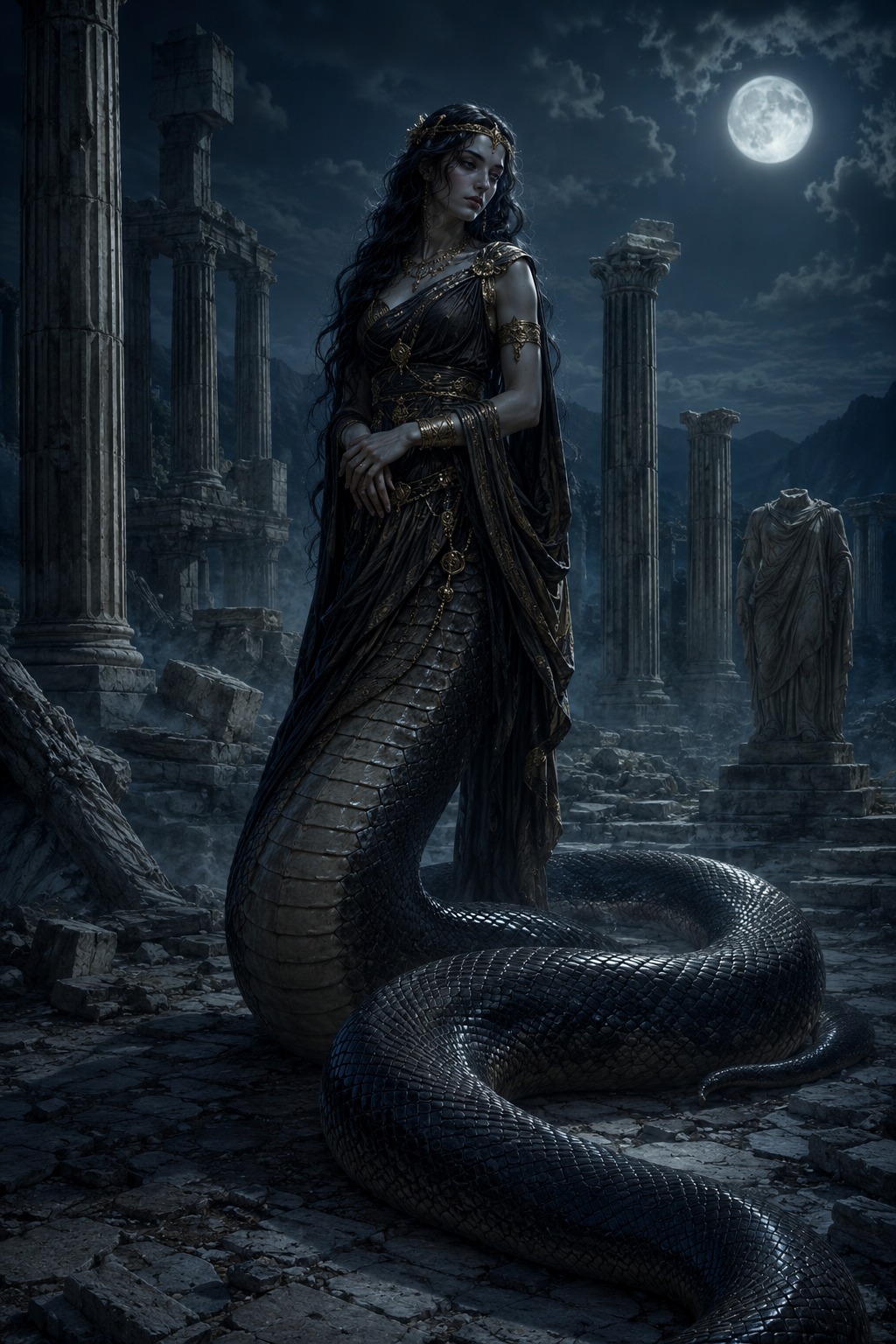
Lamia
Serpent-bodied Enchantress · Seductress and Devourer in Greek Mythology
Lamia is a creature from Greek mythology with the upper body of a woman and the lower body of a serpent. She embodies both alluring beauty and cruel ferocity, feared for her predatory nature. Often, she is depicted as a child-devouring monster.


Dragonfly
Dragonfly · Agile Insect — Swift and skillful flyer
The dragonfly is a common insect found throughout East Asia, characterized by its elongated body and two pairs of transparent wings. It is known for its agile flight and is typically seen near wetlands, ponds, and rice paddies.
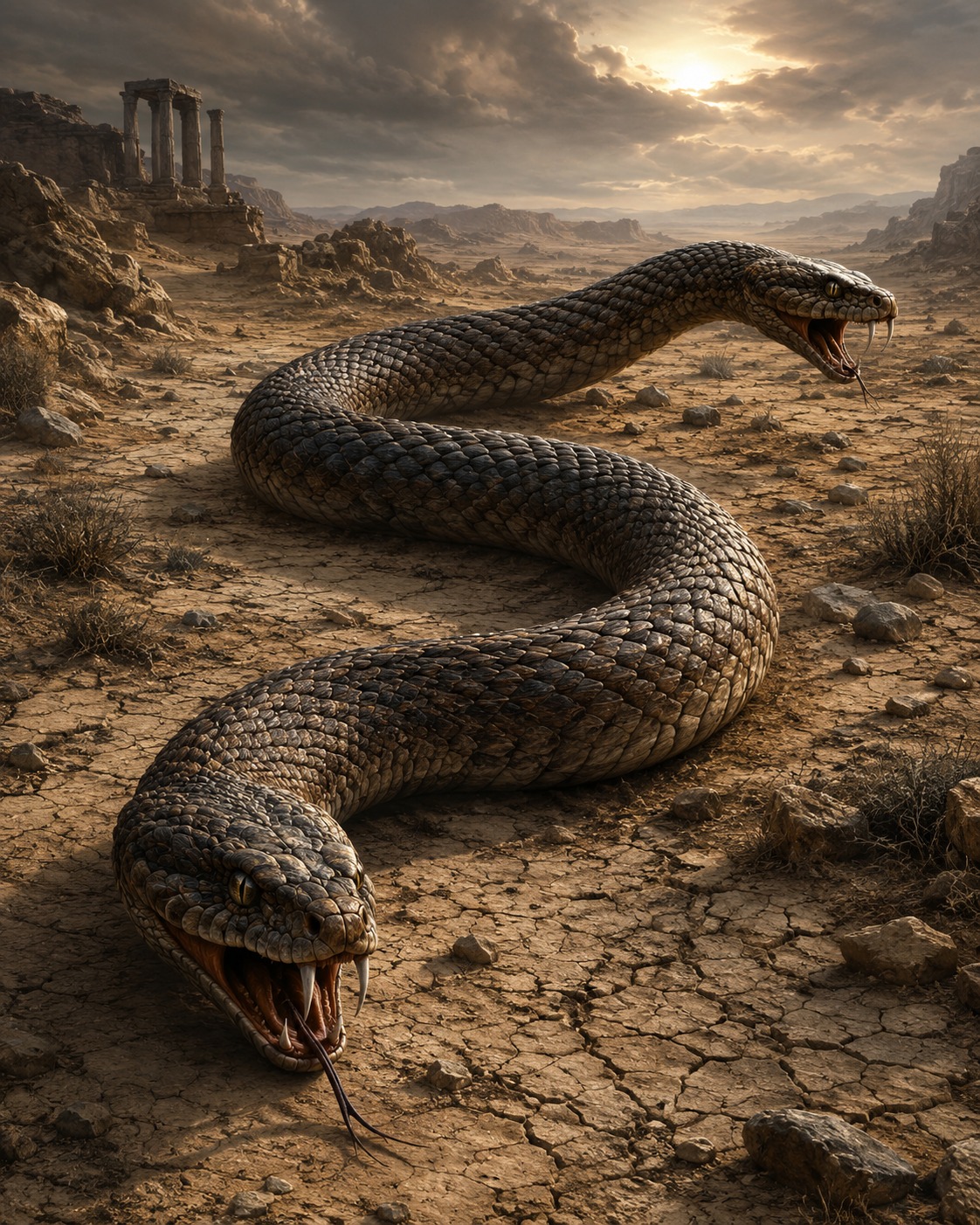
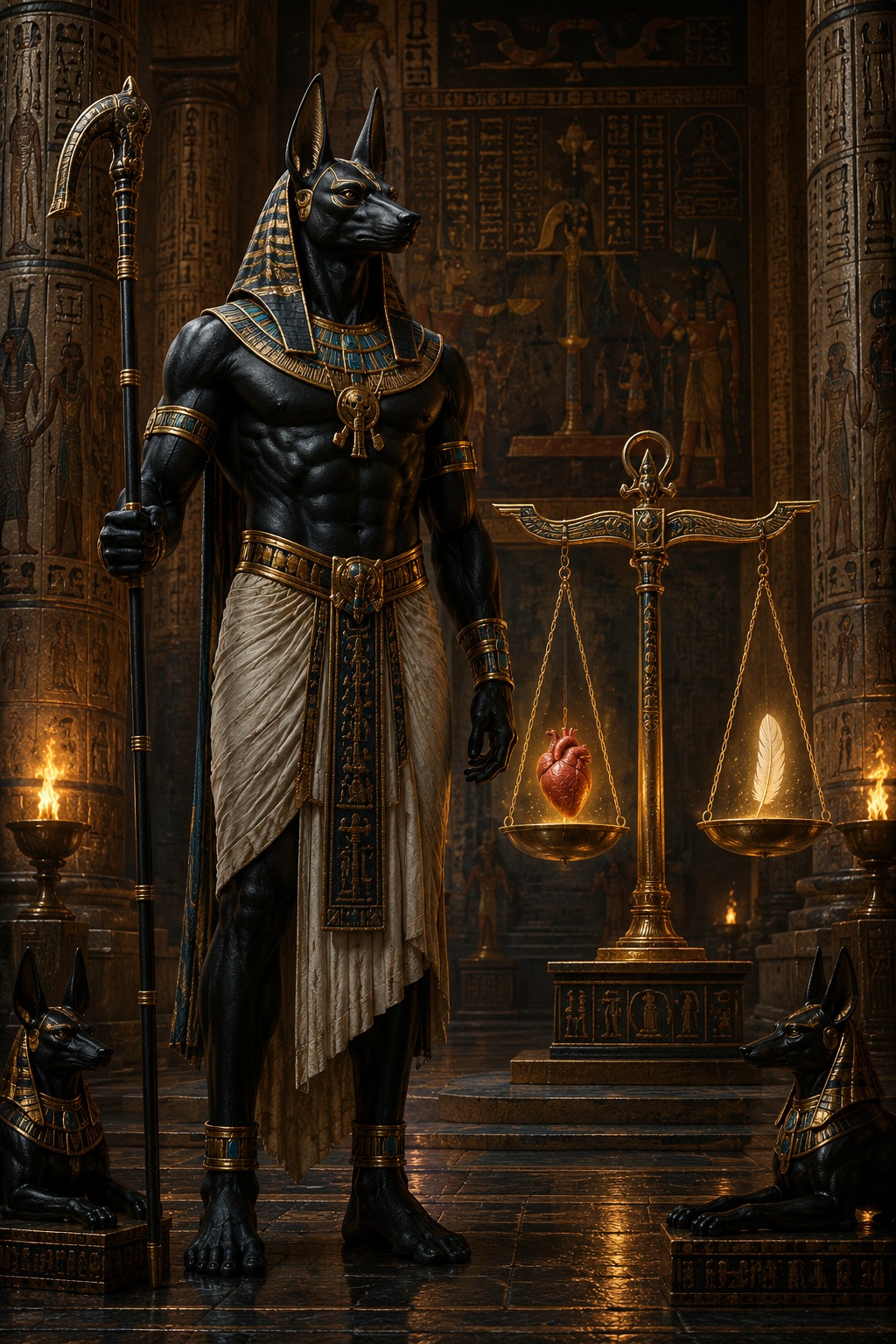
Anubis
Anubis · Egyptian God — Guardian of Death and Mummification
Anubis is known in ancient Egyptian mythology as the deity guiding souls of the dead and presiding over the mummification process. He is typically depicted with the head of a black jackal and the body of a man. Anubis symbolizes death, resurrection, and the order of the afterlife for ancient Egyptians.
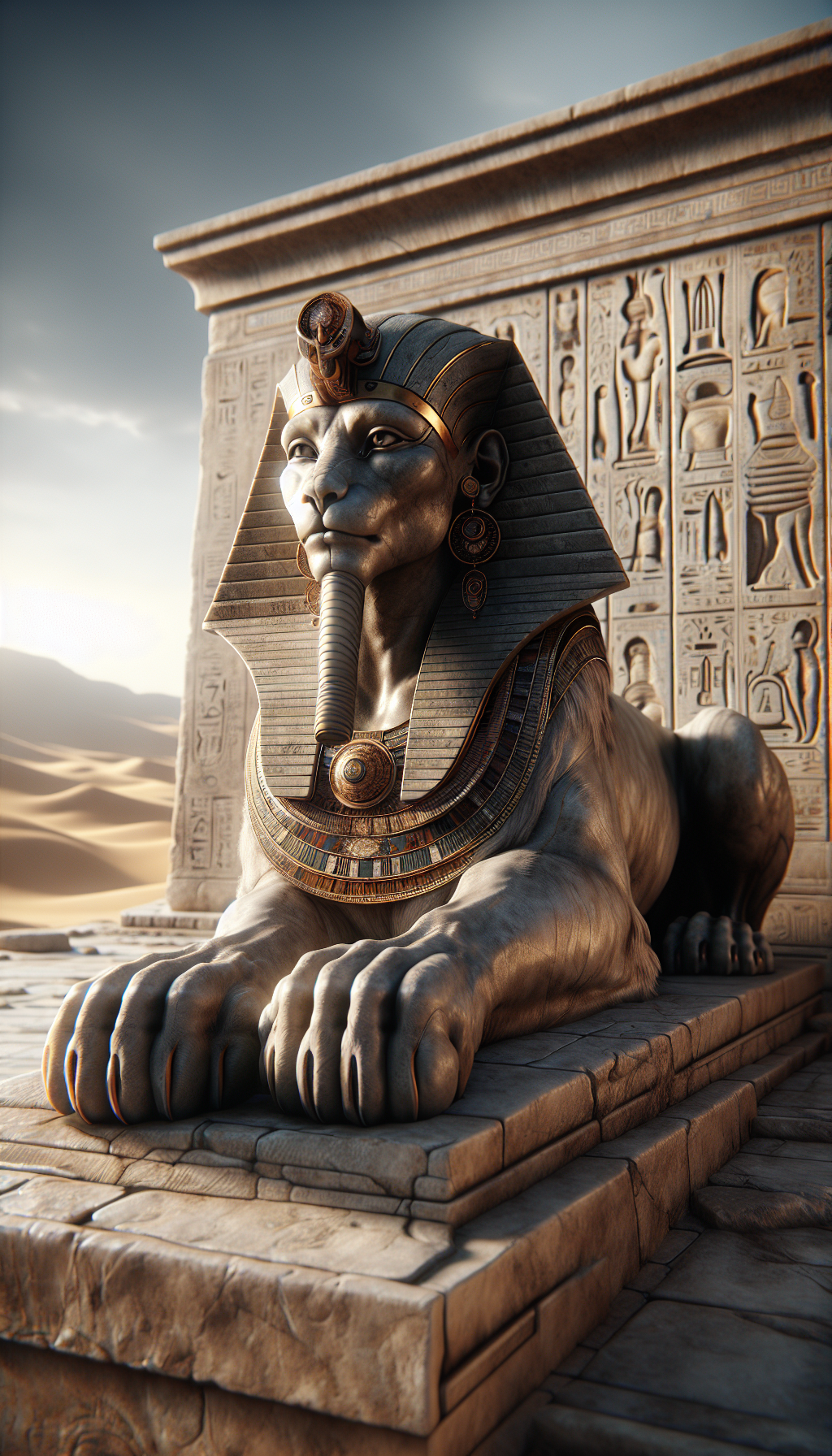
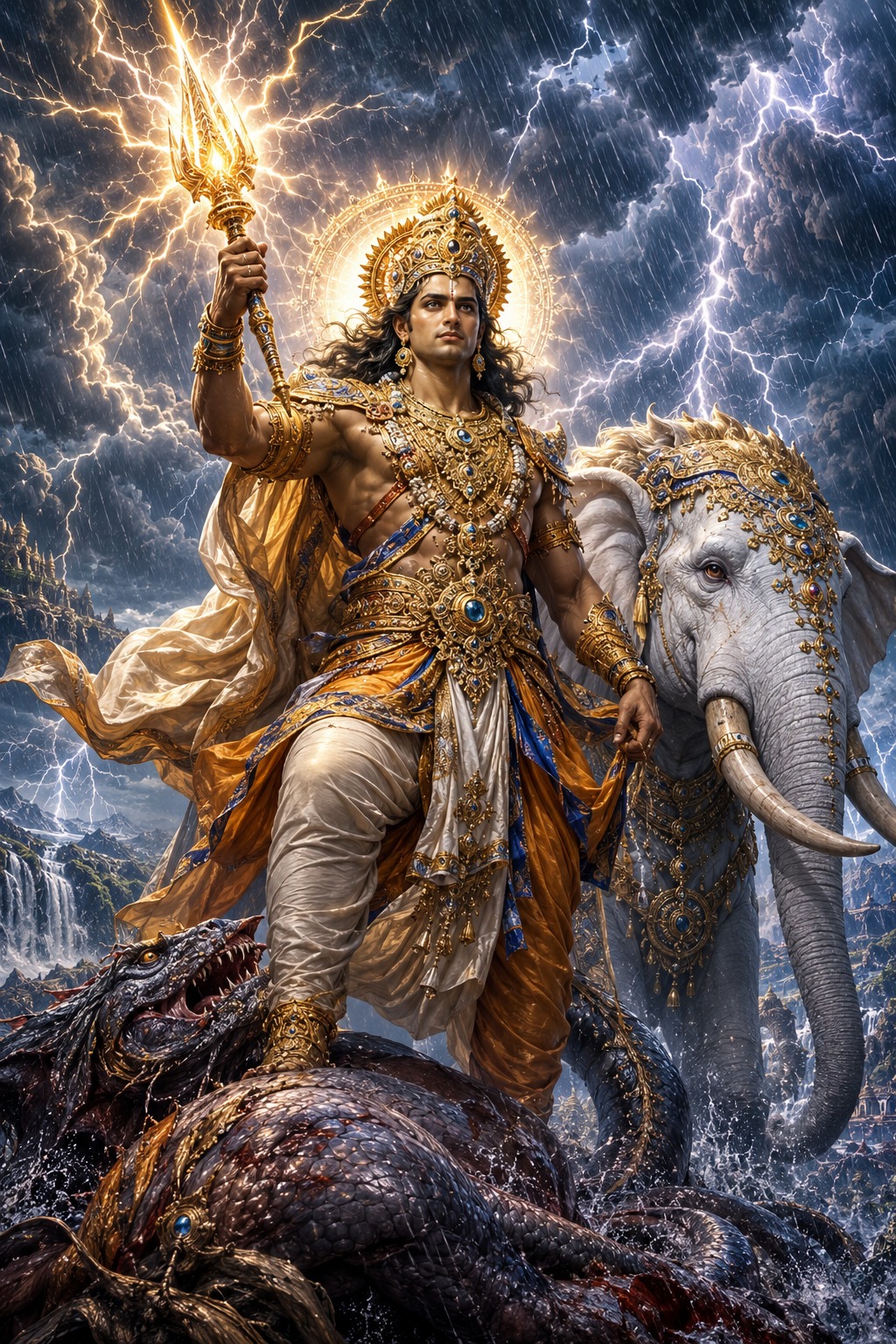
Indra
Indra · God of Thunder — Supreme Deity of Hindu Mythology
Indra is the god of thunder, rain, and war in Hindu mythology. As the king of the gods during the Vedic era, he held a prominent position. His weapon is the vajra, symbolizing lightning.

Taurus
Taurus · Bull Beast — Massive bovine creature
The Taurus is a mythical giant bull that appears in ancient legends and folklore. It is often regarded as a symbol of strength and bravery, frequently depicted wandering wild in mountains and fields.

Cimbrian War Wolf
Cimbrian War Wolf · Legendary warbeast — Mythical battle wolf
The Cimbrian War Wolf is a giant wolf creature from European legend, often associated with battlefields and fearsome warriors. It is depicted as a massive predator, striking terror into the hearts of enemies. Its strength and ferocity made it a symbol of war and destruction.

Amphicyon
Amphicyon · Bear Dog — Large prehistoric carnivore
Amphicyon, known as the 'bear dog,' was a large prehistoric mammal that exhibited features of both bears and dogs. It possessed powerful jaws and agile limbs, allowing it to hunt a variety of prey in diverse environments. Although not directly related to modern bears or dogs, it displayed characteristics of both.

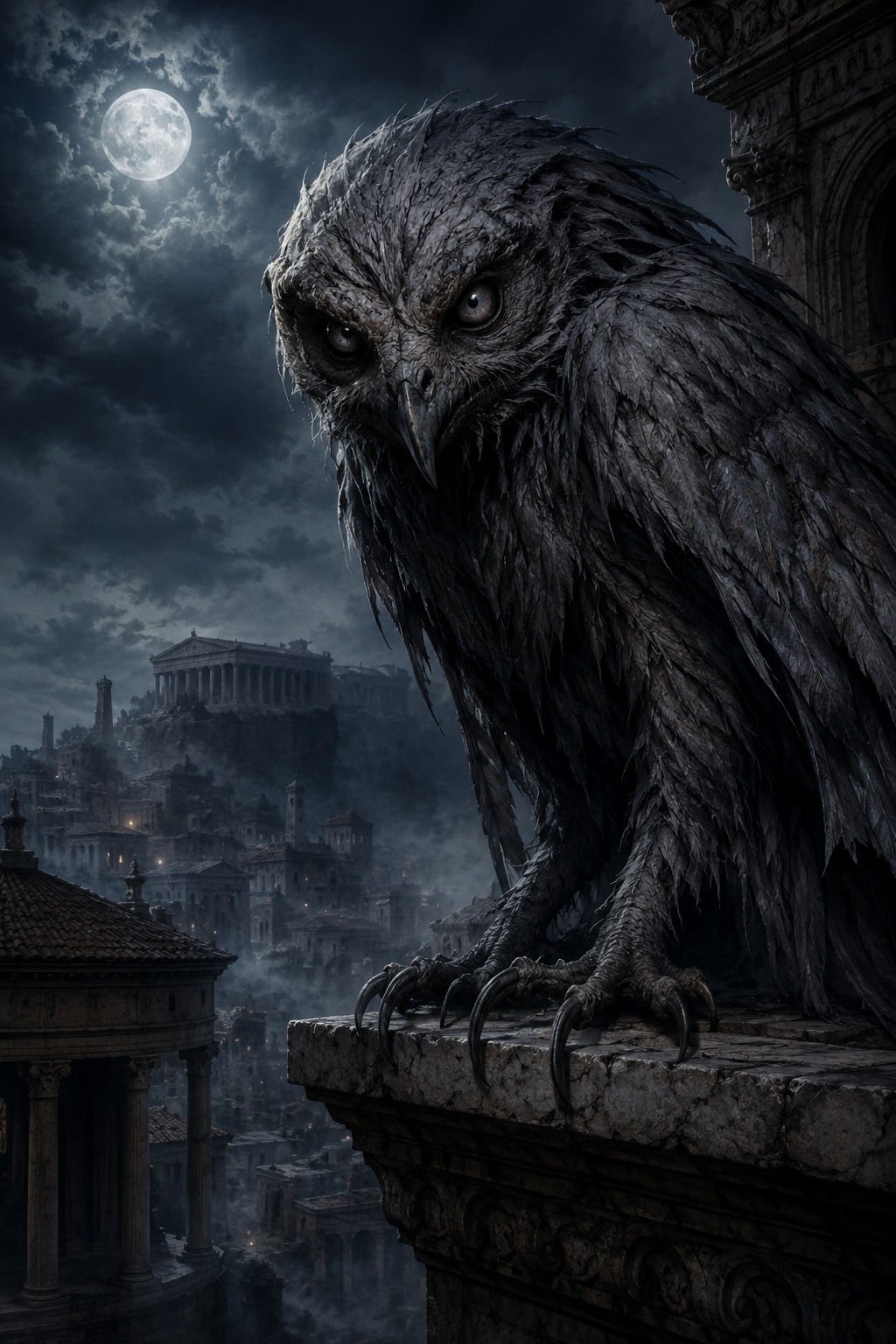
Strix
Strix · Night Bird — Vampiric Bird of Ancient European Myth
The Strix is a vampiric night bird from ancient Roman and Greek mythology. It is said to feed on human flesh and blood, especially that of children. Its ominous cry and nocturnal habits made it a feared and sinister creature.

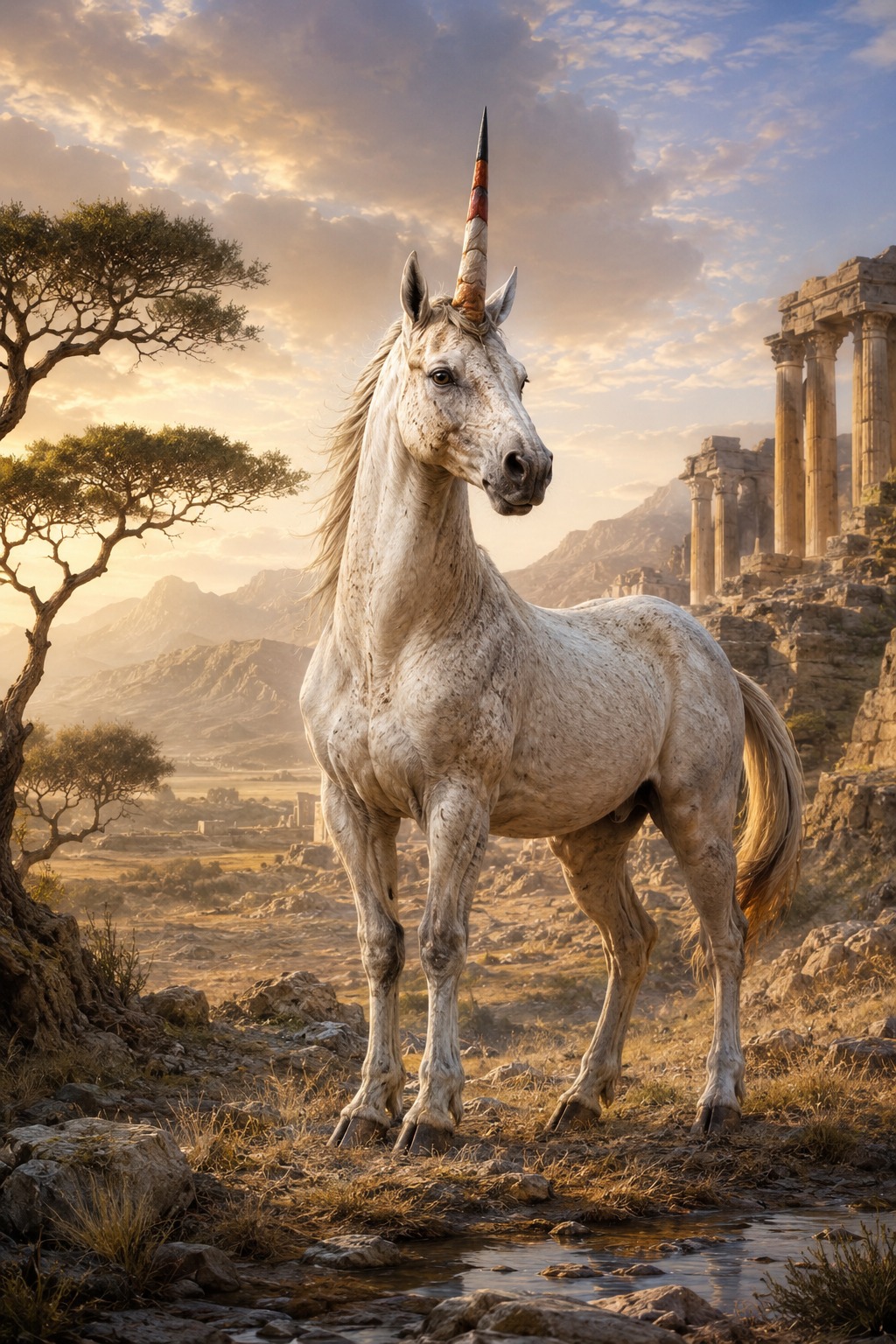
Monoceros
Monoceros · Unicorn — Legendary one-horned creature
The Monoceros is a mythical animal distinguished by a single horn on its forehead. Mentioned in ancient Greco-Roman texts, it is revered as a symbol of purity and virtue. While similar to the Western unicorn, it possesses its own unique lore and imagery.

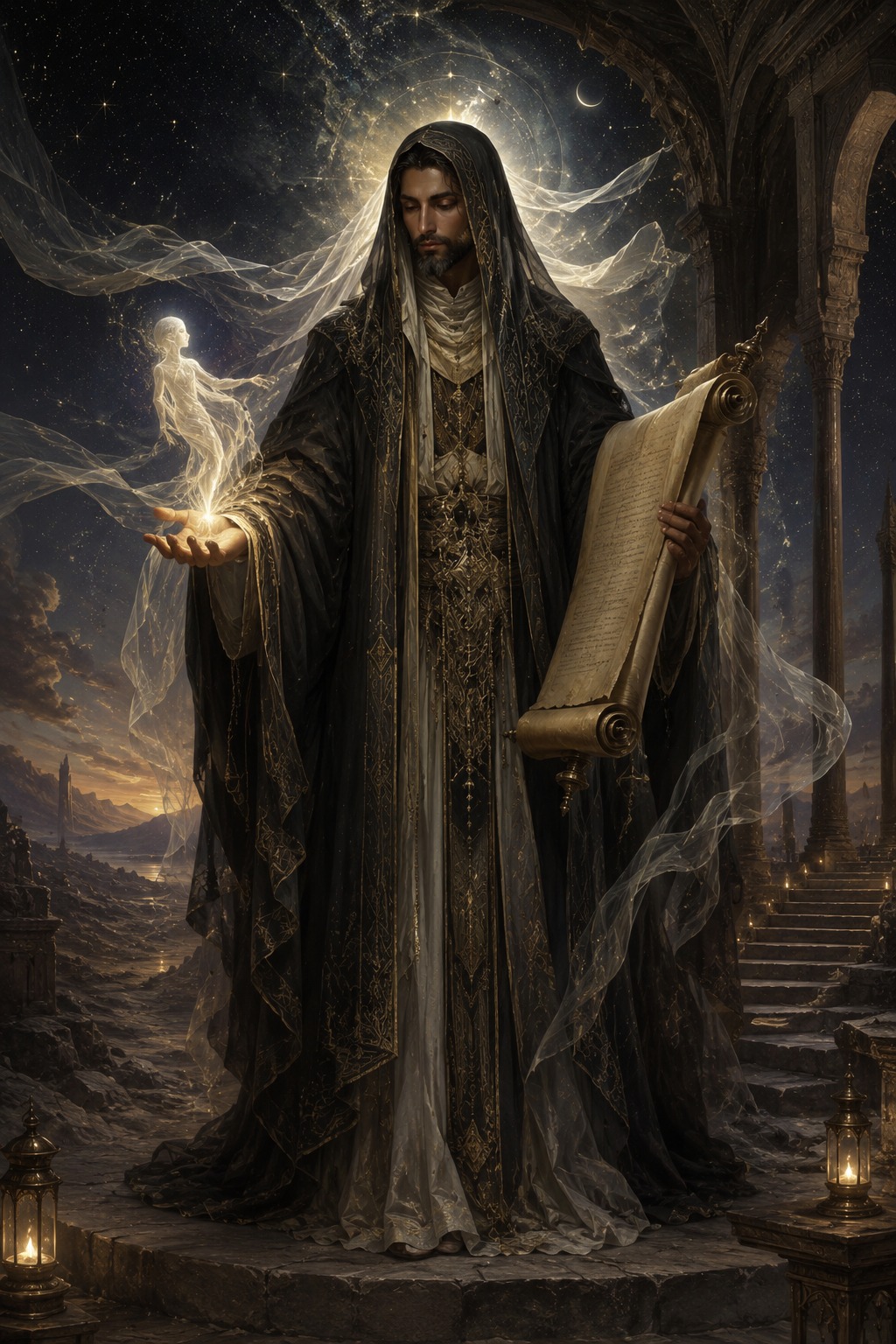
Runemaster
盧恩術師 · Runemaster — A mage who inscribes the laws of the world into ancient script
A magical class that infuses magical energy into rune (Rune) characters, inscribing them onto weapons, armor, and environments. Slower than traditional spellcasting, but once a rune is inscribed, it exerts permanent effects — a defining characteristic of durability. Odin of Norse mythology is the first runemaster.

Druid
自然祭司 · Druid — An ancient priest who has become one with nature
An ancient priestly class that takes natural phenomena and the cycle of life as their faith, wielding nature magic. They handle all nature-related magic from healing, shapeshifting, and summoning plants and animals to unleashing natural disasters. An absolute authority in forest, mountain, and coastal natural regions.

Shaman
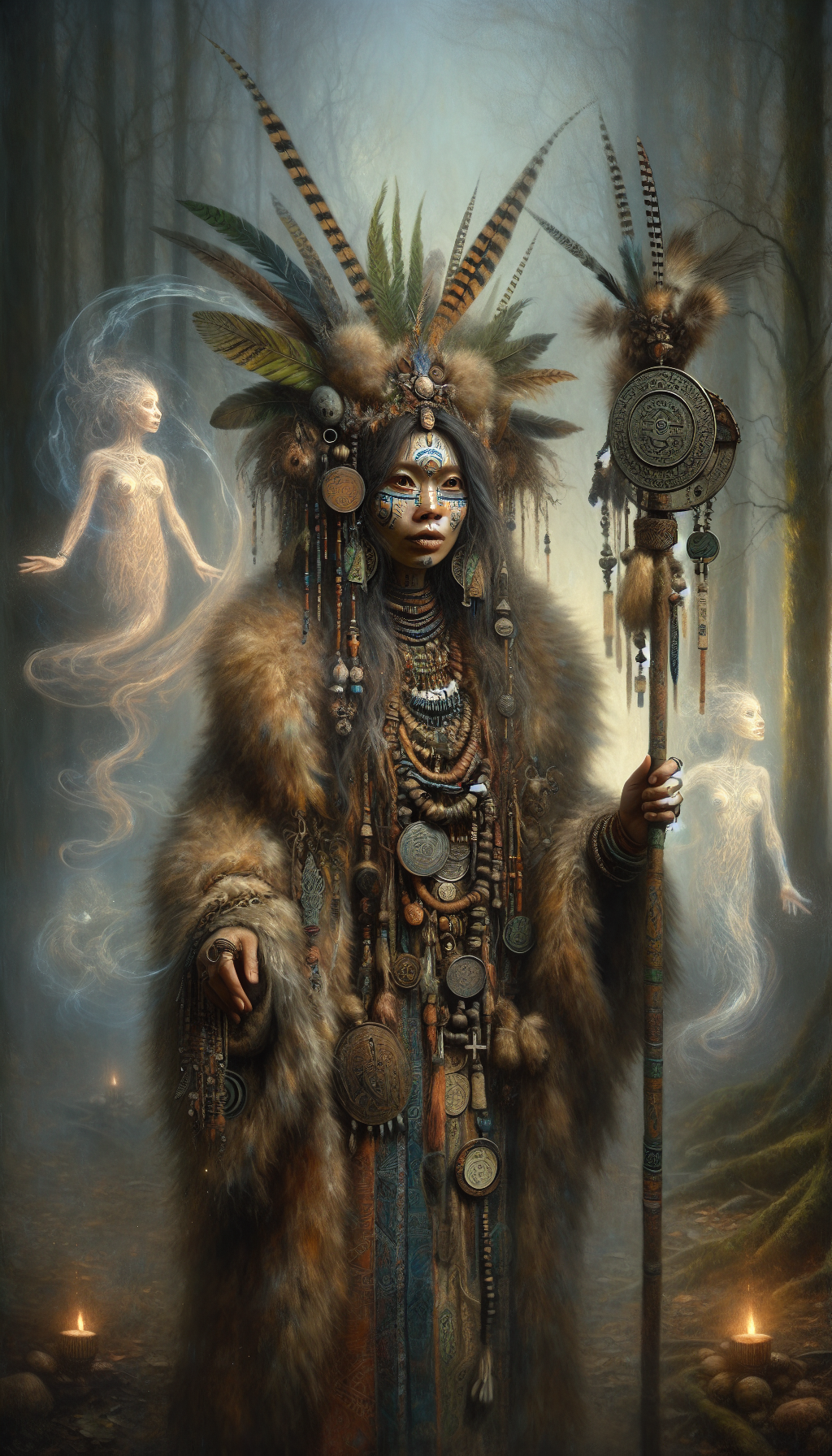
巫師 · Shaman — A spirit communicator who traverses between the spirit world and reality
A primitive yet powerful class that directly communicates with spirits, ancestral gods, and nature deities to borrow their power. Unlike civilized mages, they wield magic through instinct and spiritual empathy rather than theory. An all-around magical leader of tribal society who handles healing, divination, curses, and spirit summoning alike.

Oracle
占術師 · Oracle — The heavy eyes of one who sees the future
A class that divines events in the future, past, and present through divination. They receive prophecies through various mediums — constellations, tarot, crystal balls, bones, entrails, and dreams. Prophecies always come to pass, but misinterpretation often causes disaster — the paradox of prophecy.

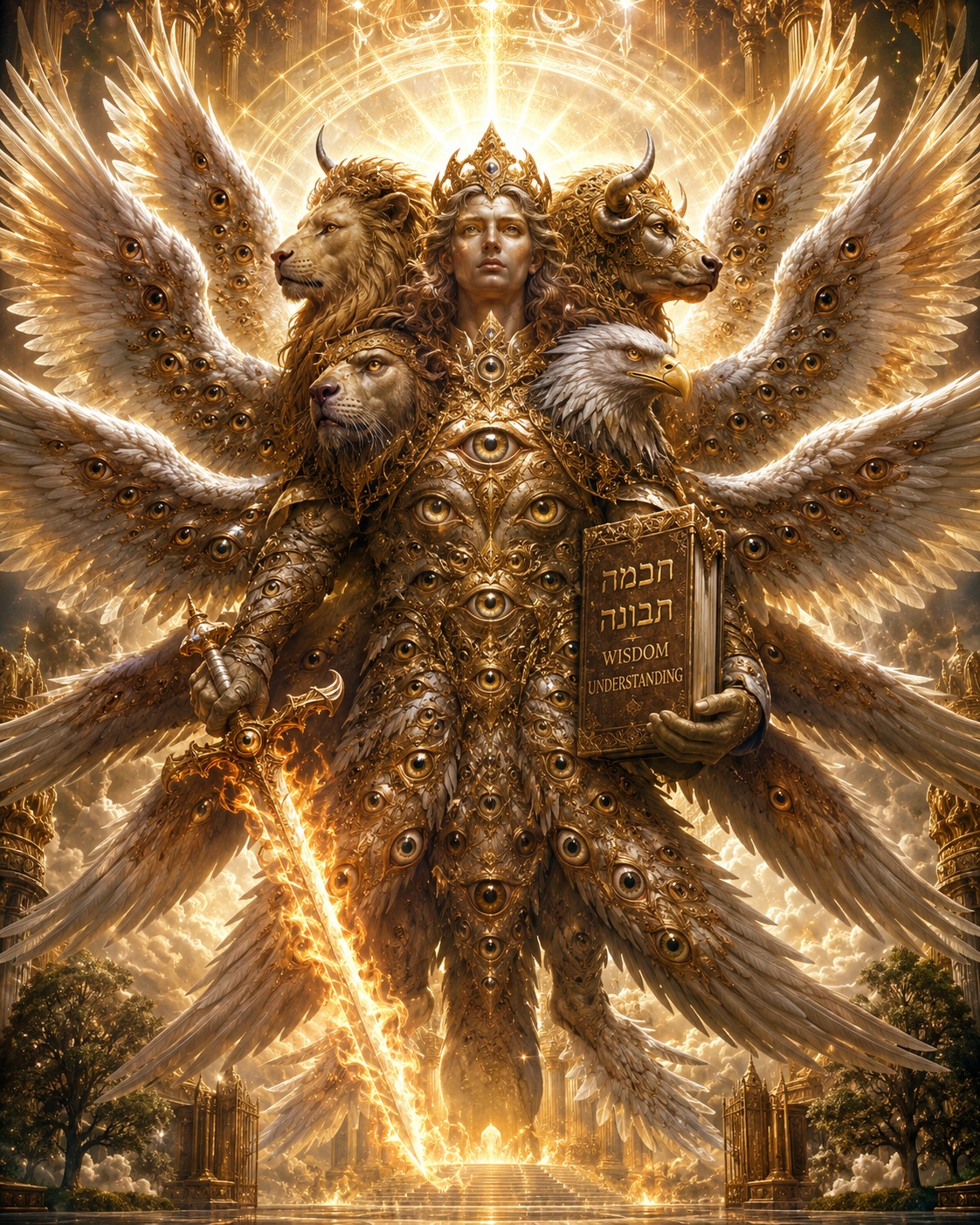
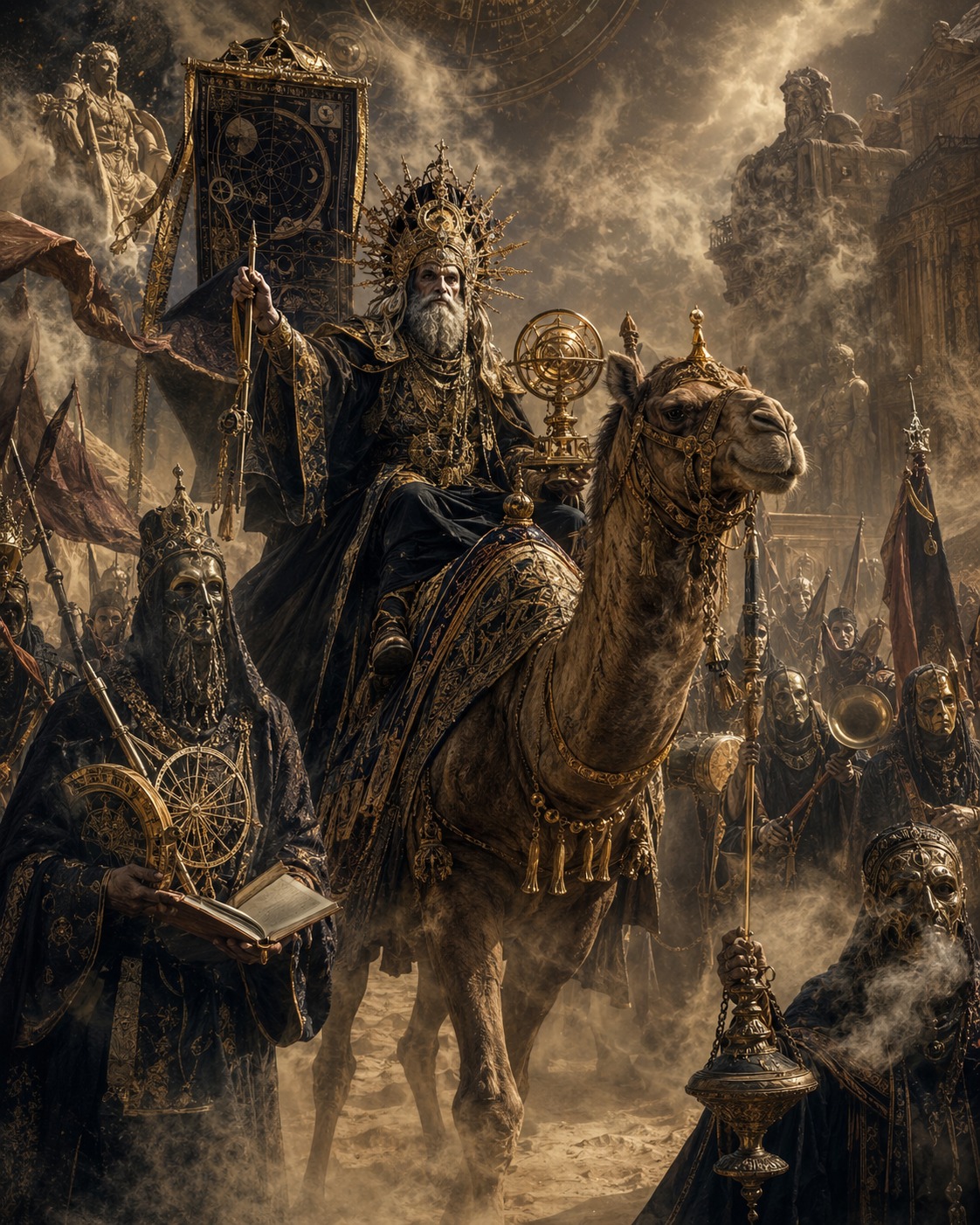
High Priest
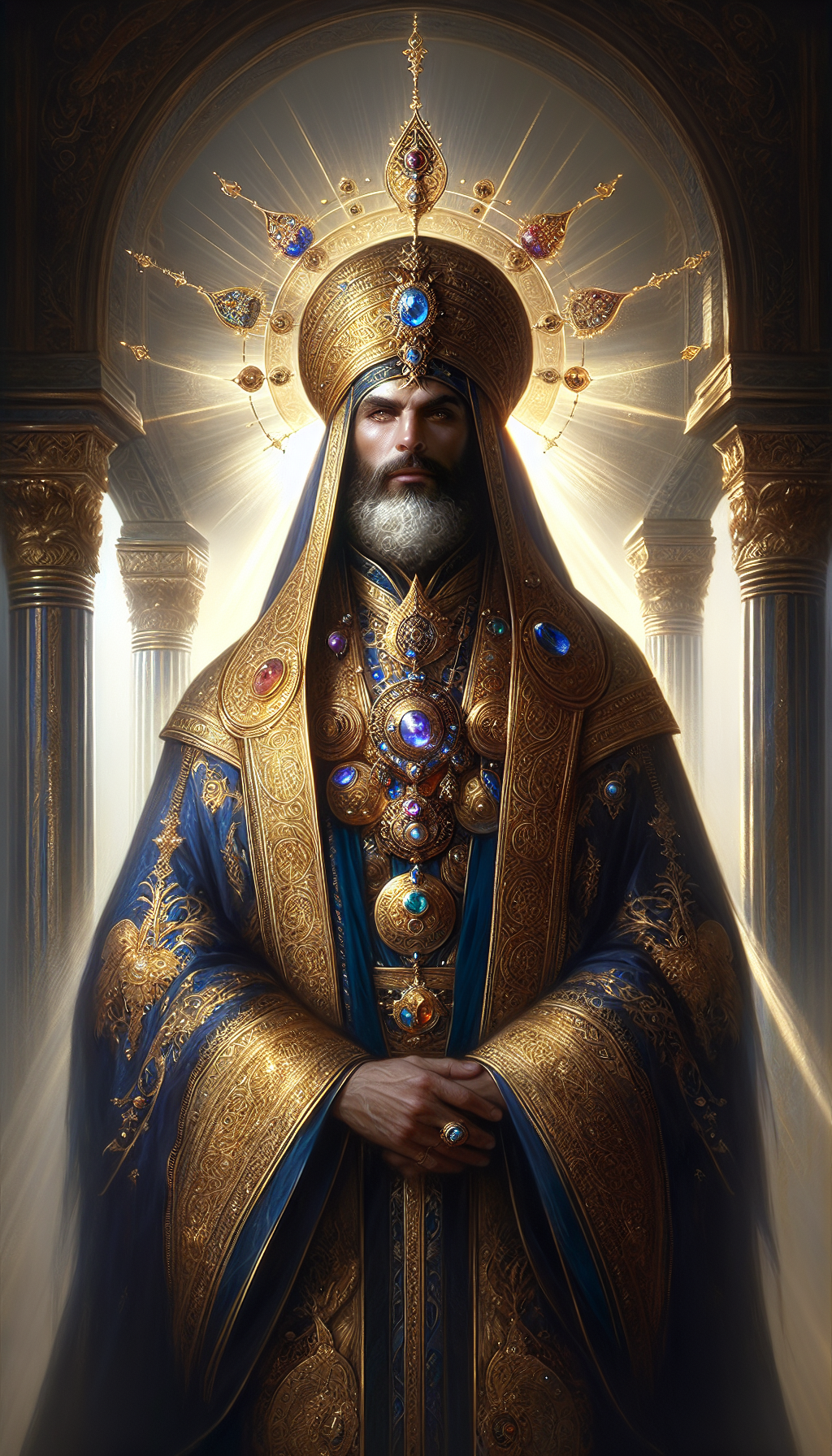
祭司長 · High Priest — The highest religious authority who bridges gods and humanity
The highest religious position who presides over temple rites and receives divine revelations to convey to the faithful. Direct combat is rarer than for healers or clerics, but through the direct divine grace of a deity, the scale and power of their holy magic is incomparably greater. The pinnacle of religious authority rivaling royal power.

Ragasa
Ancient Grain Porridge · Traditional Cereal Dish — Nourishing grain-based porridge
Ragasa is a type of grain porridge traditionally consumed in ancient Korea. It is made by boiling various grains such as millet, sorghum, and rice with water until it reaches a thick consistency. The dish served as an easily digestible and nutritious meal, suitable for the elderly, the sick, and ritual offerings.

Boerele
Ancient Norse Barley Porridge — Simple, Nutritious Oatmeal
Boerele is a traditional barley porridge enjoyed in ancient Norse societies. Made by simmering barley with water, and sometimes milk or honey, it served as a staple meal for both peasants and warriors. Its simple preparation and hearty texture made it ideal for northern climates.

Palaći
Palaći · Fried Flatbread — Traditional Central Asian Snack
Palaći is a dish made by rolling out wheat dough thinly and deep-frying it in oil. Originating from the nomadic cultures of Central Asia and Turkey, it is characterized by its crispy exterior and soft interior. Sometimes, it can be filled with meat or vegetables.

Tarlak
Tarlak · Central Asian Nomadic Dish — Traditional lamb and grain stew
Tarlak is a traditional dish of Central Asian nomads, made by combining lamb and grains. It was developed for easy consumption during long migrations and offers high nutritional value. The stew’s hearty flavor comes from slow-cooking meat and grains together.

Arabian Horse
Desert Aristocrat · Agile, Enduring Steed
The Arabian horse is an ancient breed originating from the Middle East, renowned for its elegant appearance and muscular, compact build. Valued for its speed, remarkable endurance, and gentle temperament, it was widely used for warfare and long-distance travel.

Warhorse
Warhorse · Military Mount — Horse bred and trained for battle
A warhorse is a horse specially trained and bred for use in warfare. These animals provided mobility, shock power, and support for cavalry and armored warriors on the battlefield. Various breeds served as vital military assets across different eras and cultures.

Hippodrome
Hippodrome · Racecourse — Grand race stadium of ancient Greece and Rome
The hippodrome was a large stadium constructed in ancient Greece and Rome, mainly for chariot and horse races. It featured a rectangular layout with a central dividing barrier and could accommodate tens of thousands of spectators. Many hippodromes also served as centers for political, social, and religious events.

Baths of Caracalla
Baths of Caracalla · Rome’s Grand Public Baths — Iconic Bath Complex of the Ancient Roman Empire
The Baths of Caracalla were a massive public bath complex built in ancient Rome. They served as a hub for socializing, relaxation, and exercise among Roman citizens. The baths featured impressive architecture and advanced engineering, accommodating thousands of visitors.

Colosseum
Colosseum · Amphitheater — Iconic Ancient Roman Structure
The Colosseum is a large amphitheater built during the Roman Empire. It hosted gladiatorial games, animal hunts, and theatrical performances for the public. Today, it remains a symbol of ancient Roman engineering and culture.

Petra Ancient City
Petra · The City Carved in Stone — Nabataean Rock-cut Metropolis
Petra is an ancient city in southwestern Jordan, renowned for its monumental tombs, temples, and theaters carved into red sandstone cliffs. Established by the Nabataeans in the 4th century BCE, Petra was a major trading hub, strategically located on the Silk Road and spice route. It remained largely unknown to Europeans until its rediscovery in the early 19th century.

Hira Tower
Hira Pagoda · Tower — Ancient Buddhist Monument
The Hira Tower is a type of stone pagoda constructed during Korea’s Three Kingdoms and Unified Silla periods. Primarily situated within temple complexes, it served as a symbol of Buddhist faith. The structure is noted for its sturdy stonework and simple, layered form.

Kailasa Temple
Kailasa Temple · Ellora Cave 16 — Ancient Indian Rock-Cut Temple
The Kailasa Temple is a major Hindu temple located in the Ellora Caves, Maharashtra, India. It was carved from a single rock from the top down and built during the 8th century under the Rashtrakuta dynasty. The temple is modeled after Mount Kailash, the mythological abode of Shiva.

Temple of Zeus
Temple of Zeus · Ancient Greek Temple — Monumental sanctuary for Zeus
The Temple of Zeus was a grand structure located in Olympia, Greece, dedicated to the chief deity Zeus. Built in the 5th century BCE, it was regarded as one of the Seven Wonders of the Ancient World. The temple housed a colossal statue of Zeus crafted by Phidias.

Hanging Gardens of Babylon
Ancient Wonder · Legendary Terrace Gardens — A Mystical Garden Floating Above Babylon
The Hanging Gardens of Babylon are fabled terraced gardens said to have existed in ancient Mesopotamian Babylon. Renowned for their mysterious construction and lush greenery, they are celebrated as one of the Seven Wonders of the Ancient World.

Roman Amphitheatre
Colosseum · Flavian Amphitheatre — Monumental arena of the Roman Empire
The Roman Amphitheatre, most famously the Colosseum in Rome, was a vast oval arena built for public entertainment and imperial spectacle. It hosted gladiatorial contests, animal hunts, and various public games.

Galley
Oared Warship · Ancient and Medieval — Warship powered by oars and sails
The galley is a long, slender warship propelled by both oars and sails. Widely used by Mediterranean civilizations from antiquity through the Middle Ages, it excelled in naval combat and fast maneuvers. Rowers seated along the sides allowed for rapid acceleration and ramming tactics.

Trireme
Trireme · Triple-Row Oared Warship — Warship of Ancient Mediterranean
The trireme was a prominent warship used by ancient Greeks and Romans. It featured three rows of oars on each side, allowing for exceptional speed and maneuverability. Triremes played a crucial role in ramming enemy ships and performing surprise attacks during naval battles.

Oryx
Oryx · Ancient Korean Trading Ship — Utilized in East Asian Maritime Trade
The Oryx was a prominent Korean trading vessel used during the Three Kingdoms and Goryeo periods for maritime trade in East Asia. Its broad hull and high prow made it suitable for open sea voyages. It primarily transported large cargoes in commerce with China and Japan.